TLP:CLEAR · Disclosure is not limited.
Iran conflict: Hormuz and Houthi attacks drive regional risk
Time window: Last 1 day · Audience: General analyst · Type: Situation report · DTG: 2026-10-09 14:43Z · Overall confidence: HIGH
BLUF
The clearest current escalation risks are the US-Iran confrontation over the Strait of Hormuz and Houthi attacks on Saudi airports. A US strike on Iran before 3 November is unlikely, but reported strike preparations conflict with Donald Trump's public pledge and leave a low-probability, high-impact escalation path.
Executive summary
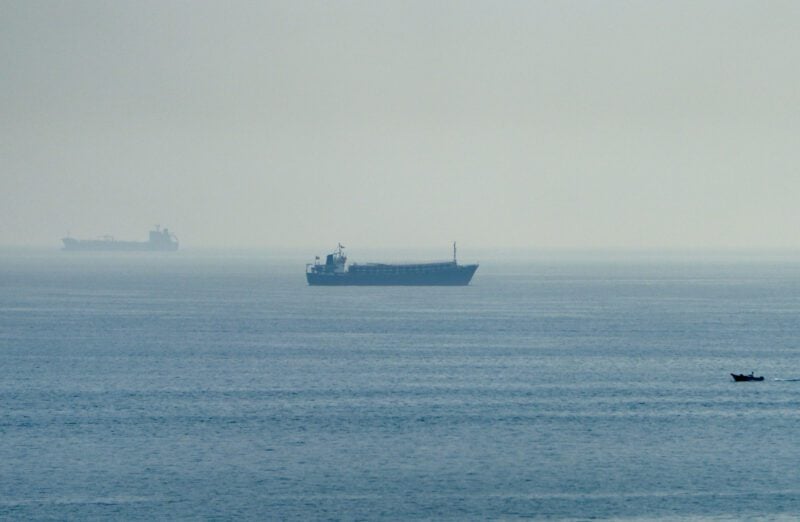
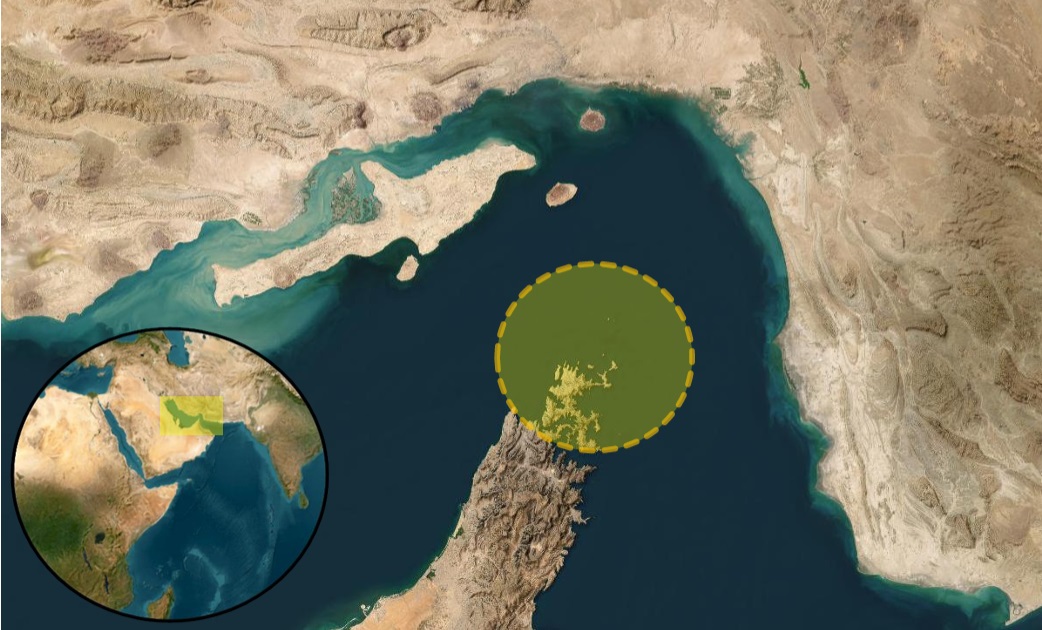
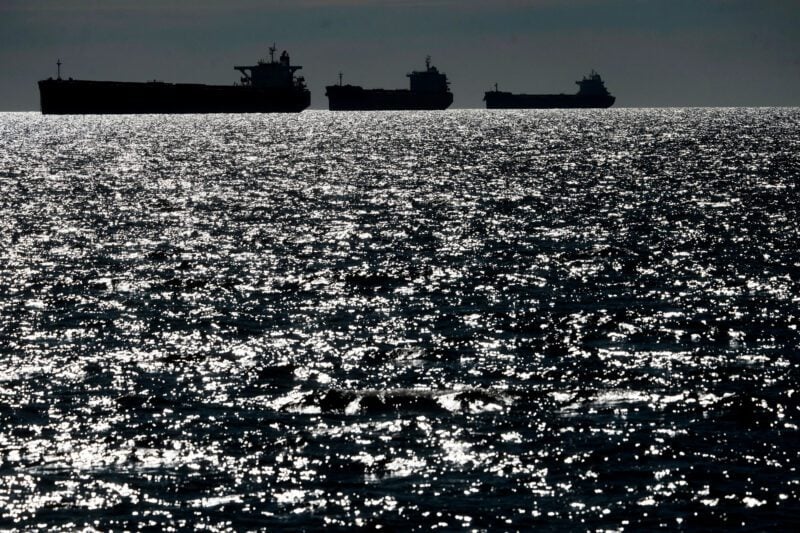
Reported developments: CENTCOM says Hormuz's main navigation lanes are open to ships that do not violate the US blockade, following mine removal. Recent transit figures vary, with one monitor counting 9 ships in 24 hours on 9 October and another counting 20 on 8 October, down from 26 the previous day. The IRGC claims it struck the LPG carrier NV Sunshine; UKMTO has not attributed the separate Acers attack off Qatar. Saudi reporting describes Houthi attacks on King Khalid International Airport and Abha International Airport, with three deaths overall and dozens injured, although accounts differ on the Riyadh casualty breakdown. The Saudi-led coalition says it struck 82 Houthi targets in Yemen. Assessment: Hormuz is likely to remain hazardous but open to some commercial traffic. Further Houthi attacks on Saudi targets are likely. A US strike before the midterm elections is unlikely, but anonymous reporting of US readiness and Pentagon strike-option planning remains in tension with Trump's pledge.
Change from previous assessment
Since the 8 October prior brief, the assessment of the USS Abraham Lincoln has changed: reporting says it returned to San Diego on 8 October after a 321-day deployment, rather than approaching a position from which it could conduct attacks. The strike outlook now weighs Trump's public pledge not to attack before 3 November against new reporting of White House option-drafting and earlier US force readiness; the contradiction is clearer, but authorisation remains unproven. The maritime picture now includes CENTCOM's claim that main lanes are open after mine removal, divergent daily transit counts, and the IRGC's claim to have struck NV Sunshine. Initial reporting of Houthi attacks is now accompanied by accounts of 82 coalition strikes and the retaking of Mokha.
Key judgments
- A US strike on Iran before 3 November is unlikely, despite reported US readiness and Pentagon option-drafting. Donald Trump publicly pledged not to attack before the midterm elections, while The Atlantic reported that the White House asked the Pentagon to prepare options executable before the vote and a US military source said forces had stood ready from 4 October pending final orders. Those anonymous accounts do not establish presidential authorisation and conflict with the public pledge. (Confidence: low · ASSESSED)
- I&W: Confirm: Before 23 October, the White House or Pentagon states that Trump authorised an attack, or US forces strike Iranian territory. (0-14 days)
- I&W: Break: By 23 October, Trump reiterates the no-strike pledge and the Pentagon states that pre-election options remain contingency plans with no execution order. (0-14 days)
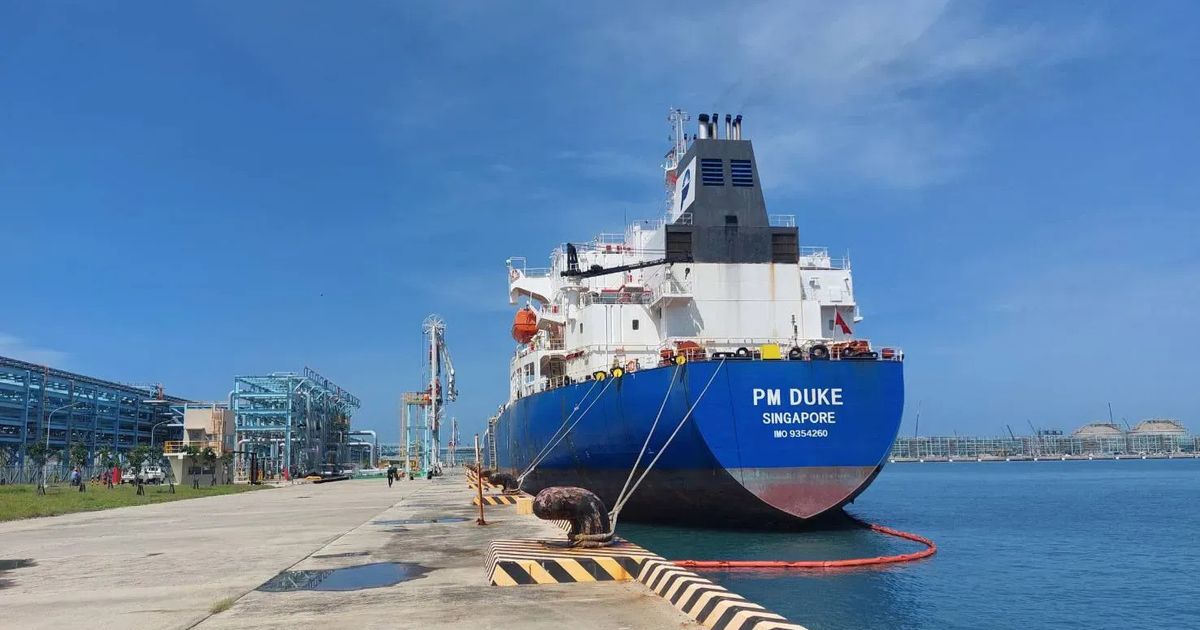
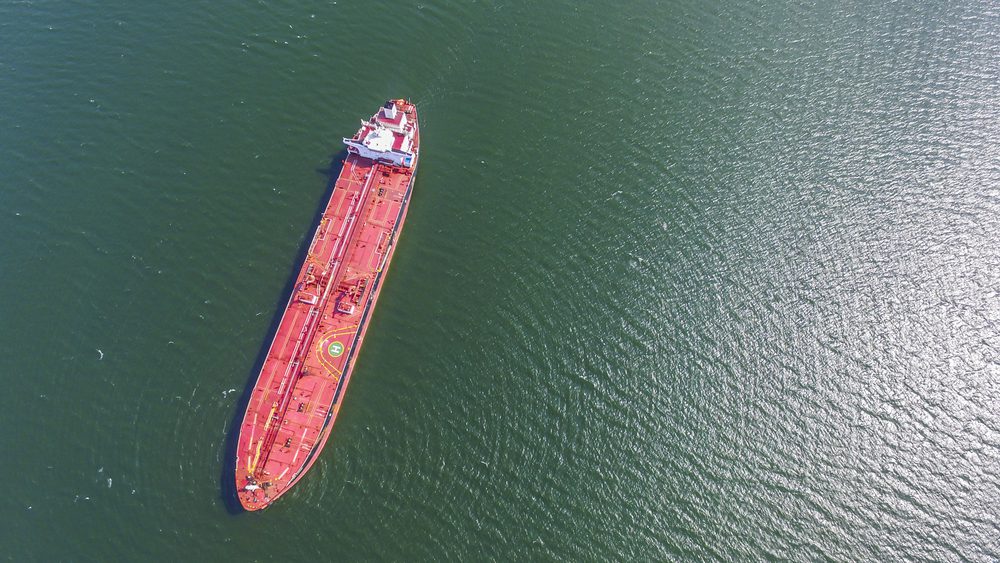
- Iranian efforts to deter or disrupt shipping on routes it labels unauthorised are likely to continue through 23 October, but attribution of recent vessel strikes remains unresolved. Tehran has warned regional countries against opening new oil-export routes, and the IRGC says it struck LPG carrier NV Sunshine south of Hormuz. That strike is not independently corroborated in the available reporting; UKMTO has not attributed the Acers attack off Qatar. (Confidence: medium · ASSESSED)
- I&W: Confirm: UKMTO records a fresh attack or boarding on a vessel using the Omani-side route, or verifies damage to NV Sunshine. (0-14 days)
- I&W: Break: Iranian officials publicly rescind the warning against unauthorised routes and UKMTO records no new Hormuz-area tanker strike through 23 October. (0-14 days)
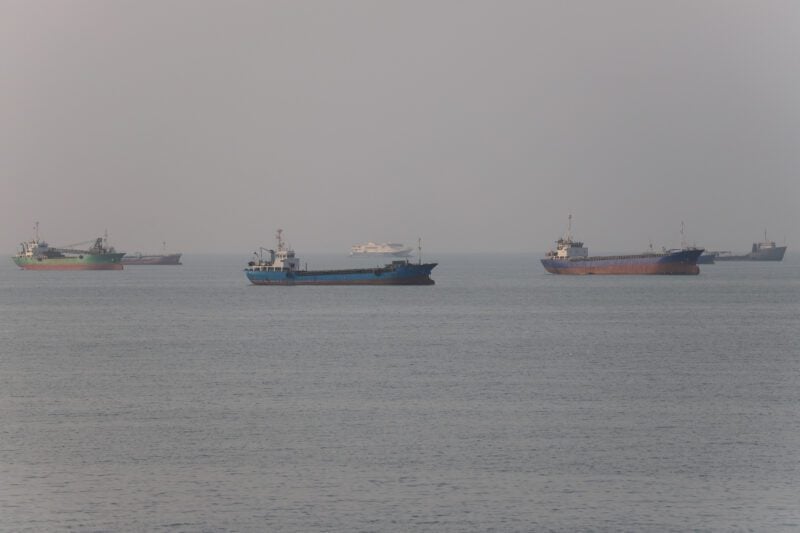
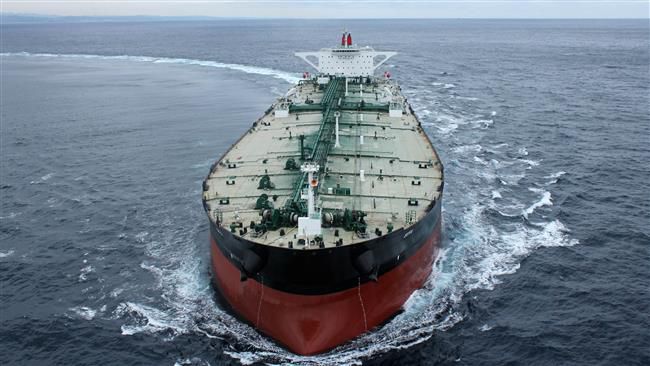
- Some commercial traffic through the Strait of Hormuz is likely to continue over the next 14 days, while transits are likely to remain volatile rather than reliably normalising. CENTCOM says the main lanes are open after mine removal. Hormuz Street Monitor counted 9 ships in 24 hours on 9 October; Ship Finder counted 20 on 8 October, compared with 26 on 7 October. Reuters reported at least 12 tanker attacks between 28 September and 5 October. A separate report says crude flows had recovered near pre-war levels, so oil-flow and vessel-transit measures do not give a consistent picture. (Confidence: medium · ASSESSED)
- I&W: Confirm: In at least 5 of the next 7 daily reports, either Hormuz Street Monitor or Ship Finder records fewer than 20 transits, and UKMTO reports another tanker incident. (0-14 days)
- I&W: Break: Ship Finder and Hormuz Street Monitor each record at least 26 transits per day for 5 consecutive days, with no tanker attack reported by UKMTO over that period. (0-14 days)
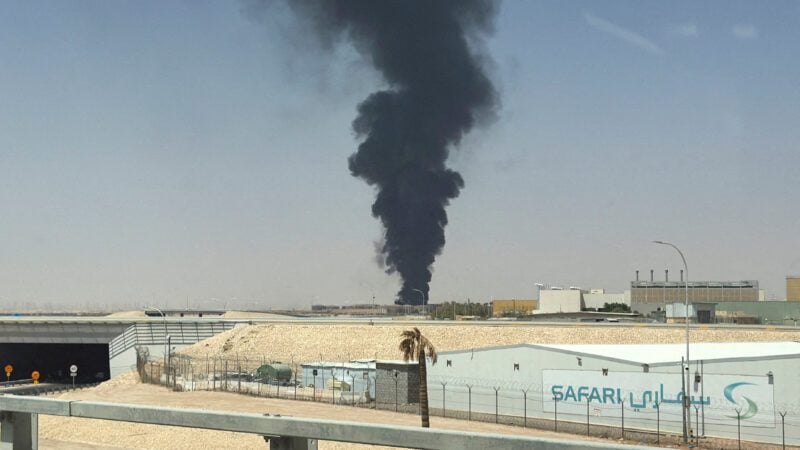
- Further Houthi attacks on Saudi targets are likely in the next 14 days. Saudi reporting attributes attacks to the Houthis at King Khalid International Airport in Riyadh and Abha International Airport. Reports identify three deaths overall and dozens injured, but differ on the Riyadh casualty breakdown. The Saudi-led coalition says it struck 82 Houthi targets in Saada, Hodeida, Jawf and Marib; its ground offensive, which began on 4 October, has retaken Mokha. (Confidence: medium · ASSESSED)
- I&W: Confirm: Saudi authorities or the General Authority of Civil Aviation report another Houthi attack on King Khalid, Abha or another Saudi airport. (0-14 days)
- I&W: Break: No Saudi government or civil aviation authority reports a Houthi attack on Saudi territory for 14 consecutive days. (0-14 days)
- The US blockade and sanctions are likely to keep Iranian seaborne oil exports sharply constrained over the next 1-3 months, but the available evidence does not establish that Tehran cannot fund its security priorities. Treasury officials say tanker loading and unloading has stopped and estimate that about 20 million barrels remain afloat off Singapore, Malaysia and China; another report says Iran currently exports no oil or LNG. One assessment projects government revenue at about 40 per cent below budget expectations, while another says funding for Iran's nuclear programme, missile stocks and Basij will continue. These estimates include single-source reporting and are not a firm measure of Iran's finances. (Confidence: medium · ASSESSED)
- I&W: Confirm: Port or shipping reports show no crude loading at Kharg Island through 8 November, and Treasury's estimate of Iranian crude afloat falls below 20 million barrels. (1-3 months)
- I&W: Break: Independent port or shipping reports document renewed crude loading at Kharg Island or renewed Iranian crude or LNG exports by 8 November. (1-3 months)
Outlook & scenarios
Managed but hazardous blockade (50%)
This is the most likely 14-day path. Trump maintains his pledge not to strike before 3 November, the US blockade remains in force, and Iran continues to warn against unauthorised routes. Some ships transit Hormuz at uneven rates. Houthi attacks and Saudi-led coalition strikes continue without a wider US-Iran strike cycle.
Maritime and Yemen escalation (30%)
A further vessel attack or confirmed damage to NV Sunshine prompts stronger Iranian warnings and more caution from ship operators. Houthi attacks on Saudi targets resume as the Saudi-led coalition continues operations in Yemen. Hormuz transits fall and oil-shipping costs rise.
Wildcard: US strikes Iran before 3 November (15%)
Despite Trump's public pledge, US forces execute a three-day campaign against Iranian missile and drone assets, energy facilities, and command-and-control sites. Iran retaliates against commercial shipping or oil-export routes, widening the conflict beyond the existing blockade and Houthi-Saudi fighting.
Recommendations
- Keep Trump's public no-strike pledge separate from reports of Pentagon option-drafting and US force readiness. Do not treat anonymous accounts of contingency planning as evidence of presidential authorisation.
- Reconcile daily Hormuz transit reporting by recording each source's time window and method. Until the discrepancy is resolved, report the 9-ship and 20-ship counts separately rather than combining them.
- Keep vessel damage, casualty reporting and attribution distinct. Treat the IRGC account of the NV Sunshine strike as an unverified claim unless UKMTO or another named maritime authority confirms it; retain the conflicting Acers attribution and Saudi airport casualty details in analyst notes.
- Track Saudi airport incidents alongside Saudi-led coalition operations in Yemen. Update the warning if Saudi authorities report another Houthi attack or if coalition reporting describes a change in operations.
- Monitor Iranian oil loadings, the estimated crude remaining afloat and official export data separately. Do not infer that revenue pressure has removed Tehran's ability to fund its nuclear, missile or internal security programmes.
Confidence & uncertainty
Overall confidence is high in the broad situation picture because official statements and reporting from major media and wire services corroborate the blockade, attacks on Saudi airports, shipping risks and US strike-policy debate. Confidence is lower on individual casualty breakdowns, vessel attribution, transit totals, Iranian export volumes and the likelihood of a US strike, where reporting is single-source, indirect or contradictory.
Alternative analysis (red cell)
The evidence supports treating the probability of a pre-election US strike as uncertain rather than unlikely. Trump's pledge in claims 96d93a43-a620-458a-9272-605f7562a68f and 497d8f07-66a3-4645-bcb2-d360948e6dea is in tension with reported executable options, standing readiness, and continuing consideration of escalation in claims, and be47d14e-ee3d-4ca5-a146-4f6ccdf17e96. Those reports do not establish an authorised strike, but they make the public pledge insufficient by itself to support an unlikely assessment.
Intelligence gaps
- [EEI 1.1 · UNCOVERED] Observed repositioning, sustained increases, or new forward basing of Iranian conventional or IRGC forces (armored units, missile batteries, aircraft, naval vessels) toward borders or regional launch points. Recommended collection: IMINT/satellite
- [EEI 1.2 · PARTIAL] Hezbollah or other Iran-aligned proxy forces conducting mass mobilization, visible rocket/artillery emplacements, cross-border firing incidents, or preparations for cross-border operations from Lebanon, Syria, Iraq or Yemen. Recommended collection: HUMINT/ground ISR
- [EEI 1.4 · UNCOVERED] Interdicted or observed shipments (air, sea, land manifests, seizures, satellite imagery of transfers) of advanced weapons or missile components from Iran toward proxy groups or forward staging points. Recommended collection: maritime/AIS
- [EEI 2.1 · UNCOVERED] Satellite or on-the-ground imagery showing fires, damage, or operational shutdown at major oil export facilities, refineries, storage terminals, or key pipeline infrastructure in the Gulf and Red Sea. Recommended collection: IMINT/satellite
- [EEI 2.4 · PARTIAL] Rapid increases in war-risk insurance premiums for Middle East routes, shipping company advisories to avoid region, or major charter cancellations tied to the conflict. Recommended collection: financial/open-source
- [EEI 3.1 · PARTIAL] Movement/arrival of major foreign military assets into the region: US carrier strike groups, amphibious ready groups, strategic bomber flights, Russian/Chinese naval taskings, or allied expeditionary units (visible in AIS, NOTAMs, satellite imagery, official releases). Recommended collection: IMINT/satellite
- [EEI 3.3 · PARTIAL] Embassy evacuations, large-scale personnel movements, issuance of government travel bans/advisories, or multinational security alerts affecting foreign nationals and diplomatic posture in the region. Recommended collection: diplomatic/open-source
- [EEI 3.4 · PARTIAL] High-level diplomatic/UN activity: scheduled or emergency Security Council meetings, published ceasefire proposals, or multilateral statements committing support/condemnation that precede changes in military posture. Recommended collection: open-source/diplomatic
Cited sources
[1] Al Jazeera · Iran war live: IRGC says it hit LPG tanker ‘illegally’ transiting Hormuz (A) · 9 October 2026 · sha256:5a8a2f5fc93e [2] CBS News · Trump promises not to resume strikes before midterm elections (A) · 7 October 2026 · sha256:2545a5a2a276 [3] The Maritime Executive · Oil Prices and Tanker Rates Rise After Latest Iranian Attacks in Mideast (C) · sha256:3df697f297fe [4] gCaptain (republishing Bloomberg content) · Houthis Kill Three in Strikes on Saudi Arabian Airports (C) · 9 October 2026 · sha256:9f6bafbfe7b4 [5] i24NEWS · News Feed (B) · 9 October 2026 · sha256:ead1481f7ae1 [6] Reuters (republished by gCaptain) · Attack Risks Rise for Tankers as Iran Vows to Block More Hormuz Routes (A) · 8 October 2026 · sha256:7906e770b59e [7] gCaptain · Tanker Attack Off Qatar Signals Wider Threat Beyond Hormuz (C) · 8 October 2026 · sha256:a87a5ee0d4e0 [8] Asharq Business with Bloomberg · مرصد هرمز | الملاحة تتراجع 36% في يوم. وعقوبات أميركية لشل حركة سفن إيران (A) · 9 October 2026 · sha256:7116659e6c7f [9] US Central Command (CENTCOM) Arabic · تظل مسارات العبور الحر عبر مضيق هرمز مفتوحة أمام جميع السفن التي لا تنتهك الحصار الأمريكي المفروض على إيران، وذلك بفضل قوات القيادة المركزية الأمريكية #سنتكوم التي نجحت في إزالة الألغام البحرية من ممرات العبور الرئيسية؛ مما أتاح لآلاف السفن التجارية المرور بسلام. | القيادة المركزية الامريكية (E) · sha256:a1c28e2a471b [10] Bloomberg (republished by gCaptain) · Supertankers Racing to Middle East Worsen Global Ship Crunch (A) · 8 October 2026 · sha256:3b78e0d897e9 [11] gCaptain · U.S. Sanctions 22 More Tankers in Crackdown on Iran’s Shadow Fleet (C) · 8 October 2026 · sha256:902dbbd6fe18 [12] The Maritime Executive · Iran Has Few Options to Circumvent the U.S. Blockade on its Oil Tankers (C) · sha256:a812db934f13
Source content hashes were computed at collection time; the cited text is preserved unmodified for the life of this product.
Red cell review: PARTIAL DISSENT
TLP:CLEAR