TLP:CLEAR · Disclosure is not limited.
Iran Conflict: Hormuz Attacks and Saudi-Houthi Escalation
Time window: Last 1 day · Audience: General analyst · Type: Situation report · DTG: 2026-10-14 14:38Z · Overall confidence: HIGH
BLUF
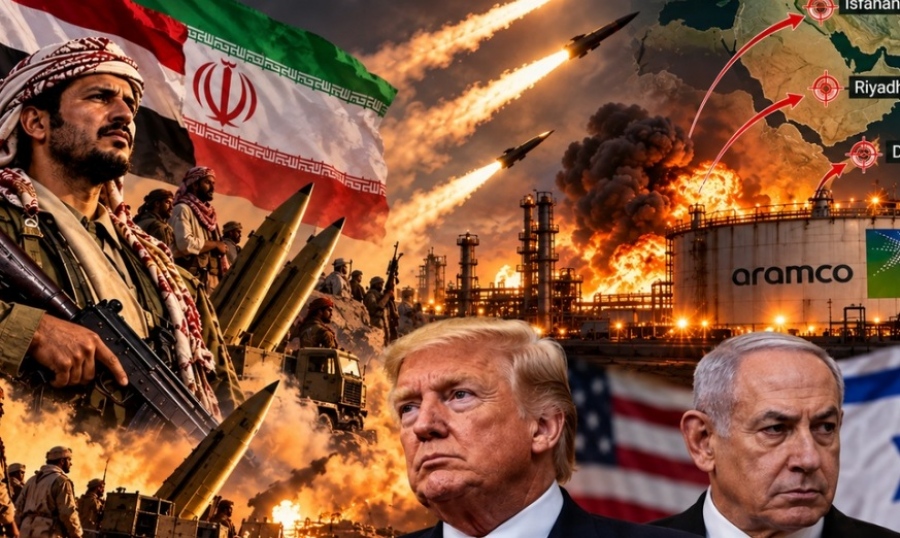
Likely, shipping disruption in the Strait of Hormuz and Saudi-Houthi exchanges will persist in the near term. The immediate strike outlook is less certain: Benjamin Netanyahu said he did not favour a pre-emptive strike on Iran before Israel's 27 October election, while reporting of US military preparations conflicts with Donald Trump's pledge not to attack Iran before 3 November. The reported sinking and cause of the GFS PRIDE remain disputed.
Executive summary
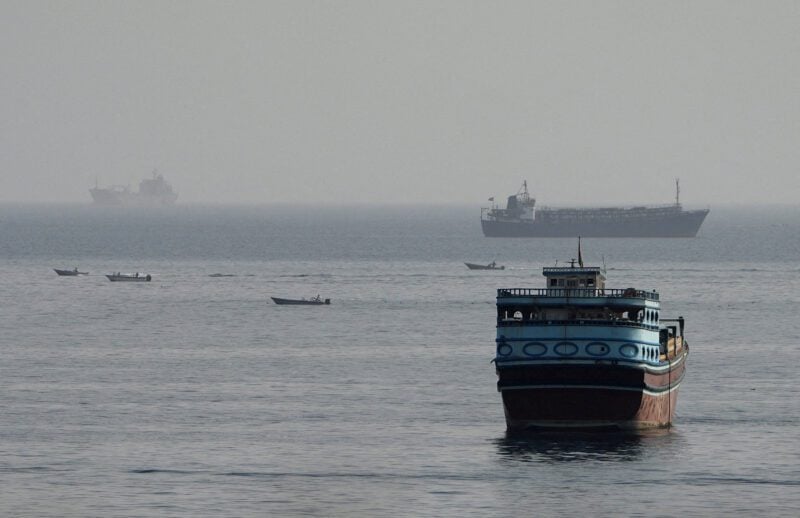
Reporting on 13 and 14 October describes repeated attacks on shipping in the Strait of Hormuz, new reported Iranian tactics, and at least 10 very large crude carriers and several Suezmax vessels stopping or reversing course near Fujairah. The GFS PRIDE incident is unresolved: accounts differ over whether a mine or projectile struck the vessel and whether it sank or continued after minor damage. In Yemen, the Saudi-led coalition reported strikes near Sanaa, while Ansarallah has threatened specific Saudi targets; reports of the Riyadh airport death toll differ between 13 and 14. For Iran, Trump's public pledge not to attack before 3 November contrasts with reporting that he and his team discussed resuming the campaign and that CENTCOM was told to complete preparations. Netanyahu's stated opposition to a pre-emptive strike before 27 October lowers the reported near-term likelihood of Israeli action. The reporting is inconsistent on conflict status: one wire report says Israel and Iran have not exchanged fire since June, while another describes a US-Iran war as ongoing. The current claims do not establish that Israel-Iran exchanges have resumed.
Change from previous assessment
Since the 13 October brief, reporting adds Iranian officials' accounts of changed shipping-attack methods, a US official's report of small-boat spotters, and tanker diversions near Fujairah. The GFS PRIDE incident is new, but its cause and outcome remain disputed. The US strike assessment remains unlikely before 3 November, while reported CENTCOM preparations make the public pledge less conclusive. Netanyahu's 14 October statement against a pre-emptive strike before 27 October and the report that Israel and Iran have not exchanged fire since June sharpen the distinction between the direct Israel-Iran front and wider regional hostilities. The prior uncorroborated report of Ali Khamenei's death is not substantiated by the current reporting and remains unresolved; the earlier assessment of preparations at Pickaxe Mountain and Natanz is not updated here.
Key judgments
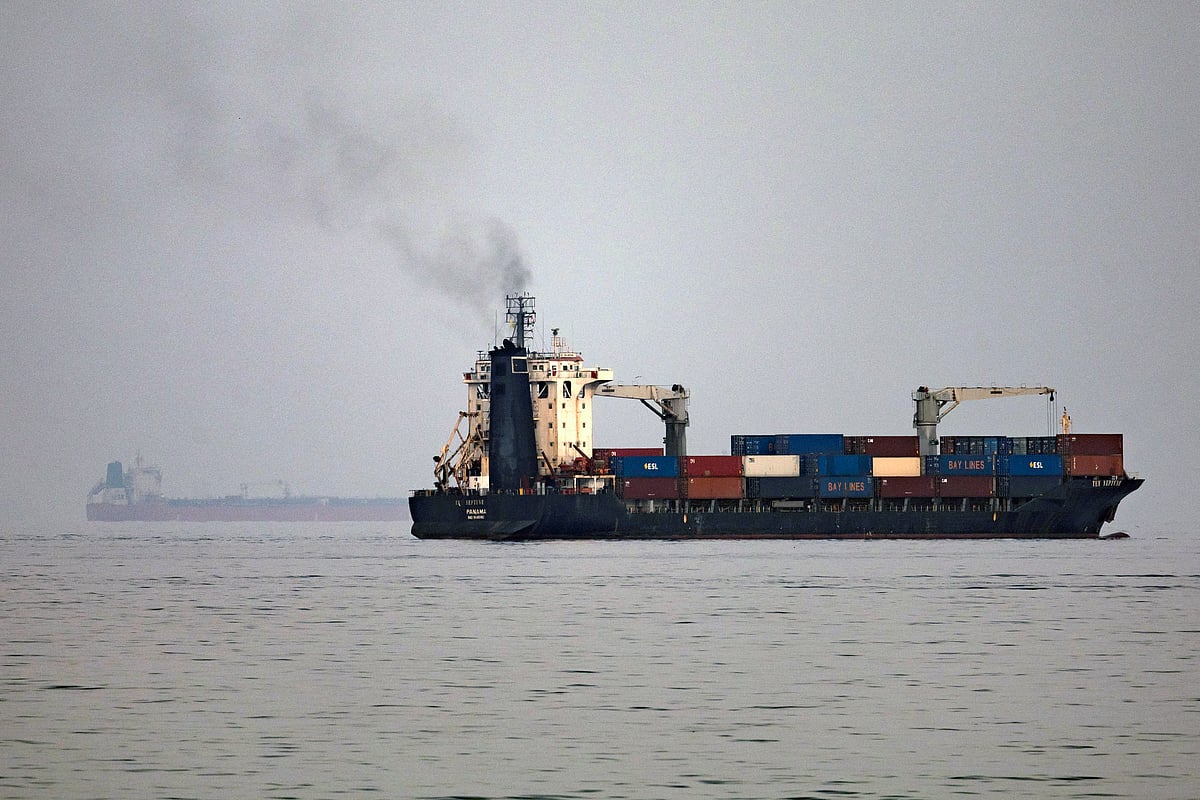
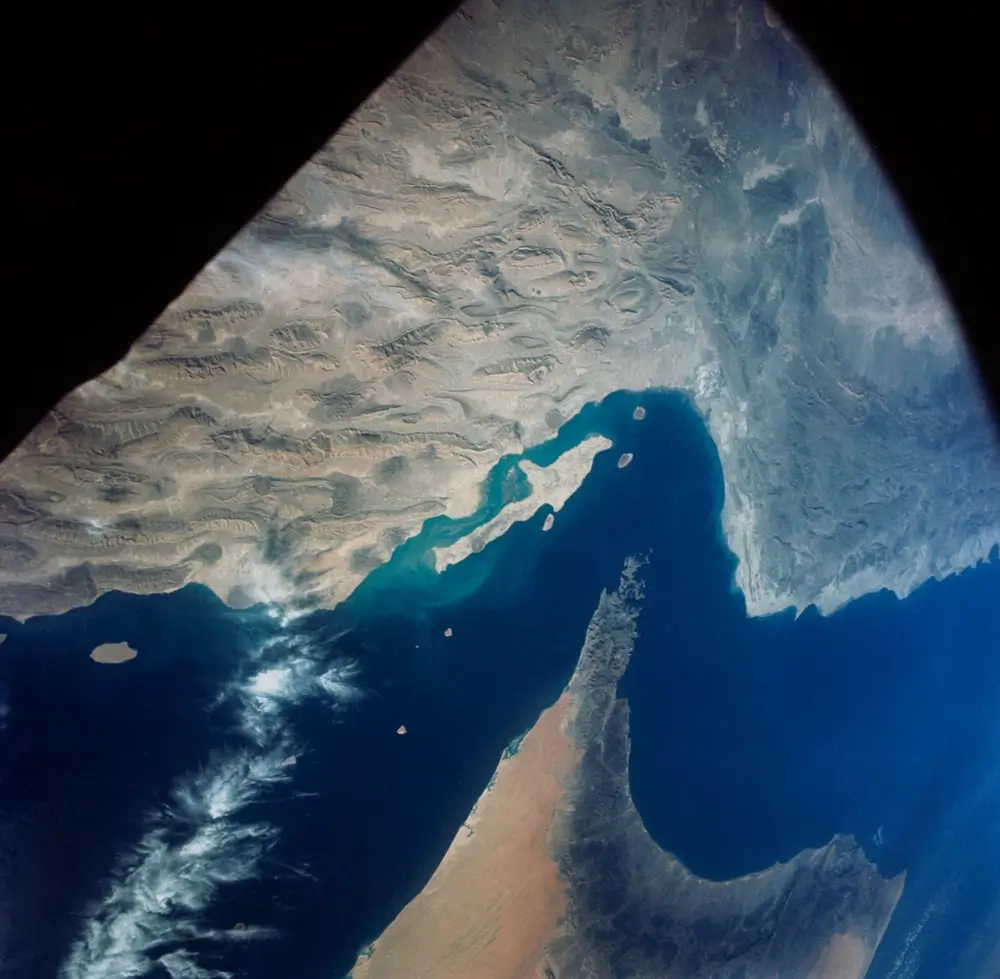
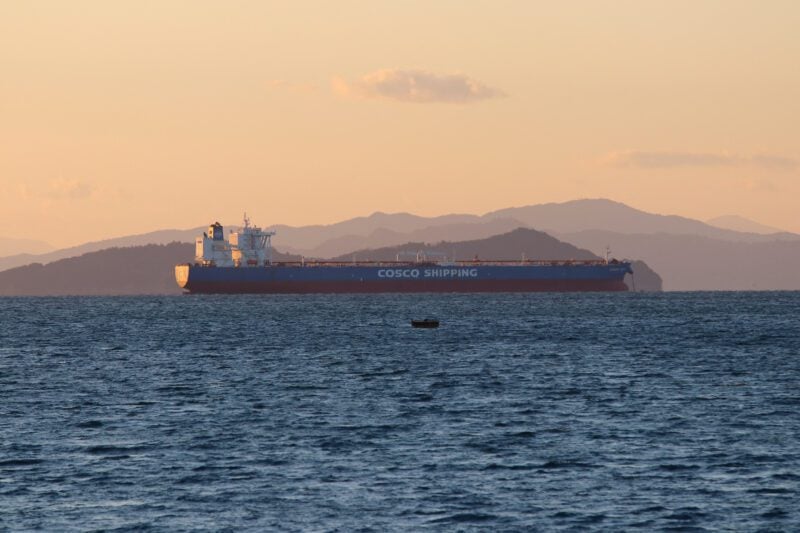
- Likely, commercial traffic through the Strait of Hormuz will remain disrupted over the next 14 days. Reporting describes changed Iranian attack methods, unarmed small-boat spotters, near-daily attacks and at least 10 very large crude carriers, along with several Suezmax vessels, stopping or reversing course near Fujairah. The broader disruption is better supported than the details of the GFS PRIDE incident: accounts conflict over the cause and whether the ship sank or continued with minor damage. Confidence is medium because UKMTO reporting and tanker-tracking data support the wider pattern, but the specific vessel outcome and attribution remain contested. (Confidence: medium · ASSESSED)
- I&W: Confirm: UKMTO issues another incident notice naming a merchant vessel attacked in the Strait of Hormuz. (0-14 days)
- I&W: Break: UKMTO reports no further attacks for 14 consecutive days and tanker tracking shows the vessels that stopped or reversed near Fujairah resuming their approaches. (0-14 days)
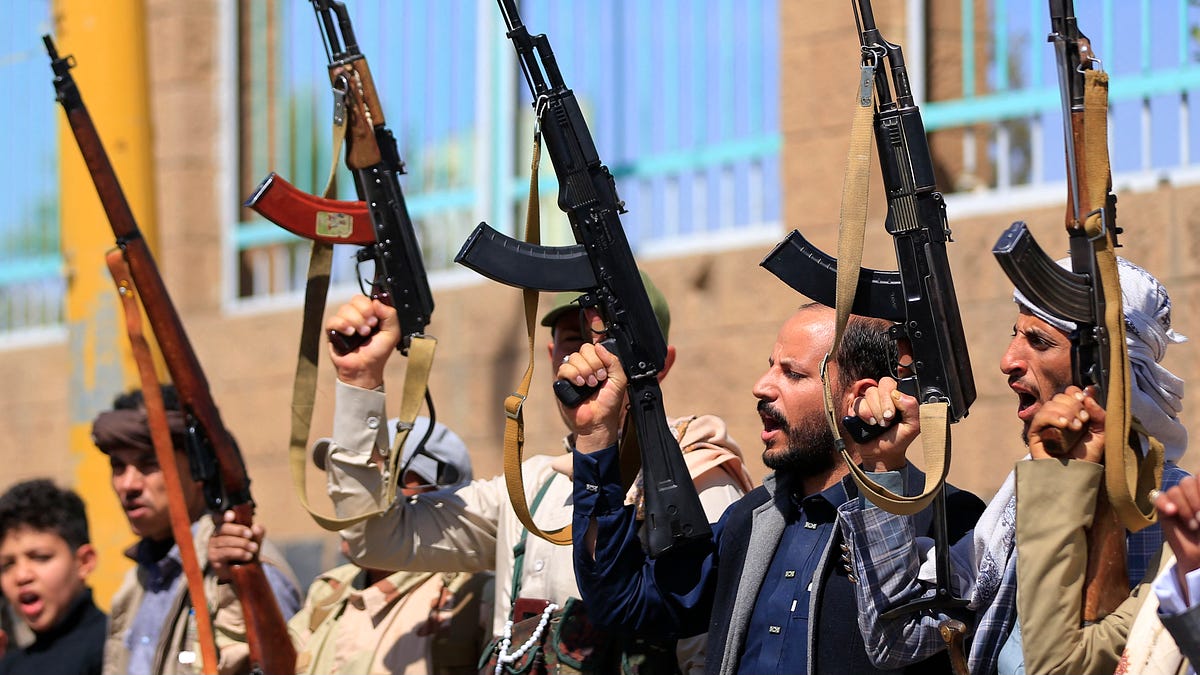
- Likely, Saudi-Houthi exchanges and threats will continue over the next 14 days. The Saudi-led coalition reported striking the Yemen Petroleum Company's Sabah central station and other sites near Sanaa on 13 October; the company said the station held no petroleum stocks and the strike did not affect supply chains. Ansarallah has threatened the Aramco facilities it identifies in Dhahran or Dammam, Khalid Airport in Riyadh and a Riyadh refinery. The reported Riyadh airport death toll remains disputed at 13 or 14. A local-media account attributes confirmation of an attack on Aramco offices to the Saudi Ministry of Energy and reports an evacuation in Dhahran, but that account is not independently corroborated here. Confidence is medium: the Sanaa strikes, Riyadh airport attack and Houthi threats are reported, while the Aramco incident and casualty total remain uncertain. (Confidence: medium · ASSESSED)
- I&W: Confirm: the Saudi-led coalition issues a further evacuation order near the Sabah station or reports another strike near Sanaa. (0-14 days)
- I&W: Break: Saudi Arabia and Ansarallah announce a cessation of hostilities, with no new attack reported at Riyadh airport or on Saudi targets during the following 14 days. (0-14 days)
- Unlikely, the US will attack Iran before 3 November, but the reported preparations make the decision less settled than Trump's public pledge alone suggests. Trump said the US would not attack before the midterm elections; separate reporting says he and his national security team discussed resuming the campaign and the Pentagon instructed CENTCOM to complete preparations. Confidence is medium because the public pledge is direct reporting, while the private planning account is single-source in the claims provided and conflicts with that pledge. (Confidence: medium · ASSESSED)
- I&W: Confirm: Trump publicly reiterates that the US will not attack Iran before 3 November. (0-14 days)
- I&W: Break: the US announces or conducts a strike on Iranian facilities before 3 November. (0-14 days)
- Unlikely, Israel will launch a pre-emptive strike on Iran before 27 October. Netanyahu said on 14 October that he did not favour such a strike before Israel's election, and reporting says Israel and Iran have not exchanged fire since June. Netanyahu also warned that Iran-aligned proxies were looking to attack Israel, so his statement does not remove the risk of a proxy-triggered escalation. Confidence is medium: the Israeli position and the reported lull are sourced, but the broader claims differ on whether the regional war remains active. (Confidence: medium · ASSESSED)
- I&W: Confirm: Netanyahu or the Israeli government publicly restates opposition to a pre-emptive strike before 27 October. (0-14 days)
- I&W: Break: the Israeli government announces authorisation of a strike on Iran, or the IDF reports conducting one before 27 October. (0-14 days)
Outlook & scenarios
Continued maritime pressure and contained exchanges (50%)
This is the most likely course. Iranian pressure on shipping continues, and Saudi-Houthi attacks and threats persist, while Israel avoids a pre-emptive strike before 27 October and the US does not attack Iran before 3 November. Commercial operators continue to divert or delay vessels around Fujairah.
Wider Gulf escalation (25%)
A further attack on shipping or a confirmed strike on a Saudi energy facility prompts retaliation between Iran and Gulf actors. Saudi-Houthi exchanges widen, and the US military preparations reported for CENTCOM become more than contingency planning. This scenario becomes more likely if new UKMTO incident notices coincide with confirmed strikes on Saudi facilities.
A limited diplomatic pause (15%)
Iran's offer to mediate between Saudi Arabia and Ansarallah gains traction, and both sides reduce strikes while keeping public threats in place. A pause in incidents would ease immediate pressure on shipping, but the reported disagreements over access to the Strait of Hormuz remain unresolved.
Low-probability, high-impact regional expansion (10%)
Unlikely, but high impact: the US resumes its campaign against Iran, Iranian officials' reported option of sending ground troops to regional countries moves from discussion to deployment, and Iran-aligned groups attack Israel. Israel expands its operations against Hezbollah in southern Lebanon, widening the conflict beyond the current maritime and Yemen fronts.
Recommendations
- Maintain a daily incident log for the Strait of Hormuz that separates UKMTO reports, Vanguard reporting and Iranian Revolutionary Guards claims. Reconcile the GFS PRIDE's identity, location, cause of damage and final status before treating its sinking as established.
- Track tanker movements near Fujairah alongside new UKMTO notices. Report vessel diversions separately from confirmed attacks and avoid using attack totals until the underlying incident list is reconciled.
- Seek independent confirmation of the reported Aramco offices attack and Dhahran evacuation before incorporating either into an assessment of Saudi facility damage. Verify the location of each facility named in Houthi threats before mapping exposure.
- Monitor public US and Israeli decisions against the 3 November and 27 October election dates. Distinguish presidential statements, reported planning and executed military action in all updates.
- Track coalition evacuation notices and reported strikes around the Sabah station and Sanaa, as well as Houthi statements naming Khalid Airport, Aramco sites and the Riyadh refinery. Keep the disputed Riyadh airport casualty count explicitly qualified.
Confidence & uncertainty
Overall confidence is high for the broad picture because multiple reporting streams support attacks on shipping, tanker diversions near Fujairah, Saudi-Houthi exchanges and public statements by Trump and Netanyahu. UKMTO reporting and tanker-tracking data support the maritime disruption assessment, while wire and major-media reporting support the stated political positions. Confidence is lower on specific details: accounts conflict over the GFS PRIDE's cause and fate, the Riyadh airport death toll differs, the Aramco report is not independently corroborated here, and the private US planning report conflicts with Trump's public pledge.
Intelligence gaps
- [EEI 1.1 · UNCOVERED] Unusual long-range missile/rocket transporter-launcher (TEL) movements, storage activation, or assembly activity at known IRGC missile sites or forward staging areas. Recommended collection: satellite/imagery
- [EEI 1.3 · UNCOVERED] Large-scale transfers, deliveries, or convoy movements of armed UAVs/drones, guided munitions, or spare parts from Iran into Lebanon (Hezbollah), Iraq, Syria, or Gaza. Recommended collection: air/aviation track and HUMINT
- [EEI 1.4 · UNCOVERED] Sustained changes in Israeli air-defense usage (SAM launches, radar activations), wide-area alerts, or NOTAMs indicating elevated imminent strike response. Recommended collection: air/aviation/NOTAMs and signals
- [EEI 2.1 · PARTIAL] Concentration, repositioning, or sortie patterns of Iranian naval/IRGC patrol boats and fast-attack craft near shipping chokepoints or commercial lanes. Recommended collection: maritime/AIS and satellite/imagery
- [EEI 2.3 · UNCOVERED] Insurance market indicators: sudden spikes in war-risk or hull insurance premiums for routes through the Red Sea, Suez corridor, or Persian Gulf, and major carriers announcing route changes. Recommended collection: financial/market and commercial shipping notices
- [EEI 2.4 · UNCOVERED] Port closures, naval escorts requested by commercial operators, or formal rerouting advisories issued by major shippers (e.g., Maersk, Hapag-Lloyd) for regional transits. Recommended collection: commercial/OSINT
- [EEI 3.1 · UNCOVERED] Deployment of foreign military assets to the region (carrier strike groups, amphibious ships, combat aircraft deployments, or additional bases activated) from the US, UK, France, Russia, or GCC states. Recommended collection: maritime/AIS and air/aviation and satellite/imagery
- [EEI 3.2 · PARTIAL] Formal diplomatic actions: emergency UNSC votes, sanctions announcements, high-level ministerial visits, or public mediation offers by external powers or regional actors. Recommended collection: diplomatic/OSINT
- [EEI 3.3 · UNCOVERED] Confirmed arms transfers, expedited weapons shipments, or transfer authorizations to Israel, Iran, or their proxies (aircraft parts, munitions, air defenses). Recommended collection: customs/INTEL and HUMINT
- [EEI 3.4 · UNCOVERED] Issuance of travel warnings, embassy evacuations or reductions, and closure of diplomatic missions by major capitals indicating escalation risk or shifted threat assessments. Recommended collection: OSINT/diplomatic
Cited sources
[1] The Maritime Executive · Two More Ship Strikes Reported in the Strait of Hormuz (C) · sha256:3ccba7395f33 [2] International Business Times · Iran is Reportedly Shifting Tactics to Increase Traffic Disruption in the Strait of Hormuz (B) · 14 October 2026 · sha256:706e89c6578c [3] gcaptain.com · Supertankers Turn From Gulf Oil Transfer Hub Amid Iran’s Attacks (F) · 13 October 2026 · sha256:b3a8795aba86 [4] newindianexpress.com · Ship carrying over 2,500 containers sinks after naval mine strike near Hormuz, Iran says (F) · 14 October 2026 · sha256:9024d670c309 [5] bankingnews.gr · Συναγερμός στο Ιράν για χτύπημα έκπληξη των ΗΠΑ – Χάος στη Σ. Αραβία, οι Houthis έπληξαν Aramco, δέος με πύραυλο στα 1.900 χλμ (D) · 14 October 2026 · sha256:e64e9d0f68c7 [6] gCaptain · Saudi Arabia Strikes Houthi Targets as Red Sea War Escalates (C) · 13 October 2026 · sha256:d0df2c990658 [7] Drop Site News · Ansarallah threatens to strike Aramco; Elon Musk pours $276 million into midterms; Russia violated Trump’s “energy ceasefire,” Zelenskyy says (B) · 13 October 2026 · sha256:dc85a02fac83 [8] Reuters (via AOL) · Netanyahu says he is not seeking to attack Iran again before Israel election (A) · 14 October 2026 · sha256:fb05d4c2996f
Source content hashes were computed at collection time; the cited text is preserved unmodified for the life of this product.
Red cell review: CONCUR
TLP:CLEAR