TLP:CLEAR · Disclosure is not limited.
Iran Conflict: Hormuz Disruption and Sanctions Pressure, 20-27 August 2026
Time window: Last 7 days · Audience: General analyst · Type: Situation report · DTG: 2026-08-27 18:08Z · Overall confidence: MEDIUM
BLUF
The US-Iran conflict remains active, with Iranian attacks, US and Israeli military action, and expanded US sanctions sustaining pressure across Iran and the Gulf. Commercial traffic through the Strait of Hormuz remains far below normal, while conflicting reports on mine clearance, navigation restrictions and talks leave the risk of renewed maritime escalation elevated.
Executive summary
The reporting indicates that the conflict has entered a prolonged phase of military and economic pressure. Iran has attacked Israel, US bases and Gulf states hosting US forces, while Washington has imposed new sanctions on 60 individuals and entities across five Iranian sectors. Iran's oil exports, currency and wider economy are under severe strain, although experts disagree on how far sanctions will reduce Tehran's revenues because Iran has used irregular channels and China has opposed US measures. Shipping through the Strait of Hormuz remains sharply reduced, despite reported efforts by Iran and Oman to establish a temporary navigation corridor and claims that US forces cleared mines. Diplomatic prospects remain unclear because reporting describes both collapsed talks and Iranian willingness to resume negotiations.
Key judgments
- The US-Iran conflict is likely to remain militarily active over the next 1-3 months, with the principal escalation risks involving Iranian missile and drone attacks against Israel, US bases and Gulf states hosting US forces. The 60-day ceasefire expired without a diplomatic settlement, Iran has continued attacks against regional targets, and the US has not ruled out further strikes. This is an assessed judgment based on multiple major-media and think-tank reports, but the record does not establish the scale or timing of the next military exchange. (Confidence: medium · ASSESSED)
- I&W: Confirming indicator: Iran conducts another missile or drone attack against Israel, a Gulf state hosting US bases, or a US military base. (0-14 days)
- I&W: Breaking indicator: The US and Iran announce a formal ceasefire and maintain 14 consecutive days without attacks against those targets. (0-30 days)
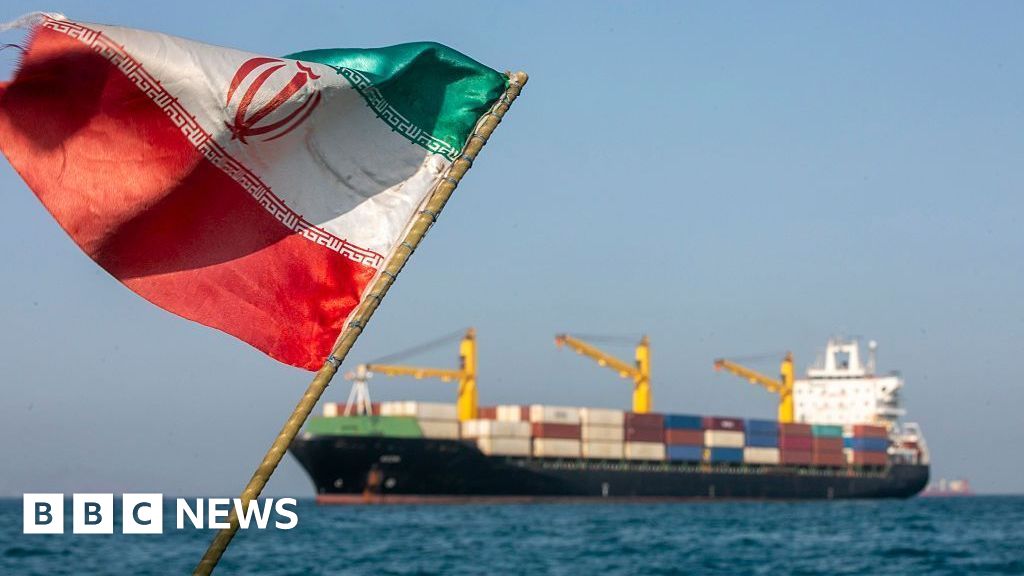
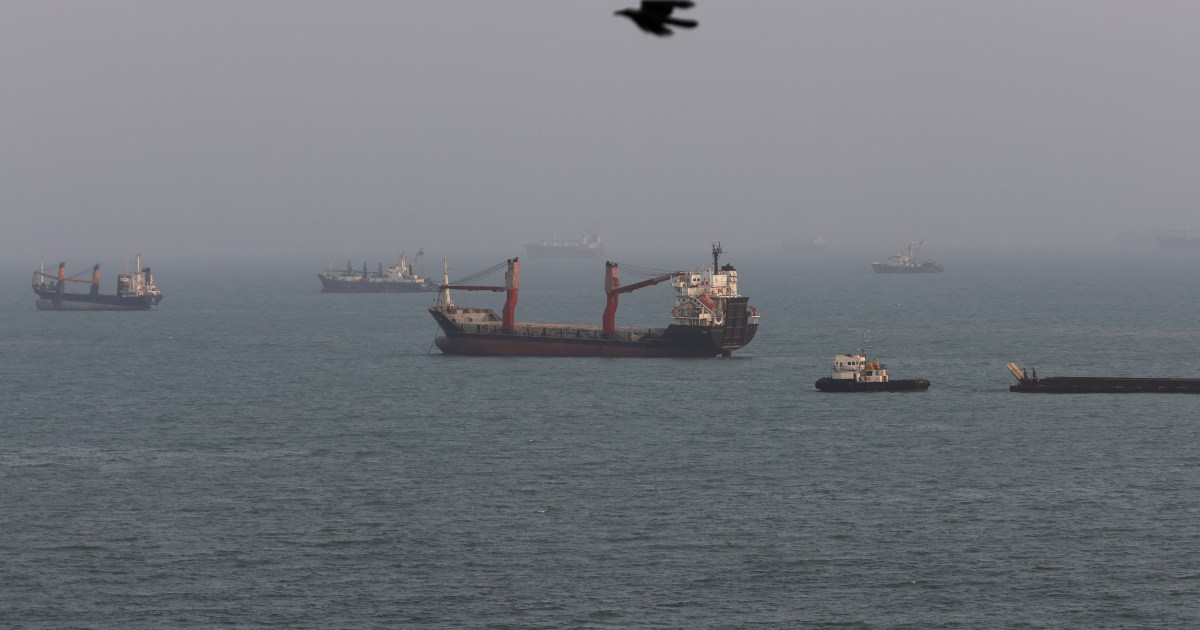
- Commercial shipping through the Strait of Hormuz is very likely to remain far below normal over the next 0-14 days, although a limited, politically managed reopening is unlikely. Reports describe commercial shipping as reduced to a trickle and marine traffic as sharply constrained, while claims of mine clearance, a temporary navigation corridor and restrictions on military vessels remain unresolved and inconsistent. (Confidence: medium · ASSESSED)
- I&W: Confirming indicator: The Joint Maritime Information Center continues to report traffic far below normal, while visible commodity vessel transits remain near the reported low level of 10. (0-14 days)
- I&W: Breaking indicator: Iran, Oman and the US announce a binding navigation arrangement followed by ship traffic approaching pre-war levels. (0-30 days)
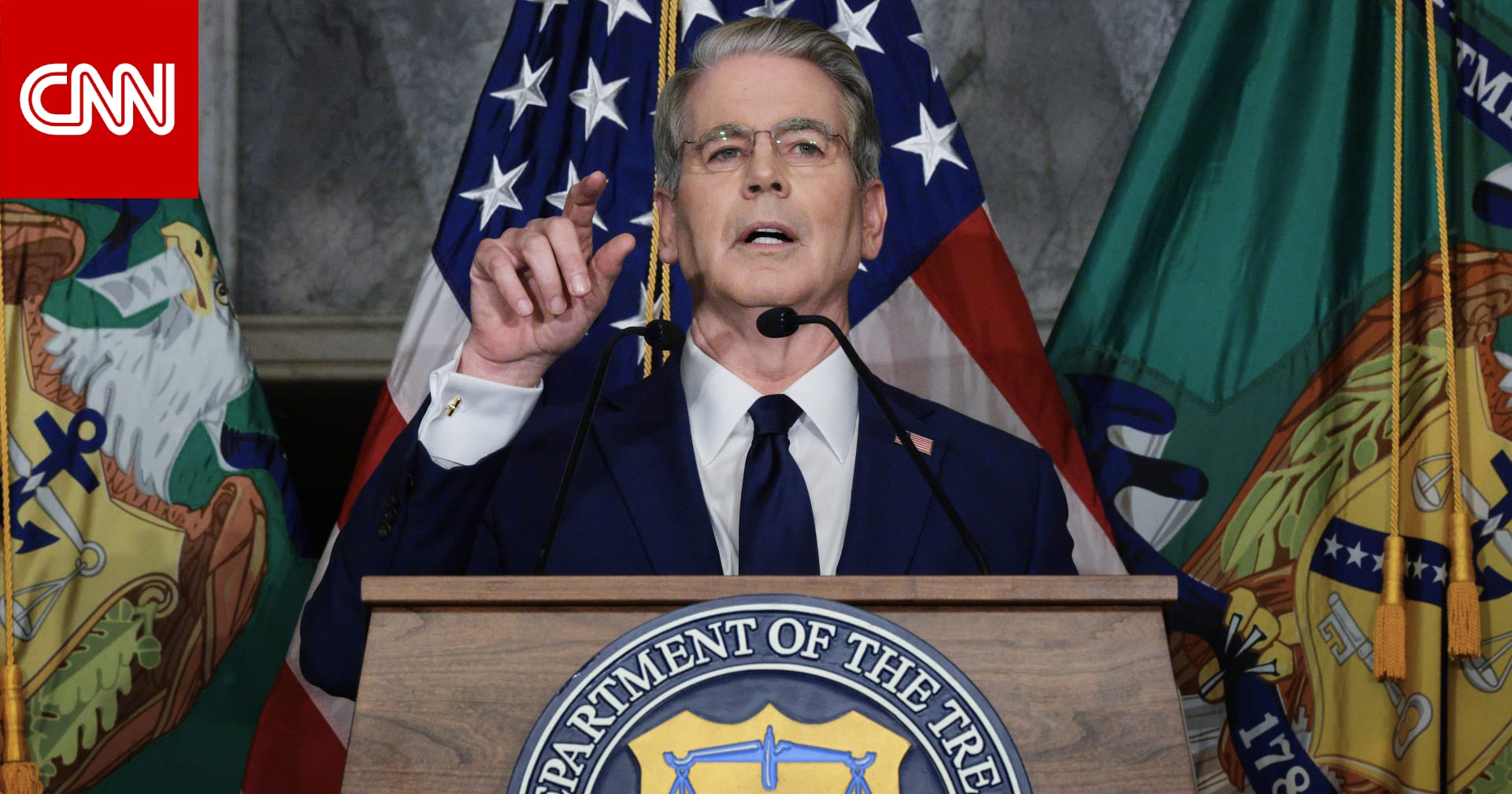
- US sanctions are likely to deepen economic stress in Iran over the next 1-3 months, but their direct effect on Iranian revenue is uncertain. Washington imposed sanctions on 60 individuals and entities on 24 August 2026 and targeted five sectors, while reporting describes reduced oil exports, a rial exchange rate above two million rials per US dollar, a forecast inflation rate near 70 per cent and economic contraction exceeding 5 per cent. The assessment rests on both high-reliability reporting and contested expert analysis because Iran has used irregular channels to evade sanctions, China has opposed the campaign, and some experts judge the direct revenue effect limited. (Confidence: medium · ASSESSED)
- I&W: Confirming indicator: Iranian crude oil loadings remain near one-seventh of the pre-war level, while the US designates additional foreign banks, companies or oil-smuggling networks. (1-3 months)
- I&W: Breaking indicator: Iranian oil loadings recover materially and Chinese or other foreign financial institutions openly resume transactions with sanctioned Iranian entities. (1-3 months)
- The conflict is likely to sustain food, energy and maritime economic stress beyond Iran over the next 1-3 months, with the Gulf Cooperation Council states particularly exposed. Reporting describes a grocery supply emergency across those states, which rely on the Strait of Hormuz for more than 80 per cent of their caloric intake, while attacks and shipping risks are driving up fertilizer prices and generating global oil price shocks. This is an assessed judgment; the humanitarian figures for Gaza and the wider global food system are well sourced, but their precise share attributable to the Iran conflict is not established. (Confidence: medium · ASSESSED)
- I&W: Confirming indicator: Gulf Cooperation Council authorities report continuing grocery supply disruption while Hormuz traffic remains far below normal and fertilizer prices continue rising. (0-30 days)
- I&W: Breaking indicator: Hormuz traffic approaches normal levels and the reported Gulf grocery emergency and energy price shocks subside. (1-3 months)
- A limited diplomatic opening between Iran and the US is roughly even chance over the next 1-3 months, while a comprehensive settlement is unlikely. Iran and Oman have discussed a navigation corridor, Pakistan Army Chief Asim Munir is set to travel to Tehran for regional security talks, and Iran has expressed general willingness to resume peace talks. Against this, reporting states that the Memorandum of Understanding deadline expired, talks collapsed, and the 60-day ceasefire ended without settlement. Confidence is low because the diplomatic reporting is internally inconsistent and several claims rely on single-source major-media reporting. (Confidence: low · ASSESSED)
- I&W: Confirming indicator: Asim Munir visits Tehran or Iran, Oman and the US announce a formal meeting or sign an operational navigation arrangement. (0-30 days)
- I&W: Breaking indicator: Washington announces further strikes or sanctions while Tehran publicly rejects renewed talks and maintains restrictions on Hormuz. (0-30 days)
Outlook & scenarios
Prolonged military and economic pressure (50%)
Over the next 1-3 months, the US maintains the sanctions campaign without a new major strike, while Iran sustains pressure through missile and drone attacks and restrictions on shipping. Hormuz traffic remains well below normal, Iranian oil exports stay depressed, and economic stress increases through the rial, inflation and employment channels.
Limited maritime de-escalation (30%)
Iran, Oman and the US convert the proposed temporary navigation corridor and mine-clearance discussions into a binding arrangement. Commercial traffic through Hormuz rises towards pre-war levels, but the wider sanctions campaign and unresolved military confrontation continue. This scenario does not amount to a comprehensive settlement.
Renewed regional escalation (25%)
Iran launches another attack against Israel, a Gulf state hosting US forces, or a US base. The US or Israel responds with further strikes, shipping incidents increase, and Gulf food and energy disruptions deepen. Diplomatic contacts stall as the parties exchange new threats.
Wildcard: internal destabilisation in Iran (10%)
Low-probability, high-impact scenario. Economic pressure, battlefield losses and restricted oil exports intensify pressure on Iran's leadership. The US campaign shifts from coercion towards an explicit attempt to produce regime collapse, while Iran responds through attacks on Gulf targets and maritime routes.
Recommendations
- Prioritise a daily Strait of Hormuz watch that records visible vessel transits, tanker incidents, mine-clearance evidence, navigation restrictions and statements from Iran, Oman, the US and the Joint Maritime Information Center. Separate observed shipping activity from political claims.
- Maintain a sanctions impact dashboard covering the 60 designations announced on 24 August 2026, the five targeted Iranian sectors, crude oil loadings, the rial exchange rate, inflation forecasts and evidence of Chinese or UAE compliance or resistance.
- Treat any reported diplomatic progress as unconfirmed until a formal meeting, signed text or observable change in maritime access is reported by at least one official or multilateral source and one independent major-media source.
- Track Gulf Cooperation Council food availability, shipping insurance and fertilizer prices alongside Hormuz traffic. Assess these indicators separately from the pre-existing humanitarian crises in Gaza and Sudan.
- Apply heightened source validation to claims with conflicting dates or status, especially the collapse versus resumption of Iran-US talks, the mine-clearance claim, restrictions on military vessels, and the reported level of Hormuz shipping.
- Prepare decision-support updates at 0-14 days and 1-3 months, with separate branches for continued containment, maritime de-escalation and renewed attacks on Gulf states, US bases or commercial shipping.
Confidence & uncertainty
Overall confidence is medium because the principal military, sanctions, shipping and humanitarian developments draw on multiple official, multilateral and major-media sources, including high-reliability reporting on casualties, sanctions and food insecurity. Confidence is reduced by contradictory accounts of talks, mine clearance and shipping levels, inconsistent dates in several records, and a number of medium-, low- or unknown-reliability claims. The direction of pressure is clearer than the precise timing, scale and attribution of future military or diplomatic moves.
Cited sources
[1] Wikipedia · China in the 2026 Iran war (B) · sha256:60d44e02688c [2] Associated Press · Iranian families struggle to afford the basics as US ratchets up economic warfare (A) · sha256:48315158732d [3] Wikipedia · 2026 Iran war (B) · sha256:610f01f711a8 [4] globalbankingandfinance.com · Trump Says Iran Not Ready for Right Deal Amid US Sanctions Threat (B) · sha256:8c754a20180e [5] bbc.com · Trump vows tougher economic measures on Iran and supporting countries (A) · sha256:0fd8d203953f [6] bbc.com · Trump hopes sanctions will topple Iran's regime - its leaders are betting otherwise (A) · sha256:d26df6bc2fb0 [7] NBC News · U.S., Iran keep up hostile rhetoric ahead of new sanctions (A) · sha256:f7933c1f3258 [8] United Nations · Global food supply has become ‘collateral damage’ in conflicts: Secretary-General (A) · sha256:2802827681c7 [9] gcaptain.com · Tanker Hit in Strait of Hormuz as Trump Declares ‘Mission Accomplished’ in Iran (B) · sha256:529fcbeeadff [10] bbc.com · Trump says all mines cleared from Strait of Hormuz (A) · sha256:33f05548bcc0 [11] HuffPost · Iran Vows To Resist Widened U.S. Sanctions Aimed At Isolating Economy (B) · sha256:fb86ac5a257e [12] BBC News عربي · دونالد ترامب وإدارته يطبقون "أكبر هجوم مالي" على إيران، وطهران تحذر من المشاركة فيه - BBC News عربي (A) · sha256:abc40bcfd138 [13] WION · Pakistan Army Chief Asim Munir Heads To Iran | High Level Talks Amid Iran US Tensions (B) · sha256:0d0734ad4c1c [14] CNN Arabic · "قطع كل شريان حياة اقتصادي". نظرة على عقوبات أمريكا الجديدة ضد إيران (B) · sha256:c8387915a8b0 [15] foxnews.com · Iran warns of ‘devastating’ response to impending US sanction barrage | Live Updates from Fox News Digital (B) · sha256:a95f0656e6c3 [16] BBC · How much could Trump's 'economic D-Day' sanctions hurt Iran? (A) · sha256:25bbbd276bd7 [17] bbc.com · Who does Iran trade with and what could Trump's 'economic D-Day' mean? (A) · sha256:4336ce75d263 [18] Wikipedia · Economic impact of the 2026 Iran war (B) · sha256:912abfe6a0d4 [19] Atlantic Council · Four scenarios for a looming global food crisis (C) · sha256:1ec9ad793bff [20] gov.uk · Both parties must fulfil their commitments under Resolution 2803 and refrain from actions that undermine peace: UK statement at the UN Security Council (A) · sha256:22593220c0b4 [21] United Nations · As wars spread, the global food system unravels (A) · sha256:0bdb06755717 [22] gcaptain.com · Shipping Traffic Through Strait of Hormuz Rises Slightly, Data Shows (B) · sha256:4c7ebf23b140
Source content hashes were computed at collection time; the cited text is preserved unmodified for the life of this product.
TLP:CLEAR