TLP:CLEAR · Disclosure is not limited.
Iran Conflict: Hormuz Pressure and Regional Spillover
Time window: Last 7 days · Audience: General analyst · Type: Situation report · DTG: 2026-08-26 00:11Z · Overall confidence: MEDIUM
BLUF
The US-Iran conflict is likely to remain active across Iran, Israel, Lebanon, Syria and the Gulf over the next 0-14 days. The Strait of Hormuz is the main immediate global pressure point, with shipping severely reduced and mine-clearance claims disputed. Qatar-led mediation offers an off-ramp, but direct US-Iran talks are unlikely in the near term.
Executive summary
Current reporting describes a geographically dispersed conflict involving reciprocal US-Iran strikes, Iranian missile and drone attacks against Israel and US-linked facilities, Israeli operations in Lebanon and Syria, and Houthi threats to Saudi energy infrastructure. The United States has launched Operation Economic Outcast against Iran's digital assets, technology, gold, aviation and shipping sectors, while Iran rejects the effectiveness of sanctions and threatens resistance. Commercial traffic through the Strait of Hormuz remains heavily constrained, despite US claims that mines have been cleared and Iran-Oman efforts to establish a temporary navigation corridor. Qatar continues mediation efforts, but public statements from Washington indicate that direct talks are not currently taking place. Humanitarian pressures are likely to remain severe in Gaza and Somalia as conflict disrupts shelter, food, fuel and nutrition services.
Key judgments
- The US-Iran conflict is likely to remain an active, geographically dispersed campaign over the next 0-14 days, with Iranian missile and drone attacks, Israeli air operations, and threats to US-aligned Gulf states continuing to shape activity in Iran, Israel, Jordan, Bahrain, Kuwait, Qatar, the UAE, Saudi Arabia, Syria and Lebanon. Reported activity includes reciprocal US-Iran strikes between 8 and 24 July, Iranian attacks against Israel and US military facilities in Arab states, Israeli airstrikes in Syria and Lebanon, and Houthi claims of attacks against Saudi oil infrastructure. Confidence is medium because the available reporting contains unresolved differences over chronology, attribution and the scope of some operations. (Confidence: medium · ASSESSED)
- I&W: Confirming: Within 0-14 days, a new Iranian missile or drone strike is reported against a named US facility in Jordan, Bahrain, Kuwait or Qatar, or Israeli airstrikes are reported in Lebanon or Syria. (0-14 days)
- I&W: Breaking: The United States, Iran and Israel announce and sustain a cessation of strikes for 14 consecutive days, with no new attacks by Iran-backed Houthis against Saudi infrastructure. (0-30 days)
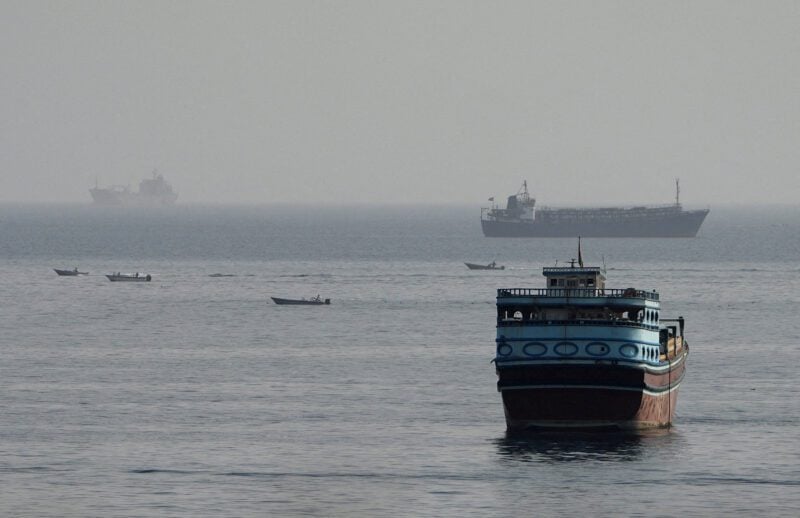
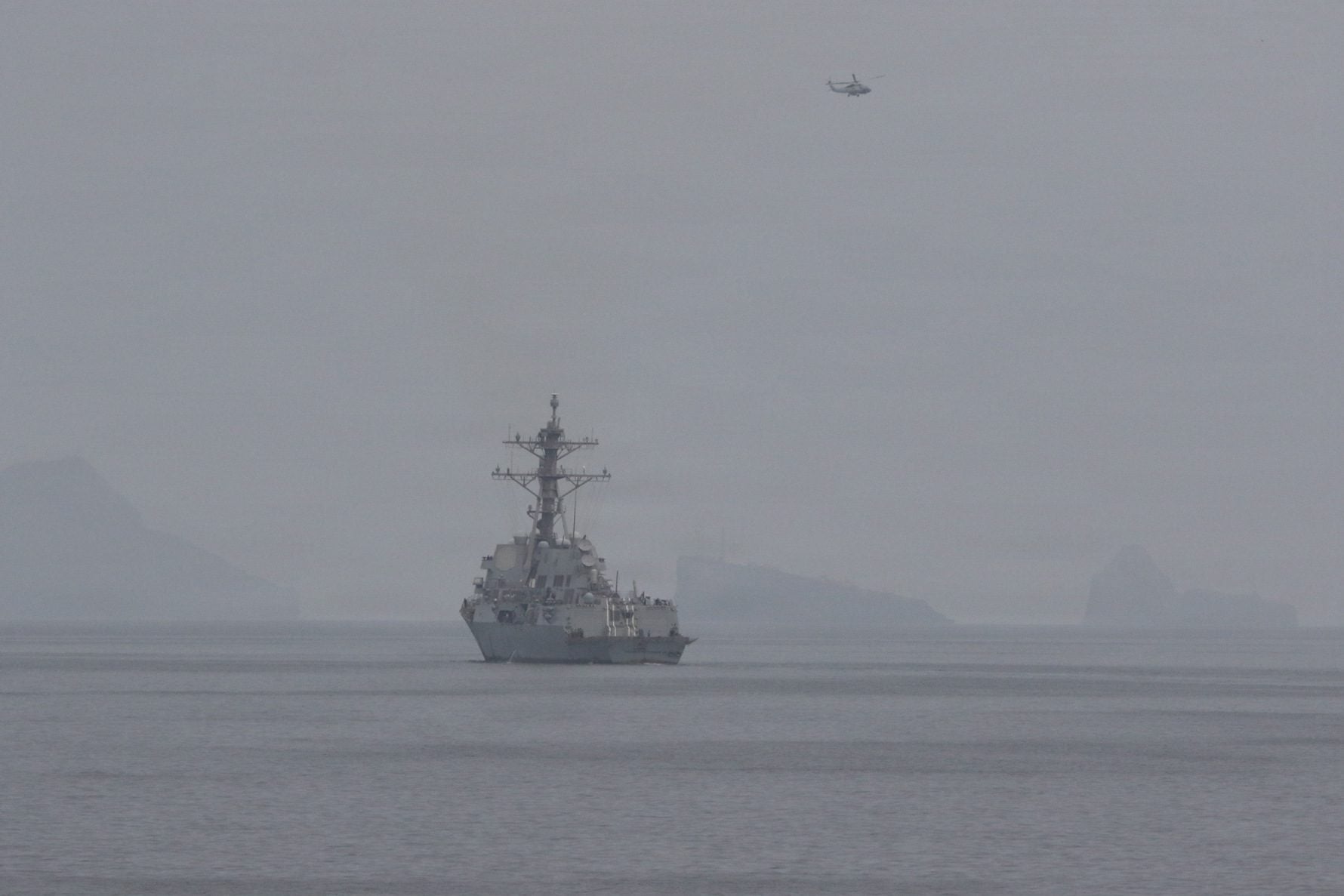
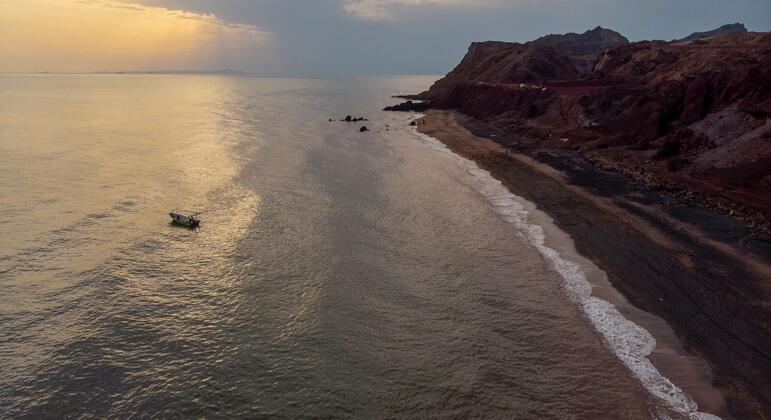
- The Strait of Hormuz is likely to remain the conflict's most immediate global economic pressure point, while its safety and control remain contested. UK Maritime Trade Operations reported shipping approximately 90 per cent below prewar levels, and another report counted only about seven commercial ships in the preceding 24 hours. President Donald Trump's statement that US forces cleared all mines conflicts with Joint Maritime Information Center warnings that mine danger areas remain active, while Iran continues asserting authority over vessel movements. The Iran-Oman framework for a temporary navigation corridor provides a limited de-escalation mechanism but has not resolved the operational dispute. (Confidence: medium · ASSESSED)
- I&W: Confirming: Joint Maritime Information Center continues to list active mine danger areas and commercial traffic remains near seven ships per 24-hour period. (0-14 days)
- I&W: Breaking: Iran, Oman and the United States announce an operational navigation corridor, followed by sustained commercial sailings at levels approaching prewar traffic. (1-3 months)
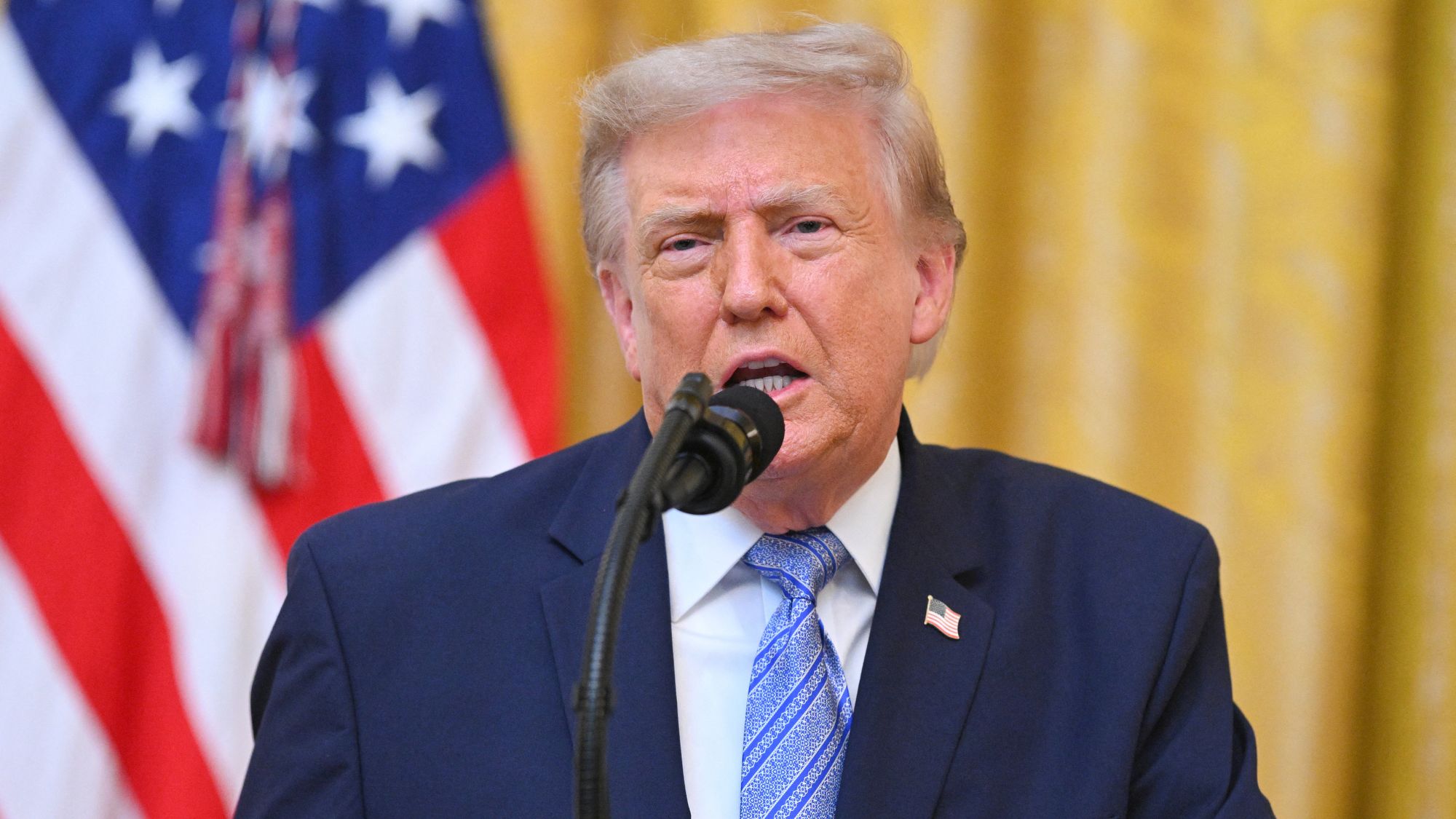
- The Trump administration is very likely to sustain economic coercion against Iran in the near term, targeting digital assets, technology, gold, aviation and shipping and threatening to remove money-laundering facilitators from the US dollar system. The administration has stated that pressure will continue until Tehran accepts comprehensive terms. A rapid negotiated outcome is unlikely because Iran rejects the effectiveness of the sanctions and Iranian officials have pledged a response, while the available reporting provides no independent measure of whether the campaign is changing Tehran's behaviour. Confidence is medium. (Confidence: medium · ASSESSED)
- I&W: Confirming: The US Treasury announces additional designations in the digital assets, technology, gold, aviation or shipping sectors, or removes named entities from the US dollar system. (0-30 days)
- I&W: Breaking: Washington suspends the new measures or announces that Tehran has accepted comprehensive terms in parallel with a confirmed diplomatic channel. (0-3 months)
- Qatar is likely to continue mediation between Washington and Tehran, but direct US-Iran talks are unlikely in the next 0-14 days. Qatar reports continuing efforts to return the parties to negotiations and is coordinating with regional actors, while President Donald Trump has stated that no talks are taking place and has said Iran is not ready to make an acceptable deal. The judgement rests on conflicting and partly single-source reporting, so confidence is low. (Confidence: low · ASSESSED)
- I&W: Confirming: Qatar, Oman or another named mediator publicly identifies a direct US-Iran meeting, venue and agenda. (0-14 days)
- I&W: Breaking: Qatar reports that mediation has stopped, while Washington and Tehran separately rule out further contacts. (0-30 days)
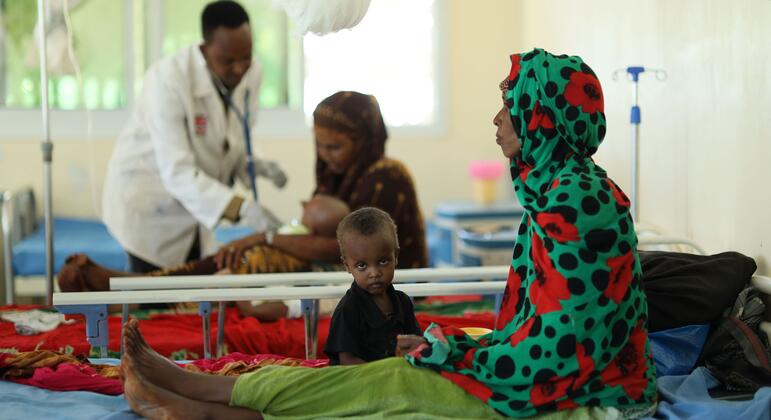
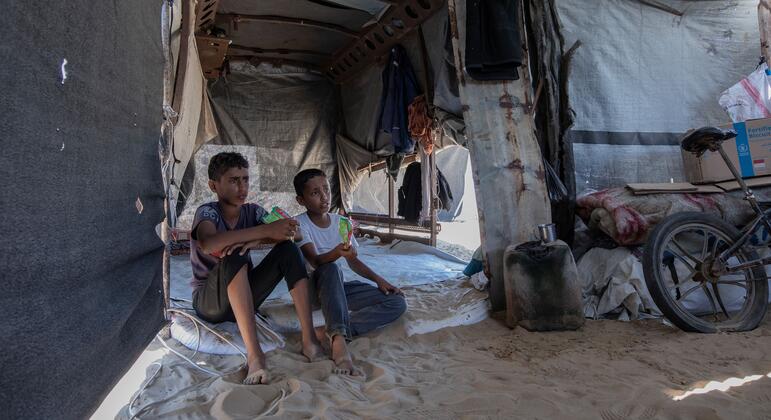
- Humanitarian pressure is almost certainly to remain severe in Gaza and Somalia over the next 1-3 months. UN agencies report that 94 per cent of Gaza's 2.1 million residents need shelter, while the World Food Programme reaches around 1.5 million people with assistance. In Somalia, UNICEF reports that the US-Iran war is raising fuel and fertiliser costs, nearly one million people risk losing access to nutrition services, severe acute malnutrition admissions have risen 32 per cent, and more than 200 health and nutrition facilities have closed. Confidence is medium: multiple UN sources corroborate the conditions, but the conflict's causal effect on Somalia is primarily supported by UNICEF reporting. (Confidence: medium · ASSESSED)
- I&W: Confirming: UN agencies report that Gaza shelter requirements remain at or above 94 per cent, or that WFP reduces assistance to the current population of around 1.5 million. (0-3 months)
- I&W: Breaking: Somalia restores the more than 200 closed facilities and records sustained access to nutrition services for the groups currently at risk. (1-3 months)
Outlook & scenarios
Prolonged coercion and constrained shipping (55%)
The United States sustains Operation Economic Outcast, Iran maintains pressure on US-linked facilities and shipping, and Israel continues operations in Lebanon and Syria. Hormuz traffic remains close to current depressed levels, while the Iran-Oman navigation framework produces limited practical relief without resolving control or mine-clearance disputes.
Mediated maritime accommodation (35%)
Qatar and Oman secure a limited US-Iran channel. Iran and Oman implement the temporary navigation corridor and joint mine-clearance project, allowing commercial traffic through Hormuz to recover gradually. Sanctions remain in place, but military activity falls short of a new major strike cycle.
Regional widening (25%)
Iran expands missile and drone operations against Gulf targets or US facilities, while Israel increases air operations in Lebanon and Syria. Houthi attacks against Saudi energy infrastructure add pressure to maritime security and raise the risk of further Gulf state involvement.
High-impact Hormuz miscalculation (15%)
A disputed mine incident, vessel interception or new mine placement triggers a US-Iran confrontation at sea. The dispute between US claims of control, Iranian transit enforcement and continuing mine warnings produces a sharp fall in commercial traffic and rapid escalation around the waterway.
Recommendations
- Prioritise a daily Hormuz status picture that reconciles Joint Maritime Information Center mine warnings, US Navy clearance statements, Iranian transit instructions and independently reported vessel counts.
- Maintain a 0-14 day strike watch covering Iranian missile and drone activity against Bahrain, Kuwait, Qatar, Jordan, the UAE and Israel, alongside Israeli air operations in Lebanon and Syria and Houthi activity against Saudi energy sites.
- Track Operation Economic Outcast as an implementation problem, not only as official messaging. Record new Treasury designations, affected entities and activity in the digital assets, technology, gold, aviation and shipping sectors.
- Separate mediator activity from confirmed negotiations. Require direct evidence of a named US-Iran meeting before assessing that Qatar's efforts have produced a diplomatic breakthrough.
- Update humanitarian risk reporting with Gaza shelter needs, WFP assistance levels, Somali nutrition-service access, facility closures and fuel and fertiliser cost indicators.
- Review Turkey's exposure to the sanctions campaign by monitoring Iranian gas flows and bilateral trade, given Turkey's reported dependence on Iranian gas and continued commercial links with Iran.
Confidence & uncertainty
Overall confidence is medium. Multiple high-confidence official government and multilateral sources corroborate the main military, sanctions, shipping and humanitarian developments, with major-media reporting providing additional support. Confidence is reduced by conflicting accounts of mine clearance and control in the Strait of Hormuz, inconsistent chronology and attribution in parts of the military reporting, and limited independent evidence that sanctions or mediation efforts are changing Iranian behaviour.
Cited sources
[1] en.yenisafak.com · Iran says US sanctions will fail as regional tensions escalate (B) · sha256:4def4adcb564 [2] Wikipedia · 2026 Iran war (B) · sha256:19352e0eccd0 [3] english.ratopati.com · Trump States No Talks With Iran Amid Rising Tensions (B) · sha256:cded5db94cf5 [4] United Nations · Middle East: 94 per cent need shelter in Gaza, Israel ramps up demolitions in Lebanon (A) · sha256:aa5d2b0f402c [5] en.yenisafak.com · Trump: Iran not ready for 'right deal' despite pressure (B) · sha256:79be117afba7 [6] United Nations · Global food supply has become ‘collateral damage’ in conflicts: Secretary-General (A) · sha256:2802827681c7 [7] gcaptain.com · Iran and Oman Unveil Framework for Future Management of Strait of Hormuz (B) · sha256:39e674294e6b [8] gcaptain.com · Trump Says U.S. Navy Has Cleared All Mines From Strait of Hormuz (B) · sha256:ee981c65b240 [9] whitehouse.gov · Operation Economic Outcast: Total Isolation of the Iranian Regime (A) · sha256:f65f550678c6 [10] gcaptain.com · Iran Vows to Resist Widened U.S. Sanctions, Says Washington Seeks Talks (A) · sha256:eb63e35b3d80 [11] aljazeera.net · الخارجية القطرية: جهودنا مستمرة لإعادة واشنطن وطهران إلى طاولة التفاوض (A) · sha256:097d6c02ec16 [12] United Nations · Somalia: Humanitarian aid cuts leave millions of children vulnerable to hunger (A) · sha256:2a8c20f6ae5a [13] United Nations · As wars spread, the global food system unravels (A) · sha256:0bdb06755717
Source content hashes were computed at collection time; the cited text is preserved unmodified for the life of this product.
TLP:CLEAR