TLP:CLEAR · Disclosure is not limited.
Iran Conflict: Hormuz Pressure, Mediation and US Escalation, 22-29 August 2026
Time window: Last 7 days · Audience: General analyst · Type: Situation report · DTG: 2026-08-29 00:09Z · Overall confidence: MEDIUM
BLUF
The US-Iran conflict is very likely to remain militarily active around the Strait of Hormuz over the next 0-14 days, with shipping constrained and competing US and Iranian claims over control of the waterway. Mediation by Oman, Qatar and Pakistan is active, but a comprehensive settlement is unlikely in the next 1-3 months. US sanctions and military deployments are likely to sustain pressure while the scope of sanctions, negotiations and casualty figures remains disputed.
Executive summary
As of 29 August 2026, Iran has reportedly closed or tightly controlled the Strait of Hormuz, while the US maintains a naval blockade and has announced mine clearance operations. Shipping traffic averaged 15 vessels per day in August, and US warships have resupplied at greater distances from Iranian weapons. Iran has conducted missile and drone attacks against Israel, US bases and US-aligned Gulf countries, while Gulf states reportedly achieved interception rates above 90 percent. Oman, Qatar and Pakistan have pursued mediation in Tehran, including discussions on a temporary shipping corridor, but Washington and Tehran remain divided over the scope and status of negotiations. The US Treasury is applying sanctions across more than 60 entities, individuals and vessels and five sectors, although reporting differs on the scale of the measures. Iran is facing sharp price increases, economic pressure and fears of internal unrest. The US military retains more than 50,000 troops and nearly 12 warships in the Middle East, but carrier deployments, interceptor stocks and logistics requirements are under strain.
Key judgments
- The US-Iran conflict is very likely to remain an active maritime confrontation around the Strait of Hormuz over the next 0-14 days. Iran's reported closure, warnings against unauthorised transit and attacks on commercial vessels have coincided with a US naval blockade, mine-clearance operations and an August 2026 average of 15 ships per day. US warships have also resupplied from distances outside the range of Iranian weapons. Official and major-media reporting supports continued disruption, but competing claims that Iran retains tight control and that the US has weakened that control leave the operational balance unresolved. This is an assessed judgement at medium confidence. (Confidence: medium · ASSESSED)
- I&W: Confirm: shipping traffic remains near or below the August average of 15 vessels per day, while Iran issues further warnings against unauthorised transit or US Central Command reports another mine-clearance operation. (0-14 days)
- I&W: Break: a verified corridor restores regular commercial traffic and no new vessel attack, mine incident or closure warning is reported. (0-14 days)
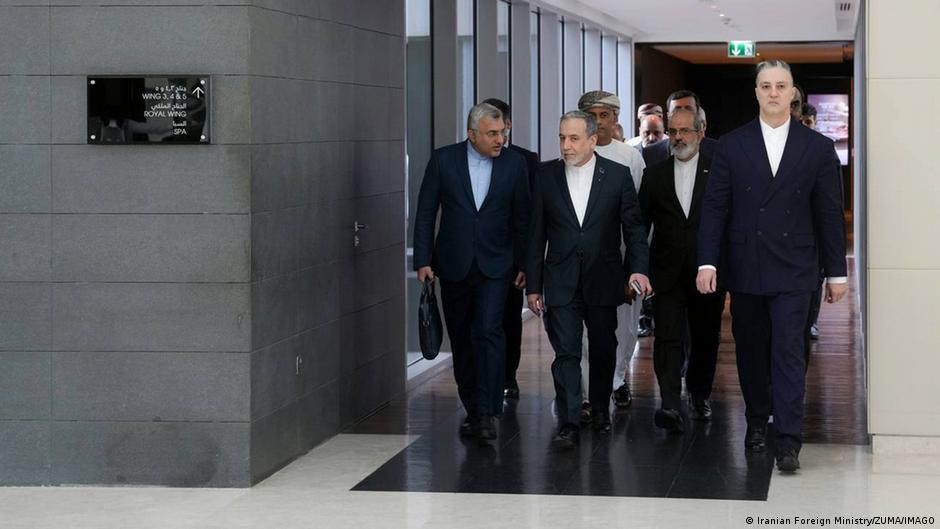
- Diplomatic mediation around Tehran is likely to continue over the next 0-14 days, but a comprehensive US-Iran settlement is unlikely in the next 1-3 months. Reports place Pakistan Army Chief General Asim Munir's Tehran engagement on 24-25 August, while Qatari Prime Minister Sheikh Mohammed bin Abdulrahman bin Jassim Al Thani visited Tehran on 27 August and Oman's Foreign Minister Badr Albusaidi engaged Iranian officials on the Strait of Hormuz. Iran's Foreign Minister Abbas Araghchi and the Qatari prime minister discussed a temporary shipping corridor. The US seeks negotiations covering Iran's nuclear programme, missiles and regional policies, while Tehran insists on the nuclear file alone. A low-confidence report that the White House says no negotiations are under way conflicts with the reported mediation activity. This is an assessed judgement at medium confidence. (Confidence: medium · ASSESSED)
- I&W: Confirm: Oman, Qatar or Pakistan announces a formal US-Iran agenda, a monitored shipping corridor or a new round of direct negotiations. (0-14 days)
- I&W: Break: the three mediators leave Tehran without a corridor or negotiating framework and the White House publicly reiterates that no negotiations are taking place. (0-14 days)
- The United States is very likely to sustain broad economic pressure on Iran over the next 1-3 months. The US Treasury reports sanctions against more than 60 entities, individuals and vessels, new measures targeting digital assets, technology, gold, aviation and shipping, and a zero-leakage approach intended to block Iranian revenue networks. Washington is also imposing secondary sanctions on countries trading with Iran. The scope remains contested because one account describes the measures as limited, while other reporting describes a wider campaign. Official Treasury reporting is strong, but the disagreement lowers confidence in the precise scale and implementation of the sanctions. This is an assessed judgement at medium confidence. (Confidence: medium · ASSESSED)
- I&W: Confirm: the US Treasury publishes additional designations involving the five named sectors, Chinese or UAE-linked networks, or countries trading with Iran. (0-14 days)
- I&W: Break: Treasury pauses new designations, narrows the five-sector measures or publicly authorises broader trade channels with Iran. (1-3 months)
- Iran is likely to continue missile and drone attacks against Israel, US military bases and US-aligned Gulf countries over the next 0-14 days, while Gulf states are likely to intercept most incoming systems. Reporting describes Iranian attacks across the region and barrages against Gulf partners. A separate assessment places Gulf interception rates above 90 percent. The record supports a continuing threat but does not establish a reliable estimate of damage, particularly because the attack reporting and interception figures come from different source types. This is an assessed judgement at medium confidence. (Confidence: medium · ASSESSED)
- I&W: Confirm: Iran claims or is credibly reported to conduct another strike against a named Gulf facility, Israel or a US base, followed by Gulf or US interception reporting. (0-14 days)
- I&W: Break: 14 consecutive days pass without a reported Iranian missile or drone attack against Israel, a US base or a US-aligned Gulf country. (0-14 days)
- Iran is likely to face greater internal economic and political pressure over the next 1-3 months, but the available reporting is insufficient to assess a near-term loss of regime control. Iranian consumer prices are reported to have risen by more than 80 percent year on year, and major-media reporting describes an economic crisis that threatens regime stability and has generated fears of internal unrest. Reported protest deaths also vary sharply, from 3,117 according to the Iranian government to at least 6,126 according to human rights activists, while another report attributes more than 3,468 deaths and over 26,000 injuries to US and Israeli airstrikes. The conflicting casualty figures and limited independent corroboration lower confidence. This is an assessed judgement at medium confidence. (Confidence: medium · ASSESSED)
- I&W: Confirm: Iranian authorities report further price increases alongside new protests, security deployments or restrictions on public communications. (1-3 months)
- I&W: Break: Iranian authorities report sustained price stabilisation and no new protest or unrest reporting across major Iranian cities. (1-3 months)
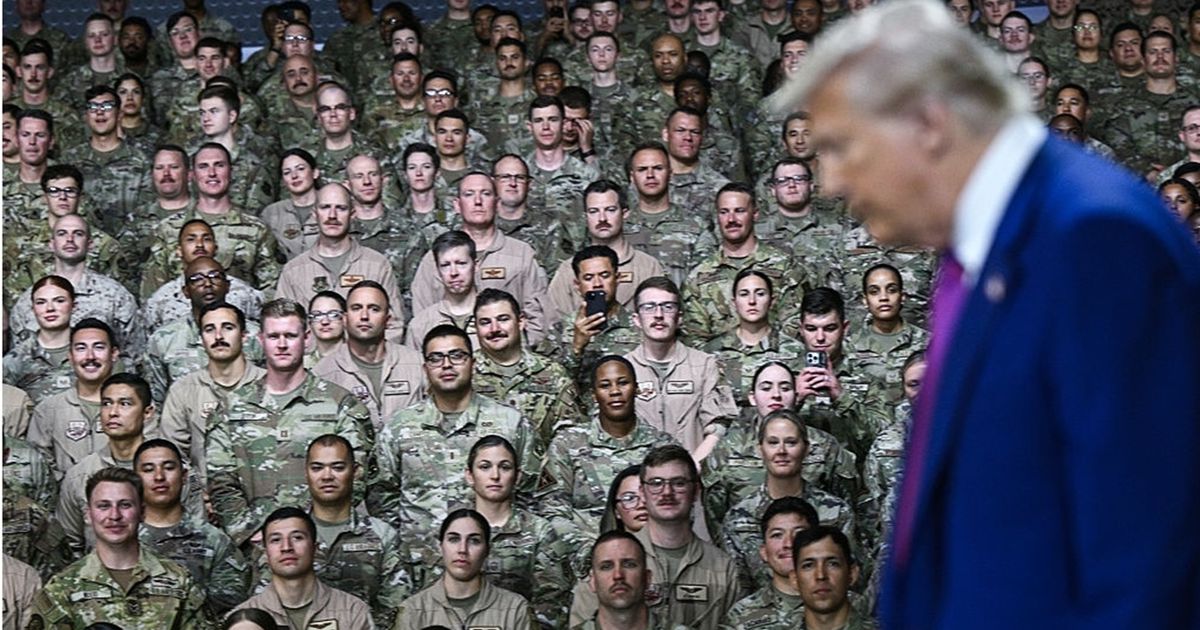
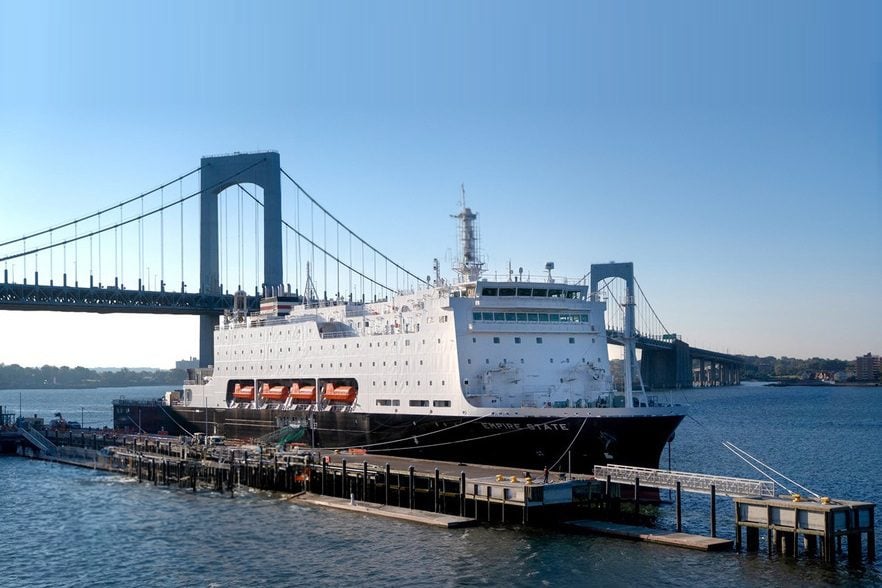
- The United States is likely to retain a large military posture in the Middle East over the next 1-3 months, while carrier, interceptor and logistics strain will constrain operational flexibility. The US military is reported to have more than 50,000 troops and nearly 12 warships in the region. The USS Gerald R. Ford Carrier Strike Group completed an 11-month deployment, the USS Abraham Lincoln faces difficulties returning from the Middle East, and the US Navy is under maintenance pressure. Separate reporting describes a beyond-critical shortage of advanced missile interceptors in Europe, the redirection of Pacific air-defence systems and a planned approximately 170-day activation of the training ship Empire State VII for a federal mission linked to Middle East logistics. This is an assessed judgement at medium confidence because several details rely on major-media reporting and one logistics use remains unconfirmed. (Confidence: medium · ASSESSED)
- I&W: Confirm: the US activates Empire State VII for the planned approximately 170-day mission, extends carrier deployments or shifts additional air-defence and logistics assets towards the Middle East. (0-3 months)
- I&W: Break: the US announces a substantial drawdown of Middle East forces, returns major naval assets to the Pacific or cancels the Empire State VII activation. (1-3 months)
Outlook & scenarios
Prolonged constrained maritime confrontation (55%)
Iran maintains restrictions and threats around the Strait of Hormuz, while the US continues naval protection and sanctions enforcement. Gulf states intercept many Iranian missiles and drones, but shipping remains below normal and oil, fertilizer, insurance and shipping costs stay elevated. This scenario preserves the current military-diplomatic deadlock.
Managed corridor and partial de-escalation (30%)
Oman, Qatar and Pakistan broker a temporary shipping corridor through the Strait of Hormuz. US-Iran contacts resume without resolving disputes over Iran's missiles, regional policies and the scope of its nuclear programme. Regular ship traffic improves towards pre-war levels, while sanctions and military deployments remain in place.
Wider regional escalation (18%)
Iran conducts further strikes against Gulf partners, Israel or US bases, and a new mine, vessel or port incident interrupts the maritime corridor. Houthi claims of attacks on Najran Airport or an Aramco facility in southern Saudi Arabia receive corroboration. The US expands protection and strike operations, producing broader shipping disruption.
Internal rupture in Iran (10%)
Economic pressure, consumer price increases and protest-related grievances combine with new unrest across Iran. Iranian authorities impose wider security or communications restrictions, and the leadership's negotiating position changes under domestic pressure. This is an unlikely, high-impact scenario that would complicate both the Strait of Hormuz dispute and external mediation.
Recommendations
- Maintain a daily Strait of Hormuz dashboard covering vessel transits, Iranian closure or warning statements, US mine-clearance notices, attacks on commercial vessels and any formal corridor terms. Treat a sustained level near or below 15 ships per day as an early-warning threshold.
- Separate confirmed US Treasury actions from media descriptions of the sanctions campaign. Record each designation by sector, country link and enforcement mechanism, with particular attention to the reported five sectors, Chinese and UAE-linked entities and secondary sanctions on Iran's trading partners.
- Track Oman, Qatar and Pakistan as separate mediation channels. Record whether each engagement produces a written corridor arrangement, a direct US-Iran agenda or only public calls for dialogue. Do not treat ministerial visits alone as evidence that formal negotiations have resumed.
- Build a named-target warning list for Israel, US bases, Gulf partners, Najran Airport and the Aramco facility in southern Saudi Arabia. Require independent confirmation before treating Houthi attack claims as operationally verified.
- Update a US force-strain assessment every two weeks using carrier deployment duration, interceptor availability, Pacific asset movements and the status of Empire State VII. Test whether the reported Middle East posture remains sustainable without reducing other regional commitments.
- Run a short-term economic spillover track for oil above 80 dollars per barrel, fertilizer prices, shipping and insurance costs, and the effects of reduced maritime traffic on Ethiopia's export capacity. Reassess the track after any verified restoration of regular Strait of Hormuz traffic.
Confidence & uncertainty
Overall confidence is medium. High-reliability official and multilateral reporting corroborates the existence of US sanctions, Iranian and US military activity, maritime disruption and regional diplomatic engagement. The main uncertainties are the scope of the sanctions, whether reported contacts constitute formal negotiations, the balance of control in the Strait of Hormuz, conflicting casualty figures and inconsistent dates in parts of the record. Several operational details rely on major-media or think-tank reporting, including some single-source claims, so confidence is lower for forward-looking escalation and regime-stability assessments.
Cited sources
[1] aljazeera.net · بعد 6 أشهر من الحرب. هذه أبرز تداعيات المواجهة الأمريكية الإيرانية (A) · sha256:6538afa89b0f [2] Wikipedia · 2026 Iran war (B) · sha256:ee62f1920bb2 [3] skynewsarabia.com · التصعيد بين أميركا وإيران. آخر الأخبار (B) · sha256:af03029164f9 [4] arabi21.com · بوليتيكو: حرب إيران جعلت الولايات المتحدة أكثر عرضة للخطر (B) · sha256:db9066e92045 [5] Al Jazeera · Iran, Qatar hold Hormuz talks amid int’l hopes dialogue with US will resume (A) · sha256:8a6caa64b92d [6] aljazeera.com · Is Iran war diplomacy ramping up, as Qatar, Oman, Pakistan officials visit? (A) · sha256:941a2f9b50d5 [7] english.globalarabnetwork.com · Pakistan Army Chief Arrives in Tehran for Mediation Talks (B) · sha256:08e630785fd8 [8] english.ratopati.com · Iran-US Tensions Escalate Amidst Threats and Sanctions (B) · sha256:4a28277e1295 [9] dw.com · ستوديو الحدث: أمريكا وإيران. سيناريوهات الحرب والتفاوض (B) · sha256:bb78af6a9250 [10] U.S. Department of the Treasury · Remarks from Secretary of the Treasury Scott Bessent on Operation Economic Outcast against Iran (A) · sha256:cda22e30eb34 [11] Atlantic Council · The G20 needs more carrots to rebalance away from China (C) · sha256:5bd8c09167fd [12] Atlantic Council · Threats to US global leadership are mounting: fiscally, militarily, and with allies (C) · sha256:bb51a7a647ee [13] Atlantic Council · The global munitions crisis requires Foreign Military Sales reform (C) · sha256:769bd1e5a84d [14] Wikipedia · Middle Eastern crisis (2023–present) (B) · sha256:c7da013cdbbb [15] Wikipedia · 2026 United States military buildup in the Middle East (B) · sha256:610e0b868c14 [16] House Armed Services Committee · Smith Statement on Six Months of Trump’s War Against Iran (A) · sha256:528a0b91513a [17] theguardian.com · Russia says UK ‘playing with fire’ amid reports CIA chief has warned Kremlin not to attack Nato (A) · sha256:b5dc72daad37 [18] gcaptain.com · MARAD Activates SUNY Maritime Training Ship Empire State VII for Undisclosed National Mission (B) · sha256:9a8a19bd0ea1
Source content hashes were computed at collection time; the cited text is preserved unmodified for the life of this product.
TLP:CLEAR