TLP:CLEAR · Disclosure is not limited.
Iran Conflict: Maritime War and Regional Spillover Deepen
Time window: Last 1 day · Audience: General analyst · Type: Situation report · DTG: 2026-09-10 17:40Z · Overall confidence: HIGH
BLUF
The conflict has widened into a direct US-Iran maritime and missile confrontation, while Houthi advances in southwest Yemen are increasing pressure on Saudi Arabia and Red Sea shipping. Commercial traffic through the Strait of Hormuz is severely constrained but not fully halted, and energy prices are likely to remain under pressure.
Executive summary
US Central Command reported attacks on five Iranian vessels in the Gulf of Oman after IRGC attempts to target US warships. Iran claimed attacks on 10 ships near the Strait of Hormuz and reported launching 20 ballistic missiles at the Al-Azraq base in Jordan, while the Jordanian Armed Forces reported intercepting the missiles without damage to populated areas. Iran has announced new maritime restrictions, and only seven vessels transited the Strait of Hormuz on 9 September, with no LNG tanker recorded leaving. In Yemen, Iran-aligned Houthi forces seized Mocha and reached the Hanish Islands, while attacks on Abha, Khamis Mushait, Jazan and Najran wounded at least 73 people and disrupted energy facilities.
Change from previous assessment
Compared with the 9 September brief, the assessment now includes the reported seizure of Mocha and Houthi access to the Hanish Islands, the reported 20-missile attack towards Al-Azraq, the naming of the five vessels attacked by US Central Command, and the reported seizure of a US Dive-LD submarine drone. Confidence in persistent regional spillover has increased because the Yemen front and Saudi energy facilities are now linked to a wider Red Sea and Gulf disruption picture. The prior judgement that Hormuz traffic would remain constrained is retained, but confidence remains medium because traffic counts and descriptions of effective closure conflict. The prior assessment of unlikely near-term diplomatic de-escalation is retained, with the contradictory reporting on Trump's election-related statements added as a specific uncertainty.
Key judgments
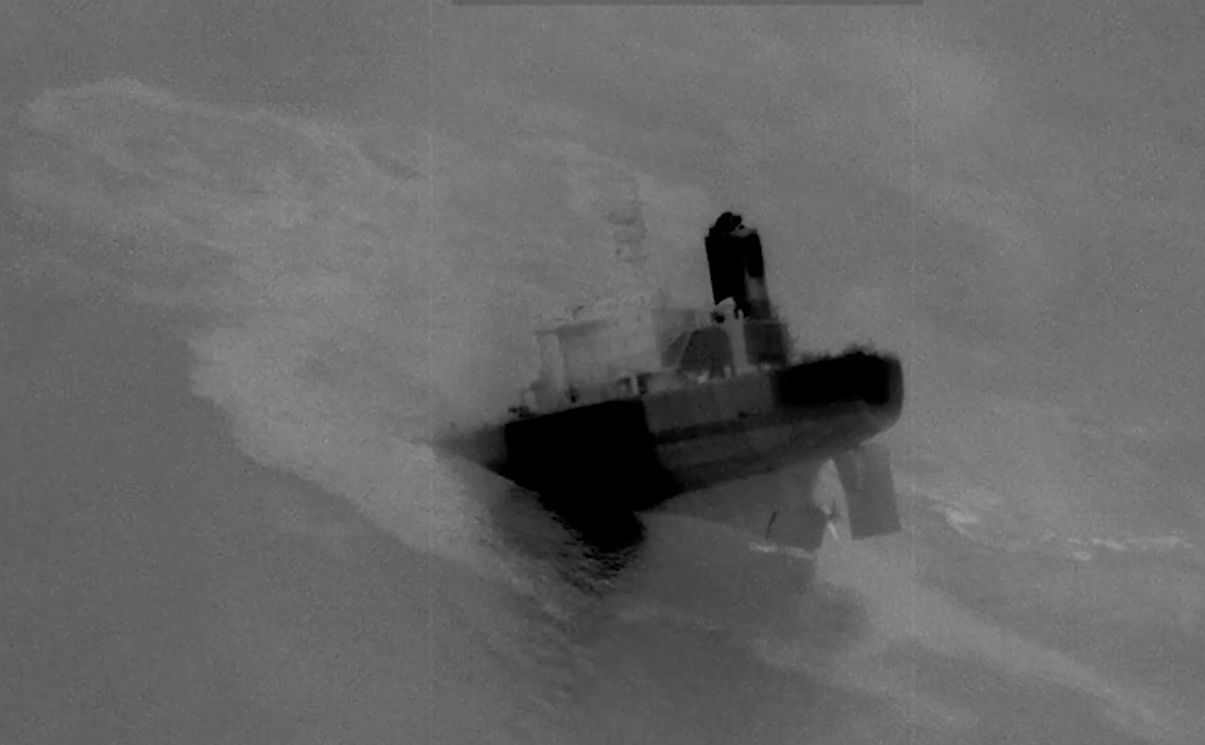
- It is very likely that direct US-Iran hostilities expanded between 8 and 10 September 2026 from attacks on shipping to attempted attacks on US warships and a ballistic missile strike towards a US-used base at Al-Azraq, Jordan. US Central Command reported attacks on M/T Kaviz, M/T Charminar, M/T Horizon 1, M/T Riesco and M/T Derya in the Gulf of Oman, while the IRGC reportedly attempted to target a US warship twice. Iran said it attacked 10 ships near the Strait of Hormuz and launched 20 ballistic missiles at Al-Azraq. The Jordanian Armed Forces confirmed engagement with incoming missiles and reported no injuries or damage to populated areas. The reported number and success of Iran's maritime attacks remain unverified, and Horizon 1 is identified in one account as a bulk carrier rather than an oil tanker. (Confidence: high · REPORTED)
- I&W: Confirmation: US Central Command or the Jordanian Armed Forces report another Iranian missile, drone or maritime attack against a US installation, warship or commercial vessel. (0-14 days)
- I&W: Break: Iran and the United States publicly confirm a 72-hour halt, with no further missile or maritime incidents recorded during that period. (0-14 days)
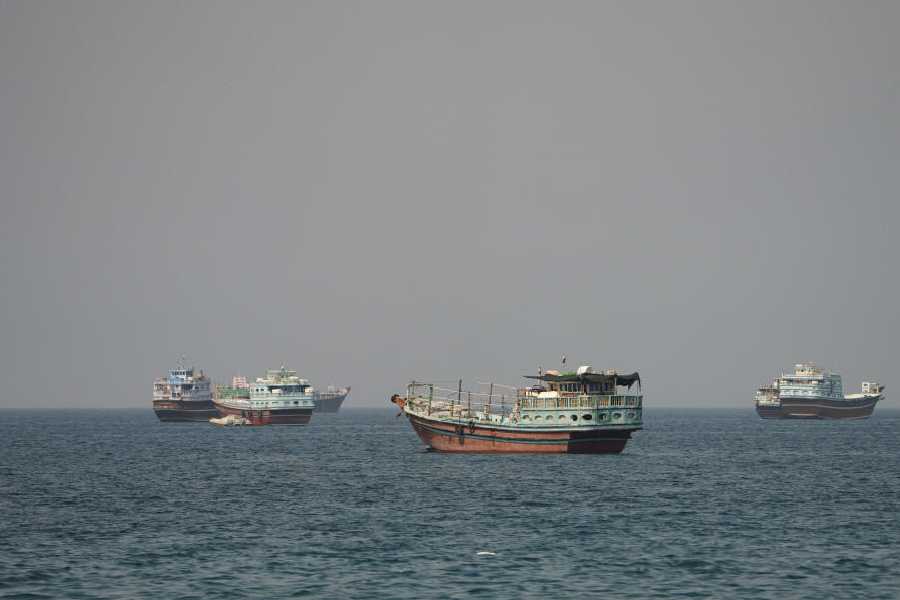
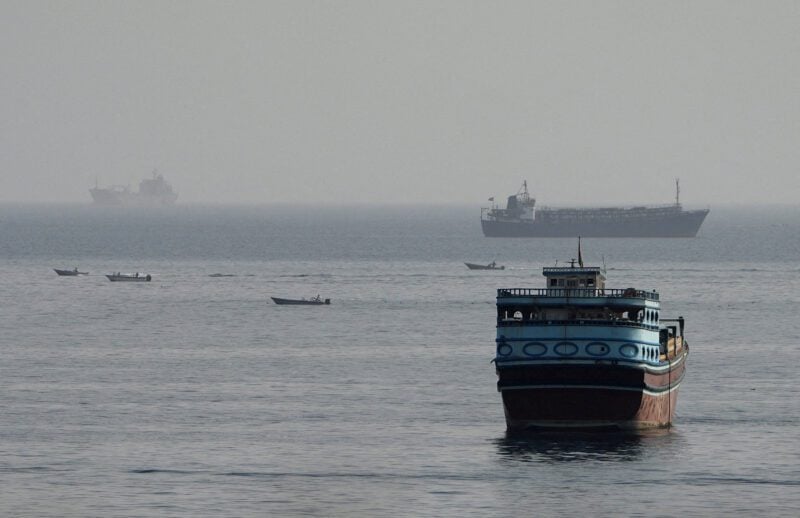
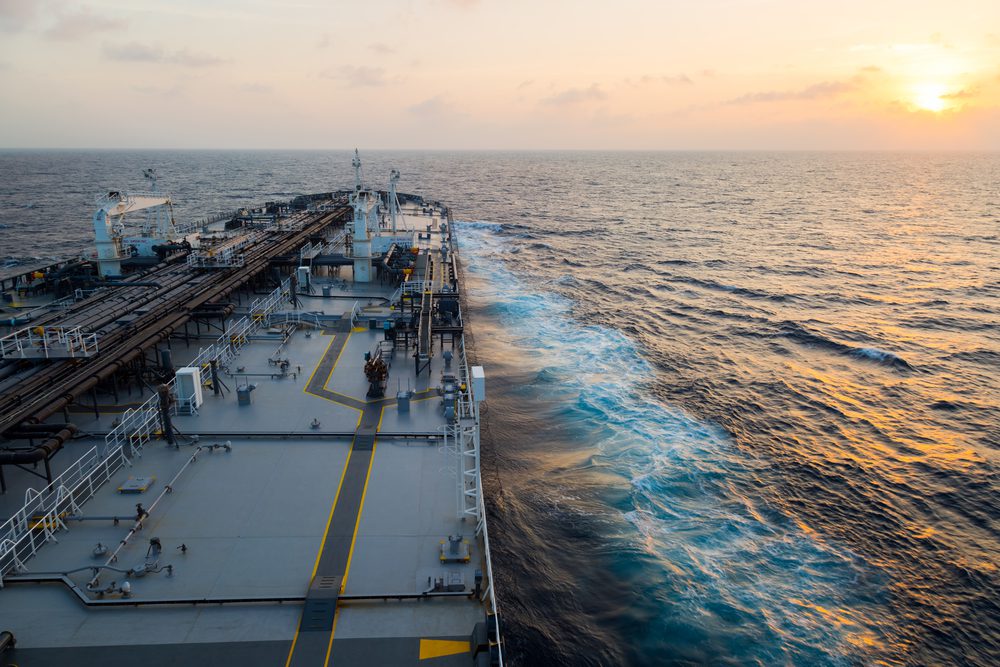
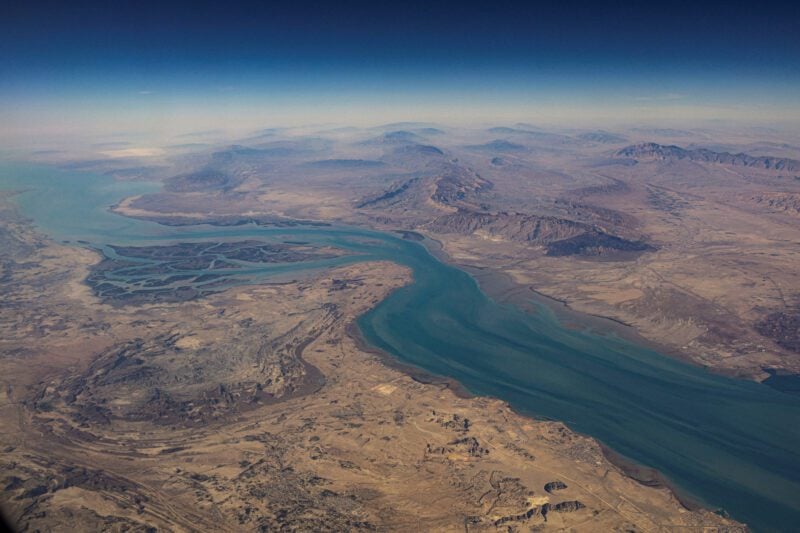
- It is very likely that commercial traffic through the Strait of Hormuz will remain severely constrained over the next 14 days, while it is unlikely that the waterway will be continuously closed. Seven vessels transited on 9 September, four exited and three entered, and no LNG tanker was recorded leaving. Shipowners are using a shuttling system involving vessels waiting in the Gulf of Oman, and Vitol reported that about 10 million barrels per day were still flowing through the wider workaround. The assessment of intermittent passage rather than total closure is inferential because other reporting describes an effective closure, and preliminary data give conflicting counts for earlier transits. (Confidence: medium · ASSESSED)
- I&W: Confirmation: Ship-tracking data record fewer than 10 total vessel transits on at least five of the next seven days, or no LNG tanker exits the Strait during that period. (0-14 days)
- I&W: Break: Daily transits return to 14 or more and LNG tanker departures resume without a new maritime incident. (0-14 days)
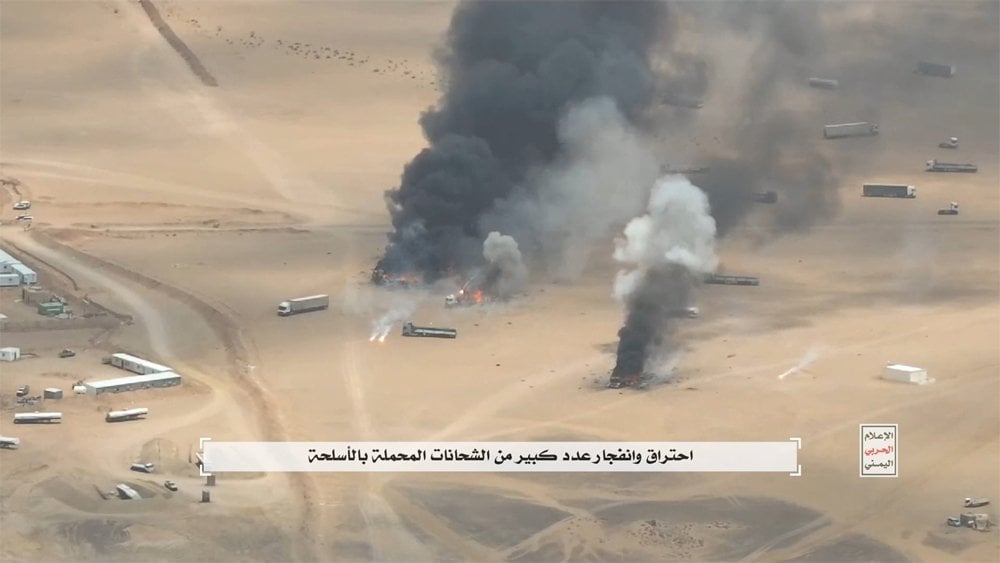
- It is likely that regional spillover will persist and intensify around southwest Yemen, Saudi Arabia and the Red Sea. Iran-aligned Houthi forces seized the port city of Mocha, advanced along the Red Sea coast and reached the Hanish Islands, while Houthi attacks on Abha, Khamis Mushait, Jazan and Najran wounded at least 73 people and disrupted energy facilities. Pakistan warned that an attack on Saudi Arabia could activate the Mecca Joint Defence Agreement with Turkiye and Saudi Arabia. The control picture around Dhubab and Houthi intentions remains contested, lowering confidence in the scope of the next advance. (Confidence: medium · ASSESSED)
- I&W: Confirmation: Houthi forces are independently observed holding Mocha and positions on the Hanish Islands, followed by another attack on Abha, Khamis Mushait, Jazan or Najran. (0-14 days)
- I&W: Break: Internationally Recognised Government forces retake Mocha or Dhubab, while Saudi authorities record no further attacks on energy facilities or the four named cities. (0-14 days)
- It is likely that energy-price and wider cost pressure will persist over the next one to three months while Hormuz and Red Sea disruptions continue. Brent reached $105.26 a barrel, WTI reached $100.04, crude prices were reported more than 40 percent above their level when the war began, UK natural gas exceeded 200 pence per therm and average US petrol reached nearly $4.28 per gallon. Supertanker earnings reached nearly $800,000 per day on the Middle East to China route, while charterers were offered US Gulf to Asia voyages at $29.5 million. The outlook remains an assessment rather than a direct observation because freight and export forecasts are forward-looking and Yanbu loading figures differ materially between data providers. (Confidence: medium · ASSESSED)
- I&W: Confirmation: Brent records daily settlements above $100 and US average petrol rises above $4.28 per gallon while Hormuz transits remain below their recent 14-vessel average. (0-30 days)
- I&W: Break: Brent closes below $100 for five consecutive sessions and Strait transits return to at least 14 vessels per day without renewed attacks. (0-30 days)
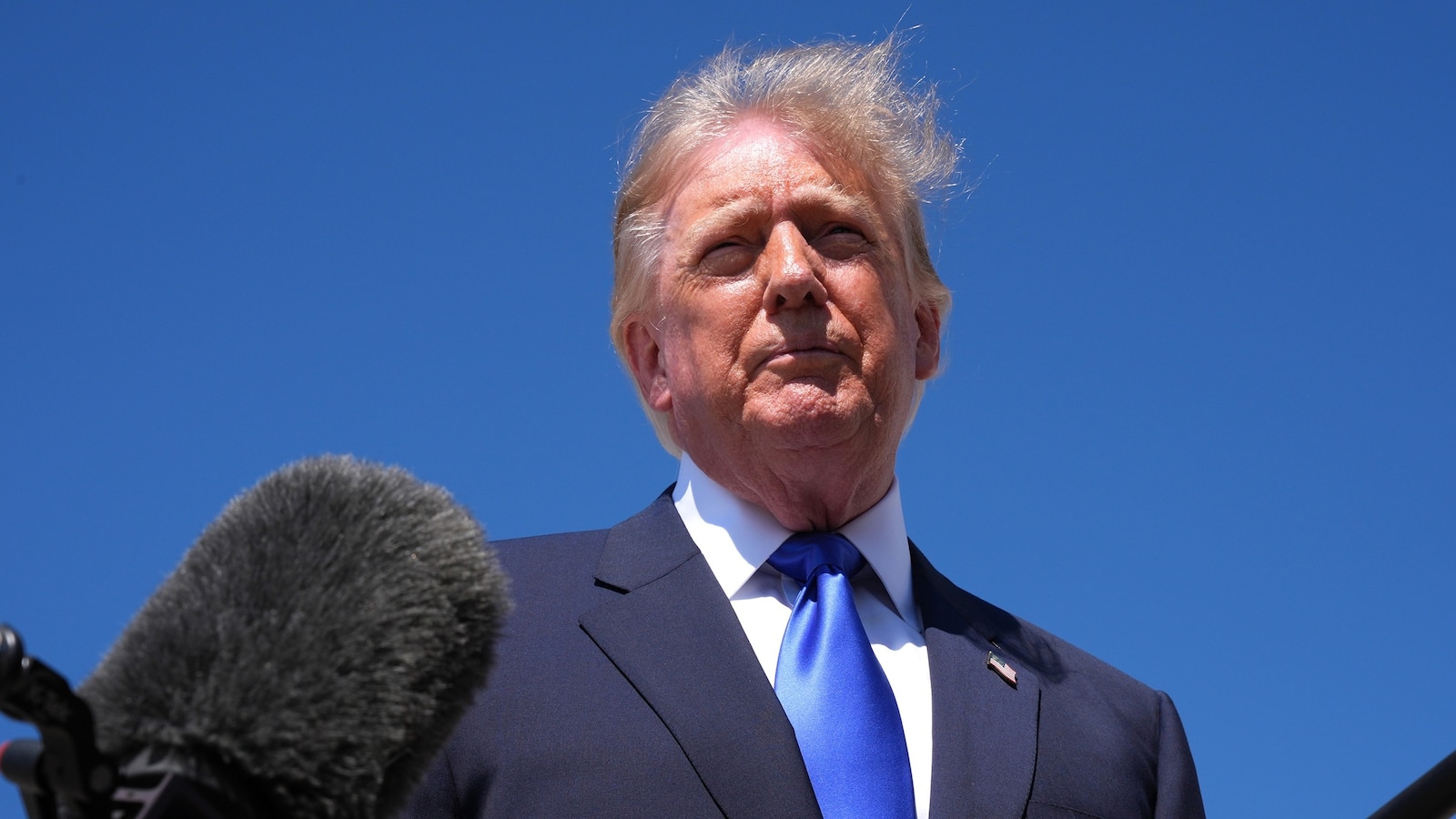
- It is unlikely that US-Iran diplomatic contacts will produce a durable pause in attacks within the next 14 days. The IRGC said it would escalate its response to further attacks, Mohammed Bagher Qalibaf said the era of proportionate responses was over, and Marco Rubio said retaliatory measures would continue while Iran threatened US naval vessels. Donald Trump said the United States was not seeking a deal, while reporting on his statements about whether the war would end before or after the November midterm elections is directly contradictory. The status and timing of the April and June Memorandum of Understanding reporting are also unresolved. (Confidence: medium · ASSESSED)
- I&W: Confirmation: The IRGC announces additional maritime restrictions or the United States announces another retaliatory strike against an Iranian vessel or military asset. (0-14 days)
- I&W: Break: The United States and Iran announce signed terms for a pause, followed by 72 hours without missile, maritime or proxy attacks. (0-14 days)
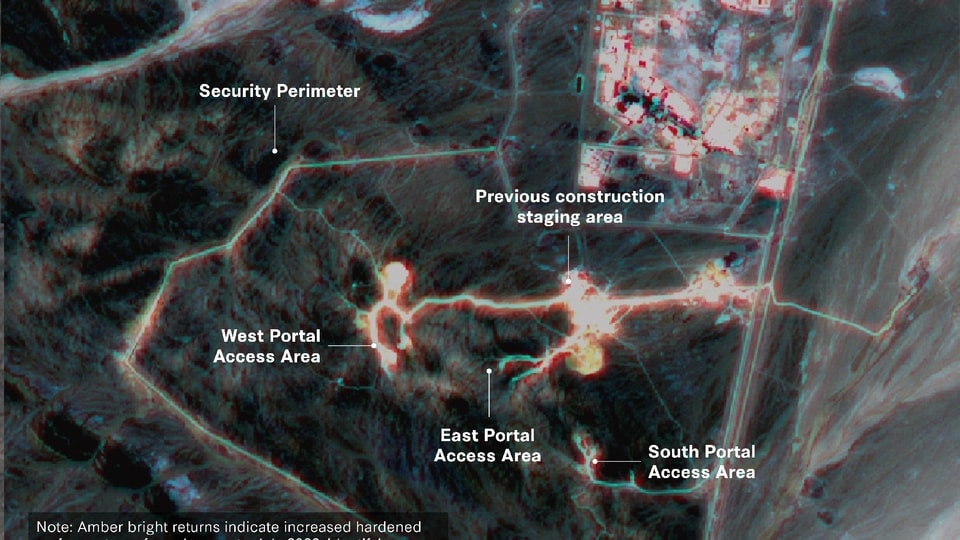
- It is likely that Pickaxe Mountain will remain a principal US-Israel-Iran escalation trigger over the next 14 days, although the reporting does not establish that the site is operational for uranium enrichment. Donald Trump renewed threats to strike the facility, Israeli reporting described Iran as the main battle arena, and Benjamin Netanyahu instructed the IDF to prepare for the toppling of the Iranian regime. CSIS imagery indicates increased construction, road activity and security features at Pickaxe Mountain, while other officials assess that the facility is not currently operational for enrichment. (Confidence: medium · ASSESSED)
- I&W: Confirmation: US or Israeli officials announce operational preparations for a strike on Pickaxe Mountain, or imagery shows new security activity consistent with imminent military use. (0-14 days)
- I&W: Break: US and Israeli officials withdraw the threat, while new imagery and official reporting continue to indicate no enrichment operations or heightened security posture at the site. (0-14 days)
Outlook & scenarios
Sustained constrained conflict (65%)
US Central Command and the IRGC continue reciprocal pressure around the Gulf of Oman and Strait of Hormuz without a confirmed strike on a populated area. Iran maintains restricted maritime zones, commercial traffic remains at low levels, and Houthi forces retain Mocha and positions near the Hanish Islands. Oil remains above $100 a barrel and Red Sea operators continue to reroute vessels.
Expanded multi-front escalation (30%)
Iran conducts another missile or maritime attack, prompting further US strikes on Iranian vessels or military assets. Houthi forces attack Saudi energy infrastructure again or consolidate control near Bab al-Mandeb, activating pressure for implementation of the Mecca Joint Defence Agreement. Israeli and US threats against Pickaxe Mountain become operationally explicit.
Negotiated pause with limited effect (20%)
The United States and Iran establish direct contacts and announce a temporary pause covering missile and maritime activity. Shipping resumes selectively through the Strait of Hormuz, but insurers, shipowners and LNG operators retain restrictions because the agreement lacks verified implementation and Houthi activity in the Red Sea continues.
Low-probability, high-impact nuclear escalation (10%)
A US or Israeli strike on Pickaxe Mountain follows the public threats and rising construction activity. Iran responds against US forces, Israeli targets or commercial shipping, producing a direct US-Israel-Iran exchange alongside Houthi attacks on Saudi Arabia and Red Sea traffic.
Recommendations
- Maintain a 0 to 14 day watch focused on US Central Command statements, IRGC maritime notices, Jordanian air-defence reporting and verified damage to US or commercial vessels.
- Reconcile Strait of Hormuz traffic data daily by separating commodity vessels, LNG tankers and all vessel movements. Do not describe the waterway as fully closed without corroborating ship-tracking and official reporting.
- Track Houthi control of Mocha, Dhubab and the Hanish Islands using fresh imagery and dated local reporting. Treat claims about Houthi strategic intent separately from confirmed territorial control.
- Monitor Saudi authorities for new attacks on Abha, Khamis Mushait, Jazan and Najran, with particular attention to disruption at named energy facilities and any Pakistani or Saudi reference to activating the Mecca Joint Defence Agreement.
- Track Brent, WTI, UK gas, US petrol prices and VLCC freight rates alongside daily Hormuz and Bab al-Mandeb transit counts to distinguish temporary market reaction from sustained supply pressure.
- Prioritise primary-source verification of Donald Trump's conflicting statements on the timing of the war's end and of the status of any US-Iran Memorandum of Understanding.
- Monitor Pickaxe Mountain imagery and official statements for changes in security posture, construction activity or evidence of operational enrichment before attributing an imminent strike capability.
Confidence & uncertainty
Overall confidence is high for the headline assessment because official US Central Command and Jordanian Armed Forces reporting is reinforced by major-media coverage, ship-tracking data and trade-publication reporting. The main uncertainties concern the exact number and results of Iran's claimed attacks on shipping, the precise operational status of the Strait of Hormuz, Houthi control around Dhubab, and conflicting accounts of Donald Trump's statements on the war's endpoint. These uncertainties lower confidence in several forward-looking details but do not overturn the corroborated pattern of direct US-Iran hostilities, severe maritime disruption and regional spillover.
Intelligence gaps
- [EEI 1.1 · PARTIAL] Number, type, launch times, and trajectories of ballistic missiles, cruise missiles, armed UAV strikes, and combat-air sorties launched by Iranian or Israeli forces toward the other's territory or forward bases within a 72-hour window. Recommended collection: signals/intel
- [EEI 1.2 · PARTIAL] Observable changes in Israeli and Iranian force posture: mobilization or reserve call-up orders, unit road/rail movements, dispersal or sortie rates of air squadrons, redeployment of air-defense batteries, and activation of civil-defense alerts or sirens in major population centers. Recommended collection: open-source/media
- [EEI 1.3 · PARTIAL] Indications of strike authorization or targeting preparations in Iranian or Israeli command chains: authenticated public orders by senior commanders, detected increases in encrypted communications consistent with targeting, or visible movement of strike munitions to launch/storage sites. Recommended collection: signals/intel
- [EEI 2.1 · UNCOVERED] Counts, launch locations (coordinates), weapons types, and assessed damage from rocket/missile/drone strikes originating from Lebanon into northern Israel attributed to Hezbollah or allied groups. Recommended collection: open-source/media
- [EEI 2.2 · UNCOVERED] Reported attacks by Iranian-backed militias in Iraq and Syria: rocket/IED strikes on bases hosting US/coalition or Israeli personnel, documented militia unit movements toward borders, and captured movement or transfer of weapons systems to forward militia positions. Recommended collection: human
- [EEI 3.1 · UNCOVERED] Movements and arrival dates of foreign military assets into the region: carrier strike groups, amphibious ships, surface combatants, strategic airlift/tanker deployments, and air/sea patrol patterns by US, European, Russian, or regional militaries. Recommended collection: imagery/satellite
TLP:CLEAR