TLP:CLEAR · Disclosure is not limited.
Iran Conflict: Regional Spillover and Strike Risk, 13 October 2026
Time window: Last 1 day · Audience: General analyst · Type: Situation report · DTG: 2026-10-13 14:36Z · Overall confidence: HIGH
BLUF
Very likely, commercial traffic through the Strait of Hormuz will remain disrupted, while Saudi-Houthi hostilities add a second active front. President Donald Trump’s statement ruling out a US attack on Iran before 3 November lowers the near-term strike outlook, but a report that Israel killed Ayatollah Ali Khamenei remains uncorroborated in the reporting provided.
Executive summary
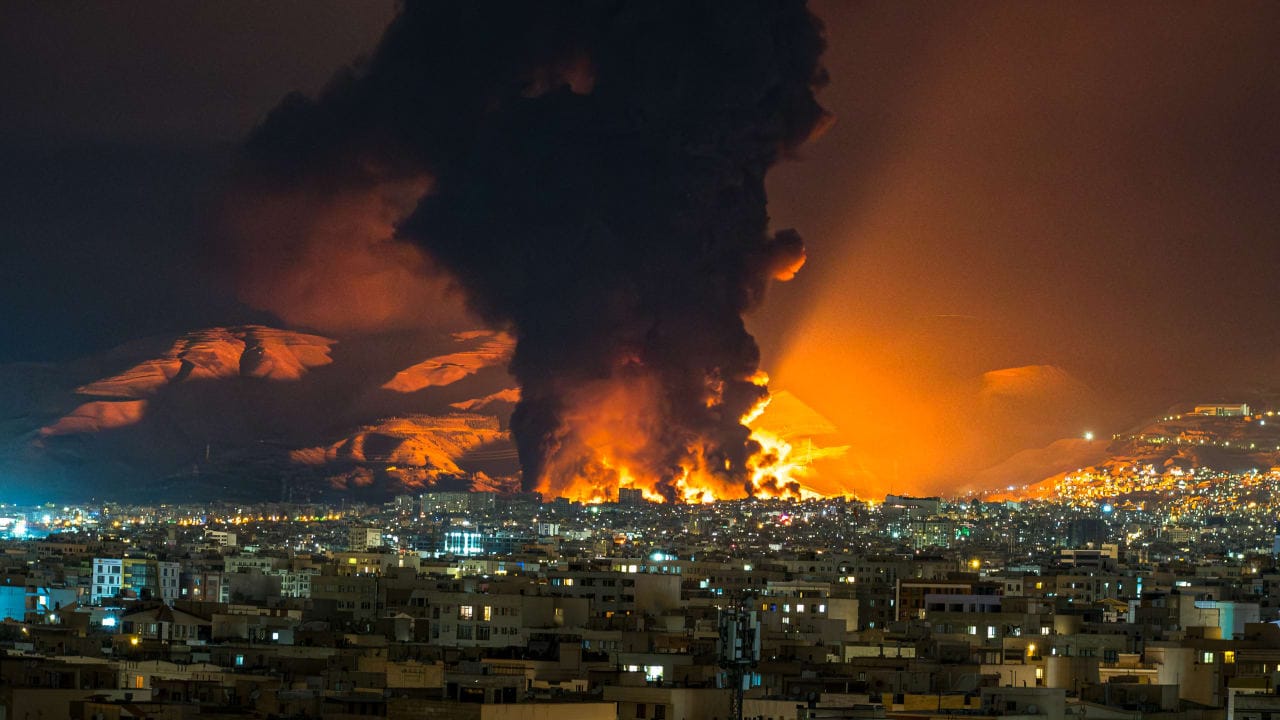
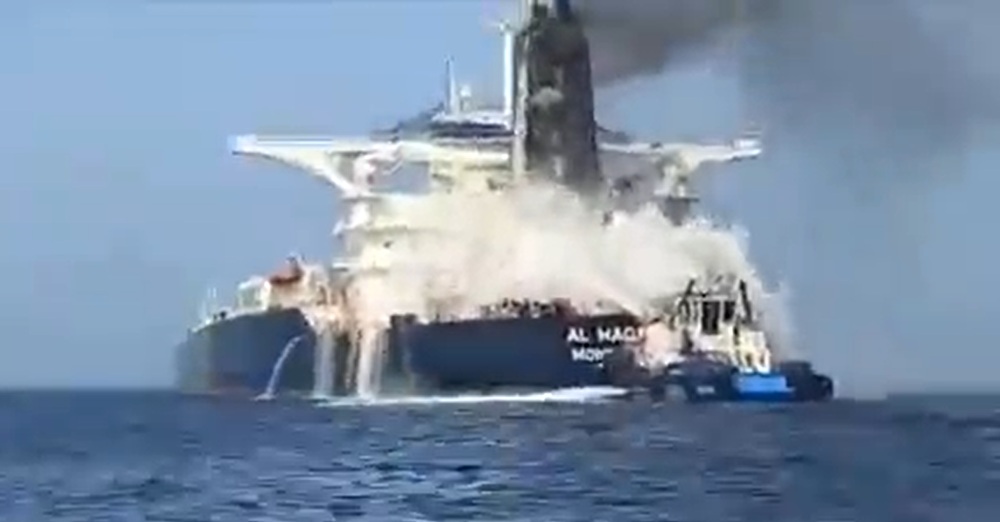
Reporting from 11 to 13 October describes six commercial vessels struck in and around the Strait of Hormuz on 11 October, with average transits at about 29 per day over the preceding 72 hours against a historical average of roughly 138. JMIC retained a SEVERE threat rating, although Iran’s foreign ministry announced an understanding with Oman on a temporary safe shipping route whose implementation details remain pending. In Saudi Arabia, reports describe Houthi attacks on Riyadh’s airport, but the reported death toll ranges from 13 to 20. The Saudi-led coalition warned of an operation in part of Sanaa; the Houthis threatened retaliation in Riyadh and Dammam and declared Saudi Aramco facilities legitimate targets. Reporting also describes Iranian fortifications at Pickaxe Mountain and Natanz, and US preparations for strike options. One major-media report says an Israeli strike in Tehran killed Khamenei, Iran’s defence minister and several IRGC generals; the supplied reporting does not independently corroborate those deaths.
Change from previous assessment
Since the 12 October brief, the assessment has expanded from a maritime-focused picture to include reported Iranian fortifications at Pickaxe Mountain and Natanz, US preparations for strike options, Saudi-Houthi hostilities around Riyadh and Sanaa, and Iranian warnings concerning Gulf targets. The new transit figure of about 29 vessels per day, against a historical average of roughly 138, strengthens the assessment of severe Hormuz disruption. A report of Khamenei’s death is newly included but remains provisional and low-confidence. The US strike outlook remains unlikely before 3 November, although the public statement, reported preparations and a conflicting social-media account leave the decision status unresolved.
Key judgments
- A single major-media report states that an Israeli strike in Tehran killed Ayatollah Ali Khamenei, Iran’s defence minister and several IRGC generals. The claim is not independently corroborated in the reporting provided and should remain provisional. (Confidence: low · REPORTED)
- I&W: Confirm: Iranian authorities announce the deaths and a second independent major-media outlet verifies them. (0-14 days)
- I&W: Break: Khamenei makes a verifiable public appearance or Iranian authorities provide credible evidence that he is alive. (0-14 days)
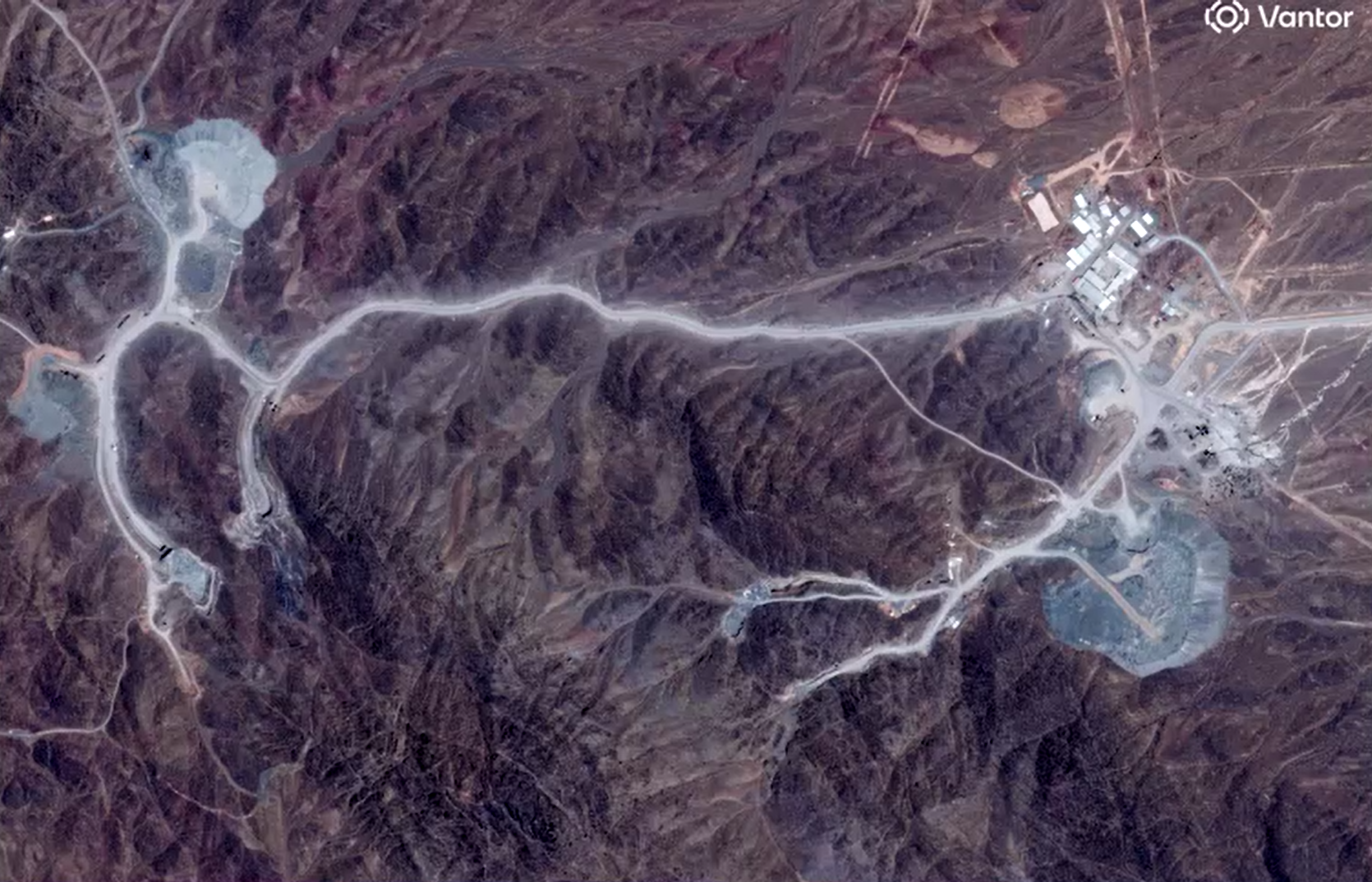
- Very likely, Iran has strengthened passive defences at Pickaxe Mountain and Natanz and prepared key infrastructure for wartime conditions. Satellite-image analysis and a statement by Brig. Gen. Gholamreza Jalali support the preparations, but IAEA chief Rafael Mariano Grossi said there was no concrete information on activity at Pickaxe Mountain; the reporting does not establish that an attack is imminent. (Confidence: medium · REPORTED)
- I&W: Confirm: New satellite-image analysis shows additional fortifications or construction at Pickaxe Mountain or Natanz. (1-3 months)
- I&W: Break: Follow-up imagery shows the reported works removed, with no further fortification visible at either site. (1-3 months)
- Unlikely, the US will strike Iran before 3 November. Trump publicly ruled out an attack before the midterms, while US officials are preparing strike options and a third aircraft carrier strike group and another Marine expeditionary unit are heading to the Middle East. A low-reliability social-media post describes the operation as postponed, leaving the decision status less certain than Trump’s public statement alone suggests. (Confidence: medium · ASSESSED)
- I&W: Break: Trump or US officials announce a strike on Iran, or US forces conduct one, before 3 November. (0-3 weeks)
- I&W: Confirm: 3 November passes without a US strike and the administration maintains its public position against an earlier attack. (0-3 weeks)
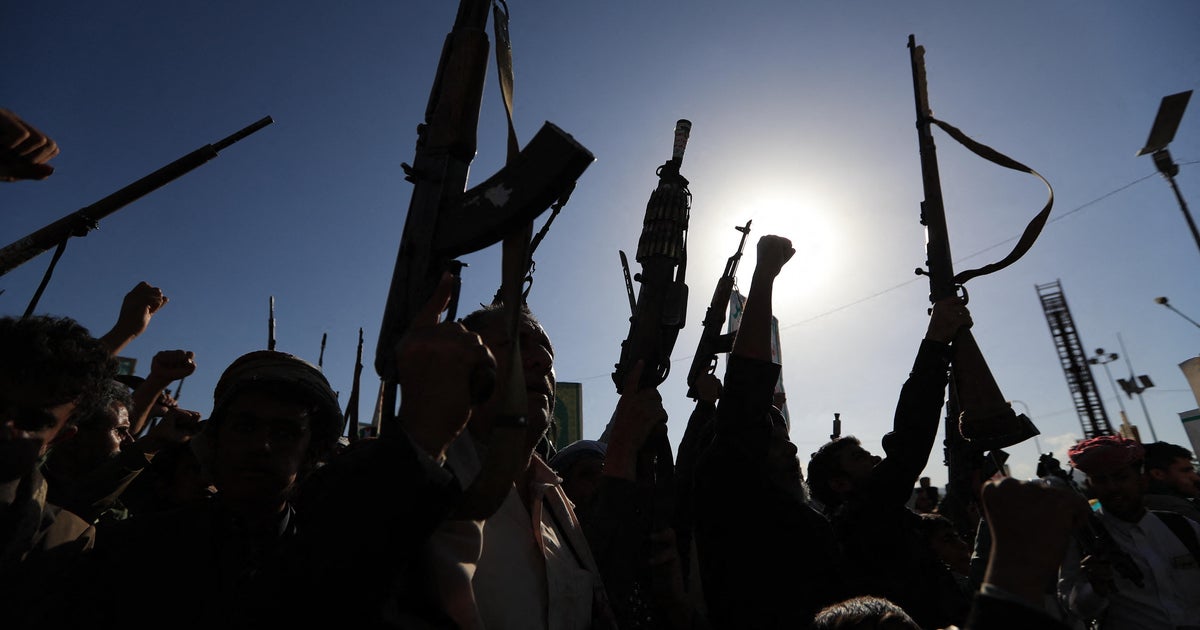
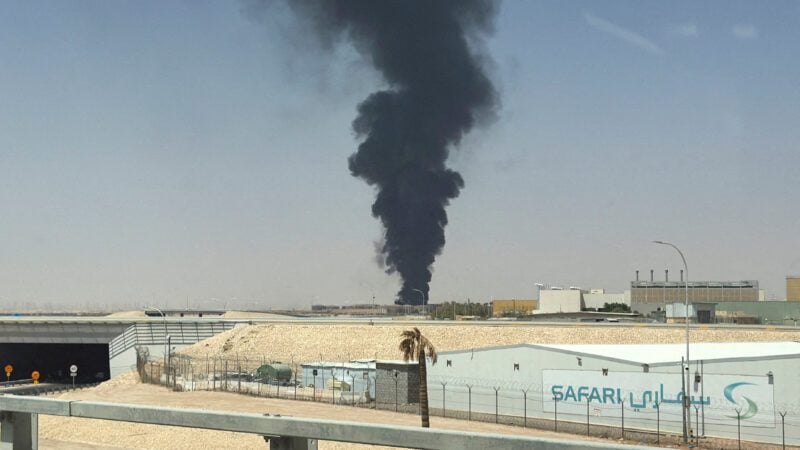
- Likely, Saudi-Houthi hostilities will continue over the next 14 days, with further attacks on Saudi targets following the Saudi-led coalition’s warning of an operation in Sanaa. The Houthis have threatened retaliation in Riyadh and Dammam and named Saudi Aramco facilities as legitimate targets. Reporting on the Riyadh airport attacks gives conflicting death tolls, from 13 to 20, which limits confidence in the incident details. (Confidence: medium · ASSESSED)
- I&W: Confirm: The Saudi-led coalition conducts the announced operation near the Yemen Petroleum Company area in Sanaa, or the Houthis claim a new attack on a named Saudi target. (0-14 days)
- I&W: Break: The coalition cancels the Sanaa operation and the Houthis publicly withdraw their threats, with no new attack on Saudi targets during the period. (0-14 days)
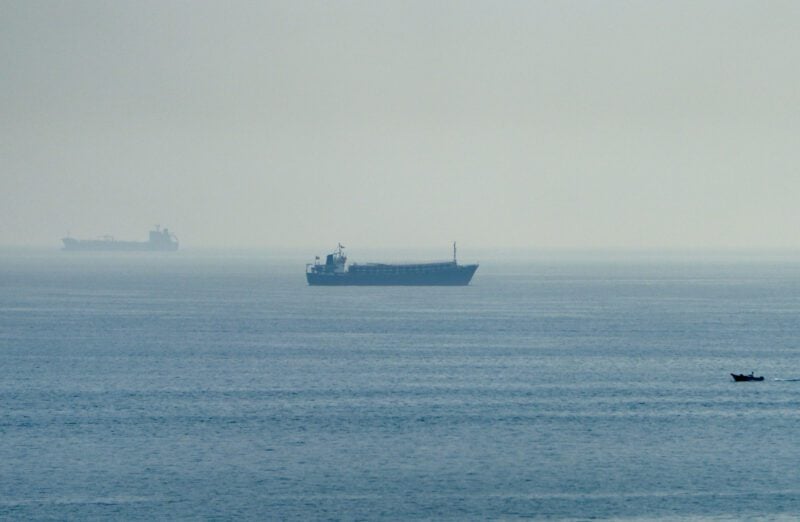
- Very likely, Strait of Hormuz traffic will remain far below historical levels and commercial vessels will remain exposed to further attacks over the next 14 days. JMIC reported about 29 daily transits against a historical average of roughly 138, and issued a SEVERE threat assessment after six reported vessel strikes on 11 October. The Iran-Oman safe-route understanding is a possible mitigating development, but its implementation details were still pending in the reporting. (Confidence: medium · ASSESSED)
- I&W: Confirm: JMIC or NCAGS reports transits remain below 50 per day, or UKMTO issues a new attack warning for the Strait of Hormuz or Persian Gulf. (0-14 days)
- I&W: Break: Daily transits return towards the historical average of roughly 138 and UKMTO reports no new attacks during the period. (0-14 days)
Outlook & scenarios
Sustained coercion without a new US strike before the midterms (50%)
Iran maintains its reported defences and wartime readiness. Hormuz traffic remains depressed, while Saudi-Houthi attacks and threats continue without a new US strike on Iran before 3 November. The announced Iran-Oman shipping route produces no rapid recovery in transit volumes.
Saudi operation in Sanaa triggers further Houthi attacks (24%)
The Saudi-led coalition conducts an operation in Sanaa after its evacuation warning. The Houthis respond with attacks aimed at Saudi targets, including Riyadh, Dammam or Saudi Aramco facilities. This scenario increases pressure for a wider Saudi response.
US strike on Iran after 3 November (20%)
The US conducts a strike on Iran after the midterms, consistent with the reported preparation of strike options and Trump’s stated timing. Tehran follows through on its warnings against regional targets, raising the prospect of attacks affecting Gulf states and US interests.
Wildcard: attacks extend to Gulf infrastructure or neighbouring territory (6%)
Iranian forces conduct a land incursion into a neighbouring country, or an attack hits a named Gulf oil asset, data centre or internet cable. The reporting contains warnings about these targets but no corroborated new attack of this kind in the current period. Such an incident would sharply widen the conflict.
Recommendations
- Treat the reported deaths of Khamenei, Iran’s defence minister and IRGC generals as provisional. Seek confirmation from Iranian official channels and independent major-media reporting before incorporating the claim as established fact.
- For maritime updates, compare daily Strait of Hormuz transit counts with the historical average of roughly 138 and track new UKMTO warnings. Separately monitor the implementation of Iran’s announced safe-route understanding with Oman and the search for the two missing Petro Dolphin seafarers.
- Do not publish a single Riyadh airport death toll without reconciling the reported figures of 13, 14 and 20. Keep the casualty count separate from confirmed coalition statements about drone interceptions.
- Track the Saudi-led coalition’s stated Sanaa operation against the Houthis’ threats to Riyadh, Dammam and Saudi Aramco facilities. Record confirmed events separately from threats and claims of responsibility.
- Assess the US strike outlook against both Trump’s public pre-midterm position and observable military developments. Do not treat carrier and Marine deployments alone as confirmation of an imminent strike.
Confidence & uncertainty
Overall confidence is high in the broad assessment that the conflict is producing sustained maritime disruption and widening Saudi-Houthi hostilities. Major-media and wire reporting, maritime security reporting and satellite-image analysis support those broad patterns. Confidence is uneven at the event level: the reported death of Khamenei rests on one claim in the supplied material, Riyadh casualty totals conflict, and attackers in the Hormuz incidents remain unidentified.
Intelligence gaps
- [EEI 1.1 · PARTIAL] Unusual long-range missile/rocket transporter-launcher (TEL) movements, storage activation, or assembly activity at known IRGC missile sites or forward staging areas. Recommended collection: satellite/imagery
- [EEI 1.2 · PARTIAL] Orders, threat-alert messages, or changes in posture from IRGC, Quds Force, or senior Iranian military leadership indicating attack timelines or rules of engagement changes. Recommended collection: signals/ELINT and HUMINT
- [EEI 1.3 · PARTIAL] Large-scale transfers, deliveries, or convoy movements of armed UAVs/drones, guided munitions, or spare parts from Iran into Lebanon (Hezbollah), Iraq, Syria, or Gaza. Recommended collection: air/aviation track and HUMINT
- [EEI 1.4 · UNCOVERED] Sustained changes in Israeli air-defense usage (SAM launches, radar activations), wide-area alerts, or NOTAMs indicating elevated imminent strike response. Recommended collection: air/aviation/NOTAMs and signals
- [EEI 2.1 · UNCOVERED] Concentration, repositioning, or sortie patterns of Iranian naval/IRGC patrol boats and fast-attack craft near shipping chokepoints or commercial lanes. Recommended collection: maritime/AIS and satellite/imagery
- [EEI 2.3 · PARTIAL] Insurance market indicators: sudden spikes in war-risk or hull insurance premiums for routes through the Red Sea, Suez corridor, or Persian Gulf, and major carriers announcing route changes. Recommended collection: financial/market and commercial shipping notices
- [EEI 2.4 · PARTIAL] Port closures, naval escorts requested by commercial operators, or formal rerouting advisories issued by major shippers (e.g., Maersk, Hapag-Lloyd) for regional transits. Recommended collection: commercial/OSINT
- [EEI 3.1 · PARTIAL] Deployment of foreign military assets to the region (carrier strike groups, amphibious ships, combat aircraft deployments, or additional bases activated) from the US, UK, France, Russia, or GCC states. Recommended collection: maritime/AIS and air/aviation and satellite/imagery
- [EEI 3.3 · PARTIAL] Confirmed arms transfers, expedited weapons shipments, or transfer authorizations to Israel, Iran, or their proxies (aircraft parts, munitions, air defenses). Recommended collection: customs/INTEL and HUMINT
- [EEI 3.4 · PARTIAL] Issuance of travel warnings, embassy evacuations or reductions, and closure of diplomatic missions by major capitals indicating escalation risk or shifted threat assessments. Recommended collection: OSINT/diplomatic
Cited sources
[1] The Jerusalem Post · Live Updates: Latest from Israel, Iran, and the Middle East | The Jerusalem Post (A) · 13 October 2026 · sha256:294d44252aec [2] i24NEWS · Iran fortifying nuclear sites; warns of land incursions into Gulf states if the US launches new strikes - report (B) · 13 October 2026 · sha256:547e86365821 [3] The Jerusalem Post · Iran fortifies nuclear sites, rebuilds missile arsenal as it prepares for the next war - analysis (B) · 13 October 2026 · sha256:cb4c395a2eac [4] Maat Group (Facebook page) · #ماعت_جروب | تم تحديد الموعد. #إسرائيل تستعد لمواجهة #إيران من جديد. #نتنياهو يترقب ساعة الصفر و #ترامب يؤجل العملية! | Maat Group (E) · sha256:27cd57877e8a [5] CBS News · Live Updates: Houthis threaten U.S. with "swift and painful" response if it joins Saudi Arabia's strikes on Iran-backed group (A) · 12 October 2026 · sha256:fd3ffdafbfef [6] Al Jazeera · Iran war live: Blasts heard in Sanaa as Houthis threaten ‘harsh’ response (A) · 13 October 2026 · sha256:ad3eaf97948d [7] Bloomberg · Deadly Attacks on Saudi Arabia Risk Wider War That Draws In US (A) · 12 October 2026 · sha256:4c2bd240012d [8] gCaptain · Six Ships Struck in Single Day as Hormuz Attacks Accelerate (C) · 12 October 2026 · sha256:827b82e39440 [9] The Maritime Executive · UKMTO Reports Six Strikes in One Day on Tankers in the Mideast (C) · sha256:d9f8f55e1ec7
Source content hashes were computed at collection time; the cited text is preserved unmodified for the life of this product.
Red cell review: CONCUR WITH COMMENT
TLP:CLEAR