TLP:CLEAR · Disclosure is not limited.
Iran Conflict: Strike Risk and Hormuz Disruption
Time window: Last 1 day · Audience: General analyst · Type: Situation report · DTG: 2026-11-06 07:49Z · Overall confidence: HIGH
BLUF
Renewed US strikes on Iran are likely in the next 14 days: US CENTCOM is preparing for possible large-scale operations, but has not received an order. Attacks and harassment around the Strait of Hormuz, combined with sharply reduced commercial traffic, are likely to keep regional security and shipping risks elevated.
Executive summary
Reporting on 5 and 6 November describes US preparations for possible renewed operations against Iran alongside public threats from Donald Trump; it does not report an order to resume large-scale combat. JMIC reported four attacks in the Strait of Hormuz over its latest 96-hour reporting period, while commercial transits remained well below pre-conflict levels. Qatar-mediated diplomacy is being reported, but Iranian officials say negotiations and reopening the strait depend on Tehran's seven conditions. The US midterm result and Israel's unsettled government formation add political pressure and uncertainty.
Change from previous assessment
Since the 5 November brief, the US midterm result is now reported as a Democratic majority in both chambers, and new reporting describes CENTCOM preparations for possible large-scale operations, a proposed USS Theodore Roosevelt deployment and a Qatar-mediated Iranian proposal. JMIC's latest reporting adds four Strait of Hormuz attacks over 96 hours and continued harassment, while Israel's 53-seat Netanyahu bloc, 48-seat Eisenkot alliance and Herzog's expected 8 November decision clarify the government-formation contest. I raise the assessment of renewed US strikes from roughly even chance to likely, based on the reported preparations and Trump's renewed threats, while noting that no order has been issued. I lower confidence in the reported 2 November Qeshm strike from the prior brief's medium confidence to low because the supplied accounts are blog-based and do not independently corroborate the event.
Key judgments
- Renewed US strikes on Iran are likely in the next 14 days. US CENTCOM is reported to be completing preparations for possible large-scale combat operations but had not received an order from Washington; Admiral Brad Cooper reportedly presented additional options to the White House, and Trump threatened further action against Iran. The ordered deployment of the USS Theodore Roosevelt strike group adds military capacity, although reporting places its arrival in the Middle East at least two weeks away. The absence of an order and the reported US openness to negotiations remain important counter-indicators. (Confidence: medium · ASSESSED)
- I&W: Confirm if Washington issues an operational order to CENTCOM or reporting identifies a specific strike package tasked against Iran. (0-14 days)
- I&W: Break if CENTCOM reports a stand-down of preparations and Washington or Qatar announces an agreed pause in military operations. (0-14 days)
- The reported US attack on Qeshm Island on 2 November remains unconfirmed in the supplied reporting. The accounts describe a US strike and cite a Wall Street Journal report and a US official, but the supplied claims trace to blog-based coverage rather than independent corroboration. Confidence in the event is therefore low. (Confidence: low · REPORTED)
- I&W: Confirm if an independent US statement or independently verified imagery identifies damage from a US strike on Qeshm Island on 2 November. (0-14 days)
- I&W: Break if the Wall Street Journal account is corrected or US authorities deny the strike and no independent evidence emerges. (0-14 days)
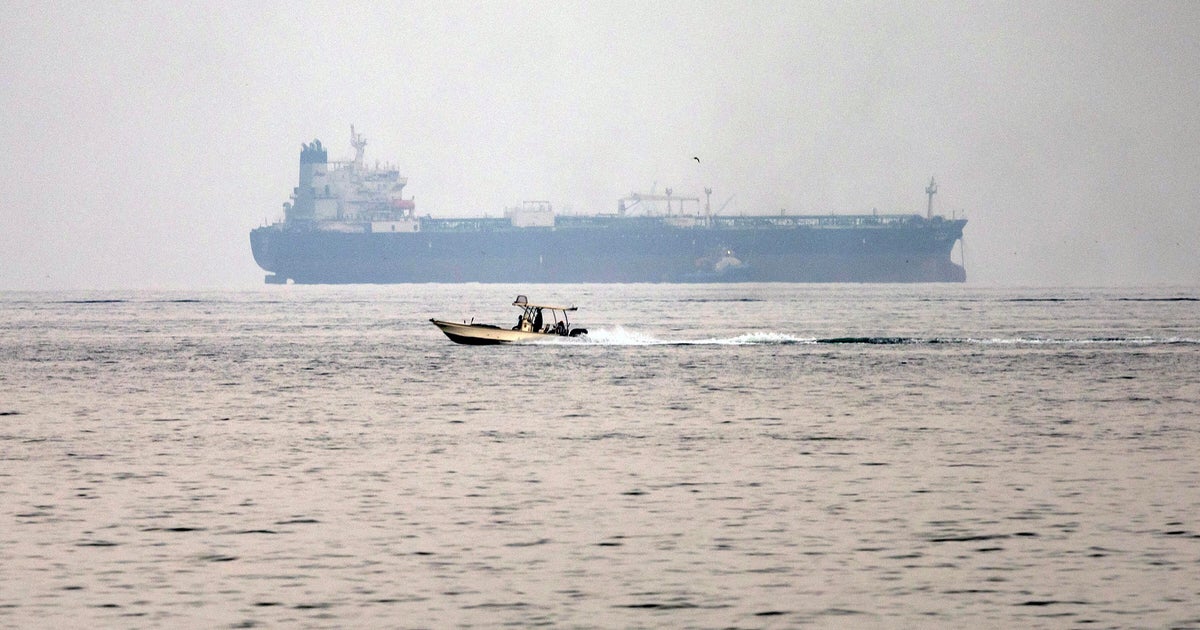
- Disruption to commercial shipping through the Strait of Hormuz is likely to remain elevated over the next 14 days. JMIC reported four attacks in the strait over 96 hours, compared with three in the preceding period, and continuing IRGC surveillance and harassment of merchant vessels. JMIC also reported traffic substantially below the 2025 baseline. Its low daily transit estimates and US NCAGS reporting of about 31 US-assisted transits per day measure different traffic populations, so the precise overall transit rate remains unsettled. (Confidence: medium · ASSESSED)
- I&W: Confirm if JMIC's next advisory reports further attacks or continued vessel surveillance and if independent tracking still shows traffic below the 2025 baseline. (0-14 days)
- I&W: Break if JMIC reports no new attacks and independent tracking shows a sustained recovery in commercial transits towards the pre-conflict baseline. (0-14 days)
- A near-term agreement to reopen the Strait of Hormuz is unlikely while Iran maintains that Washington must meet seven conditions, including ending the US blockade and lifting sanctions. Reports describe a nuclear proposal sent through Qatar and say Washington is reviewing it, while Iranian officials have said Tehran will not negotiate or reopen the strait until its conditions are met. These accounts establish diplomatic activity but do not resolve whether substantive negotiations are under way. (Confidence: medium · ASSESSED)
- I&W: Confirm if Qatar announces talks with identified participants and both Washington and Tehran publicly acknowledge a negotiating agenda or agreed steps on the blockade and strait. (0-14 days)
- I&W: Break if Tehran announces reopening the strait or Washington announces an end to the blockade without linking either step to the seven conditions. (0-14 days)
- Democratic control of both chambers of Congress is likely to increase scrutiny of the Iran war and Pentagon operations from January. Democratic lawmakers have promised investigations, and Adam Smith, expected to chair the House Armed Services Committee, has identified stronger Pentagon oversight as a priority. The claims establish stated intentions, not what Congress will ultimately do. (Confidence: medium · ASSESSED)
- I&W: Confirm if the incoming House Armed Services Committee schedules hearings or announces investigations into Iran operations or Pentagon leadership. (1-3 months)
- I&W: Break if the incoming committee publishes no Iran-war oversight plans or hearings in its initial programme. (1-3 months)
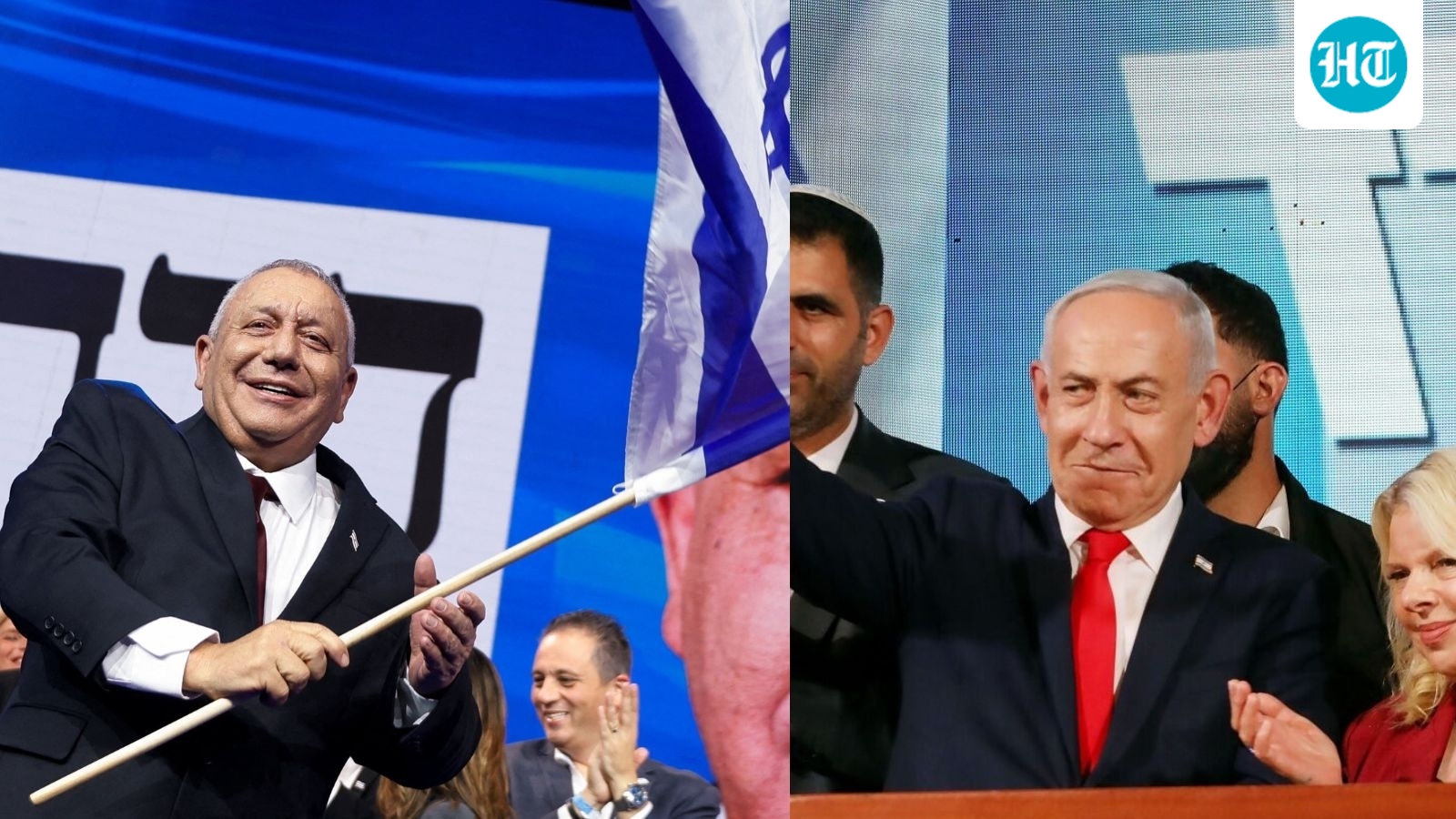
- Israel's government formation is likely to remain contested after President Isaac Herzog's expected 8 November decision on whom to task with forming a government. Netanyahu's bloc has 53 of 120 seats and Gadi Eisenkot's alliance has 48; consultations recorded 67 lawmakers backing Eisenkot and 46 backing Netanyahu, while neither bloc has a majority on its own. The seat totals and recommendations are reported across major-media accounts, but they do not establish which coalition can be formed. (Confidence: medium · ASSESSED)
- I&W: Confirm if Herzog assigns a mandate on 8 November and the nominee enters coalition talks without announcing support from 61 lawmakers. (0-14 days)
- I&W: Break if a candidate announces a coalition agreement supported by at least 61 Knesset members. (0-14 days)
Outlook & scenarios
Renewed US strikes and continued maritime pressure (55%)
Washington orders CENTCOM to resume operations against Iran. Iran responds, and attacks or harassment around the Strait of Hormuz continue, keeping commercial traffic and regional security under pressure.
Military preparations continue without a new order (25%)
Washington keeps forces prepared but does not authorise renewed large-scale strikes during the next 14 days. Iran's restrictions and conditions remain in place, leaving shipping disruption and diplomatic uncertainty unresolved.
Qatar-mediated talks produce limited steps (15%)
Qatar-mediated engagement becomes substantive. Washington and Tehran agree on an initial step concerning the blockade or the Strait of Hormuz, while broader nuclear and security issues remain unsettled.
Low-probability, high-impact regional expansion (5%)
A renewed US operation prompts Iranian retaliation affecting a neighbouring state or US facilities in Qatar, Bahrain, the UAE, Jordan, Kuwait, Iraq or Saudi Arabia. Such an outcome would widen the conflict and compound existing risks to shipping.
Recommendations
- Track CENTCOM order status, operational announcements and USS Theodore Roosevelt strike group movements separately; do not treat preparations or deployment orders as evidence that strikes have been authorised.
- Maintain a daily Strait of Hormuz incident and transit log using JMIC, UKMTO and NCAGS reporting. Keep US-assisted transits separate from independent estimates of total commercial traffic.
- Verify the Qeshm Island report against an independent account or imagery before using it as a confirmed US strike in assessments.
- Follow Qatar-mediated contacts and record separately what Washington says it is reviewing, what Tehran says it will negotiate, and the status of the seven conditions and blockade.
- Monitor the 8 November Israeli mandate decision and subsequent coalition announcements, distinguishing Knesset seat totals from lawmakers' recommendations.
Confidence & uncertainty
Overall confidence is high for the broad situation picture because major-media reporting and maritime reporting attributed to JMIC, UKMTO, IMO and NCAGS corroborate the central developments, including ongoing Hormuz disruption, reported military preparations and the election results. Confidence is lower on the reported Qeshm strike and on whether the nuclear proposal is under substantive negotiation. Transit figures also differ in scope, and the supplied reporting does not show that Washington has ordered renewed large-scale operations.
Alternative analysis (red cell)
The available evidence does not show that renewed US strikes are the most likely outcome in the next 14 days. CENTCOM reportedly lacks an order ([1c6bf678-c9a5-4836-a092-9489a08774ad]), the principal reinforcing deployment is not expected in theater for at least two weeks ([d079c7cc-464d-4632-87fe-34609e678d90]), and Washington remains open to negotiations ([e4d837cc-e4a8-4b4f-81f0-b68846c2b6ed]). The options presented to the White House and Trump’s warnings ([80932705-1841-4aa2-af8c-5e19f2903e6c], [4e43add6-4d5f-4b93-870f-092e52b40704]) are consistent with deterrent signaling or contingency planning as well as imminent action.
Intelligence gaps
- [EEI 1.1 · UNCOVERED] Observed repositioning, sustained increases, or new forward basing of Iranian conventional or IRGC forces (armored units, missile batteries, aircraft, naval vessels) toward borders or regional launch points. Recommended collection: IMINT/satellite
- [EEI 1.2 · PARTIAL] Hezbollah or other Iran-aligned proxy forces conducting mass mobilization, visible rocket/artillery emplacements, cross-border firing incidents, or preparations for cross-border operations from Lebanon, Syria, Iraq or Yemen. Recommended collection: HUMINT/ground ISR
- [EEI 1.4 · UNCOVERED] Interdicted or observed shipments (air, sea, land manifests, seizures, satellite imagery of transfers) of advanced weapons or missile components from Iran toward proxy groups or forward staging points. Recommended collection: maritime/AIS
- [EEI 2.1 · PARTIAL] Satellite or on-the-ground imagery showing fires, damage, or operational shutdown at major oil export facilities, refineries, storage terminals, or key pipeline infrastructure in the Gulf and Red Sea. Recommended collection: IMINT/satellite
- [EEI 2.4 · PARTIAL] Rapid increases in war-risk insurance premiums for Middle East routes, shipping company advisories to avoid region, or major charter cancellations tied to the conflict. Recommended collection: financial/open-source
- [EEI 3.1 · UNCOVERED] Movement/arrival of major foreign military assets into the region: US carrier strike groups, amphibious ready groups, strategic bomber flights, Russian/Chinese naval taskings, or allied expeditionary units (visible in AIS, NOTAMs, satellite imagery, official releases). Recommended collection: IMINT/satellite
- [EEI 3.2 · PARTIAL] Official expedited arms transfers, basing/overflight agreements, or declarations of operational support (formal government announcements, defense ministry releases, logistics flight manifests). Recommended collection: open-source/diplomatic
- [EEI 3.3 · UNCOVERED] Embassy evacuations, large-scale personnel movements, issuance of government travel bans/advisories, or multinational security alerts affecting foreign nationals and diplomatic posture in the region. Recommended collection: diplomatic/open-source
Red cell review: PARTIAL DISSENT
TLP:CLEAR