TLP:CLEAR · Disclosure is not limited.
Iran Conflict: US Economic Escalation and Hormuz Disruption
Time window: Last 1 day · Audience: General analyst · Type: Situation report · DTG: 2026-08-25 13:39Z · Overall confidence: MEDIUM
BLUF
Very likely US economic pressure on Iran will intensify over the next 0-30 days, and likely Iran will answer with coercive signalling against states, financial institutions and vessels linked to the campaign. Traffic through the Strait of Hormuz is likely to remain far below pre-war levels despite some crude movement, while recent attacks leave named vessels and Gulf shipping exposed.
Executive summary
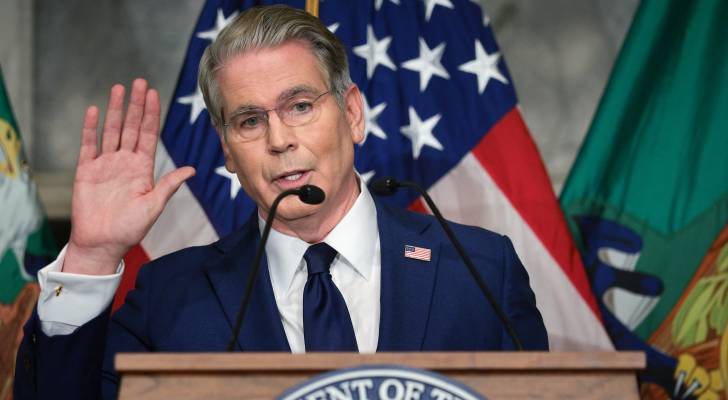
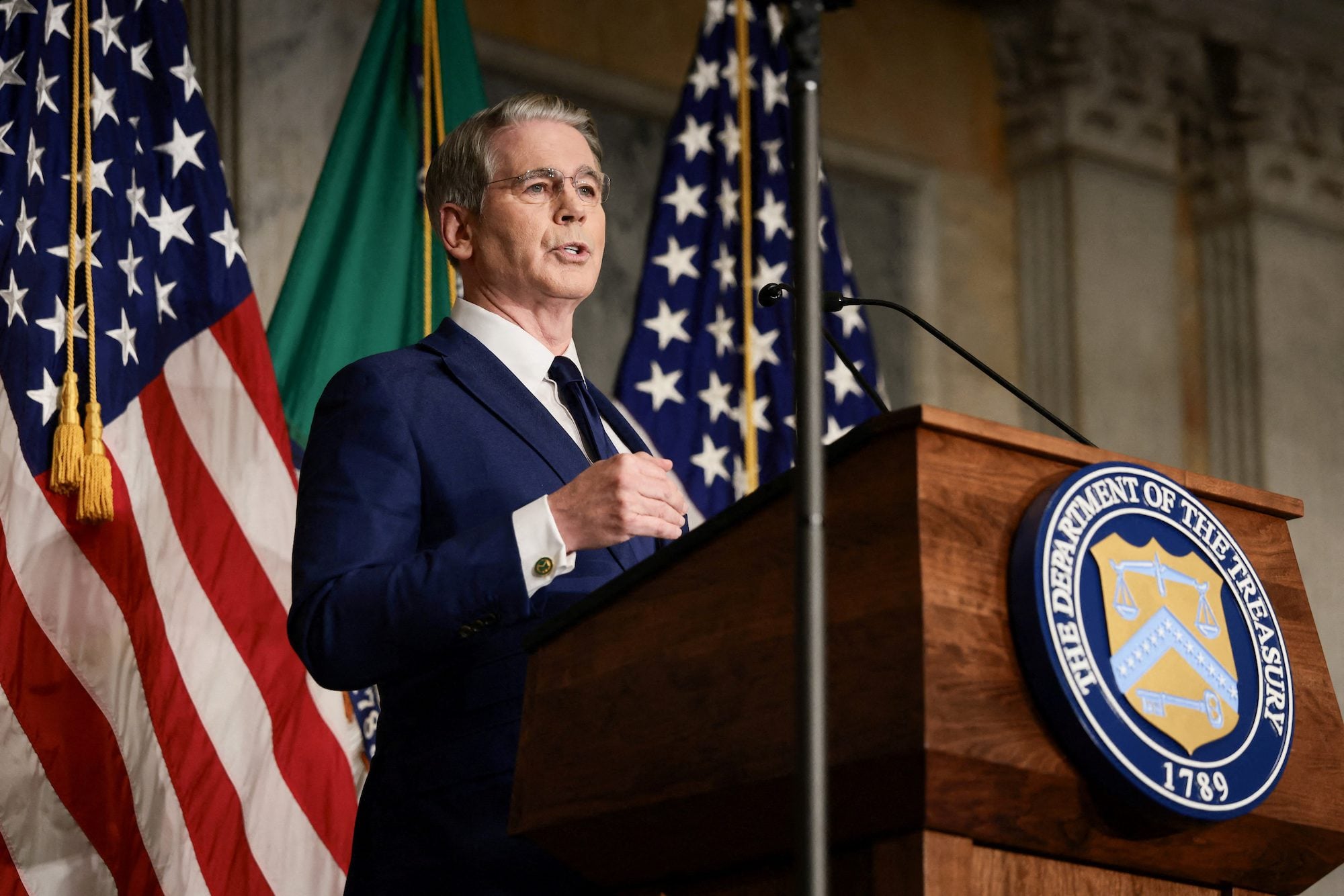
The US Treasury has moved from signalling further pressure to announcing a sanctions campaign against Iran, including measures against 60 individuals, companies and vessels and five sectors. Iran has vowed retaliation and warned that support for the US campaign will be treated as an act of war. China and Qatar have opposed the US approach, while Pakistan reports progress in talks, although no terms indicate a durable settlement. Maritime disruption is acute: recent reporting records two tankers transiting the Strait of Hormuz on 25 August and four commodity vessels on Sunday, alongside evidence that some crude is still moving. Houthi attacks on the Saudi-flagged VLCC AMZAN and tanker incidents near Yanbu and the Musandam Peninsula show continuing risk, although the reported locations of one strike conflict.
Change from previous assessment
Since 24 August, the prior forecast that US economic pressure would intensify is partly confirmed: the US Treasury and Scott Bessent have now announced the campaign rather than merely signalling it. Confidence in the reported sanctions action is therefore higher, while confidence in the timing and scale of further measures remains medium. The Hormuz assessment now has more immediate traffic data and a new tanker incident, although location reporting conflicts. A new diplomatic judgement reflects Pakistan's reported progress in talks, but the evidence does not yet justify raising the likelihood of a durable settlement. The brief also adds the reported threat against Barron Trump and the Houthi attack on AMZAN as indicators of wider escalation.
Key judgments
- Very likely US economic pressure on Iran will intensify over the next 0-30 days. The US Treasury has announced sanctions against 60 individuals, companies and vessels, targeted five sectors, and threatened secondary sanctions against foreign banks and economic punishment for countries doing business with Iran. Confidence in the forward assessment is medium because the reported campaign is well corroborated, but the timing and scope of follow-on measures, including a threatened designation of a major financial institution, remain unconfirmed. (Confidence: medium · ASSESSED)
- I&W: Confirmation: OFAC publishes another designation naming a major financial institution or additional foreign banks involved in Iranian shipping, petroleum, digital assets, technology or gold. (0-14 days)
- I&W: Break: the US Treasury issues no follow-on measures during the announced cure period and narrows or withdraws its threats against foreign banks and trading partners. (0-30 days)
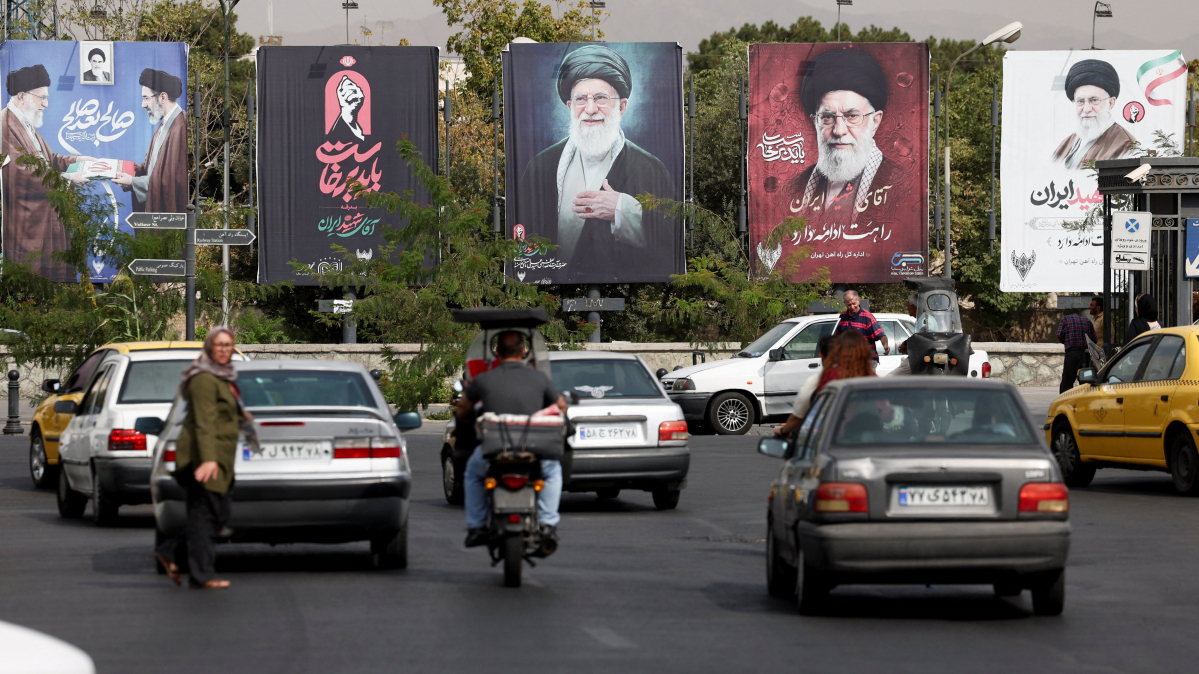
- Likely Iran will sustain coercive signalling against states and vessels supporting the US campaign over the next 0-14 days, while an immediate complete halt in Gulf oil exports remains unlikely. Iran has vowed retaliation, threatened penalties against non-compliant vessels, published a 46-vessel list, and warned that listed ships face fines, detention, seizure or confiscation. The assessment is medium confidence because the threats and list are reported, but the claims do not establish implementation of a full export halt. (Confidence: medium · ASSESSED)
- I&W: Confirmation: the Persian Gulf Shipping Administration or another Iranian authority reports fines, detention, seizure or confiscation involving a vessel on the 46-vessel list. (0-14 days)
- I&W: Break: listed vessels continue to transit without reported penalties, Iran rescinds the list, and crude movements through the Strait of Hormuz increase for seven consecutive days. (0-30 days)
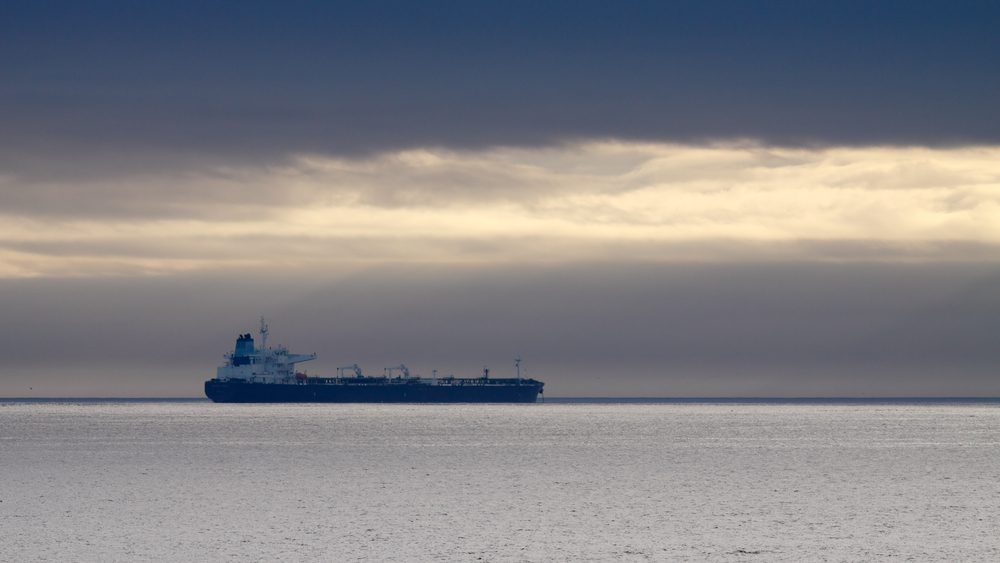
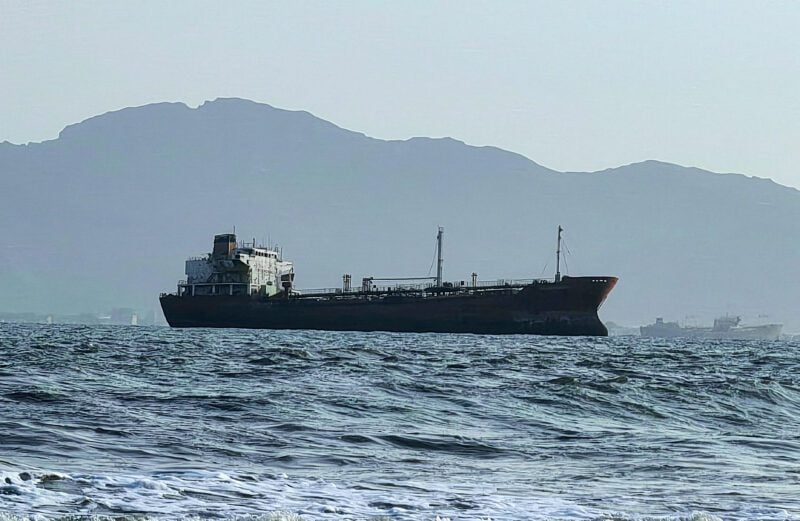
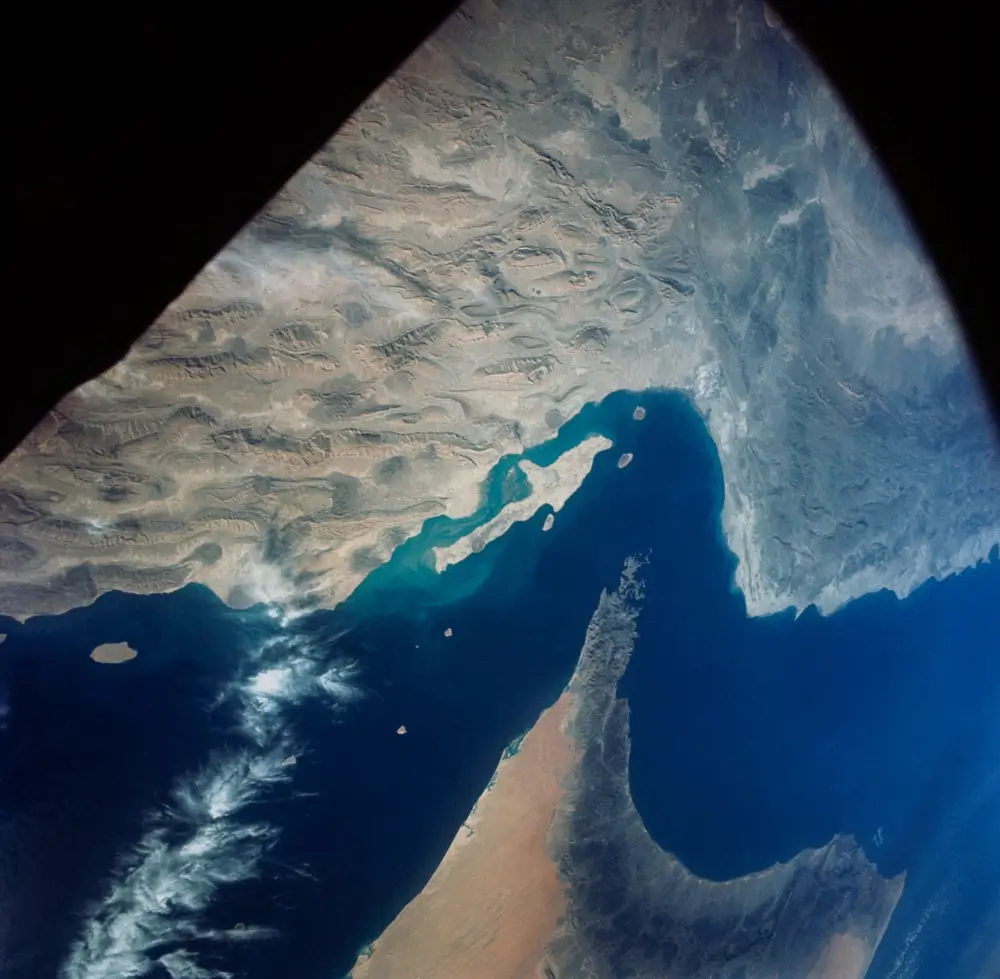
- Likely traffic through the Strait of Hormuz will remain far below pre-war levels over the next 0-14 days, while some crude supplies continue to move. Recent reporting records only two tankers transiting on 25 August and four commodity vessels on Sunday, compared with pre-war traffic described as substantially higher. Confidence is medium because the evidence points in the same operational direction, but some transit reports contain inconsistent dates and crude movement indicates that the waterway is not fully closed. (Confidence: medium · ASSESSED)
- I&W: Confirmation: vessel-tracking data show five or fewer commodity vessels transiting the Strait of Hormuz per day for three consecutive days. (0-14 days)
- I&W: Break: daily transits return to 13 or more commodity vessels and crude movements increase towards pre-war levels. (0-14 days)
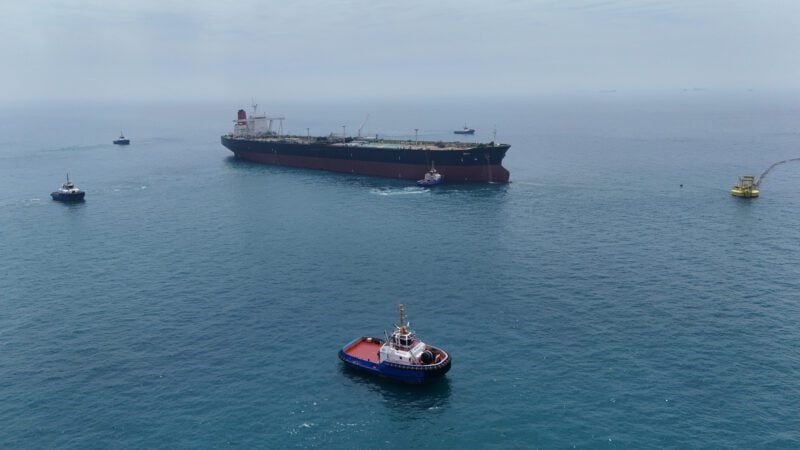
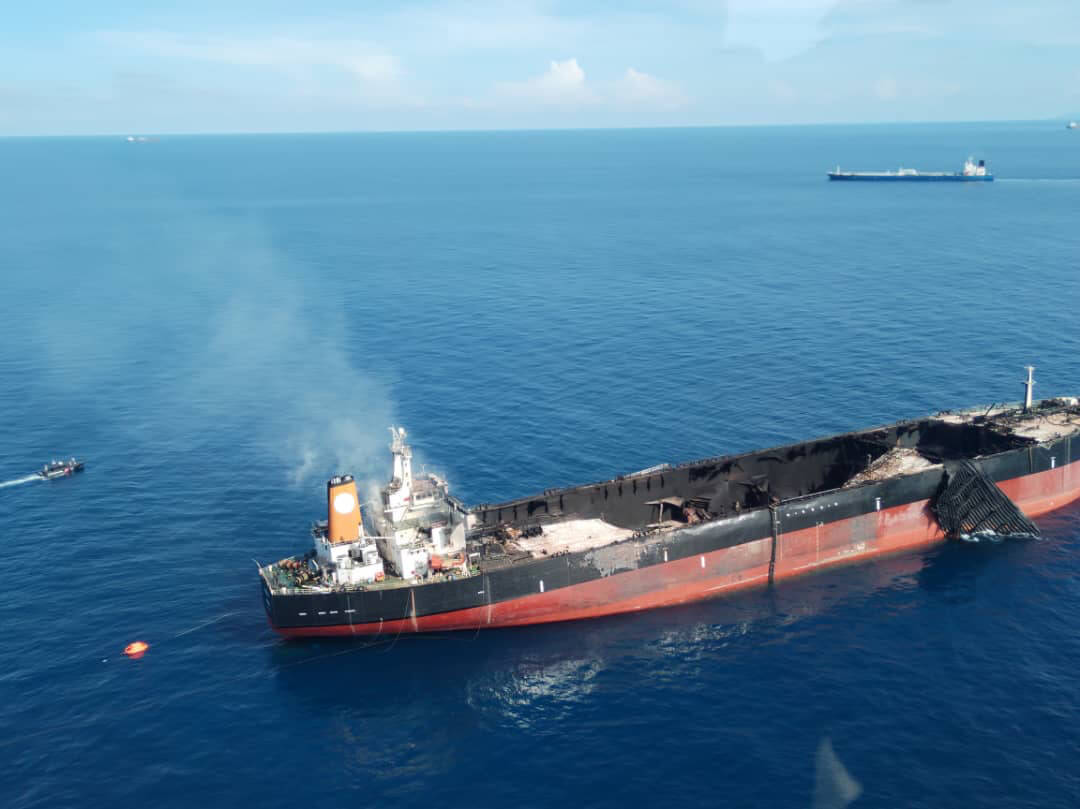
- Likely commercial shipping will face further security incidents in the Red Sea, the Gulf and the Strait of Hormuz over the next 0-30 days. The Houthis announced an attack on the Saudi oil tanker AMZAN, identified as a Saudi-flagged Bahri-owned VLCC, while UKMTO reporting describes tanker strikes near 63 nautical miles west of Yanbu and east of the Musandam Peninsula. At least 20 seafarers and port workers have reportedly been killed, 35 wounded and one remain missing in the Gulf and nearby waters. Confidence is medium because the attacks and casualties are corroborated, but attribution and the location of one tanker incident remain contested. (Confidence: medium · ASSESSED)
- I&W: Confirmation: UKMTO or the IMO records another named commercial vessel hit or disabled, or further crew casualties, in the Gulf, Strait of Hormuz or Red Sea with independent attribution. (0-30 days)
- I&W: Break: 14 consecutive days pass without a new UKMTO security incident, Houthi shipping claim or reported Iranian enforcement action against a merchant vessel. (0-30 days)
- Likely Pakistan-mediated contacts between Iran and the US will continue over the next 0-30 days, but a durable US-Iran settlement remains unlikely. Pakistan's Interior Minister Mohsin Naqvi reported significant progress, and President Masoud Pezeshkian hosted Pakistan's army chief, but President Donald Trump said Iran was not ready for the right deal, US Energy Secretary Chris Wright implied that Washington had no plans to de-escalate, and Iran vowed retaliation. Confidence is medium because the reported progress is single-source and no negotiating terms or agreed mechanism are public. (Confidence: medium · ASSESSED)
- I&W: Confirmation: Pakistan announces a follow-on meeting involving Iranian and US representatives with an agreed agenda, negotiating framework or ceasefire proposal. (0-30 days)
- I&W: Break: Pakistan reports that contacts have stalled, or President Donald Trump and Iranian officials publicly reject further mediation. (0-14 days)
- Very likely humanitarian pressure will persist in Gaza City and southern Lebanon over the next 1-3 months. Israeli forces reportedly struck Gaza City's former police headquarters, killing at least nine people, while Gaza's Ministry of Health reported 1,288 killed and 4,290 wounded since the October ceasefire as of Monday. The UN peacekeeping force reported extensive destruction of civilian infrastructure in southern Lebanon, and Israeli air strikes and artillery shelling continue there. Confidence is medium because the Gaza casualty total comes from a single source, although the strike and southern Lebanon destruction have separate reporting support. (Confidence: medium · ASSESSED)
- I&W: Confirmation: Gaza's Ministry of Health reports additional casualties and the UN peacekeeping force records further civilian infrastructure destruction in southern Lebanon. (0-30 days)
- I&W: Break: the UN peacekeeping force and Gaza's Ministry of Health report no new strike-related casualties or infrastructure damage for 14 consecutive days. (0-30 days)
Outlook & scenarios
Likely continuation of economic pressure and constrained maritime traffic (55%)
The US Treasury follows its initial sanctions campaign with additional designations against Iranian-linked financial and maritime networks. Iran sustains warnings, transit restrictions and retaliatory rhetoric without immediately halting all Gulf oil exports. Traffic through the Strait of Hormuz remains well below pre-war levels, while limited crude movement continues.
Unlikely limited diplomatic pause (30%)
Pakistan's reported progress produces follow-on contacts between Iran and the US. The parties establish a narrow channel covering sanctions, shipping and de-escalation, but avoid a comprehensive settlement. Hormuz traffic stabilises at low levels rather than returning to normal.
Very unlikely, high-impact regional maritime widening (15%)
Iranian authorities enforce the non-compliant vessel list through detention or seizure, while the Houthis conduct another attack against Saudi-linked shipping in the Red Sea. Further commercial casualties and a sharp fall in Gulf traffic follow. Washington increases military preparations after having stated that force against Iran remains under consideration.
Recommendations
- Track US Treasury and OFAC releases daily through the end of the week, with priority on any designation of a major financial institution and on foreign banks, shipping firms and vessels connected to Iranian oil exports.
- Maintain a daily Strait of Hormuz dashboard that separates tanker counts, commodity-vessel counts and crude movement. Reconcile the two-vessel, four-vessel and 13-vessel figures against the stated dates before using them in operational assessments.
- Monitor the 46 vessels on the Persian Gulf Shipping Administration's non-compliant list. Treat any reported fine, detention, seizure or confiscation as a priority warning of movement from coercive signalling to enforcement.
- Request regular updates on AMZAN and any new UKMTO incidents near Yanbu, the Musandam Peninsula, the Strait of Hormuz and the Red Sea. Require independent confirmation of vessel identity, location and attribution before assigning responsibility.
- Monitor statements and travel by Pakistan's Interior Minister Mohsin Naqvi and the Pakistani army leadership, alongside positions from Masoud Pezeshkian and Donald Trump. Distinguish reported progress from an agreed negotiating framework.
- Treat the alleged 10 million US dollar bounty and threats against Barron Trump as unverified reporting. Seek confirmation from the US Secret Service and independent official records before elevating the claim in threat assessments.
- Keep Gaza City and southern Lebanon in the humanitarian watchlist. Compare Gaza Ministry of Health casualty reporting with UN peacekeeping reporting on infrastructure damage and identify any sustained change in strike tempo.
Confidence & uncertainty
Overall confidence is medium. Multiple major-media reports and official US Treasury material corroborate the sanctions announcement, while IMO, UKMTO and maritime reporting support the assessment of shipping risk and reduced Hormuz traffic. Confidence is lower for the forward path because several operational claims are single-source, the Pakistani progress report provides no negotiating detail, and the reported location of one tanker strike is disputed. The supplied reporting also contains inconsistent 2023 and 2026 dates, which limits confidence in parts of the conflict chronology.
Intelligence gaps
- [EEI 1.1 · UNCOVERED] Movement, dispersal, or emplacement of Iranian conventional or IRGC heavy assets (ballistic missile launchers, Khoramshahr/Toofan-class missile transporters, ground-to-ground TELs, air defense batteries, amphibious units) from garrison areas toward forward bases or coastal launch sites. Recommended collection: satellite/IMINT
- [EEI 1.2 · UNCOVERED] Authenticated Iranian military orders, NSC/IRGC operations directives, or senior leadership statements explicitly directing strikes against Israel or US forces or authorizing cross-border operations. Recommended collection: human/diplomatic
- [EEI 1.3 · PARTIAL] Changes in Israeli and US force posture indicating anticipation of direct large-scale conflict, elevated readiness levels, mobilization notices, pre-positioning of munitions, or public/private orders to prepare offensive strikes. Recommended collection: open-source/diplomatic
- [EEI 2.1 · UNCOVERED] Observable pre-launch preparations for missile/rocket/cruise missile strikes (fueling, warhead mating, launcher orientation, support vehicle congregation) and abnormal munitions handling at known launch sites. Recommended collection: satellite/IMINT
- [EEI 2.2 · UNCOVERED] Indications of proxy arms shipments and weapons transfers (truck convoys, small boat transfers, container movements from Iran to proxies, new stockpiles in Lebanon, Iraq, Yemen, Syria). Recommended collection: maritime/AIS
- [EEI 2.3 · UNCOVERED] Evidence of cyber attack planning or active exploitation campaigns targeting Israeli or US military/critical infrastructure (emergence of new command-and-control servers, spear-phishing campaigns against defense personnel, successful intrusions). Recommended collection: cyber
- [EEI 3.1 · UNCOVERED] Movements and posture changes of US regional platforms (carrier strike groups, amphibious ready groups, B-52/B-1/B-2 or fighter deployments, missile defense assets repositioning) and associated armament loadouts. Recommended collection: satellite/IMINT
- [EEI 3.2 · UNCOVERED] Official or leaked US government/diplomatic communications indicating thresholds for strikes, authorization for offensive operations, or limits on action (NSC/DoD statements, congressional notifications, diplomatic notes). Recommended collection: diplomatic/human
- [EEI 3.3 · PARTIAL] Changes in US base force-protection measures and rules of engagement at regional facilities (base lockdowns, evacuation notices, flight restrictions, activation of Local Defense Forces or missile intercept systems). Recommended collection: open-source/local reporting
- [EEI 4.1 · UNCOVERED] Hezbollah-specific indicators: convoys and logistics movements toward Lebanon, Israel border, artillery/rocket emplacement in southern Lebanon, documented strikes-preparation activity, public mobilization orders or recruitment drives. Recommended collection: satellite/IMINT
- [EEI 4.3 · UNCOVERED] Militia cross-border attack evidence from Iraq/Syria: recorded rocket/mortar launch events into Israel or strikes against US facilities, movement of armed convoys toward border areas, and intercepted communications coordinating cross-border operations. Recommended collection: signals/ELINT
Cited sources
[1] npr.org · Can Trump's economic war against Iran do what airstrikes and negotiations couldn't? (A) · sha256:8b8957f41f8c [2] Royanews · Day 179 | US vows “economic asphyxiation” of Iran with new sanctions (A) · sha256:5b584bc92896 [3] dw.com · الصين تؤكد أنها ستحمي مصالحها بعد تهديد واشنطن لشركاء إيران (B) · sha256:ca90f3a05c73 [4] gcaptain.com · Trump Administration Launches Sweeping New Iran Sanctions Campaign Targeting Shipping and Oil Trade (B) · sha256:089be1c13277 [5] thenationalnews.com · Iran war latest: Oil tanker attacked in Strait of Hormuz off Oman (B) · sha256:51a6fe8b5793 [6] maritime-executive.com · US Treasury Says Sanctions on Iran's Bankers Are Coming Soon (B) · sha256:b32cc825b8c6 [7] gcaptain.com · U.S. Threatens Iran’s Trading Partners in New Economic Pressure Campaign (B) · sha256:2ff9bf235552 [8] dw.com · Middle East: Iran vows response to fresh US sanctions (A) · sha256:0cf374ea2a27 [9] tradingview.com · Crude Prices Fall as Oil Supplies Move Through the Strait of Hormuz (B) · sha256:1eb6c605dbca [10] gcaptain.com · Iran Blacklists 46 Ships On Hormuz ‘Non-Compliant’ List (B) · sha256:f7208c27705b [11] english.ratopati.com · Iran-US Tensions Escalate Amidst Threats and Sanctions (B) · sha256:4a28277e1295 [12] anewz.tv · Strait of Hormuz traffic falls to four vessels on Sunday (B) · sha256:0900c3390c39 [13] gcaptain.com · Malacca Strait States Will Keep Waters ‘Free, Open and Safe’ (B) · sha256:004a7241ffaa [14] gcaptain.com · Cost to Ship a VLCC Through Hormuz Hits $20 Million, TotalEnergies CEO Says (B) · sha256:beba531ada06 [15] gcaptain.com · Houthis Escalate Saudi Shipping Campaign With VLCC Strike (B) · sha256:773e730ca3d2 [16] maritime-executive.com · Tanker Hit and Disabled Near Strait of Hormuz (B) · sha256:e266b97bfac4 [17] Jerusalem Post · US preparing to send diplomats back to Middle East embassies after Iran war evacuations - report (B) · sha256:fb9d1daffdd7 [18] Al Jazeera · Palestine weekly: After Kushner departs, Israel escalates Gaza attacks (A) · sha256:4fd09c9ce8c3 [19] trtworld.com · Live blog - US-Israeli war on Iran (B) · sha256:cd149709246b
Source content hashes were computed at collection time; the cited text is preserved unmodified for the life of this product.
Red cell review: CONCUR WITH COMMENT
TLP:CLEAR