TLP:CLEAR · Disclosure is not limited.
Iran Conflict: US Strike Ambiguity and Gulf Shipping Risks
Time window: Last 1 day · Audience: General analyst · Type: Situation report · DTG: 2026-10-09 14:41Z · Overall confidence: MEDIUM
BLUF
The main near-term risk is further pressure on Gulf shipping while US strike planning remains unresolved. President Donald Trump's pledge not to attack Iran before 3 November conflicts with reporting that the White House requested strike options for use before the election. The 7 October attack on the tanker Acers off Qatar shows that reported attacks are reaching deeper into the Persian Gulf, although the weapon and the attackers remain unconfirmed.
Executive summary
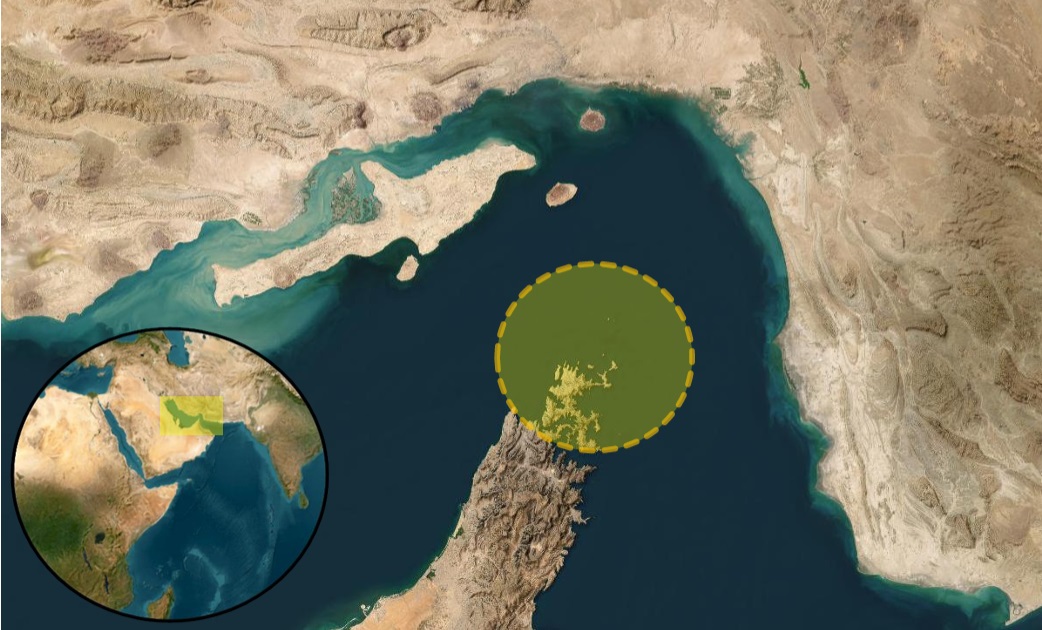
The US-Iran war is reported to be in its eighth month. Recent reporting describes an attack on the Antigua and Barbuda-flagged tanker Acers about 51 nautical miles north of Madinat ash Shamal, Qatar, on 7 October. UKMTO has not attributed the attack, and reports differ on whether the vessel was hit by projectiles or drones. US measures announced on 8 October targeted 22 tankers and other people and companies linked to Iran's oil trade. Shipping costs remain high, but reports conflict on whether Hormuz oil flows are recovering or declining. In Saudi Arabia, Houthi attacks on King Khalid International Airport and Abha airport were followed by Saudi-led coalition strikes in Yemen.
Change from previous assessment
Since the 8 October brief, reporting adds Trump's explicit pledge not to attack Iran before 3 November and a White House request for pre-election strike options. This sharpens, but does not resolve, the earlier uncertainty over US planning; confidence in that judgment remains low. The Acers attack off Qatar adds a reported incident deeper in the Persian Gulf, while current claims also give conflicting assessments of Hormuz flows. The prior assessment that a complete Hormuz closure was unlikely is not reaffirmed because this run does not resolve the conflicting flow picture or establish the likelihood of closure. The prior safe-corridor judgment is not carried forward because this run provides no new confirmation from Oman or an international body.
Key judgments
- There is a roughly even chance that US strike options against Iran remain active for use before 3 November, despite President Donald Trump's public pledge not to attack before then. The Atlantic reported that the White House requested options, and separate reporting says the Pentagon is still preparing plans against Iranian missile and drone assets, energy facilities, and command-and-control sites. Trump's statement conflicts with that reporting, which does not establish whether operational planning continues or whether the pledge governs. (Confidence: low · ASSESSED)
- I&W: The White House or Pentagon confirms that strike options for use before 3 November remain under preparation. (0-14 days)
- I&W: The White House or Pentagon states that pre-election strike planning has been halted, consistent with Trump's pledge. (0-14 days)
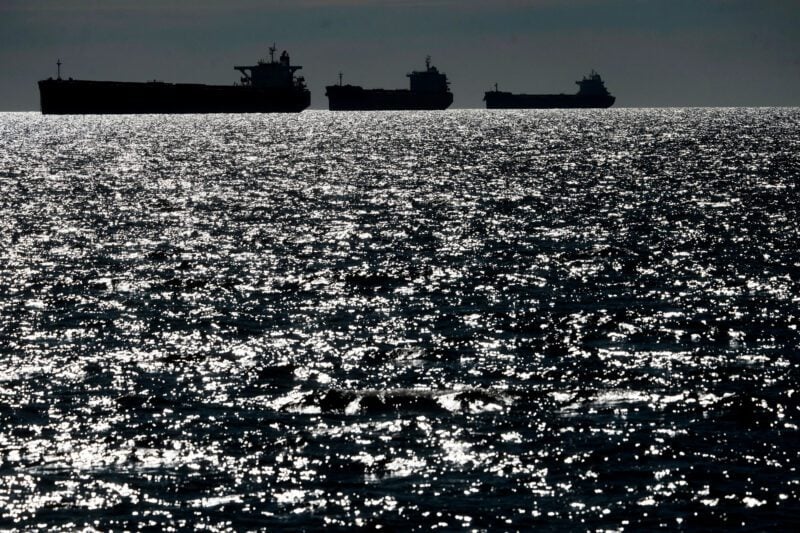
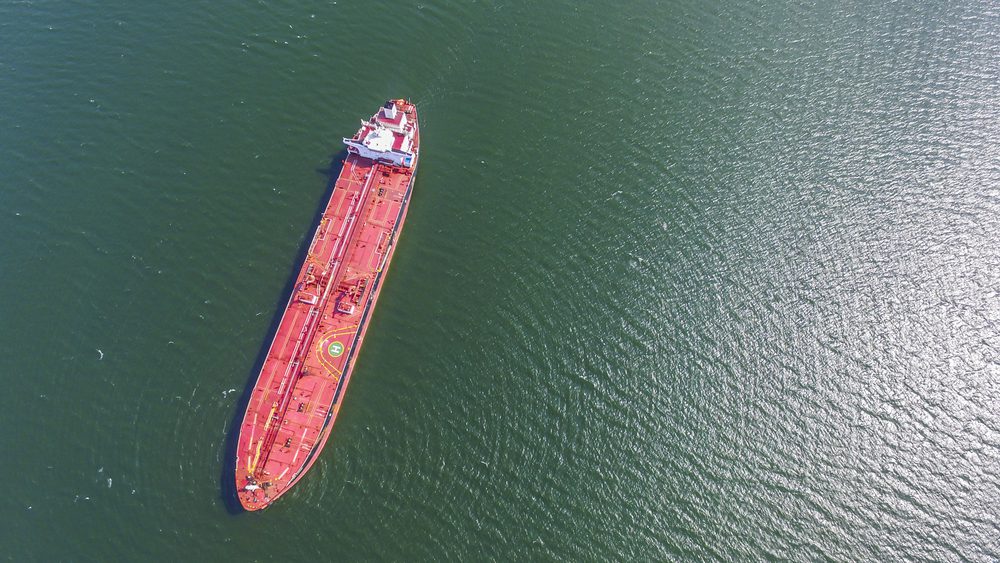
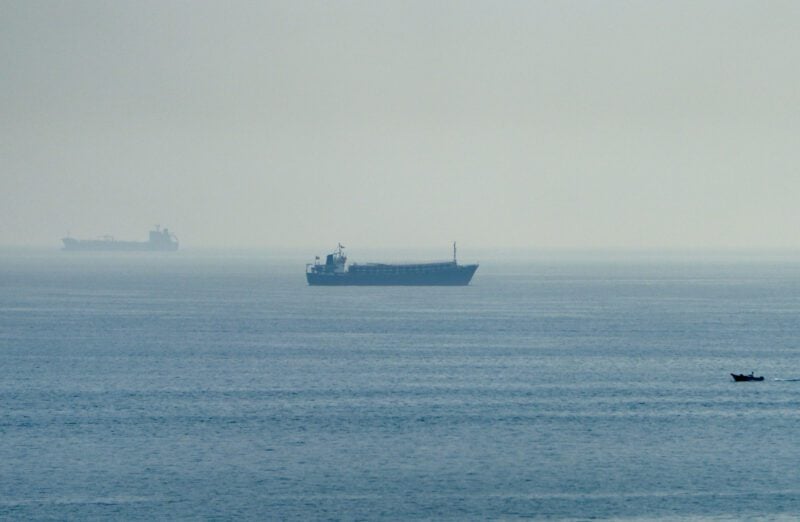
- Further attacks or intimidation against commercial shipping in the Persian Gulf and Strait of Hormuz are likely over the next 14 days. UKMTO placed the 7 October Acers attack about 51 nautical miles north of Madinat ash Shamal, Qatar, and reported that the attackers were unknown. Other accounts describe three drones and an engine-room fire, while reports differ on the weapon and the attack's location framing. Iranian officials have separately threatened action against vessels using routes they have not authorised. (Confidence: medium · ASSESSED)
- I&W: UKMTO or the Joint Maritime Information Center records another attack or forced turn-back involving a commercial vessel in the Gulf or Strait of Hormuz. (0-14 days)
- I&W: UKMTO and the Joint Maritime Information Center record no new attacks or route-related vessel warnings from 10 to 23 October. (0-14 days)
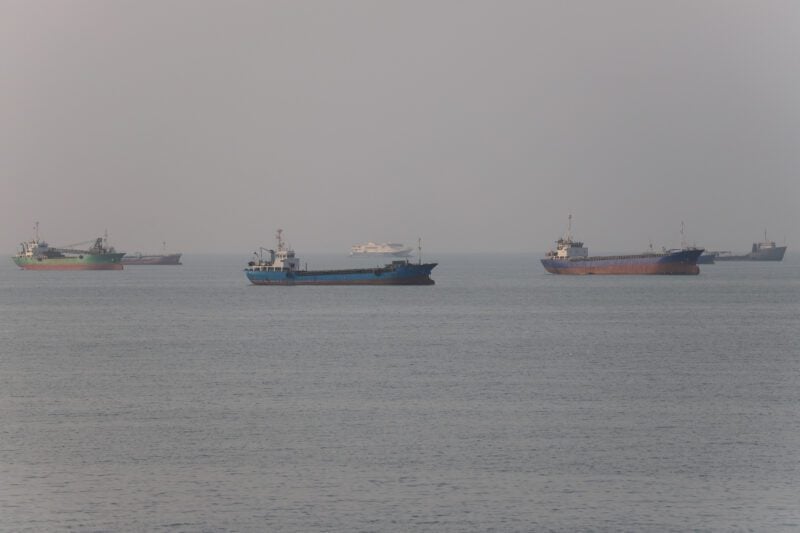
- Hormuz-related freight and vessel-availability pressures are likely to remain elevated through early November, although the direction and scale of transit flows are unresolved. Reported Gulf-to-East Asia supertanker rates reached nearly $1.4 million per day on 7 October, almost 540 per cent above pre-war levels, while another report put route costs at more than six times their pre-conflict level. In contrast, reports say crude flows either fell by 27 per cent or recovered to near pre-war levels. The conflicting flow assessments lower confidence in the scale of disruption. (Confidence: medium · ASSESSED)
- I&W: Published Gulf-to-East Asia tanker rates remain near or above $1.4 million per day, or Fearnleys reports that Suezmax and Aframax rates continue to rise. (0-14 days)
- I&W: Kpler reports crude flows near pre-war levels and vessel transits above the reported low since 23 July, alongside falling tanker rates. (0-14 days)
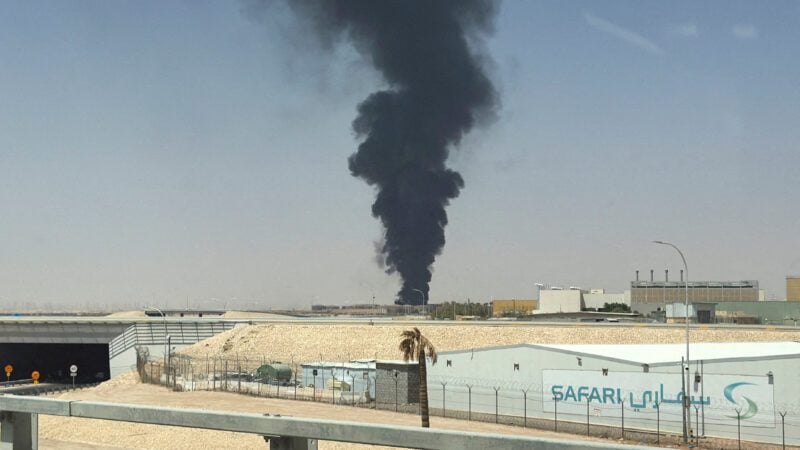
- Further Houthi attacks on Saudi targets and Saudi-led coalition strikes in Yemen are likely over the next 14 days. Saudi authorities reported attacks on King Khalid International Airport in Riyadh and Abha airport on 6 and 7 October. The reported toll was three people killed, including two women at Abha, and dozens injured. The Saudi-led coalition said it destroyed 82 Houthi military targets in Saada, Hodeida, Jawf, and Marib; the reported strike results are not independently established in the supplied reporting. (Confidence: medium · ASSESSED)
- I&W: Saudi authorities report another Houthi attack on King Khalid International Airport, Abha airport, or a missile directed at Riyadh. (0-14 days)
- I&W: The Saudi-led coalition reports another strike on Houthi positions in Saada, Hodeida, Jawf, or Marib. (0-14 days)
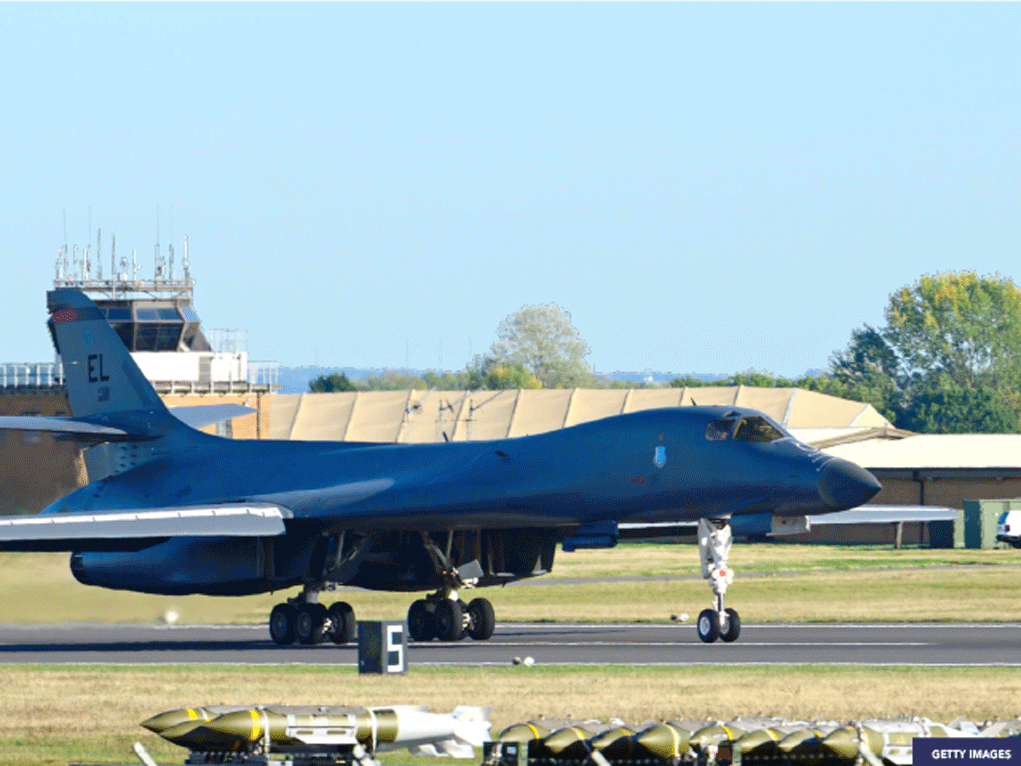
- It is unlikely that public reporting currently establishes Iranian direction of the alleged plot against RAF Fairford. British Prime Minister Andy Burnham said there were indications of Iranian involvement, but Iran's embassy in London denied the allegation. Five men arrested after a 27 September report of suspicious vans were released the next day for lack of direct evidence, and a sixth suspect, a dual British-Iranian citizen, was later released on bail for insufficient evidence. The United States flew all 12 B-1B bombers from RAF Fairford to US bases after a reported threat; US European Command said the aircraft remained capable of striking Iran from those bases. (Confidence: low · ASSESSED)
- I&W: British counterterrorism police publish evidence or announce charges linking the RAF Fairford suspects to Iranian direction. (1-3 months)
- I&W: British counterterrorism police state that their investigation found no evidence of Iranian direction or close the investigation without charges. (1-3 months)
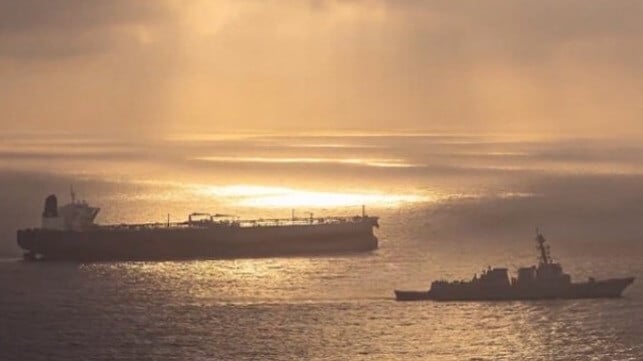
- The 8 October US sanctions package is likely to constrain some Iran-linked tanker activity, but it is unlikely that the package alone has eliminated Iran's remaining shadow-fleet access. The United States reported sanctions on 22 tankers and dozens of people and companies. Treasury said the measures neutralised the vast majority of the remaining network, while TankerTrackers.com reported that 173 Iran-linked tankers remained outside US sanctions. Those claims differ on the package's reach, and its operational effect is not yet established. (Confidence: medium · ASSESSED)
- I&W: TankerTrackers.com identifies continued movements by Iran-linked tankers that remain outside US sanctions after the 8 October action. (1-3 months)
- I&W: TankerTrackers.com publishes a follow-up inventory showing substantially fewer than 173 Iran-linked tankers outside US sanctions. (1-3 months)
Outlook & scenarios
Managed pressure without pre-election US strikes (45%)
Through 3 November, the United States maintains sanctions and its naval pressure on Iran but does not launch new strikes. Tanker attacks and route warnings continue intermittently, while Gulf producers use ship-to-ship transfers and routes outside Hormuz to move some cargoes.
US strikes before 3 November (20%)
The White House uses prepared options before the midterm elections. Reported planning describes a three-day campaign against Iranian missile and drone assets, energy facilities, and command-and-control sites. Trump's public pledge not to attack before the election remains in direct tension with this scenario.
Shipping-centred escalation without US strikes (27%)
The United States avoids new strikes before the election, but attacks and intimidation against commercial vessels persist. Iran acts on its threats against routes it considers unauthorised, while tanker costs and the use of Hormuz shuttling transfers remain high.
Wildcard: an attempted halt to regional oil routes (8%)
Iran attempts to block routes used by regional oil exporters, including through missile or drone attacks on ships. A broader confrontation involving US forces and Gulf states follows, with the Acers attack and existing shipping disruption serving as warning signs. This is a low-probability, high-impact scenario.
Recommendations
- Track the public strike pledge separately from reports of Pentagon planning. Seek confirmation of any change in tasking or an explicit decision to halt pre-election options before assessing an attack as imminent.
- Maintain a daily incident log using UKMTO and Joint Maritime Information Center reporting. Record vessel name, position, reported weapon, injuries, attribution, and whether the event was an attack or a warning, so differing incident counts are not treated as equivalent.
- Reconcile Hormuz flow claims against their measurement dates and definitions. Track tanker rates, Kpler flow figures, and reported daily transits as separate indicators rather than treating one as a proxy for the others.
- Do not attribute the RAF Fairford threat to Iran without evidence from British investigators. Distinguish the reported threat and bomber relocation from the unresolved question of Iranian direction.
- Assess the effect of the 8 October sanctions through follow-up vessel tracking, not Treasury's characterisation alone. Compare any new TankerTrackers.com inventory with the 173 reportedly unsanctioned Iran-linked tankers.
Confidence & uncertainty
Overall confidence is medium. UKMTO reporting and other accounts support the occurrence of the Acers attack, while the 8 October sanctions and elevated tanker rates are described with specific figures. Confidence is lower on US strike planning because reports of pre-election options conflict with Trump's public pledge. Hormuz flow estimates disagree, reports differ on the Acers weapon and location framing, and the alleged Iranian link to RAF Fairford rests on contested reporting without public evidence establishing responsibility.
Alternative analysis (red cell)
The reported White House request and Pentagon preparations establish that pre-election strike scenarios were considered, but they do not show that those options remain authorized or operationally active. Trump's explicit pledge in claim ed66de1d-4775-4d20-b1f1-48fce8f471da is the clearest current policy signal, while the planning reports in claims d5243061-62d1-4344-b68d-efee7f768be2 and d85723a9-df44-443a-ba7e-e5c366c703a4 do not resolve whether planning was suspended or retained only as a contingency. On the supplied evidence, the principal judgment should be read as a policy contradiction with uncertain operational implications, not as roughly even odds of a pre-3 November strike option remaining available.
Intelligence gaps
- [EEI 1.1 · UNCOVERED] Movement, dispersal, or emplacement of Iranian conventional or IRGC heavy assets (ballistic missile launchers, Khoramshahr/Toofan-class missile transporters, ground-to-ground TELs, air defense batteries, amphibious units) from garrison areas toward forward bases or coastal launch sites. Recommended collection: satellite/IMINT
- [EEI 1.2 · UNCOVERED] Authenticated Iranian military orders, NSC/IRGC operations directives, or senior leadership statements explicitly directing strikes against Israel or US forces or authorizing cross-border operations. Recommended collection: human/diplomatic
- [EEI 1.3 · PARTIAL] Changes in Israeli and US force posture indicating anticipation of direct large-scale conflict, elevated readiness levels, mobilization notices, pre-positioning of munitions, or public/private orders to prepare offensive strikes. Recommended collection: open-source/diplomatic
- [EEI 2.1 · UNCOVERED] Observable pre-launch preparations for missile/rocket/cruise missile strikes (fueling, warhead mating, launcher orientation, support vehicle congregation) and abnormal munitions handling at known launch sites. Recommended collection: satellite/IMINT
- [EEI 2.2 · UNCOVERED] Indications of proxy arms shipments and weapons transfers (truck convoys, small boat transfers, container movements from Iran to proxies, new stockpiles in Lebanon, Iraq, Yemen, Syria). Recommended collection: maritime/AIS
- [EEI 2.3 · UNCOVERED] Evidence of cyber attack planning or active exploitation campaigns targeting Israeli or US military/critical infrastructure (emergence of new command-and-control servers, spear-phishing campaigns against defense personnel, successful intrusions). Recommended collection: cyber
- [EEI 3.1 · PARTIAL] Movements and posture changes of US regional platforms (carrier strike groups, amphibious ready groups, B-52/B-1/B-2 or fighter deployments, missile defense assets repositioning) and associated armament loadouts. Recommended collection: satellite/IMINT
- [EEI 3.3 · UNCOVERED] Changes in US base force-protection measures and rules of engagement at regional facilities (base lockdowns, evacuation notices, flight restrictions, activation of Local Defense Forces or missile intercept systems). Recommended collection: open-source/local reporting
- [EEI 4.1 · UNCOVERED] Hezbollah-specific indicators: convoys and logistics movements toward Lebanon, Israel border, artillery/rocket emplacement in southern Lebanon, documented strikes-preparation activity, public mobilization orders or recruitment drives. Recommended collection: satellite/IMINT
- [EEI 4.2 · UNCOVERED] Houthi-attributed maritime attack indicators: AIS anomalies/loss of contact for commercial vessels, reports of missile/drone strikes or near-miss incidents in Bab al-Mandeb/Red Sea, Houthi claims paired with imagery of weapons launches. Recommended collection: maritime/AIS
- [EEI 4.3 · UNCOVERED] Militia cross-border attack evidence from Iraq/Syria: recorded rocket/mortar launch events into Israel or strikes against US facilities, movement of armed convoys toward border areas, and intercepted communications coordinating cross-border operations. Recommended collection: signals/ELINT
Cited sources
[1] gCaptain (republishing Bloomberg content) · Houthis Kill Three in Strikes on Saudi Arabian Airports (C) · 9 October 2026 · sha256:9f6bafbfe7b4 [2] The Maritime Executive · Oil Prices and Tanker Rates Rise After Latest Iranian Attacks in Mideast (C) · sha256:3df697f297fe [3] gCaptain · Tanker Attack Off Qatar Signals Wider Threat Beyond Hormuz (C) · 8 October 2026 · sha256:a87a5ee0d4e0 [4] gCaptain (republishing Reuters) · Attack Risks Rise for Tankers as Iran Vows to Block More Hormuz Routes (B) · 8 October 2026 · sha256:7906e770b59e [5] gCaptain (republishing Bloomberg) · Supertankers Racing to Middle East Worsen Global Ship Crunch (B) · 8 October 2026 · sha256:3b78e0d897e9 [6] The Maritime Executive · Hormuz Transits Fall to Lowest Level in Two Months as Attacks Increase (C) · sha256:10c3cf809419 [7] Yated Ne'eman (yated.com) · U.S. Bombers Evacuate British Air Base Over a Terrorist Attack Threat - Yated.com (D) · 8 October 2026 · sha256:ff344c1e8fad [8] gCaptain · U.S. Sanctions 22 More Tankers in Crackdown on Iran’s Shadow Fleet (C) · 8 October 2026 · sha256:902dbbd6fe18
Source content hashes were computed at collection time; the cited text is preserved unmodified for the life of this product.
Red cell review: PARTIAL DISSENT
TLP:CLEAR