TLP:CLEAR · Disclosure is not limited.
Iran Conflict: US Strike Planning and Regional Spillover
Time window: Last 1 day · Audience: General analyst · Type: Situation report · DTG: 2026-10-09 14:38Z · Overall confidence: MEDIUM
BLUF
Likely, US planning for renewed strikes against Iran has advanced, but current reporting does not establish that President Donald Trump has authorised an attack. Attacks on Hormuz shipping and Houthi-Saudi exchanges are sustaining near-term regional risk, while attribution and some casualty reports remain contested.
Executive summary
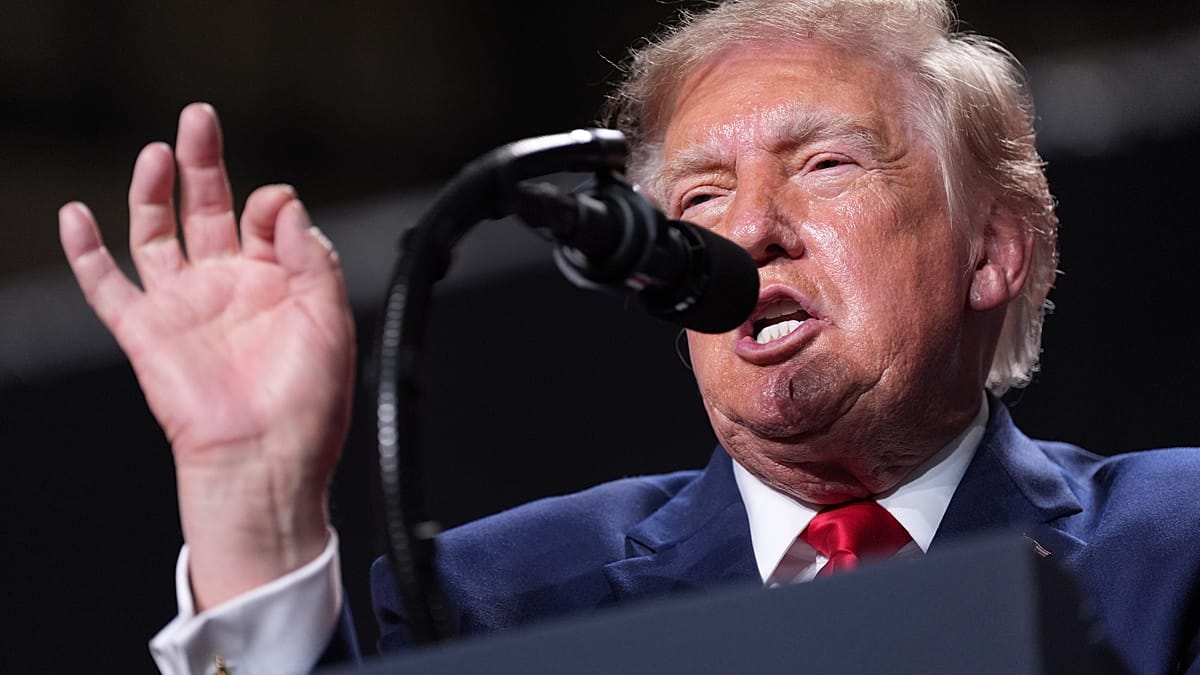
Reports say Trump ordered the Pentagon to prepare strike options against Iran, including a proposed three-day campaign, and that Israeli military chief of staff Eyal Zamir was briefed on US preparations. Other reporting says Trump had previously ruled out strikes before the US midterm elections on 3 November, leaving the timing and status of any decision unresolved. Separately, reports describe attacks on tankers in and near the Strait of Hormuz and Houthi attacks on Saudi airports followed by Saudi-led coalition strikes in Yemen. The reported maritime incident counts, attribution of attacks, Riyadh casualty totals and control of Mokha are disputed.
Change from previous assessment
Initial assessment of this topic has been updated from the 8 October brief. New reporting adds US preparations for possible renewed strikes against Iran, including a proposed three-day campaign and a briefing for Eyal Zamir; it does not establish that a strike has been authorised or that a new direct Iran-Israel exchange occurred. The prior assessment of exposure to tanker attacks remains, with attribution and incident counts still contested. Reports of Houthi attacks on Saudi airports and Saudi-led coalition strikes add a distinct regional escalation concern.
Key judgments
- Likely, US authorities have moved from general contingency planning towards executable strike options against Iran, but the reporting does not establish that President Donald Trump has authorised an attack. Reports say Trump directed the Pentagon to prepare options, including a proposed three-day campaign against Iranian missile, drone, energy and military sites; Eyal Zamir was briefed on the preparations, and three US aircraft carriers were reported as soon to arrive in the Middle East. This planning signal conflicts with reports that Trump had stated strikes would not resume before 3 November. Confidence is medium because the strike-plan reporting relies on media accounts citing officials and people briefed on the plans, while the reported positions on timing differ. (Confidence: medium · ASSESSED)
- I&W: Pentagon or White House confirmation of a signed strike order, or confirmation that the three reported US aircraft carriers have arrived in the Middle East, would confirm movement beyond planning. (0-14 days)
- I&W: A White House statement reaffirming no strikes before 3 November, with no strike order publicly confirmed by that date, would weaken the assessment that preparations are approaching execution. (0-1 month)
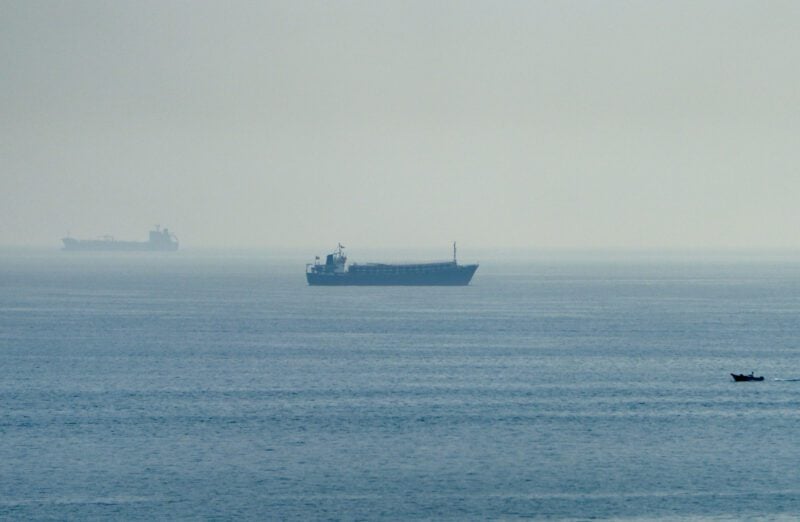
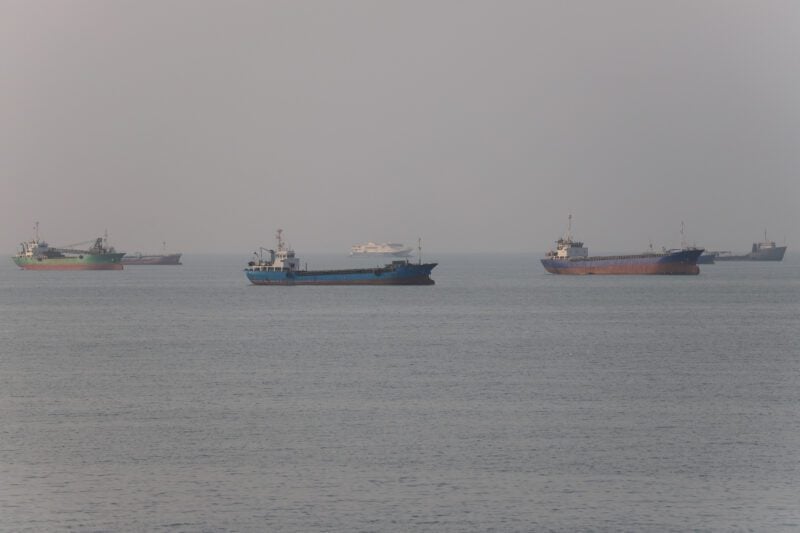
- Likely, commercial tanker traffic in the Strait of Hormuz and the Persian Gulf will remain exposed to attack or intimidation over the next 14 days. Reuters reported at least 12 tanker attacks across the Gulf and Hormuz area between 28 September and 5 October; a separate UKMTO count recorded nine attacks in or near Hormuz through 8 October, while another report attributed at least 13 ship attacks to Iran. These counts differ in scope and attribution, and UKMTO has not attributed the Acers attack, in which projectiles struck the tanker about 51 nautical miles north of Madinat ash Shamal, Qatar. Reported traffic levels also conflict: one account said transits had fallen to a two-month low, while another described crude flows as near pre-war levels and Trump claimed record overnight flows. Brent was reported at $104.10 a barrel on 8 October, and Persian Gulf to East Asia supertanker rates reached nearly $1.4 million per day. Confidence is medium because multiple reports describe attacks and route warnings, but incident counts, attribution and traffic measures remain inconsistent. (Confidence: medium · ASSESSED)
- I&W: A new UKMTO notice identifying a vessel, location and time for an attack in or near Hormuz would confirm continued exposure. (0-14 days)
- I&W: No new UKMTO attack reports through 23 October, alongside shipping data showing Hormuz transits above the reported two-month low, would weaken the assessment. (0-14 days)
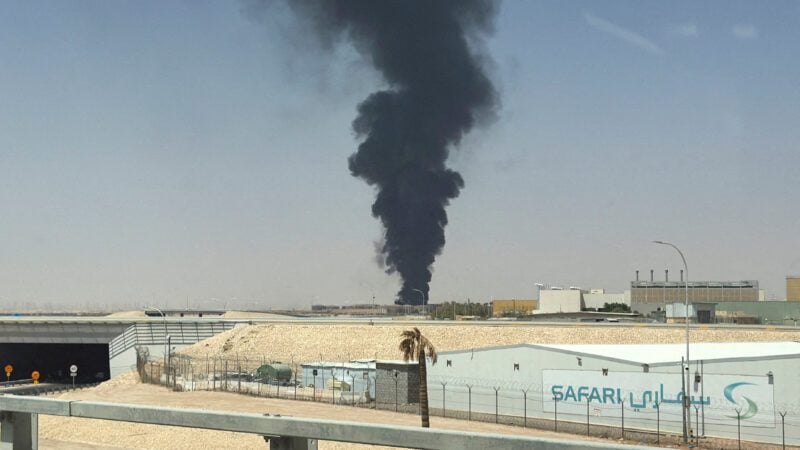
- Likely, Houthi attacks on Saudi targets and Saudi-led coalition strikes in Yemen will continue over the next 14 days. Saudi authorities reported attacks on King Khalid International Airport in Riyadh and Abha airport; the Houthis claimed a two-ballistic-missile attack on Riyadh, and the coalition said it destroyed 82 Houthi military targets in Saada, Hodeida, Jawf and Marib. The Houthi spokesman described the airport attacks as retaliation for Saudi strikes. Riyadh casualty reports conflict, including over the number and identity of those killed. Reporting also differs on control of Mokha: one account says the Houthis seized the port, while the coalition says it retook the city. Confidence is medium because reports from major media and Saudi authorities support the attacks, but casualty details and control of Mokha are unresolved. (Confidence: medium · ASSESSED)
- I&W: A Saudi General Authority of Civil Aviation notice confirming a new attack on King Khalid International Airport or Abha, or a Saudi-led coalition announcement of new strikes in Saada, Hodeida, Jawf or Marib, would confirm continued exchanges. (0-14 days)
- I&W: No new Saudi aviation notices or coalition strike announcements, alongside a public Houthi statement halting attacks on Saudi targets, would weaken the assessment. (0-14 days)
Outlook & scenarios
Strike planning remains a deterrent (45%)
The US retains strike options but issues no new order before the 3 November midterm elections. Iran continues its warnings over Hormuz routes, while tanker incidents and Houthi-Saudi attacks remain separate sources of regional pressure.
US renews direct strikes on Iran (30%)
Trump authorises the reported short campaign against Iranian missile, drone, energy and military sites. Iranian threats to block unauthorised oil routes raise the risk of attacks on shipping and wider disruption in the Strait of Hormuz.
Houthi-Saudi exchanges widen (20%)
The Houthis continue attacks on Saudi airports or other targets, followed by Saudi-led coalition strikes in Yemen. Conflicting reports on Mokha leave control of the port and nearby Red Sea coast unsettled.
Wildcard: Iran acts on its route threats (5%)
Iran moves to block oil export routes it has not authorised, using the missile or drone attacks on ships described in regional-source reporting. This is a low-probability, high-impact scenario that would expose Gulf shipping and oil exports to wider disruption.
Recommendations
- Track strike planning separately from strike authorisation. Record confirmed Pentagon or White House decisions, carrier arrival reporting and any public change to Trump's stated position before 3 November.
- Reconcile Hormuz incident reporting by recording each event's date, location, vessel, reporting organisation and attribution. Keep Gulf-wide attack counts separate from UKMTO's Strait-specific totals, and do not attribute the Acers attack without an official finding.
- Maintain a separate Houthi-Saudi incident log. Check Houthi claims against Saudi General Authority of Civil Aviation statements and coalition announcements; keep Riyadh casualty figures and control of Mokha marked as unresolved until reporting converges.
- Include Brent prices and Persian Gulf to East Asia tanker rates in routine updates as observable indicators of the economic effects of shipping risk.
Confidence & uncertainty
Overall confidence is medium. Major-media, wire-service and official reporting supports the US strike-planning reports, tanker incidents and Houthi-Saudi attacks. Confidence is limited by unnamed-source reporting on US options, conflicting Hormuz attack counts and attribution, and incompatible reports on Riyadh casualties and control of Mokha.
Intelligence gaps
- [EEI 1.1 · UNCOVERED] Detection and characterization of ballistic/cruise missile or rocket launches originating from Iranian territory or from Iran-controlled positions in Iraq/Syria (time, launch coordinates, missile type, flight trajectory/impact area). Recommended collection: satellite/imagery
- [EEI 1.2 · UNCOVERED] Movements and posture changes of Iran-backed proxy forces (Hezbollah units in Lebanon, militias in Syria/Iraq): concentrations of personnel, transport of rocket/artillery launchers, visible logistics build-up within operational range of Israel. Recommended collection: human/intel
- [EEI 1.3 · PARTIAL] Israeli defensive and offensive posture changes: reservist call-ups, mobilization orders, sorties/airstrikes attributed to Israel, and domestic activation of missile-defense systems (locations and activation times). Recommended collection: open-source/media
- [EEI 1.4 · UNCOVERED] Evidence of pre-positioning or arming of naval mines, fast attack craft, or anti-ship missile systems in the Gulf of Oman, northern Arabian Sea, or off the Lebanese/Syrian coasts that could be used to interdict Israeli or allied shipping. Recommended collection: maritime/AIS
- [EEI 2.2 · PARTIAL] Formal diplomatic/military actions: evacuation orders or embassy closures, public troop posture statements, bilateral/multilateral defense commitments announced, requests for overflight or basing rights in regional states. Recommended collection: diplomatic
- [EEI 2.3 · UNCOVERED] Changes to force protection or alert levels at foreign bases in the region (e.g., US bases in Kuwait, Qatar, UAE; Russian bases in Syria): activation of additional air defenses, curfews, or reinforcement shipments (personnel/equipment manifests). Recommended collection: signals/intel
- [EEI 3.2 · PARTIAL] Changes in crude oil and refined product flows from key terminals (reported tanker loading delays, terminal closures, throughput volumes at Kharg, Mina al-Ahmadi, Ras Tanura, and major Gulf ports compared to baseline). Recommended collection: commercial/ports
Cited sources
[1] Euronews (Arabic) · حملة خاطفة ومكثّفة قد تستمر 3 أيام. تفاصيل جديدة عن الخطة المحتملة لضرب إيران (B) · 9 October 2026 · sha256:f74da2fc3edb [2] Reuters (republished by gCaptain) · Attack Risks Rise for Tankers as Iran Vows to Block More Hormuz Routes (A) · 8 October 2026 · sha256:7906e770b59e [3] gCaptain · Tanker Attack Off Qatar Signals Wider Threat Beyond Hormuz (C) · 8 October 2026 · sha256:a87a5ee0d4e0 [4] gCaptain (republishing Bloomberg content) · Houthis Kill Three in Strikes on Saudi Arabian Airports (C) · 9 October 2026 · sha256:9f6bafbfe7b4 [5] Bloomberg (republished by gCaptain) · Supertankers Racing to Middle East Worsen Global Ship Crunch (A) · 8 October 2026 · sha256:3b78e0d897e9 [6] BBC · Saudi Arabia says three nationals killed in Houthi attacks on Riyadh airport. (A) · 9 October 2026 · sha256:cc865049d098
Source content hashes were computed at collection time; the cited text is preserved unmodified for the life of this product.
Red cell review: CONCUR WITH COMMENT
TLP:CLEAR