TLP:CLEAR · Disclosure is not limited.
Iran-Gulf spillover: Kuwait casualties and contested attribution
Time window: Last 7 days · Audience: General analyst · Type: Situation report · DTG: 2026-11-27 00:12Z · Overall confidence: HIGH
BLUF
Two Italian technicians died after falling debris from intercepted drones struck a Kuwaiti facility; Kuwait attributes the attack to Iran, while Tehran denies responsibility. The casualty reporting is strongly corroborated, but the drone’s launch origin and command remain unresolved, and the supplied reporting does not substantiate a new Bahrain attack during this reporting window or an Iranian threat against US assets in Europe.
Executive summary
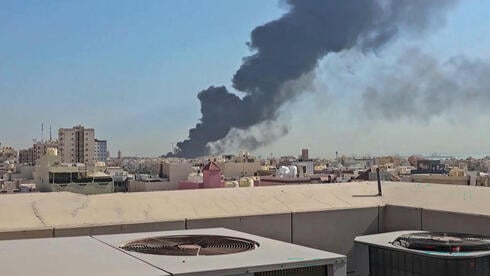
Kuwait reported that air defences intercepted drones on 26 November and that shrapnel injured four people, including two Italian technicians who later died. Italy confirmed the deaths. Accounts differ on whether the attack itself occurred on 25 or 26 November. Kuwait blamed Iran; Iran denied involvement and offered a joint investigation with Kuwait. Italy’s foreign minister said the drone was Iranian-made, while Italian intelligence did not exclude a launch from Iraq. A separate, earlier think-tank account reported two drone attacks against Bahrain, reportedly aimed at a US military base, but the supplied reporting does not establish a Bahrain attack during 20-27 November. Donald Trump spoke about Iranian missile reach to Europe, but the reporting here does not identify an Iranian threat against US assets there.
Key judgments
- The Kuwait incident almost certainly resulted in two Italian deaths and injuries to a Kuwaiti and a Pakistani national. Kuwait reported four people injured by shrapnel, including the two Italians who later died, and Italy confirmed the deaths. The death announcement was on 26 November, while some reporting dates the attack itself to 25 November. (Confidence: high · REPORTED)
- I&W: A final Kuwait Defence Ministry or Italian Foreign Ministry account confirms two Italian deaths and two other injured people, confirming the reported casualty sequence. (0-14 days)
- I&W: An official correction changes the number or nationalities of the casualties, breaking the reported casualty sequence. (0-14 days)
- Iranian manufacture of the drone is likely, but the reporting does not establish who launched it or directed the attack. Kuwait attributed the strike to Iran; Italy’s foreign minister said investigations found the drone was made in Iran. Italian intelligence did not exclude a launch from Iraq, and Tehran denied responsibility and offered a joint investigation. The attribution rests partly on official statements, not independently presented forensic evidence. (Confidence: medium · ASSESSED)
- I&W: A published forensic assessment identifies the drone’s manufacturer and launch location, or a Kuwait-Iran inquiry names the operator, confirming or materially revising the attribution. (0-30 days)
- I&W: A joint inquiry finds the drone was not Iranian-made or identifies a launch and operator unconnected to Iran, breaking the Iranian-origin assessment. (0-30 days)
- A report of two Iranian drone attacks against Bahrain, reportedly targeting a US military base, remains uncorroborated in the supplied reporting. The account does not establish that either attack occurred during 20-27 November, so it does not confirm a new Bahrain front in this reporting window. (Confidence: low · REPORTED)
- I&W: A Bahrain military or US statement confirms two drone interceptions and identifies the date and intended target, strengthening the report. (0-14 days)
- I&W: Bahrain or US officials state that no such attacks occurred, or identify the reported incidents as different events, weakening the report. (0-14 days)
- A durable US-Iran settlement in the next 1-3 months is unlikely. The US is reported to be enforcing a Strait of Hormuz blockade, while Tehran links restored navigation to its conditions; a proposed Iran-Oman corridor remains unsigned. Qatari and Pakistani mediators are still relaying proposals, which leaves a diplomatic path open but does not resolve the competing positions. (Confidence: medium · ASSESSED)
- I&W: Iran and Oman sign a corridor agreement with published transit arrangements, or Washington and Tehran announce a negotiated timetable for reopening the strait, breaking the near-term settlement assessment. (0-3 months)
- I&W: Iranian officials restate that the strait will remain closed until Washington accepts Tehran’s conditions, while the US blockade continues, confirming that the positions remain incompatible. (0-3 months)
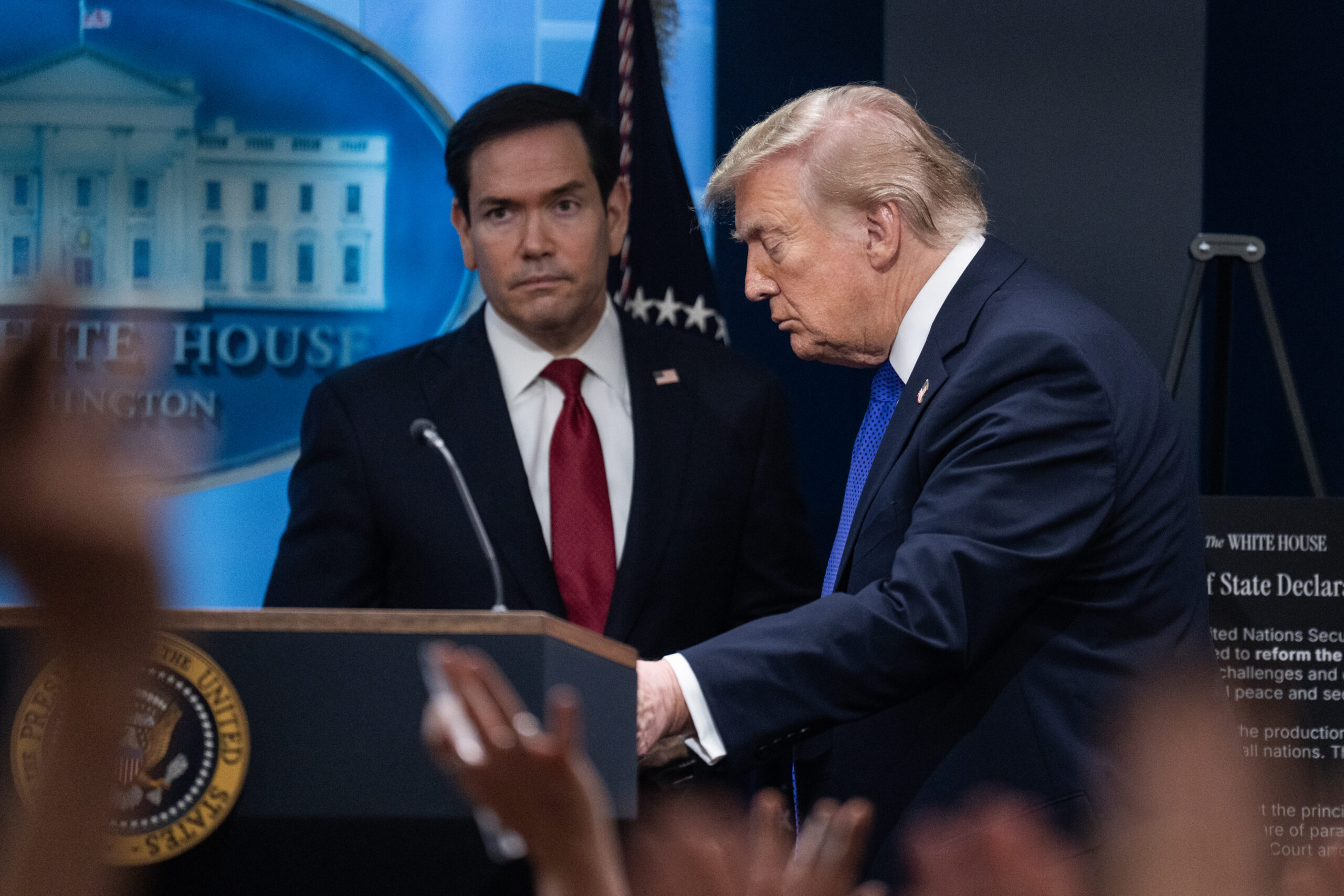
- A direct Iranian threat against US assets in Europe is not established in the reporting available for this brief. Donald Trump’s reported statement concerned Iranian missile reach; it did not identify a threatened target or an Iranian attack plan. (Confidence: medium · ASSESSED)
- I&W: An Iranian Armed Forces or Foreign Ministry statement names a US or European target and threatens an attack, breaking this assessment. (0-14 days)
- I&W: US or European officials clarify that the missile-reach statement was not based on a specific Iranian threat or target, reinforcing this assessment. (0-14 days)
Outlook & scenarios
Continued bounded Gulf spillover (55%)
This is the most likely course. Iran-attributed or Iran-linked activity continues to affect Gulf security, while Kuwait and other states maintain heightened air-defence readiness. Mediation continues, but no durable US-Iran agreement is reached and the Strait of Hormuz dispute remains unresolved.
Negotiated restraint (30%)
This outcome is unlikely but remains plausible. Qatar and Pakistan sustain the exchange of proposals, and Iran and Oman advance a signed navigation arrangement. A verified agreement on transit or a resumed US-Iran negotiation process reduces the immediate risk of further spillover.
Retaliation after a new high-casualty strike (15%)
This is a very unlikely, high-impact path. A new strike kills US personnel or causes substantial casualties at a named Gulf facility, and the US responds directly. If attribution is disputed, the Kuwait incident shows how competing accounts could complicate decisions and increase the risk of a wider confrontation.
Recommendations
- Keep drone manufacture, launch location and operational command as separate attribution questions. Do not describe Iranian manufacture alone as proof that Tehran directed the Kuwait attack.
- Seek the Kuwait-Iran inquiry’s findings, any published forensic assessment and an official reconciliation of the 25-26 November incident timeline and casualty count.
- Treat the Bahrain attack account as unconfirmed and earlier than the current reporting window unless Bahrain or US officials confirm the date, interceptions and intended target.
- Track concrete signs of movement on the Strait of Hormuz: a signed Iran-Oman corridor agreement, published transit terms, resumed US-Iran talks or a change in the US blockade.
- Do not treat Trump’s statement about Iranian missile reach as evidence of a threat to US assets in Europe without a direct Iranian threat or a specific target.
Confidence & uncertainty
Confidence is high in the Kuwait casualty sequence because Kuwaiti official statements, Italian confirmation and multiple major-media accounts report the deaths and shrapnel injuries. Confidence is lower on responsibility: Kuwait attributes the attack to Iran, Iran denies involvement, and the Italian assessment of Iranian manufacture does not establish the launch point or command. Reporting on Bahrain is thin, and the Europe-related claim reports missile reach rather than a threat.
Red cell review: CONCUR WITH COMMENT
TLP:CLEAR