TLP:CLEAR · Disclosure is not limited.
Iran, Israel and Hormuz: escalation and fragile diplomacy
Time window: Last 1 day · Audience: General analyst · Type: Situation report · DTG: 2026-07-11 09:10Z · Overall confidence: MEDIUM
BLUF
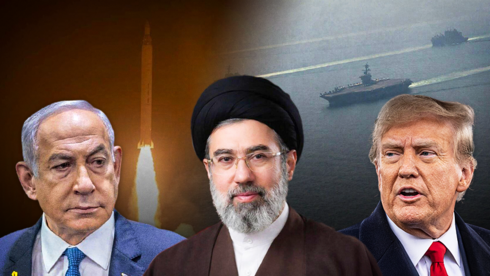
U.S., Iran military exchanges have intensified while Tehran threatens Israel and Israeli forces strike in southern Lebanon; maritime risk through the Strait of Hormuz remains acute. Back‑channel talks via Qatar and Oman continue but are unlikely to deliver rapid de‑escalation, and energy market uncertainty will persist.
Executive summary
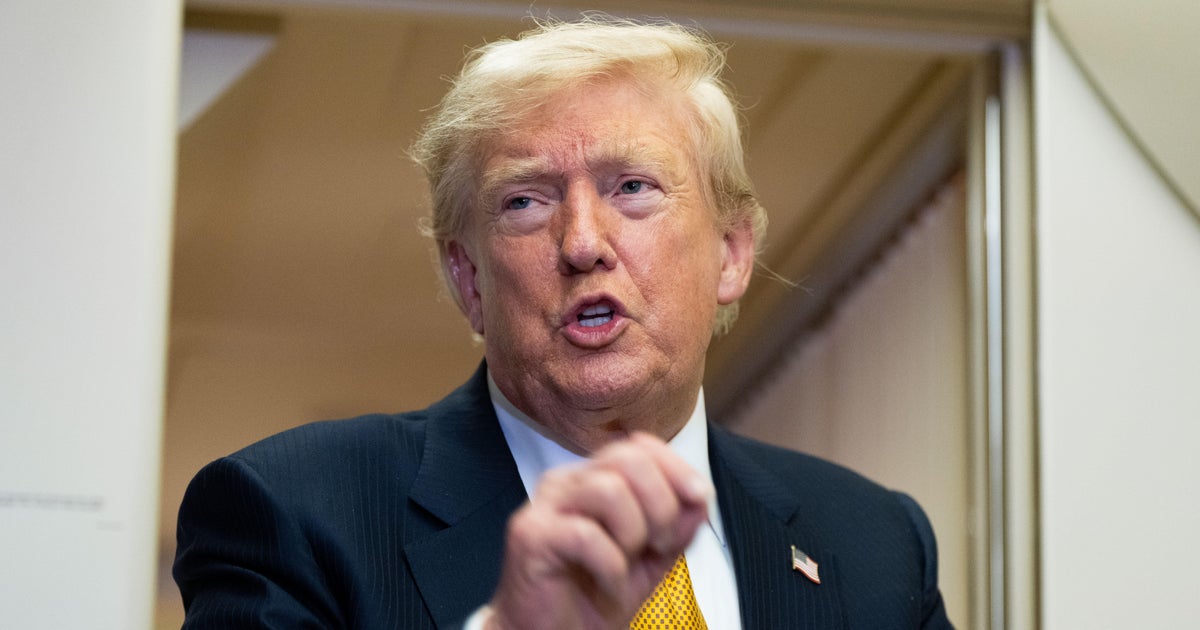
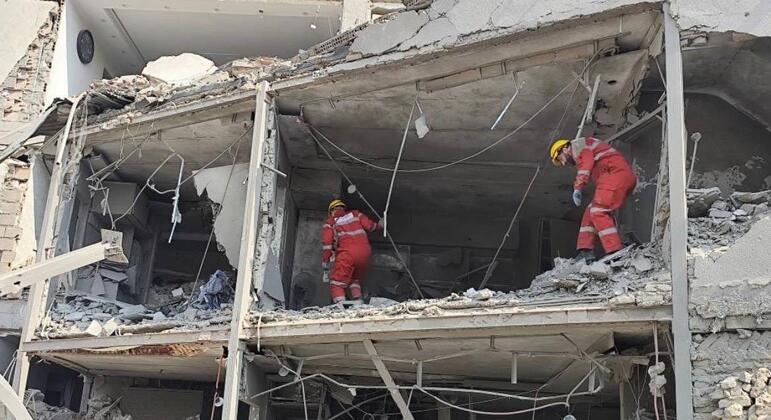
U.S. forces struck Iranian targets in early July and Iran responded with a wider volley across Bahrain, Jordan, Kuwait and Qatar, extending a cycle of hostilities that began after U.S. and Israeli attacks on Iran in late February. President Donald Trump has publicly declared the June ceasefire and associated memorandum with Tehran over and Washington imposed fresh sanctions on a Dubai‑based Iranian financier and exchange houses. Commercial shipping through the Strait of Hormuz has fallen sharply, with the industry reporting single‑digit transits on the southern Omani route at points, and the IEA warning that renewed fighting clouds the energy outlook. Mediators led by Qatar are in Tehran and Iran’s foreign minister has travelled to Oman, with technical U.S., Iran talks reportedly continuing even as Washington demands a public Iranian assurance that Hormuz is open. Iran has issued explicit threats that future retaliation will not spare Israel, and the IDF conducted a strike in southern Lebanon that killed one person. Iran’s health ministry has reported 17 killed and 115 injured from U.S. strikes.
Change from previous assessment
Since the prior brief, Washington has publicly declared the ceasefire and June memorandum over and added sanctions on Ali Ansari and Iranian exchange houses; Iranian officials issued explicit warnings that future retaliation will not spare Israel; Qatari negotiators travelled to Tehran and Iran’s foreign minister arrived in Oman for talks amid reports that technical U.S., Iran discussions continue; the IDF conducted a strike in southern Lebanon; shipping indicators showed sharply reduced Hormuz transits on the southern route and the IEA warned fighting threatens recovery; Iran’s health ministry reported updated casualties from U.S. strikes. Initial assessment of Israeli unilateral action risk is raised from posture to likelihood language, while our confidence remains medium due to timeline frictions and mixed maritime data.
Key judgments
- It is very likely the United States conducted renewed airstrikes on Iranian targets in early July and Iran responded with a wider volley across Bahrain, Jordan, Kuwait and Qatar, with both sides trading escalating strikes since late February 2026. (Confidence: high · ASSESSED)
- I&W: U.S. Central Command or Iranian defence authorities publish additional strike or casualty details naming targets inside Iran or GCC states. (0-14 days)
- I&W: A sustained 14‑day lull in reported cross‑border strikes or missile alerts in Bahrain, Kuwait, Jordan or Qatar. (0-14 days)
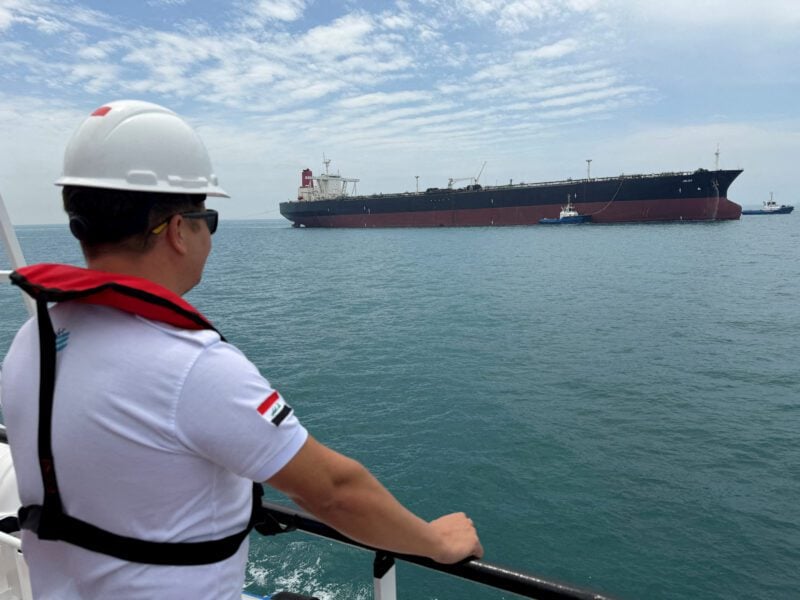
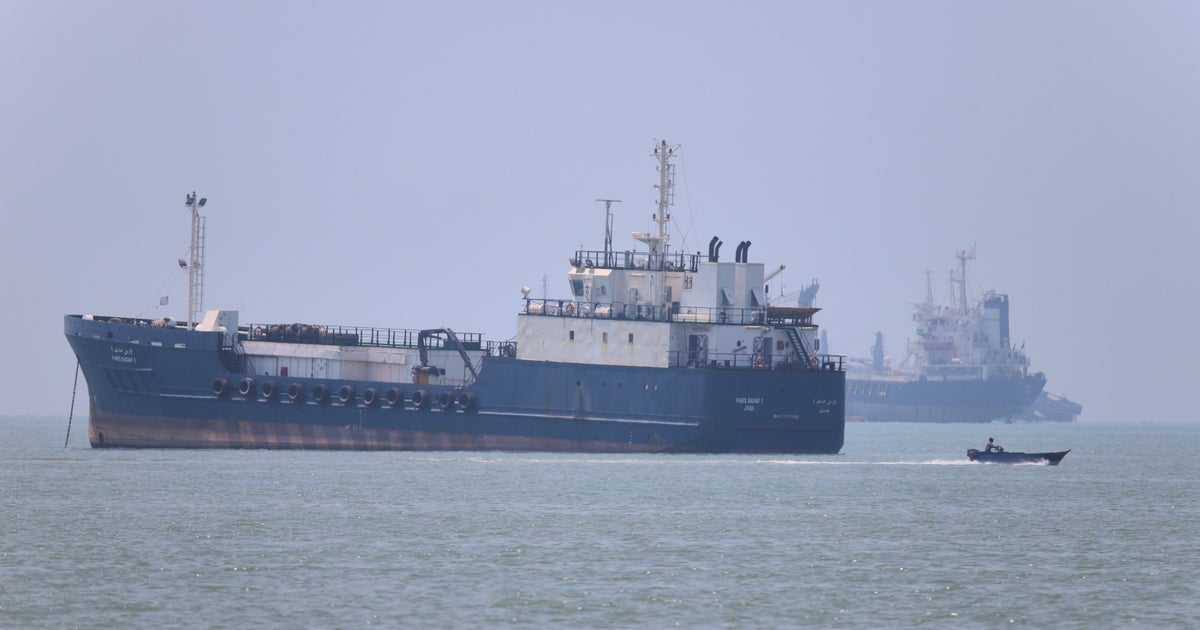
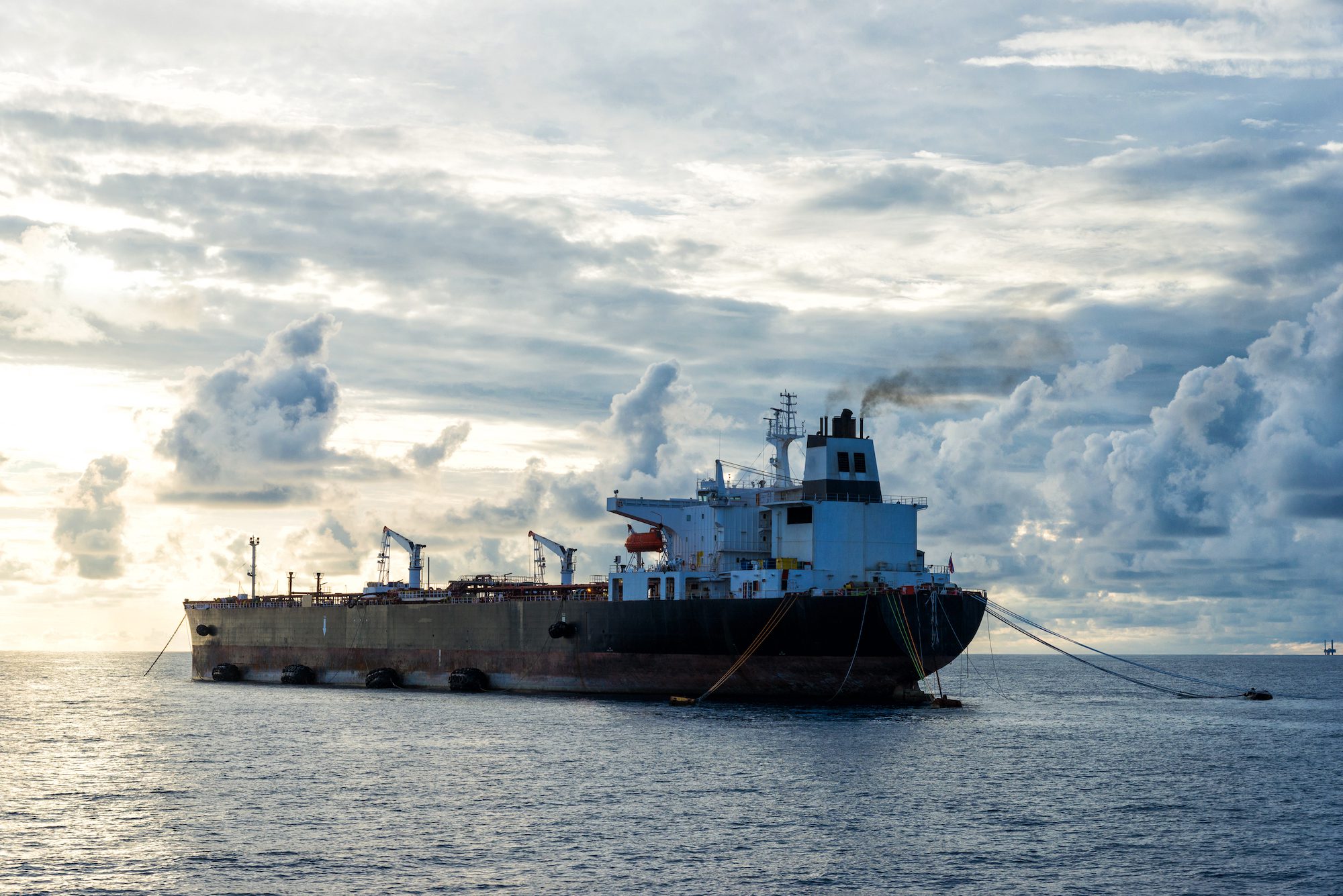
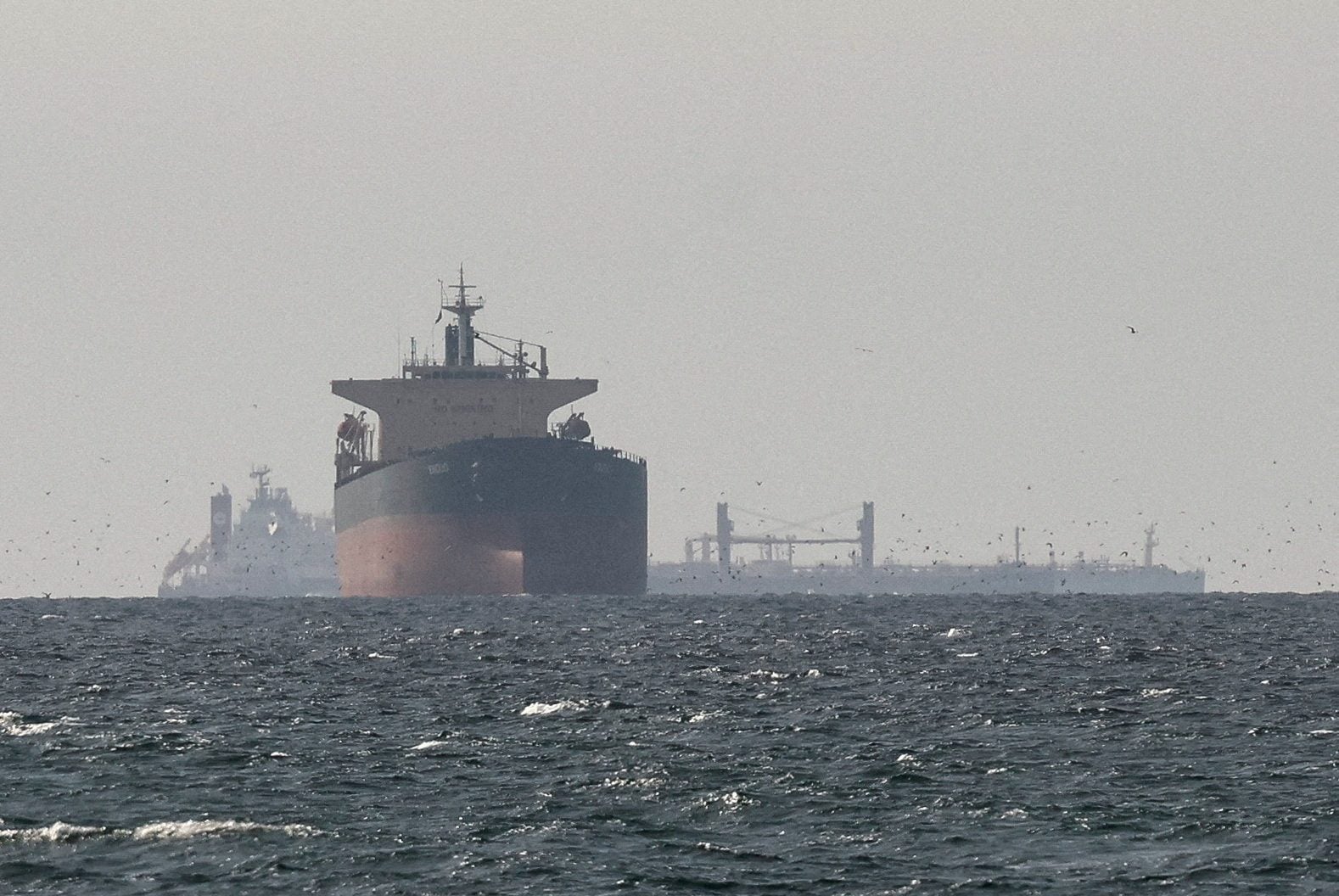
- Maritime risk in the Strait of Hormuz is very likely acute, with sharply reduced commercial transits and claims of oil flow cuts up to 14 million barrels per day, while Iran targets vessels along the southern Omani route; limited LNG and northern‑lane movements indicate disruption rather than a full halt. (Confidence: medium · ASSESSED)
- I&W: INTERTANKO advisories continue to show single‑digit southern‑route transits off Oman’s coast. (0-14 days)
- I&W: AIS and industry reporting show sustained daily Hormuz transits rising above 60, alongside a public Iranian statement that the waterway is open. (1-3 months)
- Washington has revoked earlier sanctions relief, resumed military operations and imposed new sanctions on Ali Ansari and Iranian exchange houses, while President Trump publicly declared the June ceasefire and memorandum with Tehran over. (Confidence: high · REPORTED)
- I&W: OFAC issues additional Iran‑related designations linked to maritime attacks or revenue channels. (0-14 days)
- I&W: A joint U.S., Iran readout reinstating elements of the June understanding, including shipping assurances. (1-3 months)
- Diplomacy led by Qatar and Oman is likely to continue in parallel to the fighting, but near‑term de‑escalation is unlikely given Iran’s hard‑line negotiating stance, its insistence on controlling Hormuz traffic, and U.S. demands for a public Iranian assurance on shipping. (Confidence: medium · ASSESSED)
- I&W: Official photo releases or readouts of U.S., Iran working‑level meetings in Muscat or Tehran. (0-14 days)
- I&W: Iranian state media reiterates non‑recognition of foreign navigation rights, coupled with fresh interdictions of named flagged tankers. (0-14 days)
- Iran, Israel tensions are likely to remain elevated, with Tehran warning that retaliation will not spare Israel and Jerusalem signalling readiness for further strikes, while low‑level violence persists along the Lebanon, Israel frontier. (Confidence: medium · ASSESSED)
- I&W: Additional IDF strikes in southern Lebanon or Syria explicitly framed as counter‑IRGC or Iran‑linked operations. (0-14 days)
- I&W: Mutual de‑escalation statements by Iranian and Israeli officials paired with a 14‑day lull on the Blue Line. (0-14 days)
- Energy market uncertainty is likely to persist as the IEA warns renewed U.S., Iran fighting threatens recovery and its supply outlook depends on a gradual improvement in Hormuz tanker traffic and rapid de‑escalation. (Confidence: medium · ASSESSED)
- I&W: IEA or OPEC monthly reports revise supply or demand outlooks downward citing Hormuz disruptions. (1-3 months)
- I&W: Reported Hormuz transits and Gulf producer output guidance return to or exceed June levels. (1-3 months)
- There is likely no specific new Iranian plot to assassinate President Trump, although Iranian rhetoric and Israeli reporting on threats are fuelling escalatory signalling and U.S. warnings. (Confidence: medium · ASSESSED)
- I&W: Public statements from U.S. security agencies indicate no credible, specific Iranian threat against the former president. (0-14 days)
- I&W: Arrests or official disclosures attributing a concrete plot to Iranian actors. (0-14 days)
Outlook & scenarios
Iterative retaliation and maritime harassment persist (60%)
U.S. and Iranian forces trade additional strikes and Iran continues to target shipping, especially along the southern Omani route. Israel maintains high readiness and conducts episodic strikes in Lebanon and Syria without direct Iran, Israel exchanges. Hormuz traffic remains depressed, energy outlooks stay clouded, and sanctions pressure expands while technical talks continue without breakthrough.
Narrow maritime deconfliction stabilises Hormuz (45%)
Qatar- and Oman-facilitated contacts yield a limited assurance regime focussed on safe passage, including a public Iranian statement on Hormuz and tacit rules of the road. Southern and northern lanes see steadily rising transits, Gulf producers lift output guidance, and the IEA nudges forecasts higher. Broader political disagreements persist, but operational risk to shipping eases.
Direct Iran, Israel clash triggered by miscalculation (25%)
An Iranian retaliation framed to deter the United States is perceived in Jerusalem as crossing red lines, or an exchange along the Blue Line escalates. Israel launches strikes “with even greater force” into Iran, prompting more expansive Iranian responses. U.S. military activity surges, Hormuz traffic slumps further, and energy price volatility spikes. Diplomatic channels stall under domestic hard‑line pressure.
Recommendations
- Maintain a daily OSINT feed on Hormuz transits by lane: collate INTERTANKO updates and AIS data to track southern‑route counts and northern‑lane volumes; flag any move back above 60 daily transits as a potential de‑risking signal.
- Task monitoring of Iranian maritime authorities and state media for any public statement declaring Hormuz open or asserting permit requirements; capture and translate advisories from the Persian Gulf Strait Authority.
- Sustain coverage of Qatari and Omani mediation: scrape and archive official readouts, Reuters and wire reports on meetings in Tehran and Muscat; map interlocutors and topics, especially shipping assurances and nuclear‑related technical talks.
- Expand sanctions intelligence on Ali Ansari and the cited exchange houses: build corporate network diagrams, shipping finance touchpoints, and likely evasion vectors; prepare rapid briefs for any OFAC follow‑on listings.
- Track Israeli Air Force activity and IDF communiqués on strikes in Lebanon and Syria; pair with Hezbollah and Lebanese state media reporting to assess escalation ladders and miscalculation risk.
- Catalogue reported maritime incidents targeting vessels on the Omani route, including flag, insurer, cargo and route details; assess whether targeting patterns shift toward or away from specific national flags.
- Integrate IEA monthly reports and Gulf producer announcements into a standing energy risk dashboard that ties shipping conditions to supply expectations and identifies breakpoints for market stabilisation.
- Apply sceptical triage to assassination‑plot reporting: align with U.S. intelligence assessments indicating no specific new plot while monitoring for law‑enforcement actions that would change threat posture.
Confidence & uncertainty
Overall confidence is medium. Multiple high‑reliability major media and multilateral sources corroborate core elements, including U.S. strikes, Iran’s regional volley, explicit threats toward Israel, sharp reductions in Hormuz traffic, active Qatar‑ and Oman‑led mediation, and new U.S. sanctions. Some reporting presents date inconsistencies and mixed severity signals on Hormuz conditions, and several assessments rely on synthesis across medium‑confidence items, which tempers confidence. The balance of corroboration supports the judgments, but timeline frictions and parallel narratives on shipping flows and diplomatic progress remain the key uncertainties.
Alternative analysis (red cell)
The reporting stream is uneven and contains unaddressed timing contradictions (tradecraft_lint_findings: contradiction_unaddressed). A more conservative analytic reading is that while incidents and sharp rhetoric have increased risk, the available evidence does not yet demonstrate a clear, sustained U.S.–Iran kinetic escalation across multiple theaters nor fully support the extreme maritime and oil‑flow impacts claimed; active mediation and limited commercial mitigations could produce short‑term de‑escalation if corroborated by contact‑level diplomatic and ISR reporting.
Intelligence gaps
- [EEI 1.2 · PARTIAL] Observable changes in Israeli and Iranian force posture: mobilization or reserve call-up orders, unit road/rail movements, dispersal or sortie rates of air squadrons, redeployment of air-defense batteries, and activation of civil-defense alerts or sirens in major population centers. Recommended collection: open-source/media
- [EEI 1.3 · PARTIAL] Indications of strike authorization or targeting preparations in Iranian or Israeli command chains: authenticated public orders by senior commanders, detected increases in encrypted communications consistent with targeting, or visible movement of strike munitions to launch/storage sites. Recommended collection: signals/intel
- [EEI 2.1 · UNCOVERED] Counts, launch locations (coordinates), weapons types, and assessed damage from rocket/missile/drone strikes originating from Lebanon into northern Israel attributed to Hezbollah or allied groups. Recommended collection: open-source/media
- [EEI 2.2 · UNCOVERED] Reported attacks by Iranian-backed militias in Iraq and Syria: rocket/IED strikes on bases hosting US/coalition or Israeli personnel, documented militia unit movements toward borders, and captured movement or transfer of weapons systems to forward militia positions. Recommended collection: human
- [EEI 3.1 · UNCOVERED] Movements and arrival dates of foreign military assets into the region: carrier strike groups, amphibious ships, surface combatants, strategic airlift/tanker deployments, and air/sea patrol patterns by US, European, Russian, or regional militaries. Recommended collection: imagery/satellite
Cited sources
[1] NBC News · 'I would not have done it': GOP Rep. Mike Lawler reacts to Trump firing election board Democrats (A) · sha256:209b2c224bf7 [2] gcaptain.com · UAE’s Oil Output Surged to Record High in June, IEA Says (A) · sha256:3485e7631fdd [3] HuffPost · U.S. Demands Iran Publicly State That Strait Of Hormuz Is Open And Tehran Won't Attack Ships Anymore (B) · sha256:3ba07d801cc2 [4] theguardian.com · Iran + Middle East and north Africa (A) · sha256:5532ad25c0be [5] United Nations · Security Council LIVE: ‘Lost continuity of knowledge’ on Iran’s nuclear programme since US-Israel attacks, top UN official warns (A) · sha256:fc21a388ea4b [6] Jerusalem Post · Iran: Israel will 'not be spared' in future attacks, Qatari negotiators in Iran to defuse tensions (B) · sha256:399fb0caee2a [7] gcaptain.com · INTERTANKO: Hormuz Tanker Transits Via Southern Route Fall to Single Digits After Renewed Fighting (C) · sha256:5dd772147038 [8] Al Jazeera · US-Iran escalation threatens oil supply recovery, warns IEA (A) · sha256:5e927b52209f [9] gcaptain.com · More LNG, Japan-Linked Vessels Transit Hormuz Despite Renewed Mideast Tensions (B) · sha256:b58e83f0302b [10] gcaptain.com · Trump Declares Iran Ceasefire Over as U.S. Unveils New Sanctions (B) · sha256:19675373b893 [11] CBS News · Live updates: U.S. and Iran to continue talks after tensions escalated over Strait of Hormuz (A) · sha256:7abdd0714672 [12] aljazeera.com · Trump threatens Iran after chants for his death erupted at Khamenei funeral (A) · sha256:1b774145309b [13] ynetnews.com · Iran warns Israel of retaliation as diplomacy struggles to prevent renewed fighting (B) · sha256:154197c95d8a [14] gcaptain.com · Oil Market Recovery Hinges on Hormuz Stability as IEA Warns Renewed Fighting Clouds Outlook (B) · sha256:6ed3dabc77b4 [15] cnn.com · Israel shared intel on Iranian hardliners’ desire to target Trump, sources say, as Netanyahu looks to influence course of war | CNN Politics (A) · sha256:414d53a0310a [16] HuffPost · House Dem Unconvinced By Israeli Intel Claiming Iran Planned New Plot On Trump's Life (B) · sha256:b377ed85dc7f
Source content hashes were computed at collection time; the cited text is preserved unmodified for the life of this product.
Red cell review: PARTIAL DISSENT
TLP:CLEAR