TLP:CLEAR · Disclosure is not limited.
Iran, Israel and the Gulf: renewed strikes, shipping risk and Israeli posture, 9-10 July 2026
Time window: Last 1 day · Audience: General analyst · Type: Situation report · DTG: 2026-07-10 08:41Z · Overall confidence: MEDIUM
BLUF
The United States very likely executed another large strike package across Iran, while Tehran targeted U.S.-aligned Gulf states and shipping with most munitions intercepted. Maritime risk through the Strait of Hormuz is very likely to remain high in the near term; Israel is on high alert but is likely to avoid immediate direct engagement.
Executive summary
CENTCOM reported hitting roughly 90 targets across Iran as explosions were logged in multiple Iranian cities, including Bushehr and Konarak, and a projectile struck the perimeter of the Bushehr nuclear plant. Iran in turn targeted U.S.-linked sites and territory in Kuwait and Bahrain, with sirens and intercepts also reported over Jordan; Kuwaiti debris wounded one person after its air defences downed multiple missiles and drones. Gulf states condemned Iranian attacks on the Saudi tanker Widian and Qatari tanker Al‑Rukayat, while shipowners and insurers pulled back from Hormuz and priced war risk higher. In Israel, senior officials said the campaign against Iran is not over and the IDF remains at high alert and coordinated with Washington, yet Israeli assessments judge Iran unlikely to rush to strike Israel. Parallel fronts remain active, with fresh IDF strikes in Gaza and tunnel demolition in Lebanon. Reported Iranian casualties from U.S. strikes stand at a minimum of 14 killed and 78 wounded.
Change from previous assessment
Since the 9 July brief, CENTCOM reported another wave of roughly 90 strikes across Iran and explosions were logged in Bushehr and Konarak; Tehran targeted U.S.-aligned Gulf states with Kuwaiti and Bahraini intercepts and sirens, and Jordan reported missile activity overhead. The GCC named the Saudi tanker Widian and Qatari tanker Al‑Rukayat in its condemnation, while shipowners and insurers signalled further pullback and higher premiums for Hormuz. Israeli leaders reiterated readiness to strike Iran while maintaining high alert and coordination with Washington. Reporting of at least 14 killed and 78 wounded in Iran refined the humanitarian picture. Overall, our maritime‑risk judgment is unchanged but better evidenced; confidence on the ceasefire’s effective collapse is maintained at medium given ongoing kinetic exchanges and mixed signalling. Initial assessment of this topic’s detailed strike timeline is still being refined due to date discrepancies in open reporting.
Key judgments
- The United States very likely conducted a second wave of large-scale strikes across Iran on 9-10 July, hitting roughly 90 targets including air defence and command networks, with explosions reported in Bushehr and Konarak and a projectile impacting the Bushehr nuclear plant perimeter. (Confidence: high · REPORTED)
- I&W: CENTCOM releases additional strike imagery or target lists corroborating roughly 90 strikes in Iran (0-14 days)
- I&W: A sustained pause in reported explosions at key Iranian sites such as Bushehr and Konarak (0-14 days)
- Iran very likely targeted U.S.-aligned Gulf states and U.S. military-linked sites in response, with high interception rates in Kuwait and Bahrain and missile activity triggering sirens and reported intercepts over Jordan. (Confidence: high · REPORTED)
- I&W: GCC governments publish debris analysis attributing intercepted missiles or drones to Iranian systems (0-14 days)
- I&W: A two-week lull with no sirens or intercept reports in Kuwait, Bahrain or Jordan (0-14 days)
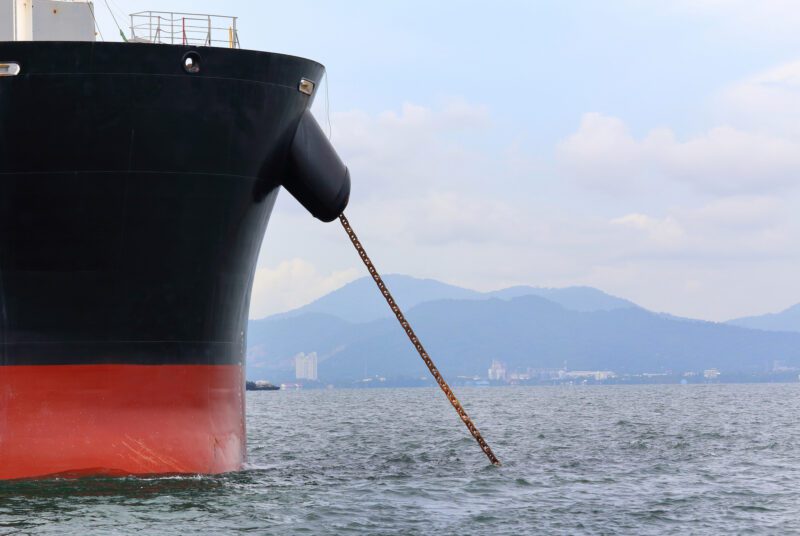
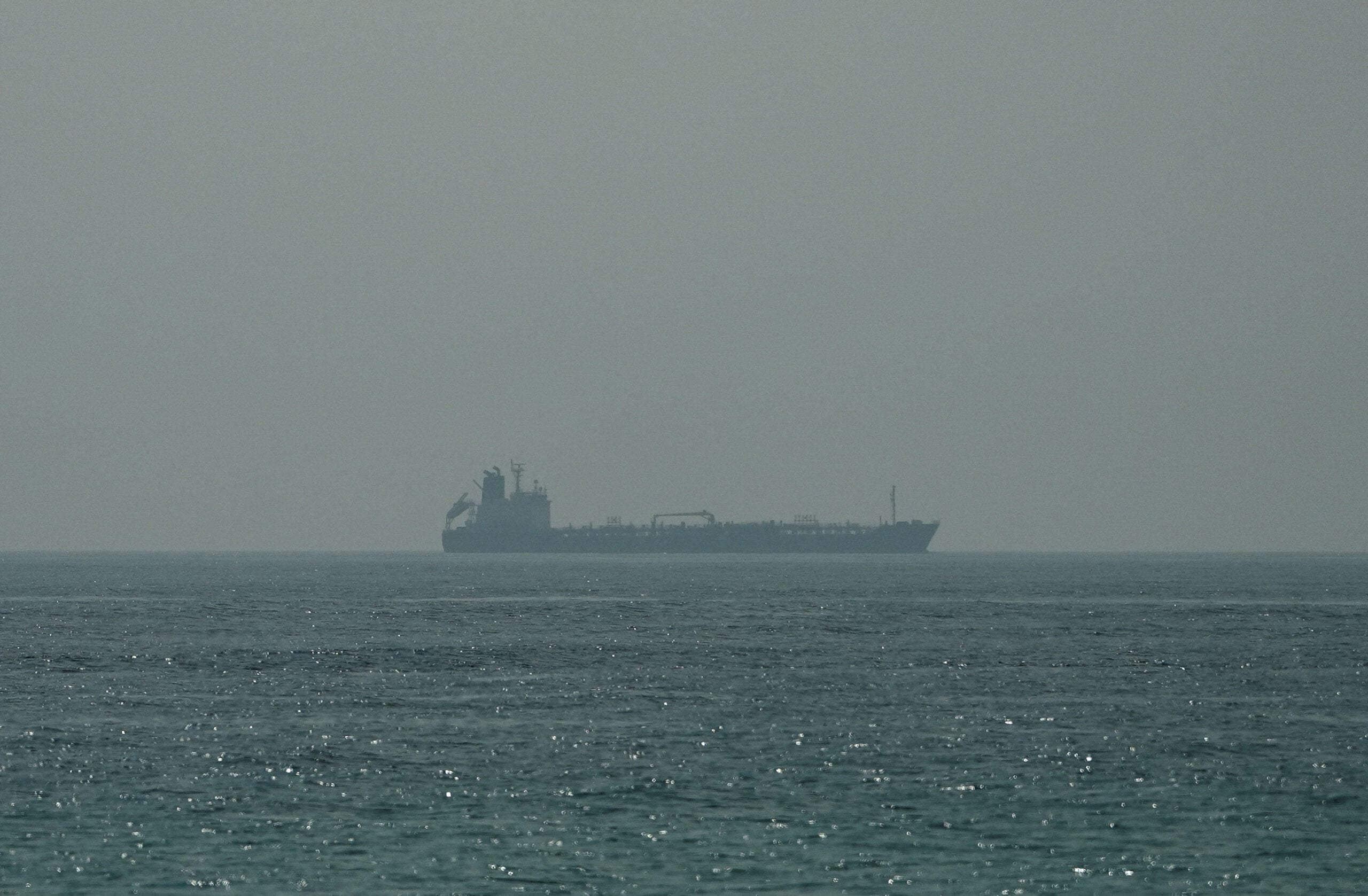
- Maritime risk through the Strait of Hormuz is very likely elevated and persistent, given Iranian attacks on commercial vessels and GCC condemnation naming the tankers Widian and Al‑Rukayat, combined with higher war‑risk premiums and shipowners pulling back from transits. (Confidence: high · ASSESSED)
- I&W: Additional harassment or strikes on GCC-linked tankers in or near Hormuz reported by owners, flag states or insurers (0-14 days)
- I&W: Public announcements by major owners of a return to routine Hormuz transits at pre‑escalation premium levels (1-3 months)
- The interim U.S., Iran ceasefire framework is very likely inoperative, reflected in renewed strikes and reciprocal targeting, and U.S. signalling of tougher responses if Iran resumes firing on ships. (Confidence: medium · ASSESSED)
- I&W: Further declared U.S. strikes on Iranian targets or fresh Iranian attacks on commercial shipping (0-14 days)
- I&W: Public recommitment to the framework by both Washington and Tehran followed by a verified two‑week lull in kinetic activity (0-14 days)
- Israel is likely to remain on high alert and coordinate closely with Washington while avoiding immediate direct involvement against Iran, despite senior Israeli statements of readiness to strike again. (Confidence: medium · ASSESSED)
- I&W: Sustained IDF high‑alert posture and public emphasis on U.S., Israel coordination without claims of Israeli strikes inside Iran (0-14 days)
- I&W: Israeli Air Force conducts, and claims, overt strikes on Iranian soil (0-14 days)
- Direct Iranian strikes on Israel in the near term are unlikely according to Israeli assessments, even as Israel maintains heightened readiness. (Confidence: medium · ASSESSED)
- I&W: No Iranian‑claimed missile or drone launches toward Israel (0-14 days)
- I&W: Iran claims and Israel confirms an attack on Israeli territory (0-14 days)
- Parallel fronts remain active: the IDF conducted multiple strikes in Gaza, killing a Palestinian Islamic Jihad commander, and destroyed about 200 metres of cross‑border tunnels in Lebanon, keeping the Blue Line tense and raising miscalculation risk. (Confidence: high · REPORTED)
- I&W: Further IDF communiqués on strikes in Gaza or tunnel clearances in southern Lebanon (0-14 days)
- I&W: A two‑week period without IDF strike announcements in Gaza and southern Lebanon (0-14 days)
- The humanitarian toll reported inside Iran from U.S. strikes stands at a minimum of 14 killed and 78 wounded, mostly members of the armed forces, and debris wounded one person in Kuwait; figures remain single‑source and may shift with further verification. (Confidence: medium · REPORTED)
- I&W: Independent hospital or NGO tallies corroborate or revise Iranian Health Ministry casualty figures (1-3 months)
- I&W: Official U.S. battle damage assessments assert minimal casualties and are supported by independent reporting (1-3 months)
Outlook & scenarios
Limited but sustained U.S., Iran exchange centred on the Gulf (60%)
CENTCOM continues periodic strikes on Iranian air defence, coastal surveillance and logistics nodes as Tehran targets U.S.-aligned Gulf states and applies pressure at sea, with high interception rates and rising maritime premiums. Israel stays out militarily while remaining on high alert and coordinating closely with Washington.
Escalation draws Israel directly into the fight (30%)
An Iranian misfire, proxy action or deliberate strike on Israeli territory prompts overt Israeli air operations against targets inside Iran, widening the conflict beyond the Gulf theatre and increasing the risk of rapid maritime and regional contagion.
Tactical de‑escalation via backchannels (40%)
Quiet U.S., Iran technical talks continue and regional interlocutors engage Tehran, yielding a temporary reduction in strikes and maritime harassment. War‑risk pricing eases modestly and owners tentatively resume some transits, though the underlying dispute over Hormuz control remains unresolved.
Wildcard: high‑impact attack on Qatari LNG shipping (15%)
The IRGC targets a Qatari LNG carrier, causing casualties and a halt in sailings from Ras Laffan. LNG markets spike and allied intervention intensifies around Hormuz, sharply raising the risk of broader confrontation.
Recommendations
- Resolve the strike timeline: compile an integrated chronology of U.S. and Iranian actions on 8-10 July with time‑zone normalisation and cross‑check against official communiqués and air activity reports to address date discrepancies.
- Prioritise maritime collection on IRGC naval activity in and around Hormuz, including possible minelaying and harassment patterns, and track AIS‑dark behaviour on routes used by Saudi and Qatari tankers.
- Maintain a live watchlist for vessels Widian and Al‑Rukayat and Qatari LNG carriers transiting near Hormuz; fuse owner reports and insurer pricing to flag near‑term transits at elevated risk.
- Task liaison channels for rapid release of Kuwaiti, Bahraini and Jordanian air‑defence after‑action reports and debris imagery to tighten attribution on intercepted missiles and drones.
- Monitor Israeli force posture: watch IAF sortie tempo, air‑defence deployments and public cues from the IDF, Israel Katz and Eyal Zamir for indications of a shift from high alert to operational action.
- Sustain parallel‑front coverage: track IDF strike notifications in Gaza and tunnel operations in southern Lebanon to assess Blue Line miscalculation risk.
- Maintain an updated casualty ledger for Iran drawing on hospital statements and independent reporting, and flag divergence from the Iranian Health Ministry’s figures for leadership decision support.
Confidence & uncertainty
Most core events are attested by multiple high‑reliability outlets and official statements, including CENTCOM disclosures on roughly 90 Iranian targets struck and Gulf governments’ reporting of intercepts and sirens. Shipping risk signals are reinforced by trade and insurance sources. Uncertainties persist on precise timing of some strikes due to date inconsistencies across reports and a U.S. denial of involvement in certain explosions, and casualty figures in Iran rely primarily on the Iranian Health Ministry. These gaps warrant an overall medium confidence even though several individual judgments rest on strong corroboration.
Alternative analysis (red cell)
The reporting relies disproportionately on a common cluster of sources (notably origin_cluster_id 817f2227) and includes multiple unaddressed contradictions about timing, attribution, and effects. A sober alternative estimate is that there were multiple explosions and regional missile/drone activities reported over 9–10 July, but the attribution to a single, coordinated U.S. second-wave campaign across ~90 targets, the specific casualty totals, and the assertion that the ceasefire framework is wholly inoperative are not yet convincingly demonstrated. Independent ISR, forensic evidence, and multisource official confirmations are required to confirm or refute these key judgments.
Intelligence gaps
- [EEI 1.1 · UNCOVERED] Number, type, launch times, and trajectories of ballistic missiles, cruise missiles, armed UAV strikes, and combat-air sorties launched by Iranian or Israeli forces toward the other's territory or forward bases within a 72-hour window. Recommended collection: signals/intel
- [EEI 1.2 · PARTIAL] Observable changes in Israeli and Iranian force posture: mobilization or reserve call-up orders, unit road/rail movements, dispersal or sortie rates of air squadrons, redeployment of air-defense batteries, and activation of civil-defense alerts or sirens in major population centers. Recommended collection: open-source/media
- [EEI 1.3 · UNCOVERED] Indications of strike authorization or targeting preparations in Iranian or Israeli command chains: authenticated public orders by senior commanders, detected increases in encrypted communications consistent with targeting, or visible movement of strike munitions to launch/storage sites. Recommended collection: signals/intel
- [EEI 2.1 · UNCOVERED] Counts, launch locations (coordinates), weapons types, and assessed damage from rocket/missile/drone strikes originating from Lebanon into northern Israel attributed to Hezbollah or allied groups. Recommended collection: open-source/media
- [EEI 2.2 · UNCOVERED] Reported attacks by Iranian-backed militias in Iraq and Syria: rocket/IED strikes on bases hosting US/coalition or Israeli personnel, documented militia unit movements toward borders, and captured movement or transfer of weapons systems to forward militia positions. Recommended collection: human
- [EEI 3.1 · PARTIAL] Movements and arrival dates of foreign military assets into the region: carrier strike groups, amphibious ships, surface combatants, strategic airlift/tanker deployments, and air/sea patrol patterns by US, European, Russian, or regional militaries. Recommended collection: imagery/satellite
Cited sources
[1] Los Angeles Times · New U.S.-Iran fighting across Mideast threatens ceasefire deal - Los Angeles Times (A) · sha256:f924df911ca4 [2] NPR · U.S. and Iran exchange intensifying fire across Mideast, threatening ceasefire deal (A) · sha256:29a32e92c50d [3] wkms.org · U.S. and Iran exchange intensifying fire across Mideast, threatening ceasefire deal (A) · sha256:c66a99211b36 [4] aljazeera.net · عينها على هرمز. ما حسابات إسرائيل مع عودة التصعيد في إيران؟ (A) · sha256:e00c0c832e31 [5] The Jerusalem Post · Israel not expected to get involved in new round of US-Iran fighting, officials tell 'Post' (A) · sha256:120fc757b051 [6] aljazeera.com · US military denies involvement after explosions heard in Iran (A) · sha256:2dd92f7be386 [7] military.com · US and Iran Exchange Intensifying Fire Across the Gulf, Threatening the Interim Deal to End War (A) · sha256:294c5b79b00f [8] UALR Public Radio · U.S. and Iran exchange intensifying fire across Mideast, threatening ceasefire deal (A) · sha256:ed61d83f57af [9] haaretz.com · Iran says it hits U.S. military targets in Gulf, buries slain leader Khamenei (A) · sha256:8227ad612997 [10] Akhbar Alkhaleej · [PDF] دول التعاون تقف صفـــا واحدا ضد العدوان اإليراني - أخبار الخليج (B) · sha256:a65c250c0efc [11] gcaptain.com · Hormuz War-Risk Cover Climbs as Shipowners Pull Back (B) · sha256:45f80f14564f [12] maritime-executive.com · Hormuz Attacks and Counterattacks Mark a Change in Strategy (B) · sha256:e7e2a2f63244 [13] gcaptain.com · U.S. Escalates Strikes on Iran After Attacks on Commercial Ships (B) · sha256:8107e4a7eba5 [14] The Jerusalem Post · Live Updates: Latest from Israel, Iran, and Middle East | The Jerusalem Post (A) · sha256:57cdcd054e4e [15] nypost.com · Exclusive | Israel ready for more war on Iran should Trump ask for backup, sources tell The Post (B) · sha256:ff9819546f52 [16] ynetnews.com · Everyone wants Israel out of the US-Iran war. That could change in hours (B) · sha256:f2f491e2a2fd [17] jpost.com · Israel warns US of new Iranian plot to assassinate Trump as tensions in region grow - report (B) · sha256:e88a0eaa380e
Source content hashes were computed at collection time; the cited text is preserved unmodified for the life of this product.
Red cell review: PARTIAL DISSENT
TLP:CLEAR