TLP:CLEAR · Disclosure is not limited.
Iran, Israel: Ceasefire Frays in Lebanon, Hormuz Status Contested, Swiss Talks at Risk
Time window: Last 1 day · Audience: General analyst · Type: Situation report · DTG: 2026-06-20 18:40Z · Overall confidence: MEDIUM
BLUF
Fighting between the IDF and Hezbollah continued on 20 June despite a US-announced ceasefire, with at least 16 killed in southern Lebanon and a mass-casualty incident in Nabatieh. Tehran declared the Strait of Hormuz closed and tightened transit rules, while Western naval advisories maintained a southern corridor, leaving shipping conditions fluid and raising the risk that planned US, Iran technical talks in Switzerland slip again.
Executive summary
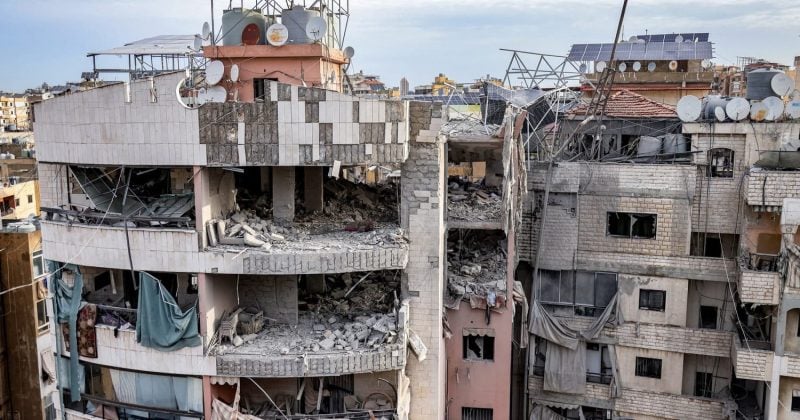
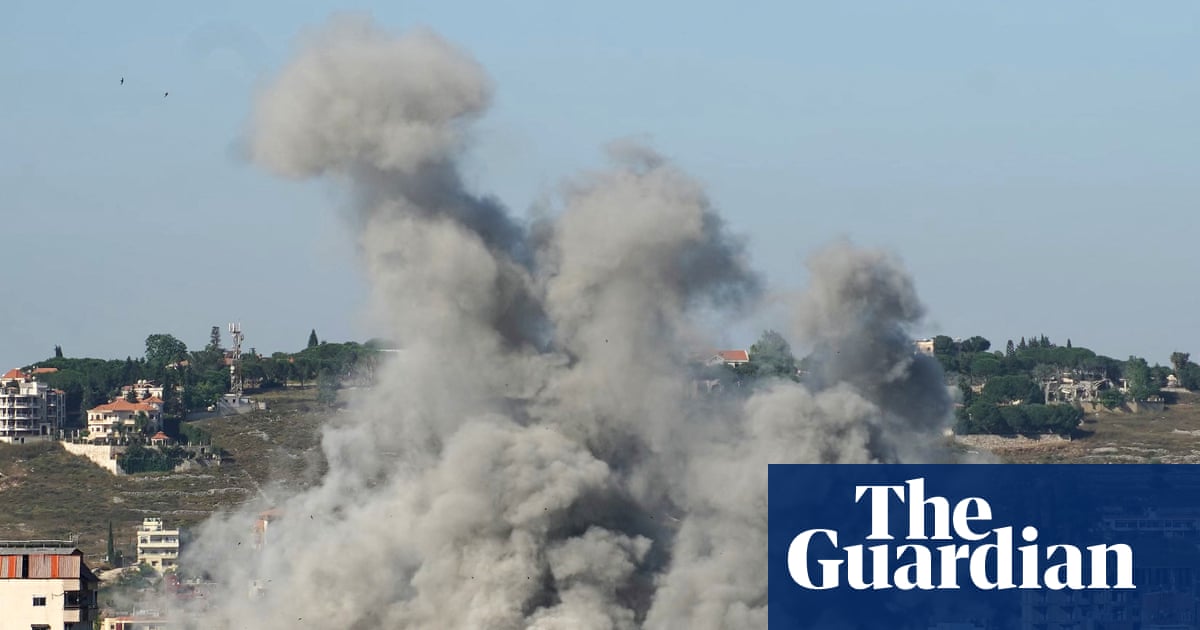
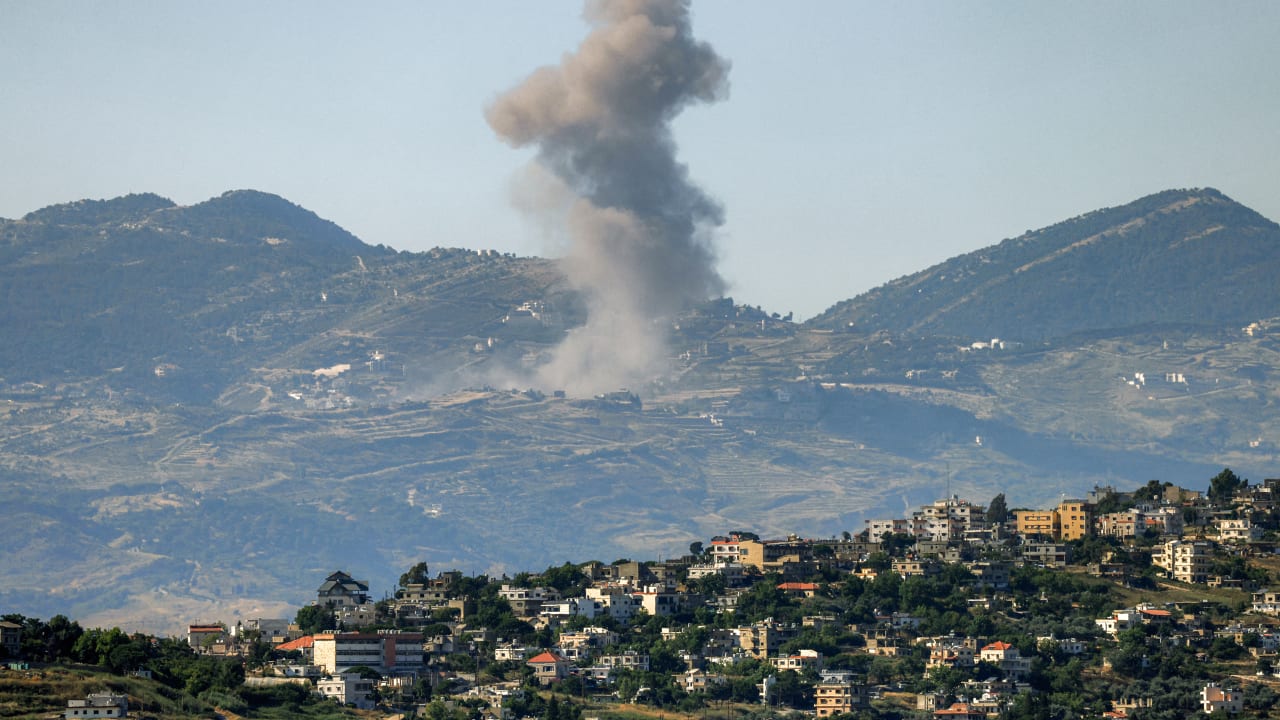
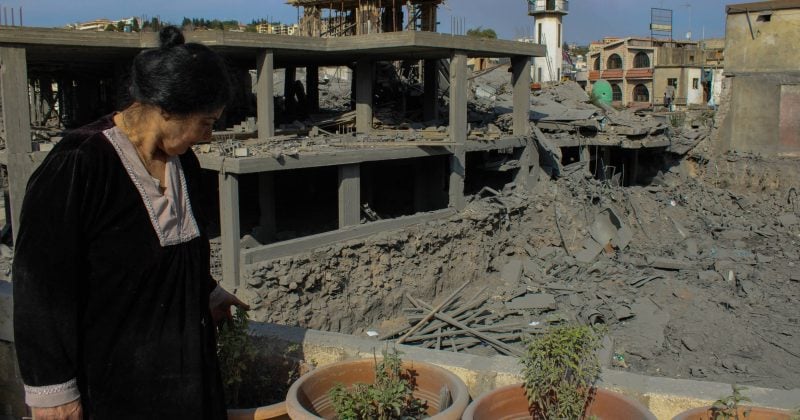
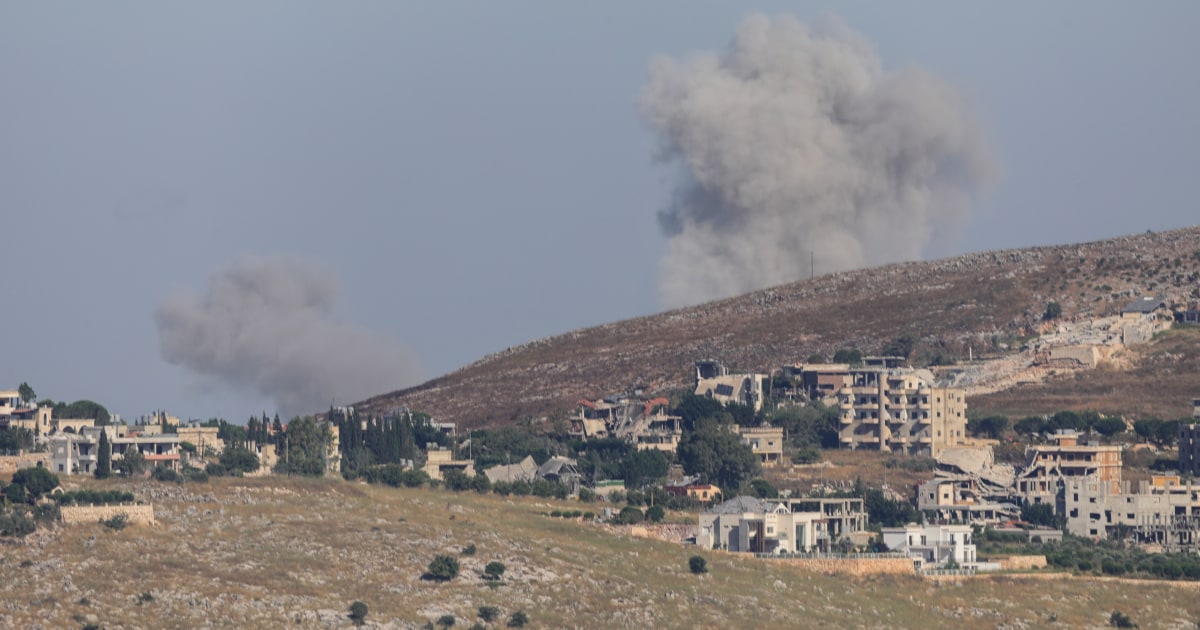
On 20 June, Israeli airstrikes into southern Lebanon killed at least 16 people, including a mass-casualty incident in the Nabatieh district where civil defence transported 16 dead and 12 wounded, while Israel targeted areas deeper inside Lebanon. Hezbollah attacks included a tank strike that killed four IDF soldiers, including a senior officer, as Israeli officials alleged over 100 ceasefire violations and the IDF signalled it would keep striking in response. Iran announced the Strait of Hormuz was closed, warned ships off, and imposed a PGSA permit and insurance regime with penalties, even as a southern corridor remained available per Western naval guidance and JMIC assessed the threat as moderate; a mine was also sighted near Oman. US, Iran technical talks are slated to begin in Switzerland within days with delegations en route, but prior postponements linked to Lebanese fighting and US intelligence warnings that continued Israeli operations could imperil the deal keep the talks at risk. Regional aviation is reopening under ceasefire conditions, with Gulf and Turkish carriers restoring routes, although some airspace and airport restrictions persist.
Change from previous assessment
New developments since 19 June: Israeli airstrikes killed at least 16 people in southern Lebanon, with Lebanon’s civil defence reporting 16 dead and 12 wounded in Nabatieh, and Israel targeting deeper into Lebanon. Hezbollah attacks included a tank strike killing four IDF soldiers, while Israeli officials alleged over 100 ceasefire violations and the IDF signalled continued responses. Iran announced the Strait of Hormuz is closed and rolled out PGSA permit and insurance rules with penalties, even as Western naval guidance opened a southern route and JMIC set a moderate threat level, and a mine was sighted near Oman. US, Iran technical talks were scheduled for Sunday in Switzerland with delegations en route, despite earlier postponement linked to Lebanese fighting and US intelligence warnings the deal could be undermined. Regional aviation is reopening under ceasefire conditions with Gulf carriers and Turkish Airlines resuming routes, though nightly closures and airport constraints persist. Initial assessment of this topic in this format.
Key judgments
- Very likely the Israel, Hezbollah ceasefire is not holding in southern Lebanon, with sustained IDF airstrikes and Hezbollah attacks producing fatalities on 20 June. (Confidence: high · ASSESSED)
- I&W: Lebanon Civil Defence daily bulletins record additional fatalities from Israeli airstrikes in Nabatieh or Bint Jbeil. (0-14 days)
- I&W: A 72‑hour period passes with no IDF airstrikes reported in southern Lebanon and no Hezbollah claimed fire across the border. (0-14 days)
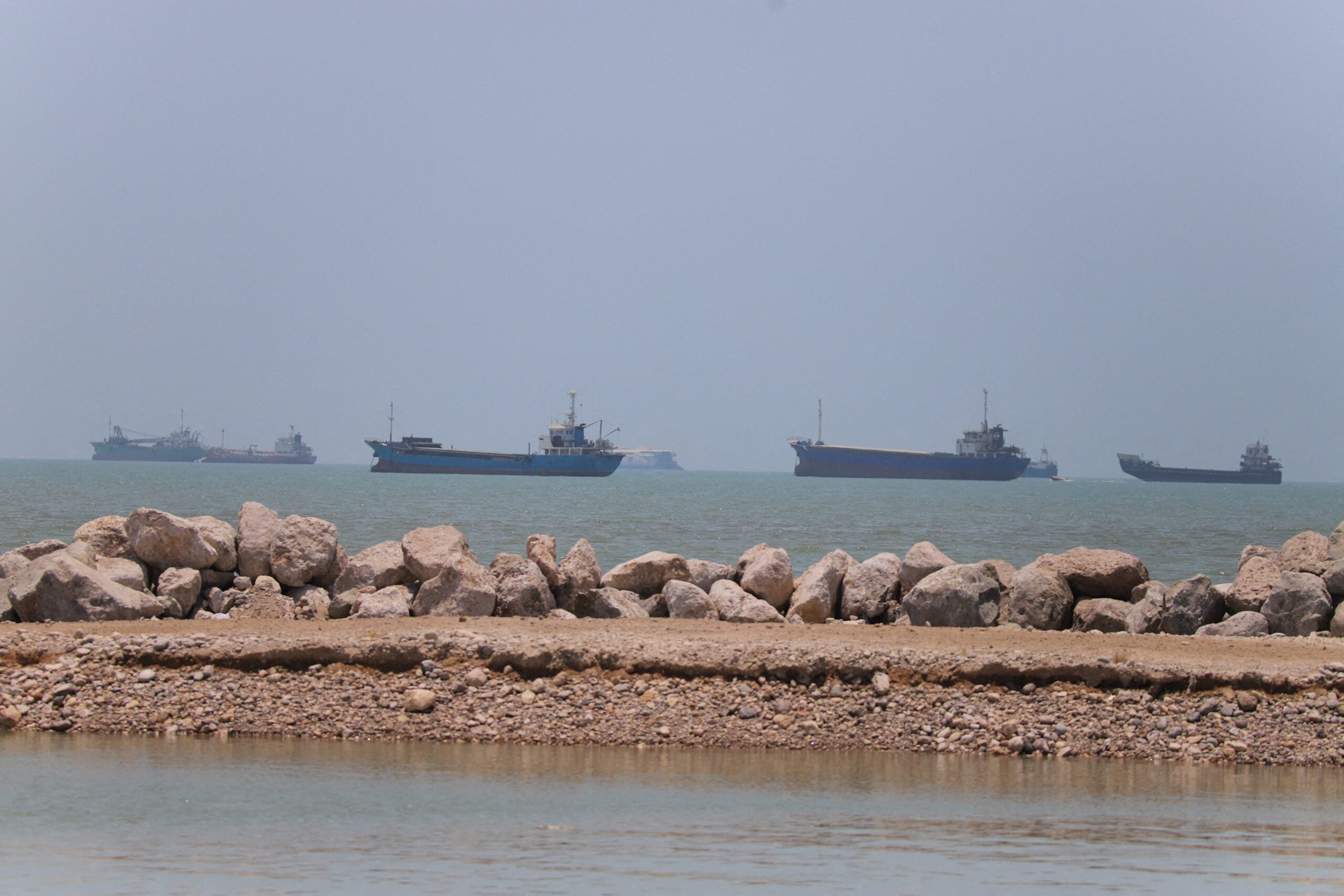
- Likely the Strait of Hormuz will remain partially open via the southern corridor under heightened Iranian PGSA permit and insurance controls, with elevated regulatory and mine risk rather than a complete closure. (Confidence: medium · ASSESSED)
- I&W: Public AIS tracks show continuous daily south‑route transits with signals on through Omani waters and no reported interdictions. (0-14 days)
- I&W: The IRGC Navy boards or detains a foreign‑flagged merchant ship for lacking a PGSA passage permit, or a confirmed mine detonation occurs near the Oman approaches. (0-14 days)
- Likely US, Iran technical talks will convene in Switzerland within days, but there is a roughly even chance they stall again if Israeli operations in Lebanon persist. (Confidence: medium · ASSESSED)
- I&W: Official readouts or images from Switzerland show the US and Iranian delegations meeting on the scheduled Sunday. (0-7 days)
- I&W: Public announcement by either side defers the talks citing renewed clashes in Lebanon. (0-14 days)
- Likely the civilian death toll in Lebanon will continue to rise in the near term while Israeli air operations persist, given multiple mass‑casualty strikes on 20 June. (Confidence: medium · ASSESSED)
- I&W: Lebanese authorities or civil defence report double‑digit daily fatalities from new Israeli airstrikes in the south. (0-14 days)
- I&W: A verified week‑long halt in IDF strike reporting into southern Lebanon. (0-14 days)
- Regional airspace recovery is likely to continue but remain uneven, with reopened corridors and airline resumptions tempered by lingering nightly closures and degraded airport capacity. (Confidence: medium · ASSESSED)
- I&W: NOTAM cancellations over Iran and Jordan and additional schedules announced by Emirates, Etihad, Qatar Airways and Turkish Airlines. (0-30 days)
- I&W: New NOTAM closures or flight cancellations tied to renewed clashes in Lebanon or across the Gulf. (0-30 days)
- Hostilities in Gaza persist alongside the Lebanon front, indicating multi‑front pressures on ceasefire compliance. (Confidence: high · ASSESSED)
- I&W: Additional Israeli airstrikes reported in Gaza City with fatalities. (0-14 days)
- I&W: A declared and observed halt to IDF strikes in Gaza aligned with ceasefire terms. (0-14 days)
Outlook & scenarios
Ceasefire frays but conflict remains contained to Lebanon’s south and the maritime domain stays open under Iranian controls (60%)
IDF air operations and Hezbollah attacks persist at a lower‑tempo pattern of violations around Nabatieh and adjacent districts. Tehran sustains a permit‑and‑insurance regime through the PGSA and issues warnings, while a southern corridor along Omani waters remains available under Western naval guidance with a moderate threat level. US, Iran technical talks convene but produce limited progress pending reduced violence in Lebanon.
Sharp escalation: deeper Israeli strikes and Hezbollah retaliation derail Swiss talks and trigger coercive enforcement around Hormuz (35%)
Israel expands strikes deeper inside Lebanon and Hezbollah inflicts further IDF fatalities, prompting Tehran to move from declaratory closure to enforcement actions such as vessel detentions or interdictions, amid increased mine risk near Oman. Planned Swiss talks are postponed, and aviation reopenings stall as regional airspace advisories tighten again.
Managed de‑escalation enables incremental diplomatic gains and steadier regional flows (25%)
A verified standstill on the Israel, Hezbollah front takes hold for several days, allowing US, Iran technical talks to proceed and generate follow‑on steps tied to ceasefire compliance. PGSA procedures remain in place but are predictably administered, southern Hormuz transits face fewer delays, and Gulf and Levant air networks add back capacity.
Recommendations
- Prioritise daily collection from Lebanon’s Civil Defence and Health Ministry feeds for casualty verification in Nabatieh, Bint Jbeil and Tyre, and map strike locations to track any progression deeper into Lebanon.
- Task monitoring of PGSA notices, Iranian maritime communiqués and JMIC advisories; maintain a live register of PGSA permit issuance, insurance requirements and reported enforcement actions against foreign‑flagged vessels.
- Exploit open AIS to confirm use of the southern Hormuz corridor and flag anomalies such as vessels going dark near the Oman approaches or deviating to holding patterns.
- Set a watch on Swiss government channels and US and Iranian official accounts for confirmation or postponement of the scheduled technical talks; prepare a rapid update if talks slip again tied to Lebanese fighting.
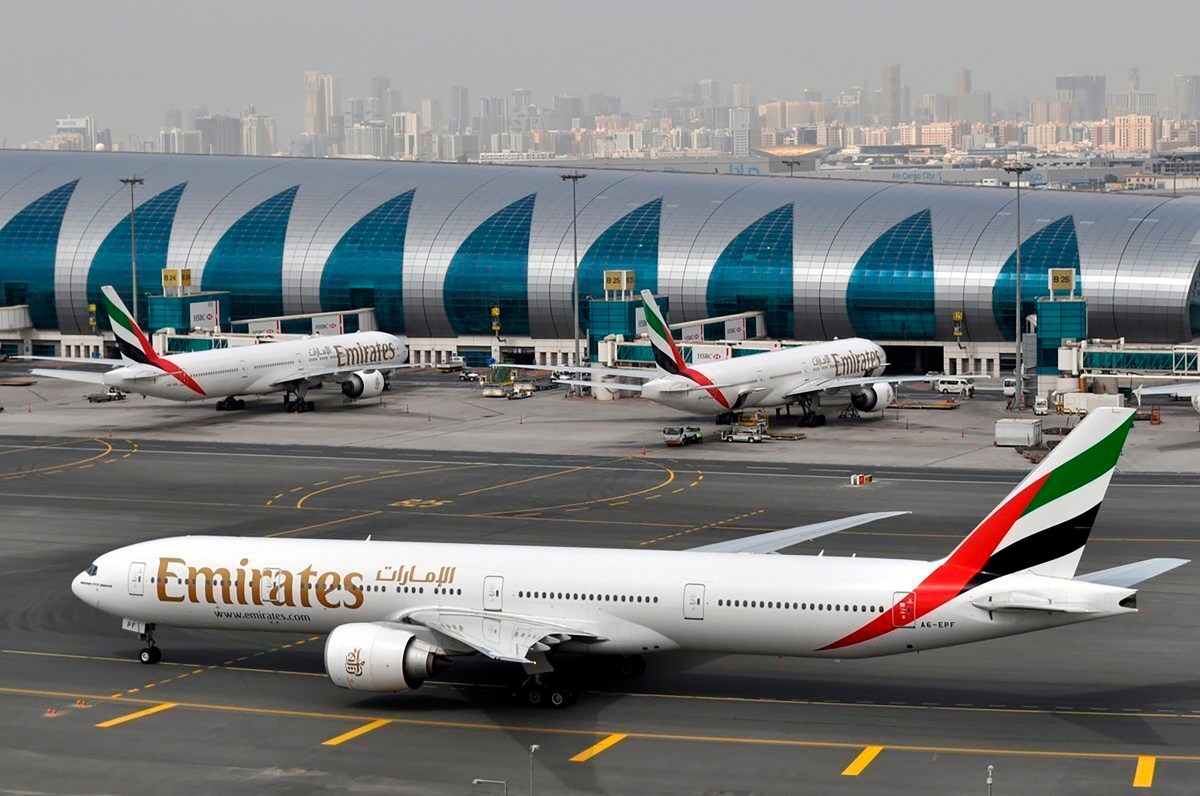
- Maintain an airspace and airport status dashboard: track NOTAMs over Iran, Iraq and Jordan and carrier schedules for Emirates, Etihad, Qatar Airways and Turkish Airlines to identify renewed chokepoints for evacuation or logistics planning.
- Catalogue and compare Israeli, Hezbollah and third‑party claims of ceasefire violations to highlight contradictions and assess trends, noting that casualty figures vary across sources.
- Place collection on mine reports and hydrographic warnings near Oman, including imagery of suspected mines, and liaise with maritime partners for rapid confirmation of any detonation or interdiction events.
Confidence & uncertainty
Overall confidence is medium. Reporting on continued clashes and casualties in southern Lebanon is corroborated by multiple high‑confidence sources that align on locations and dates. By contrast, the status of the Strait of Hormuz is contested: Iran’s closure declarations and PGSA controls are offset by Western naval guidance of an open southern corridor and a moderate JMIC threat level, and some shipping data points carry timing inconsistencies. Diplomatic timelines for the Swiss talks are partly grounded in official travel plans but have recent postponements tied to fighting. These contradictions and date disparities reduce confidence on maritime and diplomatic strands, while the kinetic picture in Lebanon is more robust.
Alternative analysis (red cell)
An alternative, sober reading of the corpus is that 20 June produced localized, significant incidents in southern Lebanon and Gaza but that the reporting contains direct contradictions (dates and casualty counts) and competing authoritative claims (Iranian closure orders vs Western naval assertions for Hormuz). Consequently, it is equally plausible that overall ceasefire arrangements remain largely intact with episodic violations, that Hormuz is effectively contested rather than reliably open under enforceable PGSA controls, and that U.S.–Iran technical talks are uncertain until authoritative schedule confirmations are published.
Intelligence gaps
- [EEI 1.1 · UNCOVERED] Observed repositioning, sustained increases, or new forward basing of Iranian conventional or IRGC forces (armored units, missile batteries, aircraft, naval vessels) toward borders or regional launch points. Recommended collection: IMINT/satellite
- [EEI 1.3 · PARTIAL] Detection of increased missile/rocket/torpedo launch events attributable to Iran, Israel, or proxies (launch signatures, trajectories, impact points) indicating a sustained campaign rather than isolated strikes. Recommended collection: SIGINT/IMINT/air-defense radar
- [EEI 1.4 · UNCOVERED] Interdicted or observed shipments (air, sea, land manifests, seizures, satellite imagery of transfers) of advanced weapons or missile components from Iran toward proxy groups or forward staging points. Recommended collection: maritime/AIS
- [EEI 2.1 · UNCOVERED] Satellite or on-the-ground imagery showing fires, damage, or operational shutdown at major oil export facilities, refineries, storage terminals, or key pipeline infrastructure in the Gulf and Red Sea. Recommended collection: IMINT/satellite
- [EEI 2.3 · PARTIAL] Significant and sustained reductions or rerouting of tanker transits through the Strait of Hormuz (ship traffic counts, pilot reports, port call cancellations) and announcements of closure or restricted navigation zones (NOTAMs, maritime advisories). Recommended collection: maritime/NOTAMs
- [EEI 2.4 · UNCOVERED] Rapid increases in war-risk insurance premiums for Middle East routes, shipping company advisories to avoid region, or major charter cancellations tied to the conflict. Recommended collection: financial/open-source
- [EEI 3.1 · PARTIAL] Movement/arrival of major foreign military assets into the region: U.S. carrier strike groups, amphibious ready groups, strategic bomber flights, Russian/Chinese naval taskings, or allied expeditionary units (visible in AIS, NOTAMs, satellite imagery, official releases). Recommended collection: IMINT/satellite
- [EEI 3.2 · UNCOVERED] Official expedited arms transfers, basing/overflight agreements, or declarations of operational support (formal government announcements, defense ministry releases, logistics flight manifests). Recommended collection: open-source/diplomatic
- [EEI 3.3 · UNCOVERED] Embassy evacuations, large-scale personnel movements, issuance of government travel bans/advisories, or multinational security alerts affecting foreign nationals and diplomatic posture in the region. Recommended collection: diplomatic/open-source
Cited sources
[1] theguardian.com · Iran says it is closing strait of Hormuz over Israeli strikes in Lebanon (A) · sha256:d925f8629322 [2] cryptobriefing.com · Israel launches airstrikes on Nabatieh, escalating conflict with Hezbollah (B) · sha256:6ccc3dc4282f [3] theguardian.com · ‘It’s a big mistake’: Israelis feel betrayed and angry after Iran peace deal (A) · sha256:5e81737d3102 [4] The Jerusalem Post · Live Updates: Latest from Israel, Iran, and Middle East | The Jerusalem Post (A) · sha256:0399e756af7f [5] haaretz.com · The IDF's Russian roulette in Lebanon continues – and no one can explain why (B) · sha256:58cddfcdefe1 [6] jpost.com · US intelligence indicates Israeli operations against Hezbollah may undermine US-Iran MoU - report (B) · sha256:280a2ee7aaba [7] aljazeera.net · قصف لبنان يهدد التفاهم. الإيرانيون بين المطالبة بالرد وخشية انهيار الاتفاق (A) · sha256:96938e6eaef8 [8] gcaptain.com · Iran Says Hormuz Has Been Closed But Sends Team For Swiss Talks (A) · sha256:bfc782349054 [9] nbcnews.com · Iran says Strait of Hormuz is closed over ceasefire violations after continued Israeli strikes in Lebanon (A) · sha256:f0edc77ee418 [10] gcaptain.com · Iran Asserts Control Over the Strait of Hormuz (B) · sha256:693f3513d5fb [11] gcaptain.com · More Than 20 Million Barrels Leave Iran as Post-War Oil Trade Reawakens (B) · sha256:9e402fb06612 [12] gcaptain.com · Ships Told They Can Use South Hormuz Route With Signals On (B) · sha256:7650c853f780 [13] globalvillagespace.com · Steve Witkoff, Araghchi Head to Switzerland as Iran Talks Resume Amid Lebanon Ceasefire Strains (B) · sha256:5fe417e929f3 [14] cryptobriefing.com · Israeli airstrikes kill four in Gaza, cause casualties in southern Lebanon (B) · sha256:a3ecb90e9964 [15] newsweek.com · Middle East flights reopen as new confusion hits travelers (A) · sha256:d101ee5d485d
Source content hashes were computed at collection time; the cited text is preserved unmodified for the life of this product.
Red cell review: PARTIAL DISSENT
TLP:CLEAR