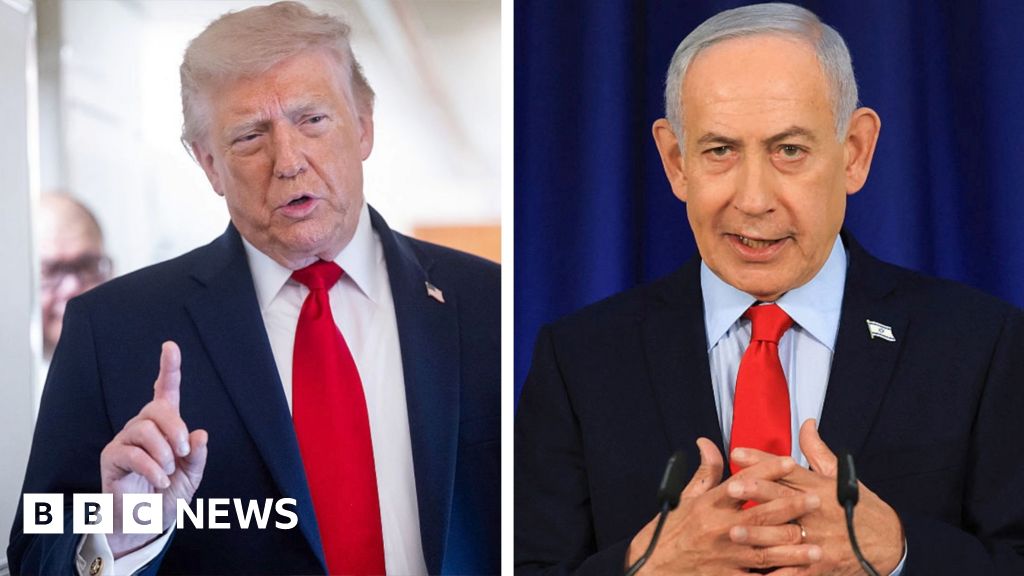
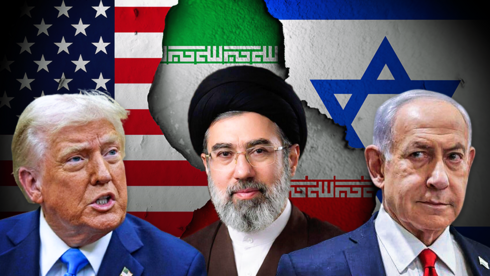
Iran, Israel Clash Peaks on 8 June; Proxy Fronts and Maritime Risks Persist as U.S. Role Draws Fire
Time window: Last 7 days · Audience: General analyst · Type: Situation report · DTG: 2026-06-11 00:13Z · Overall confidence: MEDIUM
BLUF
Iran and Israel almost certainly exchanged heavy strikes on 8 June and then paused offensive operations that day, while the Lebanon front and Red Sea, Hormuz maritime risks remain active. U.S. operational support to Israel and regional targeting of U.S. sites elevate the risk to American forces and commercial traffic in the Gulf in the near term.
Executive summary
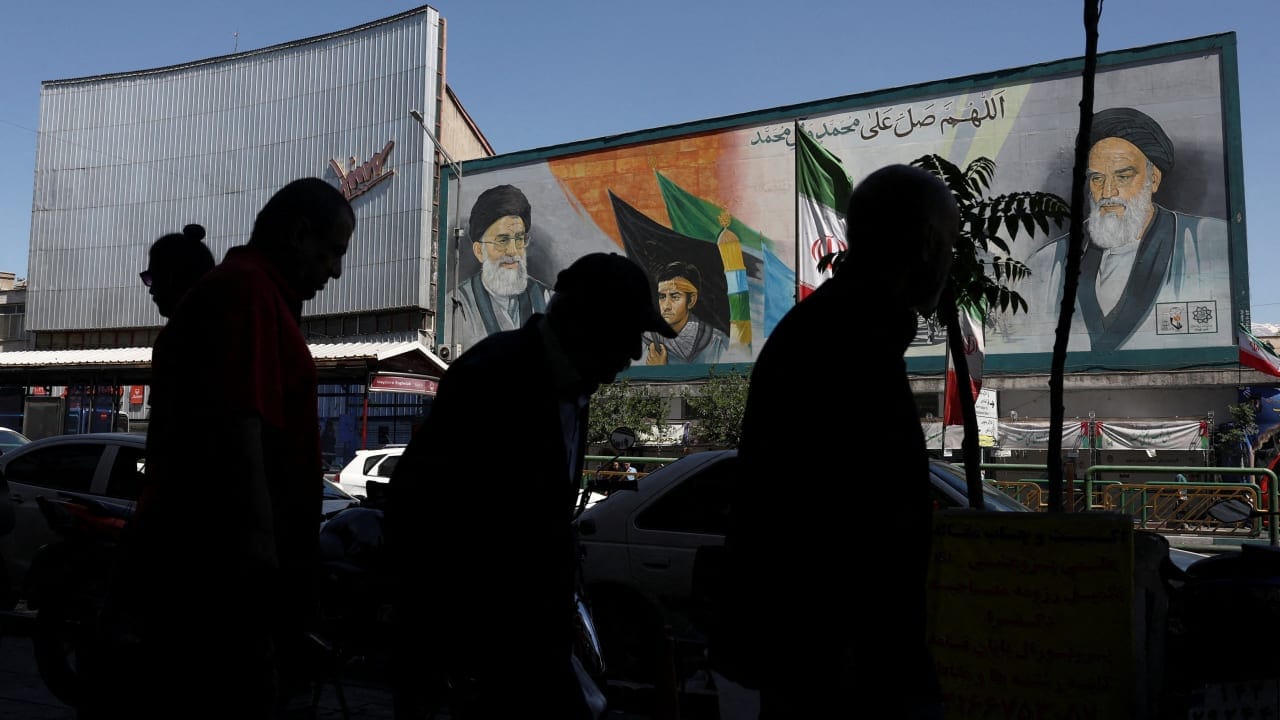
On 8 June, Iran fired multiple ballistic salvos toward northern Israel, and Israel struck air defenses in Tehran and western Iran before both signaled a halt to offensive operations later that day. Hezbollah fire into northern Israel and Israeli strikes in Beirut continued, alongside Israeli evacuation orders in Tyre and reports of Israeli ground movements in Lebanon. Iran-linked rhetoric and threats toward U.S.-associated sites in the UAE, coupled with a reported attack on a U.S. base in Saudi Arabia and ongoing U.S., Israeli coordination, underscore elevated risk to U.S. personnel and facilities. In parallel, governments condemn Iranian attempts to close the Strait of Hormuz even as Gulf exports continue via AIS-dark “workarounds” and ship-to-ship transfers off Oman. Civilian harm remains severe: over 900 Palestinians killed since October and 1.9 million displaced in Gaza, while Lebanon’s Health Ministry reports 3,666 dead and a quarter of the population displaced.
Key judgments
- Iran and Israel almost certainly executed reciprocal strikes on 8 June 2026 and then paused offensive operations later that day. (Confidence: high · REPORTED)
- I&W: No official Israeli or Iranian claims of fresh cross-border strikes for two consecutive weeks (0-14 days)
- I&W: Official communiqués from the IDF and Iran’s military reiterate a maintained pause in offensive operations (0-14 days)
- It is likely the United States directly supported Israel’s defense and targeting on 8 June and remains militarily engaged against Iran, while U.S. forces have already come under fire in Saudi Arabia. (Confidence: medium · REPORTED)
- I&W: On-the-record U.S. Central Command readouts acknowledging missile-defense or targeting support to Israel during/after 8 June (0-14 days)
- I&W: Further credible reporting on hostile fire incidents against U.S. sites in the Gulf (0-14 days)
- U.S. forces and facilities in the Gulf almost certainly face elevated risk of attack over the next 1-3 months, given Iranian threats linking Washington to Israeli operations and standing U.S. travel and aviation warnings. (Confidence: medium · ASSESSED)
- I&W: Attempted or claimed drone/missile attacks against U.S.-associated facilities in the UAE or Saudi Arabia (0-3 months)
- I&W: Changes to U.S. travel or aviation advisories indicating increased threat levels in Gulf states (0-3 months)
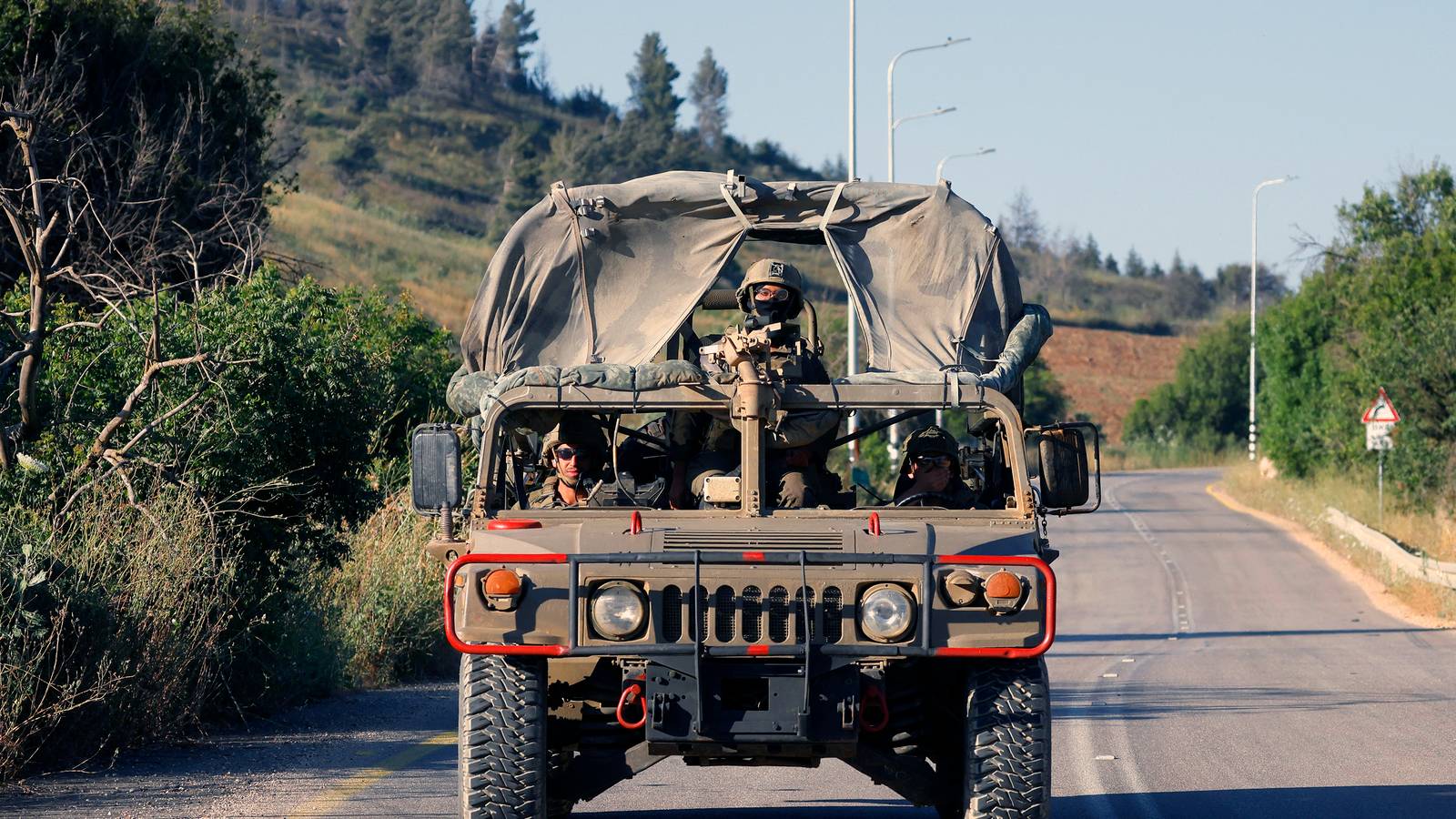
- The Israel, Hezbollah front is very likely to remain active despite the Iran, Israel pause, with Israeli operations in southern Lebanon expanding and Hezbollah continuing cross-border fire. (Confidence: medium · ASSESSED)
- I&W: Sustained Hezbollah rocket or ATGM fire and IDF acknowledgments of ground movements north of the Litani (0-14 days)
- I&W: Israeli authorities maintain or expand evacuation orders for Tyre and adjacent areas (0-14 days)
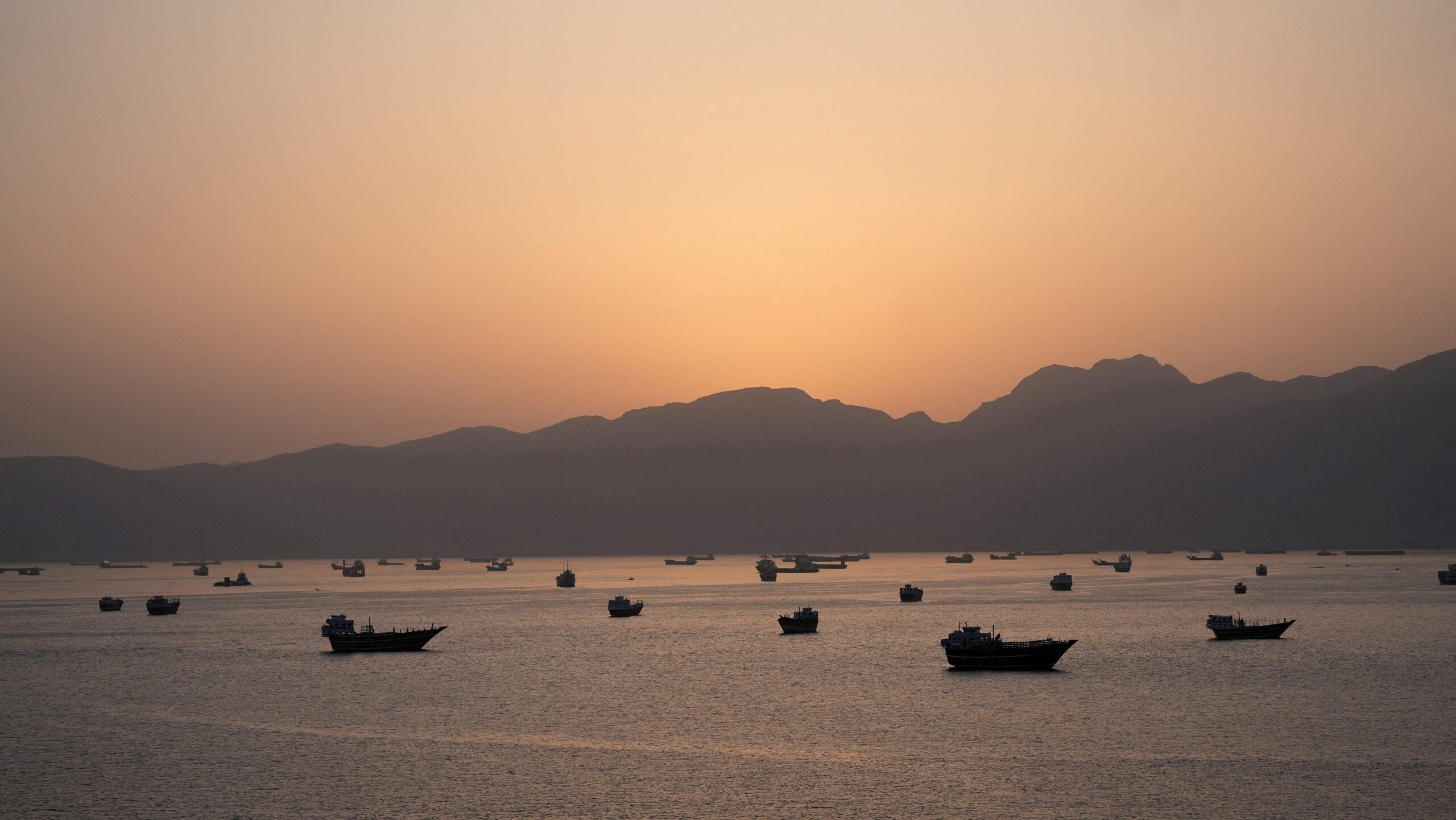
- There is a roughly even chance that oil transit through the Strait of Hormuz remains partially disrupted but continues via AIS-dark workarounds and ship-to-ship transfers in the near term. (Confidence: medium · ASSESSED)
- I&W: Repeated reports of tanker clustering and ship-to-ship transfers off Oman alongside continued estimates near 2 mbpd exiting the Gulf (1-3 months)
- I&W: Official announcements of Hormuz reopening or, conversely, a week with zero reported commercial transits (0-1 month)
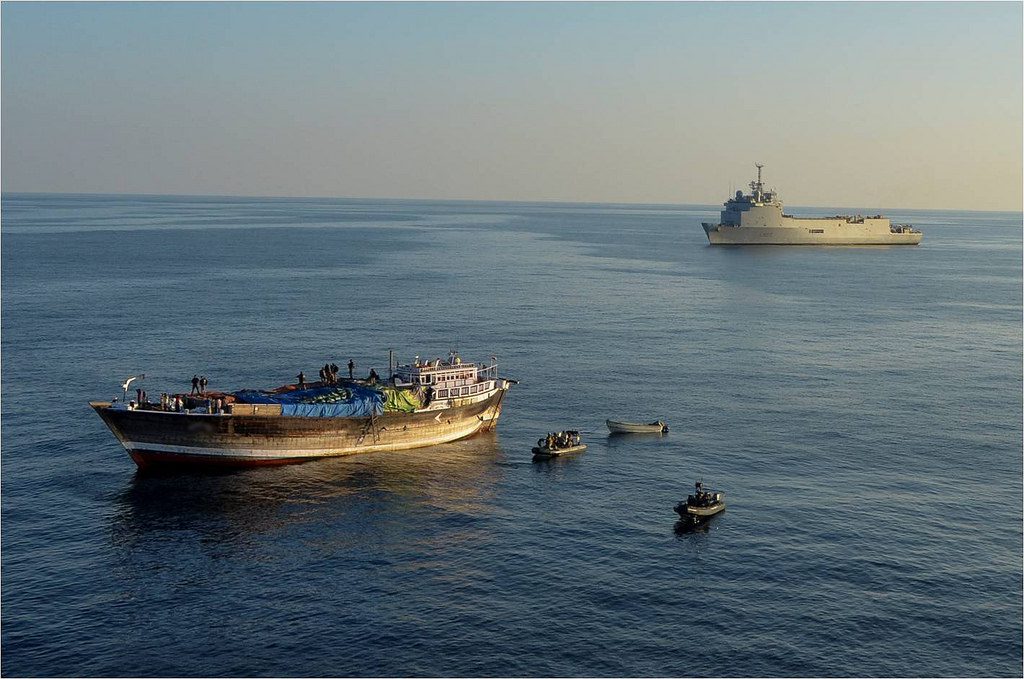
- The threat to Israeli-linked shipping in the Red Sea and Bab el-Mandeb is likely elevated, though no confirmed Houthi attacks have been reported in recent days; opportunistic piracy remains a parallel risk. (Confidence: medium · ASSESSED)
- I&W: JMIC or UKMTO confirmation of a Houthi missile or drone strike on an Israel-linked merchant vessel (0-14 days)
- I&W: Two-week period with no JMIC reports of maritime security incidents and public Houthi de-escalatory messaging (0-1 month)
- Humanitarian conditions in Gaza and Lebanon are severe, with high casualties and mass displacement, and are likely to deteriorate if cross-border fire and airstrikes persist. (Confidence: medium · ASSESSED)
- I&W: Official casualty and displacement updates in Gaza and Lebanon exceed current reported figures (0-1 month)
- I&W: New evacuation orders or access restrictions that impede humanitarian aid delivery (0-1 month)
- External actors, led by the United Kingdom and the United States, are likely to intensify diplomatic efforts to sustain a pause in Iran, Israel exchanges and to reopen Hormuz. (Confidence: medium · ASSESSED)
- I&W: Announcements of new negotiating rounds or mediation involving the US/UK and public linkage to Hormuz reopening (0-1 month)
- I&W: Public breakdown of talks paired with expanded sanctions or renewed cross-border strikes (0-1 month)
Outlook & scenarios
Managed pause between Iran and Israel while proxy combat persists in Lebanon and Gaza, 60%
Following 8 June, direct Iran, Israel exchanges remain paused for several weeks amid active diplomacy, but Israel, Hezbollah fighting and intermittent Israeli strikes in Lebanon continue, alongside periodic fire from Gaza. Indicators include continued Hezbollah launches and Israeli security measures in Tyre and Beirut while Tehran and Jerusalem refrain from cross-border strikes.
Escalatory relapse: renewed Iran, Israel missile exchanges draw in U.S. defenses, 35%
A new Israeli strike inside Iran or Iranian proxy action triggers Iranian ballistic fire and Israeli reprisals, compelling overt U.S. defensive support and heightening risk to U.S. sites in the Gulf. Watch for Iranian vows of stronger responses, attribution of U.S. responsibility, and fresh reports of fire on U.S. facilities in Saudi Arabia or the UAE.
Hormuz stays constrained while a ‘dark fleet’ sustains partial exports, 50%
Governments condemn Iranian attempts to close Hormuz, but Gulf producers keep oil moving through AIS-dark transits and ship-to-ship transfers off Oman, maintaining around 2 million bpd of outflows and episodic spikes in transits. Expect more tanker clustering and periodic reports of vessels crossing the strait amid diplomatic pressure to normalize flows.
Interim arrangement reopens Hormuz while deferring nuclear issues, 40%
An interim understanding reopens Hormuz and eases shipping pressure while deferring contentious nuclear and missile files to later stages, drawing criticism in Israel. Signals would include Iranian willingness to trade near-term maritime concessions for sanctions relief and media warnings that Washington is considering an interim deal.
Recommendations
- Prioritize near-real-time monitoring of cross-border strike claims from the IDF and Iranian military to validate whether the 8 June pause holds; establish a standing alert for verified Iranian launches or IDF acknowledgments of strikes inside Iran.
- Elevate force-protection posture reviews for U.S. personnel and facilities in the UAE and Saudi Arabia, aligning with State Department and FAA advisories; track Iranian and proxy rhetoric that explicitly links U.S. sites to retaliation.
- Maintain a focused collection plan on the Lebanon theater: track Hezbollah fires, Israeli ground movements north of the Litani, and Israeli evacuation directives (e.g., Tyre) to anticipate further escalations or urban displacement.
- Expand maritime OSINT to map AIS-dark tanker behavior and ship-to-ship transfers off Oman; maintain a watchlist of clustered tankers and correlate with any official reports of transits or oil price moves tied to Hormuz status.
- Task liaison with UK counterparts on de-escalation and maritime freedom-of-navigation diplomacy, including UK efforts to reopen Hormuz and sanctions targeting; integrate their readouts into U.S. policy support.
- Support humanitarian planning by sharing forward indicators of displacement (new evacuation orders, access restrictions) with interagency relief planners to pre-position assistance for Gaza and southern Lebanon.
- Maintain a Red Sea/Bab el-Mandeb threat baseline distinguishing Houthi attacks from piracy indicators; cue operators and insurers to JMIC/UKMTO-confirmed events before altering routing guidance for Israel-linked shipping.
Confidence & uncertainty
Confidence is high that Iran and Israel exchanged strikes on 8 June and then paused, based on multiple corroborating reports from wire services and major media. Confidence is medium on the extent of U.S. direct operational support that day due to reliance on non-U.S. sources for specific intercept attempts. Assessments on Hormuz are medium-confidence given contradictory reporting that the strait is closed versus evidence of continued, partly AIS-dark flows and tanker clustering. Threats to U.S. sites in the Gulf are supported by official advisories and Iranian statements but remain prospective, yielding medium confidence. Humanitarian data points are credible but vary in scope and timing across jurisdictions, so trend judgments are medium confidence.
Cited sources
[1] The Jerusalem Post, Israel, Iran trade blows before ceasefire, but Hezbollah conflict could destabilize (B) [2] aljazeera.net, حائرة بين سيناريوهين. أين تقف واشنطن بعد القصف الإيراني؟ (B) · Mon Jun 08 2026 00:00:00 GMT+0000 (Coordinated Universal Time) [3] apnews.com, Netanyahu acknowledges halt in fighting with Iran but vows to respond 'with force' to future attacks (A) · Mon Jun 08 2026 00:00:00 GMT+0000 (Coordinated Universal Time) [4] aljazeera.net, مسؤول إيراني: ترمب ساعد إسرائيل في هجومها الأخير على طهران (B) · Mon Jun 08 2026 00:00:00 GMT+0000 (Coordinated Universal Time) [5] Wikipedia, 2025-2026 Iran, United States negotiations (B) [6] U.S. Department of State, United Arab Emirates Travel Advisory (A) [7] gov.uk, Foreign Secretary statement on the Middle East: 9 June 2026 (A) [8] military.com, The War Front That Could Sink Trump’s Negotiations With Iran (B) [9] Associated Press, War in the Middle East is flaring again. Here’s how each side sees the stakes (A) [10] UK Government, Devastation and suffering in the Middle East must act as a powerful reminder of the very purpose of the Security Council and spur us into action: UK statement at the UN Security Council (A) [11] bbc.com, Bowen: Trump and Netanyahu wanted to reshape the Middle East - now they risk a permacrisis (A) [12] gcaptain.com, Oil Tankers Go Dark to Sneak More Gulf Barrels Through Hormuz (B) [13] ynetnews.com, How Middle East media frame the US, Israel, Iran standoff: from Hormuz to nuclear talks (B) [14] gcaptain.com, Armed Security Team Repels Suspected Pirate Attack Off Yemen (B)