TLP:CLEAR · Disclosure is not limited.
Iran, Israel: Clashes Continue in Lebanon as US, Iran Deconfliction Advances; Hormuz Traffic Recovers Under Tight Controls
Time window: Last 1 day · Audience: General analyst · Type: Situation report · DTG: 2026-06-24 08:43Z · Overall confidence: MEDIUM
BLUF
Low-level Israel, Hezbollah clashes persisted on 23-24 June even as Washington hosted a fifth round of talks and the US, Iran deconfliction track moved ahead. Maritime flows through Hormuz are recovering via managed corridors and an IMO-led seafarer evacuation, but throughput remains below pre-war levels and risk of miscalculation on the Lebanon front stays elevated in the 0-14 day window.
Executive summary
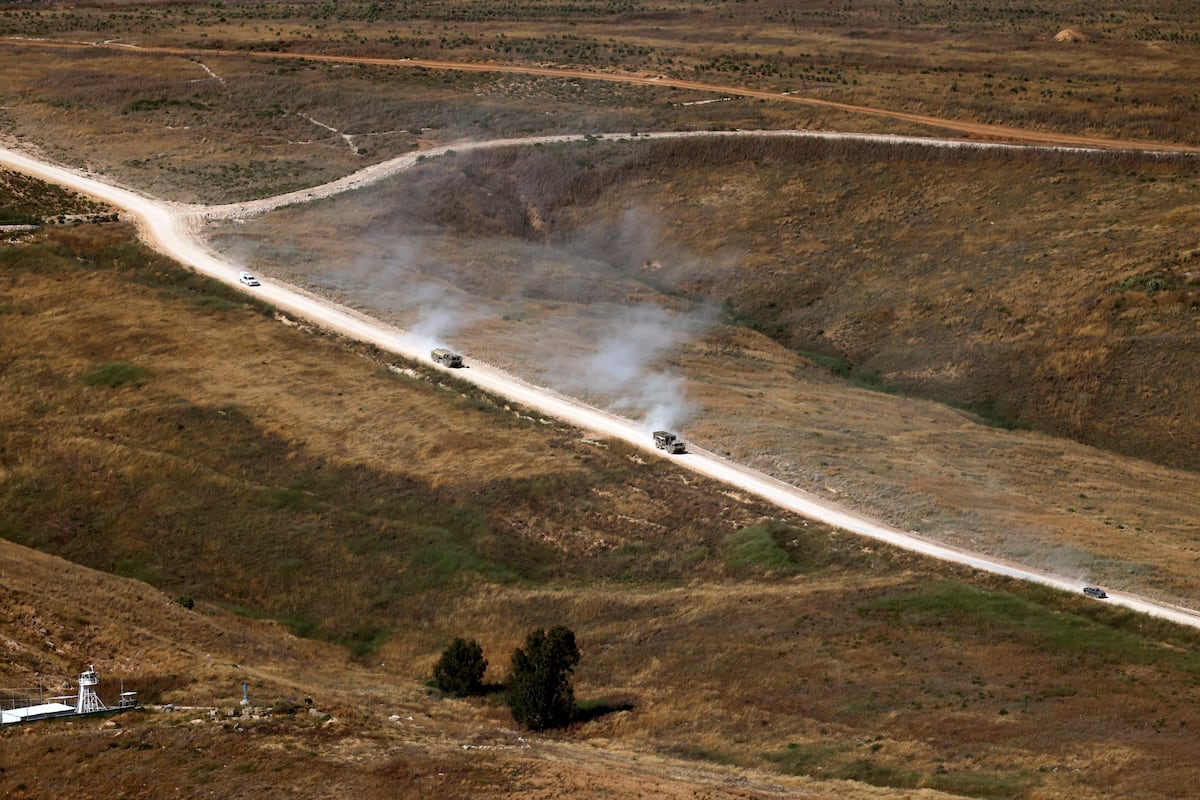
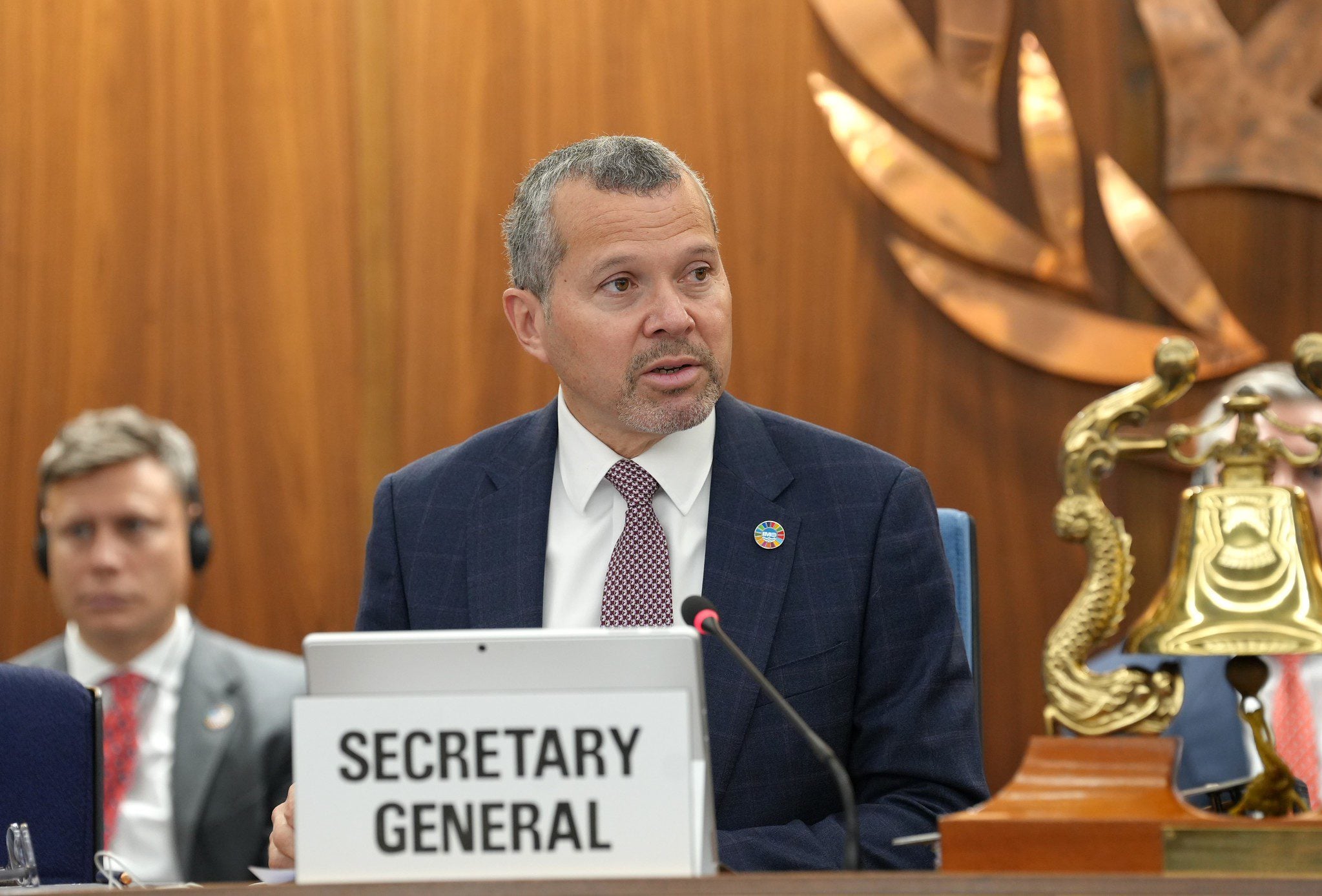
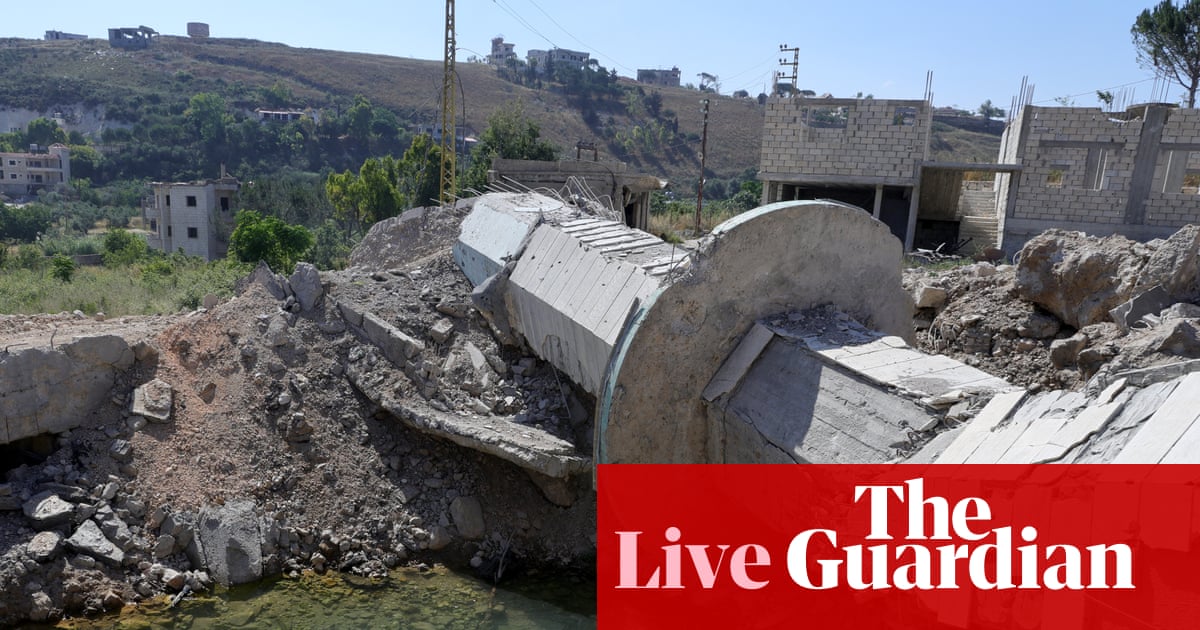
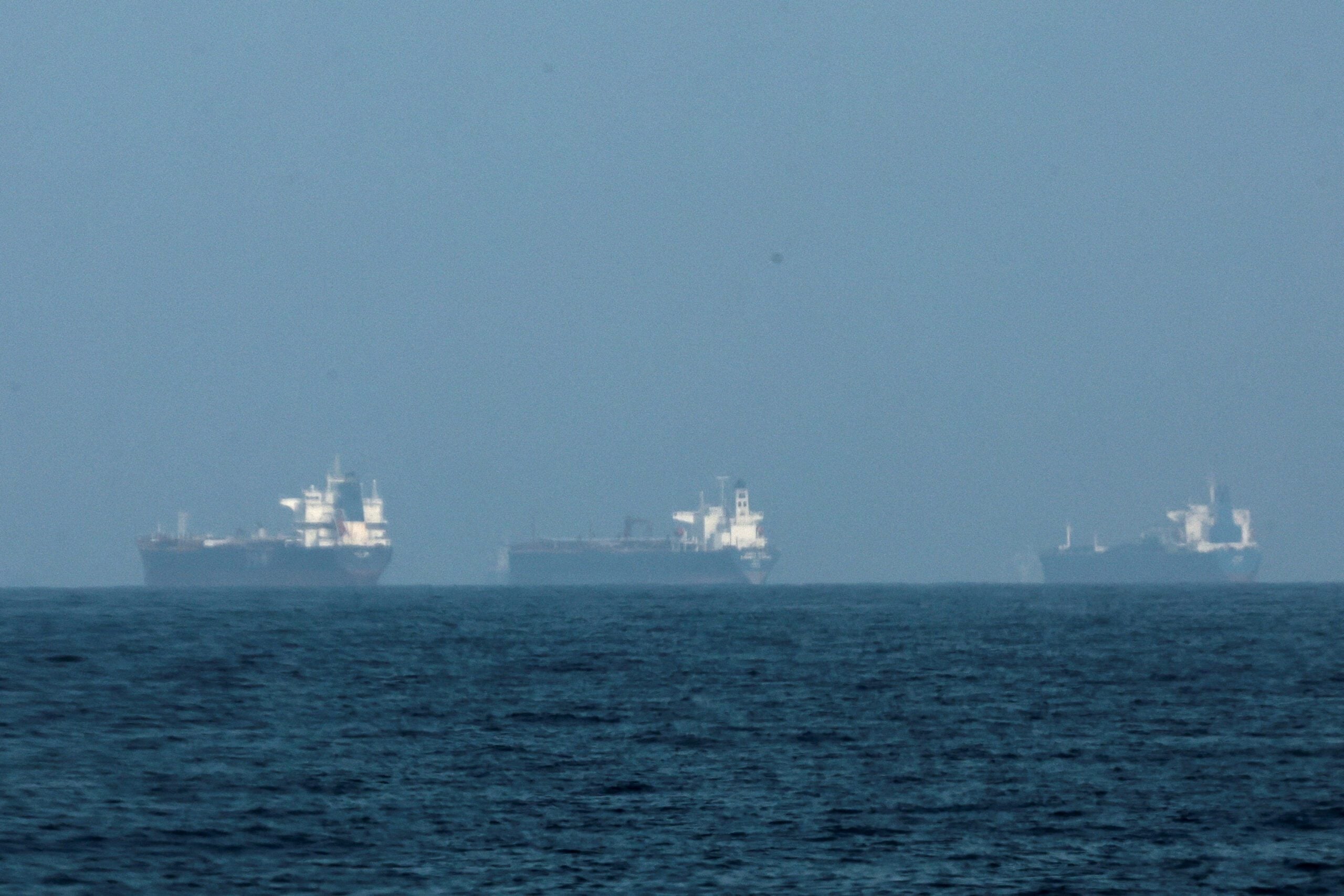
On 23 June the IDF engaged Hezbollah fighters around the Ali Taher Ridge and struck a cell in southern Lebanon, while Lebanese media reported a drone hit a parked vehicle near Beit Yahoun and Baraashit. Hezbollah alleged the IDF violated a ceasefire near Nabatiya, claiming two civilians were killed and two injured. Israeli leaders said forces would remain in southern Lebanon and asserted full freedom of action, as Israeli and Lebanese delegations opened a fifth round of talks in Washington under US mediation. In parallel, the US and Iran advanced a Lebanon deconfliction mechanism but remain publicly at odds over whether Tehran agreed to nuclear inspections, and the US, Iran memorandum does not address Iranian missiles. In the Strait of Hormuz, AIS-visible transits resumed through the central corridor and vessels are using both a northern Iranian-controlled route and a southern route via Oman. The IMO, with Oman providing a corridor, launched a phased plan to evacuate roughly 11,000 stranded seafarers, and CENTCOM stated freedom of navigation remains intact, though traffic is still below pre-war levels.
Change from previous assessment
New since 22 June: a fifth round of Israel, Lebanon talks opened in Washington; IDF, Hezbollah contacts occurred around the Ali Taher Ridge and a reported drone strike hit a vehicle between Beit Yahoun and Baraashit; Hezbollah alleged an IDF ceasefire breach near Nabatiya with civilian deaths; Israeli leaders publicly affirmed continued presence and freedom of action in southern Lebanon. On the maritime side, AIS‑visible transits resumed through Hormuz’s central corridor, the IMO launched a phased evacuation for about 11,000 stranded seafarers with Oman providing a corridor, and CENTCOM said traffic is recovering but still below pre‑war levels. Diplomatically, the US, Iran deconfliction initiative advanced but the parties publicly disputed nuclear inspections, and the memorandum’s omission of missiles was noted. Initial assessment of this topic’s developments under the new talks window.
Key judgments
- Very likely: Cross-border hostilities between the IDF and Hezbollah will persist at a low level in the near term despite ceasefire claims and Washington talks. (Confidence: high · ASSESSED)
- I&W: Three or more additional IDF, Hezbollah engagements publicly reported along the Ali Taher Ridge and Nabatiya sectors. (0-14 days)
- I&W: Official announcement of LAF assumption of control at the Tebnit tunnel compound and an IDF pullback from the Ali Taher Ridge sector. (0-14 days)
- Likely: The US, Iran deconfliction track for Lebanon is advancing but will remain contested on scope and verification, given the unresolved inspections dispute and open Israeli objections. (Confidence: medium · ASSESSED)
- I&W: Joint communique naming the deconfliction cell’s members, mandate and operating arrangements. (0-14 days)
- I&W: Public statement by mediators that Israel has joined the deconfliction body as a formal member. (0-14 days)
- Likely: Maritime traffic through the Strait of Hormuz is recovering under managed routing and international facilitation, but risk remains elevated and throughput below pre-war levels. (Confidence: medium · ASSESSED)
- I&W: Windward or Vortexa reporting of 30-plus AIS-visible daily transits through Hormuz’s central corridor. (0-14 days)
- I&W: New UKMTO advisory of attacks, mines or toll-related interference in or near the Strait of Hormuz. (0-14 days)
- Very likely: Hezbollah’s use of fibre‑optic FPV attack drones is shaping the tactical fight in southern Lebanon and increasing IDF operational risk. (Confidence: high · ASSESSED)
- I&W: Hezbollah releases additional FPV strike footage against IDF armour or positions in southern Lebanon. (0-14 days)
- I&W: IDF announces front‑line deployment of counter‑FPV electronic‑warfare kits with observable reductions in successful attacks. (1-3 months)
- Likely: Israeli leadership will resist constraints on rules of engagement in Lebanon and prioritise freedom of action and presence, limiting prospects for a rapid drawdown. (Confidence: medium · ASSESSED)
- I&W: Israeli statements reiterating ‘full freedom of action’ followed by strikes framed beyond immediate threat response. (0-14 days)
- I&W: Government order tightening rules of engagement to ‘imminent threats’ only, paired with visible IDF withdrawals from Tibnin or the Ali Taher Ridge area. (0-14 days)
- Very likely: The United States will sustain a visible regional security role while mediating diplomacy on the Lebanon file. (Confidence: medium · ASSESSED)
- I&W: CENTCOM updates on continued dual‑carrier operations and coordination with the IMO evacuation effort. (0-14 days)
- I&W: Notice of US carrier redeployment out of the Middle East or withdrawal from deconfliction facilitation. (0-14 days)
Outlook & scenarios
Managed de‑escalation with symbolic withdrawals and LAF pilot control (35%)
Talks in Washington yield a pilot arrangement in which the Lebanese Armed Forces take control of select sites, such as the Tebnit tunnel compound, and Israel implements modest pullbacks from limited positions like Tibnin or the Ali Taher Ridge as a confidence‑building gesture. The deconfliction mechanism formalises incident reporting and liaison. Skirmishes subside but do not cease. Hormuz traffic continues to recover under phased departures and dual‑route transits.
Low‑intensity conflict under a contested deconfliction umbrella (50%)
The ceasefire largely holds but with recurrent, localised violations around Nabatiya and the Ali Taher Ridge. Israel maintains its presence and asserts freedom of action, while Hezbollah’s fibre‑optic FPV attacks sustain tactical pressure. The deconfliction body operates but remains politically fraught due to the US, Iran inspections dispute and Israeli objections. Hormuz flows improve but stay below pre‑war levels; the IMO evacuation reduces crew backlogs.
Escalation cascade and maritime shock (25%)
A lethal incident involving civilians near Nabatiya or a high‑profile FPV strike prompts broader Israeli retaliation against Hezbollah assets. The deconfliction mechanism stalls amid recriminations. Israel resists any ROE limits, and Hezbollah escalates along the front. Concurrent friction around Hormuz, including disputes over navigation administration or service costs, spooks shippers, slows central‑corridor transits and prolongs the seafarer evacuation.
Recommendations
- Prioritise collection on IDF and Hezbollah activity around the Ali Taher Ridge, Nabatiya, Tebnit and Tibnin to validate whether low‑level clashes persist or taper under Washington talks.
- Track the US, Iran deconfliction mechanism’s design: membership, mandate and incident procedures. Obtain texts of any communiques and monitor whether Israel is formally included or remains outside the structure.
- Monitor AIS flows and routing in Hormuz using Windward and Vortexa, and cross‑check with JMIC, UKMTO and Omani navigation notices to validate central‑corridor transits and the use of the Omani southern route.
- Liaise with IMO and maritime partners on the phased evacuation of roughly 11,000 stranded seafarers and the temporary Omani corridor. Identify chokepoints in staging, escorting and crew transfer.
- Watch for outputs from the Iran, Oman working group on navigation administration and service costs to detect any move toward fees that would alter risk calculus for shippers.
- Task technical collection on Hezbollah’s fibre‑optic FPV employment: launch sites, fibre‑line logistics and target sets. Assess IDF counter‑FPV measures and their field deployment timeline.
- Track Israeli rules‑of‑engagement guidance and force posture statements for southern Lebanon, noting any shift toward ‘imminent threats’ only or reiterations of ‘full freedom of action’.
- Sustain liaison with CENTCOM on carrier operations and Hormuz escorting posture to gauge durability of the current security backstop for commercial traffic.
Confidence & uncertainty
Multiple independent and generally reliable sources corroborate the core picture: IDF, Hezbollah incidents on 23 June, Israeli positions on remaining in southern Lebanon, Washington‑mediated talks, a US, Iran deconfliction track, and managed traffic recovery in Hormuz with an IMO‑led evacuation. Some elements are contested or divergent, including casualty accounts around Nabatiya, differing counts of Hormuz transits on the same day, and the US, Iran disagreement over inspections terms. These contradictions, plus the forward‑leaning nature of several assessments, justify a medium overall confidence rating. A higher rating would require clearer convergence on maritime traffic data and verified details of the deconfliction mechanism.
Alternative analysis (red cell)
The incident reports from June 23 document clashes and the emergence of fiber‑optic FPV drones, but the reporting is concentrated in a narrow time window and contains internal contradictions (casualty counts and locations). Given active deconfliction and diplomatic tracks (including US mediation and a reported deconfliction cell), an alternative, defensible estimate is that recent events reflect episodic escalations and capability demonstrations rather than an assured, durable shift in operational patterns or an irreversible escalation trend.
Intelligence gaps
- [EEI 1.1 · UNCOVERED] Movement, dispersal, or emplacement of Iranian conventional or IRGC heavy assets (ballistic missile launchers, Khoramshahr/Toofan-class missile transporters, ground-to-ground TELs, air defense batteries, amphibious units) from garrison areas toward forward bases or coastal launch sites. Recommended collection: satellite/IMINT
- [EEI 1.2 · UNCOVERED] Authenticated Iranian military orders, NSC/IRGC operations directives, or senior leadership statements explicitly directing strikes against Israel or U.S. forces or authorizing cross-border operations. Recommended collection: human/diplomatic
- [EEI 1.3 · PARTIAL] Changes in Israeli and U.S. force posture indicating anticipation of direct large-scale conflict—elevated readiness levels, mobilization notices, pre-positioning of munitions, or public/private orders to prepare offensive strikes. Recommended collection: open-source/diplomatic
- [EEI 2.1 · UNCOVERED] Observable pre-launch preparations for missile/rocket/cruise missile strikes (fueling, warhead mating, launcher orientation, support vehicle congregation) and abnormal munitions handling at known launch sites. Recommended collection: satellite/IMINT
- [EEI 2.2 · PARTIAL] Indications of proxy arms shipments and weapons transfers (truck convoys, small boat transfers, container movements from Iran to proxies, new stockpiles in Lebanon, Iraq, Yemen, Syria). Recommended collection: maritime/AIS
- [EEI 2.3 · PARTIAL] Evidence of cyber attack planning or active exploitation campaigns targeting Israeli or U.S. military/critical infrastructure (emergence of new command-and-control servers, spear-phishing campaigns against defense personnel, successful intrusions). Recommended collection: cyber
- [EEI 3.1 · PARTIAL] Movements and posture changes of U.S. regional platforms (carrier strike groups, amphibious ready groups, B-52/B-1/B-2 or fighter deployments, missile defense assets repositioning) and associated armament loadouts. Recommended collection: satellite/IMINT
- [EEI 3.2 · PARTIAL] Official or leaked U.S. government/diplomatic communications indicating thresholds for strikes, authorization for offensive operations, or limits on action (NSC/DoD statements, congressional notifications, diplomatic notes). Recommended collection: diplomatic/human
- [EEI 3.3 · UNCOVERED] Changes in U.S. base force-protection measures and rules of engagement at regional facilities (base lockdowns, evacuation notices, flight restrictions, activation of Local Defense Forces or missile intercept systems). Recommended collection: open-source/local reporting
- [EEI 4.2 · UNCOVERED] Houthi-attributed maritime attack indicators: AIS anomalies/loss of contact for commercial vessels, reports of missile/drone strikes or near-miss incidents in Bab al-Mandeb/Red Sea, Houthi claims paired with imagery of weapons launches. Recommended collection: maritime/AIS
- [EEI 4.3 · UNCOVERED] Militia cross-border attack evidence from Iraq/Syria: recorded rocket/mortar launch events into Israel or strikes against U.S. facilities, movement of armed convoys toward border areas, and intercepted communications coordinating cross-border operations. Recommended collection: signals/ELINT
Cited sources
[1] jpost.com · IDF kills Hezbollah operatives in two small incidents, but ceasefire holds (B) · sha256:c9f149cec5ae [2] jpost.com · Israel, Lebanon discuss pilot project for Lebanese army to control zones after Hezbollah withdraws (B) · sha256:6a838a878f99 [3] The Guardian · Middle East crisis: Rubio and Vance hold call with Lebanon’s president; Trump claims Iran has agreed to nuclear inspections ‘long into future’ – as it happened (A) · sha256:7eaff1d00b4d [4] alquds.co.uk · خيارات إسرائيل في مواجهة إيران | إبراهيم نوار (B) · sha256:094349031589 [5] jpost.com · New US-Iran Lebanon oversight body excludes Israel, gives Tehran say over IDF actions - editorial (B) · sha256:e5f508fc637b [6] haaretz.com · How Iran is using Lebanon to engineer its major Mideast comeback (B) · sha256:ec991585bde7 [7] haaretz.com · Leiter: Talks 'in danger of going off the rails' as Israel-Lebanon meet in Washington (A) · sha256:74966c054189 [8] Los Angeles Times · U.S. and Iran dispute whether Tehran has agreed to nuclear inspections - Los Angeles Times (A) · sha256:fe5545585a77 [9] gcaptain.com · Rubio Faces Task of Easing Gulf Allies' Fears Over U.S. Iran Deal (B) · sha256:4eeeb07d5ec2 [10] nypost.com · Israel furious with Trump for being left out of the US-Iran peace talks: 'It's a huge mess' (B) · sha256:674aa1449ed8 [11] gcaptain.com · First Ships Return to Hormuz's Central Corridor Since War Began (B) · sha256:f06c1754313e [12] gcaptain.com · Hormuz Traffic Picks Up as More Tankers Broadcast Crossings (B) · sha256:6bd5bba4a5ee [13] gcaptain.com · Who Will Govern Hormuz? Iran and Oman Begin Talks on Future Navigation and Maritime Services (B) · sha256:f8ac7005e8be [14] gcaptain.com · IMO Launches Evacuation of 11,000 Seafarers Still Trapped in Persian Gulf (A) · sha256:784b7d911413 [15] aljazeera.com · Iran war live: Trump, Tehran disagree over nuclear inspections, Hormuz (A) · sha256:a56cedd2f768 [16] Defense News · Frustrating Israel, fiber-optic killer drone technology has arrived in southern Lebanon (A) · sha256:a8f647b17d1c
Source content hashes were computed at collection time; the cited text is preserved unmodified for the life of this product.
Red cell review: PARTIAL DISSENT
TLP:CLEAR