TLP:CLEAR · Disclosure is not limited.
Iran-Israel Conflict: Bahrain Radar Claim Raises Gulf Escalation Risk
Time window: Last 1 day · Audience: General analyst · Type: Situation report · DTG: 2026-11-13 06:32Z · Overall confidence: HIGH
BLUF
The IRGC says it targeted a US early-warning radar in Bahrain on 13 November, but damage is unconfirmed. An Israeli strike on Iran and further Iranian attacks on US assets in the Gulf each remain roughly even chance over the next 14 days; conflicting signals from Israeli military leaders and Washington leave decisions unresolved.
Executive summary
On 13 November, the IRGC Aerospace Force said it targeted a US early-warning radar in Bahrain and described the action as retaliation for an air attack on a telecommunications tower in Sirik, Hormozgan. US and Bahraini officials had not confirmed the strike or damage in the reports available. Israeli media reported that the security cabinet had strengthened preparations for an attack on Iran, while other reporting said the Israeli military saw no urgent need to strike. Trump gave conflicting signals on renewed US strikes, and Tehran said Washington must lift its naval blockade and sanctions before direct peace talks. Reports also describe disruption to LNG shipments through the Strait of Hormuz, although CENTCOM has reported continued oil exports through the waterway.
Change from previous assessment
Since the 12 November brief, the main change is the IRGC's 13 November claim that it targeted a US early-warning radar in Bahrain, which adds a direct Gulf dimension to the escalation picture but remains unverified. Reporting of stronger Israeli preparations is now accompanied by reports that the IDF sees no urgent need to strike, so the assessment of an Israeli attack remains roughly even chance rather than moving higher. Trump's statements are also more visibly inconsistent: he is reported both to have held off at Gulf allies' request and to have said he would not hesitate to use force. The assessment that a publicly confirmed US-Iran negotiating track is unlikely is retained.
Key judgments
- The Bahrain radar incident should be treated as an IRGC claim, not a confirmed US asset loss. The IRGC Aerospace Force said on 13 November that it targeted the US early-warning radar and claimed it destroyed the installation. US and Bahraini authorities had not confirmed the strike or damage. The IRGC described its action as retaliation for an air attack on a telecommunications tower in Sirik, Hormozgan, but accounts differ on whether the attacker was the US or an unspecified enemy. (Confidence: medium · REPORTED)
- I&W: US or Bahraini officials confirm radar damage, casualties, or loss of operation at the Bahrain site. (0-14 days)
- I&W: US or Bahraini officials state that the radar remains operational and deny damage, or independent imagery shows the installation intact. (0-14 days)
- An Israeli strike on Iran in the next 14 days remains roughly even chance. Israeli media report that the security cabinet ordered stronger preparations, while Channel 13 reports that the Israeli military sees no urgent need to attack. Other reports describe disagreement between Benjamin Netanyahu and Eyal Zamir. The reporting does not establish a decision to strike, and the military’s reported position is contested. (Confidence: medium · ASSESSED)
- I&W: The Israeli security cabinet publicly authorises an attack on Iran or the IDF announces an operational deployment explicitly tied to Iran. (0-14 days)
- I&W: The Israeli cabinet or IDF publicly rules out an attack and rescinds the reported preparation order. (0-14 days)
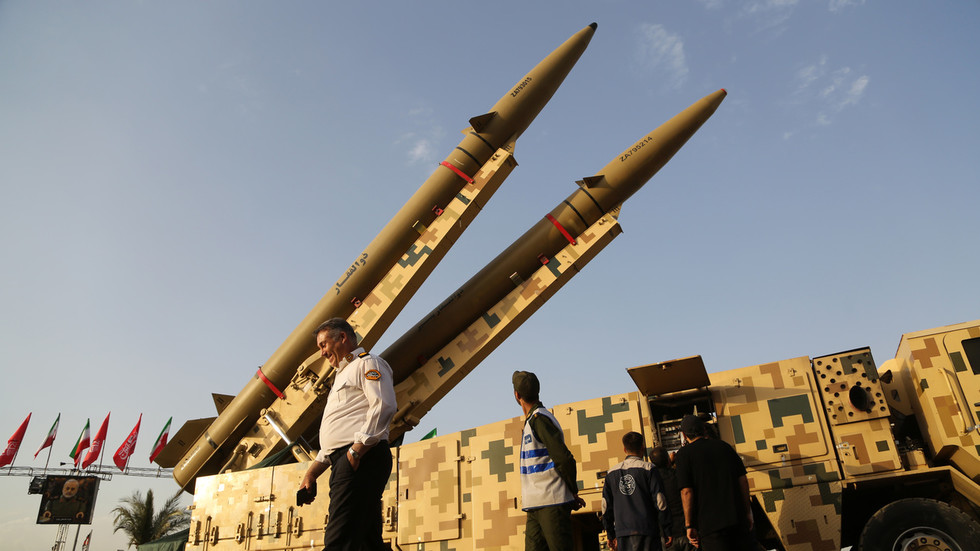
- Further Iranian attacks on US military assets in the Gulf are roughly even chance over the next 14 days. The IRGC has claimed an attack on the Bahrain radar, and Iranian officials have threatened geographically unrestricted retaliation and identified US bases from West Asia to Europe as targets. The Bahrain claim remains unverified, and the threats do not establish an operational order or capability. (Confidence: low · ASSESSED)
- I&W: The IRGC announces another attack on a named US installation in Bahrain or elsewhere in the Gulf, or US or Bahraini authorities confirm a further strike. (0-14 days)
- I&W: By 27 November, US and Bahraini authorities report no further attack on US assets, and Tehran publicly narrows its target threats. (0-14 days)
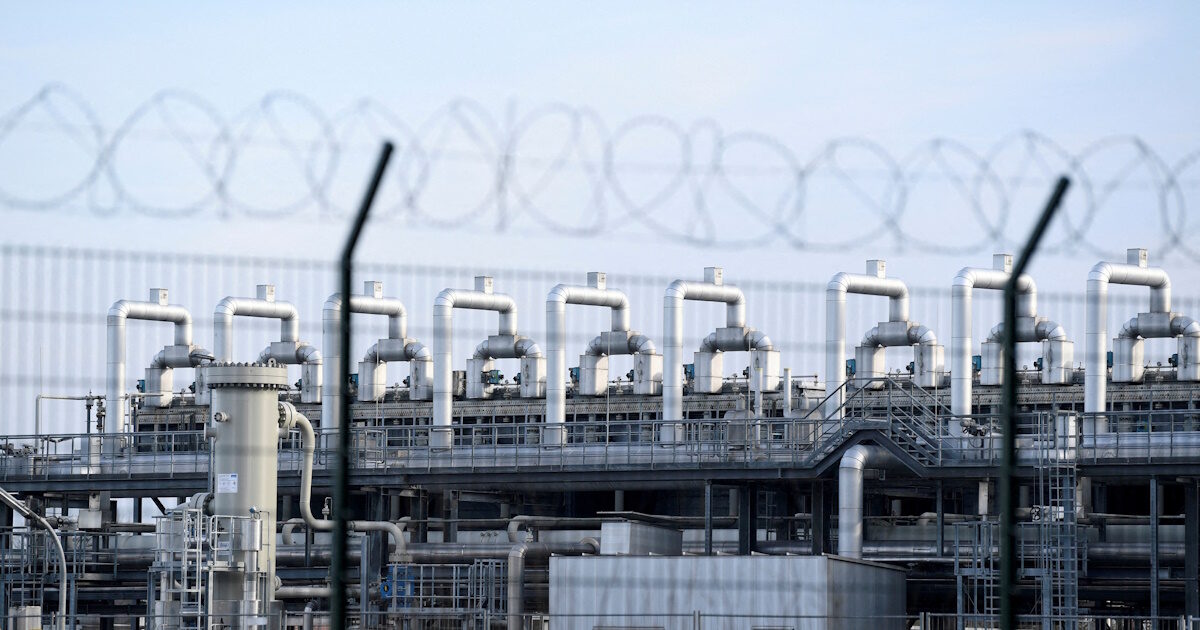
- Disruption to LNG shipments through the Strait of Hormuz is likely to continue over the next 14 days. Current reporting describes disrupted LNG shipments and Iranian restrictions on maritime transit, while CENTCOM has reported that it contributed to the export of 1.5 billion barrels of oil through the Strait since the summer. The reporting supports continued supply risk, not a complete or sustained closure. (Confidence: medium · ASSESSED)
- I&W: JMIC or UKMTO issues a new advisory naming a merchant vessel struck, detained, or rerouted in the Strait, or an LNG operator confirms a cargo diversion. (0-14 days)
- I&W: CENTCOM reports continued oil exports through the Strait and LNG operators report no new diversions or delivery delays. (0-14 days)
- A publicly confirmed substantive US-Iran negotiating track is unlikely over the next 14 days. Donald Trump has said the US no longer needs an agreement, while Tehran says Washington must lift the naval blockade and sanctions before direct peace talks. Mohsen Rezaei has also said Iran will not move its enriched nuclear material out of the country. These public positions indicate a difficult path to talks but do not rule out private contacts. (Confidence: medium · ASSESSED)
- I&W: The US and Iranian governments jointly confirm direct talks, identify a meeting date, or publish an agreed agenda. (0-14 days)
- I&W: By 27 November, neither government acknowledges substantive talks and Iran maintains its stated blockade and sanctions preconditions. (0-14 days)
Outlook & scenarios
Managed stand-off (45%)
Israel maintains preparations without striking Iran, and the IDF's reported lack of urgency remains influential. Gulf allies continue to press Washington to hold off on renewed strikes. Iran maintains its public conditions for talks, while the Bahrain radar claim remains unverified and shipping disruption continues without a sustained closure of the Strait of Hormuz.
Israeli strike followed by Iranian retaliation (40%)
Israel strikes targets in Iran after the reported preparation order. Tehran responds against Israeli targets or US assets in the Gulf, treating the Bahrain radar claim and its threats against US bases as part of a wider retaliation posture. The exchange increases pressure on commercial shipping through the Strait of Hormuz.
Widening attacks on US assets and shipping (15%)
The IRGC's Bahrain claim is followed by confirmed damage or another attack on a US installation. Iran widens its target set to additional US bases and sharply restricts transit through the Strait of Hormuz. This low-probability, high-impact path deepens LNG disruption and puts the reported oil and European gas price pressures under further strain.
Recommendations
- Keep the Bahrain radar claim separate from verified damage in reporting. Seek US and Bahraini statements, operational-status information, casualty details, and independent imagery before describing the radar as destroyed.
- Maintain a dated log of Israeli cabinet, IDF, and US statements. Distinguish reported preparation orders from an authorisation to strike, and reconcile Trump's remarks about holding off with his statements supporting renewed force.
- Track JMIC and UKMTO advisories alongside named vessel movements and LNG cargo diversions through the Strait of Hormuz. Record CENTCOM's reported export volumes separately from claims of restricted transit.
- Use the three scenarios as warning lines for the next 14 days. Reassess promptly if Israel announces strike authorisation, US or Bahrain confirms damage to the radar, or a new maritime advisory identifies a vessel incident.
Confidence & uncertainty
Overall confidence is high in the reporting that the IRGC made the Bahrain radar claim and in the public statements and reported Israeli preparations. Multiple major-media outlets carried the IRGC announcement, and reports also record the lack of US and Bahraini confirmation. This confidence applies to what was reported, not to whether the radar was hit or destroyed. Israeli military reporting and Trump's statements conflict, and the Sirik strike's attribution remains unresolved; confidence in the forward-looking judgments is therefore lower.
Alternative analysis (red cell)
Iranian statements in claims 09c11b78-e001-4a1c-b926-183c874508d8 and 9c69bf07-ff02-4ca5-a061-3a1f081e462d show a deliberate effort to expand the stated target set, but they remain declaratory. Claims 545e0f6b-b7ba-4c56-9654-e8d2dc86e46d and 5f0936e7-54ee-4569-93cf-20629b90c8cc do not establish that the Bahrain incident caused confirmed damage or demonstrated a continuing operational pattern. On the available evidence, further attacks are a serious contingency but appear less than an even chance absent corroborated preparations or additional launches.
Intelligence gaps
- [EEI 1.1 · UNCOVERED] Observed repositioning, sustained increases, or new forward basing of Iranian conventional or IRGC forces (armored units, missile batteries, aircraft, naval vessels) toward borders or regional launch points. Recommended collection: IMINT/satellite
- [EEI 1.2 · UNCOVERED] Hezbollah or other Iran-aligned proxy forces conducting mass mobilization, visible rocket/artillery emplacements, cross-border firing incidents, or preparations for cross-border operations from Lebanon, Syria, Iraq or Yemen. Recommended collection: HUMINT/ground ISR
- [EEI 1.3 · PARTIAL] Detection of increased missile/rocket/torpedo launch events attributable to Iran, Israel, or proxies (launch signatures, trajectories, impact points) indicating a sustained campaign rather than isolated strikes. Recommended collection: SIGINT/IMINT/air-defense radar
- [EEI 1.4 · UNCOVERED] Interdicted or observed shipments (air, sea, land manifests, seizures, satellite imagery of transfers) of advanced weapons or missile components from Iran toward proxy groups or forward staging points. Recommended collection: maritime/AIS
- [EEI 2.1 · UNCOVERED] Satellite or on-the-ground imagery showing fires, damage, or operational shutdown at major oil export facilities, refineries, storage terminals, or key pipeline infrastructure in the Gulf and Red Sea. Recommended collection: IMINT/satellite
- [EEI 2.3 · PARTIAL] Significant and sustained reductions or rerouting of tanker transits through the Strait of Hormuz (ship traffic counts, pilot reports, port call cancellations) and announcements of closure or restricted navigation zones (NOTAMs, maritime advisories). Recommended collection: maritime/NOTAMs
- [EEI 2.4 · UNCOVERED] Rapid increases in war-risk insurance premiums for Middle East routes, shipping company advisories to avoid region, or major charter cancellations tied to the conflict. Recommended collection: financial/open-source
- [EEI 3.1 · UNCOVERED] Movement/arrival of major foreign military assets into the region: US carrier strike groups, amphibious ready groups, strategic bomber flights, Russian/Chinese naval taskings, or allied expeditionary units (visible in AIS, NOTAMs, satellite imagery, official releases). Recommended collection: IMINT/satellite
- [EEI 3.2 · UNCOVERED] Official expedited arms transfers, basing/overflight agreements, or declarations of operational support (formal government announcements, defense ministry releases, logistics flight manifests). Recommended collection: open-source/diplomatic
- [EEI 3.3 · UNCOVERED] Embassy evacuations, large-scale personnel movements, issuance of government travel bans/advisories, or multinational security alerts affecting foreign nationals and diplomatic posture in the region. Recommended collection: diplomatic/open-source
- [EEI 3.4 · UNCOVERED] High-level diplomatic/UN activity: scheduled or emergency Security Council meetings, published ceasefire proposals, or multilateral statements committing support/condemnation that precede changes in military posture. Recommended collection: open-source/diplomatic
Red cell review: PARTIAL DISSENT
TLP:CLEAR