TLP:CLEAR · Disclosure is not limited.
Iran-Israel Conflict: Coercive Stalemate and Maritime Disruption Persist
Time window: Last 1 day · Audience: General analyst · Type: Situation report · DTG: 2026-09-22 23:14Z · Overall confidence: HIGH
BLUF
The US-Israel-Iran conflict is very likely to remain coercive and unresolved over the next 0-14 days. Washington is combining economic pressure with conditional openness to talks, while Tehran is linking any reopening of the Strait of Hormuz to concessions. Houthi territorial and maritime pressure will likely sustain wider regional and energy risks.
Executive summary
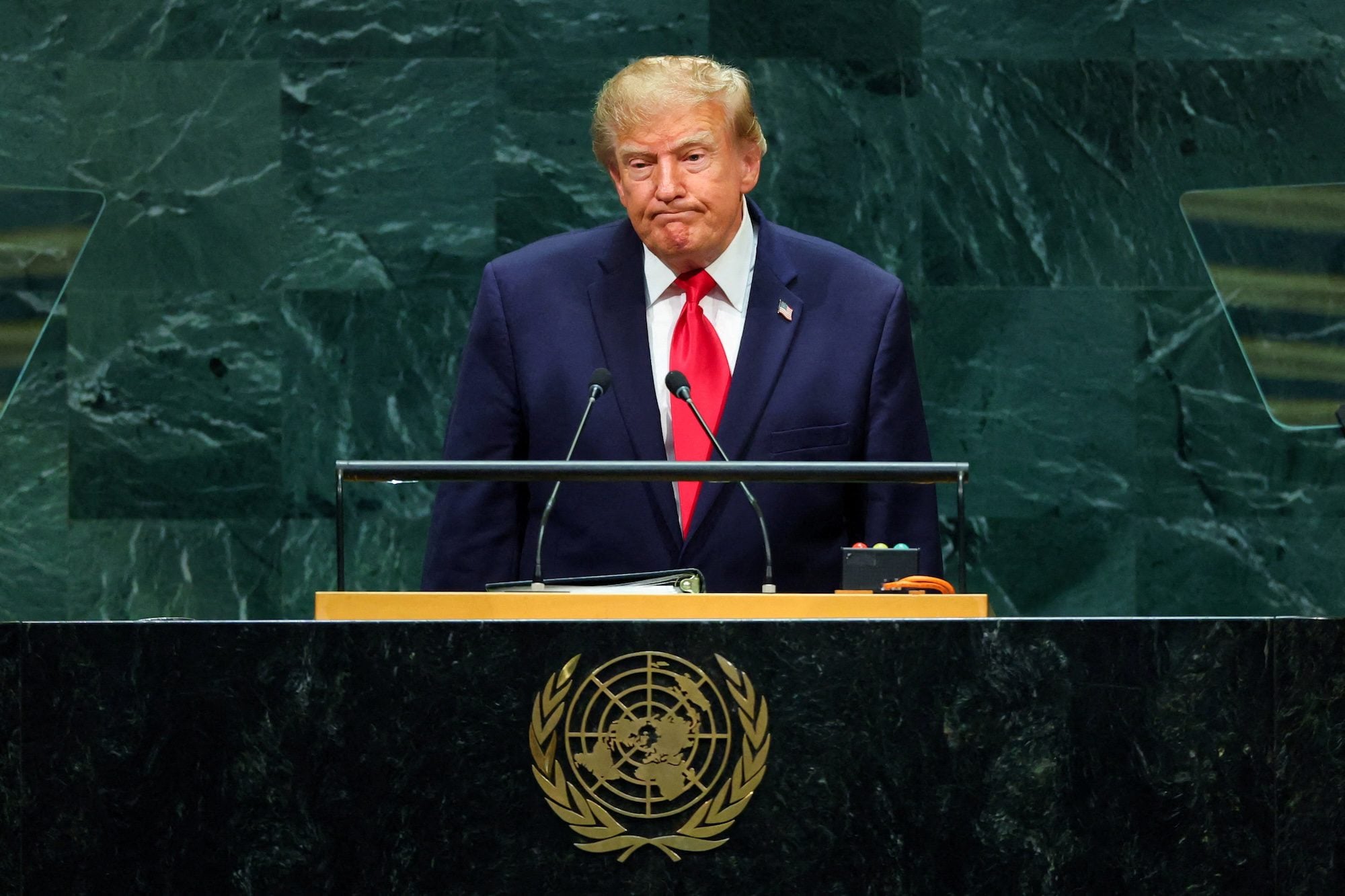
On 22 September 2026, Donald Trump called for Iran's complete economic isolation at the UN General Assembly, while Marco Rubio said the US was open to speaking with Tehran. Iran has conveyed a proposal through mediators and offered conditional reopening of the Strait of Hormuz within seven days. Saudi Arabia has restarted its East-West Pipeline and Saudi Aramco continues some Gulf loading, but reporting differs over the extent of the export stoppage. The Houthis continue their offensive along Yemen's Red Sea coast, although their current control of the Bab el-Mandab remains unresolved. European and Gulf diplomacy is active, but no evidence indicates that the core US-Iran disputes have been settled.
Change from previous assessment
Since the 21 September brief, confidence has increased that the coercive conflict will persist, as Trump has called for Iran's complete economic isolation while Tehran has offered only conditional Hormuz reopening and continued to reject surrender. The assessment of Hormuz has been refined: Saudi pipeline operations and Gulf loading show that some flows continue, but the record now contains a sharper dispute between claims of a full export stoppage and mostly suspended traffic. The Houthi assessment now explicitly treats control of Bab el-Mandab as unresolved because the reporting conflicts. Diplomatic activity has increased through Iranian mediation, French planning for a Security Council resolution and US statements of openness to talks, but the likelihood of a comprehensive agreement remains very unlikely in the next 0-14 days.
Key judgments
- The US-Israel-Iran conflict is very likely to remain unresolved and coercive over the next 0-14 days. Donald Trump called at the UN General Assembly for complete economic isolation of Iran, while Marco Rubio said the US was open to speaking with Tehran. Iran conveyed a proposal through mediators, but Mohammad Baqer Qalibaf said Iran would never surrender. The evidence does not establish which side initiated the 2026 war: a major-media account attributes its start to the US and Israel, while Iranian reporting describes pre-emptive Iranian strikes. This is an assessed judgement. The initiation dispute and a low-confidence report that no face-to-face US-Iran meetings have occurred since July limit confidence. (Confidence: medium · ASSESSED)
- I&W: Confirm: Donald Trump or Marco Rubio announces new economic or military measures while Mohammad Baqer Qalibaf or another senior Iranian official rejects talks or repeats conditions for engagement. (0-14 days)
- I&W: Break: Washington and Tehran hold a publicly confirmed direct meeting and announce a mutually accepted cessation of military and economic pressure. (0-14 days)
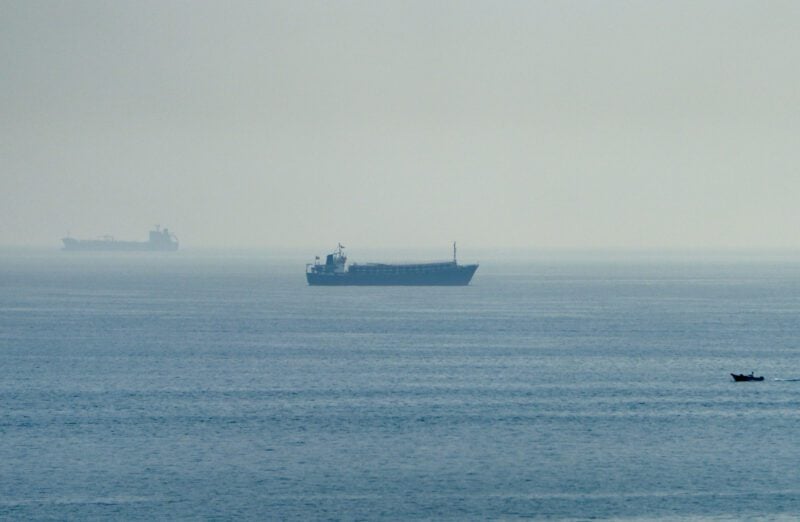
- The Strait of Hormuz is very likely to remain severely constrained but partially open to selected or conditional traffic over the next 0-14 days. A senior Iranian official offered reopening within seven days if the US eases military pressure and lifts the blockade. Saudi Aramco has increased exports through Hormuz, loaded about 14 million barrels on seven supertankers inside the Gulf, and Saudi Arabia has restarted its East-West Pipeline. The record is internally inconsistent because one account says the blockade stopped exports from seven Gulf states, while other reporting describes mostly suspended traffic and continuing loadings. This is an assessed judgement with medium confidence, supported by wire, major-media and diplomatic reporting but weakened by the disagreement over the scale of disruption. (Confidence: medium · ASSESSED)
- I&W: Confirm: Commercial tracking records a sustained rise in Hormuz transits from mostly suspended levels, while Saudi Aramco reports continued Gulf loading and reduced-volume exports from Yanbu. (0-14 days)
- I&W: Break: Iran announces unconditional reopening of Hormuz and Saudi Arabia restores regular East-West Pipeline and Yanbu export operations without new maritime attacks. (0-14 days)
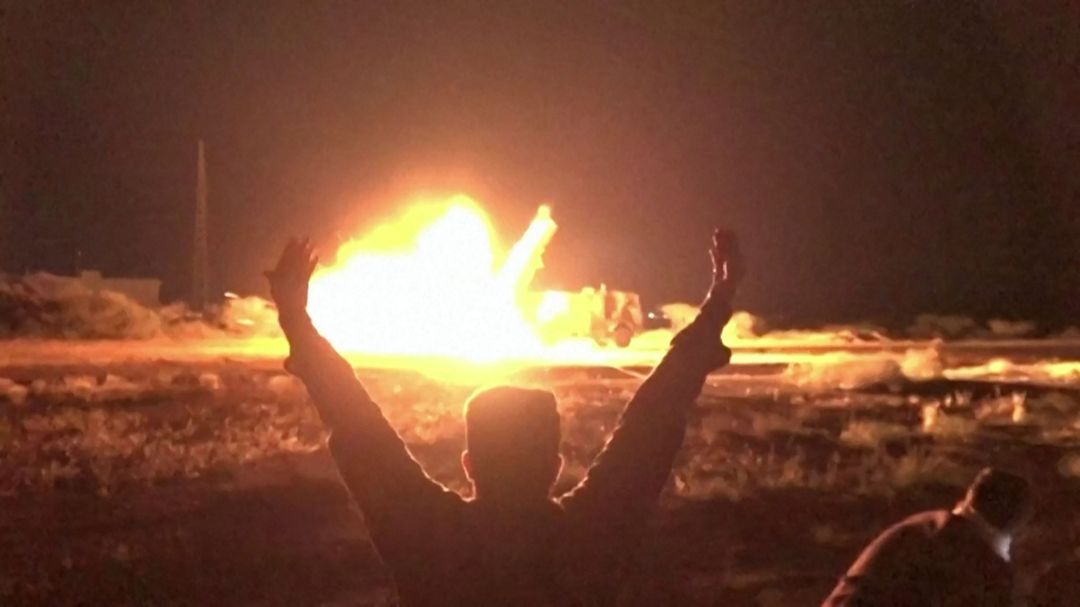
- The Houthis are likely to sustain territorial and maritime pressure along Yemen's Red Sea coast and against Saudi-backed forces over the next 0-14 days. Reuters-linked reporting describes Houthi efforts to seize strategic heights and cut off the Red Sea coast, while the G7 has condemned Houthi attacks on Saudi Arabia and civilian shipping. The current record is contradictory on Bab el-Mandab: one high-confidence major-media report says the Houthis took control earlier in September, while another says a Houthi advance would threaten the corridor. Control of the strait therefore remains unresolved. This is an assessed judgement with medium confidence because the pattern of Houthi activity is corroborated, but the most consequential geographic claim is disputed. (Confidence: medium · ASSESSED)
- I&W: Confirm: Independent reporting records additional Houthi territorial gains along Yemen's Red Sea coast or new attacks on civilian shipping and Saudi-backed positions. (0-14 days)
- I&W: Break: Independent maritime and local reporting confirms that Bab el-Mandab remains outside Houthi control and that Houthi forces lose coastal positions without new attacks on shipping. (0-14 days)
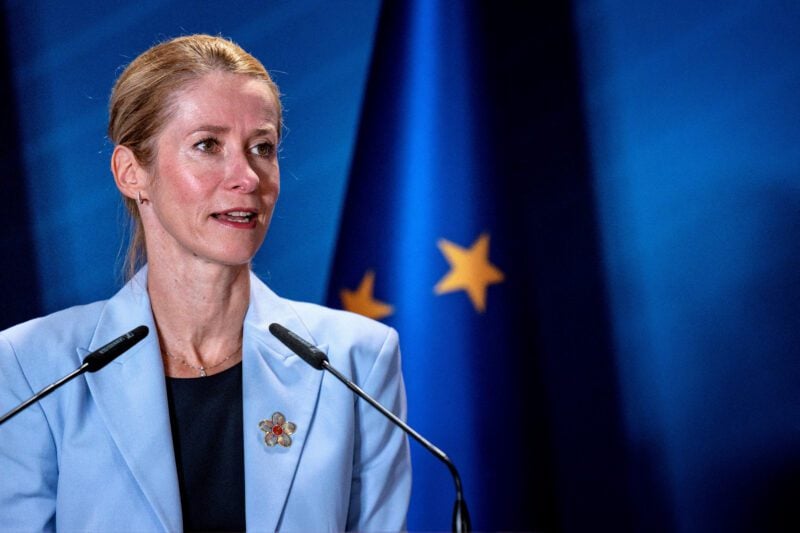
- Regional trade and energy disruption is likely to persist for 1-3 months, although the available reporting supports rerouting and reduced flows rather than a uniform cessation of exports. Brent crude was reported above USD 100 per barrel, the G7 warned that Iran's actions threaten international trade and global economic stability, and Kaja Kallas described Hormuz and Bab el-Mandeb as critical choke points. At the same time, Saudi Aramco loaded about 14 million barrels inside the Gulf and Saudi Arabia restarted its East-West Pipeline. This is an assessed judgement with medium confidence because the macroeconomic and maritime effects are corroborated, while the exact extent of the Gulf export stoppage is contested. (Confidence: medium · ASSESSED)
- I&W: Confirm: Brent crude remains above USD 100 per barrel while Hormuz traffic stays mostly suspended and Saudi Aramco continues loading crude inside the Gulf. (0-14 days)
- I&W: Break: Saudi Arabia restores regular East-West Pipeline and Yanbu exports, and commercial traffic through Hormuz is no longer mostly suspended. (1-3 months)
- Diplomatic contacts are likely to continue over the next 0-14 days, but a comprehensive US-Iran agreement is very unlikely in that period. Iran has sent a proposal through mediators and offered conditional Hormuz reopening, while Rubio has expressed US openness to talks. France is drafting a Security Council resolution on restoring movement through Hormuz, and Macron said diplomatic solutions were being pursued to allow more container ships and oil tankers to transit. Against this, Trump called for Iran's complete economic isolation, the July interim deal collapsed, and previous Hormuz resolutions failed to gain Chinese and Russian support. This is an assessed judgement with medium confidence. The assertion that no face-to-face US-Iran meetings have occurred since July is low-confidence, single-source reporting and is not treated as decisive. (Confidence: medium · ASSESSED)
- I&W: Confirm: Tehran and Washington appoint or meet designated negotiators, while France circulates a Hormuz resolution and China or Russia enter substantive Security Council negotiations. (0-14 days)
- I&W: Break: Trump announces new military action or Iran withdraws its proposal and rejects any mediated contact. (0-14 days)
- US and partner forces are likely to maintain an active defensive posture around Israel and Red Sea shipping over the next 0-14 days, while naval sustainment constraints limit confidence in the duration of that posture. US Patriot and THAAD systems have operated alongside Israel's Arrow, David's Sling and Iron Dome systems, and an integrated regional architecture reportedly intercepted more than 6,000 one-way unmanned aerial systems and more than 1,500 ballistic missiles. The US Naval Institute tracker recorded two US guided-missile destroyers in the Red Sea and 13 in the Arabian Sea as of 14 September, while Operation Aspides remains primarily dependent on three Italian and Greek ships. This is an assessed judgement with medium confidence because the force presence and defence coordination are supported by multiple sources, but current readiness and future deployment schedules remain undisclosed. (Confidence: medium · ASSESSED)
- I&W: Confirm: Additional US destroyers or Aspides naval and air assets deploy to the Red Sea, or official reporting records further coordinated interceptions by US and partner systems. (0-14 days)
- I&W: Break: US Fleet Forces Command announces a reduction in regional destroyer deployments or partner governments formally narrow their maritime defence missions. (1-3 months)
Outlook & scenarios
Coercive stalemate and constrained waterways (65%)
The conflict remains unresolved as Trump sustains economic pressure, Iran maintains conditional demands for talks and Hormuz reopening, and the Houthis continue pressure along Yemen's Red Sea coast. Hormuz remains mostly suspended, with limited oil and container movements continuing through protected or rerouted channels.
Conditional maritime de-escalation without a political settlement (30%)
Mediated contacts produce a limited arrangement under which Iran permits more Hormuz traffic, while Saudi Arabia resumes reduced-volume Yanbu exports and France advances a Security Council initiative. Military pressure and the wider US-Iran dispute remain unresolved, so the arrangement remains fragile.
Red Sea expansion and direct partner action (20%)
The Houthis consolidate more of Yemen's Red Sea coast or attack additional civilian shipping and Saudi targets. Saudi Arabia seeks further military assistance, the UK sustains defensive support, and the US moves from considering strikes to direct action. This is the low-probability, high-impact wildcard because it would add a second active maritime front to the Iran conflict.
Diplomatic hardening and wider political spillover (15%)
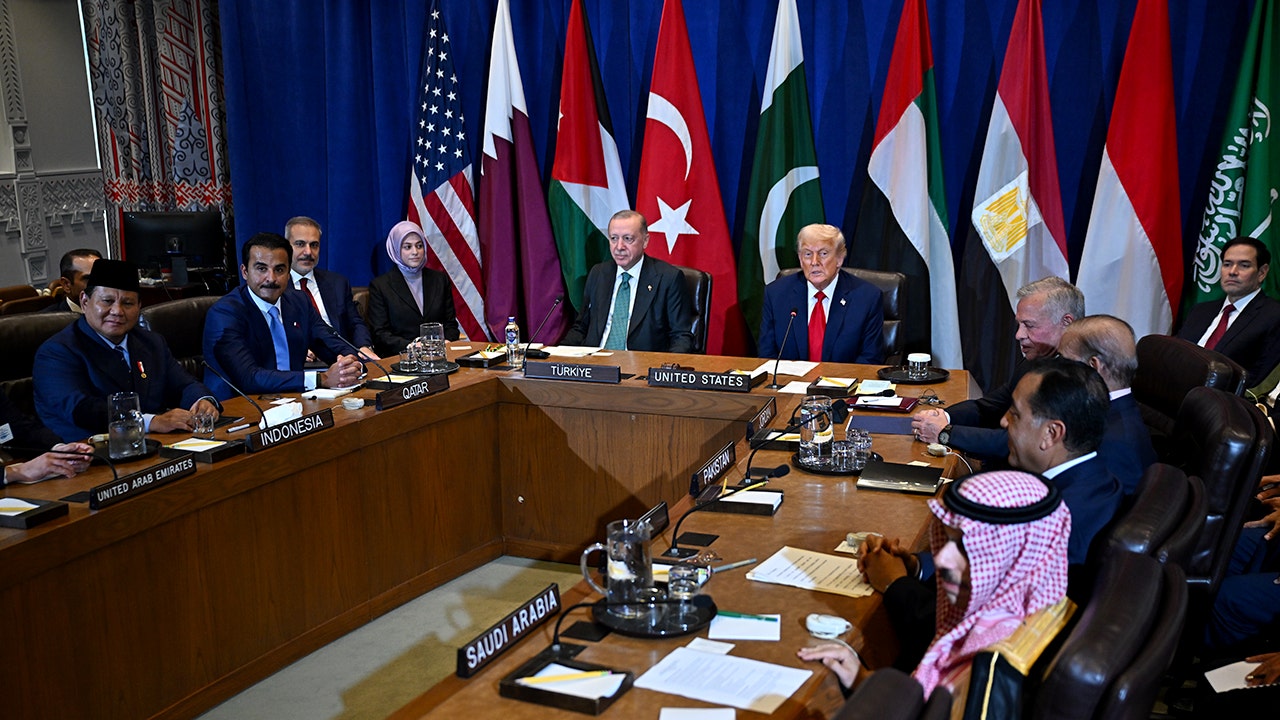
UN General Assembly criticism over Gaza and the West Bank hardens diplomatic divisions while Israeli actions in Lebanon or Syria generate additional regional friction. Qatar, Türkiye, Jordan and other regional actors increase political pressure, but the competing positions do not produce a comprehensive settlement.
Recommendations
- Maintain a daily 0-14-day watchlist covering Hormuz vessel transits, Saudi Aramco Gulf loadings, East-West Pipeline operations, Yanbu exports, Iranian reopening conditions and any new tanker or pipeline attacks.
- Treat Houthi control of Bab el-Mandab as unresolved. Require two independent sources, including maritime tracking or official local reporting, before using control of the strait as an established fact in products.
- Separate diplomatic signalling from negotiated progress. Track a publicly confirmed US-Iran meeting, the text and circulation of any French Security Council draft, and the positions of China and Russia on the proposal.
- Distinguish EU requests for Aspides reinforcement from actual deployments. Record the number and nationality of ships and air assets committed, rather than treating Kaja Kallas's request as an operational change.
- Include naval sustainment in assessments of US response options. Track new destroyer deployments, mission duration, maintenance availability and any change in US Fleet Forces Command's readiness posture.
- Monitor political and humanitarian spillover indicators in Gaza, the West Bank, Lebanon and Syria, with particular attention to settlement activity, settler violence, attacks on Lebanon and Israeli strikes on Syrian facilities.
Confidence & uncertainty
Overall confidence is high because the central developments are supported by multiple high-confidence claims from UN reporting, wire services, major media, G7 statements, US military reporting and maritime or tanker data. The core pattern is consistent across sources: coercive US-Iran signalling, severe Hormuz disruption, Houthi pressure in Yemen and active regional diplomacy. Main uncertainties concern the current status of Bab el-Mandab, the exact scale of Gulf export disruption, the attribution and timing of the war's initiation, and whether diplomatic offers represent genuine off-ramps or bargaining positions.
Intelligence gaps
- [EEI 1.1 · UNCOVERED] Observed repositioning, sustained increases, or new forward basing of Iranian conventional or IRGC forces (armored units, missile batteries, aircraft, naval vessels) toward borders or regional launch points. Recommended collection: IMINT/satellite
- [EEI 1.2 · PARTIAL] Hezbollah or other Iran-aligned proxy forces conducting mass mobilization, visible rocket/artillery emplacements, cross-border firing incidents, or preparations for cross-border operations from Lebanon, Syria, Iraq or Yemen. Recommended collection: HUMINT/ground ISR
- [EEI 1.3 · PARTIAL] Detection of increased missile/rocket/torpedo launch events attributable to Iran, Israel, or proxies (launch signatures, trajectories, impact points) indicating a sustained campaign rather than isolated strikes. Recommended collection: SIGINT/IMINT/air-defense radar
- [EEI 1.4 · UNCOVERED] Interdicted or observed shipments (air, sea, land manifests, seizures, satellite imagery of transfers) of advanced weapons or missile components from Iran toward proxy groups or forward staging points. Recommended collection: maritime/AIS
- [EEI 2.1 · PARTIAL] Satellite or on-the-ground imagery showing fires, damage, or operational shutdown at major oil export facilities, refineries, storage terminals, or key pipeline infrastructure in the Gulf and Red Sea. Recommended collection: IMINT/satellite
- [EEI 2.2 · UNCOVERED] Commercial vessel incidents: AIS transponder shutdowns, distress signals, reported hull/engine damage, boardings, or confirmed attacks on tankers/merchant ships transiting the Strait of Hormuz, Bab al-Mandeb, or eastern Mediterranean. Recommended collection: maritime/AIS
- [EEI 2.4 · UNCOVERED] Rapid increases in war-risk insurance premiums for Middle East routes, shipping company advisories to avoid region, or major charter cancellations tied to the conflict. Recommended collection: financial/open-source
- [EEI 3.1 · PARTIAL] Movement/arrival of major foreign military assets into the region: US carrier strike groups, amphibious ready groups, strategic bomber flights, Russian/Chinese naval taskings, or allied expeditionary units (visible in AIS, NOTAMs, satellite imagery, official releases). Recommended collection: IMINT/satellite
- [EEI 3.2 · PARTIAL] Official expedited arms transfers, basing/overflight agreements, or declarations of operational support (formal government announcements, defense ministry releases, logistics flight manifests). Recommended collection: open-source/diplomatic
- [EEI 3.3 · UNCOVERED] Embassy evacuations, large-scale personnel movements, issuance of government travel bans/advisories, or multinational security alerts affecting foreign nationals and diplomatic posture in the region. Recommended collection: diplomatic/open-source
Cited sources
[1] gCaptain (republishing Thomson Reuters) · Trump Calls for Iran’s Economic Isolation at UN as Tehran Offers Hormuz Reopening (A) · Tue Sep 22 2026 16:05:08 GMT+0000 (Coordinated Universal Time) · sha256:5aea7be4dab2 [2] TRT World · After the ‘wake-up call’: Can a Gulf-Iran security framework take root? (B) · Tue Sep 22 2026 14:01:54 GMT+0000 (Coordinated Universal Time) · sha256:2a4f9e0c5344 [3] قناة المنار (Al Manar TV) · خاص | الخطاب الاستراتيجي للمقاومة في مجتمع لبناني متنوع: تحديات السردية في تحديد العدو والأولويات - قناة المنار (E) · Tue Sep 22 2026 05:24:36 GMT+0000 (Coordinated Universal Time) · sha256:2733e1766185 [4] Economic Times · Iran's actions risk 'global economic instability', says G7; warns West Asia conflict may escalate (B) · Tue Sep 22 2026 02:44:00 GMT+0000 (Coordinated Universal Time) · sha256:5a16ad901d66 [5] UN News · Qatar: Absence of a regional collective security system is fuelling crisis in the Gulf (A) · Tue Sep 22 2026 19:05:12 GMT+0000 (Coordinated Universal Time) · sha256:00d6a645a96f [6] Fox News Digital (republished on AOL) · Middle East takes center stage at UN as regional leaders confront Iran war, Gaza and Houthi threat (B) · Tue Sep 22 2026 11:00:52 GMT+0000 (Coordinated Universal Time) · sha256:c05a649fa6d9 [7] BBC · Iran must stop arming Houthis in Yemen, G7 says ahead of UN General Assembly (A) · Tue Sep 22 2026 04:21:11 GMT+0000 (Coordinated Universal Time) · sha256:7f462126ffa7 [8] gCaptain · France Mulls New UN Security Council Resolution on Hormuz (C) · Tue Sep 22 2026 16:34:46 GMT+0000 (Coordinated Universal Time) · sha256:08eb0524ebd4 [9] gCaptain (republishing Bloomberg) · Kallas Urges EU to Bolster Red Sea Mission Against Houthi Threat (C) · Tue Sep 22 2026 08:20:33 GMT+0000 (Coordinated Universal Time) · sha256:da5f4a329397 [10] Middle East Eye · UN General Assembly 2026: War on Iran and Gaza genocide dominate (B) · Tue Sep 22 2026 14:18:49 GMT+0000 (Coordinated Universal Time) · sha256:8a1931510b42 [11] The Jerusalem Post · How Arab-Israeli air defense coordination is developing into a regional security shield - analysis (B) · Tue Sep 22 2026 16:43:49 GMT+0000 (Coordinated Universal Time) · sha256:773a86bc42a2 [12] Defense News · US Navy destroyers tested in Middle East as demands mount (B) · Tue Sep 22 2026 18:55:08 GMT+0000 (Coordinated Universal Time) · sha256:880751809959
Source content hashes were computed at collection time; the cited text is preserved unmodified for the life of this product.
Red cell review: CONCUR WITH COMMENT
TLP:CLEAR