TLP:CLEAR · Disclosure is not limited.
Iran, Israel conflict: deal talk collides with fighting in Lebanon and a risky Hormuz reopening
Time window: Last 7 days · Audience: General analyst · Type: Situation report · DTG: 2026-06-17 00:25Z · Overall confidence: MEDIUM
BLUF
Despite announcements of a forthcoming US, Iran accord and talk of reopening the Strait of Hormuz, Israel is still striking targets in southern Lebanon and signalling no withdrawal, while Iran warns of retaliation. Maritime traffic and insurance conditions show the Hormuz corridor remains risky and constrained, and the threat environment in the UAE stays elevated.
Executive summary
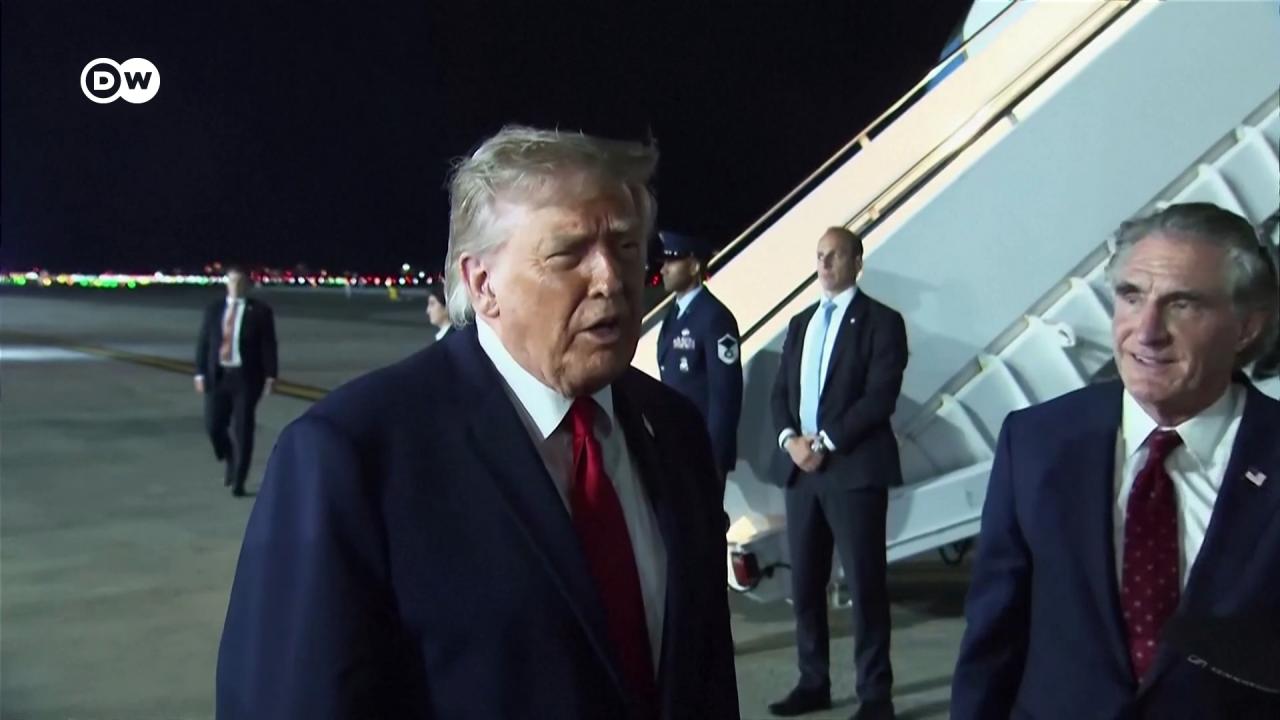
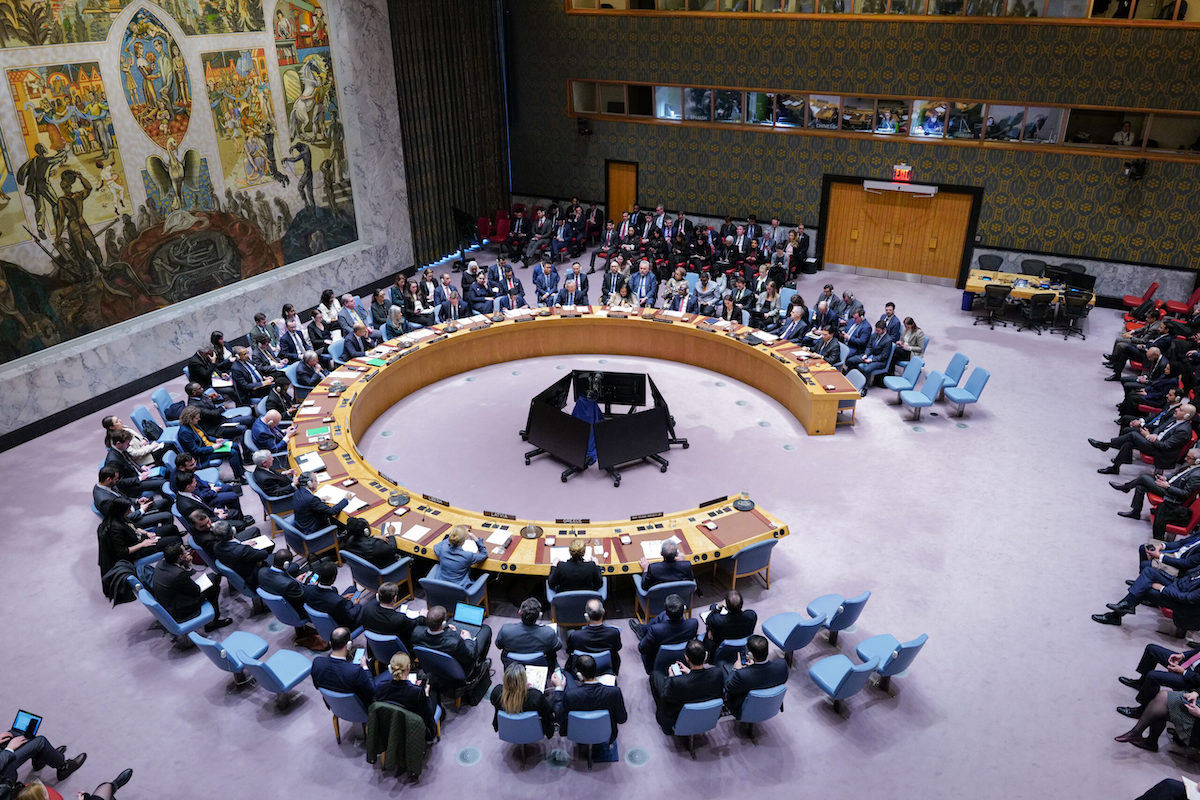
Since late February, US, Israeli strikes on Iran and Iranian retaliation across Israel and US-aligned Gulf states have produced a regional conflict with an active northern front in Lebanon and persistent maritime disruption in the Strait of Hormuz. Israeli forces conducted fresh strikes in Nabatieh, Lebanon, as Prime Minister Benjamin Netanyahu and Minister Itamar Ben Gvir signalled Israel would not be bound by any Lebanese withdrawal clause. Iran’s Khatam al‑Anbiya Central Headquarters warned of a hard response if attacks on southern Lebanon continue. In parallel, Washington and Tehran have flagged a signing in Switzerland and near-term implementation of a memorandum of understanding, yet European allies remain sceptical of rapid maritime normalisation. Shipping data, insurance withdrawals and carrier restrictions indicate that the Hormuz waterway remains high risk. The UAE’s threat posture stays elevated, with US ordered departure, an FAA caution to carriers, and Iranian intent to target US-linked sites in the Emirates.
Key judgments
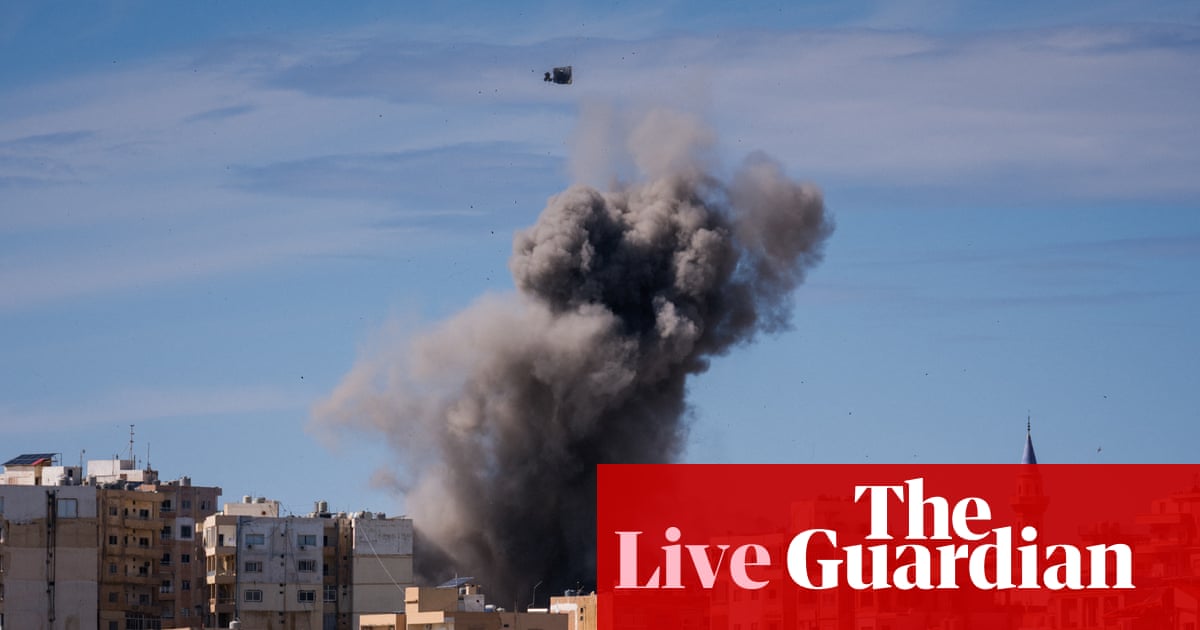
- Fighting in southern Lebanon is very likely to continue despite US, Iran agreement signals: Israeli strikes killed civilians in Nabatieh and targeted vehicles in Mayfadoun and Shoukin on 16 June, while Benjamin Netanyahu reiterated that Israeli forces will remain in the south and Itamar Ben Gvir said Israel is not bound by the US, Iran deal; Iran’s Khatam al‑Anbiya warned of a hard response if Israel’s attacks persist, and Tehran’s foreign minister tied an end to the Lebanon war to the agreement. (Confidence: medium · ASSESSED)
- I&W: Continued IDF strikes documented by Lebanon’s NNA in Nabatieh, Mayfadoun, or Shoukin, or new Israeli statements reaffirming an open‑ended presence south of the Litani. (0-14 days)
- I&W: Verified, monitored withdrawal of Israeli units from named positions in southern Lebanon or a publicly announced, enforced ceasefire covering cross‑border fire. (1-3 months)
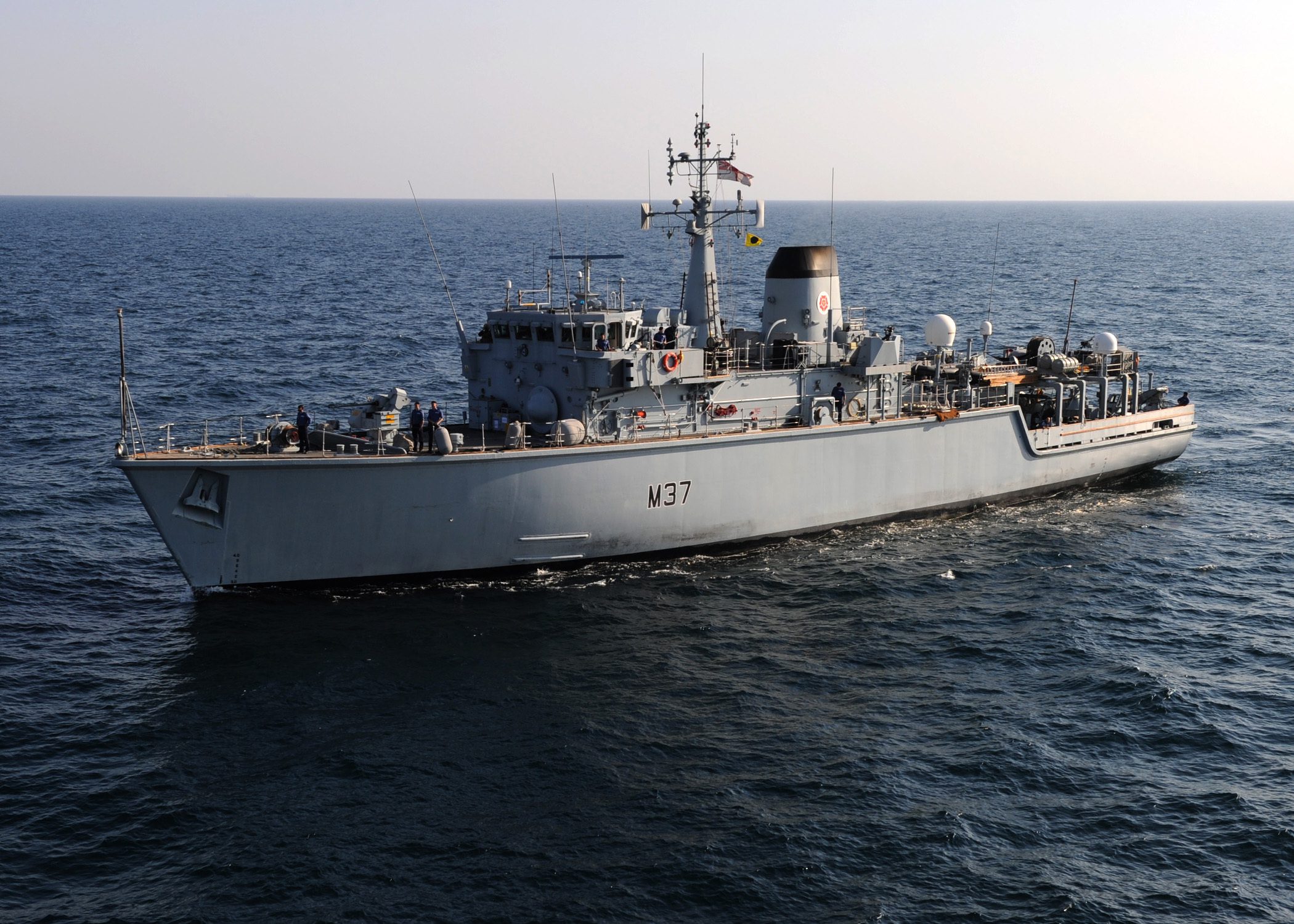
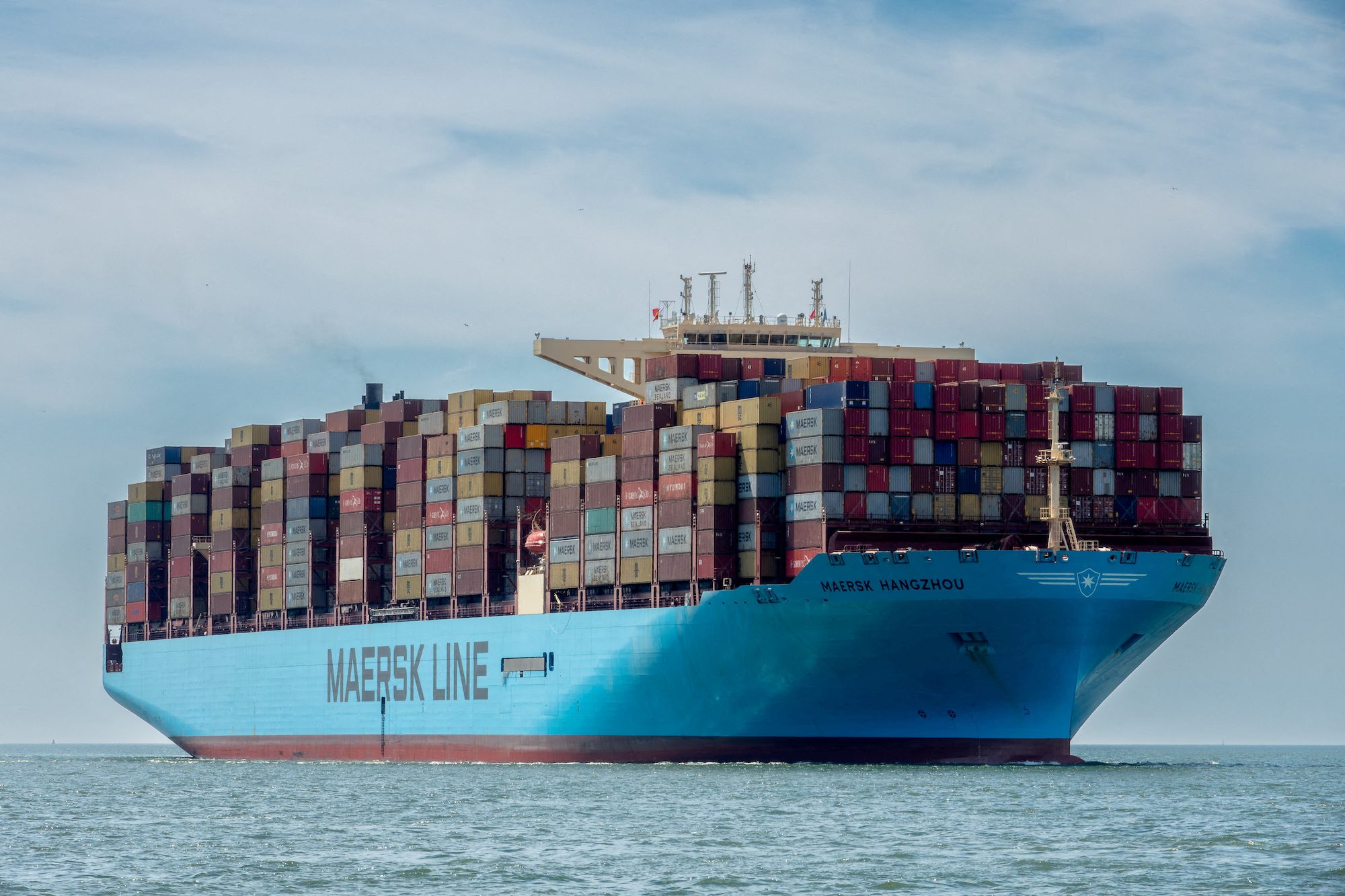
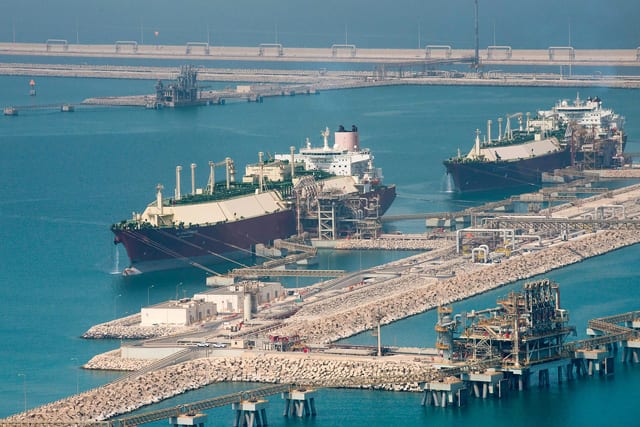
- Maritime risk in the Strait of Hormuz remains high, and normal trade flows are unlikely to resume quickly: shipping insurers have reduced or withdrawn cover, Maersk is keeping restrictions and emergency surcharges in place, only a handful of ships have transited since the deal announcement with hundreds waiting in the Gulf, and European governments are wary of rapid naval commitments; mine‑clearance timelines are measured in weeks to months even with UK and French vessels dispatched. (Confidence: high · ASSESSED)
- I&W: War‑risk insurers reinstate cover for Persian Gulf transits and Maersk lifts its Gulf booking limits and emergency surcharges. (0-14 days)
- I&W: Sustained rise in AIS‑visible laden tanker and LNG transits through Hormuz and a published mine‑clearance completion notice by UK or French naval authorities. (1-3 months)
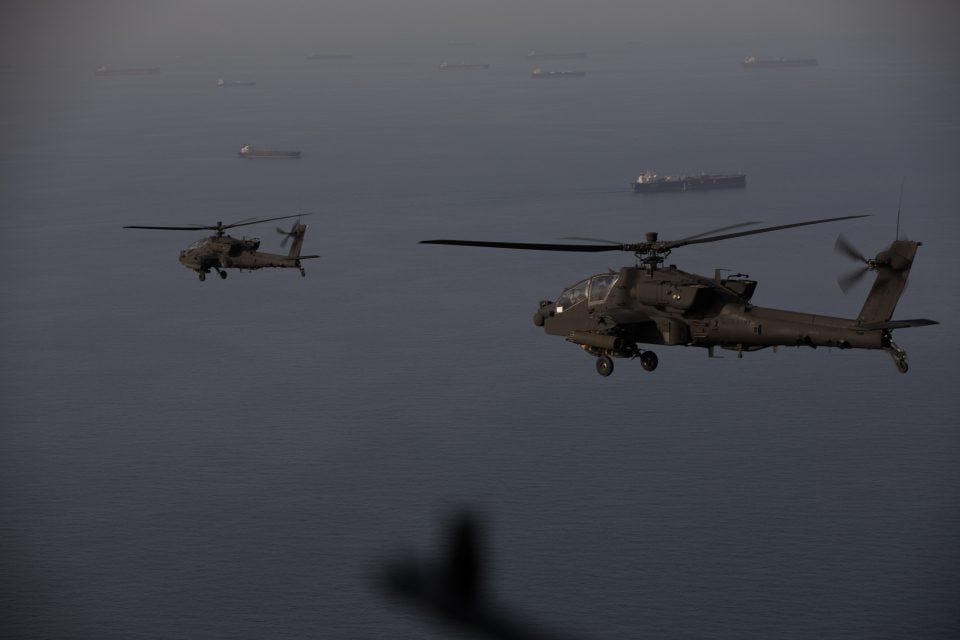
- The Iran, Israel war that began on 28 February has involved region‑wide strikes and remains unresolved: US and Israel conducted joint strikes on Iranian leadership, military installations and missile production sites, triggering severe constraints on Hormuz; Iran retaliated with barrages of drones and missiles against Israel and US bases in Kuwait, Jordan and Bahrain, with Kuwait’s air defences responding and a drone hit on a fuel tank at Kuwait airport. (Confidence: high · REPORTED)
- I&W: New cross‑border missile or drone salvos reported by Israeli, Iranian or Gulf state authorities. (0-14 days)
- I&W: A formal, verified cessation of cross‑border missile and drone attacks acknowledged by both Israel and Iran. (1-3 months)
- The civilian toll in Lebanon is severe and very likely rising: at least 3,826 people have been killed and 11,851 wounded by Israeli attacks since 2 March, and earlier tallies in late March already exceeded 1,070 dead. (Confidence: high · REPORTED)
- I&W: Updated casualty bulletins from Lebanon’s health ministry exceeding current totals. (0-14 days)
- I&W: A durable cessation of Israeli air and artillery strikes across southern Lebanon. (1-3 months)
- The threat environment in the United Arab Emirates remains elevated: the US ordered departure of non‑emergency personnel on 2 March, the FAA advised caution for US carriers in the Middle East including the UAE, and Iran has stated intent to target US‑associated locations in the Emirates amid persistent terrorism and armed conflict risks cited by the US State Department. (Confidence: high · REPORTED)
- I&W: Additional US security directives or public reporting of attempted plots or attacks against US‑linked sites in Abu Dhabi or Dubai. (0-14 days)
- I&W: Downgrading of the US travel advisory for the UAE or rescission of the FAA NOTAM for the region. (1-3 months)
- There is a roughly even chance that a signing in Switzerland around 19 June and claimed near‑term implementation will translate into measurable de‑escalation: public signals about a signing ceremony and implementation sit alongside Iranian statements calling US claims premature and Israeli officials saying Israel is not bound by Lebanese clauses while pledging to remain in southern Lebanon. (Confidence: medium · ASSESSED)
- I&W: Public, signed text in Switzerland and a week‑on‑week fall in recorded Israeli strikes in southern Lebanon. (0-14 days)
- I&W: Israeli cabinet decisions authorising continued operations in southern Lebanon and renewed Iranian military warnings against Israel. (0-14 days)
- Allied divergence will likely slow maritime normalisation: European partners do not share US optimism on a rapid Hormuz reopening, Italy conditions contributions on a halt to hostilities in Lebanon, and the US lacks deployable dedicated minesweeping assets, implying reliance on European mine countermeasures and longer timelines. (Confidence: medium · ASSESSED)
- I&W: Delayed or limited European announcements on deploying mine countermeasures groups to Hormuz, or statements reiterating conditionality tied to Lebanon. (0-14 days)
- I&W: A joint US, European communique with firm deployment timelines and capabilities for mine‑clearance in Hormuz, followed by measured traffic increases. (1-3 months)
Outlook & scenarios
Managed de‑escalation with a contested Lebanon front (50%)
Officials sign in Switzerland and move to implement an understanding that includes ceasefire elements and nuclear file discussions. Israel nevertheless maintains a footprint in southern Lebanon and continues targeted strikes, arguing it is not bound by Lebanese clauses. Iran calibrates pressure through warnings rather than new salvos. Hormuz traffic ramps slowly as insurers and carriers keep restrictions and new surcharges in place while European navies begin mine‑clearance. This aligns with public signals of a signing and implementation start, Israeli rejection of Lebanese terms, Iranian warnings, and shipping industry caution.
Deal falters and the Lebanon front escalates (45%)
The ceremony slips or the understanding proves unenforceable. Israeli strikes intensify in Nabatieh and adjacent districts and a maintained occupation triggers Hezbollah and Iranian responses. Khatam al‑Anbiya follows through on threats of a hard response if attacks do not stop. Hormuz remains constrained with insurers withholding cover and carriers rerouting. This tracks with Israeli leaders’ statements, Iran’s military warnings, and the absence of allied consensus on rapid maritime reopening.
Rapid maritime stabilisation under tight guarantees (25%)
A framework accord ratified in Geneva is coupled with firm European mine‑countermeasures deployments, a published clearance timeline of roughly weeks, and security assurances that restore insurer confidence. Iran and Oman formalise roles on maritime services, and traffic rises steadily as carriers unwind restrictions. This reflects reported timelines for mine‑clearance, European dispatch of naval vessels, and expectations around the Geneva ratification of a framework agreement.
Wildcard: Strike on a US‑linked site in the UAE (15%)
An attack against a US‑associated location in the UAE materialises, exploiting the elevated threat environment. The incident draws GCC states deeper into the confrontation, complicating any de‑escalation and deterring carriers from transiting Hormuz. This builds on Iranian intent statements targeting US‑linked sites in the Emirates and persistent US travel and aviation warnings.
Recommendations
- Maintain a daily operating picture of Hormuz using AIS vessel counts and carrier advisories to track whether transits and port calls are rising in line with stated US timelines; flag any insurer policy changes on war‑risk cover to decision‑makers.
- Task collection against Israeli ground posture south of the Litani and strike tempo in Nabatieh, Mayfadoun and Shoukin, and monitor Khatam al‑Anbiya statements for shifts from warning to mobilisation.
- Engage European liaison channels to clarify mine‑countermeasures availability, readiness and clearance timelines, given the US shortfall in deployable dedicated minesweeping assets.
- Advise US equities in the UAE to sustain heightened protective security measures and review movement protocols while the State Department ordered departure and FAA caution remain in effect.
- Prepare policy options to accelerate maritime confidence, including leveraging the US International Development Finance Corporation’s maritime reinsurance plan to bridge insurance gaps for essential cargoes.
- Track the Switzerland signing event logistics and attendance, including any role for the US vice president, and prepare immediate metrics for post‑signing de‑escalation assessment such as weekly strike counts in southern Lebanon and Hormuz transit volumes.
Confidence & uncertainty
Overall confidence is medium. Core conflict dynamics and recent incidents are corroborated by multiple major outlets and official advisories. Maritime risk assessments are supported by carrier policies, insurer behaviour, and allied statements. Key uncertainties lie in contradictory public messaging on the status of the US, Iran understanding and on the operational status of the Strait of Hormuz, as well as Israeli signalling that it will not be bound by Lebanese clauses. Casualty figures in Lebanon are from health ministry reporting relayed by major media, though earlier tallies differ due to timing.
Alternative analysis (red cell)
The corpus contains credible reporting of ongoing strikes and elevated maritime and regional risks, but many pivotal judgments rest on medium- or single-source items and conflicting political signals (see claims f13c76dc vs ce439886 and casualty tallies 22545e3c vs 85249ea8). An alternate, defensible estimate is that a signing—if it occurs—could produce selective, reversible reductions in some forms of violence while leaving other flashpoints (Lebanon border, shipping routes) volatile absent clear, verifiable implementation and enforcement mechanisms.
Cited sources
[1] Al Jazeera · Israeli strikes kill four in southern Lebanon amid ceasefire talks (A) · sha256:1586207ea5af [2] aljazeera.net · عراقجي: إنهاء الحرب في لبنان شرط في اتفاقنا مع واشنطن (A) · sha256:7b26f891a930 [3] aljazeera.net · "فشل إستراتيجي وتخلٍّ أمريكي". إجماع إسرائيلي نادر على رفض الاتفاق مع إيران (A) · sha256:9fd4eff4095c [4] gcaptain.com · Maersk Keeps Gulf Restrictions in Place Despite Hormuz Reopening Push (C) · sha256:c7c346f2a950 [5] bbc.com · Three reasons ships are not sailing through the Strait of Hormuz yet (A) · sha256:41066e4eb054 [6] gcaptain.com · QatarEnergy Ready to Restart LNG Output, Reach Current Capacity in One Month, Source Says (A) · sha256:3ac0eedda2d6 [7] gcaptain.com · Europeans Wary of Committing Naval Power to Hormuz Quickly (B) · sha256:bdad257665c8 [8] gcaptain.com · Hormuz Is Reopening. Shipping's Old Playbook Isn't. (B) · sha256:e72c48f4964d [9] Wikipedia · 2026 Iran war (B) · sha256:20cf475717b3 [10] Georgetown Journal of International Affairs · The War Against Iran and Global Risks: “Tell Me How This Ends” - Georgetown Journal of International Affairs (C) · sha256:e232a63acbcd [11] Atlantic Council · Experts react: How the world is responding to the US-Israeli war with Iran (C) · sha256:b6fbdb1c23ab [12] The Guardian · Fire at Kuwait airport after drone attack – as it happened (A) · sha256:a4f171edecc4 [13] U.S. Department of State · United Arab Emirates Travel Advisory (A) · sha256:7a0c71f2991b [14] gcaptain.com · US at Odds With Allies Over How Easy It Is to Reopen Hormuz (B) · sha256:d70fe580142c [15] dw.com · Трамп в 39-й раз обещает сделку с Ираном (B) · sha256:fd8cfd7f60a2
Source content hashes were computed at collection time; the cited text is preserved unmodified for the life of this product.
Red cell review: PARTIAL DISSENT
TLP:CLEAR