TLP:CLEAR · Disclosure is not limited.
Iran-Israel Conflict: Direct US-Iran Exchanges Expand Regional and Maritime Risks
Time window: Last 1 day · Audience: General analyst · Type: Situation report · DTG: 2026-08-31 18:12Z · Overall confidence: HIGH
BLUF
Very likely the conflict will remain active across the Strait of Hormuz, Jordan, the UAE and Lebanon over the next 14 days. The US strike on Larak Island and Iranian attacks affecting Jordan and the UAE have widened the immediate risk picture, while Hormuz shipping remains severely reduced rather than fully stopped.
Executive summary
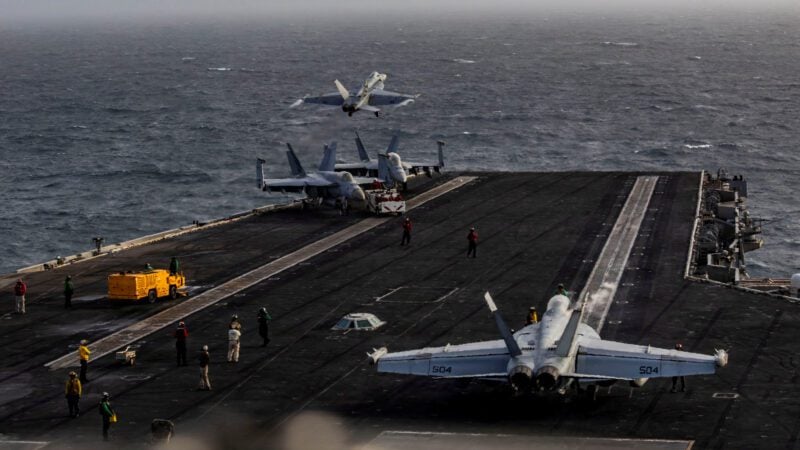
On 30 August, US forces struck two Iranian launchers on Larak Island in the Strait of Hormuz. Iran subsequently launched missiles towards US-linked sites in Jordan, which Jordan said it intercepted, and claimed a drone operation near Al Minhad Base, after which the UAE reported intercepting an Iranian drone over its territorial waters. Shipping data shows sharply reduced but continuing Hormuz traffic, while insurance, freight and tanker rates have risen. Iran and the US are combining military signalling with economic and diplomatic pressure. The Makkah Joint Defence Agreement between Saudi Arabia, Türkiye and Pakistan adds a regional security mechanism, but Riyadh did not invoke the pact after a reported Houthi attack.
Change from previous assessment
Since the 29 August brief, the assessment has shifted from a continuing distributed conflict to a higher-confidence judgement that direct US-Iran exchanges have resumed after the reported Larak Island strike and Iranian attacks affecting Jordan and the UAE. Confidence in severe Hormuz disruption has increased because current data shows five visible commodity vessels per day over the weekend, although the assessment now distinguishes sharply reduced traffic from a complete closure. A new judgement has been added on Hezbollah's reported shift towards prolonged low-intensity guerrilla tactics. The prior assessment of limited diplomatic risk management remains, but the immediate prospect of a durable settlement is lower because military exchanges and sanctions pressure have both intensified.
Key judgments
- Very likely US-Iran military exchanges will remain active and geographically distributed across the Strait of Hormuz, Jordan and the UAE during the next 14 days. On 30 August, US forces struck two Iranian launchers on Larak Island, which US Central Command said were linked to IRGC preparations to lay mines. Iran then launched missiles towards US-linked bases in Jordan, with Jordan reporting eight interceptions, and Iran claimed a drone operation near Al Minhad Base, followed by the UAE's reported interception of one Iranian drone over its territorial waters. Confidence is high because the Larak strike and Jordan exchange are supported by wire and major-media reporting, while the UAE incident is corroborated by UAE official reporting and multiple major-media accounts. The scale of any follow-on exchange remains uncertain. (Confidence: high · ASSESSED)
- I&W: Confirmation: US Central Command or Iranian official reporting, corroborated by major media, records another strike on Iranian positions or another Iranian launch towards Jordanian or UAE sites. (0-14 days)
- I&W: Break: no further US-Iran strikes and no further Iranian attacks affecting Jordan or the UAE are reported during the next 14 days. (0-14 days)
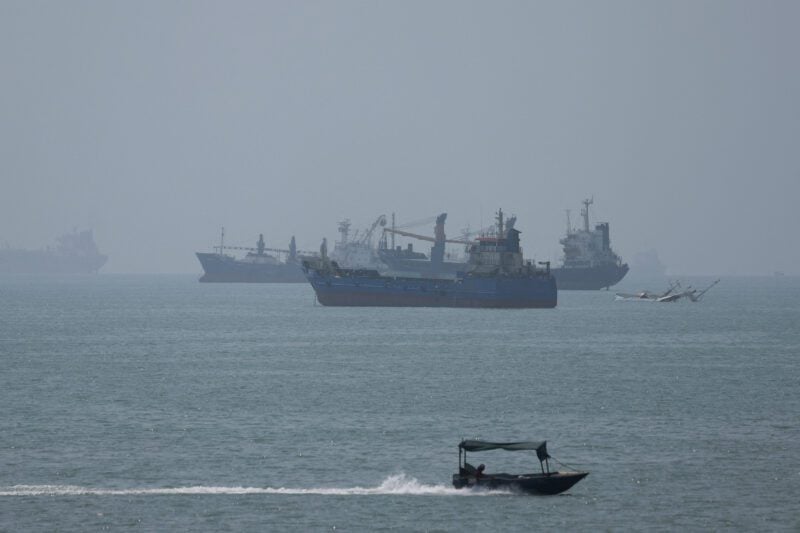
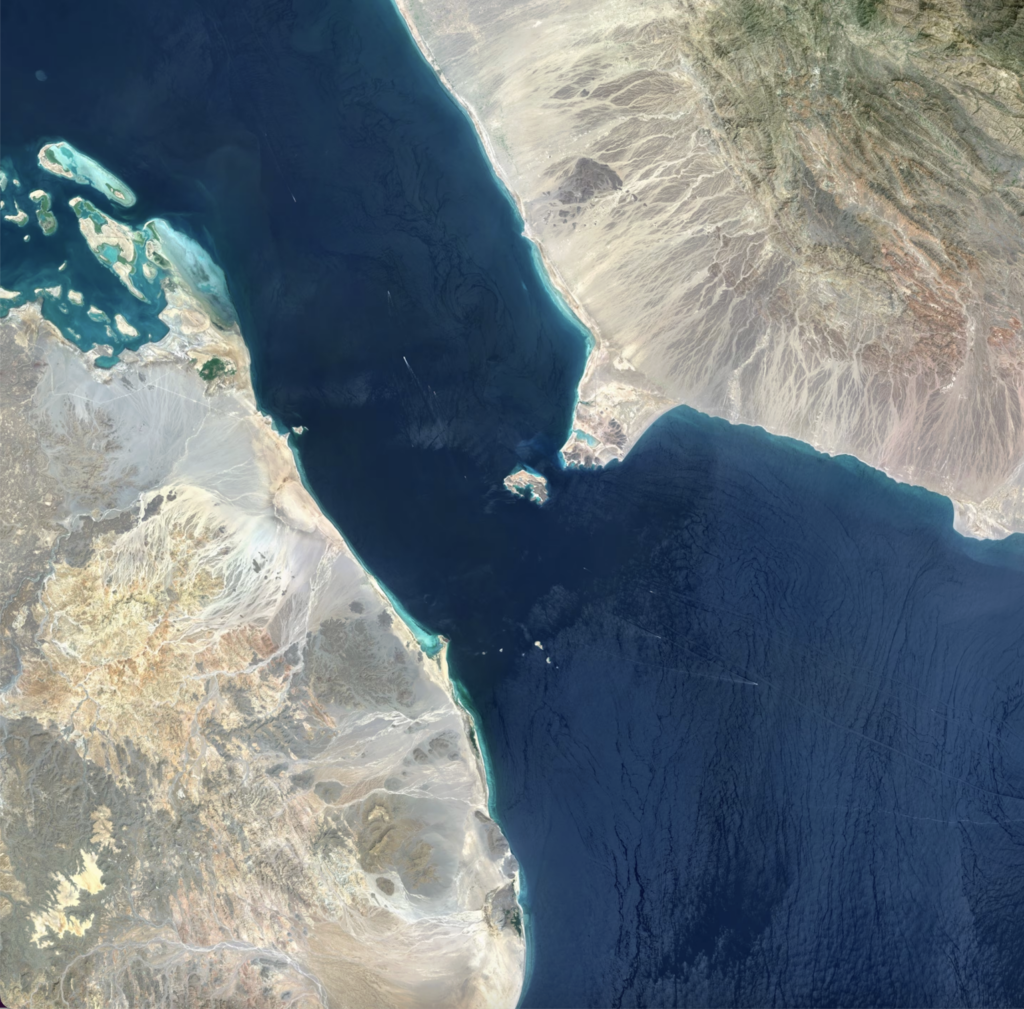
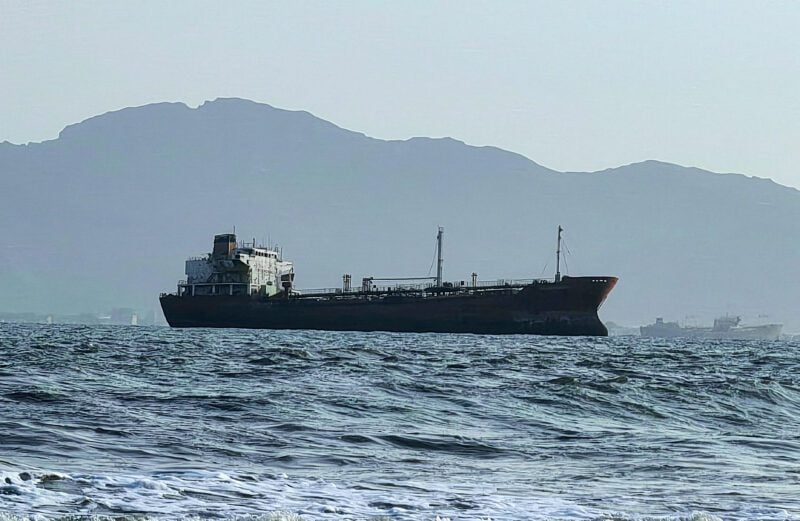
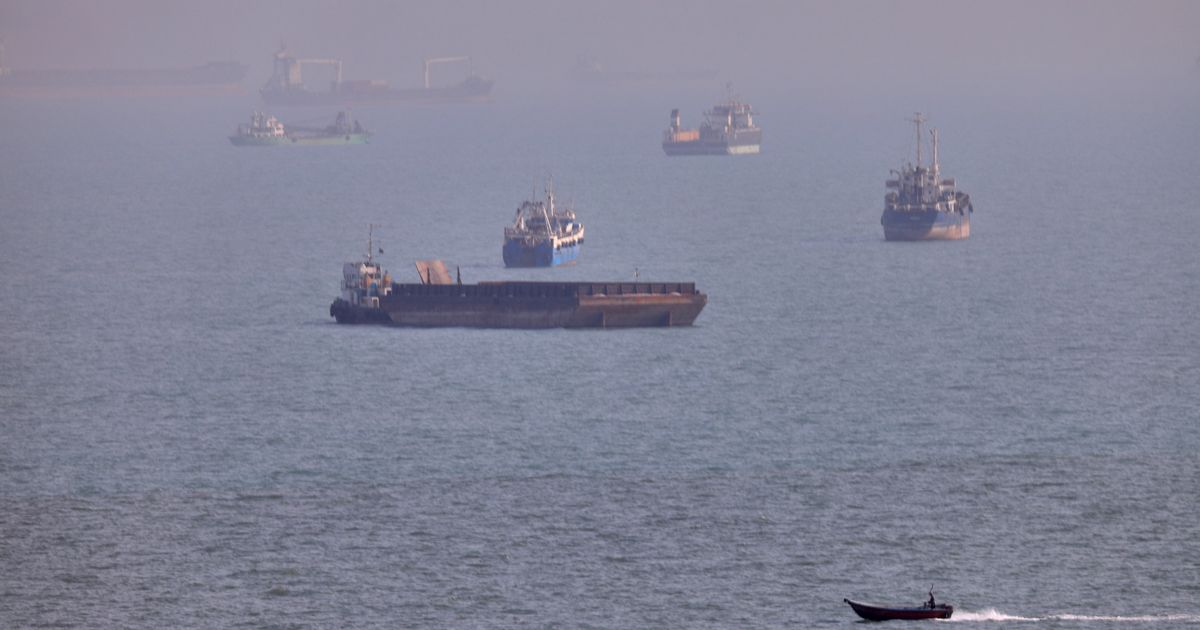
- Very likely commercial shipping through the Strait of Hormuz will remain severely reduced, but unlikely to be fully stopped, over the next 14 days. Kpler data showed five visible commodity vessels per day over the weekend, while 14 vessels transited on 28 August and some vessels switched off their AIS transponders. Weekend traffic was limited to small vessels, including two LPG carriers. The US military reported that shipping routes had been cleared of mines, while other reporting described an IRGC attempt to deploy eight mines. Confidence is medium because shipping data, maritime reporting and US military statements corroborate severe disruption, but the description of an effective closure conflicts with observed residual traffic and AIS-related measurement gaps. (Confidence: medium · ASSESSED)
- I&W: Confirmation: Kpler records five or fewer visible commodity vessels per day for at least three consecutive days, or UK Maritime Trade Operations reports another attack or mine threat in the strait. (0-14 days)
- I&W: Break: 14 or more commercial vessels per day, including laden VLCCs or LNG carriers, transit the strait for three consecutive days without a new reported incident. (0-14 days)
- Likely US economic pressure and diplomatic messaging will produce limited risk-management activity rather than a durable US-Iran settlement over the next 14 days. US Treasury Secretary Scott Bessent has promised further sanctions against banks doing business with Iran and an economic campaign involving China. Iranian President Masoud Pezeshkian has said Iran does not seek war but will respond to aggression, while Foreign Minister Abbas Araghchi has said Iran remains open to diplomacy if Washington abandons its pressure campaign. Confidence is medium because the diplomatic positions are statements without reported implementation, and reporting differs on whether further bank sanctions are imminent or conditional. (Confidence: medium · ASSESSED)
- I&W: Confirmation: US Treasury announces the second bank sanction while Iranian officials keep diplomacy conditional and no ceasefire or sustained pause in strikes is announced. (0-14 days)
- I&W: Break: the US and Iran begin formal negotiations accompanied by a seven-day pause in reported strikes and maritime attacks. (0-14 days)
- Likely shipping and energy costs will remain elevated over the next 1-3 months. Brent crude is above $90 a barrel, war-risk insurance premiums have risen as much as fourfold, Gulf-to-Asia freight rates have increased by more than 300 per cent, and Oman-to-China ship hire has risen to about $220,000 per day from $131,000 a month earlier. E3G assesses that fertilizer shortages linked to Hormuz disruption will affect food prices and harvests in South Asia and East Africa after a 6-9 month delay. Confidence is medium because the market indicators are corroborated across trade, wire and major-media reporting, but the longer-term food and harvest forecast rests primarily on NGO analysis. (Confidence: medium · ASSESSED)
- I&W: Confirmation: Brent remains above $90 a barrel, Oman-to-China vessel hire remains at or above $220,000 per day, and visible Hormuz traffic stays at five or fewer commodity vessels per day. (1-3 months)
- I&W: Break: Brent falls below $90 a barrel and vessel hire returns towards $131,000 per day while Hormuz traffic reaches at least 14 vessels per day for two weeks. (1-3 months)
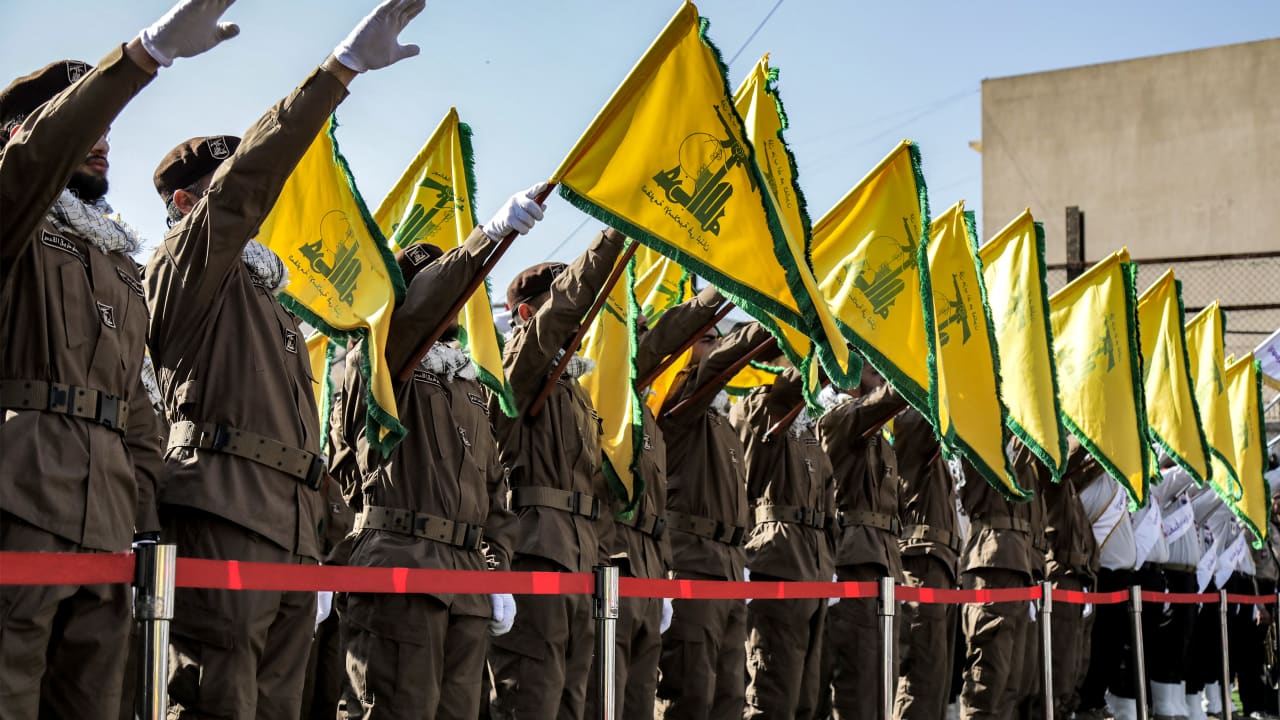
- Likely Hezbollah will favour prolonged low-intensity guerrilla tactics in southern Lebanon over a large effort against the Galilee during the next 1-3 months. The Alma Research and Education Center assesses a shift towards small-scale infiltrations, drone and explosive attacks, while reporting that Hezbollah's ability to seize the Galilee has been reduced by infrastructure damage and the continued IDF presence in southern Lebanon. The group is assessed to retain as many as 15,000 rockets and tens of thousands of reservists, but a shortage of skilled FPV-drone operators and a move away from precision-guided, cruise and shore-to-sea missiles limit some capabilities. Confidence is medium because the judgement relies largely on one research centre's assessment, with partial support from reported IDF encounters and observed Hezbollah drone use. (Confidence: medium · ASSESSED)
- I&W: Confirmation: reporting records further small-scale Hezbollah infiltrations from southern Lebanon or additional FPV-drone and explosive attacks against Israeli assets. (1-3 months)
- I&W: Break: Hezbollah conducts a sustained campaign using precision-guided, cruise or shore-to-sea missiles, or launches an organised assault into the Galilee. (1-3 months)
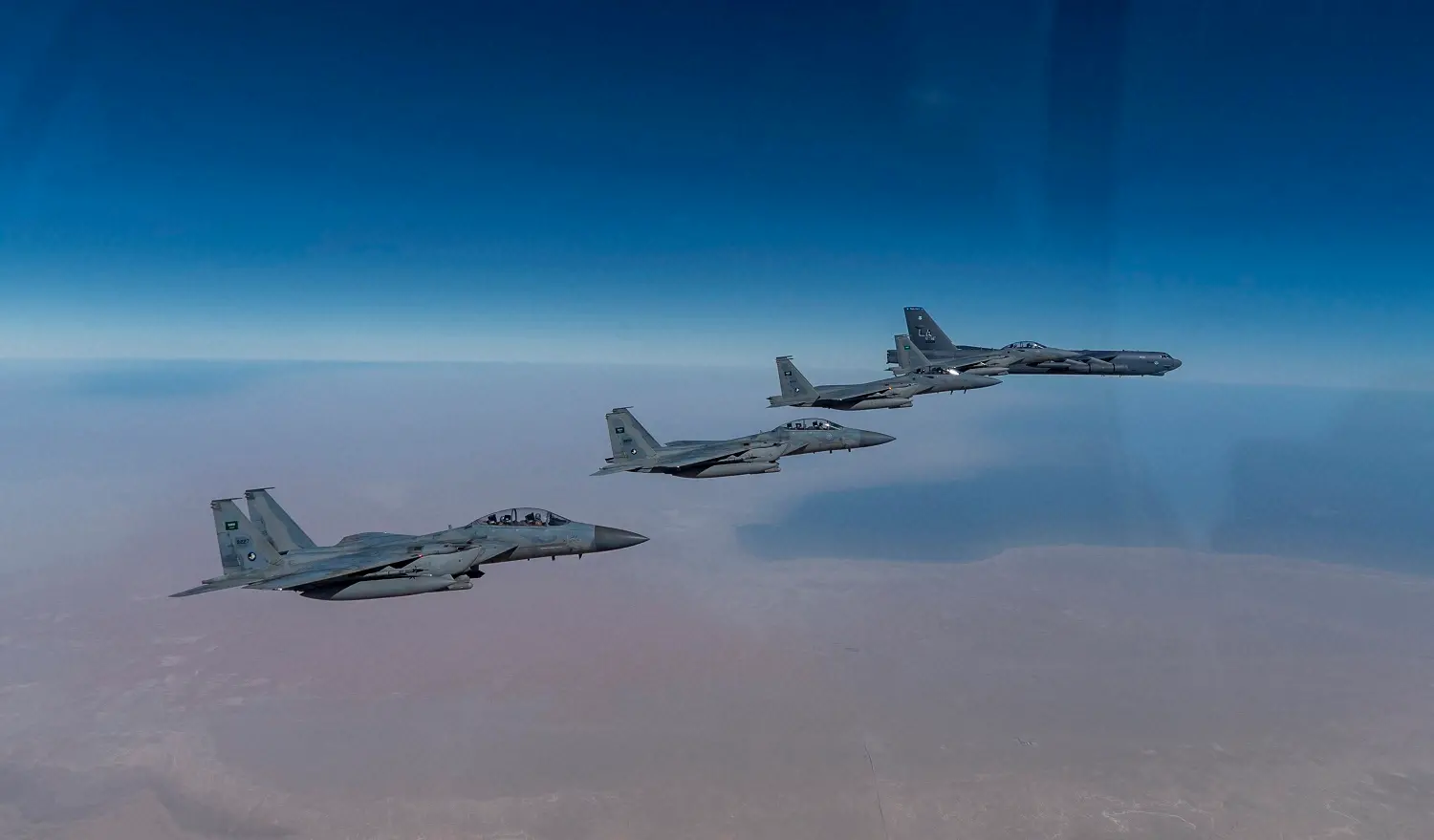
- Likely Saudi Arabia, Türkiye and Pakistan will deepen defence coordination without immediate collective military action against Iran over the next 1-3 months. The Makkah Joint Defence Agreement provides for expanded defence cooperation and treats an attack on one member as an attack on all three, while its signatories describe it as defensive, directed at no country and open to additional participants. Riyadh did not invoke the pact after a reported Houthi attack, indicating that implementation remains untested. Confidence is medium because the agreement and official statements are well reported, but there is limited evidence of operational implementation. (Confidence: medium · ASSESSED)
- I&W: Confirmation: the three governments announce accession discussions, formal exercises or new defence measures under the Makkah Joint Defence Agreement. (1-3 months)
- I&W: Break: a member invokes the pact after an attack, or the governments publicly identify Iran as the agreement's target. (1-3 months)
Outlook & scenarios
Constrained multi-front continuation (55%)
US and Iran conduct further limited exchanges around Larak Island, Jordan and UAE-linked targets. Iran maintains pressure on shipping, leaving Hormuz severely reduced with residual traffic. Hezbollah continues low-intensity activity from Lebanon. US Treasury pressure increases while Iranian officials keep diplomacy conditional. No durable settlement is reached.
Negotiated pause without settlement (25%)
US and Iranian officials establish indirect or direct contact and reach a short pause in strikes. The US maintains sanctions pressure, while Iran seeks relief from the pressure campaign before accepting broader diplomacy. Shipping improves from current levels but remains below normal because war-risk concerns persist.
Wider regional and maritime escalation (20%)
Iran conducts additional attacks affecting Jordan, the UAE or commercial shipping, and the US responds with further strikes against IRGC positions or mine-related systems. A new mining attempt, a successful attack on a tanker, or Hezbollah infiltration into Israeli territory triggers wider military responses. This is the low-probability, high-impact wildcard because it would place Gulf states, US forces and maritime traffic in a single escalation cycle.
Recommendations
- Maintain a 0-14 day watchlist that separates confirmed strikes from Iranian, US, Jordanian and UAE claims. Prioritise independently corroborated reporting on launches, interceptions, casualties and damage at Larak Island, Jordanian bases and UAE territorial waters.
- Assess the Strait of Hormuz as severely disrupted rather than fully closed. Track Kpler vessel counts, AIS-dark traffic, UK Maritime Trade Operations alerts, mine-clearance activity, war-risk insurance and Gulf-to-Asia freight rates as separate indicators.
- Keep the diplomatic and sanctions tracks separate in reporting. Record any US Treasury action against banks, any Iranian conditions for renewed diplomacy, and any verified US-Iran contact alongside the military activity rather than treating statements as evidence of a settlement.
- Monitor Hezbollah for the specific shift assessed by the Alma Research and Education Center: small-scale infiltration, FPV-drone attacks and explosive attacks. Flag any renewed use of precision-guided, cruise or shore-to-sea missiles as evidence that the current force-employment assessment is breaking.
- Treat the Makkah Joint Defence Agreement as a political commitment with untested operational consequences. Track accession discussions, exercises, formal assistance and any decision by Saudi Arabia, Türkiye or Pakistan to invoke the pact after an attack.
- In logistics reporting, treat the MARAD activation of Empire State VII as a confirmed activation with an unresolved mission status. Do not infer a Diego Garcia destination until independently confirmed, and retain the distinction between the signed MARAD memorandum and the reported outstanding Department of Defense review.
Confidence & uncertainty
Overall confidence is high because the central developments are corroborated by official statements from US Central Command, Jordan, the UAE and US Treasury, alongside reporting from Associated Press, Reuters, Bloomberg, major media and maritime trade publications. The main uncertainties concern the precise purpose and casualty count of the Larak strike, the unconfirmed IRGC claim regarding a US MQ-9 Reaper, the true volume of Hormuz traffic because some vessels have switched off AIS, and the final approval status and destination of Empire State VII. These uncertainties affect scale and attribution, not the assessment that direct exchanges and maritime disruption have intensified.
Intelligence gaps
- [EEI 1.1 · PARTIAL] Unusual long-range missile/rocket transporter-launcher (TEL) movements, storage activation, or assembly activity at known IRGC missile sites or forward staging areas. Recommended collection: satellite/imagery
- [EEI 1.2 · PARTIAL] Orders, threat-alert messages, or changes in posture from IRGC, Quds Force, or senior Iranian military leadership indicating attack timelines or rules of engagement changes. Recommended collection: signals/ELINT and HUMINT
- [EEI 1.3 · PARTIAL] Large-scale transfers, deliveries, or convoy movements of armed UAVs/drones, guided munitions, or spare parts from Iran into Lebanon (Hezbollah), Iraq, Syria, or Gaza. Recommended collection: air/aviation track and HUMINT
- [EEI 1.4 · UNCOVERED] Sustained changes in Israeli air-defense usage (SAM launches, radar activations), wide-area alerts, or NOTAMs indicating elevated imminent strike response. Recommended collection: air/aviation/NOTAMs and signals
- [EEI 2.1 · UNCOVERED] Concentration, repositioning, or sortie patterns of Iranian naval/IRGC patrol boats and fast-attack craft near shipping chokepoints or commercial lanes. Recommended collection: maritime/AIS and satellite/imagery
- [EEI 2.3 · UNCOVERED] Insurance market indicators: sudden spikes in war-risk or hull insurance premiums for routes through the Red Sea, Suez corridor, or Persian Gulf, and major carriers announcing route changes. Recommended collection: financial/market and commercial shipping notices
- [EEI 2.4 · UNCOVERED] Port closures, naval escorts requested by commercial operators, or formal rerouting advisories issued by major shippers (e.g., Maersk, Hapag-Lloyd) for regional transits. Recommended collection: commercial/OSINT
- [EEI 3.1 · UNCOVERED] Deployment of foreign military assets to the region (carrier strike groups, amphibious ships, combat aircraft deployments, or additional bases activated) from the US, UK, France, Russia, or GCC states. Recommended collection: maritime/AIS and air/aviation and satellite/imagery
- [EEI 3.3 · PARTIAL] Confirmed arms transfers, expedited weapons shipments, or transfer authorizations to Israel, Iran, or their proxies (aircraft parts, munitions, air defenses). Recommended collection: customs/INTEL and HUMINT
- [EEI 3.4 · UNCOVERED] Issuance of travel warnings, embassy evacuations or reductions, and closure of diplomatic missions by major capitals indicating escalation risk or shifted threat assessments. Recommended collection: OSINT/diplomatic
Cited sources
[1] gCaptain (republishing Reuters) · Vessels Crossing Strait Of Hormuz Drop To 5 Per Day (B) · Sun Aug 30 2026 23:42:52 GMT+0000 (Coordinated Universal Time) · sha256:fc3284ee1442 [2] Mathrubhumi (English edition) · US bombs Iranian positions near Hormuz: Tehran reports 2 dead, several injured (B) · Mon Aug 31 2026 12:00:00 GMT+0000 (Coordinated Universal Time) · sha256:6feecfb65dfc [3] gCaptain (republishing Bloomberg) · US and Iran Exchange Attacks for First Time in About a Month (A) · Mon Aug 31 2026 07:48:20 GMT+0000 (Coordinated Universal Time) · sha256:fea2cd8c43a6 [4] Gulf News · US-Iran war: What UAE residents need to know tonight, August 31 (A) · Mon Aug 31 2026 13:25:07 GMT+0000 (Coordinated Universal Time) · sha256:f7cc056c96ec [5] WRAL (carrying Associated Press content) · United Arab Emirates intercepts an Iranian drone, and other news from the Middle East (A) · Mon Aug 31 2026 11:23:13 GMT+0000 (Coordinated Universal Time) · sha256:50ffe0f45f00 [6] 350.org · When war, warming and El Niño collide: the world's shipping lanes are buckling all at once (C) · Mon Aug 31 2026 11:09:36 GMT+0000 (Coordinated Universal Time) · sha256:3430cff4c571 [7] The Maritime Executive · US Pre-empts Iranian Rocket Deployment of Sea Mines in Strait of Hormuz (C) · sha256:933efdd159bc [8] gCaptain (republishing Bloomberg) · Oil Tankers Make Fortunes During War as Sinokor Dominates (C) · Mon Aug 31 2026 16:13:10 GMT+0000 (Coordinated Universal Time) · sha256:ae3317bf341a [9] The Jerusalem Post · Hezbollah shifts to guerrilla warfare, drone strikes as terror group prepares for prolonged war (B) · Mon Aug 31 2026 14:51:41 GMT+0000 (Coordinated Universal Time) · sha256:e03bb190b0cc [10] Anadolu Agency (AA), republished by Muslim Network TV · Türkiye says Makkah defense pact could form basis of new regional security architecture - Muslim Network TV (B) · Mon Aug 31 2026 13:49:54 GMT+0000 (Coordinated Universal Time) · sha256:0de24cccbf41 [11] The Organization for World Politics (theowp.org) · Saudi Arabia, Turkey, and Pakistan Sign Landmark Defence Agreement (C) · Mon Aug 31 2026 14:04:15 GMT+0000 (Coordinated Universal Time) · sha256:df7abc092060
Source content hashes were computed at collection time; the cited text is preserved unmodified for the life of this product.
TLP:CLEAR