TLP:CLEAR · Disclosure is not limited.
Iran-Israel Conflict: Elevated Regional Security Risks, 24 October 2026
Time window: Last 1 day · Audience: General analyst · Type: Situation report · DTG: 2026-10-24 06:39Z · Overall confidence: HIGH
BLUF
US strikes against Iran before 3 November are unlikely, while a resumption after the US midterm elections has a roughly even chance. The immediate risks are reported threats to US personnel, US diplomatic staffing reductions across the Gulf, and Israeli security operations and movement restrictions in the West Bank.
Executive summary
Reporting on 24 October describes a heightened security posture but does not establish that a new US or Israeli strike on Iran is imminent. A US intelligence memorandum reportedly warned that Iranian plots against US personnel had reached advanced stages. The State Department ordered nonessential staff and family members to leave Saudi Arabia and reduced staffing at posts in Jordan, Lebanon, Qatar and the United Arab Emirates, with adjustments also reported in Bahrain and Kuwait. The Pentagon is reported to have relocated troops from Jordan, Qatar and Kuwait and presented strike options against Iranian targets. Trump has pledged no new attacks before 3 November but threatened another operation at a 23 October rally; US officials say the diplomatic staffing measures are driven by security concerns, not strike preparations. In the West Bank, Israeli forces launched operations after two Israeli soldiers were killed in a 23 October attack. Reports differ on whether movement restrictions amount to a West Bank-wide lockdown or more local cordons. Reports of two tankers being hit in the Strait of Hormuz are unverified, and accounts disagree on whether missiles or mines caused the damage.
Change from previous assessment
Since the 23 October brief, reporting has added a 23 October US intelligence warning about alleged Iranian plots against US personnel, US staffing reductions at more Gulf diplomatic posts, and reported troop relocations and strike options. Trump's pledge of restraint before 3 November is now set against his 23 October rally threat, so the assessment retains a roughly even chance of strikes after the election but keeps pre-election action unlikely. The West Bank attack, ensuing operations and reported movement restrictions are new developments. The prior assessment of elevated Strait of Hormuz shipping risk remains, but the new two-tanker account is unverified and conflicting on whether missiles or mines caused damage. Israel's election outlook remains unchanged: polling still points to coalition negotiations rather than an immediate majority.
Key judgments
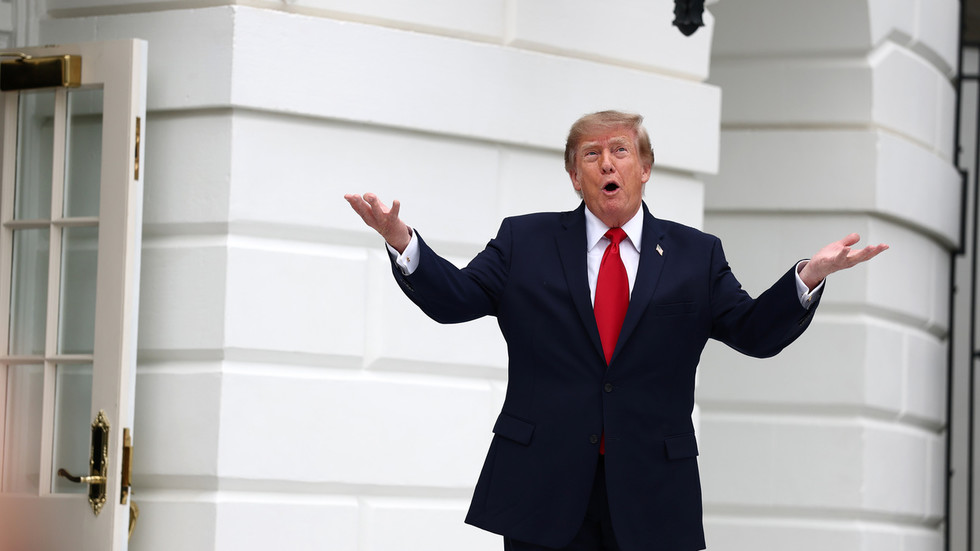
- US strikes against Iran before 3 November are unlikely, while a resumption after the election has a roughly even chance. Donald Trump has pledged pre-election restraint but threatened another operation at a 23 October rally. The Pentagon is reported to have presented options against Iranian nuclear facilities, underground military installations and Kharg Island. US officials deny that diplomatic staffing reductions are preparations for strikes, and reported Israeli efforts to secure earlier US action have so far been unsuccessful. Conflicting public signals and reporting about classified planning leave this estimate low-confidence. (Confidence: low · ASSESSED)
- I&W: Confirmation: the White House or Pentagon announces strike authorisation against Iran, or reliable reporting identifies strike-specific force movements. Horizon: 0-14 days. (0-14 days)
- I&W: Break: Trump or the White House reaffirms no attacks before 3 November and no strike authorisation or strike-specific movement is reported by that date. Horizon: 0-14 days. (0-14 days)
- The threat to US diplomatic personnel in Saudi Arabia and other Gulf posts is likely elevated over the next 14 days, but the reported Iranian plots are not independently verifiable from the available reporting. A 23 October intelligence memorandum attributed to Director of National Intelligence Jay Clayton reportedly warned that lethal plots had reached advanced stages. The State Department ordered nonessential personnel and their families to leave Saudi Arabia, reduced staffing in Jordan, Lebanon, Qatar and the United Arab Emirates, and made quieter staffing adjustments in Bahrain and Kuwait. These measures support an assessment of elevated precautionary risk, not confirmation that an attack is imminent. (Confidence: medium · ASSESSED)
- I&W: Confirmation: the State Department orders additional personnel or family departures from Jordan, Lebanon, Qatar, the United Arab Emirates, Bahrain or Kuwait, or announces a mission closure. Horizon: 0-14 days. (0-14 days)
- I&W: Break: the State Department rescinds the Saudi departure order and announces restored staffing at the other named posts. Horizon: 0-14 days. (0-14 days)
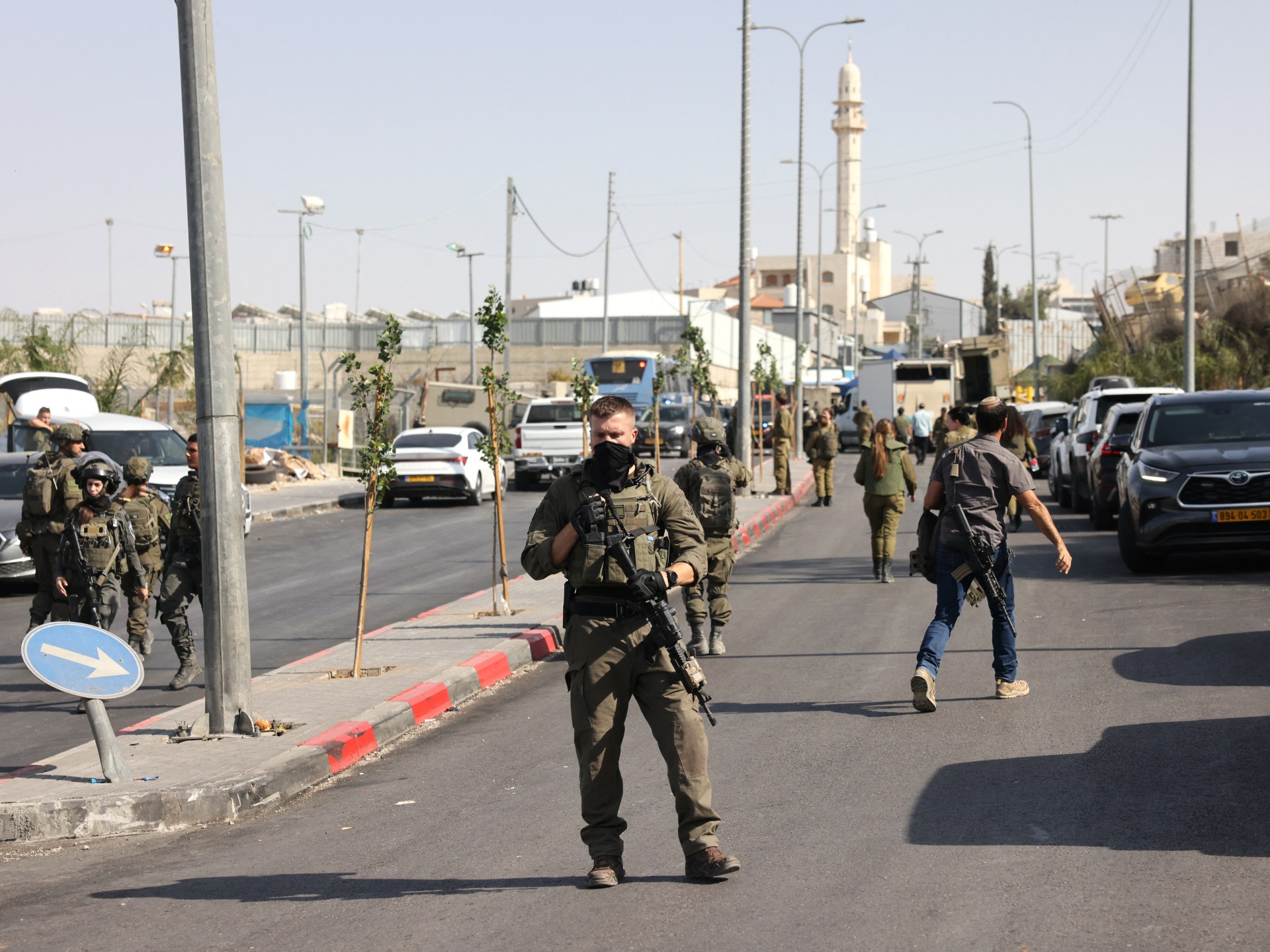
- Israeli security operations and movement restrictions are likely to continue in Hebron and parts of the West Bank for several days. The 23 October attack near Judea Junction killed two Israeli soldiers. The Israeli military, Shin Bet, border police and Judea regional brigade launched an operation in the Hebron area; reports also describe raids in at least 15 northern West Bank towns and dozens of Palestinian detentions. The scope of movement restrictions remains contested: reporting describes both cordons around Hebron and Halhul and a wider lockdown involving nearly 1,000 checkpoints and gates. (Confidence: medium · ASSESSED)
- I&W: Confirmation: the Israeli military announces that the Hebron operation has been extended, or reports document continued raids and checkpoints in Hebron and northern West Bank towns. Horizon: 0-14 days. (0-14 days)
- I&W: Break: the Israeli military announces the operation has ended and reports confirm removal of the Hebron cordons and wider movement restrictions. Horizon: 0-14 days. (0-14 days)
- Commercial shipping risk in the Strait of Hormuz is likely to remain high over the next 14 days, but the reported latest tanker attack and its cause remain unverified. The IRGC Navy is reported to have released footage of two Very Large Crude Carriers targeted by missiles; a separate account says two supertankers caught fire after hitting mines. The accounts conflict on the damage mechanism, and both rely on social-media reporting. Separate reporting citing three maritime security sources described at least 12 tanker attacks around the Strait during the week of 28 September to 5 October. September transit data also show Sinokor ships continued carrying crude through the Strait. (Confidence: low · ASSESSED)
- I&W: Confirmation: independent maritime security reporting identifies the two vessels and corroborates damage in the Strait of Hormuz. Horizon: 0-14 days. (0-14 days)
- I&W: Break: maritime reporting confirms the tanker footage or fire accounts are misattributed, and published transit data show sustained commercial crossings without new reported attacks. Horizon: 0-14 days. (0-14 days)
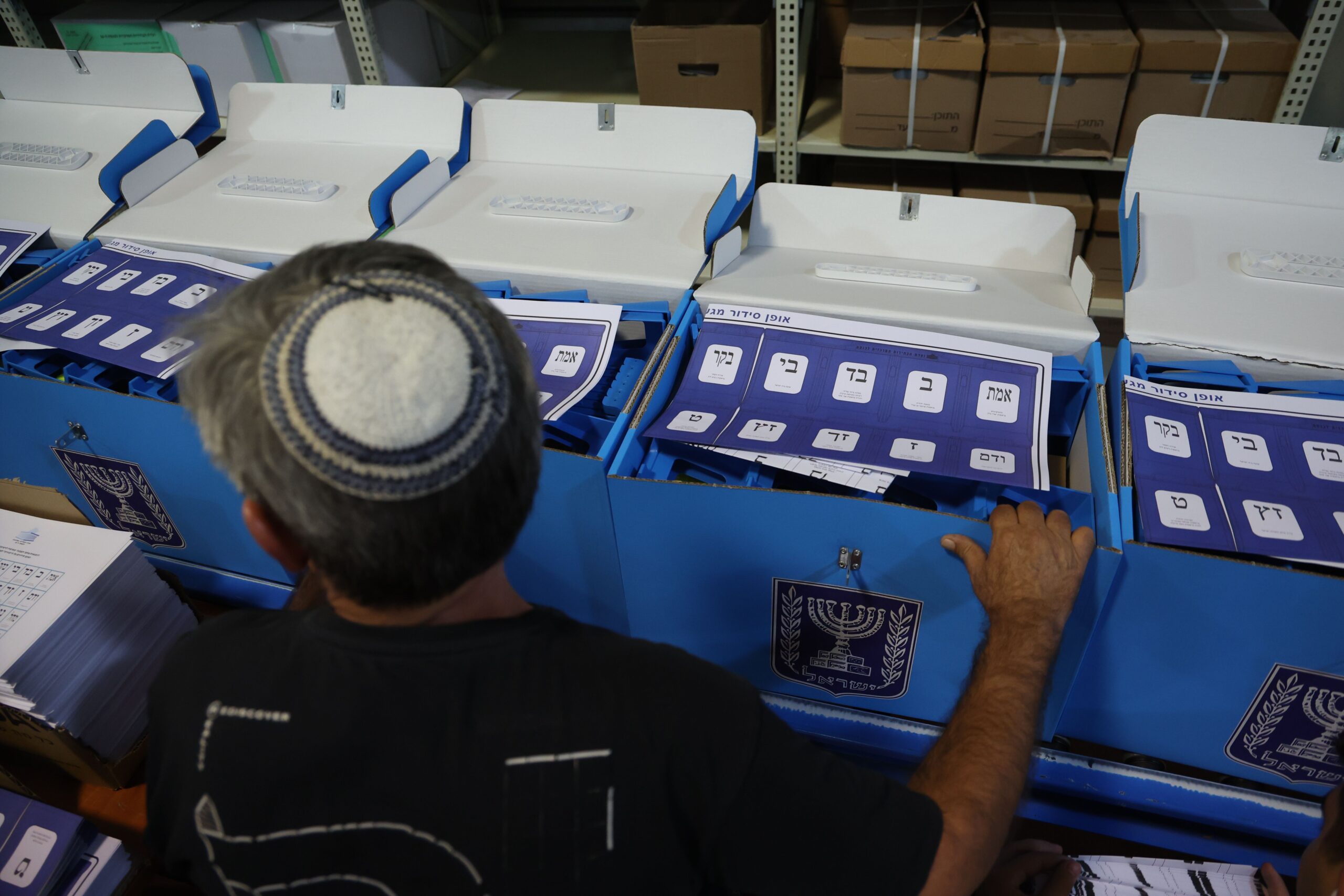
- A clear governing majority is unlikely to emerge immediately from Israel's 27 October election. Recent polling places Gadi Eisenkot's Yashar party at 20-24 seats and Benjamin Netanyahu's Likud at 18-21 seats, while reported projections put Netanyahu's bloc below the 61 seats needed for a majority. Polling does not establish whether the opposition can assemble a governing coalition, so coalition negotiations are more likely than a prompt change of government. (Confidence: medium · ASSESSED)
- I&W: Confirmation: official results leave every bloc short of 61 seats and coalition negotiations begin. Horizon: 0-14 days. (0-14 days)
- I&W: Break: official results give a single bloc at least 61 seats. Horizon: 0-14 days. (0-14 days)
- Iran is unlikely to provide immediate physical access for IAEA inspections without security assurances. At the UN General Assembly in New York on 24 October, Iranian envoy Gholamhossein Darzi said attacks on safeguarded nuclear facilities had made inspections unsafe without adequate guarantees, while asserting that Iran had not formally suspended its safeguards obligations. This account comes from Press TV and records Iran's position; it does not independently establish inspection access or site conditions. (Confidence: low · ASSESSED)
- I&W: Confirmation: Tehran publicly continues to condition physical inspections on security guarantees without announcing inspection arrangements. Horizon: 0-14 days. (0-14 days)
- I&W: Break: Iran or the IAEA reports that physical inspections have resumed at the sites under discussion. Horizon: 0-14 days. (0-14 days)
Outlook & scenarios
Managed restraint through the US midterms (45%)
Trump maintains the stated restraint before 3 November. US diplomatic staffing reductions and troop relocations continue as precautionary measures, while Israeli operations in the West Bank remain focused on the Hebron area and other reported locations. After the election, Washington sustains pressure and strike planning without a confirmed attack on Iran.
Renewed strikes after 3 November (30%)
The Trump administration resumes military action against Iran after the US midterms. Reported options include Iranian nuclear facilities, underground military installations and Kharg Island. Israeli pressure for earlier US action continues, but Washington delays any decision until after the election.
Wildcard: pre-election incident triggers retaliation (10%)
An attack on US personnel or a confirmed strike on commercial shipping triggers US retaliation before 3 November, despite Trump's stated restraint. This scenario has low probability but high impact because it would sharply raise the risk of direct US-Iran combat and further regional disruption.
Maritime escalation without direct strikes on Iran (15%)
The IRGC Navy or other actors continue to threaten or attack commercial shipping in the Strait of Hormuz, while the reported US personnel threat prompts additional diplomatic drawdowns. Shipping risk rises without a confirmed US or Israeli strike on Iran.
Recommendations
- For the next update, separate strike-specific military preparations from force relocations and embassy staffing decisions. Record whether the White House changes its stated position on action before 3 November.
- Seek independent confirmation of the reported tanker incident. Verify vessel names, damage, location and cause before assigning responsibility to the IRGC Navy.
- Track State Department notices for Saudi Arabia, Jordan, Lebanon, Qatar, the United Arab Emirates, Bahrain and Kuwait, and distinguish ordered departures from staffing reductions or informal adjustments.
- Monitor Israeli military announcements and local reporting for the duration of the Hebron operation, the status of cordons around Hebron and Halhul, and whether movement restrictions extend across the West Bank.
- Treat Iran's statements on IAEA safeguards and inspection access as official Iranian claims until corroborated by reporting on actual inspector access or an IAEA statement.
Confidence & uncertainty
Overall confidence is high for the broad situation picture because major-media and local-media reporting describe the US diplomatic staffing measures and Israeli operations in the West Bank, while public statements and reporting on the intelligence memorandum indicate heightened concern about threats to US personnel. Confidence is lower for the timing of any renewed strike, the reported Iranian plots, the cause of tanker damage and the geographic scope of the West Bank restrictions. The intelligence warning is reported rather than independently verifiable, and the tanker accounts conflict.
Alternative analysis (red cell)
The available evidence supports uncertainty about US strike timing, but the conflicting pledge and threat in claims 531efc2a-cd1a-49a0-98a7-2d69863abdac and 47a80224-2d5d-4a79-9009-32d06f09a2ab do not justify a directional pre-election judgment. Maritime reporting establishes prior attacks, but claims ed759bb2-1866-4957-924b-52259d4964d8 and 3dd57505-2efc-4051-9251-38fcb50baa50 conflict and claim f47d799e-dc87-450f-aa84-6e1c823c4e93 is temporally dated, so near-term risk may be elevated but is not well demonstrated. Iran's statements in claims 28f9da71-c69e-4858-996f-d2568200db68 and b51a7a47-93a6-4189-9ef8-4ba1e3bbf021 indicate conditional concern rather than a clear decision to deny access.
Intelligence gaps
- [EEI 1.1 · PARTIAL] Observed repositioning, sustained increases, or new forward basing of Iranian conventional or IRGC forces (armored units, missile batteries, aircraft, naval vessels) toward borders or regional launch points. Recommended collection: IMINT/satellite
- [EEI 1.2 · PARTIAL] Hezbollah or other Iran-aligned proxy forces conducting mass mobilization, visible rocket/artillery emplacements, cross-border firing incidents, or preparations for cross-border operations from Lebanon, Syria, Iraq or Yemen. Recommended collection: HUMINT/ground ISR
- [EEI 1.4 · UNCOVERED] Interdicted or observed shipments (air, sea, land manifests, seizures, satellite imagery of transfers) of advanced weapons or missile components from Iran toward proxy groups or forward staging points. Recommended collection: maritime/AIS
- [EEI 2.1 · PARTIAL] Satellite or on-the-ground imagery showing fires, damage, or operational shutdown at major oil export facilities, refineries, storage terminals, or key pipeline infrastructure in the Gulf and Red Sea. Recommended collection: IMINT/satellite
- [EEI 2.4 · UNCOVERED] Rapid increases in war-risk insurance premiums for Middle East routes, shipping company advisories to avoid region, or major charter cancellations tied to the conflict. Recommended collection: financial/open-source
- [EEI 3.2 · UNCOVERED] Official expedited arms transfers, basing/overflight agreements, or declarations of operational support (formal government announcements, defense ministry releases, logistics flight manifests). Recommended collection: open-source/diplomatic
- [EEI 3.4 · PARTIAL] High-level diplomatic/UN activity: scheduled or emergency Security Council meetings, published ceasefire proposals, or multilateral statements committing support/condemnation that precede changes in military posture. Recommended collection: open-source/diplomatic
Red cell review: PARTIAL DISSENT
TLP:CLEAR