TLP:CLEAR · Disclosure is not limited.
Iran-Israel Conflict: Escalation Persists Despite UNGA Diplomacy
Time window: Last 1 day · Audience: General analyst · Type: Situation report · DTG: 2026-09-23 01:50Z · Overall confidence: HIGH
BLUF
Very likely, the US-Iran confrontation, Israeli military readiness and Houthi attacks on Saudi Arabia and Red Sea shipping will remain active over the next 0-14 days. Direct diplomatic contact has resumed, but conflicting US messaging, Iranian conditions for reopening the Strait of Hormuz and continuing military preparations make an enforceable ceasefire unlikely.
Executive summary
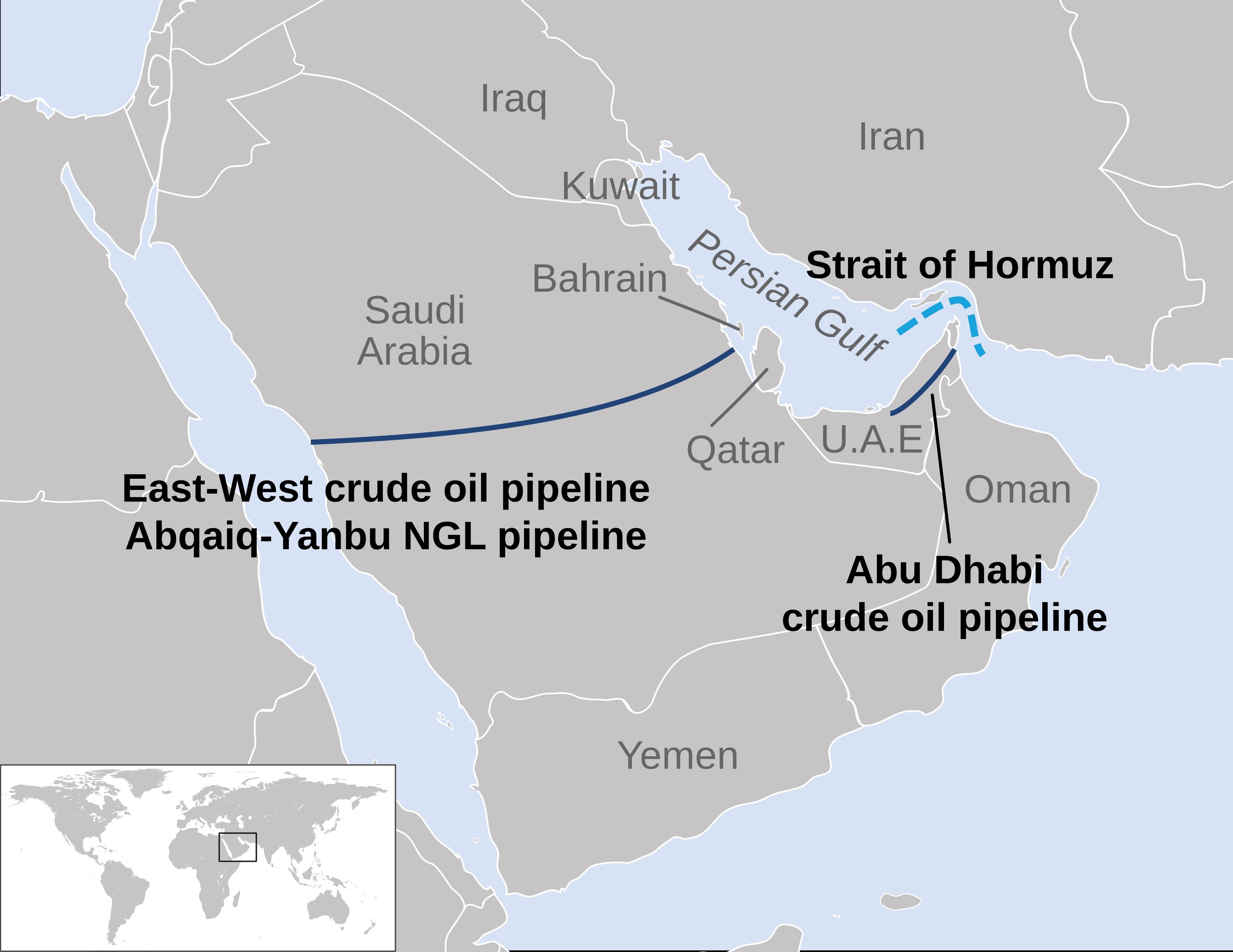
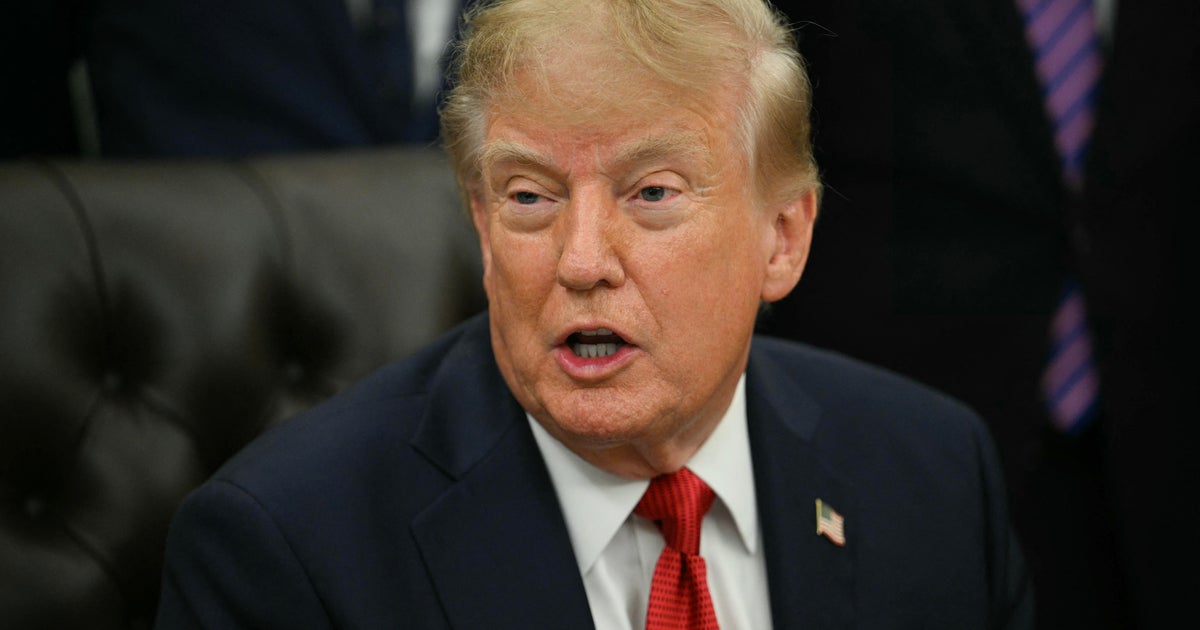
The reporting shows simultaneous escalation and diplomacy. Tehran and Washington completed a mediated round of talks in New York on 22 September, while Donald Trump threatened to annihilate Iran and called for its complete economic isolation. Iran has imposed or threatened penalties on unauthorised Hormuz transits, although a senior Iranian official offered conditional reopening within seven days. Houthi forces continue attacks against Saudi Arabia and commercial shipping after reported territorial gains around Mokha, Perim Island and Bab al-Mandab. Saudi Arabia has partially restarted the East-West Pipeline, but reduced capacity, high fuel prices and continuing civilian displacement leave regional and global pressure acute. Reporting remains inconsistent on the scope of US aviation sanctions against Iran, the authority enforcing Hormuz penalties and the precise status of open US-Iran hostilities.
Change from previous assessment
The assessment now gives greater weight to the active diplomatic channel because US and Iranian officials completed mediated talks in New York on 22 September and Tehran conveyed a proposal through mediators. This has not lowered the escalation assessment because Donald Trump paired the talks with threats to annihilate Iran and calls for complete economic isolation, while Israel and Iran retain elevated military postures. New developments since the prior brief include Iran's reported 20 percent Hormuz transit fine, a conditional seven-day reopening offer, France's draft Security Council initiative, UK defensive refuelling support for Saudi Arabia, expanded Houthi territorial reporting around Mokha and Bab al-Mandab, Saudi Arabia's partial East-West Pipeline restart and the announced US aviation sanctions. The core judgements on continued confrontation, constrained Hormuz traffic and Houthi attacks remain in place. Confidence remains high on the direction of travel, but stays medium on diplomatic durability, Hormuz enforcement and the scale of economic spillover because the reporting contains material contradictions.
Key judgments
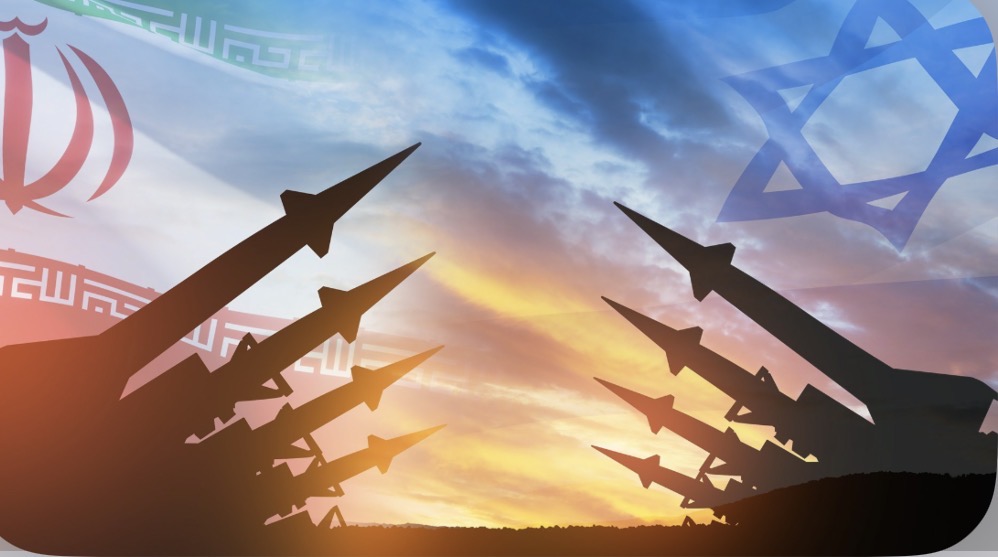
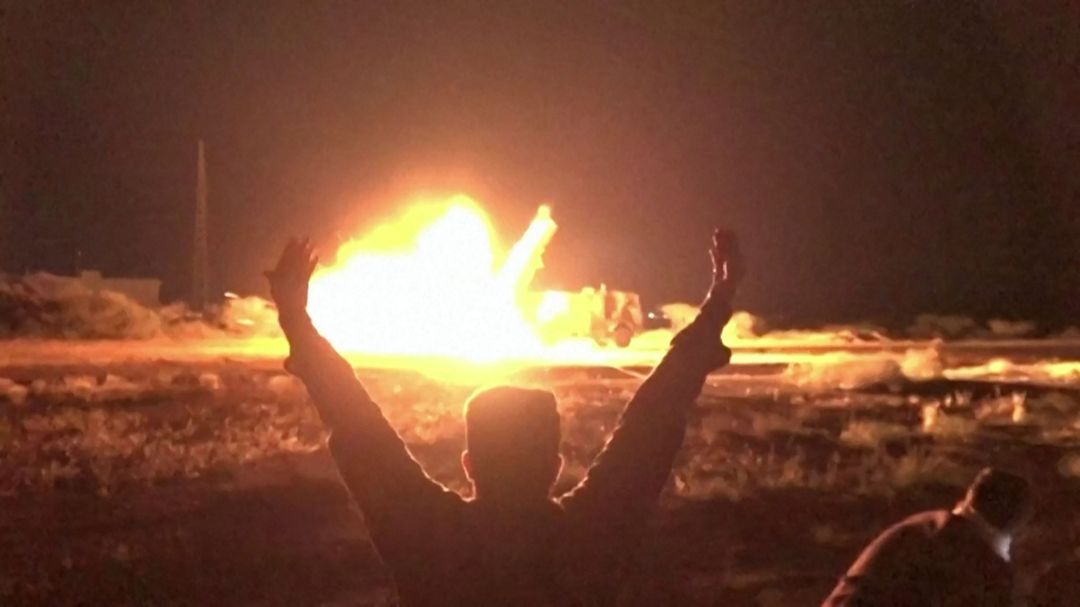
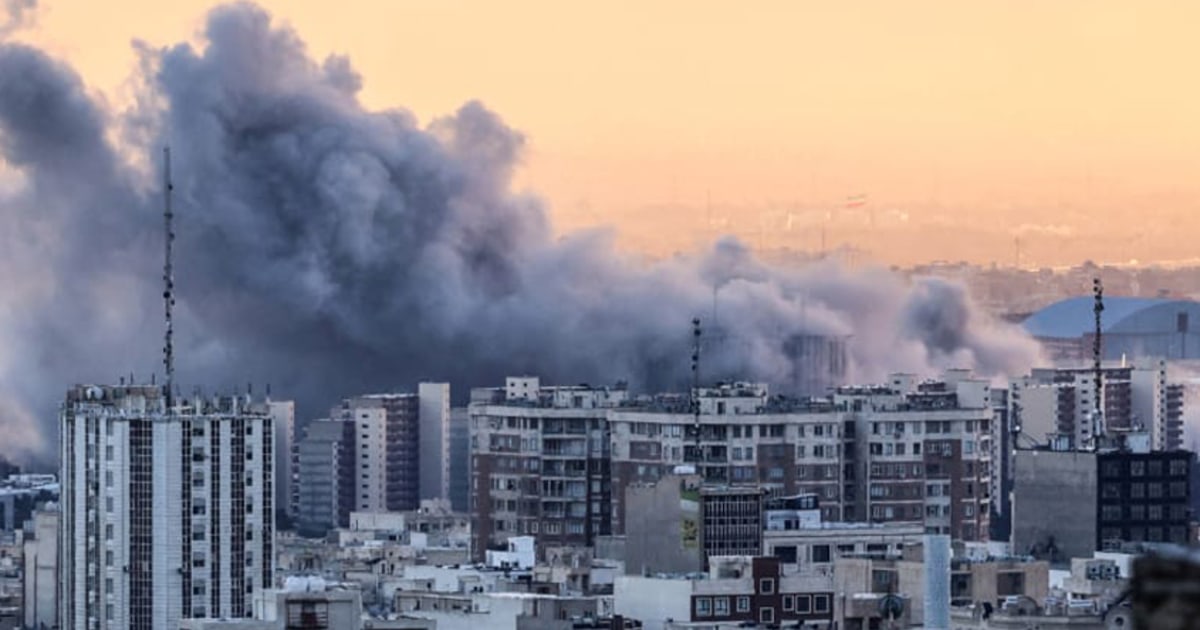
- Very likely, the US-Iran military confrontation and Israel's readiness for further action will remain elevated over the next 0-14 days. Reported accounts describe Tehran and Washington exchanging their largest round of attacks in a month, US and Israeli strikes against Iran, Iranian warnings that a further US attack would change the geography and weapons of the war, and Israeli readiness for both defence and attack in coordination with US forces. We assess persistence rather than a new offensive decision because separate reporting describes Israel preparing for a new escalation amid stalled negotiations, and the available reporting does not establish that Washington has approved a new strike package. Confidence is high on continued confrontation and readiness, but lower on the precise phase of hostilities and the next operational decision. (Confidence: high · ASSESSED)
- I&W: Confirming indicator: Iranian authorities announce further cancellation of senior officers' leave, or Iran conducts another strike against US interests or Israel. (0-14 days)
- I&W: Breaking indicator: Washington and Tehran announce a dated cessation of hostilities, while Israel publicly lowers its readiness for offensive action. (0-14 days)
- Unlikely, an enforceable US-Iran ceasefire will emerge over the next 0-14 days, although another round of mediated contact is likely. American and Iranian officials completed a three-hour mediated meeting in New York, Abbas Araghchi met Steve Witkoff, and Tehran conveyed a proposal through mediators. Qatar has also reported an opening for a long-term resolution. However, Donald Trump has simultaneously threatened Iran with annihilation, called for complete economic isolation and predicted a deal only after the November elections. The contradictory reporting on his negotiating posture lowers confidence in the timing and durability of diplomacy. (Confidence: medium · ASSESSED)
- I&W: Confirming indicator: Qatar, Oman or Pakistan announces another mediated US-Iran round with an agreed agenda covering attacks, sanctions or Hormuz access. (0-14 days)
- I&W: Breaking indicator: the US announces new offensive action against Iran, or Tehran publicly ends the mediated channel and rejects further contact. (0-14 days)
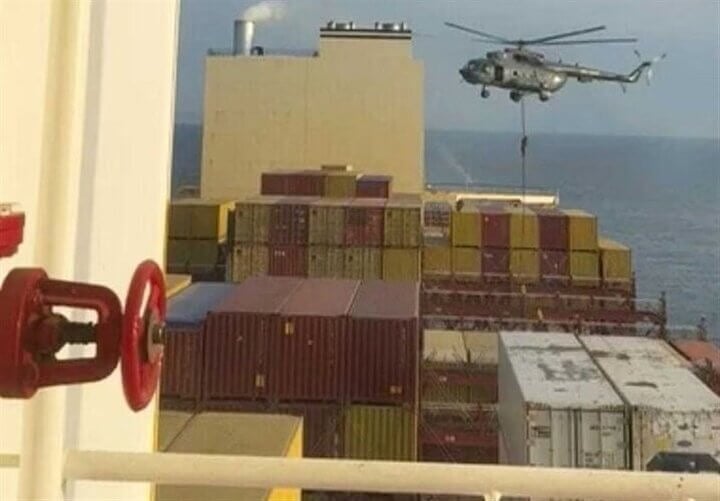
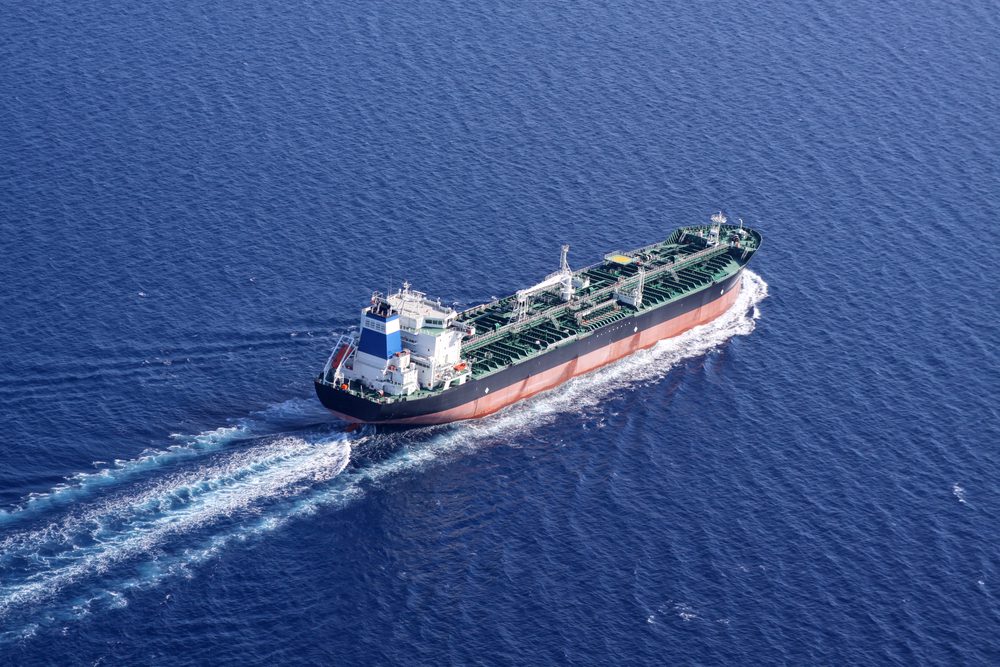
- Very likely, commercial traffic through the Strait of Hormuz will remain severely constrained over the next 0-14 days, while a complete and sustained reopening is unlikely. Iran's parliament security committee approved a 20 percent cargo-value fine for unauthorised transits, and Iran's Persian Gulf Strait Authority threatened fines, detention or confiscation. Maritime traffic is reported as mostly suspended, while a senior Iranian official offered reopening within seven days only if the US eases military pressure and lifts its blockade of Iranian ports. The scale and enforcement of the restrictions remain uncertain because the claims differ over the responsible Iranian authority and Iran's longer-term transit policy. (Confidence: medium · ASSESSED)
- I&W: Confirming indicator: Iran detains, confiscates or fines another vessel, or commercial transits remain mostly suspended through the next reporting cycle. (0-14 days)
- I&W: Breaking indicator: verified tanker and container-ship movements increase materially after a formal Iranian reopening announcement that removes or clarifies authorisation requirements. (0-14 days)
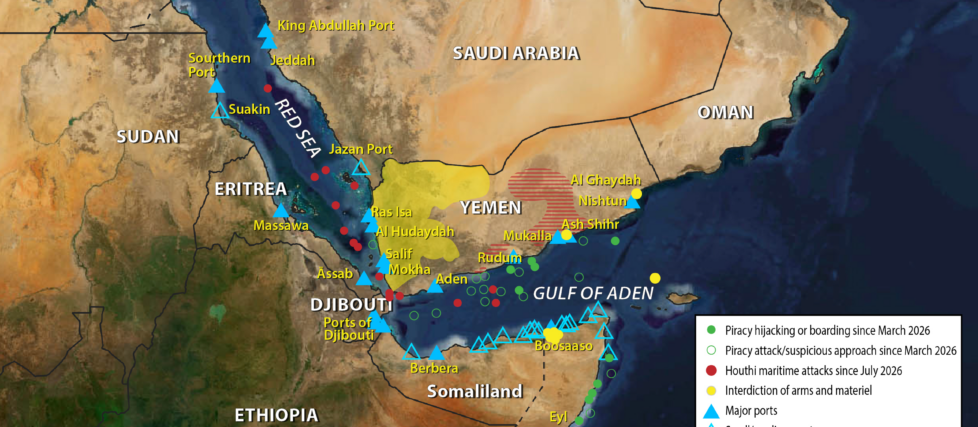
- Very likely, Houthi missile and drone attacks against Saudi Arabia and commercial shipping in the Red Sea will continue over the next 0-14 days. The Houthis have launched hundreds of drones and missiles at Saudi cities and infrastructure, including Riyadh, conducted 12 attacks or attempted attacks on commercial vessels since July and reportedly seized territory around Mokha, Perim Island and Bab al-Mandab. The United Kingdom is providing a Voyager aircraft for defensive refuelling, while the EU has warned that Operation Aspides requires more naval and air assets. The continuation of attacks is well corroborated; the extent of effective Houthi control over Bab al-Mandab is less firmly established. (Confidence: high · ASSESSED)
- I&W: Confirming indicator: another Houthi missile or drone attack strikes Saudi infrastructure, Riyadh or a commercial vessel in the Red Sea or Bab al-Mandab. (0-14 days)
- I&W: Breaking indicator: Houthi attacks stop and reporting shows a withdrawal from or loss of positions around Mokha, Perim Island or Bab al-Mandab. (0-14 days)
- Likely, energy-market and civilian pressure will remain acute across Saudi Arabia, Yemen, Gaza and international fuel markets over the next 0-14 days. Saudi Arabia has partially restarted the East-West Pipeline and scheduled a Yanbu loading, but the pipeline is operating at reduced capacity, with an interim target of about four million barrels per day and as long as six weeks required to restore its seven-million-barrel-per-day nameplate capacity. Brent crude remains at $98 per barrel after reaching $108, while US retail diesel has exceeded $6.50 per gallon. Gaza's 2.3 million people are reported to remain largely in tent shelters, and thousands of refugees have fled Yemen. Confidence is medium because estimates of Egypt's Suez Canal losses differ in scope and timeframe. (Confidence: medium · ASSESSED)
- I&W: Confirming indicator: Yanbu exports remain at reduced volume, the East-West Pipeline remains below its seven-million-barrel-per-day capacity, or Brent crude returns above $100 per barrel. (0-14 days)
- I&W: Breaking indicator: Saudi Aramco reports restored pipeline capacity at seven million barrels per day and commercial energy traffic through the Red Sea and Hormuz returns towards normal levels. (1-3 months)
Outlook & scenarios
Constrained multi-front conflict continues (55%)
Very likely, the US, Iran and Israel sustain military pressure without a decisive new offensive or enforceable ceasefire. Iran keeps Hormuz access restricted, Houthi forces continue attacks from Yemen, and Saudi Arabia relies on reduced-capacity Yanbu exports while mediators pursue intermittent contact.
Conditional diplomatic pause and partial Hormuz reopening (25%)
Unlikely, but plausible, Qatar, Oman or Pakistan helps secure a limited US-Iran understanding. Iran permits selected tanker and container transits under authorisation, while Washington pauses additional strikes and negotiators defer the core dispute over sanctions and military pressure.
Wider regional escalation through Yemen and the Gulf (15%)
Unlikely, but plausible, a Houthi attack on Saudi energy infrastructure or a commercial vessel prompts expanded US, UK, Saudi or Turkish military involvement. Israel maintains offensive readiness, and attacks spread across Gulf bases, Red Sea shipping or Israeli territory.
Direct regional war and sustained maritime closure (5%)
Unlikely and high impact, Iran responds to a new US or Israeli strike by changing the geography and weapons used in the conflict, while Houthi forces intensify attacks at Bab al-Mandab. Hormuz and Bab al-Mandab traffic fall further, Saudi export routes face renewed attacks, and diplomatic channels fail.
Recommendations
- Maintain a 0-14 day watch that fuses Iranian official statements, Israeli readiness announcements, US force movements and confirmed strike reporting. Do not treat force movements alone as evidence that Washington has approved a new offensive package.
- Track Hormuz as two separate variables: the legal and political status of Iranian authorisation requirements, and verified vessel movements. Record vessel name, flag, cargo, route, Iranian action and the authority cited for any detention or fine.
- Separate the announced scope of US aviation sanctions from their operational effect. On 23 September, compare Iranian flight cancellations, diversions to Najaf, continued flights to Istanbul and other destinations with statements from Scott Bessent and Iranian aviation authorities.
- Prioritise independent confirmation of Houthi positions around Mokha, Perim Island, Zuqar Island and Bab al-Mandab. Give lower analytic weight to claims of IRGC tunnel or radar activity near Mokha until imagery, official statements or reporting from an independent source corroborates them.
- Monitor the next US-Iran mediated contact for specific terms on attacks, sanctions and Hormuz access. Track separate roles for Qatar, Oman and Pakistan, and assess whether France's proposed Security Council resolution gains support from China and Russia.
- Track Saudi Aramco's East-West Pipeline throughput, Yanbu loadings, Brent crude and US diesel prices as separate indicators. Distinguish a partial restart at reduced capacity from restoration of the seven-million-barrel-per-day nameplate capacity.
- Maintain a humanitarian watch on displacement from Yemen and conditions in Gaza, including shelter, civilian casualties and new refugee movements. Treat conflicting Suez Canal loss estimates as different timeframes until their scope is reconciled.
Confidence & uncertainty
Overall confidence is high because the core assessment is supported by multiple major-media, multilateral, trade-publication and official statements. Military readiness, mediated US-Iran contact, Houthi attacks, Hormuz restrictions and Saudi pipeline damage are corroborated across several reporting streams. The main uncertainties concern the exact phase of US-Iran hostilities, the operational scope of US aviation sanctions, the Iranian authority enforcing Hormuz penalties, the durability of diplomatic contact and the extent of Houthi control around Bab al-Mandab.
Intelligence gaps
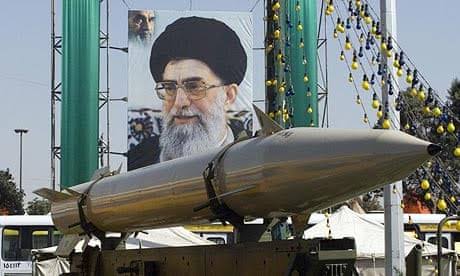
- [EEI 1.1 · PARTIAL] Unusual long-range missile/rocket transporter-launcher (TEL) movements, storage activation, or assembly activity at known IRGC missile sites or forward staging areas. Recommended collection: satellite/imagery
- [EEI 1.2 · PARTIAL] Orders, threat-alert messages, or changes in posture from IRGC, Quds Force, or senior Iranian military leadership indicating attack timelines or rules of engagement changes. Recommended collection: signals/ELINT and HUMINT
- [EEI 1.3 · PARTIAL] Large-scale transfers, deliveries, or convoy movements of armed UAVs/drones, guided munitions, or spare parts from Iran into Lebanon (Hezbollah), Iraq, Syria, or Gaza. Recommended collection: air/aviation track and HUMINT
- [EEI 1.4 · UNCOVERED] Sustained changes in Israeli air-defense usage (SAM launches, radar activations), wide-area alerts, or NOTAMs indicating elevated imminent strike response. Recommended collection: air/aviation/NOTAMs and signals
- [EEI 2.1 · PARTIAL] Concentration, repositioning, or sortie patterns of Iranian naval/IRGC patrol boats and fast-attack craft near shipping chokepoints or commercial lanes. Recommended collection: maritime/AIS and satellite/imagery
- [EEI 2.2 · PARTIAL] Reported attacks, mine sightings, close-approach incidents, or damage to commercial tankers/merchant vessels operating in the Red Sea, Persian Gulf, or eastern Mediterranean. Recommended collection: maritime/AIS and OSINT/incident reports
- [EEI 2.3 · UNCOVERED] Insurance market indicators: sudden spikes in war-risk or hull insurance premiums for routes through the Red Sea, Suez corridor, or Persian Gulf, and major carriers announcing route changes. Recommended collection: financial/market and commercial shipping notices
- [EEI 2.4 · PARTIAL] Port closures, naval escorts requested by commercial operators, or formal rerouting advisories issued by major shippers (e.g., Maersk, Hapag-Lloyd) for regional transits. Recommended collection: commercial/OSINT
- [EEI 3.1 · PARTIAL] Deployment of foreign military assets to the region (carrier strike groups, amphibious ships, combat aircraft deployments, or additional bases activated) from the US, UK, France, Russia, or GCC states. Recommended collection: maritime/AIS and air/aviation and satellite/imagery
- [EEI 3.4 · PARTIAL] Issuance of travel warnings, embassy evacuations or reductions, and closure of diplomatic missions by major capitals indicating escalation risk or shifted threat assessments. Recommended collection: OSINT/diplomatic
Cited sources
[1] Duck of Minerva · What If Iran Acquired the Nuclear Bomb? A Case for Uncomfortable Diplomacy Over Catastrophe (D) · Tue Sep 22 2026 23:07:31 GMT+0000 (Coordinated Universal Time) · sha256:e6d780177997 [2] TRT World · After the ‘wake-up call’: Can a Gulf-Iran security framework take root? (B) · Tue Sep 22 2026 14:01:54 GMT+0000 (Coordinated Universal Time) · sha256:2a4f9e0c5344 [3] Mawazin News (mawazin.net) · تقرير: إسرائيل تتأهب لتصعيد مع إيران (D) · sha256:ebc95c136f33 [4] CBS News · Live Updates: U.S. and Iran hold indirect talks at U.N., as Trump weighs cutting a deal or driving Iran "into hell" (A) · Mon Sep 21 2026 08:57:00 GMT+0000 (Coordinated Universal Time) · sha256:5e081349ec3e [5] BBC · Trump threatens to 'annihilate' Iran in UN speech as officials from both countries meet on sidelines (A) · Tue Sep 22 2026 18:48:23 GMT+0000 (Coordinated Universal Time) · sha256:d530a1247865 [6] gCaptain (republishing Reuters) · Trump Calls for Iran’s Economic Isolation at UN as Tehran Offers Hormuz Reopening (B) · Tue Sep 22 2026 16:05:08 GMT+0000 (Coordinated Universal Time) · sha256:7b5f2f262755 [7] Al Jazeera · Iran flights to Baghdad, Muscat cancelled ahead of US aviation sanctions (A) · Tue Sep 22 2026 23:46:06 GMT+0000 (Coordinated Universal Time) · sha256:2807a0dfa21a [8] The Maritime Executive · Iran Plans to Sell Seized Commercial Ships to “Compensate” Fishermen (C) · sha256:a6c01886ed9a [9] NBC News · Iran War: Latest News, Live Coverage and Video (A) · sha256:41156ed5016c [10] BBC · Iran must stop arming Houthis in Yemen, G7 says ahead of UN General Assembly (A) · Tue Sep 22 2026 04:21:11 GMT+0000 (Coordinated Universal Time) · sha256:7f462126ffa7 [11] Africa Center for Strategic Studies · Houthi Leverage over the Red Sea Escalates Threats for Africa (B) · Tue Sep 22 2026 20:36:31 GMT+0000 (Coordinated Universal Time) · sha256:35d58c9a372c [12] Al Jazeera Centre for Studies (published on Al Jazeera.net) · الرؤية المصرية للتهديدات الأمنية في البحر الأحمر ومضيق باب المندب (C) · Tue Sep 22 2026 08:23:22 GMT+0000 (Coordinated Universal Time) · sha256:9ccaa8ced16d [13] gCaptain (republishing Bloomberg content) · Kallas Urges EU to Bolster Red Sea Mission Against Houthi Threat (C) · Tue Sep 22 2026 08:20:33 GMT+0000 (Coordinated Universal Time) · sha256:4d17c271c930 [14] The Maritime Executive · Report: Saudi Aramco Achieves Partial Restart on Strategic Red Sea Pipeline (C) · sha256:08dee28e80d0 [15] gCaptain (republishing Bloomberg) · Trump Pushing for Diesel Export Ban Amid Surging Fuel Prices (C) · Tue Sep 22 2026 19:49:05 GMT+0000 (Coordinated Universal Time) · sha256:96c777f79434 [16] United Nations (UN News) · ‘Time is running out’ for Israel-Palestine two-State solution (A) · Tue Sep 22 2026 21:36:46 GMT+0000 (Coordinated Universal Time) · sha256:35d1d9b06ad4
Source content hashes were computed at collection time; the cited text is preserved unmodified for the life of this product.
TLP:CLEAR