TLP:CLEAR · Disclosure is not limited.
Iran, Israel conflict: fragile pause, volatile Hormuz, and Lebanon front risks
Time window: Last 1 day · Audience: General analyst · Type: Situation report · DTG: 2026-06-23 08:16Z · Overall confidence: MEDIUM
BLUF
US, Iran talks and a new Lebanon deconfliction mechanism have cooled immediate escalation, and traffic through the Strait of Hormuz is recovering under US guidance, but risk remains high. The ceasefire on Israel’s northern front is fragile with IDF units inside southern Lebanon, and explicit Iranian threats keep US‑linked sites in the UAE at elevated risk.
Executive summary
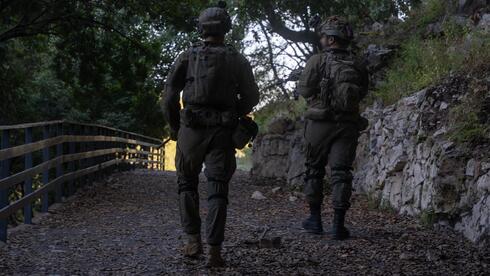
The war that began with joint US, Israeli strikes on Iran on 28 February and the reported killing of Iran’s supreme leader by an Israeli strike prompted large Iranian missile and drone salvos that wounded thousands and disrupted daily life in Israel. Since 21 June, Washington and Tehran have concluded a first round of talks in Switzerland, with reports of a roadmap and a Lebanon deconfliction mechanism even as Iran says it made no new nuclear inspection commitments. The US Treasury’s General License X and associated temporary sanctions relief have enabled Iranian oil transactions through 21 August. In the Strait of Hormuz, the US is guiding vessels along the Omani coast and reports show traffic picking up, though security remains volatile and mines are the principal uncertainty; Iran has ramped up open oil transits. On Israel’s northern front, the ceasefire appeared intact and some civilian restrictions were lifted, but the IDF remains positioned inside southern Lebanon and asserts freedom of action while Hezbollah vows to confront any perceived encroachment. In Qatar, a 22 June explosion during restart operations at Ras Laffan killed at least 13, which authorities called a technical accident, and the energy minister said exports would not be affected. The threat environment in the UAE remains elevated following explicit Iranian intent to target US‑linked locations and standing US travel and aviation cautions.
Key judgments
- It is likely the conflict has entered a fragile, conditional pause driven by US, Iran talks in Switzerland, a nascent Lebanon deconfliction mechanism, and temporary US sanctions waivers, while gaps on inspections and the terms of any roadmap persist. (Confidence: medium · ASSESSED)
- I&W: IAEA inspectors publicly confirmed on-site redeployment to Iranian nuclear facilities (0-14 days)
- I&W: Publication of a signed US, Iran memorandum with implementation milestones (1-3 months)
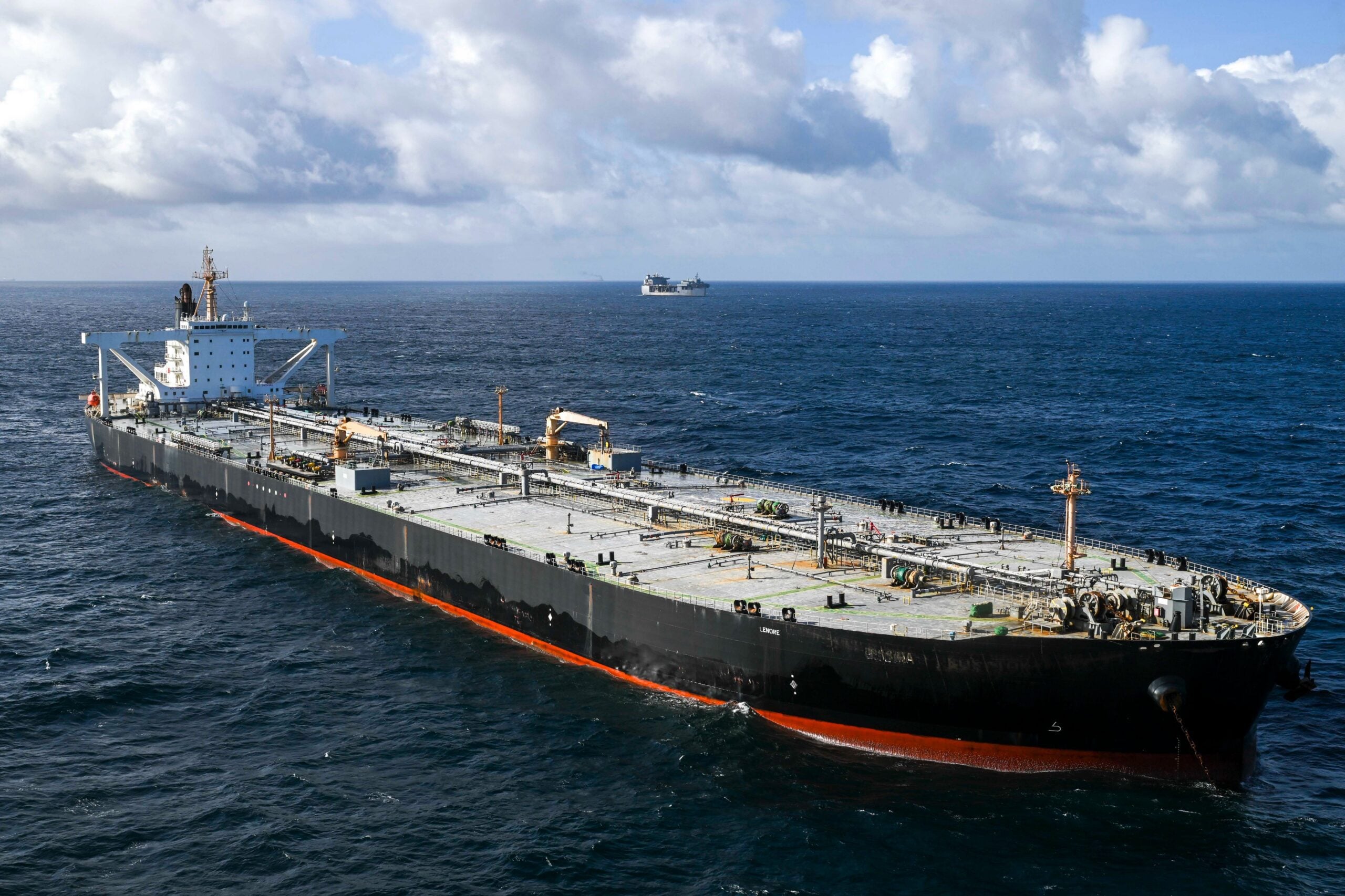
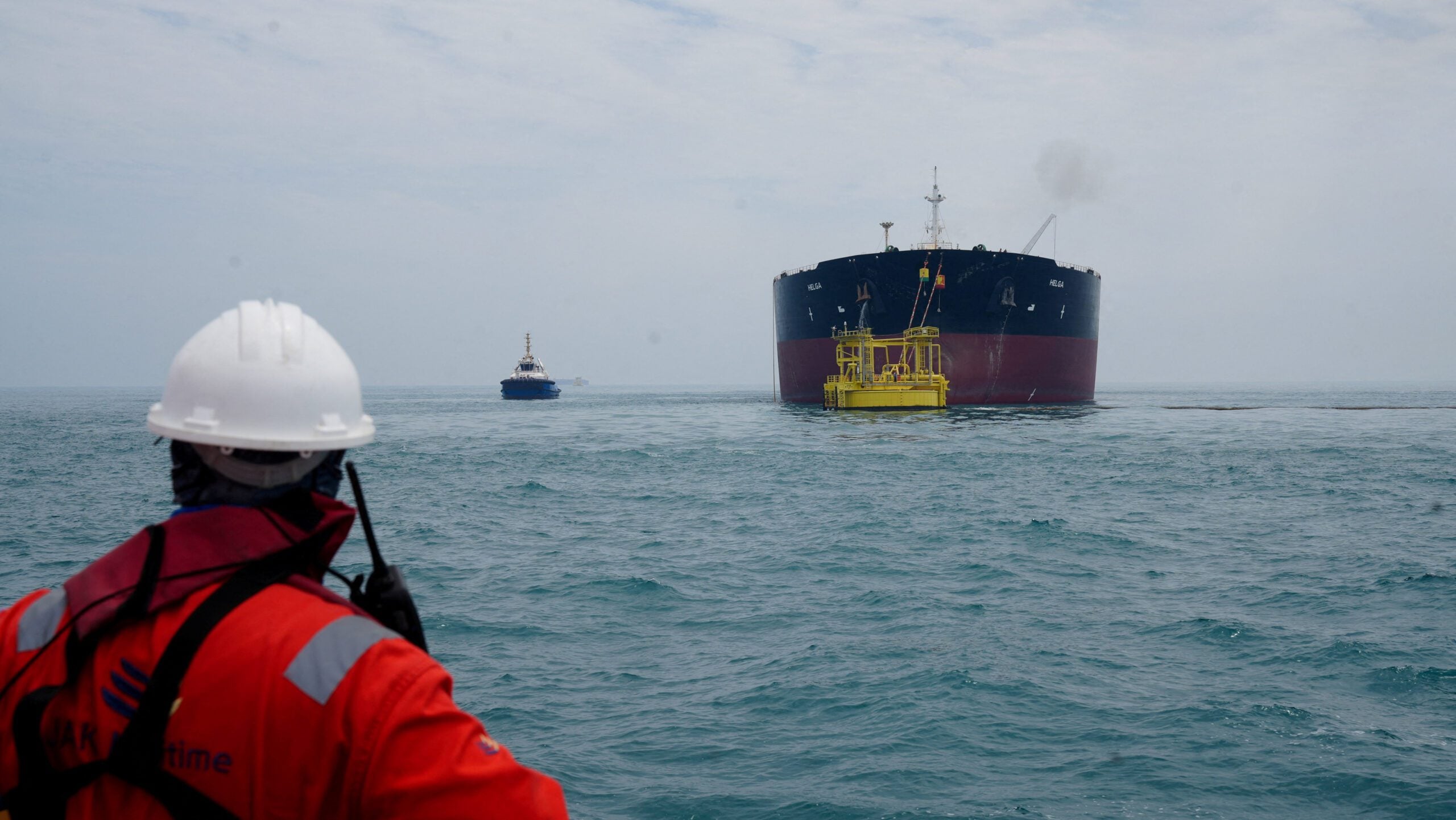
- It is very likely maritime traffic through the Strait of Hormuz is recovering under US‑guided transits but remains volatile due to mine risk, with Iran openly increasing oil exports via the strait. (Confidence: high · ASSESSED)
- I&W: Sustained daily transits at or above 50 merchant ships reported by CENTCOM or commercial trackers (0-14 days)
- I&W: Credible reporting of a mine strike on a commercial vessel inside the strait (0-14 days)
- It is very likely Iran’s missile and drone campaign since 28 February inflicted thousands of injuries and at least dozens of deaths in Israel, though the exact scale of salvos and fatalities remains contested. (Confidence: medium · REPORTED)
- I&W: Updated casualty totals released by Israeli authorities aligning across government and NGO tallies (0-14 days)
- I&W: Independent forensic assessments revise reported missile and UAV salvo counts downward or upward (1-3 months)
- It is very likely the threat to US‑linked sites and civil aviation in the United Arab Emirates remains elevated given explicit Iranian intent to target US‑associated locations and ongoing drone and missile threats, reflected in US government travel and aviation advisories. (Confidence: high · ASSESSED)
- I&W: Claimed or foiled plot by Iran or aligned proxies against a US‑linked facility in the UAE (0-14 days)
- I&W: FAA revises or rescinds its Middle East caution for US carriers (1-3 months)
- There is a roughly even chance the Lebanon ceasefire holds in the near term while IDF units maintain positions up to 10 kilometres inside southern Lebanon and assert broad freedom of action, and Hezbollah signals it will confront perceived encroachment. (Confidence: medium · ASSESSED)
- I&W: No initiated IDF strikes and continued lifted safety restrictions in Israel’s northern communities (0-14 days)
- I&W: Sustained Hezbollah rocket or anti‑tank fire or an IDF push beyond current positions (0-14 days)
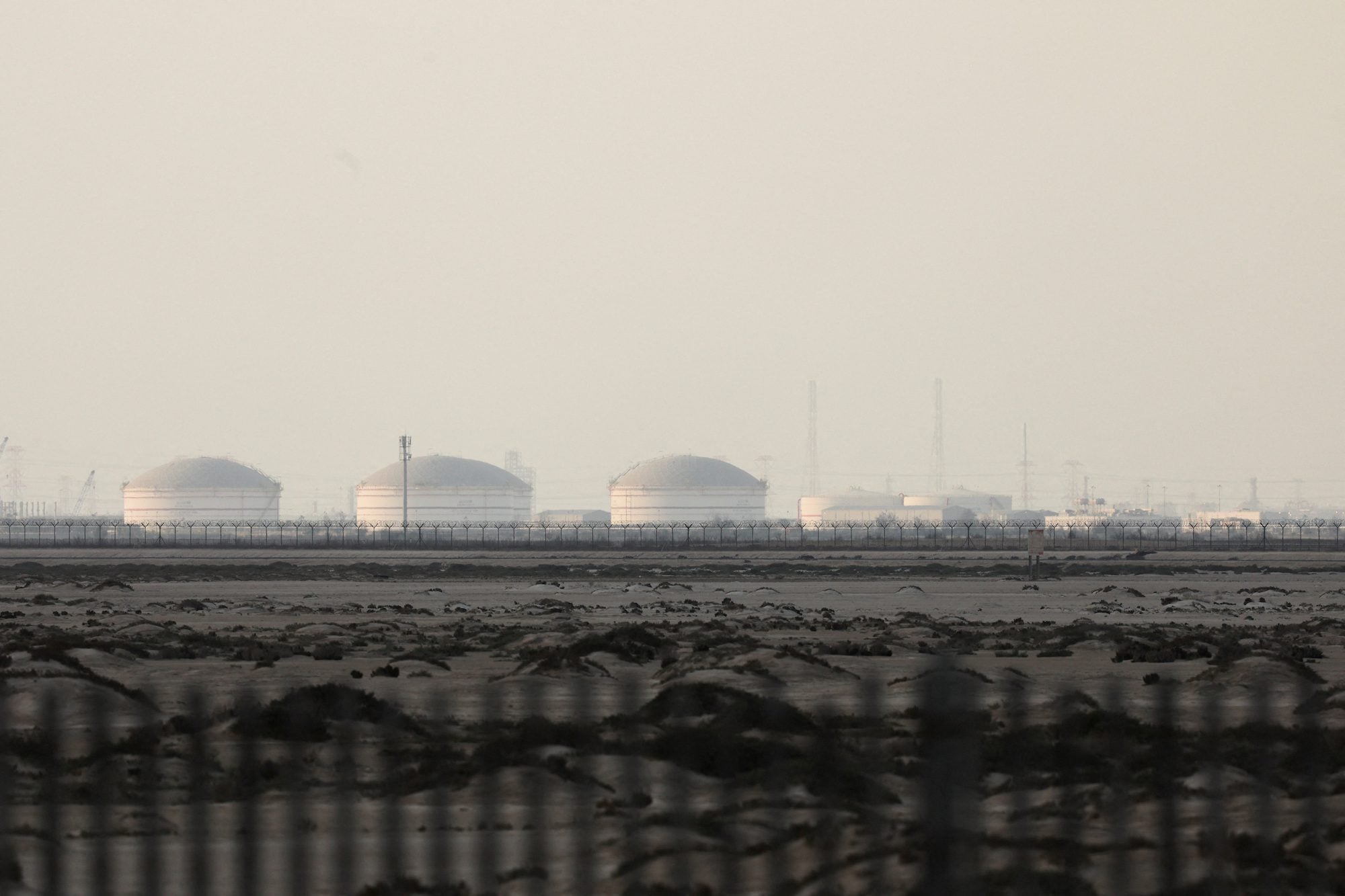
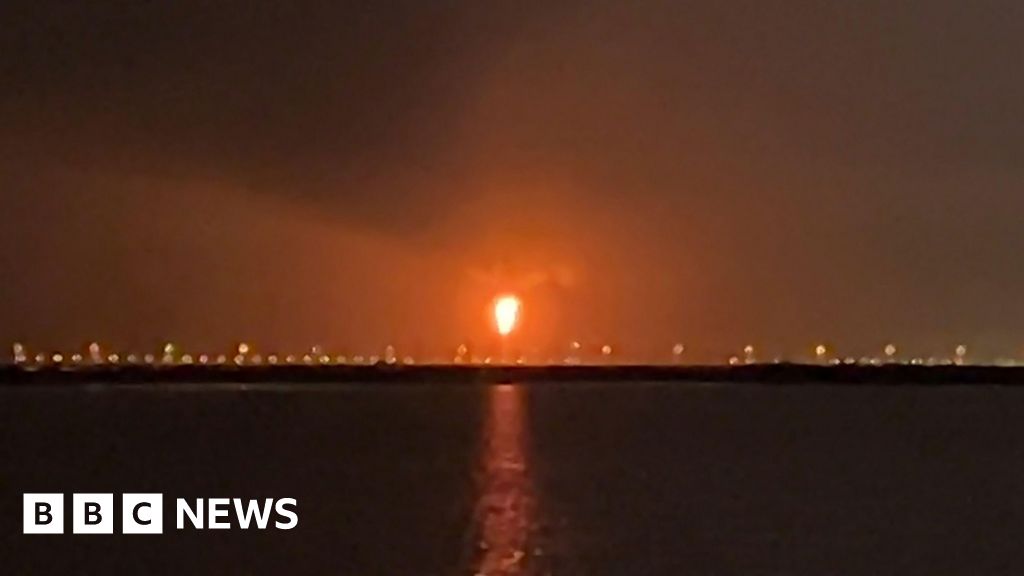
- It is likely the fatal 22 June explosion at Qatar’s Ras Laffan complex was a technical accident during restart and will not immediately curtail exports, but prior war‑related damage and workforce evacuations show LNG supply vulnerability persists. (Confidence: medium · REPORTED)
- I&W: Stable or rising LNG loadings reported at Ras Laffan (0-14 days)
- I&W: Investigators attribute the blast to sabotage or exports fall materially from typical levels (1-3 months)
- It is likely parallel legal efforts by Iran and Israeli civil society will intensify, complicating a comprehensive settlement, as Tehran pursues a case in The Hague and the Jerusalem Institute of Justice seeks ICC scrutiny of IRGC strikes. (Confidence: medium · ASSESSED)
- I&W: ICJ schedules preliminary hearings or ICC acknowledges a preliminary examination (1-3 months)
- I&W: Parties announce deferral or withdrawal of filings tied to political understandings (1-3 months)
Outlook & scenarios
Managed stabilisation under conditional deconfliction (50%)
US, Iran technical talks continue in Switzerland and a deconfliction mechanism reduces miscalculation along Israel’s northern border. The ceasefire largely holds, Israeli safety restrictions stay eased, and GL X plus the temporary sanctions waiver remain in force through 21 August, enabling Iranian oil flows. US‑guided transits keep Hormuz open and traffic gradually climbs despite mine risk. This path hinges on calm in Lebanon and incremental, contested steps on inspections.
Renewed escalation from the Lebanon front spills into Hormuz (30%)
A clash between IDF units inside southern Lebanon and Hezbollah breaches the ceasefire. Iran links Lebanon fighting to Hormuz, mine incidents or harassment reduce transits, and oil markets tighten. US, Iran talks stall amid claims of non‑compliance, and Israeli strikes in Lebanon resume at higher tempo. Shipping insurers raise war risk pricing, and military escorts expand.
Framework deal with limited inspections and extended oil relief (25%)
Mediators translate the reported roadmap into a signed memorandum. Iran permits monitored access framed as technical cooperation while avoiding new public commitments, and Washington extends oil‑related waivers beyond August tied to compliance benchmarks. The deconfliction cell contains flare‑ups, the IDF maintains but gradually reduces activity in southern Lebanon, and Hormuz traffic recovers toward pre‑war levels.
Recommendations
- Stand up a daily shipping common operating picture for the Strait of Hormuz combining CENTCOM reports, AIS, and insurer feeds, with an alert if transits fall below 40 ships or a mine event is confirmed.
- Task collection to validate whether IAEA personnel redeploy inside Iran and to obtain any text of a US, Iran memorandum; produce a comparison brief on reported commitments versus public statements.
- Establish a Lebanon front tracker focused on IDF positions up to 10 km inside southern Lebanon and Hezbollah fire incidents; flag any initiated IDF strikes or persistent Hezbollah launches within 24 hours.
- Maintain a UAE threat watch for US‑linked facilities and civil aviation routes: monitor Iranian and proxy channels for targeting rhetoric, and coordinate with operators on protective measures while FAA cautions remain active.
- Quantify Iranian oil flows via Hormuz under GL X, including any US dollar‑denominated payments, and brief implications for enforcement posture ahead of the 21 August licence expiry.
- Reconcile casualty reporting from Israeli authorities and NGOs on missile and drone impacts; publish a vetted casualty ledger and update it with any major revisions.
- Track Ras Laffan loadings and terminal status; prepare a contingency note on LNG rerouting if the accident probe points to sabotage or exports decline.
- Monitor ICJ and ICC dockets for the Iran suit and JIJ submissions; assess how legal moves may constrain negotiating space and public messaging for US and partners.
Confidence & uncertainty
Overall confidence is medium. Multiple high‑reliability sources corroborate key elements, including the 28 February start of the war, the killing of Iran’s supreme leader by an Israeli strike, large Iranian missile and drone salvos, US, Iran talks in Switzerland, US‑guided Hormuz transits, and persistent mine risk. However, important points remain contested: the precise missile and casualty figures differ across credible reports; diplomatic outcomes are mixed, with simultaneous claims of a roadmap, a deconfliction mechanism and temporary oil waivers alongside Iran’s statement of no new inspection commitments; and reporting on the Qatar explosion varies on timing and implications. These contradictions and conditional commitments justify a medium, not high, confidence call.
Alternative analysis (red cell)
An alternative analytic posture is that reported diplomatic steps (Switzerland talks, deconfliction announcements, sanctions waivers) are preliminary, contested, and unevenly corroborated, so any ‘pause’ is at best conditional and fragile. Key operational indicators—munitions and casualty tallies, mine clearance in the Strait, and the cause/impact of the Ras Laffan explosion—are inconsistent across sources; absent primary forensic, medical, and maritime data, estimates of scale and continuity should remain provisional. Forward deployments in southern Lebanon plus explicit Hezbollah warnings suggest a high risk of rapid re‑escalation rather than a stable ceasefire.
Intelligence gaps
- [EEI 1.2 · PARTIAL] Movements and posture changes of Iran-backed proxy forces (Hezbollah units in Lebanon, militias in Syria/Iraq): concentrations of personnel, transport of rocket/artillery launchers, visible logistics build-up within operational range of Israel. Recommended collection: human/intel
- [EEI 1.3 · PARTIAL] Israeli defensive and offensive posture changes: reservist call-ups, mobilization orders, sorties/airstrikes attributed to Israel, and domestic activation of missile-defense systems (locations and activation times). Recommended collection: open-source/media
- [EEI 1.4 · PARTIAL] Evidence of pre-positioning or arming of naval mines, fast attack craft, or anti-ship missile systems in the Gulf of Oman, northern Arabian Sea, or off the Lebanese/Syrian coasts that could be used to interdict Israeli or allied shipping. Recommended collection: maritime/AIS
- [EEI 2.1 · UNCOVERED] Movements and tasking changes of external military assets: carrier strike groups, amphibious ready groups, expeditionary air wings, or ballistic-missile defense units into the Eastern Mediterranean, Persian Gulf, or Red Sea (vessel/aircraft IDs, routing, on-station times). Recommended collection: maritime/AIS
- [EEI 2.3 · PARTIAL] Changes to force protection or alert levels at foreign bases in the region (e.g., US bases in Kuwait, Qatar, UAE; Russian bases in Syria): activation of additional air defenses, curfews, or reinforcement shipments (personnel/equipment manifests). Recommended collection: signals/intel
- [EEI 3.1 · PARTIAL] Incidents against commercial vessels: attacks, seizures, mine strikes, or forced rerouting of tankers and bulk carriers in the Strait of Hormuz, Bab al-Mandeb, Red Sea, or eastern Mediterranean (vessel names/IMO, location, damage/impairment). Recommended collection: maritime/AIS
- [EEI 3.3 · PARTIAL] Market and insurance indicators: sudden spikes in war-risk or hull insurance premiums for Middle East routes, large moves in regional FX/stock indices, and notable changes in commodity futures (oil, freight rates) tied to regional risk perceptions. Recommended collection: financial/transactional
Cited sources
[1] jpost.com · Escalation must cost: Current Switzerland talks leave Iran stronger, Israel exposed - editorial (B) · sha256:caee1cf94b2b [2] BBC News · Iran-US relations - BBC News (A) · sha256:026be814c929 [3] skynewsarabia.com · محادثات أميركا وإيران. آخر الأخبار (B) · sha256:69371a640450 [4] gcaptain.com · Trump Treasury Issues Sweeping Iran Oil Waiver, Marking Sharp Break From 'Maximum Pressure' (B) · sha256:24d4e271eaeb [5] The Guardian · US-Iran talks laid ‘very good foundation for a successful final deal’, says Vance – as happened (A) · sha256:af0e8747b1ba [6] haaretz.com · U.S. VP Vance says Israel, Hezbollah and Lebanon to take part in coordination mechanism (A) · sha256:651706b4b47c [7] haaretz.com · From the Alps to the Litani: Iran secures a foothold on Israel's northern border (A) · sha256:7ed474892a82 [8] nypost.com · IDF has 'full freedom' in Lebanon despite 'de-confliction cell,' Netanyahu says (B) · sha256:8e9d304a460a [9] gcaptain.com · Hormuz Transit Security Is ‘Hour to Hour’ (B) · sha256:2be8910c32b4 [10] gcaptain.com · Iranian Crude Exports Surge Via Hormuz as Activity Picks Up (B) · sha256:59fc7db3897b [11] gcaptain.com · Strait of Hormuz: Mines and Dual Transit Regime Complicate Return to Normal (B) · sha256:479230adb441 [12] The Jerusalem Post · Live Updates: Latest from Israel, Iran, and Middle East | The Jerusalem Post (A) · sha256:cebc34d621d3 [13] Jerusalem Institute of Justice · IRGC missile, drone attacks should be prosecuted at ICC as war crimes, Israeli NGO says (C) · sha256:8d281072a2b0 [14] U.S. Department of State · United Arab Emirates Travel Advisory (A) · sha256:7a0c71f2991b [15] ynetnews.com · Israel's Lebanon dilemma: restrictions, uncertainty and Hezbollah's underground fortress (B) · sha256:cd4d730109f4 [16] BBC · First round of US-Iran talks end with 'encouraging progress', mediators say (A) · sha256:5fd3db45ba72 [17] gcaptain.com · Thirteen Dead, Dozens Injured, After Blast During Restart at Giant Qatar LNG Site (A) · sha256:2d70c9cd02bc [18] bbc.com · At least 13 killed and dozens injured after Qatar gas explosion (A) · sha256:94dc66a3e037 [19] Wikipedia · Reactions to the 2026 Iran war (B) · sha256:2cb8420bfed4
Source content hashes were computed at collection time; the cited text is preserved unmodified for the life of this product.
Red cell review: PARTIAL DISSENT
TLP:CLEAR