TLP:CLEAR · Disclosure is not limited.
Iran-Israel Conflict: Gulf and Maritime Escalation Risks
Time window: Last 1 day · Audience: General analyst · Type: Situation report · DTG: 2026-11-19 08:45Z · Overall confidence: HIGH
BLUF
Further Iranian attacks on US-linked facilities in Bahrain or Kuwait are likely over the next 14 days, while a renewed large-scale US air campaign against Iran is unlikely. A single-source report that Israel is weighing a strike, expanding US blockade enforcement and recent tanker attacks keep the risk of a wider regional confrontation elevated.
Executive summary
US fighter jets struck an IRGC missile launch site on Qeshm Island on 17 November. Iran claimed it targeted Ali Al Salem Air Base in Kuwait, whose military said it intercepted drones without damage; Bahrain reported four Iranian attacks in about six days, but whether any attack hit US-linked radar equipment remains disputed. UKMTO reported a tanker struck by an unidentified projectile north of Khasab, Oman, while Omani authorities reported rescuing 24 of TARA GAS's 25 crew and continuing the search for one missing seafarer. The United States has widened blockade enforcement to cover some ship-to-ship transfers of Iranian cargo. Separately, Israeli Channel 12 was reported as saying Israel is considering a strike on Iran, while reporting based on US officials says Washington is avoiding renewed large-scale strikes. In Gaza, Israeli forces crossed the Yellow Line near Nuseirat on 18 November; the reported operation and displacement add pressure to the October 2025 ceasefire.
Change from previous assessment
Since the 18 November brief, reporting adds a specific account that Israel is considering a strike on Iran, while US officials are reported as avoiding renewed large-scale strikes. The US blockade guidance now explicitly covers some ship-to-ship transfers of Iranian cargo and describes possible enforcement up to use of force. New reporting provides more detail on the tanker incidents but leaves vessel identities, casualty status and incident timelines contested. The Bahrain and Kuwait attack risk remains elevated; the new reporting does not resolve whether Bahrain's radar was hit. The Gaza ceasefire assessment is more acute after Israeli forces crossed the Yellow Line near Nuseirat and civilians fled. The prior low-confidence dirty-bomb judgment is retained, with new reporting that includes a Homeland Security Secretary's dismissal and separate US scepticism about Mossad intelligence.
Key judgments
- Israel is reportedly considering a strike on Iran in the coming days, but the available reporting does not establish that a decision or order has been made. Israeli Channel 12's report was relayed by Golos Armenii, and a report of a meeting between Benjamin Netanyahu and security advisers provides limited context, not independent confirmation of a strike plan. A strike is not likely on this thin reporting alone. (Confidence: low · REPORTED)
- I&W: An Israeli government or IDF announcement of an operational decision or preparations for a strike on Iran would confirm that consideration has advanced. (0-14 days)
- I&W: An explicit Israeli government denial of a near-term strike plan, with no strike reported, would weaken the assessment. (0-14 days)
- A renewed large-scale US air campaign against Iran is unlikely over the next 14 days, although US blockade enforcement is expanding and presents a separate risk of confrontation at sea. Reporting attributed to Axios and a US official says Washington considers economic pressure effective enough to avoid large-scale operations for now, and describes US-Iran exchanges as below the threshold of all-out escalation. This account is not a formal policy commitment and rests on limited indirect reporting; the 17 November US strike on Qeshm Island and the expanded blockade remain countervailing evidence. (Confidence: medium · ASSESSED)
- I&W: A new US strike on Iranian territory or an announcement of a large-scale air operation would break this assessment. (0-14 days)
- I&W: A US official reiteration that Washington is limiting military action to blockade enforcement would support the assessment. (0-14 days)
- Further Iranian attacks on US-linked facilities in Bahrain or Kuwait are likely over the next 14 days. Kuwait said its air defences intercepted Iranian drones, and Iran's regular military claimed it targeted US air-defence and launch systems at Ali Al Salem Air Base. Bahrain reported repeated Iranian aerial attacks, including a fourth reported assault in about six days. Whether an attack damaged radar equipment in Bahrain remains contested, so reported attacks should not be treated as confirmed hits. (Confidence: medium · ASSESSED)
- I&W: A new attack or interception reported by Bahrain or Kuwait, particularly at Sheikh Isa Air Base or Ali Al Salem Air Base, would support this assessment. (0-14 days)
- I&W: No further reported attacks or interceptions in Bahrain or Kuwait for 14 days would weaken it. (0-14 days)
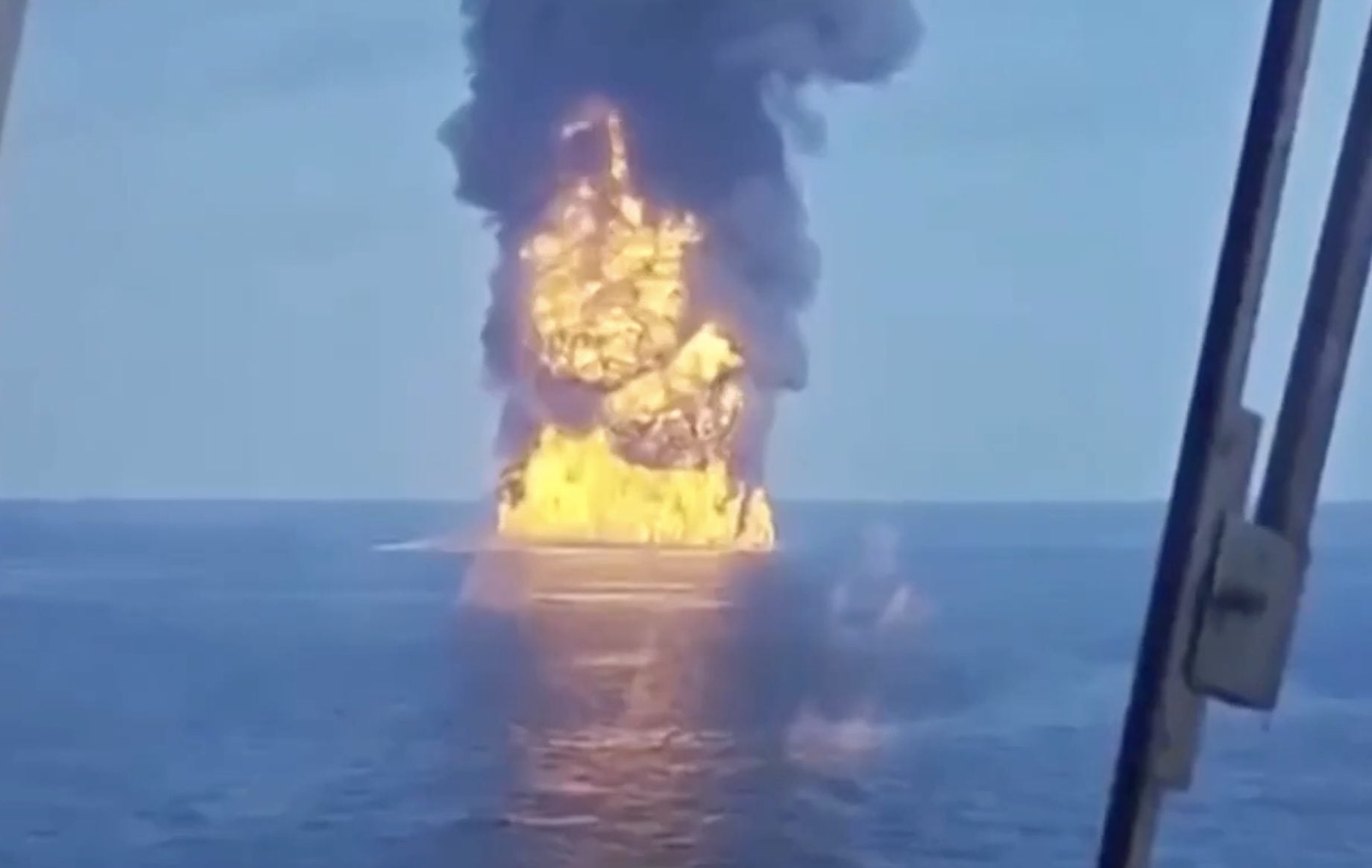
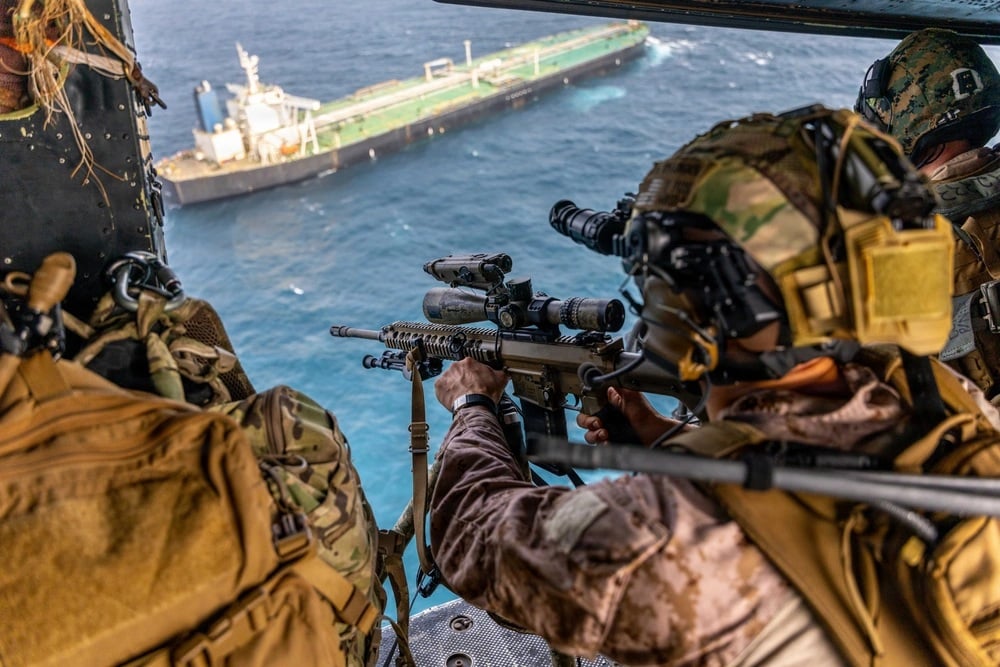
- Commercial shipping through the Strait of Hormuz is very likely to remain hazardous over the next 14 days, but the reporting does not establish that the strait is closed. UKMTO reported a tanker struck by an unidentified projectile about 13 nautical miles north of Khasab on 17 November. Separately, a navigational warning identified TARA GAS burning and drifting off Khawr Ghub Ali on 18 November, and Omani authorities said 24 of its 25 crew had been rescued. Reports of the NAVIG8 MESSI's crew status conflict, and the available accounts do not fully reconcile vessel identities, dates or the number of attacks. CENTCOM's expanded rules for ship-to-ship transfers of Iranian cargo add a separate risk of enforcement encounters. (Confidence: medium · ASSESSED)
- I&W: A new UKMTO or NAVAREA IX warning of a projectile strike, fire or drifting vessel in the Strait of Hormuz would confirm continued danger to commercial traffic. (0-14 days)
- I&W: A CENTCOM report of a boarding, diversion or use of force against a vessel carrying Iranian cargo would confirm that blockade enforcement is producing direct maritime encounters. (0-14 days)
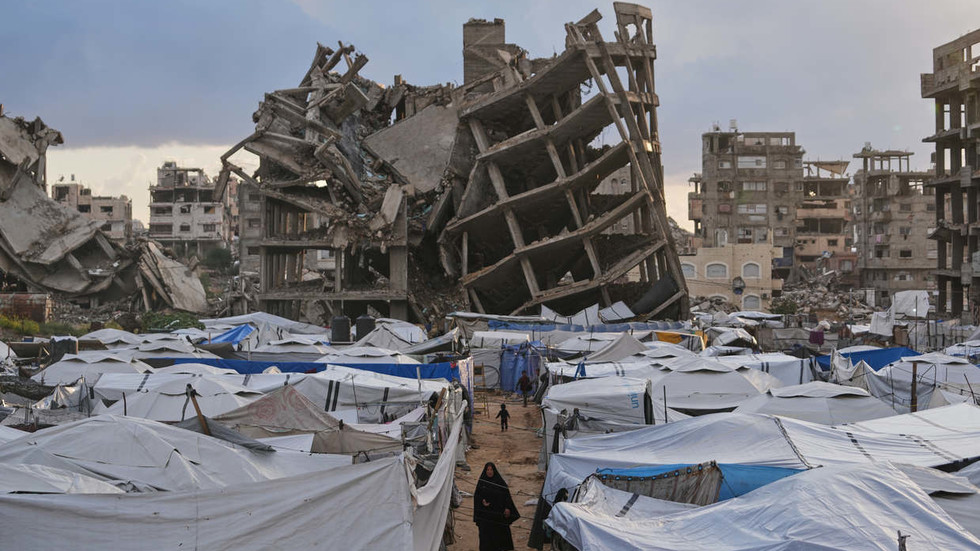
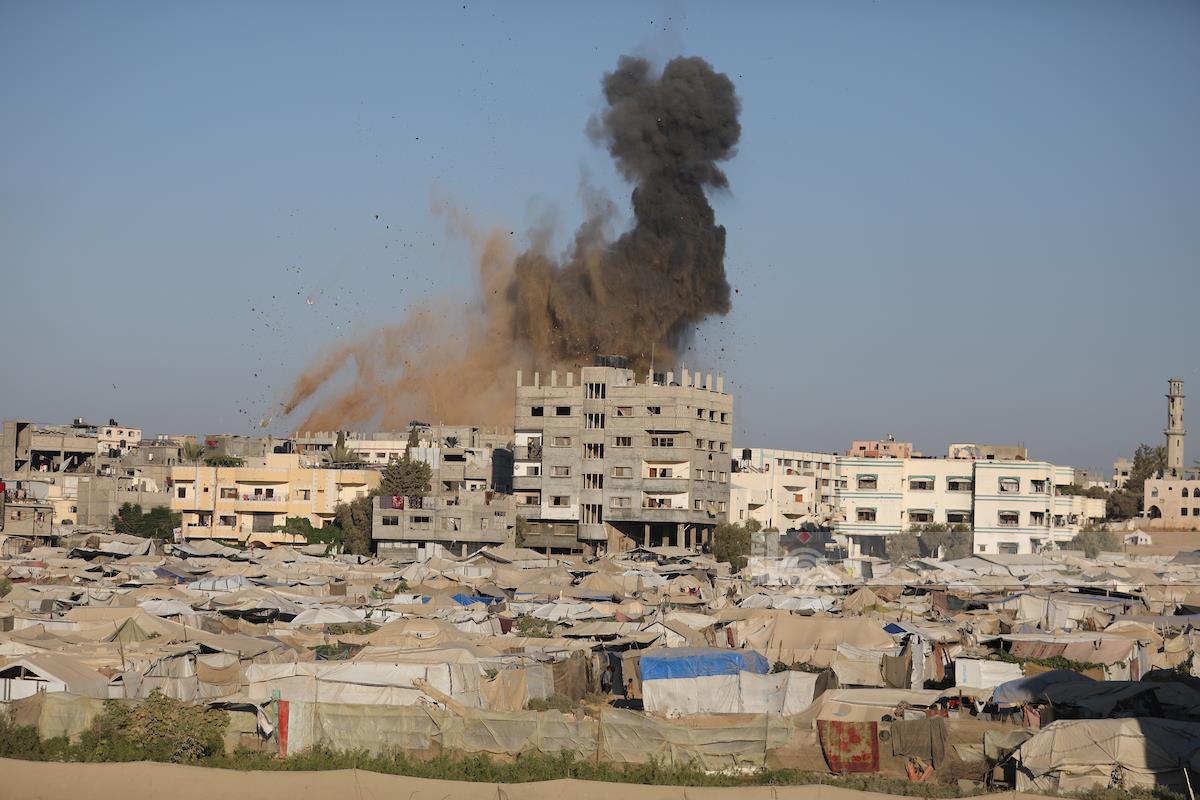
- Israel's 18 November ground operation beyond the Yellow Line near Nuseirat is likely to keep the October 2025 ceasefire fragile over the next 14 days. AFP reported Israeli tanks east of Nuseirat, and other reporting said Israeli armoured vehicles crossed the Yellow Line and advanced along Salah al-Din Road; the IDF said its objective was to dismantle a tunnel. OCHA estimated that more than 18,000 people were in the affected Deir al-Balah area, including about 4,000 in displacement sites, while Gaza Civil Defense said six shelters housing 5,260 people were threatened. The reported locations and population figures cover different scopes, so the number directly exposed to the operation is not settled. (Confidence: medium · ASSESSED)
- I&W: A further Israeli incursion beyond the Yellow Line near Nuseirat or new OCHA reports of displacement from the affected area would support this assessment. (0-14 days)
- I&W: An announced end to the operation, followed by reported civilian return to the affected area and no new incursion, would weaken it. (0-14 days)
- An imminent Iranian dirty-bomb attack in Washington is unlikely on the available reporting, but confidence is low. CNN attributed the allegation to unnamed US intelligence sources. US Secretary of Homeland Security Markwayne Mullin dismissed the claims. US officials also expressed scepticism about Mossad information on Iranian chemical-weapons research, a separate allegation that neither confirms nor disproves the reported dirty-bomb plot. (Confidence: low · ASSESSED)
- I&W: A US law-enforcement or intelligence statement confirming a specific target, operational timeline and plot details would break this assessment. (0-14 days)
- I&W: A public US assessment that no specific imminent plot has been corroborated would support it. (0-14 days)
Outlook & scenarios
Managed pressure with contained exchanges (65%)
The most likely path over the next 14 days is continued US economic and maritime pressure, limited Iranian attacks or attempted attacks in the Gulf, and no renewed large-scale US air campaign. Commercial vessels remain exposed to projectile attacks and blockade enforcement, while the Israeli strike consideration remains unconfirmed.
Israeli strike prompts wider Iranian retaliation (22%)
Israel conducts a strike on Iran after the reported security deliberations. Iran responds against US-linked facilities in Bahrain or Kuwait, or against shipping, putting pressure on Washington to decide whether to strike again. The reported Iranian warning of a response without geographic limits increases the potential reach of this scenario, but does not establish that Iran has made such a decision.
Blockade enforcement triggers a maritime clash (8%)
US forces stop or board a vessel assessed to be carrying Iranian cargo through a ship-to-ship transfer. Resistance, an exchange of fire or a new attack on commercial shipping turns the enforcement action into a direct US-Iran confrontation. This is a low-probability, high-impact path.
Limited diplomatic pause (5%)
Washington and Tehran use existing diplomatic channels to reduce attacks and clarify maritime conduct. No reported claim establishes an agreement to pause military action, so this remains the least likely scenario.
Recommendations
- Maintain a daily incident timeline for Bahrain, Kuwait and Qeshm Island. Separate claimed targets, interceptions and confirmed damage, and record the source and timestamp for each account.
- Reconcile the tanker reporting before aggregating casualties or attack counts. Track TARA GAS and NAVIG8 MESSI separately, and check each vessel's identity, flag, strike date, location and crew status against UKMTO, NAVAREA IX, Omani authorities, ADNOC and India's Ministry of External Affairs.
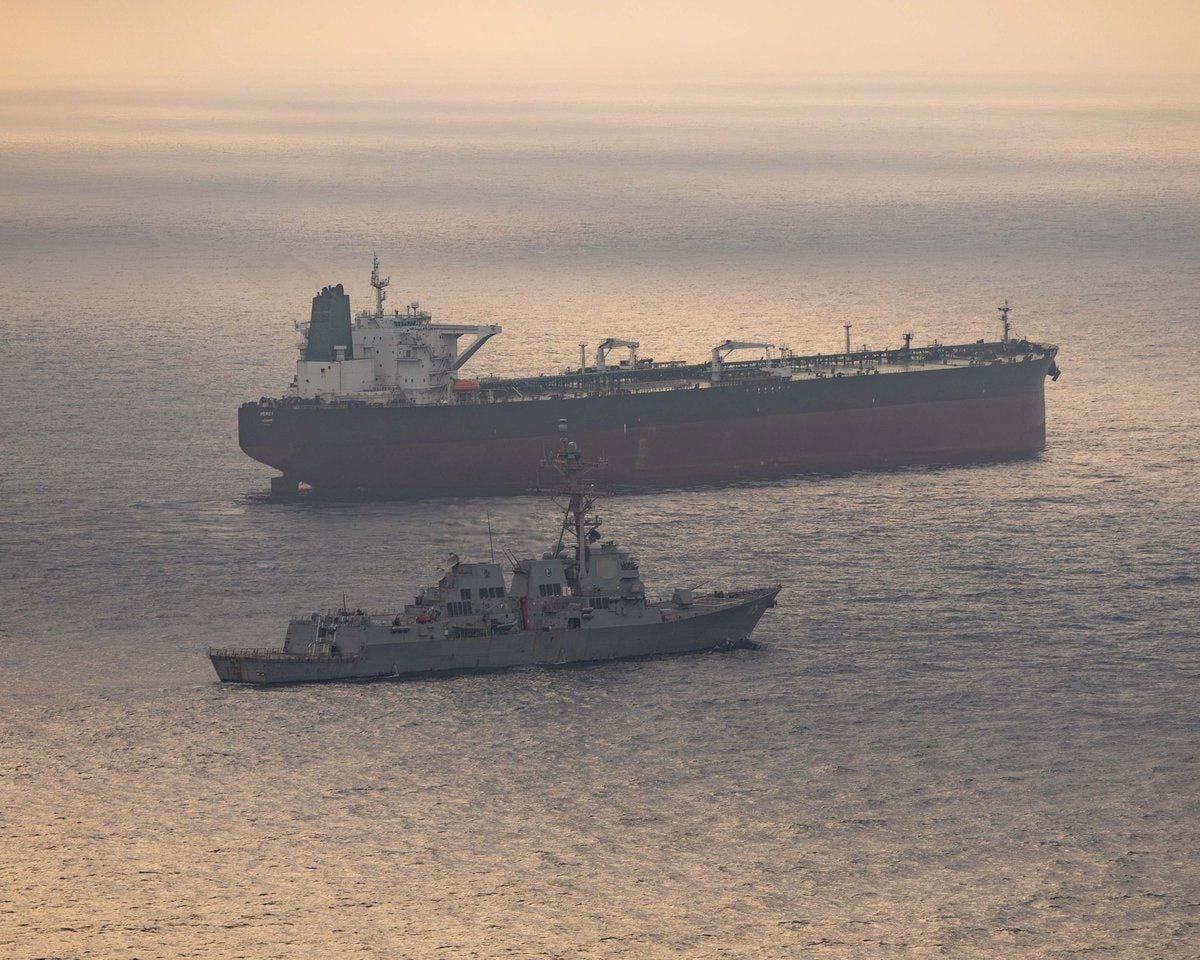
- Monitor CENTCOM and JMIC notices for enforcement against ship-to-ship transfers of Iranian cargo, and distinguish those actions from restrictions on neutral transit to non-Iranian destinations.
- Treat the reported Israeli strike consideration as an unconfirmed planning indicator. Seek corroboration from an Israeli government or IDF statement before assessing that a strike decision has been made.
- Track the Nuseirat and Deir al-Balah operation separately from wider Gaza ceasefire reporting. Compare IDF operational statements with AFP and OCHA reporting on the operation's footprint and civilian displacement.
- Keep the Washington dirty-bomb allegation at low confidence unless US authorities provide specific, corroborated information on a target, timeline or operational activity.
Confidence & uncertainty
Overall confidence is high for the broad pattern of military activity, maritime incidents and displacement because official statements from UKMTO, Omani authorities, ADNOC, Kuwait and Bahrain are complemented by major-media and trade reporting. Confidence is lower on attribution, damage, tanker incident linkage and Israeli strike intent. The dirty-bomb allegation rests on unnamed sources and is disputed, while the Bahrain strike outcome and tanker casualty accounts remain unresolved.
Alternative analysis (red cell)
The available reporting does not merely show an unsubstantiated possibility: claim 22931cfc-ab80-4cea-8d72-a239f2d1eb08 reports that Israel is considering a strike in the coming days, and claim a75f0402-0848-4ca9-b4b4-b1c30feb01a6 places Netanyahu in a security-focused adviser meeting. These claims do not establish an order or make a strike more likely than not, but they support assessing the prospect as material rather than unlikely. Independent operational indicators are needed before assigning greater confidence in either direction.
Intelligence gaps
- [EEI 1.1 · UNCOVERED] Observed repositioning, sustained increases, or new forward basing of Iranian conventional or IRGC forces (armored units, missile batteries, aircraft, naval vessels) toward borders or regional launch points. Recommended collection: IMINT/satellite
- [EEI 1.2 · UNCOVERED] Hezbollah or other Iran-aligned proxy forces conducting mass mobilization, visible rocket/artillery emplacements, cross-border firing incidents, or preparations for cross-border operations from Lebanon, Syria, Iraq or Yemen. Recommended collection: HUMINT/ground ISR
- [EEI 1.4 · UNCOVERED] Interdicted or observed shipments (air, sea, land manifests, seizures, satellite imagery of transfers) of advanced weapons or missile components from Iran toward proxy groups or forward staging points. Recommended collection: maritime/AIS
- [EEI 2.1 · UNCOVERED] Satellite or on-the-ground imagery showing fires, damage, or operational shutdown at major oil export facilities, refineries, storage terminals, or key pipeline infrastructure in the Gulf and Red Sea. Recommended collection: IMINT/satellite
- [EEI 2.3 · PARTIAL] Significant and sustained reductions or rerouting of tanker transits through the Strait of Hormuz (ship traffic counts, pilot reports, port call cancellations) and announcements of closure or restricted navigation zones (NOTAMs, maritime advisories). Recommended collection: maritime/NOTAMs
- [EEI 2.4 · UNCOVERED] Rapid increases in war-risk insurance premiums for Middle East routes, shipping company advisories to avoid region, or major charter cancellations tied to the conflict. Recommended collection: financial/open-source
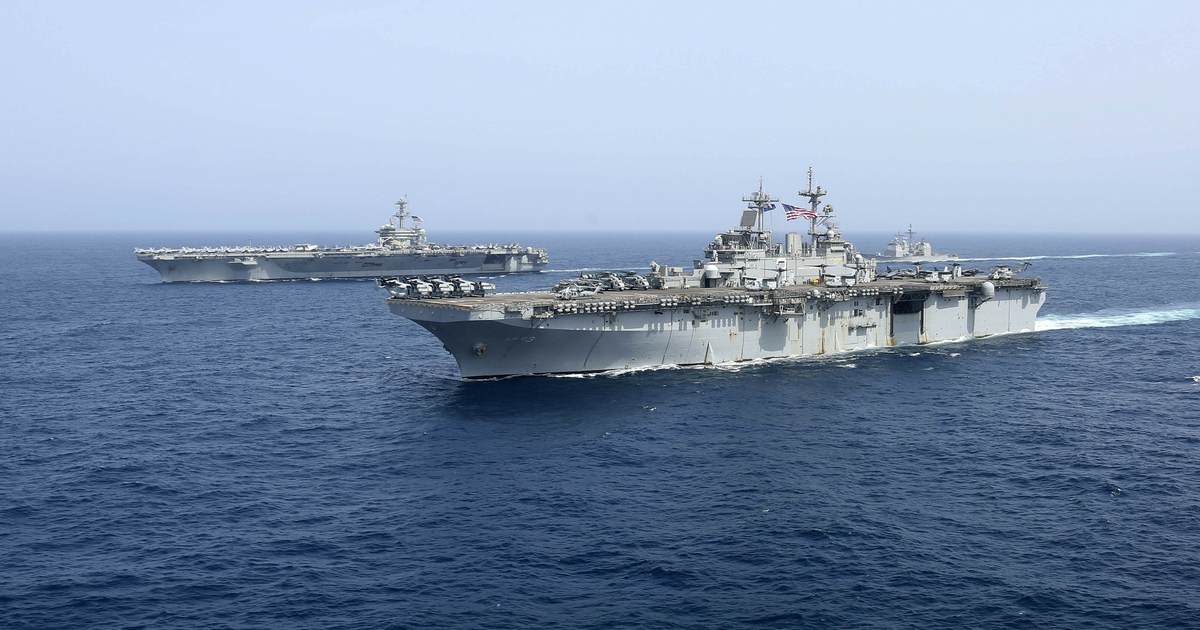
- [EEI 3.1 · PARTIAL] Movement/arrival of major foreign military assets into the region: US carrier strike groups, amphibious ready groups, strategic bomber flights, Russian/Chinese naval taskings, or allied expeditionary units (visible in AIS, NOTAMs, satellite imagery, official releases). Recommended collection: IMINT/satellite
- [EEI 3.2 · UNCOVERED] Official expedited arms transfers, basing/overflight agreements, or declarations of operational support (formal government announcements, defense ministry releases, logistics flight manifests). Recommended collection: open-source/diplomatic
- [EEI 3.3 · UNCOVERED] Embassy evacuations, large-scale personnel movements, issuance of government travel bans/advisories, or multinational security alerts affecting foreign nationals and diplomatic posture in the region. Recommended collection: diplomatic/open-source
- [EEI 3.4 · PARTIAL] High-level diplomatic/UN activity: scheduled or emergency Security Council meetings, published ceasefire proposals, or multilateral statements committing support/condemnation that precede changes in military posture. Recommended collection: open-source/diplomatic
Red cell review: PARTIAL DISSENT
TLP:CLEAR