TLP:CLEAR · Disclosure is not limited.
Iran-Israel Conflict: Gulf and Syria Fronts Widen Regional Risk
Time window: Last 1 day · Audience: General analyst · Type: Situation report · DTG: 2026-08-19 13:00Z · Overall confidence: MEDIUM
BLUF
Very likely the Iran-Israel conflict has widened into a regional security crisis involving Gulf infrastructure, commercial shipping and Syria. The Strait of Hormuz is likely to remain materially constrained in the next 14 days, while formal US-Iran talks are unlikely to resume during that period.
Executive summary
Iran is reported to have fired two ballistic missiles towards the UAE on 18 August, while Iranian retaliation has reportedly affected infrastructure across Saudi Arabia, Kuwait, Bahrain, Qatar, the UAE, Oman and Jordan, as well as at least 19 Adnoc-affiliated vessels. Commercial shipping attacks in the Strait of Hormuz have increased, but the extent of the disruption remains disputed because the US says the waterway is operating normally while Iran says it will remain closed until US military and economic measures are lifted. Israel's eight strikes on Abu al-Duhur airbase in Idlib on 18 August have opened an additional Syria-Turkey escalation channel. Qatar is pressing for de-escalation, but Washington says no talks with Iran are taking place.
Change from previous assessment
Since the 17 July brief, the assessment has shifted from a bilateral US-Iran confrontation with limited regional spillover to a very likely regionalised crisis. New reporting adds Iranian missile activity towards the UAE, reported effects on infrastructure in seven Gulf and neighbouring states, at least 19 Adnoc-linked vessels struck, a Houthi maritime blockade against Saudi Arabia, and eight Israeli strikes on Abu al-Duhur in Syria. Confidence in the precise status of Hormuz has been lowered because reporting now ranges from a 90 percent reduction in crude oil and liquefied natural gas shipments to the US assertion that the waterway is operating normally. A new judgment has been added on the Syria-Turkey escalation channel, and the prior standalone assessment that Tehran was trying to keep Israel out of the confrontation is retired in favour of the broader regionalisation judgment.
Key judgments
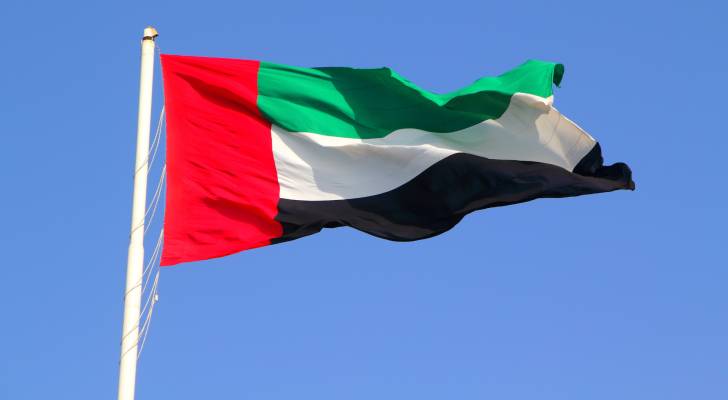
- Very likely the Iran-Israel conflict has widened beyond direct exchanges into a multi-state security crisis. Iran is reported to have fired two ballistic missiles towards the UAE on 18 August, Iranian retaliation is reported to have affected infrastructure in Saudi Arabia, Kuwait, Bahrain, Qatar, the UAE, Oman and Jordan, and at least 19 vessels affiliated with Adnoc have reportedly been struck. Iran denies the UAE missile allegation, which lowers confidence in the attribution of that specific incident. (Confidence: medium · ASSESSED)
- I&W: Confirmation: the UAE Defence Ministry reports another Iranian missile launch or a verified impact, or independent reporting confirms additional damage in Saudi Arabia, Kuwait, Bahrain, Qatar, Oman, Jordan or to an Adnoc vessel. (0-14 days)
- I&W: Break: an independent investigation attributes the 18 August missile tracks to another actor and no further attack affects a named Gulf state or Adnoc vessel. (0-14 days)
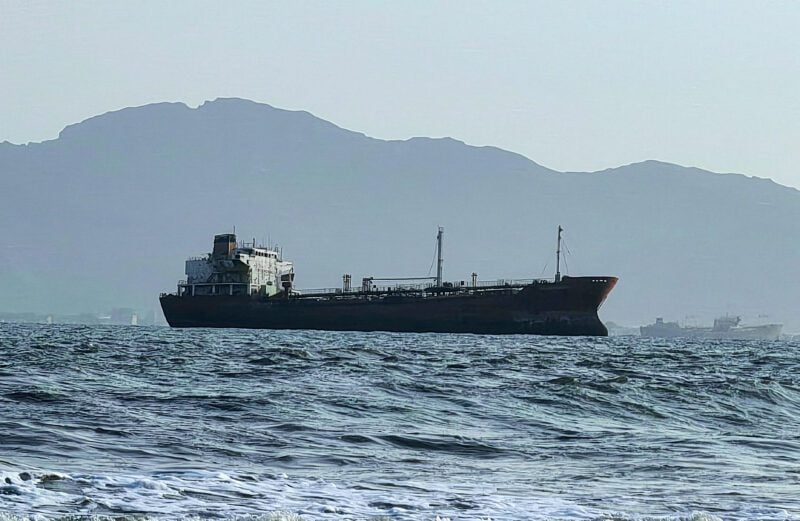
- Likely the Strait of Hormuz will remain materially constrained over the next 14 days, although the extent of closure is unresolved. The frequency of attacks on inbound and outbound commercial vessels has increased, a southbound general cargo ship was struck in its engine room, and traffic remains below pre-war levels. One report assesses crude oil and liquefied natural gas shipments as down by about 90 percent, while the US says the waterway is operating normally and Iran says it will remain closed until Washington lifts its measures. (Confidence: medium · ASSESSED)
- I&W: Confirmation: JMIC records another projectile strike against an inbound or outbound vessel and commercial traffic remains below pre-war levels. (0-14 days)
- I&W: Break: commercial traffic returns to normal and reported crude oil and liquefied natural gas shipments recover materially. (0-14 days)
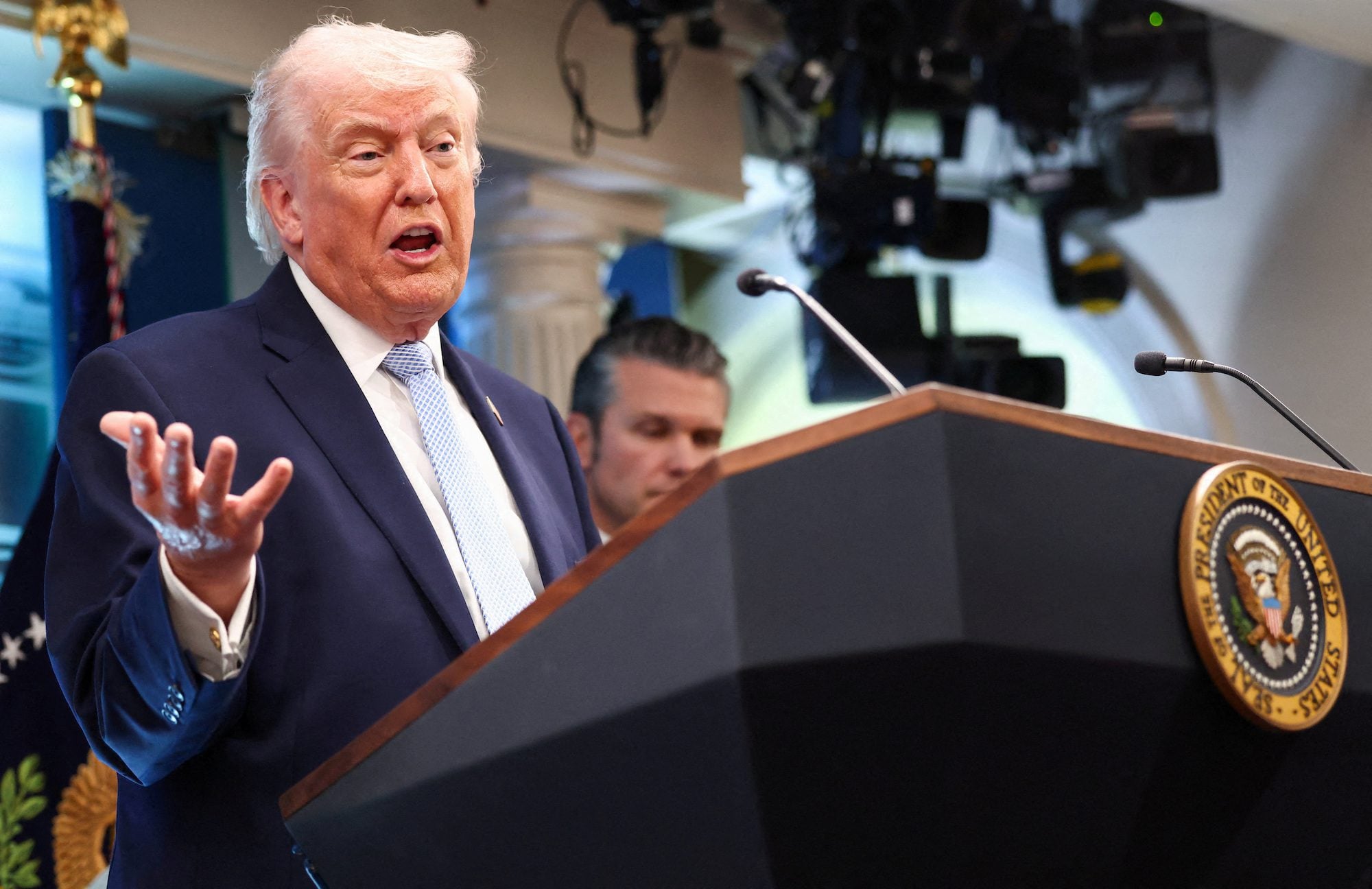
- Unlikely formal US-Iran talks will resume in the next 14 days. Donald Trump has stated that no talks are taking place or scheduled, while Qatar is urging a return to negotiations and Iran and Oman are reported to be discussing management of Hormuz without US participation. The diplomatic channel is therefore active around the conflict but stalled between Washington and Tehran. (Confidence: medium · ASSESSED)
- I&W: Confirmation: Washington repeats that no talks are taking place and Qatar or Oman reports no agreed date for a US-Iran meeting. (0-14 days)
- I&W: Break: Qatar or Oman announces scheduled US-Iran talks involving named delegations. (0-14 days)
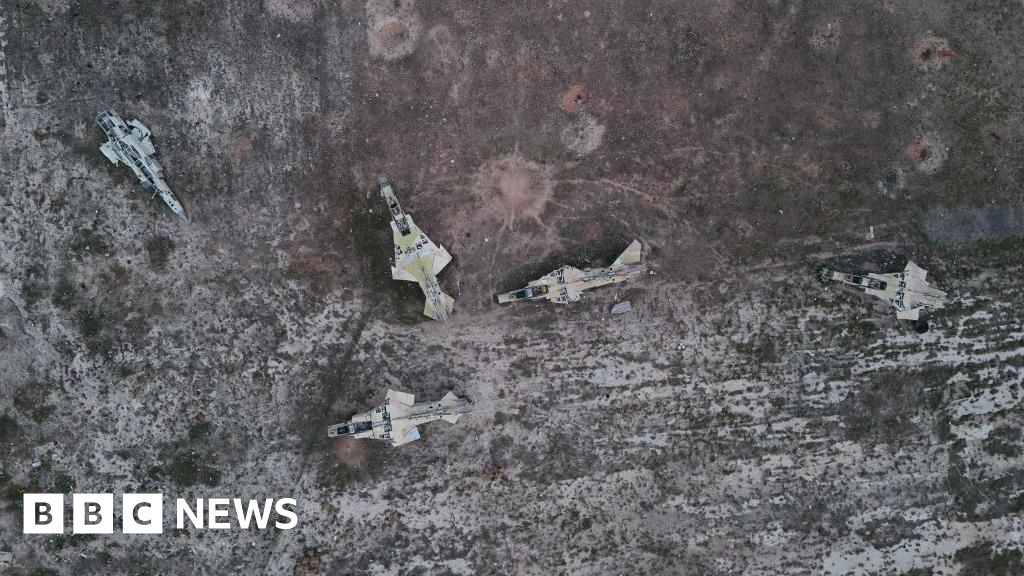
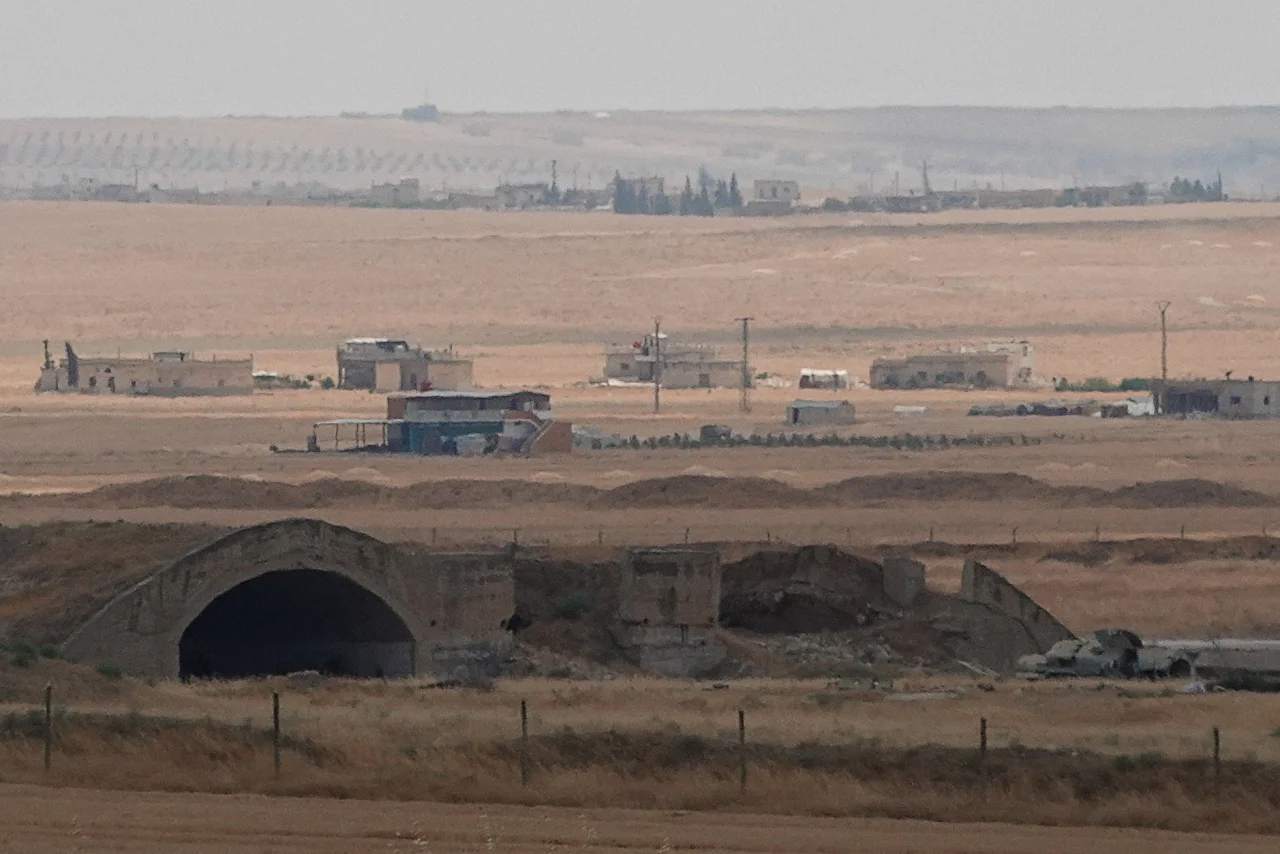
- Very likely Israel conducted eight airstrikes on the runway and associated facilities at Abu al-Duhur airbase in Idlib, Syria, on 18 August, causing infrastructure damage. The attribution is supported by reporting from Syrian state media, a US envoy and other major media accounts. (Confidence: high · REPORTED)
- I&W: Confirmation: Israel, Tom Barrack or further imagery reporting reaffirms the eight-strike assessment and identifies additional damage at Abu al-Duhur. (0-14 days)
- I&W: Break: an authoritative correction states that the strikes were not Israeli or that Abu al-Duhur was not hit. (0-14 days)
- Likely the Abu al-Duhur strikes will remain an additional escalation vector between Israel, Syria and Turkey over the next 1-3 months. Benjamin Netanyahu linked the action to an imminent Turkish troop deployment at the base, Turkey rejected Israel's threat allegation, and US envoy Tom Barrack described the strikes as an unnecessary escalation. Confidence is medium because the reported Turkish deployment and the Israeli rationale are not independently corroborated in the claim set. (Confidence: medium · ASSESSED)
- I&W: Confirmation: Israel conducts another strike on Abu al-Duhur or another Syrian site linked to Turkish forces, or Turkey confirms a troop deployment near the base. (1-3 months)
- I&W: Break: Israel and Turkey publicly confirm that no Turkish deployment will occur at Abu al-Duhur and no further Israeli strikes take place in Syria. (1-3 months)
- Likely Houthi forces will sustain pressure on Red Sea shipping and Saudi maritime or energy infrastructure over the next 1-3 months. Houthi forces struck a commercial ship in the Bab al-Mandab Strait on 11 August, killing six people, declared a maritime blockade on Saudi Arabia, and claimed a new attack on a Saudi Aramco refinery on 18 August. Al-Mokha Port remains closed after repeated missile impacts. (Confidence: medium · ASSESSED)
- I&W: Confirmation: another commercial vessel is attacked in the Bab al-Mandab or southern Red Sea, or Houthi forces enforce the declared blockade against a Saudi-linked ship. (0-30 days)
- I&W: Break: Houthi forces publicly end the blockade and Al-Mokha Port reopens to commercial traffic. (1-3 months)
Outlook & scenarios
Constrained confrontation without settlement (50%)
Iran and Israel sustain intermittent exchanges while Iran-linked pressure on Gulf infrastructure and shipping continues. Hormuz traffic remains below pre-war levels, Houthi forces maintain pressure around the Bab al-Mandab, and Israel conducts further limited activity in Syria. Qatar's mediation produces no formal US-Iran meeting.
Partial diplomatic pause (28%)
Qatar's mediation and the Iran-Oman channel produce an agreed US-Iran contact. Shipping restrictions ease in stages, Hormuz traffic improves, and the parties suspend attacks without resolving the underlying dispute over the US maritime blockade and Iran's conditions.
Expansion across additional regional fronts (14%)
Further Iranian attacks affect a Gulf state or an Adnoc-linked vessel, Houthi forces intensify attacks on Saudi-linked shipping or energy infrastructure, and Israel conducts additional strikes in Syria. Turkey responds by increasing its military assistance or deploying forces near Abu al-Duhur.
Wildcard: direct US-Iran confrontation involving regional facilities (8%)
An attack on a US facility or asset, or an attack launched from a Gulf state, triggers a direct US-Iran exchange. The episode produces a sharp regional response, closes remaining maritime routes and overwhelms current diplomatic efforts.
Recommendations
- Maintain a 24-hour, multi-source watch on UAE Defence Ministry alerts, Iranian missile activity and reported damage in Saudi Arabia, Kuwait, Bahrain, Qatar, Oman and Jordan. Treat attribution of the 18 August UAE missile incident as contested until a second reliable source confirms it.
- Build a daily Hormuz disruption dashboard covering JMIC vessel incidents, commercial traffic levels, crude oil and liquefied natural gas shipments, and official US and Iranian statements. Report the 90 percent shipment-reduction assessment separately from verified traffic observations.
- Track Qatar and Oman for concrete diplomatic activity, including announced meeting dates, named delegations and any US-Iran agreement on Hormuz. Distinguish mediation efforts from formal negotiations.
- Create a dedicated Syria-Turkey watchline covering further Israeli strikes, Turkish troop movements near Abu al-Duhur, Syrian government statements and US responses. Flag any new strike involving a Turkish-supported facility as a regional escalation marker.
- Include the Bab al-Mandab, Al-Mokha Port and Saudi Aramco in the maritime risk watch. Record any vessel attack, blockade enforcement or port reopening within 24 hours of confirmation.
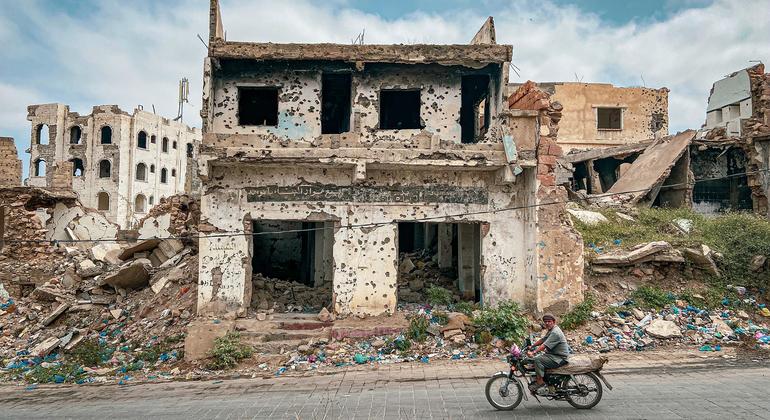
- Prioritise humanitarian reporting on Yemen alongside military indicators. Track effects in Taiz City, Al Gahmalyya and other areas affected by escalating clashes, against the reported requirement for humanitarian assistance and protection by 19.5 million people in 2025.
Confidence & uncertainty
Overall confidence is medium. Multiple high-confidence reports from the UN, official Gulf and Qatari statements, and major media corroborate the Abu al-Duhur strikes, increased attacks on commercial shipping, the UAE missile alert and the main diplomatic positions. Confidence is lower on the attribution of the UAE missile launch, the exact scale of the Hormuz disruption and the status of US-Iran diplomacy because Iran denies the UAE allegation, the US says Hormuz is operating normally, Iran says it remains closed, and Qatar and Oman report continuing diplomatic activity while Washington says no talks are taking place.
Intelligence gaps
- [EEI 1.1 · UNCOVERED] Unusual long-range missile/rocket transporter-launcher (TEL) movements, storage activation, or assembly activity at known IRGC missile sites or forward staging areas. Recommended collection: satellite/imagery
- [EEI 1.2 · UNCOVERED] Orders, threat-alert messages, or changes in posture from IRGC, Quds Force, or senior Iranian military leadership indicating attack timelines or rules of engagement changes. Recommended collection: signals/ELINT and HUMINT
- [EEI 1.3 · UNCOVERED] Large-scale transfers, deliveries, or convoy movements of armed UAVs/drones, guided munitions, or spare parts from Iran into Lebanon (Hezbollah), Iraq, Syria, or Gaza. Recommended collection: air/aviation track and HUMINT
- [EEI 1.4 · UNCOVERED] Sustained changes in Israeli air-defense usage (SAM launches, radar activations), wide-area alerts, or NOTAMs indicating elevated imminent strike response. Recommended collection: air/aviation/NOTAMs and signals
- [EEI 2.1 · UNCOVERED] Concentration, repositioning, or sortie patterns of Iranian naval/IRGC patrol boats and fast-attack craft near shipping chokepoints or commercial lanes. Recommended collection: maritime/AIS and satellite/imagery
- [EEI 2.3 · UNCOVERED] Insurance market indicators: sudden spikes in war-risk or hull insurance premiums for routes through the Red Sea, Suez corridor, or Persian Gulf, and major carriers announcing route changes. Recommended collection: financial/market and commercial shipping notices
- [EEI 2.4 · PARTIAL] Port closures, naval escorts requested by commercial operators, or formal rerouting advisories issued by major shippers (e.g., Maersk, Hapag-Lloyd) for regional transits. Recommended collection: commercial/OSINT
- [EEI 3.1 · UNCOVERED] Deployment of foreign military assets to the region (carrier strike groups, amphibious ships, combat aircraft deployments, or additional bases activated) from the US, UK, France, Russia, or GCC states. Recommended collection: maritime/AIS and air/aviation and satellite/imagery
- [EEI 3.3 · UNCOVERED] Confirmed arms transfers, expedited weapons shipments, or transfer authorizations to Israel, Iran, or their proxies (aircraft parts, munitions, air defenses). Recommended collection: customs/INTEL and HUMINT
- [EEI 3.4 · UNCOVERED] Issuance of travel warnings, embassy evacuations or reductions, and closure of diplomatic missions by major capitals indicating escalation risk or shifted threat assessments. Recommended collection: OSINT/diplomatic
Cited sources
[1] gcaptain.com · Trump Takes Iran Hard Line as Hormuz Tensions Set New Normal (B) · sha256:6c856e4d5bbd [2] Al Jazeera · Trump says no talks planned with Iran amid anger over Iran-Oman Hormuz deal (A) · sha256:26999d67896b [3] moroccoworldnews.com · The Mecca Defense Agreement: Towards a Multipolar Security Order in Middle East (B) · sha256:c31c0b901e4b [4] maritime-executive.com · UAE Suspends Trade With Iran Following Antiship Missile Strike (B) · sha256:c0e96787eb97 [5] news.mail.ru · Иран: свежие новости, последние события на сегодня (B) · sha256:3211570fd864 [6] gcaptain.com · Cargo Ship Destroyed in New Attack Off Yemen (B) · sha256:8670d669aa64 [7] 中金在线 · 原油交易提醒:供应担忧情绪蔓延,油价连续四日上涨,短期或将测试箱体上沿压力_国际原油市场_黄金网_中金在线 (B) · sha256:dc34c18fbf6d [8] usstock.jrj.com.cn · 创纪录的百美元柴油裂解撞上“双海峡危机”与AI发债狂潮! “资产定价之锚”迎来5%压力测试 (B) · sha256:bfb4217eff80 [9] aljazeera.net · إيران: أجبرنا واشنطن على قبول شروطنا والملاحة بهرمز رهينة برفع الحصار (B) · sha256:686c1835e2b4 [10] aljazeera.net · الخارجية القطرية: نعمل لوقف التصعيد وفتح هرمز واستئناف المفاوضات (A) · sha256:453d46012854 [11] gcaptain.com · Trump Says No Talks are Taking Place With Iran and None are Scheduled (B) · sha256:364aa1ac551a [12] anews.com.tr · Arab states condemn Israeli strikes on Syrian airbase as 'dangerous escalation' (B) · sha256:6d7be96f38b2 [13] BBC · US condemns 'unnecessary escalation' after Israeli airstrikes on Syrian airbase (A) · sha256:5620dc93dd6d [14] en.royanews.tv · Day 173 | UAE accuses Iran of firing ballistic missiles at shipping (B) · sha256:cf57dca9e936 [15] responsiblestatecraft.org · US cries foul as Israel bombs Turkey-linked airbase in Syria (B) · sha256:33d1b28c1472 [16] egyptindependent.com · Israel acknowledges strike in Syria condemned by US (B) · sha256:663abf717f5d [17] News.az · Why Pakistan is calling for accountability after Israel strikes Syria | News.az (B) · sha256:92beed9f1470 [18] United Nations · Security Council LIVE: Escalating attacks threaten peace in Yemen (A) · sha256:a8d0ad28a7a0 [19] gcaptain.com · Saudis Offer to Sell Oil Near Oman, a Possible Sign They’re Sailing Dark Through Hormuz (B) · sha256:a56e84148b9e [20] rtvi.com · Архивы Конфликт на Ближнем Востоке (B) · sha256:4658b8ba57fa
Source content hashes were computed at collection time; the cited text is preserved unmodified for the life of this product.
Red cell review: CONCUR WITH COMMENT
TLP:CLEAR