TLP:CLEAR · Disclosure is not limited.
Iran-Israel Conflict: Gulf Expansion and Hormuz Disruption
Time window: Last 1 day · Audience: General analyst · Type: Situation report · DTG: 2026-08-19 11:27Z · Overall confidence: LOW
BLUF
The conflict has widened into direct pressure on the UAE and commercial shipping, while the US retains a large military posture in the Middle East. Near-term de-escalation is unlikely, but confidence is low because the UAE missile attribution and the status of US-Iran talks remain contested.
Executive summary
Iranian missile and drone activity is reported against Israel, US-aligned Arab states and US military bases. The UAE reported two ballistic missiles launched from Iran and suspended trade ties with Tehran on 18 August 2026, although Iran rejected responsibility. Commercial traffic through the Strait of Hormuz has fallen sharply, and maritime authorities continue to report a severe threat environment. The US is maintaining more than 400 military aircraft in the region while diverting an aircraft carrier to the Middle East, even as the administration considers reducing its Gulf footprint. Lebanon remains under acute humanitarian strain despite large-scale returns by displaced people.
Change from previous assessment
Since the 17 July 2026 brief, the assessment has shifted from a medium-confidence focus on Iran's announced Hormuz closure and direct attacks on US bases to a low-confidence assessment of a wider Gulf crisis. New developments include the reported UAE missile episode, the UAE suspension of trade ties with Iran, the reported fall in Hormuz traffic from 31 to 5 vessels, continued severe maritime threat reporting and a reported US carrier diversion. Confidence has been lowered because the current material contains more unresolved attribution, date and source-quality conflicts. Judgments on UAE economic rupture, Lebanon's continuing humanitarian strain and possible European spillover have been added, while the prior concerns about US force posture and Hormuz disruption remain active.
Key judgments
- Very likely the Iran-UAE confrontation has expanded into economic coercion: the UAE suspended trade ties with Iran on 18 August 2026 after its air defences reported two ballistic missiles launched from Iran, while Tehran rejected the accusation; separate reporting says Iran struck at least 19 vessels affiliated with Adnoc. The missile attribution remains contested, which lowers confidence. (Confidence: medium · ASSESSED)
- I&W: The UAE or Iran announces additional restrictions on banking, shipping or border trade, or UAE authorities report another missile launch from Iran. (0-14 days)
- I&W: The UAE restores trade ties or independent evidence attributes the 18 August missile episode to a non-Iranian source. (0-30 days)
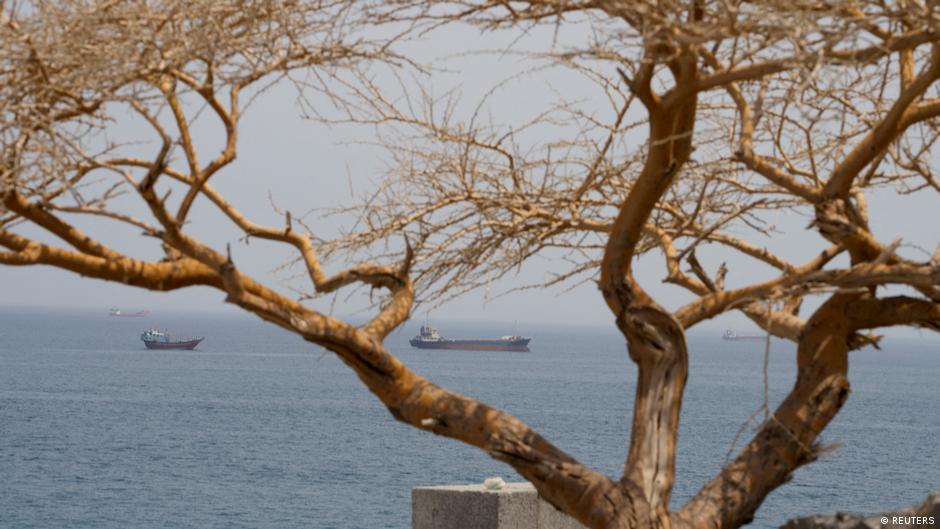
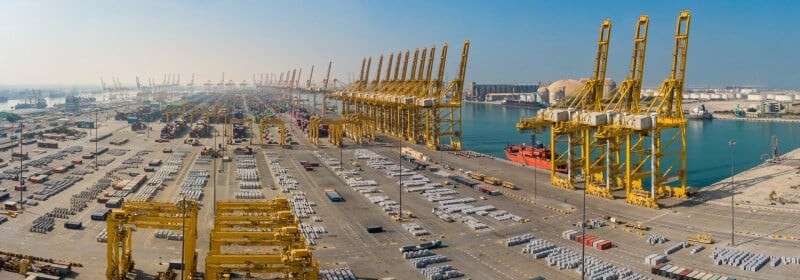
- Very likely commercial traffic through the Strait of Hormuz will remain severely constrained over the next two weeks. Reported traffic fell from 31 vessels to 5 on 15 August, JMIC reported an increased frequency of attacks against commercial shipping, and UKMTO assessed the threat level as severe. These reports corroborate disruption, but they do not establish that every incident was conducted by Iran. (Confidence: medium · ASSESSED)
- I&W: Daily vessel counts remain at 5 or below for three consecutive days, while UKMTO retains its severe threat rating or reports another projectile strike. (0-14 days)
- I&W: Daily vessel counts return towards 31 vessels and UKMTO downgrades the threat level. (0-14 days)
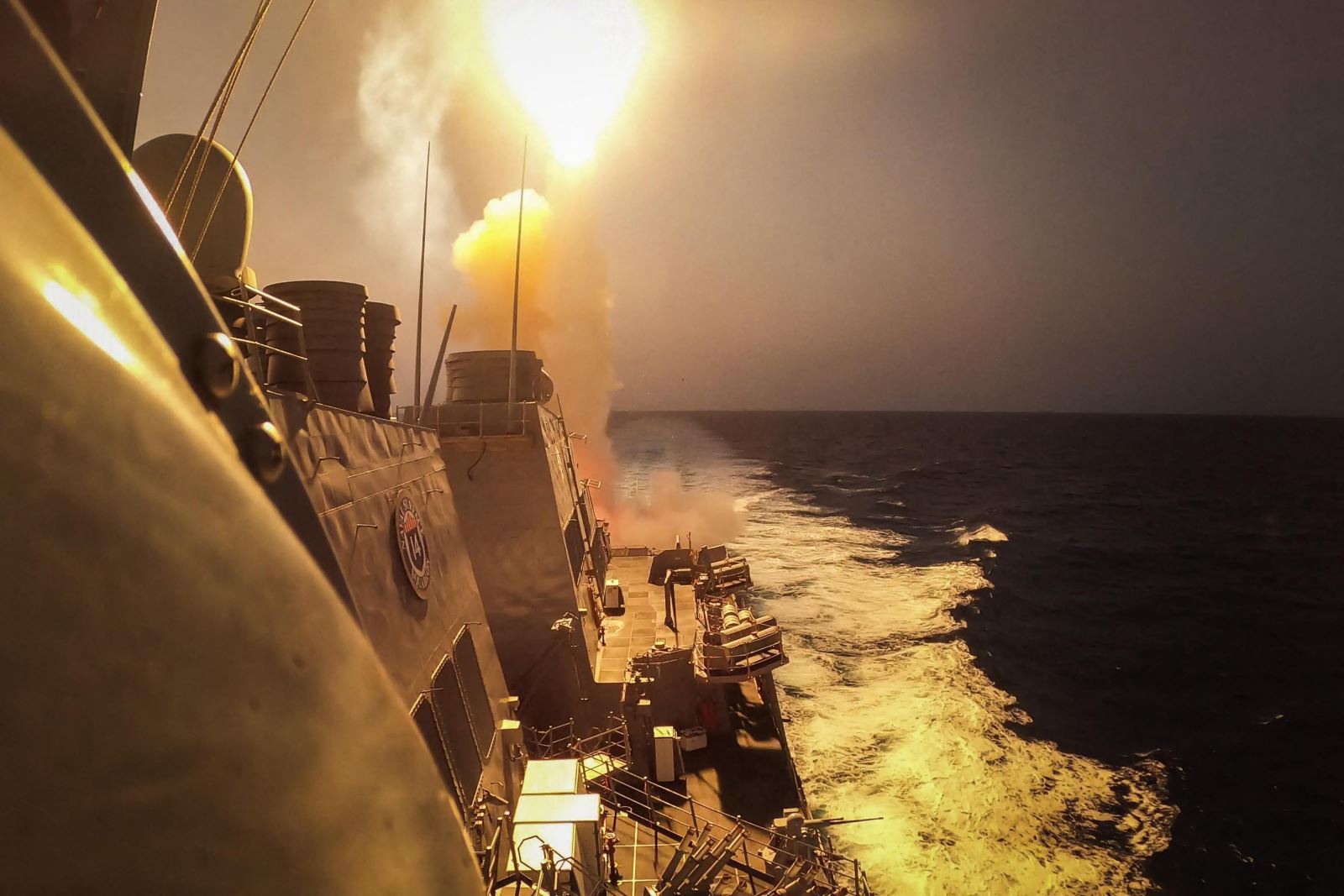
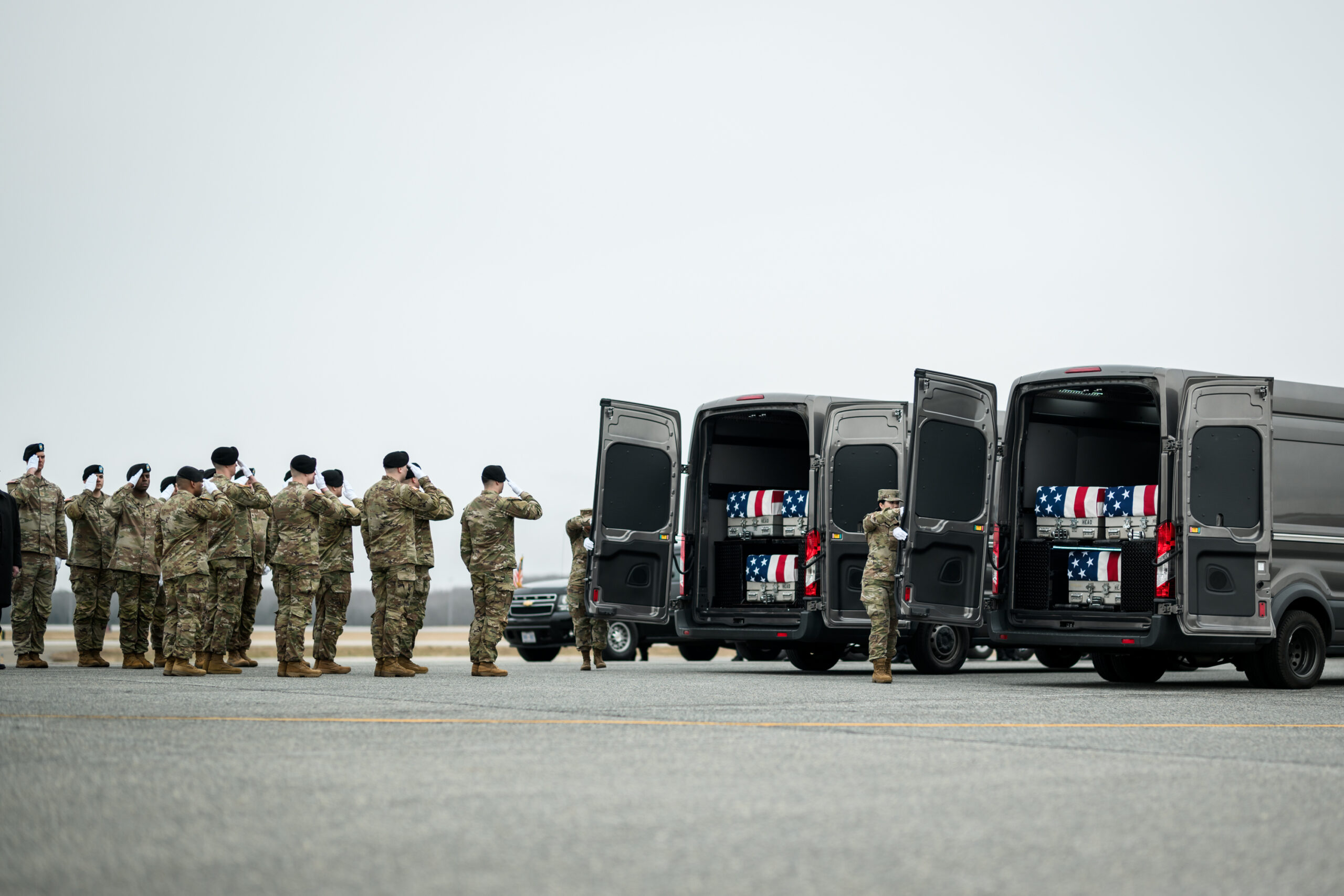
- Likely the US will retain a large and reinforced military posture in the Middle East over the next month despite reported consideration of a Gulf troop withdrawal. The US maintains more than 400 military aircraft in the region, an aircraft carrier is being diverted to the Middle East, and US naval assets are shifting towards the theatre. The withdrawal reporting and the carrier-diversion report rely partly on media and think-tank sources, so confidence is medium. (Confidence: medium · ASSESSED)
- I&W: The diverted carrier is publicly confirmed in the Middle East and US officials continue to report more than 400 military aircraft in the region. (0-30 days)
- I&W: The Trump administration announces a Gulf troop withdrawal or cancels the carrier diversion. (0-30 days)
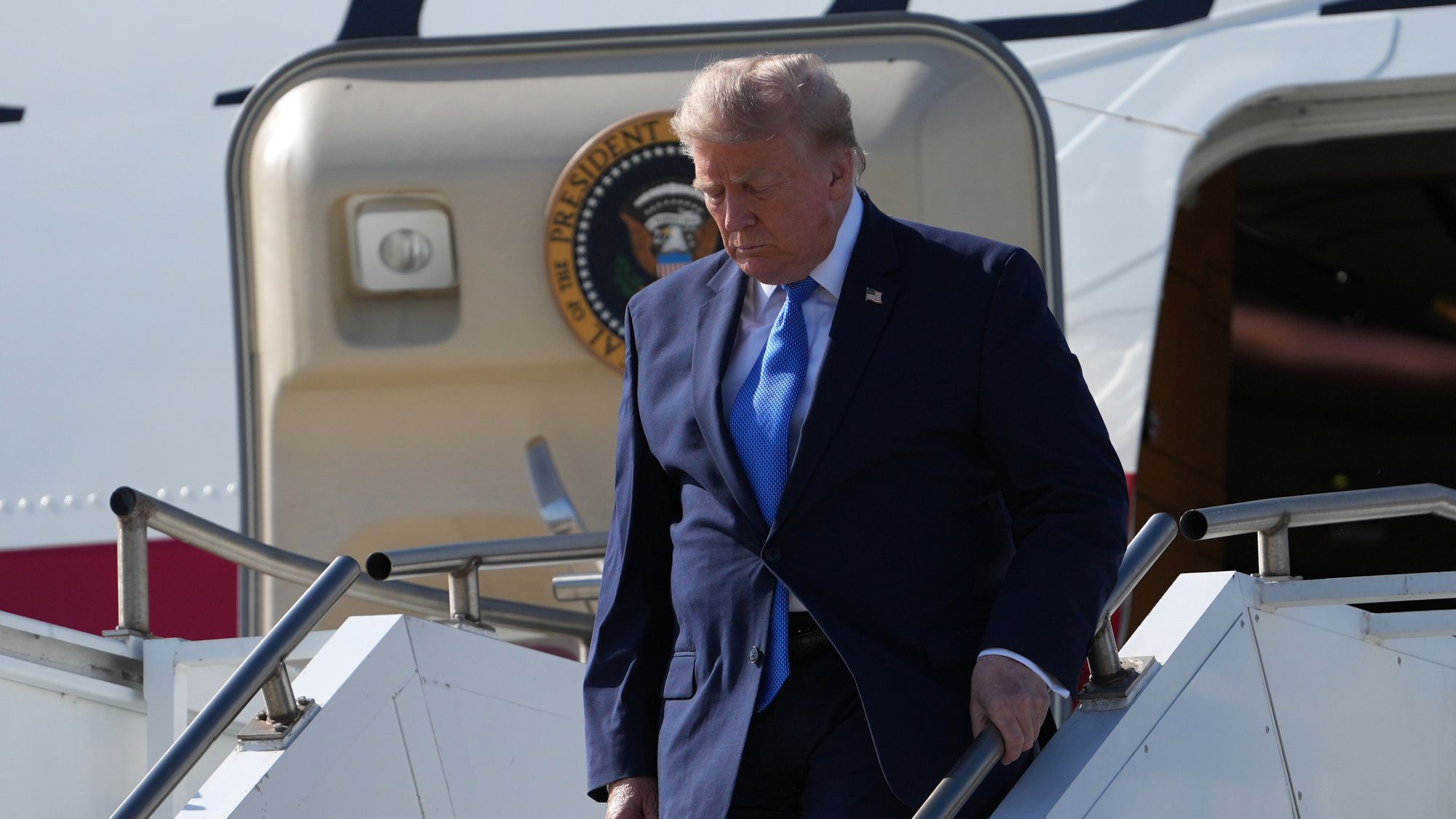
- Unlikely US-Iran diplomacy will produce a near-term de-escalation agreement. President Trump has announced that no talks are ongoing, while Iran demands that Washington end military operations and withdraw its forces from the region. A separate report of indirect talks is low confidence and does not resolve the contradiction. (Confidence: low · ASSESSED)
- I&W: The White House repeats that no talks are taking place and Iran reiterates demands for a US military withdrawal. (0-14 days)
- I&W: US and Iranian officials publicly confirm an indirect channel, a ceasefire arrangement or an agreement on reopening the Strait of Hormuz. (0-30 days)
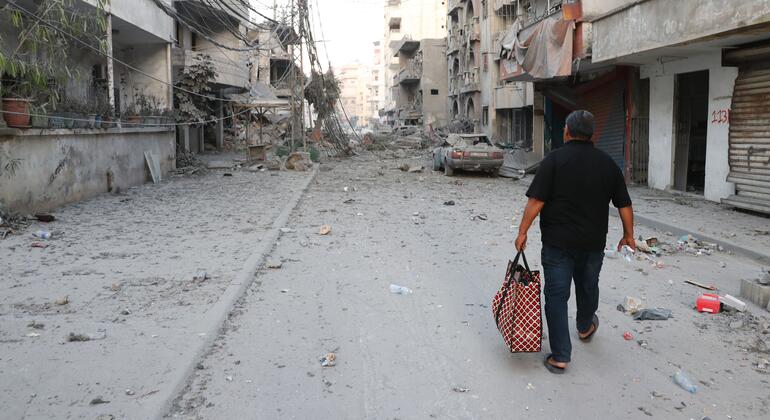
- Very likely humanitarian needs in Lebanon will remain acute over the next one to three months despite the reported return of 860,000 displaced people. The UN reports that 360,000 people remain displaced, including at least 22,000 in collective shelters, while UNHCR's Lebanon operation is 24 percent funded and the inter-agency Flash Appeal is 48 percent funded. The figures are drawn from UN reporting but are difficult to reconcile fully, which keeps confidence at medium. (Confidence: medium · ASSESSED)
- I&W: The UN continues to report at least 360,000 displaced people or 22,000 people in collective shelters, while either appeal remains below 50 percent funded. (1-3 months)
- I&W: A new UN update reports a displaced population materially below 360,000 and funding for the inter-agency appeal above 75 percent. (1-3 months)
- Unlikely Iran will extend the conflict within the next month to kinetic or disruptive action against US military assets in southeastern Europe, Cyprus or subsea cables in the Strait of Hormuz, but the potential impact would be high. Reports that Iranian forces assessed targets in Bulgaria and Cyprus and examined cable disruption are medium-confidence, single-source indicators rather than evidence of an approved operation. (Confidence: low · ASSESSED)
- I&W: Iranian forces issue an explicit threat against Bezmer air base, another US facility in Bulgaria, Cyprus or subsea infrastructure, or an incident occurs at one of those locations. (0-30 days)
- I&W: Iranian authorities publicly disavow such planning and no related force movement or incident is reported. (0-30 days)
Outlook & scenarios
Contained but coercive stand-off (45%)
Iran maintains missile and drone pressure against Israel, US-aligned Arab states and commercial shipping without opening a new theatre. The US keeps its aircraft and naval posture in place, the UAE trade suspension remains, and Hormuz traffic stays well below the reported 31-vessel level.
Further Gulf escalation (30%)
Iran conducts additional attacks against UAE-linked shipping or Gulf facilities. The UAE, Saudi Arabia or Kuwait respond directly or through pressure on Iranian-linked interests. Commercial traffic through Hormuz falls further, with wider oil-loading diversions through Saudi Arabia, Oman or Egypt.
Managed opening for diplomacy (18%)
A limited indirect US-Iran channel emerges despite current denials. The channel focuses on reopening Hormuz and providing economic relief to Iran, while missile activity and attacks on commercial shipping decline enough to permit a gradual return of traffic.
European and communications spillover wildcard (7%)
Iranian planning translates into an attack on US military assets in Bulgaria or Cyprus, or an attempt to disrupt subsea fibre-optic cables through the Strait of Hormuz. The result is a rapid widening of the conflict beyond the Gulf and Israel, with high consequences for US force protection and regional communications.
Recommendations
- Maintain a daily maritime watch for the Strait of Hormuz using vessel counts, UKMTO and JMIC incident reports, and updates on the status of the Caroline Bezengi oil spill in Oman.
- Separate confirmed events from reported attribution in all products. Give particular prominence to the competing accounts of the 18 August UAE missile episode and the status of US-Iran talks.
- Prepare two short-term planning cases for decision-makers: continued traffic at five vessels or fewer through Hormuz, and a return towards the reported 31-vessel level. Identify the implications for UAE-linked shipping, Saudi oil movements and US strategic oil reserves.
- Prioritise force-protection reporting on US facilities in Bahrain, Qatar, Kuwait and the UAE, alongside the status and destination of the diverted aircraft carrier.
- Track warning signs of European spillover, including Iranian statements naming Bulgaria or Cyprus, activity around Bezmer air base and reporting of interference with subsea cables in the Strait of Hormuz.
- Maintain Lebanon as a priority humanitarian watch item. Reconcile UN displacement and return figures before using them for resource planning, and track funding changes to the UNHCR operation and inter-agency Flash Appeal.
Confidence & uncertainty
Overall confidence is low because the feed combines high-confidence UN and official reporting with a larger body of medium, low and insufficient claims from major media, think tanks, blogs and social media. Several key issues remain unresolved: responsibility for the 18 August missile episode, the sequence of US and Israeli actions on 28 February, whether US-Iran talks exist, and how the Lebanese displacement figures relate to reported returns. The evidence supports a broad assessment of sustained escalation and maritime disruption, but it does not support high confidence in attribution or the precise operational timeline.
Intelligence gaps
- [EEI 1.1 · UNCOVERED] Movement, dispersal, or emplacement of Iranian conventional or IRGC heavy assets (ballistic missile launchers, Khoramshahr/Toofan-class missile transporters, ground-to-ground TELs, air defense batteries, amphibious units) from garrison areas toward forward bases or coastal launch sites. Recommended collection: satellite/IMINT
- [EEI 1.2 · UNCOVERED] Authenticated Iranian military orders, NSC/IRGC operations directives, or senior leadership statements explicitly directing strikes against Israel or U.S. forces or authorizing cross-border operations. Recommended collection: human/diplomatic
- [EEI 2.1 · PARTIAL] Observable pre-launch preparations for missile/rocket/cruise missile strikes (fueling, warhead mating, launcher orientation, support vehicle congregation) and abnormal munitions handling at known launch sites. Recommended collection: satellite/IMINT
- [EEI 2.3 · UNCOVERED] Evidence of cyber attack planning or active exploitation campaigns targeting Israeli or U.S. military/critical infrastructure (emergence of new command-and-control servers, spear-phishing campaigns against defense personnel, successful intrusions). Recommended collection: cyber
- [EEI 3.3 · PARTIAL] Changes in U.S. base force-protection measures and rules of engagement at regional facilities (base lockdowns, evacuation notices, flight restrictions, activation of Local Defense Forces or missile intercept systems). Recommended collection: open-source/local reporting
- [EEI 4.3 · PARTIAL] Militia cross-border attack evidence from Iraq/Syria: recorded rocket/mortar launch events into Israel or strikes against U.S. facilities, movement of armed convoys toward border areas, and intercepted communications coordinating cross-border operations. Recommended collection: signals/ELINT
Cited sources
[1] dw.com · Middle East: No talks or conversations with Iran, Trump says (A) · sha256:e5e440337f9c [2] maritime-executive.com · UAE Suspends Trade With Iran Following Antiship Missile Strike (B) · sha256:c0e96787eb97 [3] vietnam.vn · US-Iran tensions escalate, risking renewed conflict. (B) · sha256:41fc3645a775 [4] gcaptain.com · Cargo Ship Destroyed in New Attack Off Yemen (B) · sha256:8670d669aa64 [5] gcaptain.com · Seafarer Killed in Latest Strait of Hormuz Attack on Commercial Shipping (B) · sha256:ea2568892460 [6] maritime-executive.com · Op-Ed: Elbridge Colby's S. China Sea Reassurance Deepens Manila's Trilemma (C) · sha256:1977ff65632b [7] jpost.com · Trump's Iran war is reshaping US alliances from South Korea to the Middle East - analysis (B) · sha256:c83e1910d1a5 [8] middleeasteye.net · US mulls shrinking military footprint in Gulf as a result of war on Iran: Report (B) · sha256:ee45e8e6bfb3 [9] devdiscourse.com · Tensions Surge as Strait of Hormuz Standoff Continues (B) · sha256:a43c37e7a85d [10] vietnam.vn · تتصاعد التوترات بين الولايات المتحدة وإيران، مما ينذر بتجدد الصراع. (B) · sha256:38ae6fd62dfd [11] Arab America · All Sides Lose in the War of Attrition with Iran (D) · sha256:df301611781c [12] United Nations · Lebanon: 860,000 displaced people have returned home, but humanitarian crisis remains ‘immense’ (A) · sha256:b4baf947a1c0 [13] i24news.tv · Iran weighs strikes on US military assets in Europe if Washington escalates conflict - report (B) · sha256:5b6411fa6f6b
Source content hashes were computed at collection time; the cited text is preserved unmodified for the life of this product.
TLP:CLEAR