TLP:CLEAR · Disclosure is not limited.
Iran-Israel Conflict: Gulf Spillover and Hormuz Disruption
Time window: Last 1 day · Audience: General analyst · Type: Situation report · DTG: 2026-09-03 18:36Z · Overall confidence: HIGH
BLUF
Iranian missile and drone activity has expanded to Kuwait, Bahrain, the UAE, Jordan and Iraqi Kurdistan, making continued US-Iran exchanges very likely over the next 14 days. Strait of Hormuz traffic remains restricted rather than fully closed, while civilian casualty reporting from Iran is contested and diplomatic activity has not yet produced a halt in military operations.
Executive summary
Iranian forces have reported attacks on US-linked positions in Kuwait and the UAE, while Kuwait says it intercepted an Iranian barrage. The United States has struck Iranian rocket-launching positions on a strategic island in the Strait of Hormuz and has escorted oil vessels through the waterway. Israel has conducted strikes in southern Lebanon and threatened a forceful response to any Iranian attack. Commercial traffic through Hormuz remains well below its recent average, although oil traders still estimate substantial crude flows. Saudi Arabia, the UAE, Kuwait, Qatar, Egypt, Turkey and Pakistan are increasing diplomatic or defence coordination, but the reporting does not show a coordinated offensive response against Iran.
Change from previous assessment
Since the 2 September brief, the assessment has shifted towards a more clearly regionalised conflict. New reporting places Iranian missile and drone activity against Kuwait and Bahrain, with reported targets at Ahmad Al-Jaber Air Base and Al-Minhad Air Base, while US maritime enforcement has expanded to 86 redirected vessels, three disabled vessels and two boardings. The shipping assessment now gives greater weight to the six-vessel count and the 6 million to 8 million barrels per day flow estimate, reducing confidence in a full Iranian chokehold while retaining high confidence in severe disruption. The civilian casualty assessment remains low confidence because the reported totals have diverged, while the Meccan Defense Alliance is now treated as a developing defensive alignment rather than evidence of an offensive coalition.
Key judgments
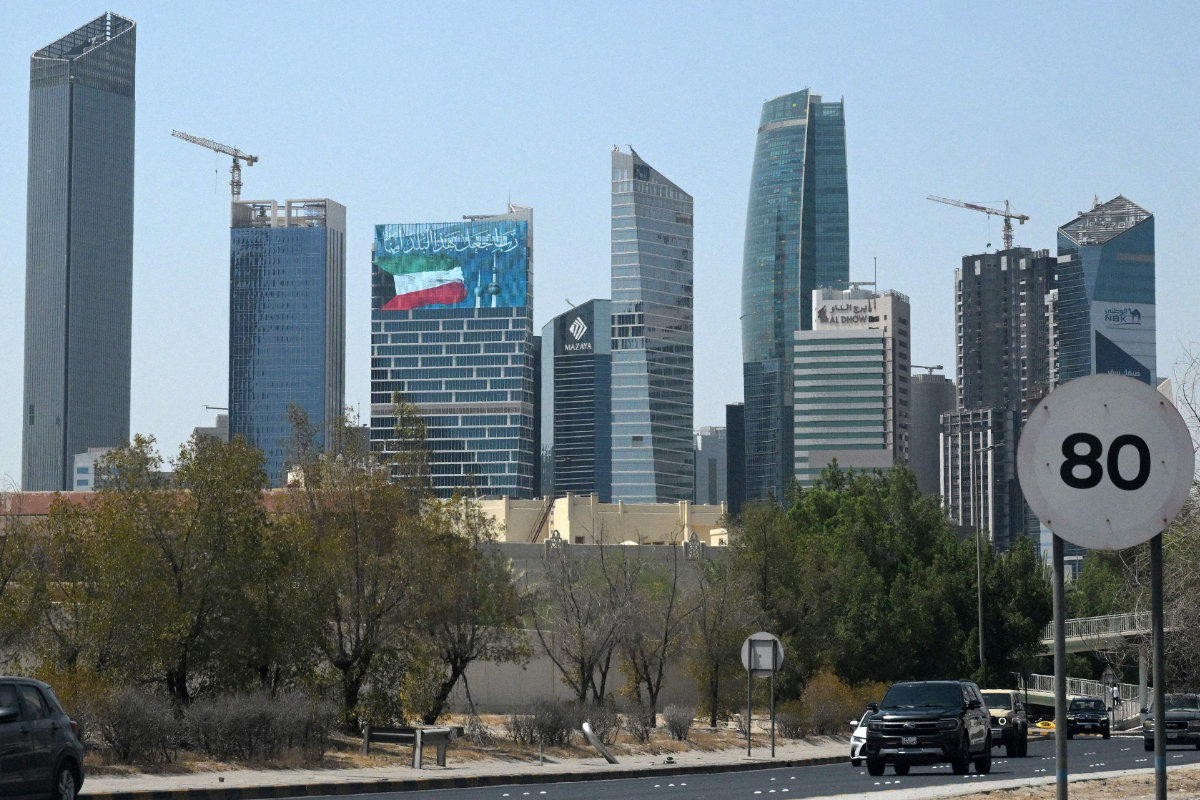
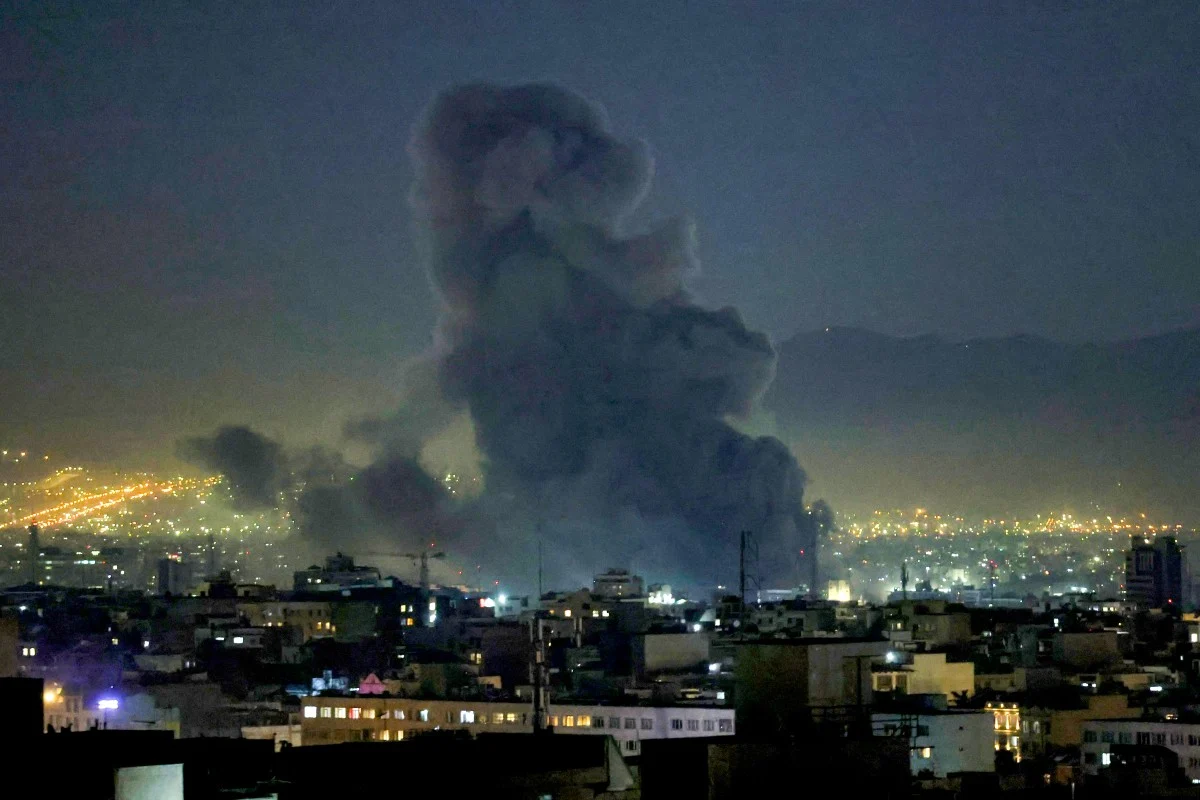
- Very likely US-Iran military exchanges will continue over the next 0-14 days. Iranian forces have launched or reported missile and drone attacks against US positions across Kuwait, the UAE, Bahrain, Jordan and Iraqi Kurdistan. Iran's army has specifically reported attacks on Ahmad Al-Jaber Air Base in Kuwait and Al-Minhad Air Base in the UAE. The United States has struck Iranian rocket-launching positions on a strategic island in the Strait of Hormuz, while Israel has conducted strikes in southern Lebanon and Israel Katz has threatened a forceful response to any Iranian attack. (Confidence: high · ASSESSED)
- I&W: Confirmation: Iranian state media or Kuwaiti, Bahraini, Jordanian, UAE or Iraqi authorities report another missile or drone launch against one of the named positions or locations. (0-14 days)
- I&W: Break: No new Iranian missile or drone launches against the named locations and no further US strikes on Iranian rocket-launching positions are reported during the period. (0-14 days)
- Likely Arab governments will tighten political and defence coordination in response to Iranian attacks over the next 1-3 months, but an offensive coalition against Iran remains unlikely. Kuwait, Saudi Arabia, the UAE and Arab interior ministers have condemned Iranian attacks, while Saudi Arabia, Turkey and Pakistan have signed the Meccan Defense Alliance. Current reporting establishes defensive alignment and diplomatic solidarity, not a coordinated plan for offensive action. (Confidence: medium · ASSESSED)
- I&W: Confirmation: Saudi Arabia, Turkey and Pakistan announce a joint command, air-defence arrangement or military exercise under the Meccan Defense Alliance. (1-3 months)
- I&W: Break: The alliance signatories publicly limit the agreement to political consultation and Arab governments rule out new military coordination beyond existing national defences. (1-3 months)
- Likely commercial shipping through the Strait of Hormuz will remain severely disrupted over the next 1-3 months, but a complete physical closure is unlikely. Kpler data cited by Reuters recorded six commodity vessels crossing on 2 September, below the recent 10-day average of about 13, while oil traders estimated that 6 million to 8 million barrels of crude per day still crossed in the week before publication. US forces escorted 40 vessels carrying about 18 million barrels on 1 September, and US Central Command said it had redirected 86 vessels, disabled three and boarded two by 2 September. Mitsui OSK expects operations not to resume in any form by the end of the year. These quantitative flows and escorted transits indicate restricted passage rather than a complete closure, despite qualitative descriptions of an Iranian chokehold. (Confidence: medium · ASSESSED)
- I&W: Confirmation: Daily commodity-vessel transits remain below 13 for at least seven consecutive days, while Japanese shipowners continue avoiding the Gulf. (0-14 days)
- I&W: Break: The 10-day transit average returns to at least 13 and Mitsui OSK or Japanese shipowners announce a phased return to Hormuz operations. (1-3 months)
- Likely US strikes have caused civilian casualties in Iran, but the precise toll and the reported wedding-house strike in Kuhestak remain unresolved. Iran's health ministry reported 18 dead and 142 injured, including women and minors. Related reporting put the death toll at least 11, while the Iranian Red Crescent reported four killed and more than 50 wounded at Kuhestak, including a child. The judgement rests largely on Iranian official reporting and conflicting casualty figures. (Confidence: low · REPORTED)
- I&W: Confirmation: Independent imagery, named-victim records or additional non-Iranian reporting corroborate the Kuhestak location and civilian casualties. (0-14 days)
- I&W: Break: A credible casualty review finds that the reported deaths were not caused by the US strike, or Iran's health ministry materially revises its 18-dead and 142-injured figures. (0-14 days)
- Unlikely diplomatic initiatives will produce a durable halt in military activity involving Iran, the United States and Israel during the next 14 days. Qatar and Egypt are coordinating on de-escalation, Qatar is calling for negotiations and safe maritime navigation, and Xi Jinping is urging Middle Eastern states to shape their own security framework. Donald Trump has told Israel not to worry about a renewed war, but Israel Katz has threatened a forceful response and Israeli forces have struck southern Lebanon. (Confidence: medium · ASSESSED)
- I&W: Confirmation: Iranian forces launch another missile or drone attack, or Israeli forces conduct another strike in southern Lebanon, while Qatar-Egypt de-escalation contacts continue. (0-14 days)
- I&W: Break: Iran, the United States, Israel, Qatar and Egypt announce a direct negotiating channel and maintain a publicly observable halt in attacks for 14 days. (0-14 days)
- Likely energy-market pressure will persist over the next 1-3 months as reduced Hormuz traffic forces refiners to use alternative supplies and stockpiles. Japanese refiners, which obtained more than 90 percent of their crude from the Middle East before the war, are seeking supplies from the United States and other routes. Mitsui OSK reports stronger demand from the United States and West Africa, while Nippon Yusen is discussing imports from Latin America and Africa. These adjustments reduce dependence on Hormuz but do not restore normal Gulf flows. (Confidence: medium · ASSESSED)
- I&W: Confirmation: Japanese refiners continue drawing stockpiles and arranging crude cargoes from the United States, Latin America, Africa or West Africa. (1-3 months)
- I&W: Break: Japanese refiners resume regular Middle Eastern procurement through Hormuz and Mitsui OSK reports a confirmed return to normal operations. (1-3 months)
Outlook & scenarios
Continued US-Iran exchanges with limited geographic expansion (55%)
Iranian forces continue missile and drone attacks on US-linked positions in Kuwait, Bahrain, the UAE, Jordan and Iraqi Kurdistan during the next 14 days. The United States continues strikes on Iranian military positions and escorts selected oil vessels. Israel maintains strikes in southern Lebanon and repeats warnings of a forceful response. Hormuz traffic remains below its recent average.
Restricted Hormuz passage with economic adaptation (35%)
US escorts keep some oil traffic moving, while Iranian maritime restrictions, US blockade measures and tanker risk keep Japanese shipowners away from the Gulf. Qatar-Egypt diplomacy continues without a durable settlement. Japanese refiners rely more heavily on supplies from the United States, Latin America, Africa and West Africa, alongside stockpiles.
Arab defence alignment and wider confrontation (20%)
Saudi Arabia, Turkey and Pakistan deepen the Meccan Defense Alliance, while Kuwait, Saudi Arabia, the UAE, Bahrain and Jordan strengthen defence coordination after further Iranian attacks. A new Iranian strike on a named Gulf location prompts a broader US or regional response, and Israel responds forcefully to any Iranian attack during the Jewish holiday period.
Low-probability, high-impact maritime shock (10%)
An additional attack on a commercial tanker or a major strike on Ahmad Al-Jaber Air Base or Al-Minhad Air Base leads to expanded US operations around the Strait of Hormuz. Commercial transits fall sharply below the current six-vessel daily level, and the reported 6 million to 8 million barrels per day of crude flow no longer continues. Energy-market pressure intensifies as shipping diversions and stockpile use increase.
Recommendations
- Maintain a 24-hour named-target event ledger for Iranian missile and drone activity involving Ahmad Al-Jaber Air Base, Al-Minhad Air Base, Bahrain, Jordan and Iraqi Kurdistan. Record the source, claimed target, weapon type, interception status and physical damage separately.
- Assess Hormuz as restricted rather than closed unless observed traffic reaches zero. Reconcile daily Kpler vessel counts, oil-flow estimates, US escort activity, US Central Command blockade figures and transponder gaps in one dashboard.
- Set an immediate reporting trigger for any Iranian attack on a commercial tanker, any US strike on additional Iranian maritime positions, or any Israeli strike beyond southern Lebanon.
- Track the Meccan Defense Alliance for operational evidence. Prioritise announcements of a joint command, air-defence integration, exercises or mutual-force commitments over political statements alone.
- Maintain a separate casualty table for the Iranian health ministry total, the Iranian Red Crescent account from Kuhestak and the lower figure in related reporting. Do not present the exact Kuhestak civilian toll as settled until independent corroboration appears.
- Monitor Qatar-Egypt contacts, direct US-Iran communications and statements by Donald Trump and Israel Katz for evidence of a negotiating channel or a forceful-response policy. Report any announced pause alongside verified military activity.
- Prepare a weekly energy exposure update using the reported Hormuz flow estimate, vessel-transit count, Japanese stockpile use and alternative supply activity involving the United States, West Africa, Latin America and Africa.
Confidence & uncertainty
Overall confidence is high because current military and shipping developments are supported by multiple major-media reports, trade reporting, official statements and quantitative vessel data. High-confidence reporting corroborates Iranian attacks on Gulf locations, Kuwaiti interceptions, US escort and blockade activity, and reduced Hormuz traffic. The main uncertainties concern the precise Iranian civilian casualty toll, attribution of the tanker attack, the gap between qualitative descriptions of a chokehold and reported continuing oil flows, and the operational substance of the Meccan Defense Alliance.
Intelligence gaps
- [EEI 1.1 · UNCOVERED] Unusual long-range missile/rocket transporter-launcher (TEL) movements, storage activation, or assembly activity at known IRGC missile sites or forward staging areas. Recommended collection: satellite/imagery
- [EEI 1.2 · PARTIAL] Orders, threat-alert messages, or changes in posture from IRGC, Quds Force, or senior Iranian military leadership indicating attack timelines or rules of engagement changes. Recommended collection: signals/ELINT and HUMINT
- [EEI 1.3 · UNCOVERED] Large-scale transfers, deliveries, or convoy movements of armed UAVs/drones, guided munitions, or spare parts from Iran into Lebanon (Hezbollah), Iraq, Syria, or Gaza. Recommended collection: air/aviation track and HUMINT
- [EEI 1.4 · UNCOVERED] Sustained changes in Israeli air-defense usage (SAM launches, radar activations), wide-area alerts, or NOTAMs indicating elevated imminent strike response. Recommended collection: air/aviation/NOTAMs and signals
- [EEI 2.1 · UNCOVERED] Concentration, repositioning, or sortie patterns of Iranian naval/IRGC patrol boats and fast-attack craft near shipping chokepoints or commercial lanes. Recommended collection: maritime/AIS and satellite/imagery
- [EEI 2.2 · PARTIAL] Reported attacks, mine sightings, close-approach incidents, or damage to commercial tankers/merchant vessels operating in the Red Sea, Persian Gulf, or eastern Mediterranean. Recommended collection: maritime/AIS and OSINT/incident reports
- [EEI 2.3 · PARTIAL] Insurance market indicators: sudden spikes in war-risk or hull insurance premiums for routes through the Red Sea, Suez corridor, or Persian Gulf, and major carriers announcing route changes. Recommended collection: financial/market and commercial shipping notices
- [EEI 2.4 · PARTIAL] Port closures, naval escorts requested by commercial operators, or formal rerouting advisories issued by major shippers (e.g., Maersk, Hapag-Lloyd) for regional transits. Recommended collection: commercial/OSINT
- [EEI 3.1 · PARTIAL] Deployment of foreign military assets to the region (carrier strike groups, amphibious ships, combat aircraft deployments, or additional bases activated) from the US, UK, France, Russia, or GCC states. Recommended collection: maritime/AIS and air/aviation and satellite/imagery
- [EEI 3.3 · UNCOVERED] Confirmed arms transfers, expedited weapons shipments, or transfer authorizations to Israel, Iran, or their proxies (aircraft parts, munitions, air defenses). Recommended collection: customs/INTEL and HUMINT
- [EEI 3.4 · UNCOVERED] Issuance of travel warnings, embassy evacuations or reductions, and closure of diplomatic missions by major capitals indicating escalation risk or shifted threat assessments. Recommended collection: OSINT/diplomatic
TLP:CLEAR