TLP:CLEAR · Disclosure is not limited.
Iran-Israel Conflict: Gulf Spillover and Maritime Risk
Time window: Last 1 day · Audience: General analyst · Type: Situation report · DTG: 2026-09-22 23:13Z · Overall confidence: HIGH
BLUF
Very likely, US-Israeli-Iran hostilities and Houthi attacks will remain active over the next 0-14 days, keeping the Strait of Hormuz severely constrained and Red Sea shipping at risk. A temporary diplomatic pause has a roughly even chance, but normal maritime traffic is unlikely to return quickly.
Executive summary
The conflict is generating direct military, maritime and economic effects across the Gulf and Red Sea. US forces are conducting combat operations against Iran, Iran has reportedly launched more than 7,000 missile and drone attacks against Gulf countries, and the Houthis are attacking Saudi Arabia while threatening Yanbu and King Khalid Air Base. Hormuz traffic is mostly suspended, although Saudi Arabia has restarted its East-West Pipeline and Iran has offered conditional reopening within seven days. France is preparing a UN Security Council initiative, Qatar is promoting a Gulf-Iran security framework, and the UK, Türkiye and EU are discussing or providing limited defensive maritime and air support.
Change from previous assessment
Since the 21 September brief, the assessment now gives greater weight to the reported scale of Iranian missile and drone attacks, the reported degradation of Iranian weapons infrastructure, Saudi Arabia's restart of the East-West Pipeline, Iran's conditional seven-day Hormuz reopening offer, and France's draft UN Security Council initiative. The previous judgment that Hormuz is severely constrained remains, but the Saudi pipeline restart adds a partial mitigation path. The previous roughly even chance of a temporary diplomatic pause remains unchanged, with new mediation signals balanced by Trump's call for complete economic isolation and Qalibaf's rejection of surrender. Houthi pressure remains likely, but the claim that the Houthis control Bab el-Mandeb is now treated as contested rather than established. Initial assessment of the newly reported EU, French and Mecca Pact developments.
Key judgments
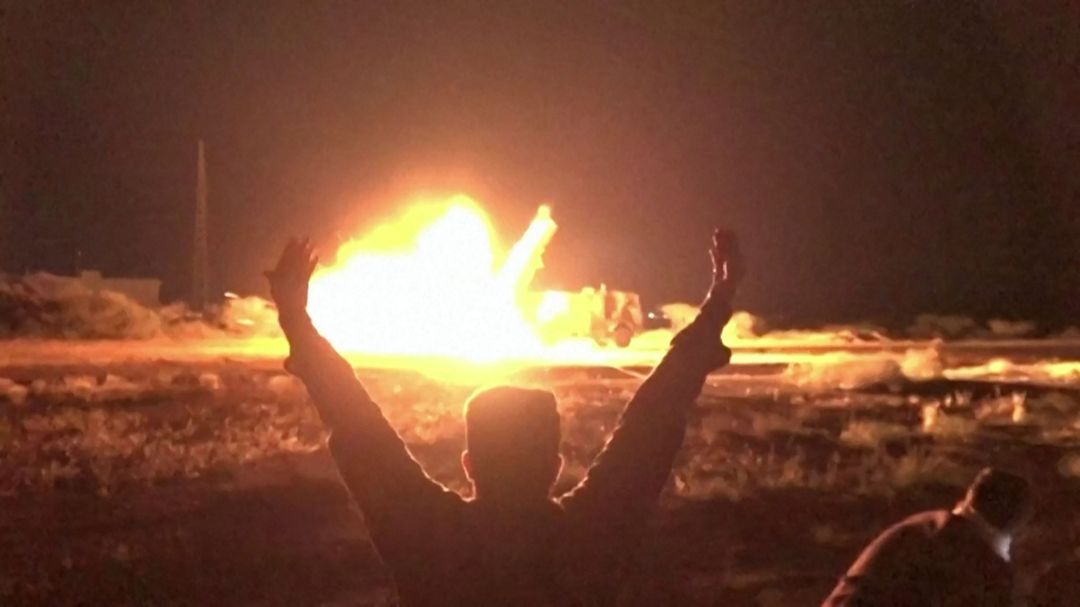
- Very likely, US-Israeli-Iran hostilities will remain active over the next 0-14 days. US forces are reported to be conducting combat operations against Iran under Operation Epic Fury, Iran is reported to have launched more than 7,000 missile and drone attacks against Gulf countries, and Israel is reported to have struck Iranian missile, drone and proxy infrastructure. This is an assessed forecast rather than a directly reported prediction. The assessment rests on multiple reports of active hostilities, while the claimed degradation of Iran's war-making capacity comes from a single think-tank source and does not establish that Iranian strike capability has been exhausted. (Confidence: medium · ASSESSED)
- I&W: Confirmation: further Iranian missile or drone attacks against Gulf countries, or continued US or Israeli combat operations against Iran, are reported. (0-14 days)
- I&W: Break: US and Israeli combat operations end and no further Iranian missile or drone attacks against Gulf countries are reported for a sustained period. (0-14 days)
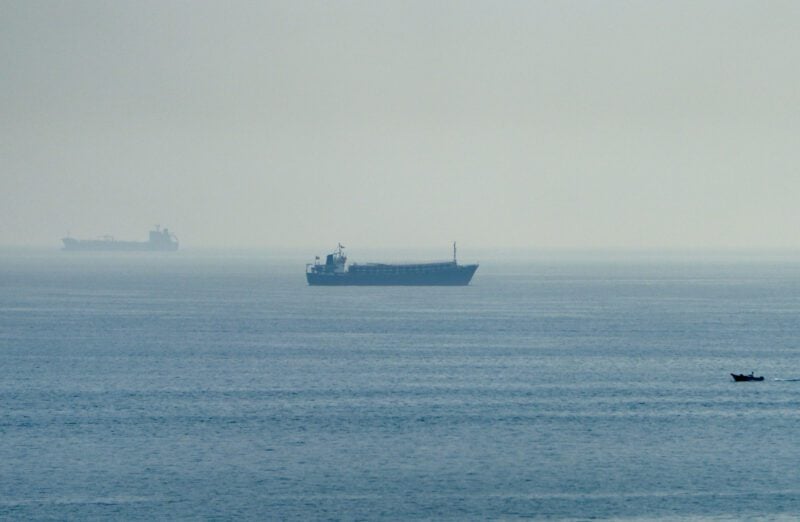
- Very likely, maritime traffic through the Strait of Hormuz will remain severely constrained rather than fully closed over the next 0-14 days. Reporting says traffic is mostly suspended and that Iran has prevented Iraqi oil tankers from passing, while separate reporting describes a blockade that stopped Gulf and Iraqi oil and gas exports. Saudi Arabia has restarted its East-West Pipeline and could resume reduced-volume exports from Yanbu, creating a partial alternative. Iran has offered to reopen Hormuz within seven days only if the US eases military pressure and lifts its blockade on Iranian ports. The conflicting reports on the extent of the blockade and the absence of verified implementation make this an assessed, medium-confidence judgment. (Confidence: medium · ASSESSED)
- I&W: Confirmation: Iraqi tankers remain unable to transit Hormuz, vessel movements stay mostly suspended, and Saudi Arabia reports only reduced exports through Yanbu. (0-14 days)
- I&W: Break: Iran implements its seven-day reopening offer or an alternative arrangement produces verified increases in container and oil-tanker transits. (0-14 days)
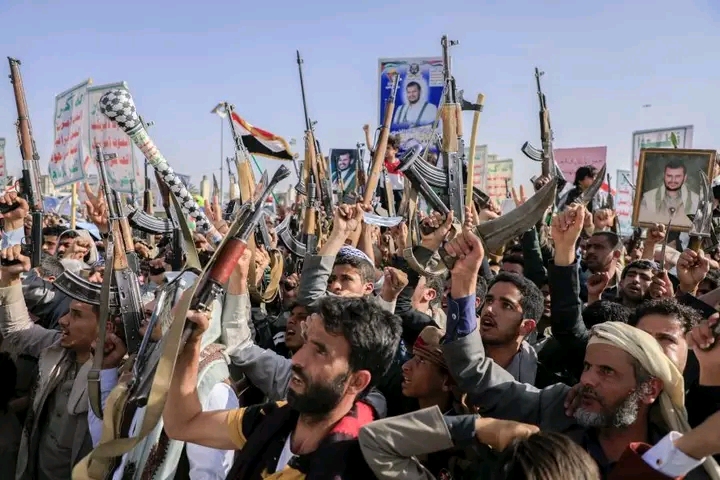
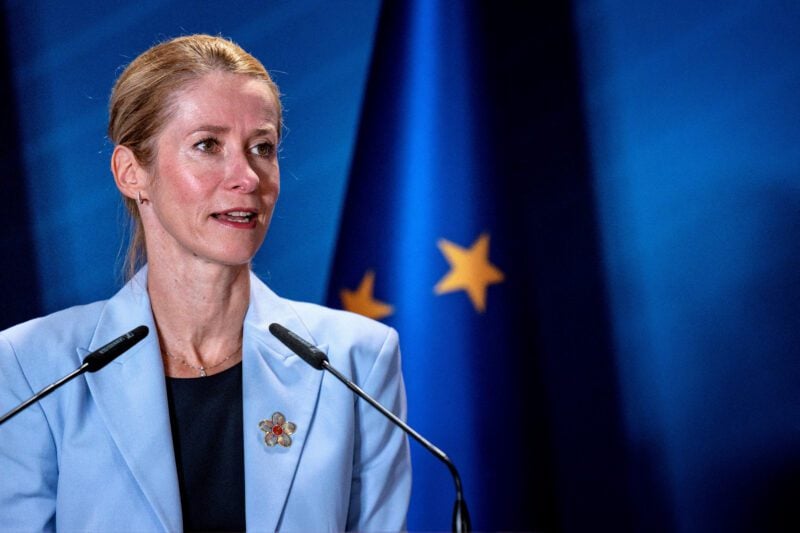
- Likely, Houthi pressure on Saudi Arabia, Yemen's Red Sea coast and commercial shipping through the Bab el-Mandeb will remain elevated over the next 0-14 days. The Houthis are reported to have attacked Saudi Arabia, announced targeting of Yanbu and King Khalid Air Base, and threatened Saudi oil exports and international trade routes. EU officials say Operation Aspides requires more naval and air assets, although the mission primarily has three ships and EU members have shown no willingness to increase deployments. Claims that the Houthis have taken control of Bab el-Mandeb conflict with separate reporting that they are attempting to impose fire control over the waterway. Confidence is medium because the attack threat is supported by major-media and trade reporting, while territorial control and battlefield claims remain contested. (Confidence: medium · ASSESSED)
- I&W: Confirmation: Houthi attacks or targeting announcements involving Yanbu, King Khalid Air Base, Saudi-linked shipping or commercial vessels are independently reported. (0-14 days)
- I&W: Break: commercial traffic resumes through Bab el-Mandeb without reported Houthi attacks, while Yemeni government forces and maritime missions report sustained freedom of navigation. (0-14 days)
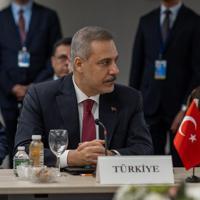
- Likely, external military support for Saudi Arabia will expand in limited and primarily defensive forms rather than become a coordinated multinational combat intervention over the next 0-14 days. The UK has announced a single Voyager aircraft based at RAF Akrotiri for defensive air-to-air refuelling, Türkiye's TCG Kemal Reis is visiting Jeddah until 24 September, and Türkiye, Saudi Arabia and Pakistan are developing the Mecca Pact. Operation Aspides remains primarily a three-ship mission, despite calls for more naval and air assets. Confidence is medium because the UK announcement and Turkish port visit are reported, but deployment, mission changes and the operational meaning of the Mecca Pact remain incompletely confirmed. (Confidence: medium · ASSESSED)
- I&W: Confirmation: the UK confirms Voyager refuelling operations, Türkiye extends or expands the TCG Kemal Reis deployment, or additional Mecca Pact military assistance is announced. (0-14 days)
- I&W: Break: Türkiye conducts combat operations against the Houthis or EU members deploy more than the current three primary Aspides ships with an expanded mandate. (0-14 days)
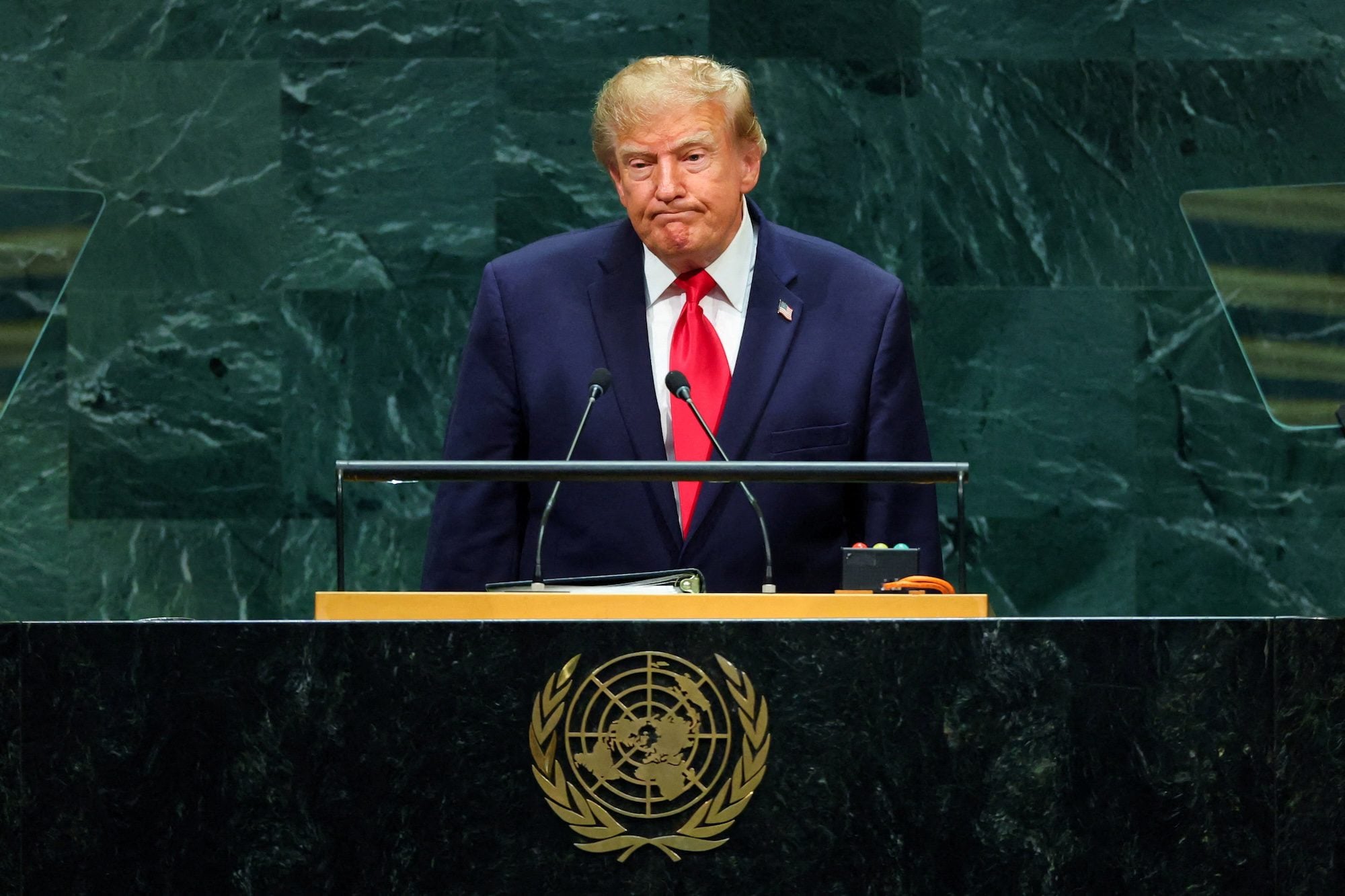
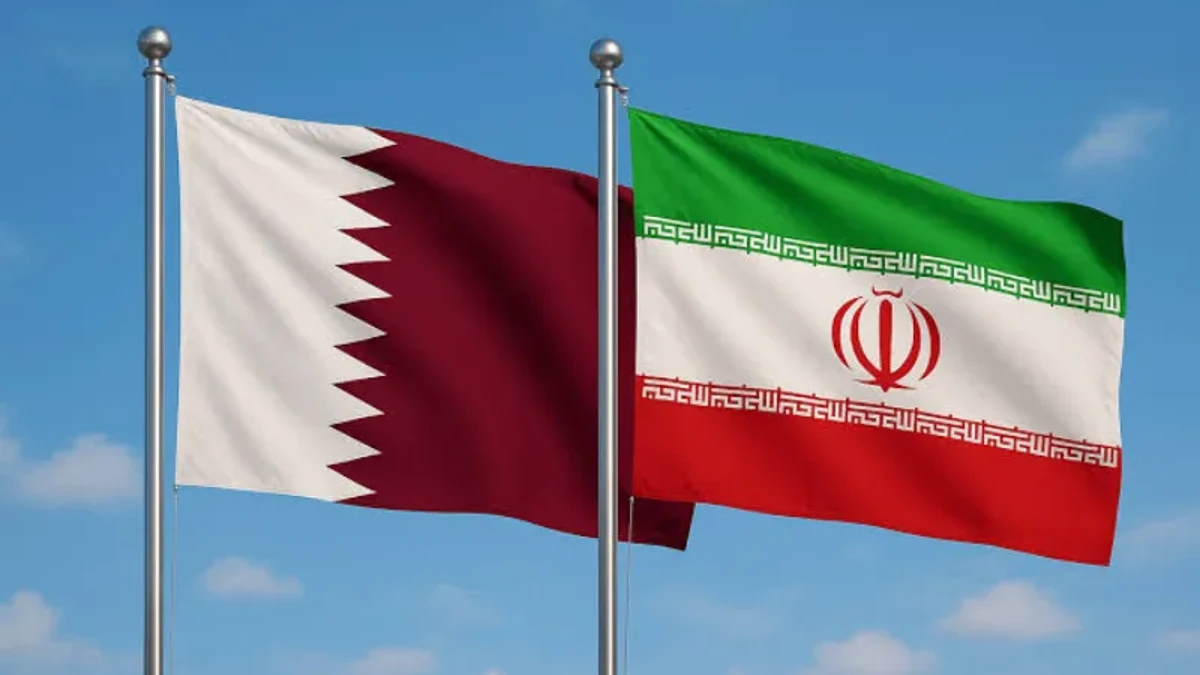
- Roughly even chance, US-Iran diplomatic contact will produce a temporary pause in hostilities over the next 0-14 days; unlikely, it will restore normal maritime conditions in that period. Tehran has conveyed a proposal through mediators, Iran has linked Hormuz reopening to US concessions, and Secretary of State Marco Rubio has said the US is open to talks. Qatar is maintaining mediation efforts and France is preparing a Security Council initiative. Against this, President Donald Trump has called for Iran's complete economic isolation, Mohammad Baqer Qalibaf has said Iran will not surrender, and a July interim agreement reportedly collapsed. The absence of an accepted framework makes this an assessed, medium-confidence judgment. (Confidence: medium · ASSESSED)
- I&W: Confirmation: Washington and Tehran publicly accept negotiating terms, Qatar or another mediator announces a formal channel, and vessel movements increase after the announcement. (0-14 days)
- I&W: Break: the US expands economic pressure while Iran rejects talks or maintains its conditions for reopening Hormuz without an accepted framework. (0-14 days)
- Likely, oil-price pressure and Gulf export losses will remain elevated over the next 1-3 months, although the share attributable specifically to the Iran-Israel conflict is uncertain. Brent crude has exceeded $100 per barrel, Iraq is reported to have lost 60 percent of its monthly oil export revenues, and estimates put the threatened Saudi pipeline flow at about 4 percent of global oil supplies. Saudi Arabia's pipeline restart provides partial mitigation, while the reported cause of disruption remains contested between general war effects and deliberate Iranian obstruction. Confidence is medium because the claims combine wire, major-media and think-tank reporting and use different time periods. (Confidence: medium · ASSESSED)
- I&W: Confirmation: Brent remains above $100 per barrel, Iraq reports continuing monthly revenue losses, and Saudi exports through Yanbu remain below normal volume. (1-3 months)
- I&W: Break: Hormuz traffic normalises, Saudi Arabia restores full alternative-route export capacity, and oil prices return below the reported escalation level. (1-3 months)
Outlook & scenarios
Prolonged conflict with constrained maritime traffic (45%)
US, Israeli and Iranian combat operations continue, while Houthi attacks sustain pressure on Saudi Arabia, Yanbu and Red Sea shipping. Hormuz remains heavily restricted, Saudi Arabia uses Yanbu at reduced volume, and external support remains defensive.
Conditional maritime pause without a full settlement (25%)
US and Iranian intermediaries reach a limited arrangement tied to Iran's seven-day Hormuz reopening offer. Some container ships and oil tankers resume transit, but the wider conflict and Houthi threat continue and normal shipping does not return immediately.
Expanded regional security involvement (20%)
Houthi attacks intensify, Saudi Arabia invokes the political force of the Mecca Pact, Türkiye expands military assistance, and EU and UK assets increase their Red Sea and Gulf roles. The result is a wider confrontation involving more regional and external forces.
High-impact maritime and economic shock (10%)
Hormuz becomes effectively closed while Houthi pressure disrupts Bab el-Mandeb and Saudi alternative routes operate below capacity. Oil prices remain above $100 per barrel, Iraq's export losses deepen, and displacement from Yemen increases. This is the low-probability, high-impact wildcard.
Recommendations
- Maintain a twice-daily maritime watch that reconciles vessel movements through Hormuz and Bab el-Mandeb with the status of Iraqi tanker access, Saudi East-West Pipeline operations and Yanbu export volumes.
- Treat Iran's seven-day Hormuz reopening offer as a conditional negotiating signal, not evidence of restored access. Track any US easing of military pressure, changes to the reported blockade of Iranian ports, mediator activity and verified tanker movements.
- Separate confirmed Houthi activity from attribution claims. Prioritise independent checks on reported targeting of Yanbu, King Khalid Air Base, Mecca, Lahj and Taiz, including the Houthi denial concerning Mecca.
- Monitor external force posture at named locations: the UK Voyager at RAF Akrotiri, TCG Kemal Reis in Jeddah through 24 September, Operation Aspides ship and air deployments, and any operational decisions under the Mecca Pact.
- Prepare decision briefs for two competing diplomatic tracks: a temporary US-Iran pause that restores limited shipping, and continued economic isolation with no accepted framework. Update the brief when either side changes its stated conditions or when maritime behaviour changes.
- Use a range of oil-market assumptions in near-term planning, including continued Brent prices above $100 per barrel, reduced Saudi alternative-route exports and further Iraqi revenue losses. Keep the attribution of price movements separate from the conflict's direct shipping effects.
Confidence & uncertainty
Overall confidence is high because multiple high-confidence claims from Reuters wire reporting, BBC, major-media reporting and trade publications corroborate the central event picture: active US-Israeli-Iran hostilities, Houthi attacks affecting Saudi Arabia, severe Hormuz disruption, and new diplomatic and maritime responses. The main uncertainties concern the degree of Hormuz closure, whether the Houthis control or merely threaten fire control over Bab el-Mandeb, attribution of the Mecca drone incident, implementation of announced military support, and whether diplomatic proposals will change military or shipping behaviour.
Intelligence gaps
- [EEI 1.1 · PARTIAL] Detection and characterization of ballistic/cruise missile or rocket launches originating from Iranian territory or from Iran-controlled positions in Iraq/Syria (time, launch coordinates, missile type, flight trajectory/impact area). Recommended collection: satellite/imagery
- [EEI 1.2 · PARTIAL] Movements and posture changes of Iran-backed proxy forces (Hezbollah units in Lebanon, militias in Syria/Iraq): concentrations of personnel, transport of rocket/artillery launchers, visible logistics build-up within operational range of Israel. Recommended collection: human/intel
- [EEI 1.3 · UNCOVERED] Israeli defensive and offensive posture changes: reservist call-ups, mobilization orders, sorties/airstrikes attributed to Israel, and domestic activation of missile-defense systems (locations and activation times). Recommended collection: open-source/media
- [EEI 1.4 · UNCOVERED] Evidence of pre-positioning or arming of naval mines, fast attack craft, or anti-ship missile systems in the Gulf of Oman, northern Arabian Sea, or off the Lebanese/Syrian coasts that could be used to interdict Israeli or allied shipping. Recommended collection: maritime/AIS
- [EEI 2.1 · PARTIAL] Movements and tasking changes of external military assets: carrier strike groups, amphibious ready groups, expeditionary air wings, or ballistic-missile defense units into the Eastern Mediterranean, Persian Gulf, or Red Sea (vessel/aircraft IDs, routing, on-station times). Recommended collection: maritime/AIS
- [EEI 2.3 · UNCOVERED] Changes to force protection or alert levels at foreign bases in the region (e.g., US bases in Kuwait, Qatar, UAE; Russian bases in Syria): activation of additional air defenses, curfews, or reinforcement shipments (personnel/equipment manifests). Recommended collection: signals/intel
- [EEI 3.1 · PARTIAL] Incidents against commercial vessels: attacks, seizures, mine strikes, or forced rerouting of tankers and bulk carriers in the Strait of Hormuz, Bab al-Mandeb, Red Sea, or eastern Mediterranean (vessel names/IMO, location, damage/impairment). Recommended collection: maritime/AIS
- [EEI 3.2 · PARTIAL] Changes in crude oil and refined product flows from key terminals (reported tanker loading delays, terminal closures, throughput volumes at Kharg, Mina al-Ahmadi, Ras Tanura, and major Gulf ports compared to baseline). Recommended collection: commercial/ports
- [EEI 3.3 · PARTIAL] Market and insurance indicators: sudden spikes in war-risk or hull insurance premiums for Middle East routes, large moves in regional FX/stock indices, and notable changes in commodity futures (oil, freight rates) tied to regional risk perceptions. Recommended collection: financial/transactional
Cited sources
[1] TRT World · After the ‘wake-up call’: Can a Gulf-Iran security framework take root? (B) · Tue Sep 22 2026 14:01:54 GMT+0000 (Coordinated Universal Time) · sha256:2a4f9e0c5344 [2] gcaptain.com · The Wartime Secretary of the Navy (F) · Tue Sep 22 2026 12:19:10 GMT+0000 (Coordinated Universal Time) · sha256:db27cedf919d [3] Middle East Forum · Israel Destroyed Iran’s Weapons Sites. Can Russia and China Rebuild Them? (C) · Tue Sep 22 2026 21:18:35 GMT+0000 (Coordinated Universal Time) · sha256:e84517b6f8ed [4] Al-Rai (alraimedia.com) · الزيدي يتعهد نزع سلاح الفصائل وحلّها بحلول منتصف 2027 (B) · Tue Sep 22 2026 16:07:00 GMT+0000 (Coordinated Universal Time) · sha256:e80d2725f4a5 [5] Reuters (republished by gCaptain) · Trump Calls for Iran’s Economic Isolation at UN as Tehran Offers Hormuz Reopening (A) · Tue Sep 22 2026 16:05:08 GMT+0000 (Coordinated Universal Time) · sha256:5aea7be4dab2 [6] gCaptain · France Mulls New UN Security Council Resolution on Hormuz (C) · Tue Sep 22 2026 16:34:46 GMT+0000 (Coordinated Universal Time) · sha256:08eb0524ebd4 [7] Hürriyet Daily News · US must use its influence on Israel for regional peace: Fidan - Türkiye News (A) · Tue Sep 22 2026 10:19:48 GMT+0000 (Coordinated Universal Time) · sha256:0f538fb42cd7 [8] Red Sea Center (redseacenter-rsc.org) · إيران تحرك آخر أوراقها… لماذا جاء دور اليمن الآن؟ (C) · sha256:0338b19db77c [9] BBC · Iran must stop arming Houthis in Yemen, G7 says ahead of UN General Assembly (A) · Tue Sep 22 2026 04:21:11 GMT+0000 (Coordinated Universal Time) · sha256:7f462126ffa7 [10] gCaptain (republishing Bloomberg) · Kallas Urges EU to Bolster Red Sea Mission Against Houthi Threat (C) · Tue Sep 22 2026 08:20:33 GMT+0000 (Coordinated Universal Time) · sha256:da5f4a329397 [11] Yemen Daily News (يمن ديلي نيوز) · الأخبار الأرشيف - يمن ديلي نيوز Yemen Daily News (D) · sha256:5bc48b26fee0 [12] bolnews.com · Qatar calls for regional security framework with Iran | BolNews (F) · Mon Sep 21 2026 18:05:24 GMT+0000 (Coordinated Universal Time) · sha256:48c20288620b
Source content hashes were computed at collection time; the cited text is preserved unmodified for the life of this product.
TLP:CLEAR