TLP:CLEAR · Disclosure is not limited.
Iran-Israel Conflict: Gulf, Syria and Maritime Spillover
Time window: Last 1 day · Audience: General analyst · Type: Situation report · DTG: 2026-08-19 14:18Z · Overall confidence: LOW
BLUF
The near-term risk is a wider and less controllable conflict. Iran is reported to be striking Israel, US positions and the UAE, while Israel's strikes in Syria have drawn Turkish, Syrian and US condemnation. Maritime disruption is affecting the Strait of Hormuz and Bab al-Mandab, with no confirmed direct US-Iran negotiating channel.
Executive summary
The conflict has expanded beyond Iran and Israel into the Gulf, Syria and adjacent maritime routes. Iranian missile and drone attacks are reported against Israel, US bases and Arab states, including two ballistic missiles directed towards the UAE. Abu al-Duhur airbase in Idlib was struck by Israel, prompting condemnation from Syria, Jordan, Qatar, Turkey and a US envoy. Traffic through the Strait of Hormuz remains below pre-war levels, while Saudi Arabia has activated a maritime coalition and the Houthis retain the capacity to threaten shipping near Bab al-Mandab. Overall confidence is low because key reporting is uneven, several claims are undated, and attribution and diplomatic-status claims conflict.
Change from previous assessment
Since the 18 July brief, the assessment has shifted from a mainly Gulf and Strait of Hormuz focus to a broader regional escalation picture. Iran is now reported to be targeting Israel as well as US positions and Arab states, the UAE has suspended economic ties with Iran, and Saudi Arabia has activated a maritime coalition. Israel has confirmed strikes on Abu al-Duhur in Syria, prompting condemnation from Turkey, Syria, Jordan, Qatar and a US envoy. Houthi forces also carried out a reported 11 August attack on a commercial ship that killed six people. Confidence remains low because the new reporting contains unresolved attribution and diplomatic-status disputes.
Key judgments
- Iran has very likely widened the conflict from attacks on US assets and Arab states to direct attacks on Israel and the UAE, sustaining a multi-front pressure campaign. Reporting describes waves of Iranian missile and drone attacks against Israel, US bases and Arab countries, while UAE authorities reported two ballistic missiles launched from Iran and instructed residents to shelter. Iranian military messaging also threatens states assisting US forces. Confidence is medium because major-media accounts and UAE official reporting support the broader pattern, but missile attribution is contested by Iranian denials and some related records are undated. (Confidence: medium · ASSESSED)
- I&W: CONFIRM: UAE authorities or independent reporting identify another Iranian missile or drone launch towards UAE territory, Israel or a named US base. (0-14 days)
- I&W: BREAK: Iran announces a halt to attacks on Israel and Gulf states, followed by no corroborated launches or impacts for 14 consecutive days. (0-14 days)
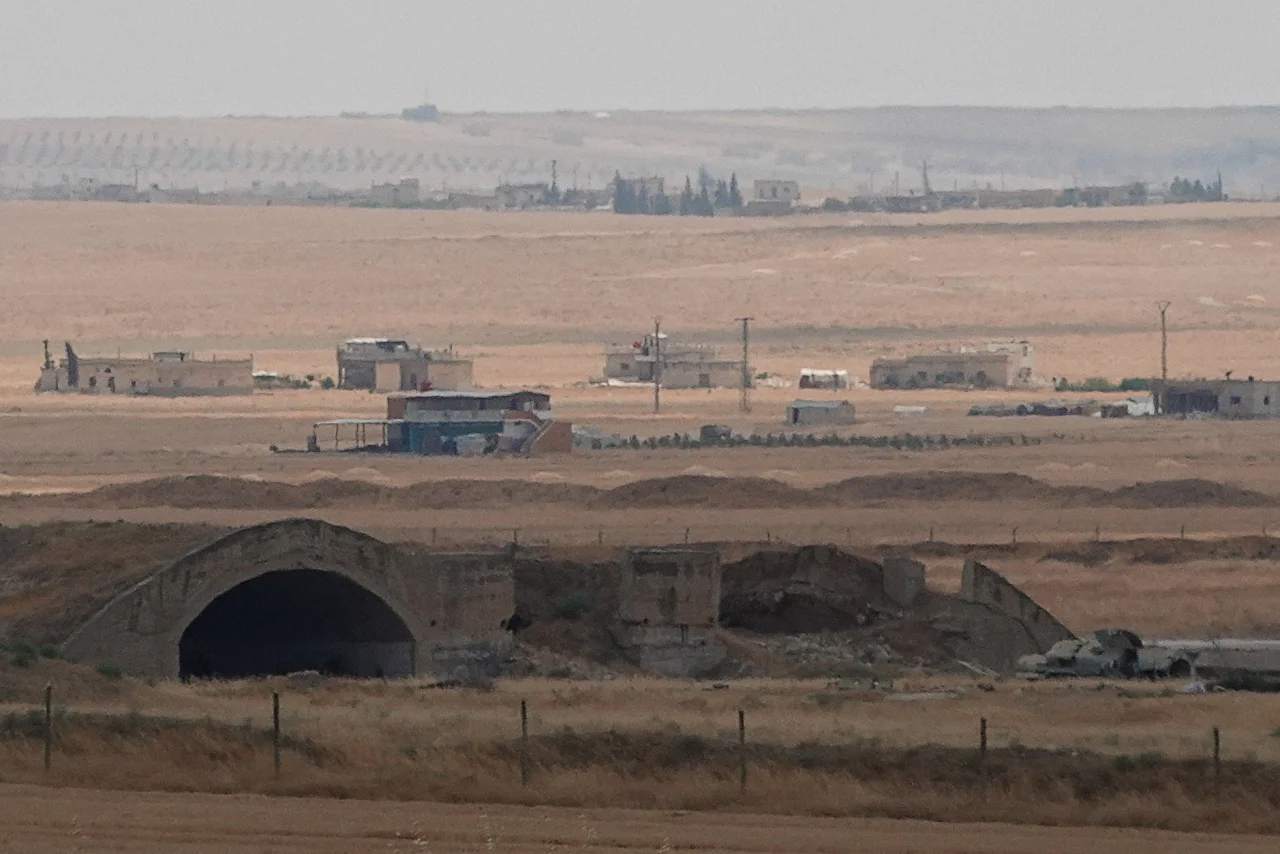
- Israel's confirmed strikes on Abu al-Duhur airbase in Idlib on 18 and 19 August have very likely increased the risk of a Syria-Turkey-US confrontation. Israel acknowledged the strikes, and Benjamin Netanyahu said they were linked to an imminent Turkish troop deployment. Syria, Jordan, Qatar and Turkey condemned the action, while US envoy Tom Barrack called it an unnecessary escalation. Confidence is medium because multiple reports and official reactions corroborate the strike, but no claim confirms a Turkish troop deployment or a military response. (Confidence: medium · ASSESSED)
- I&W: CONFIRM: Israel conducts another strike on a Syrian facility linked to Turkish assistance, or Turkey deploys troops or air-defence assets to Abu al-Duhur. (0-14 days)
- I&W: BREAK: Israel stops strikes in Syria and Syria and Turkey issue no military response or deployment announcement during the next 14 days. (0-14 days)
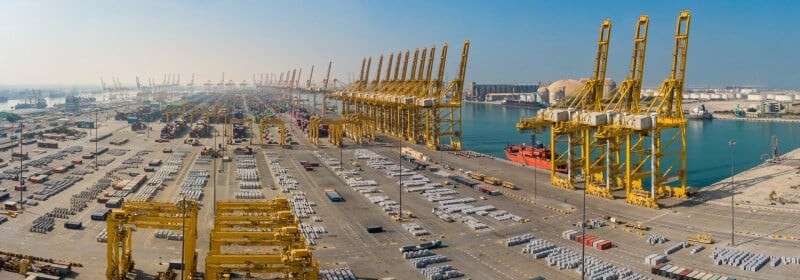
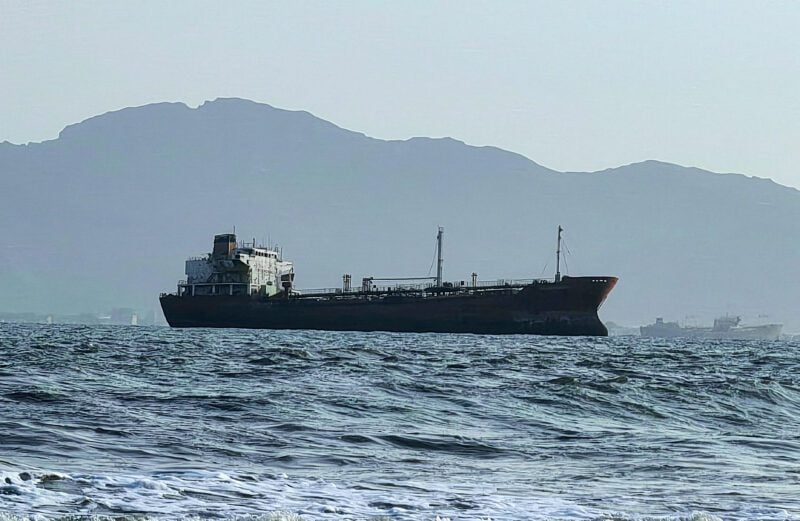
- Maritime risk in the Strait of Hormuz is almost certainly acute and likely to remain elevated over the next two weeks. Reporting states that attacks on commercial shipping have increased, at least 19 vessels affiliated with UAE state oil company Adnoc were struck, and traffic remains well below pre-war levels. Saudi Arabia has activated a maritime coalition and condemned Iranian attacks on ships. Confidence is medium because official Saudi reporting and multiple media accounts support the pattern, but the scale and timing of some shipping data are unclear. (Confidence: medium · ASSESSED)
- I&W: CONFIRM: Another named commercial vessel is hit in the Strait of Hormuz, or Saudi Arabia announces operational maritime patrols under the newly activated coalition. (0-14 days)
- I&W: BREAK: Shipping traffic returns to pre-war levels and no further attacks on commercial vessels are reported for 14 consecutive days. (0-14 days)
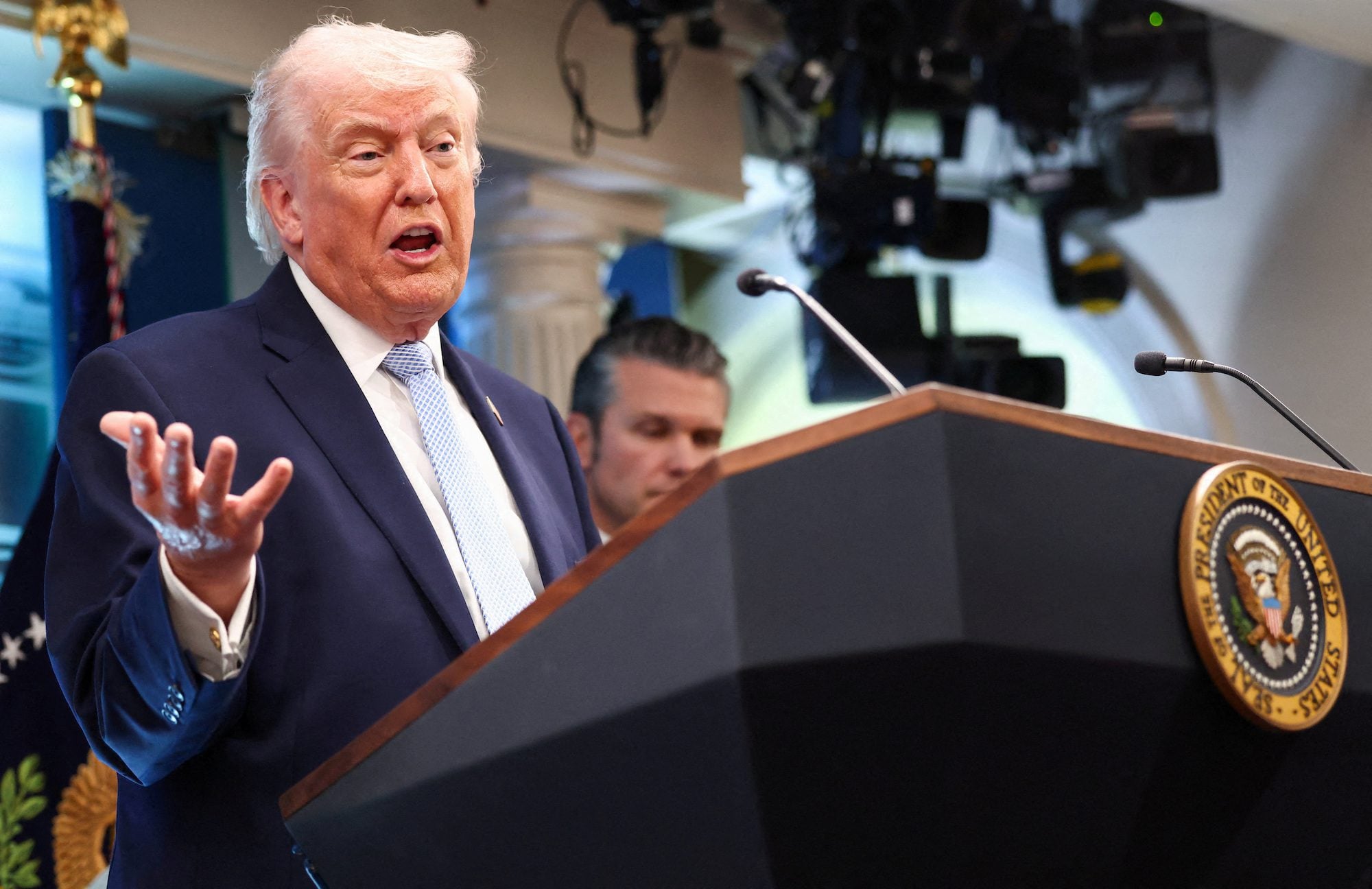
- A direct US-Iran diplomatic breakthrough is unlikely in the near term, although an Iran-Oman channel is reportedly operating without US participation. Donald Trump has stated that no talks with Iran are taking place, while reporting separately describes negotiations between Iran and Oman over management of the Strait of Hormuz. Confidence is low because the claims describe conflicting diplomatic tracks and provide limited detail on the status or substance of the reported negotiations. (Confidence: low · ASSESSED)
- I&W: CONFIRM: Washington and Tehran repeat that no meetings are scheduled while Iran and Oman issue a follow-on statement or agreement on Strait of Hormuz management. (0-14 days)
- I&W: BREAK: The US and Iran announce a formal meeting, named intermediaries or a new negotiating channel. (0-14 days)
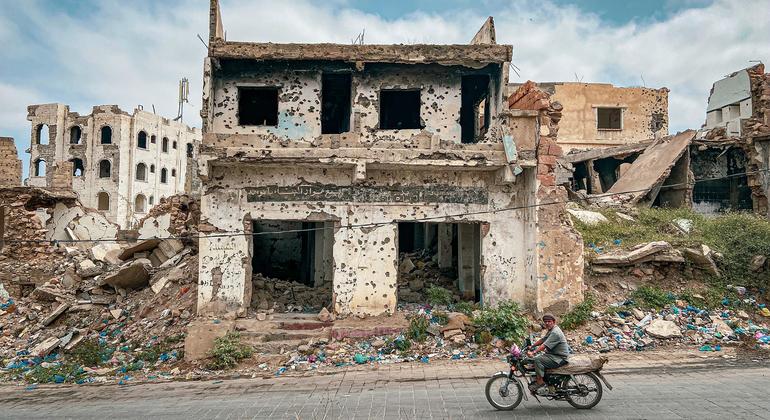
- Houthi pressure on commercial shipping near Bab al-Mandab is likely to persist over the next one to three months, adding a second maritime front to the Strait of Hormuz crisis. Houthi forces struck a commercial ship in Bab al-Mandab on 11 August, killing six people, while other reporting describes a Houthi maritime blockade against Saudi Arabia, renewed cross-border fighting and the continued closure of Al-Mokha Port. Confidence is low because the 11 August strike is supported by a high-confidence multilateral report, but the timing and attribution of other incidents are less clear. (Confidence: low · ASSESSED)
- I&W: CONFIRM: Houthi forces announce or conduct another attack on a commercial vessel near Bab al-Mandab, or Al-Mokha Port records another closure or impact. (0-30 days)
- I&W: BREAK: Houthi forces announce an end to maritime operations, Al-Mokha Port reopens to commercial traffic, and no further shipping attacks are reported for 30 days. (1-3 months)
Outlook & scenarios
Prolonged reciprocal strikes and maritime pressure (55%)
Iran continues missile and drone attacks against Israel, US positions and the UAE. The UAE's economic suspension of ties with Iran persists, Saudi Arabia expands maritime security activity, and traffic through the Strait of Hormuz remains below pre-war levels. Houthi pressure near Bab al-Mandab continues in parallel. This is the most likely near-term path.
Syria becomes the main escalation front (25%)
Israel conducts further strikes in Syria against sites linked to Turkish assistance. Turkey responds with troop or air-defence deployments, Syria seeks additional international action, and Washington issues further public criticism. The conflict then develops a direct Turkey-Israel dimension alongside the Iran-Israel war.
Limited regional containment without a US-Iran breakthrough (15%)
Iran and Oman reach a limited arrangement on Strait of Hormuz management, while Saudi maritime security activity reduces attacks on commercial vessels. The US and Iran do not resume formal negotiations, but the rate of missile launches and shipping incidents falls for several weeks.
Wildcard: mass-casualty maritime incident (5%)
An attack on a commercial vessel in the Strait of Hormuz or Bab al-Mandab causes a large loss of life. Saudi Arabia, the UAE and the United States respond with expanded maritime operations, Iran targets additional Gulf-linked shipping, and Israel or Turkey enters a more direct military confrontation in Syria. This would sharply raise the risk of uncontrolled regional escalation.
Recommendations
- Maintain a single 24-hour incident ledger for Iranian missile and drone activity, Israeli strikes in Syria, and attacks on commercial shipping. Record the actor, location, platform, date, source type and attribution status separately.
- Prioritise independent confirmation of reports involving the UAE, including ballistic-missile launches, impacts and new public-shelter instructions. Treat Iranian and UAE attribution statements as competing accounts until corroborated.
- Track Abu al-Duhur airbase, Turkish military activity near the facility, further Israeli statements, and any new US public rebuke. Escalate reporting if a second strike or Turkish deployment is confirmed.
- Monitor Strait of Hormuz traffic against the pre-war baseline, Adnoc-linked vessel movements, attacks on named commercial ships and operational activity by the Saudi maritime coalition.
- Track Bab al-Mandab and Al-Mokha separately from Hormuz. Do not merge incidents from the two waterways when attribution or location is disputed.
- Treat claims about US-Iran negotiations as contested. Seek formal statements from Washington, Tehran and Muscat before assessing that a diplomatic channel has opened or closed.
- Use NASA thermal detections only as corroboration of possible fires or strikes, not as proof of cause. The current record reports 20 Middle East thermal anomalies on 19 August, with none assessed as high confidence.
Confidence & uncertainty
Overall confidence is low. The reporting includes high-confidence official and multilateral material, but much of the conflict picture rests on major-media accounts, local media and think-tank reporting. Claims on missile attribution, US-Iran talks, the status of the Strait of Hormuz, casualty figures and event dates conflict. Several records are undated or carry 2023 dates alongside 2026 reporting. The reported patterns of attacks, maritime disruption and diplomatic protest are consistent, but sequencing, attribution and scale remain uncertain.
Intelligence gaps
- [EEI 1.1 · UNCOVERED] Observed repositioning, sustained increases, or new forward basing of Iranian conventional or IRGC forces (armored units, missile batteries, aircraft, naval vessels) toward borders or regional launch points. Recommended collection: IMINT/satellite
- [EEI 1.2 · PARTIAL] Hezbollah or other Iran-aligned proxy forces conducting mass mobilization, visible rocket/artillery emplacements, cross-border firing incidents, or preparations for cross-border operations from Lebanon, Syria, Iraq or Yemen. Recommended collection: HUMINT/ground ISR
- [EEI 1.4 · UNCOVERED] Interdicted or observed shipments (air, sea, land manifests, seizures, satellite imagery of transfers) of advanced weapons or missile components from Iran toward proxy groups or forward staging points. Recommended collection: maritime/AIS
- [EEI 2.1 · UNCOVERED] Satellite or on-the-ground imagery showing fires, damage, or operational shutdown at major oil export facilities, refineries, storage terminals, or key pipeline infrastructure in the Gulf and Red Sea. Recommended collection: IMINT/satellite
- [EEI 2.2 · PARTIAL] Commercial vessel incidents: AIS transponder shutdowns, distress signals, reported hull/engine damage, boardings, or confirmed attacks on tankers/merchant ships transiting the Strait of Hormuz, Bab al-Mandeb, or eastern Mediterranean. Recommended collection: maritime/AIS
- [EEI 2.3 · PARTIAL] Significant and sustained reductions or rerouting of tanker transits through the Strait of Hormuz (ship traffic counts, pilot reports, port call cancellations) and announcements of closure or restricted navigation zones (NOTAMs, maritime advisories). Recommended collection: maritime/NOTAMs
- [EEI 2.4 · UNCOVERED] Rapid increases in war-risk insurance premiums for Middle East routes, shipping company advisories to avoid region, or major charter cancellations tied to the conflict. Recommended collection: financial/open-source
- [EEI 3.2 · UNCOVERED] Official expedited arms transfers, basing/overflight agreements, or declarations of operational support (formal government announcements, defense ministry releases, logistics flight manifests). Recommended collection: open-source/diplomatic
- [EEI 3.3 · UNCOVERED] Embassy evacuations, large-scale personnel movements, issuance of government travel bans/advisories, or multinational security alerts affecting foreign nationals and diplomatic posture in the region. Recommended collection: diplomatic/open-source
Cited sources
[1] tbsnews.net · Iran warns regional states against assisting US Army (B) · sha256:c781bac512a5 [2] Wikipedia · Reactions to the 2026 Iran war (B) · sha256:259268172dae [3] Wikipedia · 2026 Iran war (B) · sha256:a44aa15cc0db [4] Akhbar Alkhaleej · فتــــــــــح بــــــــــاب الترشــــــــــح عالميــــــــــا للـ (D) · sha256:d25cf760b880 [5] m.economictimes.com · From hammering Iran to strangling them: Donald Trump has a new approach in Middle East war (B) · sha256:9828c872372d [6] gcaptain.com · Trump Takes Iran Hard Line as Hormuz Tensions Set New Normal (B) · sha256:6c856e4d5bbd [7] ANI News · "Unnecessary escalation": US envoy Tom Barrack condemns "confirmed Israeli airstrikes" on Syria's Abu al-Duhur Airbase (B) · sha256:5b6770df462b [8] The Jerusalem Post · Live Updates: Latest from Israel, Iran, and the Middle East | The Jerusalem Post (A) · sha256:05e78747ec18 [9] egyptindependent.com · Israel acknowledges strike in Syria condemned by US (B) · sha256:663abf717f5d [10] responsiblestatecraft.org · US cries foul as Israel bombs Turkey-linked airbase in Syria (B) · sha256:33d1b28c1472 [11] gcaptain.com · Cargo Ship Destroyed in New Attack Off Yemen (B) · sha256:3d58e4877117 [12] maritime-executive.com · UAE Suspends Trade With Iran Following Antiship Missile Strike (B) · sha256:c0e96787eb97 [13] albiladdaily.com · مفاوضات مع إيران (B) · sha256:0956d2c2b263 [14] United Nations · Security Council LIVE: Escalating attacks threaten peace in Yemen (A) · sha256:a8d0ad28a7a0 [15] gcaptain.com · Saudis Offer to Sell Oil Near Oman, a Possible Sign They’re Sailing Dark Through Hormuz (B) · sha256:a56e84148b9e [16] قناة الحدث Al Hadath · مراسل "الحدث" ردفان الدبيس يكشف آخر التطورات العسكرية في اليمن: مسيرات القوات الحكومية اليمنية تقصف ثكنات وتجمعات ميليشيا الحوثي في تعز ومأرب والجوف. وتعلن عن قصف الجبهة التي قصفت ميناء المخا | قناة الحدث Al Hadath (B) · sha256:9ca448f97d28
Source content hashes were computed at collection time; the cited text is preserved unmodified for the life of this product.
TLP:CLEAR