TLP:CLEAR · Disclosure is not limited.
Iran-Israel Conflict: Hormuz and Yemen Pressure Regional Stability
Time window: Last 1 day · Audience: General analyst · Type: Situation report · DTG: 2026-09-16 22:39Z · Overall confidence: HIGH
BLUF
Very likely, commercial traffic through the Strait of Hormuz will remain severely restricted over the next 0-14 days. Likely, Houthi operations will sustain a second pressure front around Yemen and Saudi Arabia, while Chinese and Turkish diplomatic contacts will not produce an enforceable settlement or full maritime reopening in the same period.
Executive summary
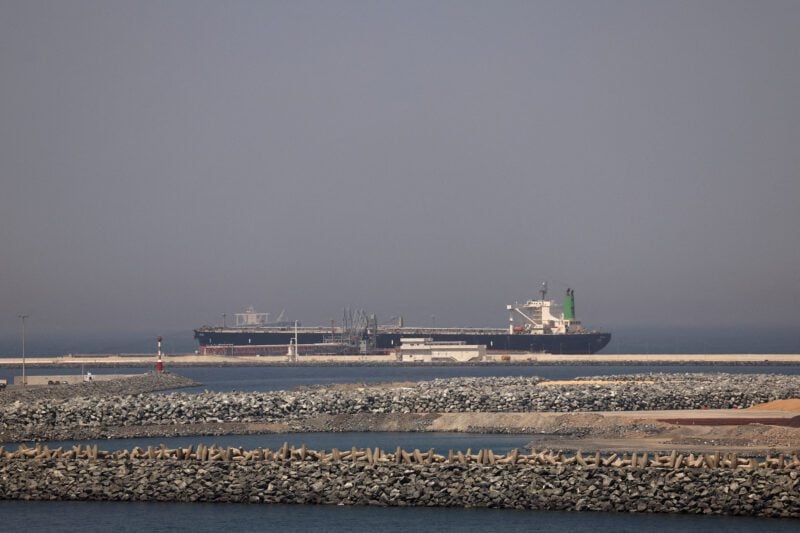
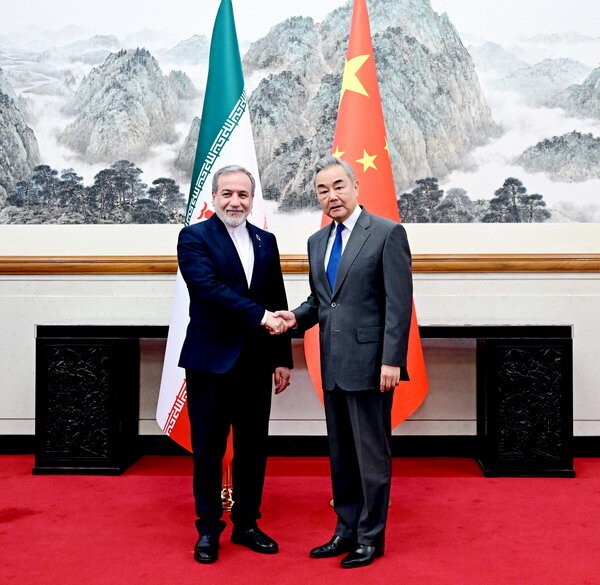
The conflict continues to impose direct pressure on maritime routes, energy infrastructure and regional security. Preliminary data recorded four Strait of Hormuz transits on Tuesday, with two ships entering and two exiting, while another data series reports conflicting daily totals and possible untracked movements by vessels with transponders disabled. Iranian forces reportedly struck a US-contracted vessel near Hormuz, but US Central Command has not identified the vessel and the report lacks independent confirmation. In Yemen, Houthi advances around Mokha, Perim Island and the Bab al-Mandab coincide with missile and drone attacks on southern Saudi Arabia and a contested report of an attempted attack near Mecca. Displacement since the start of September is reported at between 82,000 and 125,000 people. Wang Yi and Abbas Araghchi met in Beijing on 16 September, while Türkiye and the United States maintain separate channels, but no enforceable agreement has been reported.
Change from previous assessment
Since the 15 September brief, confidence in severe Hormuz disruption has risen from medium to high because new reporting places traffic at four transits on Tuesday, with two ships entering and two exiting, while separate data continue to show single-digit activity. The assessment now includes a reported Iranian strike on a US-contracted vessel near Hormuz, but confidence in that specific incident is low because US Central Command has not confirmed or identified the vessel. The Yemen judgment now places greater weight on Houthi advances around Mokha and Perim Island, attacks affecting southern Saudi Arabia and the contested Mecca incident. The humanitarian judgment remains high confidence, but reported displacement totals now range from 82,000 to 125,000. Wang Yi and Abbas Araghchi have met in Beijing, yet the diplomatic judgment remains medium confidence because no enforceable agreement or maritime reopening has followed.
Key judgments
- Very likely, commercial traffic through the Strait of Hormuz will remain severely restricted over the next 0-14 days, although a complete closure remains unlikely. Preliminary data recorded four transits on Tuesday, including two laden ships entering through the Iranian route and two ships exiting, while another series reports four transits on Monday and seven on the previous day. No very large crude carriers or liquefied natural gas tankers were recorded in the Tuesday count, although the gas carrier Salute reportedly exited via the Iranian route and the tanker Nautilus used an unidentified dark route. The exact daily total is therefore uncertain, but the direction of disruption is corroborated by trade data, low commercial traffic and continued reluctance by shipping companies to resume normal operations. (Confidence: medium · ASSESSED)
- I&W: Confirm: Kpler and preliminary shipping data continue to show single-digit daily transits for 0-7 days, with no recorded very large crude carriers or liquefied natural gas tankers. (0-7 days)
- I&W: Break: tracked traffic reaches at least the reported 10-day average of 18 transits for three consecutive days, including renewed very large crude carrier or liquefied natural gas tanker movements. (0-14 days)
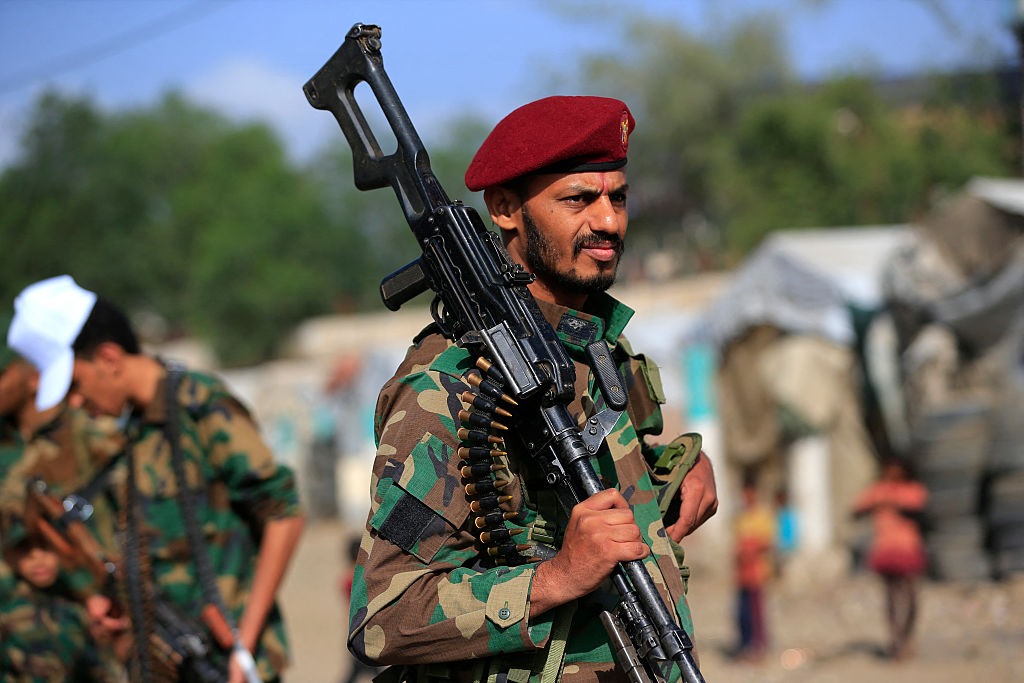
- Likely, Houthi operations will sustain a second pressure front around Yemen's Red Sea coast, the Bab al-Mandab and southern Saudi Arabia over the next 0-14 days. Reporting places Ansar Allah forces at the port of Mokha by 10 September and Perim Island by 11 September, while other reporting describes wider control claims along the Red Sea coast and Bab al-Mandab. Houthi missile and drone attacks reportedly wounded 13 people in southern Saudi Arabia, and the Saudi-led coalition reported intercepting a Houthi drone south of Mecca. Responsibility for the Mecca incident remains contested because Houthi officials denied targeting the city, lowering confidence in that specific attribution. (Confidence: medium · ASSESSED)
- I&W: Confirm: independent reporting verifies continued Houthi presence at Mokha or Perim Island and records another missile or drone attack into southern Saudi Arabia or near Mecca. (0-14 days)
- I&W: Break: no additional Houthi attacks are recorded and Bab al-Mandab traffic rises from the current 22-24 daily transits to at least 28 for three consecutive days. (0-14 days)
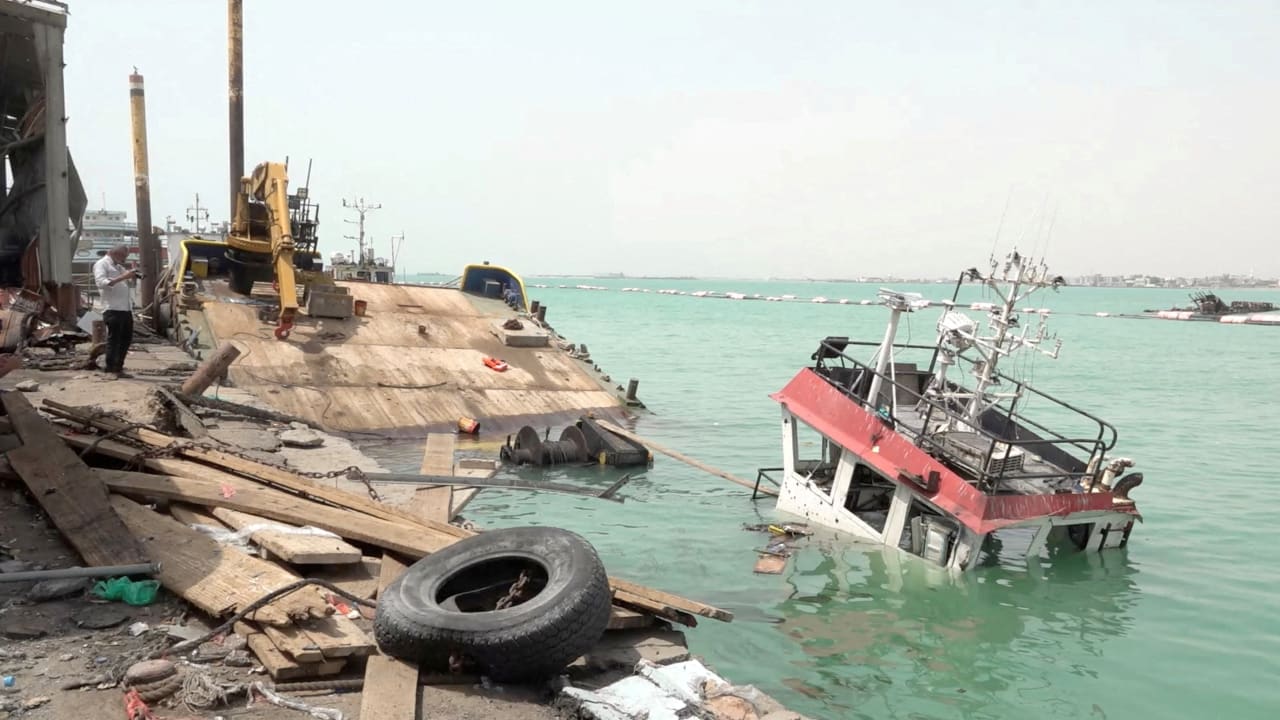
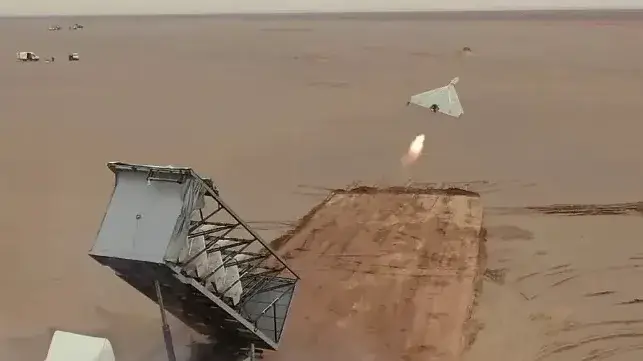
- Likely, Iranian forces will sustain pressure on US-linked maritime and military assets around the Strait of Hormuz over the next 0-14 days. Iranian forces reportedly struck a US-contracted vessel with four drones and at least one missile, causing minor injuries, and Iranian forces have reportedly targeted commercial vessels and US military assets repeatedly during the conflict. The immediate vessel attack rests largely on trade-publication reporting, and US Central Command had not identified the vessel or independently confirmed the incident by 16 September. Iran's armed forces have nevertheless vowed to continue defending the country, while the United States has carried out strikes on Iranian positions and vessels linked to restrictions on navigation. (Confidence: low · ASSESSED)
- I&W: Confirm: US Central Command identifies the vessel or confirms the reported attack, or another named US-linked vessel, base or military asset is struck by Iranian drones or missiles. (0-14 days)
- I&W: Break: US Central Command reports no additional Iranian attacks on US-linked maritime or military assets for 14 consecutive days and verified Iranian activity around Hormuz declines. (0-14 days)
- Likely, China, Türkiye, Oman and the United States will keep diplomatic channels open over the next 0-14 days, but an enforceable settlement or full reopening of the Strait of Hormuz is unlikely in that period. Wang Yi and Abbas Araghchi met in Beijing on 16 September, with Wang urging Iran-US dialogue and talks between Iran and Persian Gulf states. Türkiye's Hakan Fidan also spoke with Araghchi, but diplomatic sources reported no specific outcome. US officials and Houthi representatives met in Muscat on 13 September, while Iranian and Houthi statements present competing positions on negotiations and ceasefire commitments. (Confidence: medium · ASSESSED)
- I&W: Confirm: Iran, the United States, Gulf states or Oman publish agreed terms covering navigation, the interim peace arrangement and verification, followed by a sustained increase in Hormuz transits. (0-14 days)
- I&W: Break: Iranian representatives repeat that talks require prior Iranian concessions, or the Muscat channel produces no further contact while attacks and maritime restrictions continue. (0-14 days)
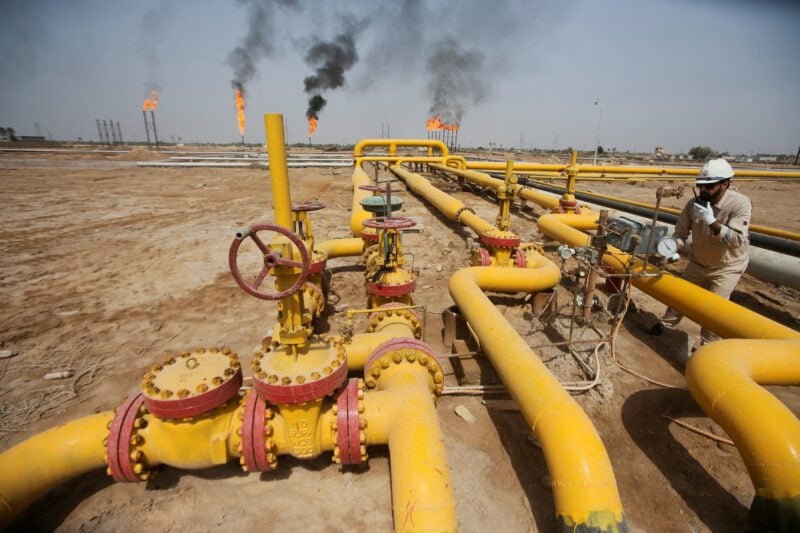
- Very likely, energy and freight cost pressure will remain elevated over the next 0-14 days. Oil prices reached above 108 US dollars per barrel, Brent futures reached 109.20 US dollars on 15 September, Saudi Arabia's East-West pipeline remains shut after an attack, and Yanbu loadings were suspended. Saudi Aramco has delayed some deliveries from Yanbu and sold about 20 million barrels for collection outside Hormuz. The disruption effect is corroborated by market, trade and shipping reporting, but responsibility for the pipeline attack remains disputed between Saudi-attributed Iran-backed militias in Iraq, Ansar Allah and unknown attackers. President Donald Trump's competing attribution of price rises to the Russia-Ukraine war also leaves the precise cause of the increase contested. (Confidence: high · ASSESSED)
- I&W: Confirm: Brent remains above 108 US dollars per barrel while Yanbu loadings stay suspended or Aramco continues delaying deliveries and arranging ship-to-ship cargoes from the Gulf of Oman. (0-14 days)
- I&W: Break: Saudi Arabia confirms East-West pipeline flows have restarted and Yanbu loadings resume without additional delivery delays. (0-14 days)
- Very likely, Yemen's humanitarian pressure will remain acute over the next 0-14 days. The United Nations reports 82,000 people displaced since the start of September, while other reporting puts the figure at at least 125,000. Government forces have reportedly suffered about 1,500 injuries and 500 deaths, and the renewed fighting follows the collapse of the relative calm established after the 2022 UN-brokered truce. The displacement total is therefore uncertain, but the direction and scale of humanitarian deterioration are supported by UN reporting and multiple major-media accounts. (Confidence: medium · ASSESSED)
- I&W: Confirm: the United Nations or another humanitarian agency reports additional displacement from Yemen, raising the September total above 82,000. (0-14 days)
- I&W: Break: humanitarian reporting records no additional displacement for 14 days and Yemeni parties announce verified access for aid operations in affected areas. (0-14 days)
Outlook & scenarios
Continued constrained conflict (55%)
Iranian forces maintain pressure around Hormuz, commercial traffic remains in the single digits and Saudi energy infrastructure operates below normal capacity. Houthi forces retain positions around Mokha, Perim Island and the Bab al-Mandab while continuing attacks on Saudi targets. China, Türkiye and Oman keep diplomatic channels open without securing terms that restore normal navigation.
Managed partial de-escalation (25%)
Wang Yi and Abbas Araghchi, supported by Turkish and Omani contacts, secure limited terms covering navigation and further talks. Iran permits a controlled increase in Hormuz traffic, while the United States continues facilitating southern-route transits. Houthi attacks on Saudi Arabia decline without a broader Yemen settlement.
Wider regional escalation (15%)
A confirmed Iranian attack on a US-linked vessel or military asset prompts additional US strikes. Saudi Arabia expands operations against Houthi positions after further attacks on southern Saudi Arabia or a verified threat to Mecca. Hormuz and Bab al-Mandab traffic falls further, increasing energy prices and freight disruption.
Wildcard: religious and regional mobilisation (5%)
Independent evidence confirms a Houthi attack directed at Mecca or a major attack causes substantial casualties among US personnel. Saudi coalition warnings that the security of the Two Holy Mosques is a red line translate into immediate military action, drawing Türkiye, Pakistan, Egypt and other regional actors into sharper political or security alignment.
Recommendations
- Maintain a daily maritime dashboard covering Hormuz and Bab al-Mandab. Reconcile Kpler and preliminary shipping counts by date, separate LNG from LPG classifications, record dark-route vessels and identify whether VLCCs and LNG carriers resume transit.
- Treat the Mecca incident attribution as contested. Prioritise independent imagery, air-defence records, debris analysis and time-stamped Saudi and Houthi statements before assessing responsibility.
- Seek rapid confirmation from US Central Command of the reported attack on the US-contracted vessel. Track the vessel's identity, casualty status, location and any subsequent Iranian attacks on US-linked maritime or military assets.
- Monitor the Wang Yi-Araghchi meeting, Fidan-Araghchi contact and Muscat channel for written terms, verification arrangements, navigation guarantees and evidence of implementation rather than public calls for dialogue alone.
- Track the East-West pipeline restart, Yanbu loadings, Aramco cargoes outside Hormuz and Brent prices. Separate observed market effects from disputed attribution of the pipeline attack.
- Use the UN's 82,000-person displacement figure as the baseline while reconciling the higher 125,000 estimate. Request updates on new displacement, civilian casualties and humanitarian access every 48 hours.
Confidence & uncertainty
Overall confidence is high because the principal judgments draw on multiple high-confidence claims from UN reporting, trade data, major media, shipping sources and official diplomatic statements. The direction of maritime disruption, energy pressure and humanitarian deterioration is corroborated across source types. The main uncertainties concern the exact daily transit count, responsibility for the reported attack near Mecca, the extent of Houthi territorial control, attribution of the Saudi pipeline attack and the unconfirmed report involving the US-contracted vessel.
Intelligence gaps
- [EEI 1.1 · PARTIAL] Unusual long-range missile/rocket transporter-launcher (TEL) movements, storage activation, or assembly activity at known IRGC missile sites or forward staging areas. Recommended collection: satellite/imagery
- [EEI 1.2 · PARTIAL] Orders, threat-alert messages, or changes in posture from IRGC, Quds Force, or senior Iranian military leadership indicating attack timelines or rules of engagement changes. Recommended collection: signals/ELINT and HUMINT
- [EEI 1.3 · UNCOVERED] Large-scale transfers, deliveries, or convoy movements of armed UAVs/drones, guided munitions, or spare parts from Iran into Lebanon (Hezbollah), Iraq, Syria, or Gaza. Recommended collection: air/aviation track and HUMINT
- [EEI 1.4 · UNCOVERED] Sustained changes in Israeli air-defense usage (SAM launches, radar activations), wide-area alerts, or NOTAMs indicating elevated imminent strike response. Recommended collection: air/aviation/NOTAMs and signals
- [EEI 2.1 · PARTIAL] Concentration, repositioning, or sortie patterns of Iranian naval/IRGC patrol boats and fast-attack craft near shipping chokepoints or commercial lanes. Recommended collection: maritime/AIS and satellite/imagery
- [EEI 2.4 · PARTIAL] Port closures, naval escorts requested by commercial operators, or formal rerouting advisories issued by major shippers (e.g., Maersk, Hapag-Lloyd) for regional transits. Recommended collection: commercial/OSINT
- [EEI 3.1 · PARTIAL] Deployment of foreign military assets to the region (carrier strike groups, amphibious ships, combat aircraft deployments, or additional bases activated) from the US, UK, France, Russia, or GCC states. Recommended collection: maritime/AIS and air/aviation and satellite/imagery
- [EEI 3.2 · PARTIAL] Formal diplomatic actions: emergency UNSC votes, sanctions announcements, high-level ministerial visits, or public mediation offers by external powers or regional actors. Recommended collection: diplomatic/OSINT
- [EEI 3.3 · PARTIAL] Confirmed arms transfers, expedited weapons shipments, or transfer authorizations to Israel, Iran, or their proxies (aircraft parts, munitions, air defenses). Recommended collection: customs/INTEL and HUMINT
- [EEI 3.4 · UNCOVERED] Issuance of travel warnings, embassy evacuations or reductions, and closure of diplomatic missions by major capitals indicating escalation risk or shifted threat assessments. Recommended collection: OSINT/diplomatic
Cited sources
[1] gCaptain (republishing Reuters) · Strait of Hormuz Ship Crossings Remain in Single Digits, Data Shows (C) · Wed Sep 16 2026 13:08:53 GMT+0000 (Coordinated Universal Time) · sha256:4d25aa7a14f5 [2] The Jerusalem Post · The Iran war is creating a new global energy risk beyond the Strait of Hormuz - analysis (B) · Wed Sep 16 2026 11:14:38 GMT+0000 (Coordinated Universal Time) · sha256:9f478a5664fd [3] gCaptain · Fox News: Iran Attack Hits U.S.-Contracted Ship Carrying American Personnel (C) · Wed Sep 16 2026 15:12:42 GMT+0000 (Coordinated Universal Time) · sha256:a3085b96974a [4] Jacobin · Ansar Allah’s Red Sea Advance Has Exposed Saudi Weakness (B) · sha256:c2c65062e1ef [5] Reuters (republished by gCaptain) · U.S. Held Secret Talks With Houthis After Red Sea Offensive, Reuters Reports (A) · Wed Sep 16 2026 16:42:40 GMT+0000 (Coordinated Universal Time) · sha256:412b9fb4b71b [6] Newswav · Saudi says Houthis target Mecca, warn of ‘red line’ (B) · Wed Sep 16 2026 06:54:35 GMT+0000 (Coordinated Universal Time) · sha256:6867a3406976 [7] BBC · How escalating Saudi oil crisis could drive up prices everywhere (A) · Wed Sep 16 2026 16:06:50 GMT+0000 (Coordinated Universal Time) · sha256:3f7228982bee [8] Deutsche Welle (DW Arabic) · إدانات إسلامية لـ"محاولة استهداف مكة" والحوثيون ينفون (A) · Wed Sep 16 2026 09:31:52 GMT+0000 (Coordinated Universal Time) · sha256:bd02034e77ba [9] Anadolu Agency (AA) · Türkiye condemns Houthi drone attack targeting Mecca (B) · Wed Sep 16 2026 17:27:43 GMT+0000 (Coordinated Universal Time) · sha256:04d225b5ce6d [10] The Maritime Executive · Report: U.S. Personnel Injured in Iranian Attack on Boat Near Hormuz (C) · sha256:f47fe75932ee [11] Newswav (aggregator; original outlet not determinable from metadata) · Iran-US war latest: Tehran vows to fight on ‘until the last drop of blood’ after Trump talks threat (B) · Wed Sep 16 2026 17:31:43 GMT+0000 (Coordinated Universal Time) · sha256:2bba763dab34 [12] Yeni Şafak (English edition) · Wang Yi meets Araghchi in Beijing before Xi-Trump summit (B) · Wed Sep 16 2026 09:05:34 GMT+0000 (Coordinated Universal Time) · sha256:784fcb605d93 [13] Tehran Times · Iran FM backs Xi’s four-point proposals, calls for greater Chinese role in Middle East peace (B) · Wed Sep 16 2026 15:09:24 GMT+0000 (Coordinated Universal Time) · sha256:81ce284101af [14] inkl.com · Iran-US war latest: Tehran vows to fight on ‘until the last drop of blood’ after Trump talks threat (B) · Wed Sep 16 2026 03:49:03 GMT+0000 (Coordinated Universal Time) · sha256:6f264cd22ad3 [15] Yeni Şafak (English edition) · Türkiye, Iran FMs discuss conflict in phone call (B) · Wed Sep 16 2026 12:49:30 GMT+0000 (Coordinated Universal Time) · sha256:c01b83ee512b [16] gCaptain (republishing Bloomberg) · Saudis Pivot to Send More Oil Via Hormuz After Pipeline Shut (C) · Wed Sep 16 2026 16:48:55 GMT+0000 (Coordinated Universal Time) · sha256:9785af74bd73 [17] AAJ TV · Pakistan calls for de-escalation, dialogue to resolve Yemen crisis (B) · Wed Sep 16 2026 05:56:55 GMT+0000 (Coordinated Universal Time) · sha256:fab777f6d22a
Source content hashes were computed at collection time; the cited text is preserved unmodified for the life of this product.
Red cell review: PARTIAL DISSENT, KJ-1 downgraded HIGH→MEDIUM (estimative_mismatch); KJ-6 downgraded HIGH→MEDIUM (estimative_mismatch)
TLP:CLEAR