TLP:CLEAR · Disclosure is not limited.
Iran-Israel Conflict: Hormuz Attacks, US Blockade and Wider Fronts
Time window: Last 1 day · Audience: General analyst · Type: Situation report · DTG: 2026-10-06 13:14Z · Overall confidence: HIGH
BLUF
The Strait of Hormuz is very likely to remain hazardous, but reported tanker movements and Gulf oil flows do not establish a complete closure. US enforcement is constraining Iranian oil exports while US and Israeli preparations, the alleged RAF Fairford plot and Saudi-backed operations in Yemen add separate escalation risks.
Executive summary
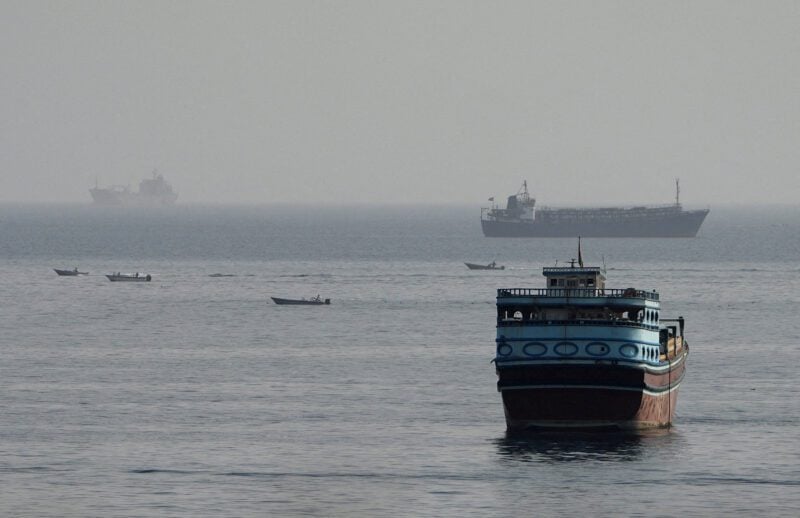
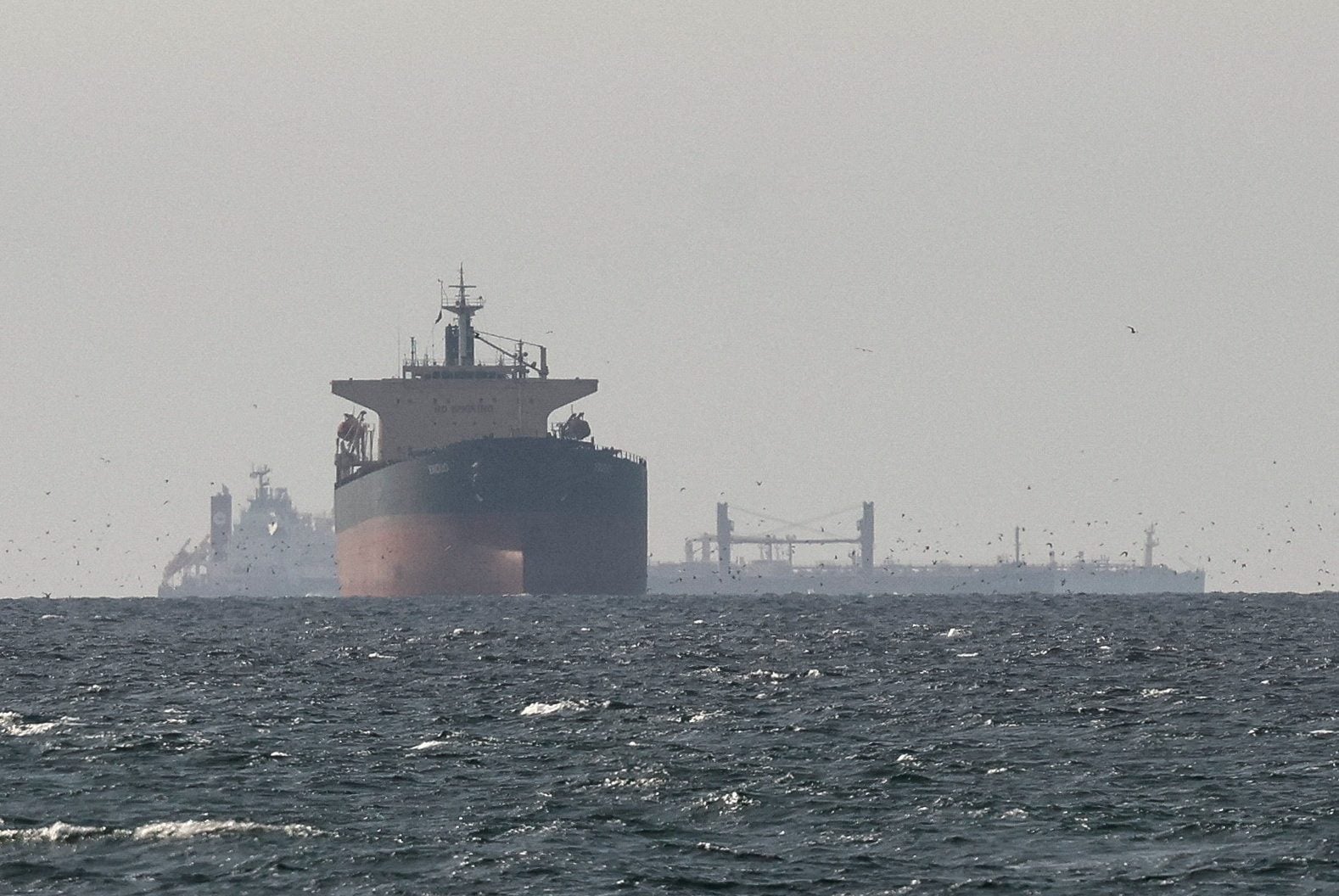
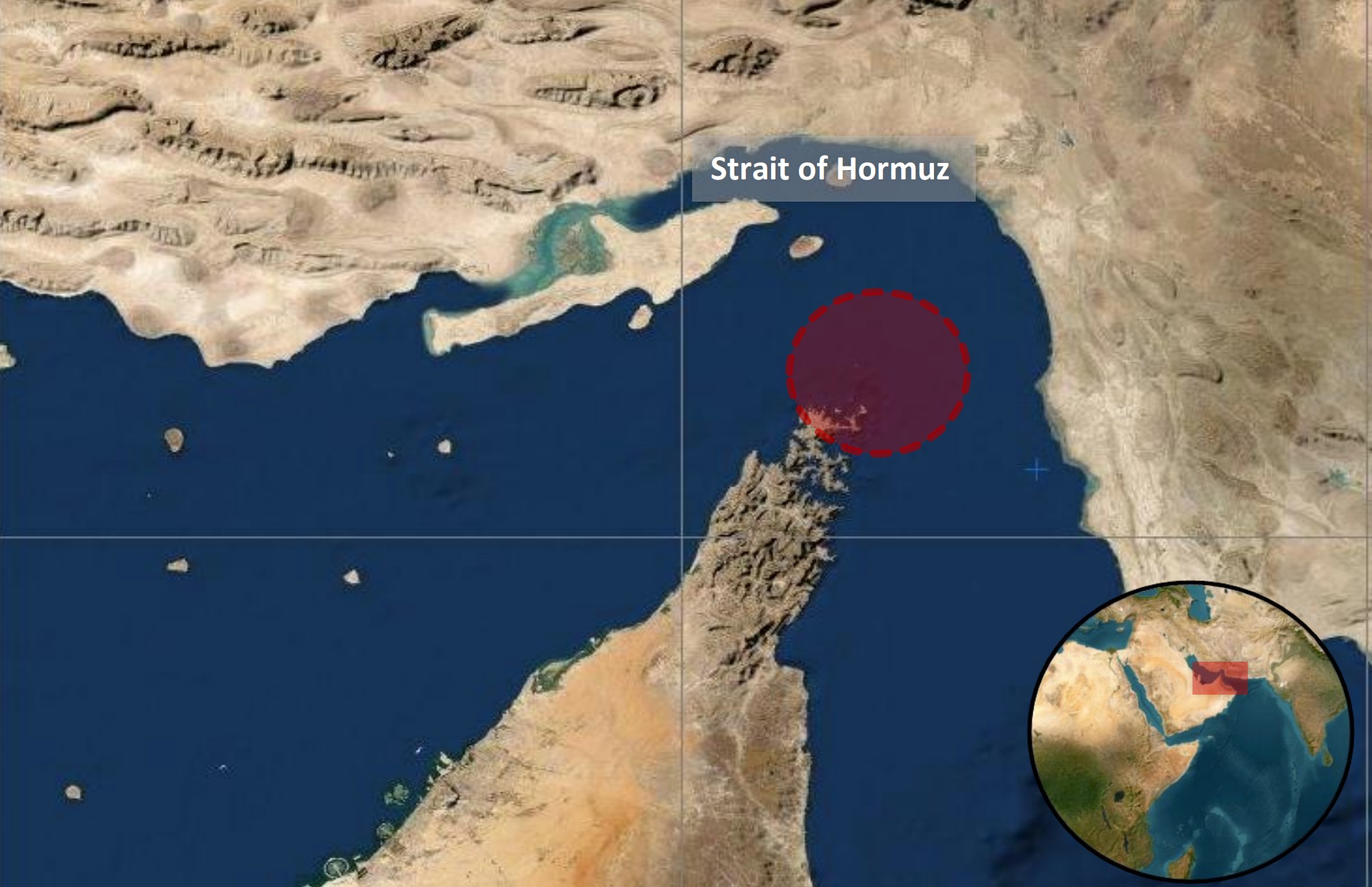
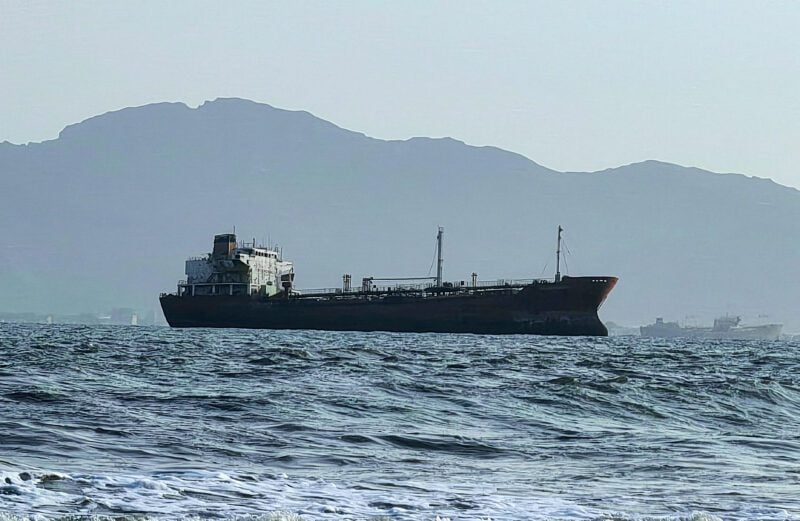
Reporting on 5 October described five shipping incidents in or near the Strait of Hormuz, including four tanker attacks and an IRGC threat that turned a vessel back. A tanker later reported an unknown projectile strike that caused an engine-room fire. Gulf cargoes continue to transit, while US Central Command says it has redirected 130 vessels; reporting on Iranian oil afloat conflicts with the US Treasury Secretary's claim that none remains. The US has reportedly removed all 12 B-1 bombers from RAF Fairford after a specific threat, and reports describe planned US reinforcement in Israel and IDF work on potential targets in Iran. In Yemen, Saudi-backed government forces claim gains near Bab al-Mandab, but control of Mokha and the extent of government control of the strait remain disputed.
Change from previous assessment
Since the 5 October brief, the assessment incorporates UKMTO's report of five shipping incidents on 5 October, including four tanker attacks and an IRGC threat, plus a tanker strike that caused an engine-room fire. New reporting gives a US tally of 130 redirected vessels and estimates zero Iranian crude loadings in September, alongside conflicting estimates of Iranian oil still afloat. The US and Israeli military picture is more specific: reports say all 12 B-1 bombers left RAF Fairford after a threat, the US plans additional personnel and aircraft for Israel, and the IDF is identifying potential targets in Iran. The RAF Fairford attribution remains a low-confidence judgment, and this brief retains the prior caution on disputed Yemeni battlefield claims.
Key judgments
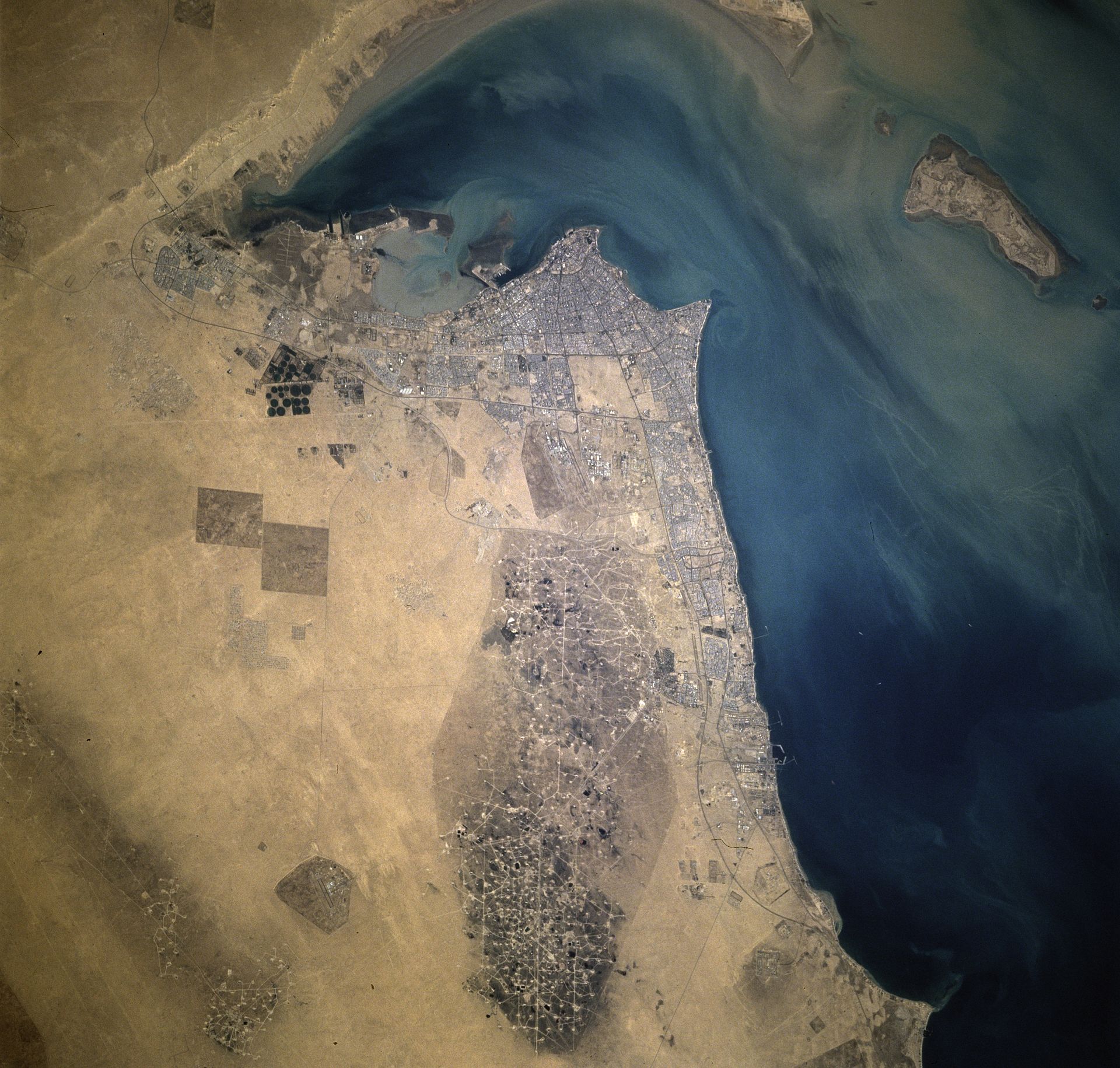
- The Strait of Hormuz is very likely to remain hazardous, with uneven transit, over the next 14 days, but current reporting does not establish a complete closure. UKMTO reported five commercial shipping incidents on 5 October, including four tanker attacks and an IRGC threat; a tanker master separately reported an unknown-projectile strike that caused an engine-room fire. Gulf producers including Kuwait, the UAE and Saudi Arabia continue to send cargoes through the strait, and Kpler put the seven-day average flow at 14.2 million barrels per day on 26 September, nearly 80 per cent of pre-war levels. (Confidence: medium · ASSESSED)
- I&W: UKMTO or JMIC records another tanker attack, IRGC threat or vessel turnback in or near Hormuz. (0-14 days)
- I&W: Kpler's seven-day Hormuz flow average rises above 14.2 million barrels per day and UKMTO records no new attacks or threats. (0-14 days)
- It is unlikely that public reporting establishes Iranian responsibility for every recent tanker strike. UKMTO and JMIC describe several attacks as unknown-projectile strikes, while a separate trade-publication claim directly attributes a tanker attack off the Musandam Peninsula to Iran. The IRGC threat near Khasab is reported separately and is attributed to the IRGC; it does not resolve responsibility for the projectile strikes. (Confidence: low · ASSESSED)
- I&W: UKMTO or JMIC publishes evidence identifying the IRGC or another actor as responsible for one or more projectile strikes. (0-14 days)
- I&W: Follow-up incident reports continue to identify the projectiles as unknown and name no attacker. (0-14 days)
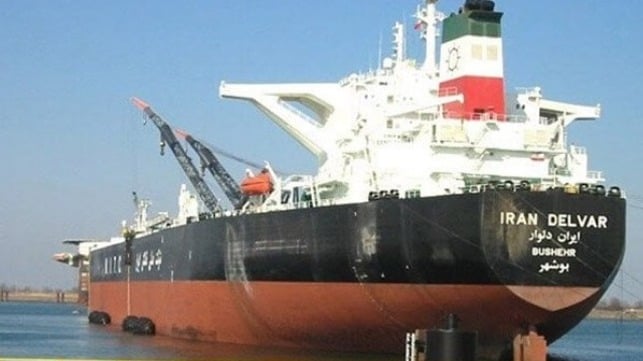
- US blockade enforcement is likely suppressing Iranian crude exports, but available vessel reporting does not support the claim that Iran has no oil afloat. CENTCOM said US forces redirected 130 commercial vessels by 5 October. Bloomberg's preliminary vessel-tracking estimates put Iranian crude loadings at zero in September, while Kpler estimated 15 million barrels of Iranian crude remained afloat at the start of October and UANI reported at least 50 laden tankers backed up near Iran. Treasury Secretary Scott Bessent's statement that Iran would have no oil on the water conflicts with those estimates. (Confidence: medium · ASSESSED)
- I&W: New Kpler or Bloomberg tracking shows Iranian crude cargoes leaving Iranian waters or new crude loadings at Kharg Island. (0-14 days)
- I&W: Updated vessel tracking confirms zero Iranian loadings and shows the reported floating stock clearing by mid-October. (0-14 days)
- The US is likely to maintain a substantial but shifting posture around Israel, while the available reporting does not establish a decision to strike Iran. A Walla report puts the current US personnel presence in Israel at about 3,000, including personnel operating advanced air-defence systems, and says additional troops and aircraft are expected. The IDF is reportedly identifying potential targets in Iran. Separately, reporting says all 12 B-1 bombers were withdrawn from RAF Fairford after a specific threat, rather than as a routine rotation. (Confidence: medium · ASSESSED)
- I&W: US authorities confirm additional troop or aircraft arrivals in Israel, or identify a change in the reported 3,000-person presence. (0-30 days)
- I&W: The IDF publicly identifies strike preparations or US forces reposition aircraft for operations against Iran. (0-30 days)
- It is unlikely that public reporting establishes Iranian state direction of the alleged plot against RAF Fairford. Prime Minister Andy Burnham said there were strong indications of Iranian involvement, while Iran denied involvement. Five British nationals were arrested near the base and a sixth suspect, a British-Iranian dual national, was later arrested in London; none of the six had been charged in the reporting provided. The claim of an IRGC-linked plan rests on single-source reporting and remains uncorroborated. (Confidence: low · ASSESSED)
- I&W: UK police or prosecutors charge a suspect and disclose evidence of direction or support by Iranian state bodies. (0-3 months)
- I&W: Police close the investigation or state that they found no evidence of foreign-state direction. (0-3 months)
- Saudi-backed Yemeni government forces are likely to continue their offensive near Bab al-Mandab, but claims that they captured Mokha or secured full control of the strait remain unverified. The coalition said about 100 warplanes were supporting government forces and that it had destroyed 324 high-value targets since the offensive began. Government sources claimed gains at Dhubab and Bab al-Mandab; other government and military sources said forces had reached only the outskirts of Mokha, and the Houthis denied government gains. (Confidence: medium · ASSESSED)
- I&W: Independent reporting confirms government forces hold Mokha and Dhubab, with continued government control of approaches to Bab al-Mandab. (0-14 days)
- I&W: Follow-up reporting confirms Houthi forces remain in Mokha or have retaken positions near Dhubab or the strait. (0-14 days)
Outlook & scenarios
Intermittent Hormuz disruption continues (55%)
This is the likely near-term course. Tanker attacks and IRGC warnings continue to make Hormuz transit hazardous, while Gulf producers keep moving some cargoes through the strait. US blockade enforcement continues to delay Iranian exports without halting all regional oil flows.
US-Israeli military escalation (25%)
A further attack on shipping, US personnel or Israeli targets is followed by US or Israeli strikes on Iran. The reported IDF target work and US posture in Israel provide indicators of contingency planning, not evidence that a strike decision has been made.
Limited deconfliction (15%)
Iran, the US and Israel limit direct exchanges and reduce immediate pressure on shipping. Iran's reported suspension of cooperation with the IAEA and President Trump's statements about a deal or bombing remain obstacles; this scenario requires observable restraint or a verified diplomatic step.
Low-probability, high-impact wildcard: Mecca Alliance deployment (5%)
Turkey, Pakistan and Saudi Arabia move from reported deterrence commitments to a visible deployment of forces or capabilities in Saudi Arabia, while Houthi attacks on Saudi facilities continue. The reported pact activation and deployment details remain weakly corroborated, but implementation would widen the number of states directly involved in the Yemen front.
Recommendations
- Maintain a daily incident log for UKMTO and JMIC reports in Hormuz. Record the event time, location, vessel type, damage, stated attacker and whether the vessel continued transit or turned back.
- Track Iranian crude loadings and vessel movements using separately attributed Bloomberg, Kpler and UANI updates. Do not treat the zero-loadings estimate as proof that no Iranian crude remains afloat.
- Separate confirmed US and Israeli force movements from single-outlet reporting. Seek official confirmation of additional US arrivals in Israel, changes to the reported personnel total and the status of the 12 B-1 bombers withdrawn from RAF Fairford.
- Keep the RAF Fairford allegation at low confidence until police or prosecutors disclose charges or evidence of foreign-state direction. Distinguish Burnham's reported statement from proof of Iranian responsibility.
- Check claims of control at Mokha, Dhubab and Bab al-Mandab against follow-up reporting and maritime traffic data. Do not report the capture of Mokha or complete control of the strait as established while accounts conflict.
- Verify any reported Mecca Alliance deployment through official statements from Saudi Arabia, Turkey and Pakistan before treating the reported commitment as an operational force movement.
Confidence & uncertainty
Overall confidence is high for the occurrence of the main reported developments. UKMTO and JMIC reporting, commercial vessel-tracking estimates, official US statements and major-media reporting provide corroboration for discrete events and movements. Confidence is lower on responsibility for projectile strikes, the Iranian state role in the RAF Fairford allegation, the extent of Yemeni government control around Mokha and Bab al-Mandab, and the scale of Iranian oil remaining afloat.
Intelligence gaps
- [EEI 1.1 · UNCOVERED] Movement, dispersal, or emplacement of Iranian conventional or IRGC heavy assets (ballistic missile launchers, Khoramshahr/Toofan-class missile transporters, ground-to-ground TELs, air defense batteries, amphibious units) from garrison areas toward forward bases or coastal launch sites. Recommended collection: satellite/IMINT
- [EEI 1.2 · UNCOVERED] Authenticated Iranian military orders, NSC/IRGC operations directives, or senior leadership statements explicitly directing strikes against Israel or US forces or authorizing cross-border operations. Recommended collection: human/diplomatic
- [EEI 2.1 · UNCOVERED] Observable pre-launch preparations for missile/rocket/cruise missile strikes (fueling, warhead mating, launcher orientation, support vehicle congregation) and abnormal munitions handling at known launch sites. Recommended collection: satellite/IMINT
- [EEI 2.2 · UNCOVERED] Indications of proxy arms shipments and weapons transfers (truck convoys, small boat transfers, container movements from Iran to proxies, new stockpiles in Lebanon, Iraq, Yemen, Syria). Recommended collection: maritime/AIS
- [EEI 2.3 · UNCOVERED] Evidence of cyber attack planning or active exploitation campaigns targeting Israeli or US military/critical infrastructure (emergence of new command-and-control servers, spear-phishing campaigns against defense personnel, successful intrusions). Recommended collection: cyber
- [EEI 3.1 · PARTIAL] Movements and posture changes of US regional platforms (carrier strike groups, amphibious ready groups, B-52/B-1/B-2 or fighter deployments, missile defense assets repositioning) and associated armament loadouts. Recommended collection: satellite/IMINT
- [EEI 3.2 · UNCOVERED] Official or leaked US government/diplomatic communications indicating thresholds for strikes, authorization for offensive operations, or limits on action (NSC/DoD statements, congressional notifications, diplomatic notes). Recommended collection: diplomatic/human
- [EEI 3.3 · UNCOVERED] Changes in US base force-protection measures and rules of engagement at regional facilities (base lockdowns, evacuation notices, flight restrictions, activation of Local Defense Forces or missile intercept systems). Recommended collection: open-source/local reporting
- [EEI 4.1 · UNCOVERED] Hezbollah-specific indicators: convoys and logistics movements toward Lebanon, Israel border, artillery/rocket emplacement in southern Lebanon, documented strikes-preparation activity, public mobilization orders or recruitment drives. Recommended collection: satellite/IMINT
- [EEI 4.2 · PARTIAL] Houthi-attributed maritime attack indicators: AIS anomalies/loss of contact for commercial vessels, reports of missile/drone strikes or near-miss incidents in Bab al-Mandeb/Red Sea, Houthi claims paired with imagery of weapons launches. Recommended collection: maritime/AIS
- [EEI 4.3 · UNCOVERED] Militia cross-border attack evidence from Iraq/Syria: recorded rocket/mortar launch events into Israel or strikes against US facilities, movement of armed convoys toward border areas, and intercepted communications coordinating cross-border operations. Recommended collection: signals/ELINT
Cited sources
[1] gCaptain · Five Hormuz Incidents Reported Monday as Tanker Attacks Mount (C) · 5 October 2026 · sha256:7d29fb9ec75b [2] gCaptain (republishing Bloomberg) · Kuwait Oil Output at 75% of Prewar as Hormuz Transits Rise (C) · 5 October 2026 · sha256:5957bc21d3a0 [3] gCaptain · Opinion: Oil's New Problem Isn't Supply. It's Logistics (C) · 5 October 2026 · sha256:928c997559ab [4] The Maritime Executive · UKMTO: Tanker's Engine Room On Fire After Latest Hormuz Attack (C) · sha256:4d2ac849ea98 [5] gCaptain (republishing Bloomberg) · US Blockade Bottles Up Dozens of Iranian Tankers, Nonprofit Says (C) · 6 October 2026 · sha256:5d235cdcec4f [6] The Maritime Executive · Iran’s Floating Oil Stocks Run Dry (C) · sha256:7e96d42235f8 [7] worldisraelnews.com · Escalation ahead? US to bolster troops, military assets in Israel (F) · 6 October 2026 · sha256:5ecfdbcd8aab [8] World Israel News · US evacuated B-1 bombers from Britain over planned Iranian drone attack – report (B) · 6 October 2026 · sha256:3c1560540053 [9] sundayguardianlive.com · US-Israel-Iran War Latest Live News: Houthis Issue Warning Over Saudi Airspace, Say It ‘Will Not Be Safe’ Amid Alleged ‘Aggression’; Check Latest Threat and Key Developments (F) · 5 October 2026 · sha256:3870086d126c [10] BBC News · Yemeni military says it has retaken Mokha and 'secured' Red Sea waterway (A) · 5 October 2026 · sha256:ed6cabf000bf [11] Sunday Guardian Live · US-Israel-Iran War Latest Live News: Houthis Issue Warning Over Saudi Airspace, Say It ‘Will Not Be Safe’ Amid Alleged ‘Aggression’; Check Latest Threat and Key Developments (B) · 5 October 2026 · sha256:40b3be8c7ce9 [12] Reuters (republished by gCaptain) · Saudi-Backed Forces Claim Control of Bab el-Mandeb Strait (A) · 5 October 2026 · sha256:13a171d6d7bc
Source content hashes were computed at collection time; the cited text is preserved unmodified for the life of this product.
Red cell review: CONCUR WITH COMMENT
TLP:CLEAR