TLP:CLEAR · Disclosure is not limited.
Iran-Israel Conflict: Hormuz Constraint and Regional Spillover Intensify
Time window: Last 1 day · Audience: General analyst · Type: Situation report · DTG: 2026-09-14 21:38Z · Overall confidence: HIGH
BLUF
The conflict is very likely to remain active over the next 0-14 days, with Iran restricting Strait of Hormuz traffic, Israel continuing pressure on Hezbollah in southern Lebanon, and Houthi-Saudi fighting widening the maritime threat around Bab el-Mandeb. The postponement of the Oman meeting, combined with conflicting accounts of an Iran-Oman navigation arrangement, makes a comprehensive deconfliction agreement very unlikely in the near term.
Executive summary
The conflict is extending across three connected fronts. Strait of Hormuz traffic has fallen to single-digit commodity vessel transits per day, tanker hire rates have exceeded US$1 million per day, and Iran has threatened listed vessels with fines, detention or confiscation. In Yemen, Houthi forces claim attacks on King Khalid Air Base and control of Greater and Lesser Hanish, while Saudi Arabia reports an intensive air campaign. The Oman-Iran-Gulf meeting scheduled for 14 September was postponed, and reports disagree on whether a maritime understanding remains a draft or has been finalised. Yemen's humanitarian situation is deteriorating, with at least 125,000 people displaced since the start of September according to OCHA.
Change from previous assessment
Since the 12 September 2026 brief, the assessment has shifted towards greater weight on maritime and Yemen-related escalation. Hormuz disruption is now assessed as functionally constrained, with single-digit vessel transits, a 77-vessel Iranian blacklist and tanker rates above US$1 million per day. The Oman meeting has been postponed rather than proceeding, lowering confidence that limited diplomatic deconfliction will produce an operational arrangement. The Houthi-Saudi front has expanded in reporting to include claimed attacks on King Khalid Air Base and claimed seizures of Greater and Lesser Hanish, while sustained Houthi control of Perim remains unresolved. Humanitarian deterioration in Yemen has also become a distinct judgment, supported by displacement and access reporting from OCHA, UNHCR and IOM.
Key judgments
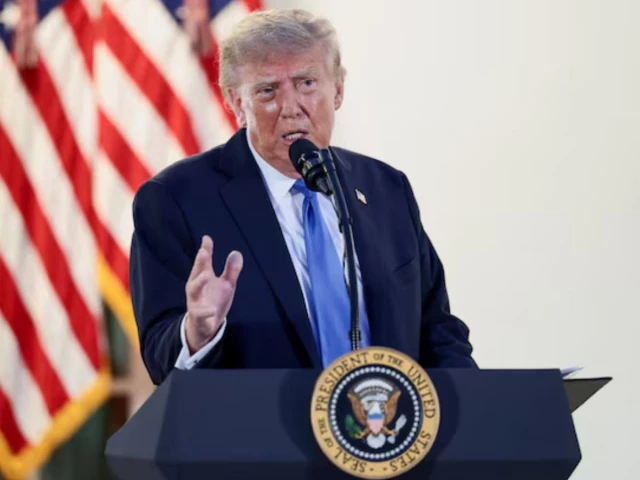
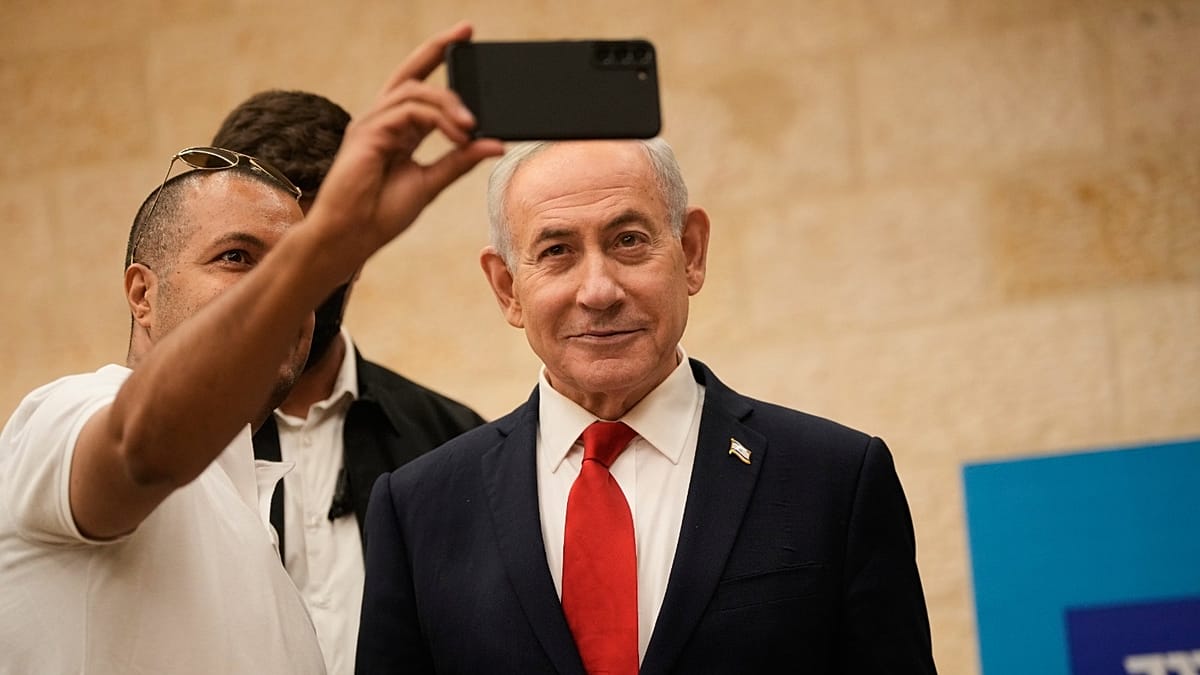
- US-Israel-Iran hostilities are very likely to remain active over the next 0-14 days, while Israel is likely to sustain strikes against Hezbollah infrastructure in southern Lebanon. The failed 17 June ceasefire, Donald Trump's 13 September forecast that the war is more likely to end immediately after the US midterm elections, Benjamin Netanyahu's 14 September threat of harder strikes, and his commitment to continue targeting Hezbollah indicate no near-term settlement path. This is an assessed forecast, not confirmation of a new direct Iran-Israel exchange in the reporting window. (Confidence: medium · ASSESSED)
- I&W: Confirmation: the Israeli military or Israeli government reports another strike on Hezbollah infrastructure in southern Lebanon, or Hezbollah reports a new missile or drone attack on Israeli positions, within the next 0-14 days. (0-14 days)
- I&W: Break: the United States, Israel and Iran announce a verified ceasefire that halts reported strikes for seven consecutive days. (0-14 days)
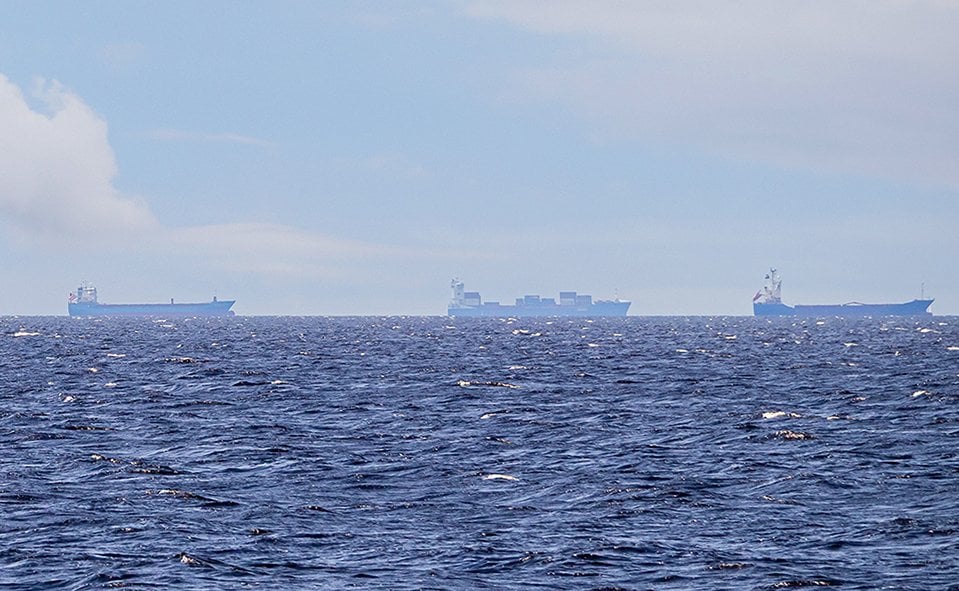
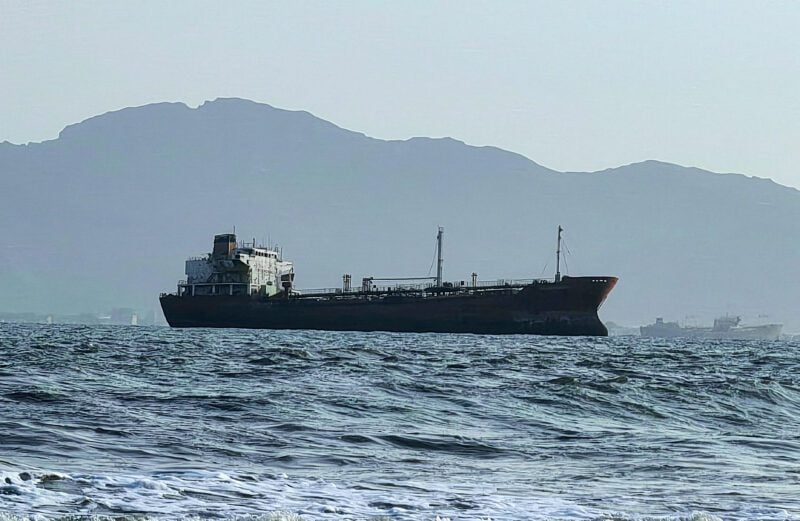
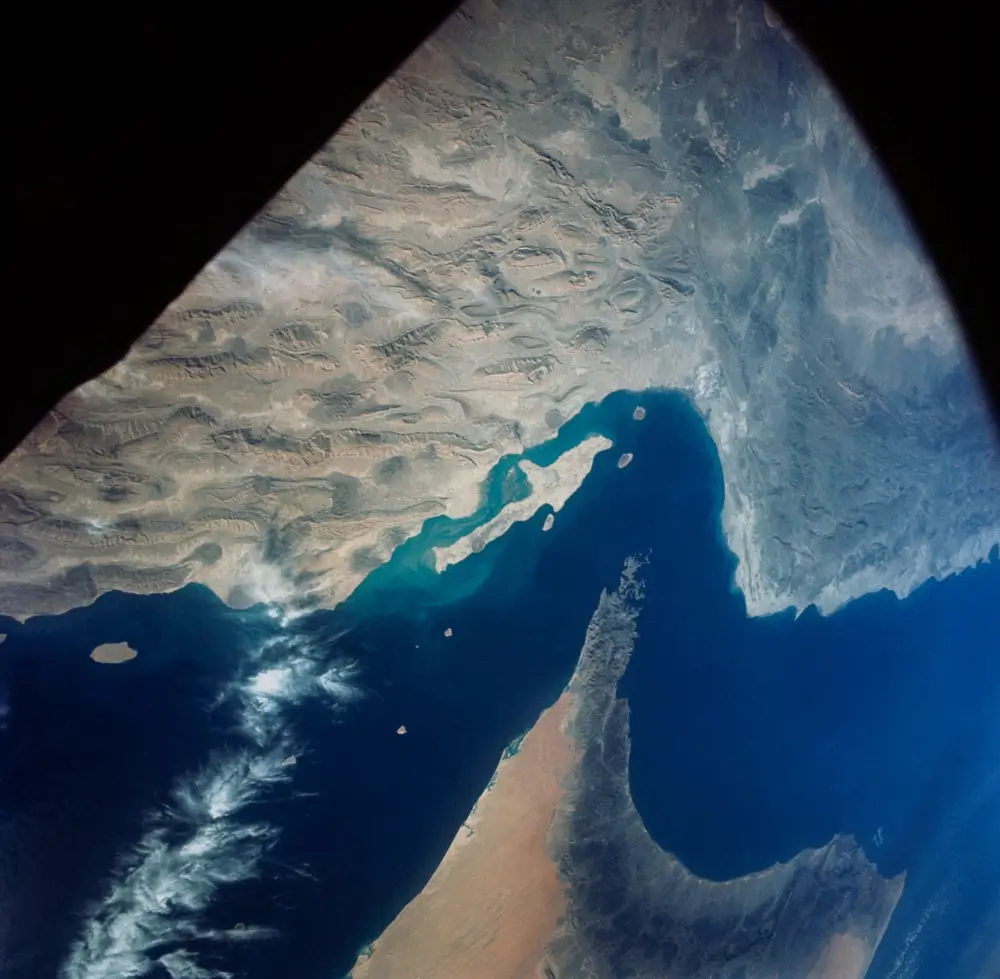
- The Strait of Hormuz is very likely to remain functionally constrained rather than fully reopened over the next 0-14 days. Commodity vessel transits have fallen to single-digit numbers per day against a 10-day average of 14, tanker hire rates have reached US$1.035 million per day on the Persian Gulf to China route, and Iran has expanded its blacklist to 77 vessels while threatening fines, detention or confiscation. Donald Trump's statement that oil is flowing and Iran's reported limited-passage arrangements do not outweigh the current traffic and enforcement indicators. (Confidence: high · ASSESSED)
- I&W: Confirmation: ship-tracking data records single-digit commodity vessel transits for three consecutive days, or Iran adds further vessels to the blacklist or reports a detention, fine or confiscation. (0-14 days)
- I&W: Break: commodity vessel transits exceed 14 per day for five consecutive days and Iran publicly withdraws its fines, detention and confiscation threats. (0-14 days)
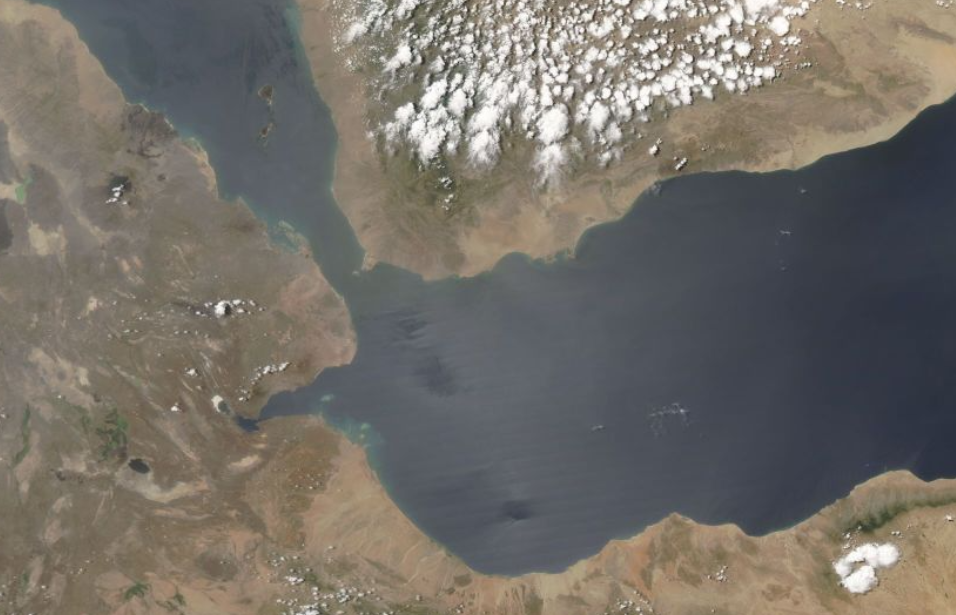
- Houthi-Saudi confrontation is likely to intensify maritime and territorial pressure around Bab el-Mandeb and southern Saudi Arabia over the next 0-14 days. Houthi forces claim to have seized Greater and Lesser Hanish and Perim Island, expanded positions along Yemen's Red Sea coast, and attacked King Khalid Air Base at Khamis Mushait. Saudi airstrikes reported by the Houthis, including 54 in 24 hours and more than 300 over five days, provide a continuing trigger for retaliation. Confidence is medium because the Houthi attack claims and sustained control of Perim are not independently established, and one report found no continuing Houthi presence there. (Confidence: medium · ASSESSED)
- I&W: Confirmation: another Houthi missile or drone attack is reported against Khamis Mushait, or Saudi aircraft conduct another concentrated strike series against Houthi positions in western Yemen. (0-14 days)
- I&W: Break: independent maritime or imagery reporting confirms no continuing Houthi presence on Perim, Greater Hanish or the Ras Menhali area, while Bab el-Mandeb traffic returns to previously observed levels. (0-14 days)
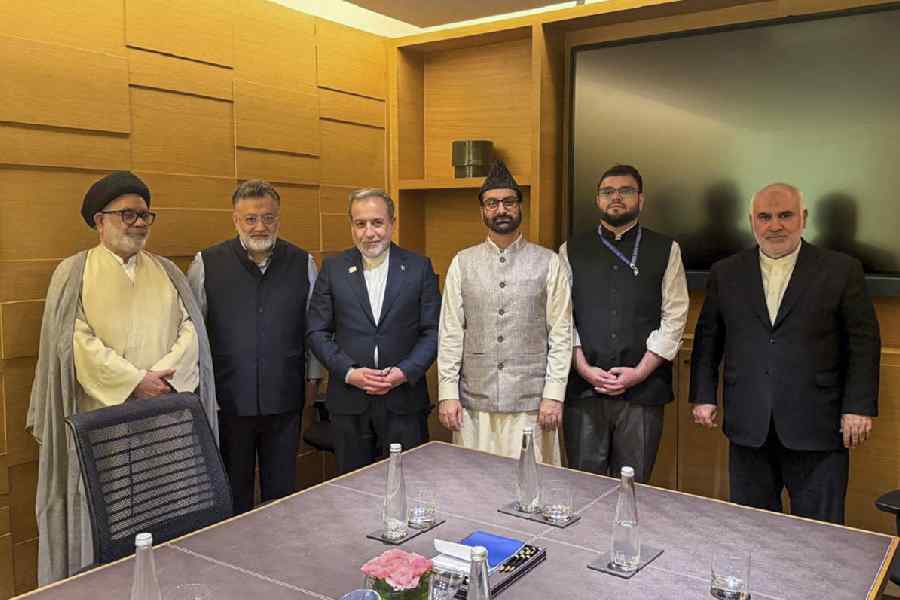
- Limited diplomatic deconfliction is likely to continue, but a comprehensive Hormuz arrangement is very unlikely in the next 0-14 days. Oman postponed the 14 September Salalah meeting in the interests of consensus, while Iran attributed the postponement to a Saudi request. Iranian officials variously describe the Iran-Oman maritime arrangement as a draft, a finalised understanding or an agreement announced on 5 August. Oman supports freedom of navigation and innocent passage, whereas Iran seeks passage fees and traffic vetting. The Pezeshkian-Al Nahyan meeting and the BRICS call for restraint preserve diplomatic channels but have not produced an operational change in shipping. (Confidence: medium · ASSESSED)
- I&W: Confirmation: the Salalah or Muscat meeting remains postponed, no joint route rules are published, and Hormuz traffic remains below 14 commodity vessel transits per day. (0-14 days)
- I&W: Break: Iran, Oman and Gulf states publish signed route rules, clarify passage rights and fees, and ship-tracking data records traffic above the 14-vessel 10-day average for five consecutive days. (0-14 days)
- Yemen's humanitarian situation is very likely to deteriorate over the next 1-3 months. OCHA reports at least 18,000 displaced households, or 125,000 people, since the start of September, while UNHCR and IOM report between 80,000 and 82,000 displaced people over differing reporting windows. OCHA also reports critically low supplies, inadequate funding, severely constrained access and suspended operations on Yemen's west coast. The figures differ by agency and timeframe, but all point to worsening displacement and restricted humanitarian access. (Confidence: high · ASSESSED)
- I&W: Confirmation: OCHA, UNHCR or IOM report additional displacement above current baselines, further suspended operations or new access restrictions on Yemen's west coast. (1-3 months)
- I&W: Break: OCHA reports sustained replenishment of critical supplies and restored humanitarian access to west coast locations for at least 14 days. (0-14 days)
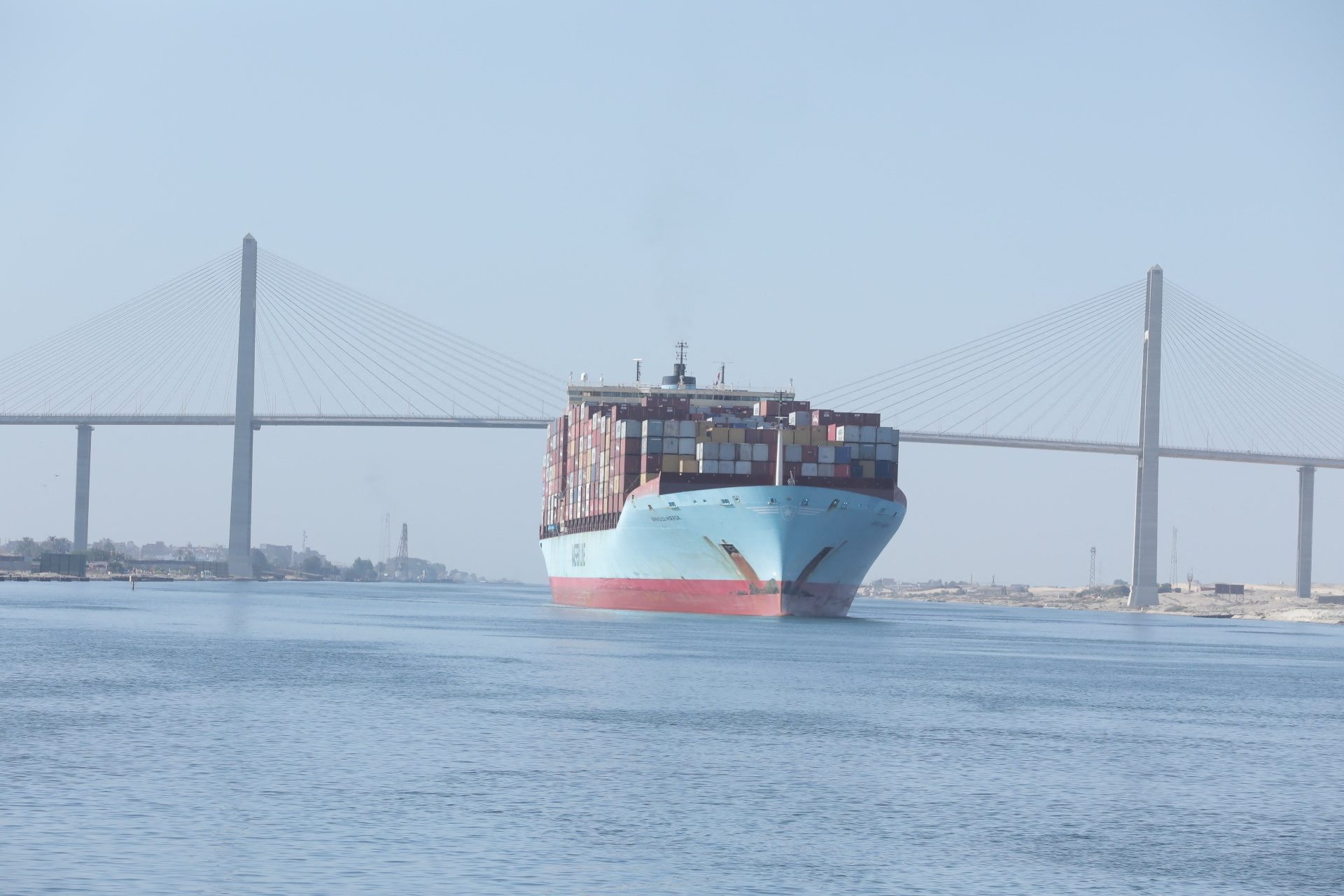
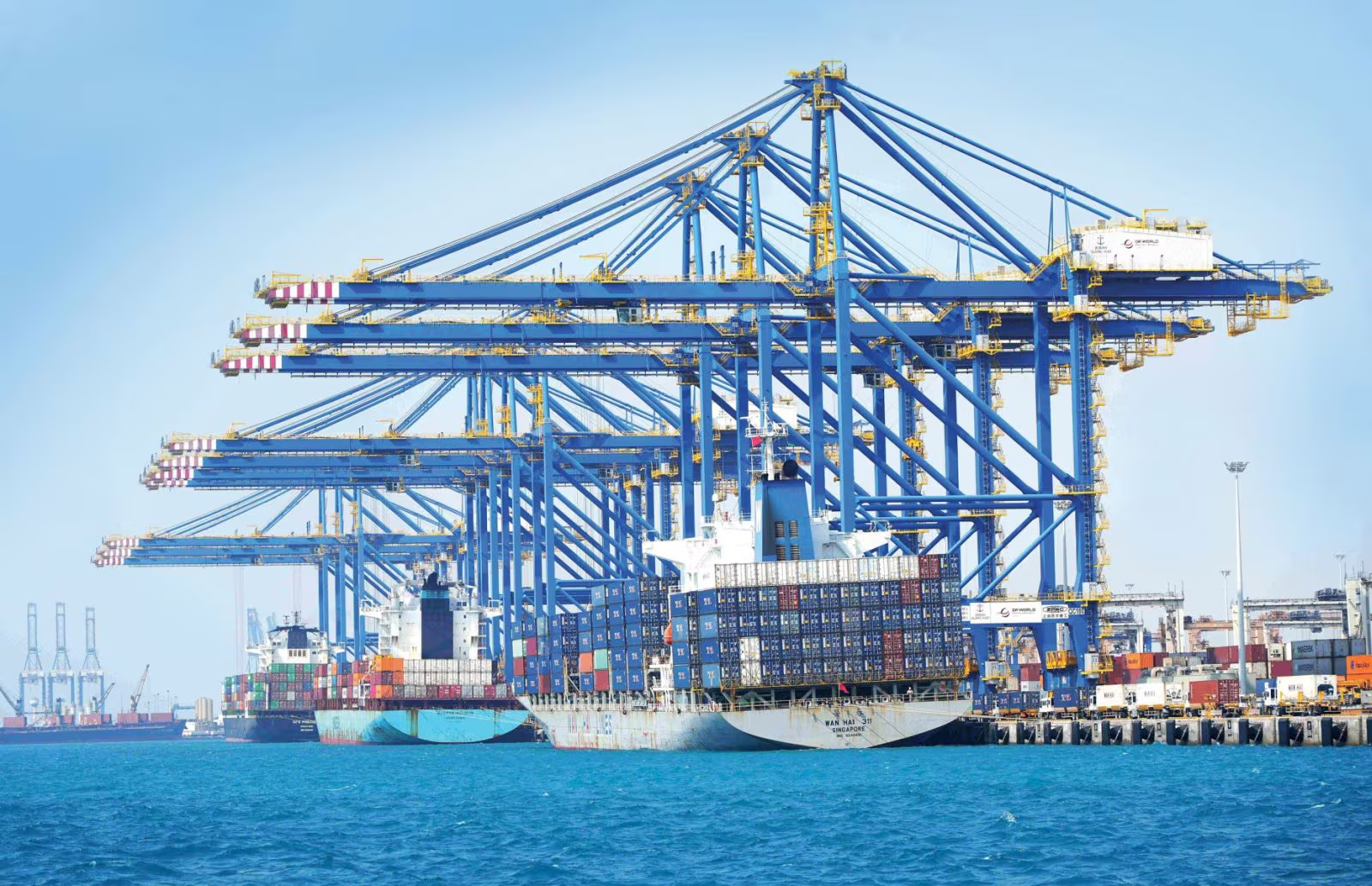
- Regional energy and logistics disruption is likely to persist for 1-3 months. Strait of Hormuz restrictions have pushed benchmark tanker hire rates above US$1 million per day, crude oil above US$109 per barrel and US retail diesel above US$6.23 per gallon. Jebel Ali container volumes were nearly 60 percent below the previous year in the first half of 2026, while DP World is expanding overland routes and Maersk and Hapag-Lloyd are conditionally returning selected services to the Suez Canal. The duration assessment is medium confidence because reported crude prices and the balance between Cape of Good Hope and Suez routing contain unresolved discrepancies. (Confidence: medium · ASSESSED)
- I&W: Confirmation: tanker hire rates remain above US$1 million per day and commodity vessel transits through Hormuz remain in single digits for two consecutive weeks. (0-14 days)
- I&W: Break: tanker rates fall below US$644,000 per day, the reported Gulf of Oman to China rate, while major carriers maintain Suez services without renewed security warnings for 30 days. (1-3 months)
Outlook & scenarios
Managed but active multi-front pressure (65%)
There is a likely continuation of US-Israel-Iran hostilities, Iranian restrictions on Strait of Hormuz traffic, Houthi-Saudi exchanges around western Yemen and Israeli pressure on Hezbollah in southern Lebanon. Diplomatic contacts continue, but shipping remains limited and Yemen's displacement and access crisis worsens.
Limited maritime deconfliction (40%)
There is a roughly even chance that Iran and Oman formalise a narrow navigation arrangement without reopening the Strait of Hormuz to normal traffic. The arrangement would allow selected vessels to transit under Iranian screening while leaving disputes over passage fees, vetting and freedom of navigation unresolved.
Wider regional front (25%)
A widening of the conflict is an unlikely but plausible outcome in which Houthi attacks continue against Khamis Mushait and Saudi-linked shipping, Iran or Iran-aligned forces strike additional US or Gulf infrastructure, and Saudi Arabia seeks greater military support from partners. This would intensify pressure on Hormuz, Bab el-Mandeb and Gulf logistics hubs.
Wildcard: abrupt negotiated pause (10%)
An abrupt negotiated pause is very unlikely but would have high impact if Donald Trump, Iran, Israel and Gulf governments convert current diplomatic contacts into a verified cessation of strikes. The first observable effect would be a sustained rise in Hormuz transits, followed by lower tanker rates and restored humanitarian access in Yemen.
Recommendations
- Maintain a daily fused watch covering the Strait of Hormuz, Bab el-Mandeb, Perim Island, Greater and Lesser Hanish, Ras Menhali, Khamis Mushait, Jebel Ali and the named Iranian vessel blacklist.
- Separate verified observations from party claims in all reporting. Label the Houthi claims about Perim, Hanish and King Khalid Air Base, the Iranian vessel casualty accounts, and the status of the Iran-Oman route as contested until independently corroborated.
- Use the 14-vessel 10-day Hormuz average, single-digit weekend traffic, US$1 million tanker rates and the 77-vessel blacklist as collection baselines. Escalate reporting when two or more of these indicators move in the same direction.
- Track whether Oman reschedules the Salalah meeting with Iran and Gulf states, and whether Tehran and Muscat publish route rules covering passage rights, fees, vetting and enforcement. Do not treat official claims of a finalised understanding as evidence of operational reopening.
- Maintain separate humanitarian baselines for OCHA, UNHCR and IOM rather than combining their displacement figures. Prioritise reporting on west coast access, suspended aid operations, critical supplies and road conditions.
- Stress-test logistics assessments against both continued Cape of Good Hope diversions and conditional Suez returns. Monitor Maersk's 19 September sailing from Tanjung Pelepas and subsequent Gemini services for evidence that carrier decisions are holding or reversing.
- Prepare an escalation alert for any new strike on a US facility, Gulf power or water plant, Saudi oil infrastructure, or commercial vessel, especially if accompanied by a formal Saudi request for US military intervention.
Confidence & uncertainty
Overall confidence is high for the broad assessment that the conflict is intensifying regional military, maritime, humanitarian and economic pressure. UN agencies, Reuters reporting, major media, trade data and official statements corroborate the main developments across Yemen, the Strait of Hormuz, Saudi Arabia and southern Lebanon. The principal uncertainties concern attribution of attacks, the duration of Houthi control on Perim Island, the conflicting status of the Iran-Oman navigation arrangement, differing displacement totals and inconsistent reporting on some price and routing measures.
Intelligence gaps
- [EEI 1.1 · UNCOVERED] Observed repositioning, sustained increases, or new forward basing of Iranian conventional or IRGC forces (armored units, missile batteries, aircraft, naval vessels) toward borders or regional launch points. Recommended collection: IMINT/satellite
- [EEI 1.4 · UNCOVERED] Interdicted or observed shipments (air, sea, land manifests, seizures, satellite imagery of transfers) of advanced weapons or missile components from Iran toward proxy groups or forward staging points. Recommended collection: maritime/AIS
- [EEI 2.2 · PARTIAL] Commercial vessel incidents: AIS transponder shutdowns, distress signals, reported hull/engine damage, boardings, or confirmed attacks on tankers/merchant ships transiting the Strait of Hormuz, Bab al-Mandeb, or eastern Mediterranean. Recommended collection: maritime/AIS
- [EEI 2.3 · PARTIAL] Significant and sustained reductions or rerouting of tanker transits through the Strait of Hormuz (ship traffic counts, pilot reports, port call cancellations) and announcements of closure or restricted navigation zones (NOTAMs, maritime advisories). Recommended collection: maritime/NOTAMs
- [EEI 2.4 · UNCOVERED] Rapid increases in war-risk insurance premiums for Middle East routes, shipping company advisories to avoid region, or major charter cancellations tied to the conflict. Recommended collection: financial/open-source
- [EEI 3.1 · PARTIAL] Movement/arrival of major foreign military assets into the region: US carrier strike groups, amphibious ready groups, strategic bomber flights, Russian/Chinese naval taskings, or allied expeditionary units (visible in AIS, NOTAMs, satellite imagery, official releases). Recommended collection: IMINT/satellite
- [EEI 3.3 · UNCOVERED] Embassy evacuations, large-scale personnel movements, issuance of government travel bans/advisories, or multinational security alerts affecting foreign nationals and diplomatic posture in the region. Recommended collection: diplomatic/open-source
Cited sources
[1] Manara Magazine · The Iran War and the UK’s “Reset” towards the Middle East (D) · Mon Sep 14 2026 17:22:00 GMT+0000 (Coordinated Universal Time) · sha256:3a53d97ec8c4 [2] Banking News (bankingnews.gr) · Emirates and Qatar shift line toward Iran, close deal on Hormuz – Trump in panic, demands agreement (D) · Mon Sep 14 2026 00:00:00 GMT+0000 (Coordinated Universal Time) · sha256:816843f5a044 [3] Euronews (Arabic) · نتنياهو يتوعد أعداء إسرائيل بـ"ضربات أشد" ويؤكد مواصلة تدمير بنية حزب الله في جنوب لبنان (A) · Mon Sep 14 2026 18:00:59 GMT+0000 (Coordinated Universal Time) · sha256:7ea1e83660ec [4] Carnegie Endowment for International Peace · The Iran War’s Climate, Environmental, and Human Security Fallout | Carnegie Endowment for International Peace (B) · Mon Sep 14 2026 00:00:00 GMT+0000 (Coordinated Universal Time) · sha256:cf7b9ae2bf40 [5] gCaptain · Maersk, Hapag-Lloyd Accelerate Return to Suez Despite Red Sea Risks (C) · Mon Sep 14 2026 15:53:32 GMT+0000 (Coordinated Universal Time) · sha256:cd96ffd3e9be [6] The Express Tribune · Trump says Iran wants deal with US quickly and badly (B) · Mon Sep 14 2026 16:17:45 GMT+0000 (Coordinated Universal Time) · sha256:df44b9d2aa2b [7] The Maritime Executive · Iran Expands Threats Against Shipping to P&I and Class Societies (C) · sha256:d5abc385e82e [8] gCaptain (republishing Bloomberg) · Oil Tanker Rates Top $1 Million a Day as Hormuz War Squeezes Fleet (B) · Mon Sep 14 2026 18:24:16 GMT+0000 (Coordinated Universal Time) · sha256:106ad4bd72e0 [9] Reuters (republished by gCaptain) · Gulf States Postpone Iran Talks as Houthis Strike Saudi Arabia (A) · Mon Sep 14 2026 16:25:34 GMT+0000 (Coordinated Universal Time) · sha256:d52bcd7f7927 [10] Reuters (published via gCaptain) · New Attacks in Hormuz and Saudi Test Nerves as War's Spread Worsens Oil Disruption (A) · Mon Sep 14 2026 17:16:46 GMT+0000 (Coordinated Universal Time) · sha256:4d8e33104dc4 [11] India News Network · UAE and Iran Leaders Discuss Relations at BRICS Summit (B) · Mon Sep 14 2026 01:48:20 GMT+0000 (Coordinated Universal Time) · sha256:9fa0355b2ff1 [12] United Nations (UN News) · Civilians bear the brunt, with deadly US strikes in Iran and thousands displaced in Yemen (A) · Mon Sep 14 2026 17:49:42 GMT+0000 (Coordinated Universal Time) · sha256:09a759600f1a [13] Al Jazeera · Iran war live: Houthis seize 2 islands, Saudis intensify air attacks (A) · Mon Sep 14 2026 00:00:00 GMT+0000 (Coordinated Universal Time) · sha256:d58806476d3d [14] The Maritime Executive · Houthis Being Pushed Back from Bab el-Mandeb (C) · sha256:7b5662429cfd [15] The Maritime Executive · Oman's Strait of Hormuz Conference Implodes (C) · sha256:889e5e28d408 [16] News.az · Iran, UAE back BRICS call for restraint in Middle East | News.az (D) · sha256:2407b6659031 [17] gCaptain (republishing Bloomberg) · Ports Giant DP World Redraws Hormuz Logistics With Truck Bet (B) · Mon Sep 14 2026 13:27:35 GMT+0000 (Coordinated Universal Time) · sha256:5b4fbcc596e9
Source content hashes were computed at collection time; the cited text is preserved unmodified for the life of this product.
TLP:CLEAR