TLP:CLEAR · Disclosure is not limited.
Iran-Israel Conflict: Hormuz Constraint and Yemen Spillover
Time window: Last 1 day · Audience: General analyst · Type: Situation report · DTG: 2026-09-18 22:08Z · Overall confidence: HIGH
BLUF
The conflict is very likely to remain unresolved over the next 14 days, with Iran and Israel, alongside the US, sustaining coercive pressure while maritime disruption spreads across Hormuz and Bab al-Mandab. Hormuz remains open to selected cargoes but is likely to stay hazardous and severely constrained, while Houthi advances are intensifying pressure on Saudi infrastructure and worsening Yemen's humanitarian crisis.
Executive summary
The conflict has shifted towards sustained military, maritime and economic pressure rather than a clear settlement. UKMTO has reported attacks on tankers near Hormuz, but LNG shipments and Saudi oil cargoes continue to transit through the waterway. In Yemen, Houthi forces have captured Mokha and nearby coastal positions, although reporting conflicts over whether they control the entire Red Sea coast or only key areas around Bab al-Mandab. More than 112,000 people have been displaced in Yemen, with thousands crossing to Djibouti. China, Oman and Iran retain diplomatic channels, but postponed Gulf-Iran talks and conflicting Iranian statements reduce the prospect of rapid de-escalation.
Change from previous assessment
Since the 17 September brief, the assessment has shifted from a general expectation of severe Hormuz constraint to a more specific judgement that the waterway remains open to selected LNG and Saudi oil cargoes while attacks and administrative restrictions keep traffic hazardous. New reporting confirms three UKMTO warnings since 16 September, including two tanker projectile strikes, and updates Yemen displacement to more than 112,000 people with more than 2,400 recent arrivals in Djibouti. Confidence in the Houthi assessment remains medium because reporting now ranges from control of specific positions around Mokha and Bab al-Mandab to a claim of control over the entire Red Sea coast. The diplomatic judgement is unchanged but reinforced by the postponement of the Salalah talks. A new judgement has been added on the likely continuation of US economic pressure following the BitBank sanctions.
Key judgments
- US-Israel-Iran hostilities are very likely to remain unresolved and coercive over the next 0-14 days, despite statements from Donald Trump and Abbas Araghchi that the conflict should approach an end and return to diplomacy. This is a continuation assessment rather than a confirmed report of a new strike during the reporting window. Confidence is medium because the evidence combines continuing military and economic pressure with competing political signals. (Confidence: medium · ASSESSED)
- I&W: A new US or Israeli strike on Iran, or an Iranian retaliatory operation, is publicly reported. (0-14 days)
- I&W: The US, Israel and Iran announce and implement a monitored cessation of kinetic operations for seven consecutive days. (0-14 days)
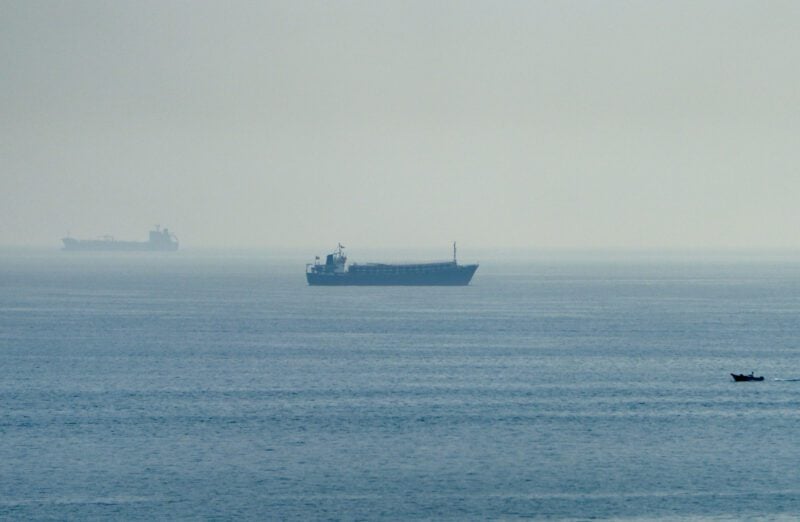
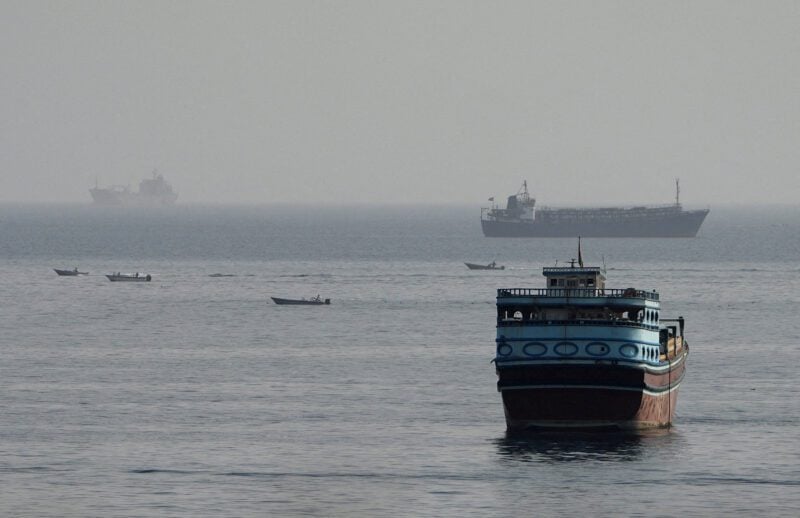
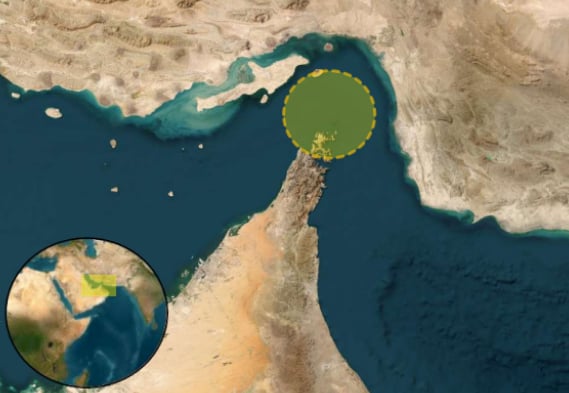
- The Strait of Hormuz is very likely to remain severely constrained but not fully closed over the next 0-14 days. At least two LNG shipments and Saudi Aramco cargoes are still moving, while UKMTO has issued attack warnings, Iran requires permits and approved insurance, and traffic data indicate sharply reduced passage. Confidence is medium because reported physical transits conflict with low AIS counts, and UKMTO has not attributed two tanker attacks to Iran. (Confidence: medium · ASSESSED)
- I&W: UKMTO issues another attack warning for a vessel in or near Hormuz, or Kpler records fewer than 10 commodity vessels transiting during a seven-day period. (0-14 days)
- I&W: Kpler records at least 20 commercial transits per day for three consecutive days, with no new UKMTO attack warning and Iran removing its passage permit or insurance requirements. (0-14 days)
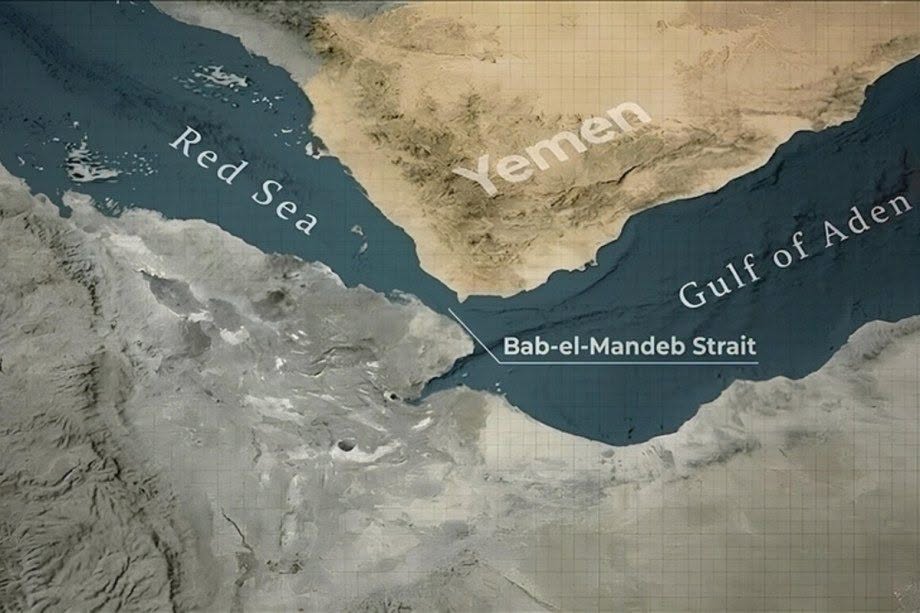
- Houthi forces are likely to sustain pressure on Saudi shipping and energy infrastructure over the next 0-14 days, but the extent of their territorial control around Bab al-Mandab remains disputed. Multiple reports confirm advances through Mokha, Dhabab and Perim Island, while other reporting claims control of the entire Red Sea coast. Confidence is medium because the territorial scope and the distinction between Houthi control and the ability to threaten shipping are unresolved. (Confidence: medium · ASSESSED)
- I&W: Houthi forces capture additional coastal or island positions beyond Mokha, Dhabab and Perim Island, or conduct another strike on Saudi Arabia's East-West Pipeline or a Saudi city. (0-14 days)
- I&W: Government-aligned forces retain positions at Al-Arady and Jabal Kahlub, while no new Houthi attack on Saudi energy infrastructure or shipping is reported for 14 consecutive days. (0-14 days)
- Humanitarian pressure in Yemen is very likely to worsen over the next 1-3 months. More than 112,000 people have been displaced, 22 million Yemenis are assessed to need urgent aid, IOM stocks are near depletion, and more than 2,400 people crossed to Djibouti in the past week. Confidence is high because UN, IOM, UNHCR and UNFPA reporting independently corroborates the scale and direction of the crisis. (Confidence: high · ASSESSED)
- I&W: IOM reports that humanitarian stocks have been depleted or that new displacement in Yemen exceeds 112,000 people. (0-30 days)
- I&W: UNHCR records another sustained flow of Yemeni arrivals to Djibouti, including women, children and older people, while UNFPA reports additional urgent obstetric needs. (1-3 months)
- Regional energy and logistics disruption is likely to persist for the next 1-3 months, while rerouting and ship-to-ship transfers are likely to limit rather than eliminate the interruption. Brent crude is above USD 100 per barrel, LNG spot prices are at their highest level in more than three years, and war-risk insurance and tanker rates have risen sharply. Confidence is medium because market indicators are well corroborated, but Hormuz transit volumes and the duration of infrastructure disruption remain uncertain. (Confidence: medium · ASSESSED)
- I&W: Brent remains above USD 100 per barrel, LNG spot prices remain above their three-year high, and war-risk insurance premiums continue to rise. (0-30 days)
- I&W: Three consecutive weeks show increased LNG and crude flows through Hormuz or the Gulf of Oman alongside declining tanker rates and lower war-risk premiums. (1-3 months)
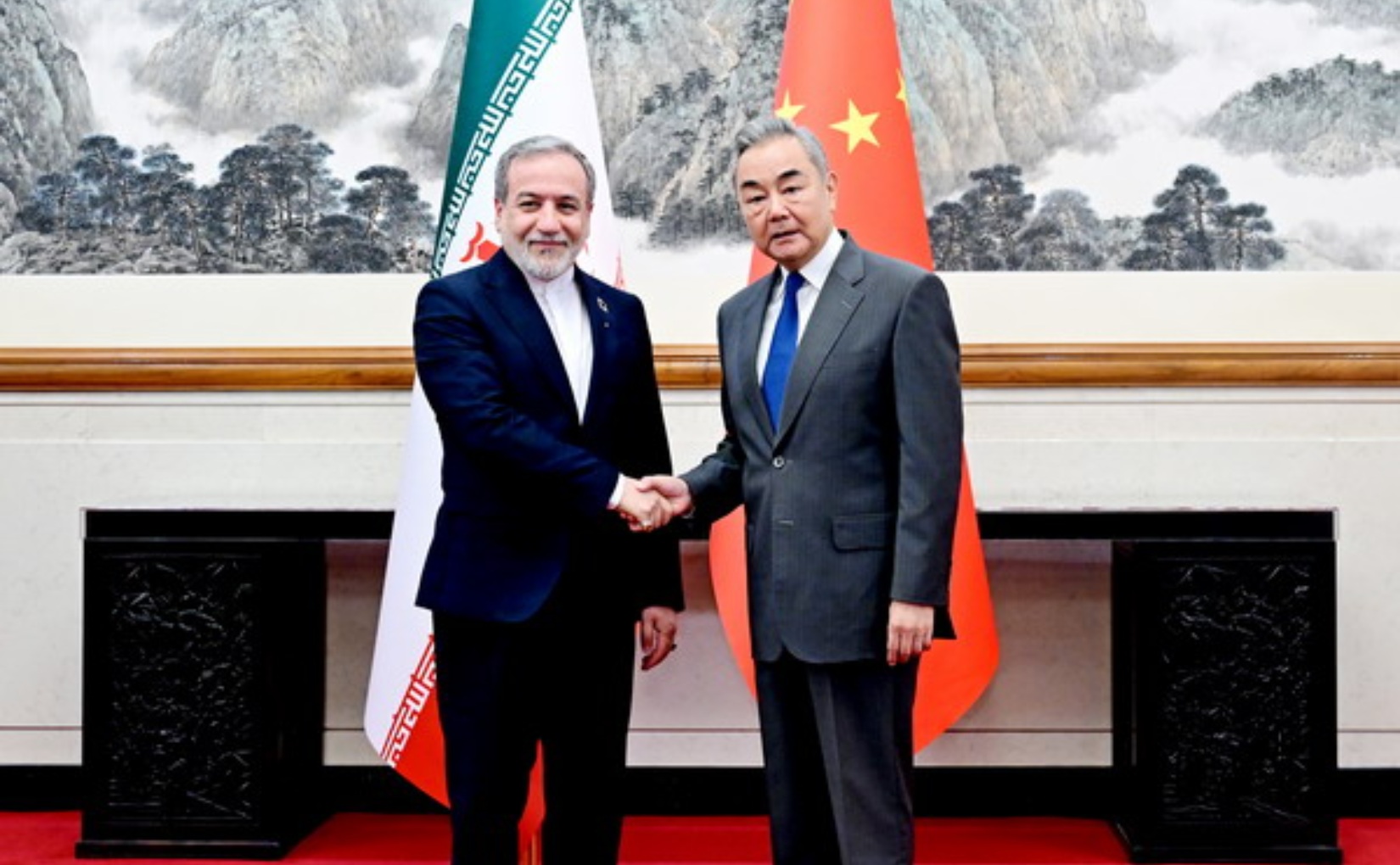
- Chinese, Iranian and Omani diplomatic activity is likely to continue, but a comprehensive de-escalation agreement is very unlikely over the next 0-14 days. China has urged Iran to restrain Houthi forces and reopen Hormuz, while Iran has conditioned regional stability on ending the US-Israel campaign. The planned Salalah talks were postponed after Bahrain indicated it would not participate. Confidence is medium because the diplomatic channel is corroborated, but the timing and substance of an alleged Iran-Oman reopening plan remain contested. (Confidence: medium · ASSESSED)
- I&W: Oman announces a new date for the Salalah talks and China, Iran and Gulf states issue a joint maritime de-escalation statement. (0-14 days)
- I&W: The Salalah talks remain postponed, Iran repeats its condition that US-Israel operations must stop first, or China reports that its request to restrain Houthi forces has failed. (0-14 days)
- US economic pressure on Iran is likely to intensify over the next 1-3 months following the 17 September designation of BitBank, its developer and associates linked by Treasury to Iranian transit payments and the IRGC. Confidence is medium because the direction of policy is clear, but reporting conflicts over whether the wider campaign is a US-only effort or part of a US-Israeli operation, and much of the evidence comes from overlapping trade reporting. (Confidence: medium · ASSESSED)
- I&W: The US Treasury announces additional designations against Iranian oil, shipping or cryptocurrency intermediaries under Operation Economic Outcast. (0-14 days)
- I&W: Washington suspends new designations or links sanctions relief to a signed US-Iran arrangement. (1-3 months)
Outlook & scenarios
Prolonged constrained conflict (45%)
US-Israel-Iran military and economic pressure continues without a settlement. Hormuz remains technically open but hazardous, Houthi forces sustain attacks against Saudi-linked shipping and infrastructure, and humanitarian displacement in Yemen rises. China and Oman continue mediation without securing a comprehensive agreement.
Maritime de-escalation without political settlement (25%)
China and Oman secure a limited maritime understanding with Iran. Commercial traffic through Hormuz increases and Houthi attacks on Saudi shipping decline, but the wider US-Israel-Iran conflict remains unresolved and sanctions continue.
Regional spillover and wider shipping shock (20%)
Houthi forces consolidate positions around Mokha, Dhabab and Perim Island and expand attacks against Saudi energy infrastructure or shipping. Saudi Arabia seeks additional external support, Hormuz and Bab al-Mandab traffic fall further, and energy and insurance costs rise.
Misattribution triggers a direct crisis (5%)
A tanker attack is incorrectly attributed to Iran, or another AI-generated intelligence error prompts US boarding preparations involving a Chinese vessel. The incident produces a direct US-Iran or US-China confrontation in the maritime domain. This is a low-probability, high-impact wildcard.
Recommendations
- Maintain separate reporting lines for physical vessel passage, AIS-observed traffic and US-facilitated movements through Hormuz. Reconcile UKMTO warnings, Kpler counts and Project Freedom figures before issuing a single transit estimate.
- Treat Hormuz as open but constrained in near-term products until three consecutive days of higher commercial traffic, no new UKMTO attack warnings and the removal of Iranian passage requirements are verified.
- Prioritise a 24-hour watch on Houthi movements around Mokha, Dhabab, Perim, Zaqar, Hanish, Mayyun, Al-Arady and Jabal Kahlub. Distinguish verified ground control from the ability to bring weapons within range of Bab al-Mandab.
- Track the Saudi East-West Pipeline repair timeline, ship-to-ship transfers near Sohar and the Gulf of Oman, and Saudi Aramco's planned Hormuz cargoes as separate indicators of Saudi export resilience.
- Build the humanitarian update around displacement, IOM stock levels, Djibouti arrivals, pregnant displaced women and refugee exposure. Request a fresh UN, IOM, UNHCR and UNFPA comparison within 30 days.
- Monitor for a new Salalah talks date, a Chinese statement on Houthi restraint, an Iranian announcement on Hormuz passage rules and any formal US-Iran maritime arrangement.
- Require two independent sources before attributing unidentified projectile attacks on tankers to Iran. Report the IRGC Navy's claim regarding Trend separately from UKMTO's non-attribution of the other attacks.
- Separate US sanctions policy from kinetic operations in all products. Label the attribution and naming of Operation Economic Outcast and Operation Epic Fury as unresolved until an official US statement clarifies the relationship.
Confidence & uncertainty
Overall confidence is high because the core developments are corroborated by multiple high-confidence reports from maritime authorities, UN agencies, major media and specialised trade publications. The main uncertainties concern the exact scale of Houthi territorial control, inconsistent dates in some transit and attack data, the attribution of unidentified tanker attacks and the status of the reported Iran-Oman reopening plan. These uncertainties reduce confidence in several forward-looking judgements without overturning the central assessment.
Intelligence gaps
- [EEI 1.1 · UNCOVERED] Observed repositioning, sustained increases, or new forward basing of Iranian conventional or IRGC forces (armored units, missile batteries, aircraft, naval vessels) toward borders or regional launch points. Recommended collection: IMINT/satellite
- [EEI 1.4 · UNCOVERED] Interdicted or observed shipments (air, sea, land manifests, seizures, satellite imagery of transfers) of advanced weapons or missile components from Iran toward proxy groups or forward staging points. Recommended collection: maritime/AIS
- [EEI 2.1 · UNCOVERED] Satellite or on-the-ground imagery showing fires, damage, or operational shutdown at major oil export facilities, refineries, storage terminals, or key pipeline infrastructure in the Gulf and Red Sea. Recommended collection: IMINT/satellite
- [EEI 2.4 · PARTIAL] Rapid increases in war-risk insurance premiums for Middle East routes, shipping company advisories to avoid region, or major charter cancellations tied to the conflict. Recommended collection: financial/open-source
- [EEI 3.1 · PARTIAL] Movement/arrival of major foreign military assets into the region: US carrier strike groups, amphibious ready groups, strategic bomber flights, Russian/Chinese naval taskings, or allied expeditionary units (visible in AIS, NOTAMs, satellite imagery, official releases). Recommended collection: IMINT/satellite
- [EEI 3.2 · PARTIAL] Official expedited arms transfers, basing/overflight agreements, or declarations of operational support (formal government announcements, defense ministry releases, logistics flight manifests). Recommended collection: open-source/diplomatic
- [EEI 3.3 · PARTIAL] Embassy evacuations, large-scale personnel movements, issuance of government travel bans/advisories, or multinational security alerts affecting foreign nationals and diplomatic posture in the region. Recommended collection: diplomatic/open-source
Cited sources
[1] TRT World · US-Iran war wiped $150 billion off Arab economies in one month, UN official says (B) · Thu Sep 17 2026 23:00:05 GMT+0000 (Coordinated Universal Time) · sha256:25db1fbb6369 [2] TV7 Israel News · Could Trump Unleash Israel Against Iran? (B) · sha256:9f3212f85019 [3] Atalayar · Gustavo de Arístegui: Geopolitical analysis of 18 September (B) · Fri Sep 18 2026 16:00:00 GMT+0000 (Coordinated Universal Time) · sha256:c03663c2efa7 [4] Arab American News · Middle East on the Brink: Iran War Fuels Wider Regional Crisis (D) · Fri Sep 18 2026 07:56:25 GMT+0000 (Coordinated Universal Time) · sha256:d4dfaedfe6b8 [5] Friends of Socialist China · Iranian Foreign Minister: Tehran is fully prepared to deepen strategic coordination with Beijing - Friends of Socialist China (D) · Fri Sep 18 2026 14:57:49 GMT+0000 (Coordinated Universal Time) · sha256:be36f284aab0 [6] Cyprus Shipping News · The war premium has moved into the balance sheet - Cyprus Shipping News (C) · Fri Sep 18 2026 02:40:52 GMT+0000 (Coordinated Universal Time) · sha256:452b8822ead6 [7] gCaptain (republishing Bloomberg content) · More LNG Getting Through Hormuz as Producers Push for Transits (B) · Fri Sep 18 2026 09:18:10 GMT+0000 (Coordinated Universal Time) · sha256:831f2db8d752 [8] gCaptain · Three Tanker Attacks Hit Hormuz as Saudi Oil Is Forced Back Toward Strait (C) · Fri Sep 18 2026 16:07:36 GMT+0000 (Coordinated Universal Time) · sha256:fba4e5bcba79 [9] gCaptain · U.S. Sanctions Crypto Exchange Tied to Iran’s Hormuz Transit Payments (C) · Fri Sep 18 2026 15:56:09 GMT+0000 (Coordinated Universal Time) · sha256:6a3c5c6367b1 [10] السفينة (Alsafina) · بعد وصول الحوثيين إلى باب المندب… معركة المرتفعات وخيارات الحكومة – السفينة (B) · sha256:685f2ba891ef [11] Al Jazeera · More than 112,000 displaced by Yemen fighting; thousands flee to Djibouti (A) · Fri Sep 18 2026 16:12:28 GMT+0000 (Coordinated Universal Time) · sha256:ff6e2ba54673 [12] Al Jazeera · The cost of Iran’s regional leverage (B) · Fri Sep 18 2026 13:52:49 GMT+0000 (Coordinated Universal Time) · sha256:e0aaad335235 [13] Med-OR (Mediterranean, Middle East & Africa Observatory) · The Houthi Advance and the Strategic Significance of Bab al-Mandab (C) · Fri Sep 18 2026 14:23:00 GMT+0000 (Coordinated Universal Time) · sha256:43e4b64ba2d4 [14] The Express Tribune · Turkish spy chief discusses Yemen in Islamabad visit (B) · Fri Sep 18 2026 00:29:09 GMT+0000 (Coordinated Universal Time) · sha256:719ad4b9a62f [15] The Daily Star · Red Sea tensions fuel insurance costs (B) · sha256:0b1d80259d9b [16] The Maritime Executive · Iran Exploits Attack on Small Product Tanker to Assert Hormuz Control (C) · sha256:093f709c7cc9 [17] gCaptain · Shipping’s New Normal: Slower Trade, Higher Costs, Bigger Profits (C) · Fri Sep 18 2026 18:05:15 GMT+0000 (Coordinated Universal Time) · sha256:f62a19210f53 [18] Global Arab Network · UAE Official: Restoring Trust with Iran Will Require Years (F) · Fri Sep 18 2026 16:38:13 GMT+0000 (Coordinated Universal Time) · sha256:98ea72af9eb1 [19] gcaptain.com · Trump Returns to UN as Iran War Spreads Across Shipping Chokepoints (F) · Fri Sep 18 2026 16:58:46 GMT+0000 (Coordinated Universal Time) · sha256:7dcae6a7bc9a
Source content hashes were computed at collection time; the cited text is preserved unmodified for the life of this product.
TLP:CLEAR