TLP:CLEAR · Disclosure is not limited.
Iran-Israel Conflict: Hormuz Disruption and Diplomatic Stalemate Persist
Time window: Last 1 day · Audience: General analyst · Type: Situation report · DTG: 2026-08-30 14:45Z · Overall confidence: MEDIUM
BLUF
Likely the US-Israel-Iran conflict will remain active over the next 0-30 days, while very likely commercial shipping through the Strait of Hormuz will remain severely disrupted. Mediation by Qatar, Oman, Pakistan and Iraq will likely continue, but a durable US-Iran settlement is very unlikely in the next 14 days.
Executive summary
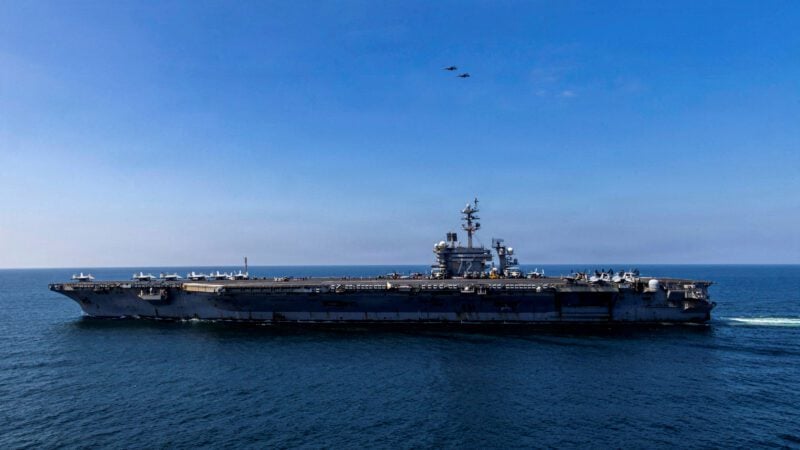
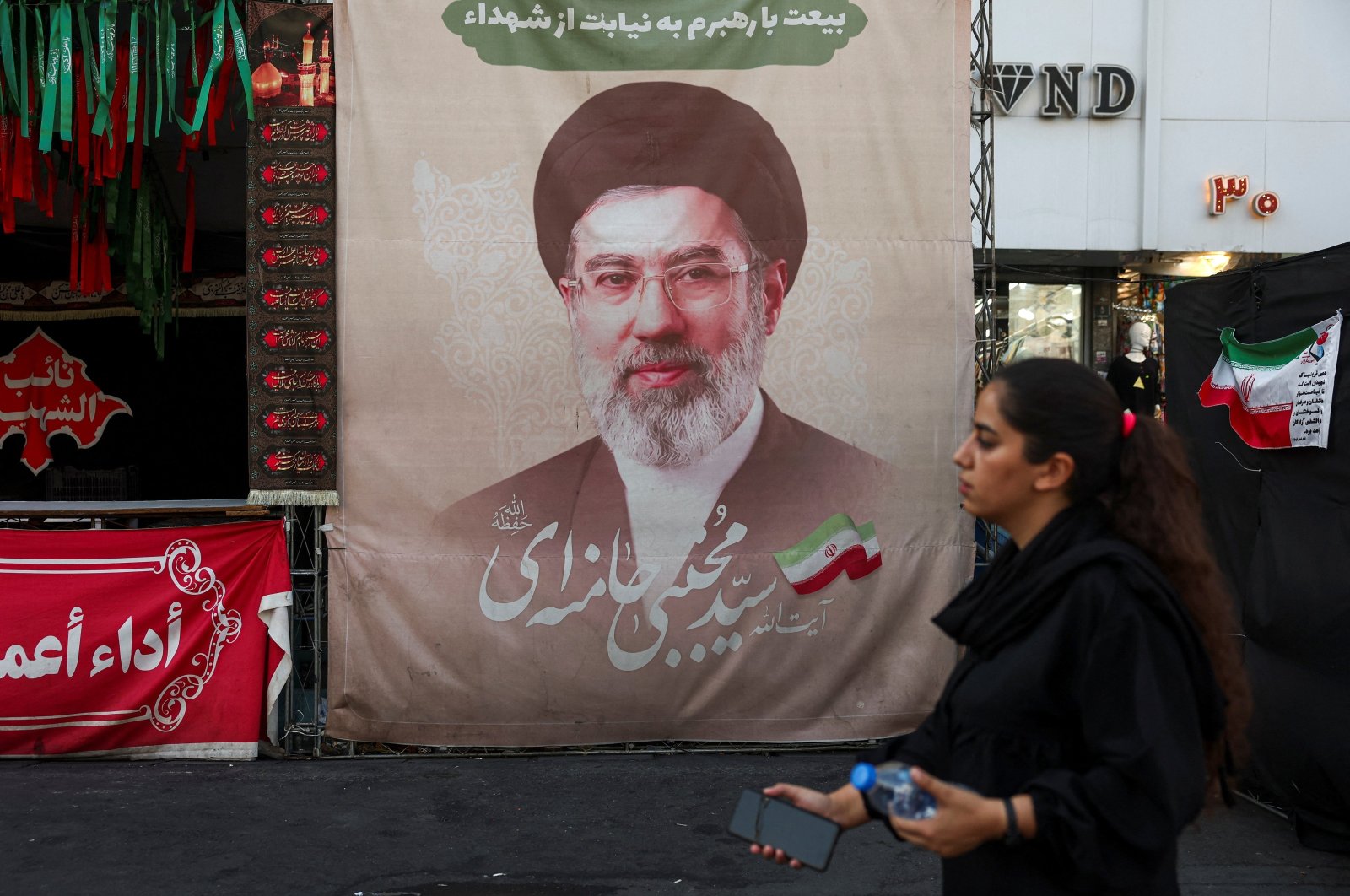
The conflict remains active six months after the 28 February strikes on Iran. Iran continues to target US military facilities in Gulf states, Israel has conducted air raids in southern Lebanon and strikes in Gaza, and the US blockade of Iranian ports remains in effect according to US officials. Hormuz status is disputed: US officials say lanes have been cleared, while Iranian officials and the IRGC Navy say the waterway remains closed or under Iranian control. On 30 August, Mojtaba Khamenei urged Muslim nations, particularly Gulf Arab states, to unite against the stated real enemy. The USS Abraham Lincoln passed Singapore while returning from a more than 250-day Middle East deployment. Diplomatic activity continues, but sanctions relief, maritime rules and Iran's nuclear programme remain unresolved.
Change from previous assessment
Since 29 August, the central assessment is unchanged: the conflict is likely to remain active, Hormuz is very likely to remain severely disrupted, US sustainment demands remain elevated, and humanitarian pressure persists. Confidence in continued diplomatic contact is raised from low to medium because the current material includes activity and statements from Qatar, Pakistan, Oman and Iraq, although confidence in a durable settlement remains low. The USS Abraham Lincoln's movement towards home is a new development that tempers, but does not reverse, the sustainment assessment. The direct US-Iran dispute over Hormuz remains unresolved.
Key judgments
- Likely the US-Israel-Iran conflict will remain operationally active over the next 0-30 days, despite the reported US pause after 13 nights of escalating strikes and the USS Abraham Lincoln's movement towards home. Iran has continued targeting US military facilities in Gulf states, while Israel has conducted air raids at al-Mansouri and near Zawtar al-Gharbiyeh in southern Lebanon and strikes in Gaza. This is an assessed forecast, and the supplied reporting does not establish the next strike tempo. (Confidence: medium · ASSESSED)
- I&W: Confirm: Iran reports another strike on a named US facility in Qatar, Kuwait, the UAE, Bahrain, Saudi Arabia or Jordan, or Israel reports another raid in southern Lebanon or strike in Gaza. (0-14 days)
- I&W: Break: Washington and Tehran announce a verified cessation of hostilities and no new Israeli military activity is reported in southern Lebanon or Gaza. (0-14 days)
- Very likely commercial shipping through the Strait of Hormuz will remain severely disrupted over the next 0-14 days, although the waterway's operational status will remain disputed. US officials say American forces cleared Iranian mines from internationally recognised shipping lanes, while Kazem Gharibabadi and the IRGC Navy say the strait remains closed or under Iranian control. Iran and Oman are discussing a corridor, but Iranian officials have provided mixed signals on reopening. Confidence is medium because the status claims directly conflict. (Confidence: medium · ASSESSED)
- I&W: Confirm: The IRGC Navy or Iran's Deputy Foreign Minister repeats that the strait is closed or under Iranian control, and no commercial vessel is publicly reported transiting the proposed Iranian-Omani corridor. (0-14 days)
- I&W: Break: Iran and Oman activate the corridor and named commercial vessels complete transits, while the US reports that its blockade has been lifted. (0-14 days)
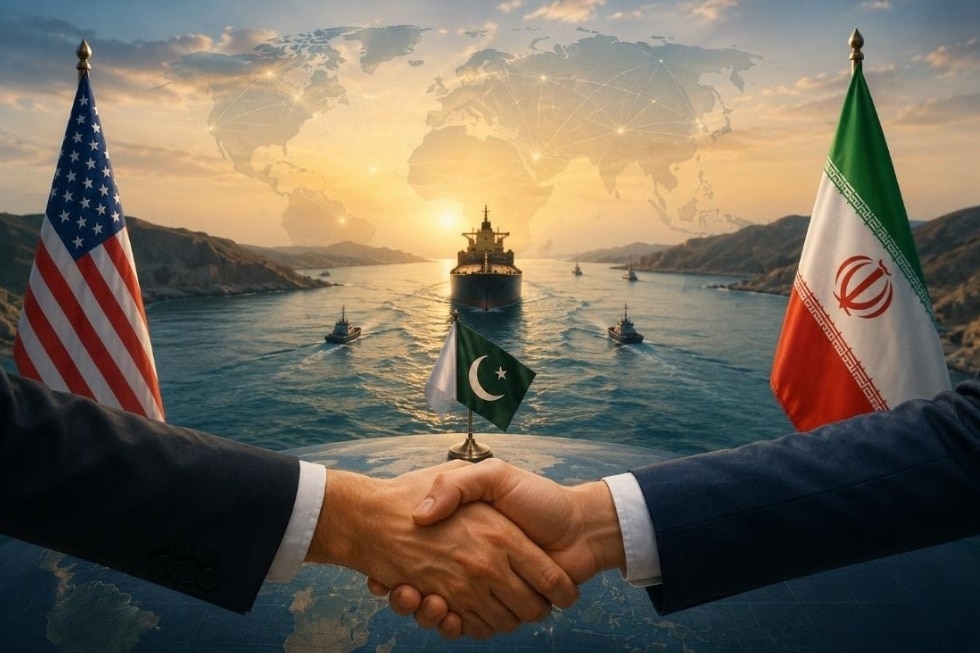
- Likely Qatar, Oman, Pakistan and Iraq will keep diplomatic channels open over the next 0-14 days. Qatar's prime minister has visited Tehran, Pakistan has reported progress in talks with Iran, Pakistan says the negotiation window remains open, and Iraq has offered to act as a bridge between Tehran and Washington. This is an assessed forecast at medium confidence because several channels are supported by major-media reporting, although the supplied material does not establish that any mediator can secure compliance. (Confidence: medium · ASSESSED)
- I&W: Confirm: Qatar, Oman or Pakistan announces another senior-level meeting, telephone call or proposal addressing US-Iran tensions or Hormuz transit. (0-14 days)
- I&W: Break: Qatar, Oman and Pakistan publicly suspend mediation or state that Tehran and Washington will no longer use their channels. (0-14 days)
- Very unlikely a durable US-Iran settlement will emerge within the next 14 days. Reports describe no confirmed agreement and leave sanctions relief, maritime rules around the Strait of Hormuz and Iran's nuclear programme unresolved. The supplied material also contains conflicting accounts of the memorandum's signing date, expiry and effect, including whether it ended the war or collapsed on 8 July. This is an assessed judgment at low confidence because the underlying agreement reporting is internally inconsistent and partly relies on blog sources. (Confidence: low · ASSESSED)
- I&W: Confirm: The next 14 days produce further statements that negotiations remain open while sanctions relief, Hormuz rules and Iran's nuclear programme remain unsettled. (0-14 days)
- I&W: Break: Washington and Tehran publish a final signed agreement with dates, sanctions measures, maritime rules and an implementation mechanism. (0-14 days)
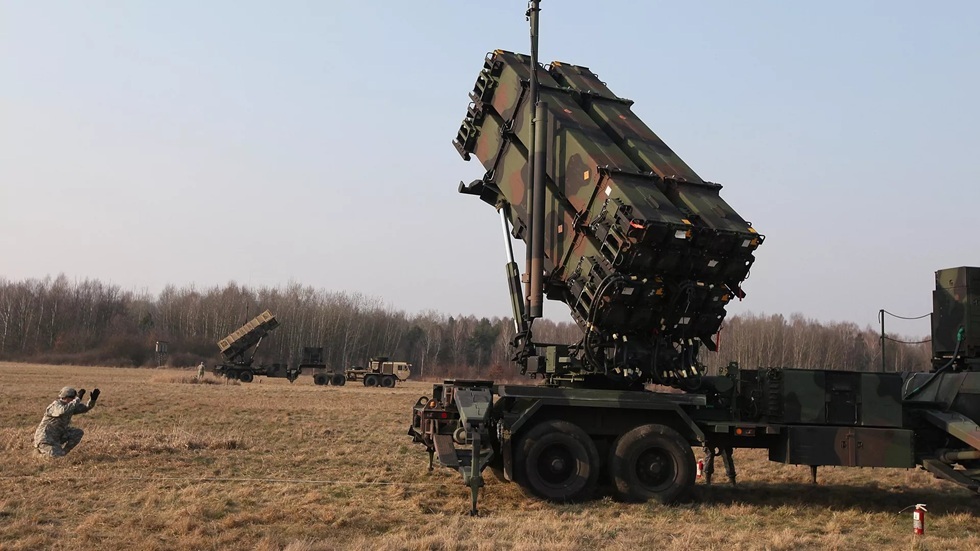
- Likely US regional force-protection and logistics demands will remain elevated over the next 0-30 days, while PAC-3, THAAD and ATACMS availability remains a constraint over the next 1-3 months. The United States has more than 50,000 troops in the Middle East and has deployed additional Marines and sailors; reporting also places PAC-3 and ATACMS stocks below critical levels, estimates that 1,700 Patriot interceptors and more than 200 THAAD missiles had been expended by mid-July, and says US European Command modified plans because of shortages. The USS Abraham Lincoln's return via Singapore tempers but does not reverse this assessment. Confidence is medium because stockpile estimates vary and rely partly on major-media reporting. (Confidence: medium · ASSESSED)
- I&W: Confirm: US European Command reports another operational-plan change linked to munitions shortages, or the Pentagon again refurbishes older Tomahawk missiles to raise available stocks. (0-30 days)
- I&W: Break: An official stockpile account places PAC-3, THAAD and ATACMS stocks above critical levels and US European Command reports no further plan changes linked to shortages. (1-3 months)
- Likely Iran and Iran-aligned Houthis will continue pressure on US and Gulf interests over the next 0-30 days, including risks to US bases and Saudi energy infrastructure. Iranian strikes have been reported against US facilities in Qatar, Kuwait, the UAE, Bahrain, Saudi Arabia and Jordan, although another account lists four bases only. Houthi spokesperson Yahya Saree has claimed strikes on Aramco sites in Jizan and Yanbu, while Saudi air defences reportedly intercepted two missiles aimed at Yanbu oil installations. Confidence is medium because the reporting corroborates a broad threat pattern but conflicts over the scope and attribution of some attacks. (Confidence: medium · ASSESSED)
- I&W: Confirm: The IRGC reports another strike on Al Udeid, Ali Al Salem, Al Dhafra or the US Fifth Fleet headquarters, or Yahya Saree reports another strike on Aramco sites in Jizan or Yanbu. (0-30 days)
- I&W: Break: Iran and the Houthis announce an end to attacks on US facilities and Saudi energy sites, followed by no additional reported strikes on those named locations. (0-30 days)
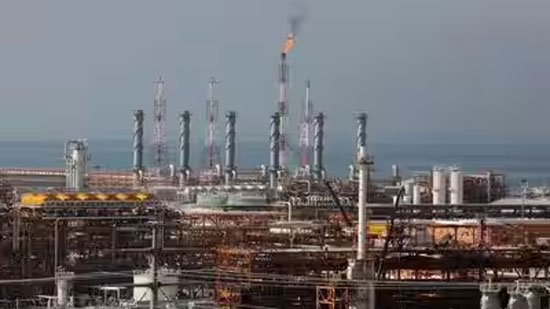
- Very likely humanitarian and economic pressure will persist in Gaza and Iran over the next 1-3 months. The United Kingdom reports that 59 per cent of Gaza's population faces crisis-level food insecurity or worse, 1.9 million Palestinians remain displaced and fuel shortages affect hospitals and water infrastructure. In Iran, Masoud Pezeshkian reports 66 per cent annual inflation and a 35 per cent fall in foreign trade, while reporting also describes an approximately one-quarter loss of daily gas production capacity and government warnings of possible winter gas shortages. Confidence is medium because the Gaza figures come from an official source, while the Iranian indicators vary in scope and rely partly on official or local reporting. (Confidence: medium · ASSESSED)
- I&W: Confirm: UK or humanitarian reporting records Gaza food insecurity at or above 59 per cent, displacement near 1.9 million or continuing fuel shortages affecting hospitals. (1-3 months)
- I&W: Break: Iranian authorities report restored gas production capacity, no winter supply warning and materially lower inflation or foreign-trade losses. (1-3 months)
Outlook & scenarios
Sustained attrition with restricted Hormuz access (55%)
Over the next 0-30 days, Iran maintains pressure on US facilities and Gulf interests, Israel continues activity in Gaza and southern Lebanon, and the United States sustains the blockade and regional force-protection effort. Hormuz remains operationally contested, with limited or no commercial transit and mediation continuing without a final settlement.
Negotiated maritime corridor and renewed talks (25%)
Over the next 0-14 days, Iran and Oman activate a corridor through Iranian and Omani waters. Commercial vessels resume limited movement, Qatar and Pakistan intensify contacts with Tehran and Washington, and the US pause in escalating strikes supports negotiations. The arrangement remains fragile while sanctions relief, maritime rules and Iran's nuclear programme remain unresolved.
Regional widening (15%)
This is a low-probability, high-impact scenario. Iran expands attacks on US facilities or Gulf energy infrastructure, the Houthis conduct further attacks on Aramco sites in Jizan or Yanbu, and Israeli operations in southern Lebanon widen. Hormuz remains closed or contested, forcing the United States to sustain high defensive and logistical demands.
Recommendations
- Maintain separate reporting lines for US and Iranian positions on the Strait of Hormuz. Do not classify the waterway as open or closed solely on the basis of official statements. Require evidence of named commercial vessels completing transit before assessing operational reopening.
- Prioritise collection on PAC-3, THAAD and ATACMS stockpiles, US European Command planning changes, Pentagon refurbishment of older Tomahawks, and the disposition of the USS Abraham Lincoln after its port movement through Singapore and Thailand.
- Track Qatar, Oman, Pakistan and Iraq mediation separately from settlement claims. Record whether each contact addresses sanctions relief, the US blockade, Hormuz maritime rules, Iran's nuclear programme or an implementation mechanism.
- Maintain a named-site warning watch for Al Udeid Air Base, Ali Al Salem Air Base, Al Dhafra Air Base, the US Fifth Fleet headquarters in Bahrain, and Aramco facilities in Jizan and Yanbu. Distinguish official claims of attack from independently corroborated physical effects.
- Separate current conflict reporting from historical and reference-work material in the next update. Recheck the conflicting dates and status of the US-Iran memorandum, the attribution of the 28 February killing of Ali Khamenei, the identity of the US ambassador cited on Qusra violence, and the differing estimates of Patriot expenditure.
- Keep Gaza humanitarian indicators and Iranian economic indicators in the same risk track. Reassess 59 per cent food insecurity, 1.9 million displaced Palestinians, Iranian inflation, foreign-trade losses, gas-production capacity and winter supply warnings at each 1-3 month review.
Confidence & uncertainty
Overall confidence is medium. Multiple official-government, wire-service and major-media reports corroborate the existence of the war, Iranian attacks on US facilities, Israeli activity in southern Lebanon and Gaza, mediation contacts, and severe humanitarian and economic pressure. Confidence is reduced by direct contradictions over whether Hormuz is open, inconsistent dates and status for the US-Iran memorandum, disputed attribution of the lethal 28 February strike that killed Ali Khamenei, the conflicting identity of the US ambassador cited on settler violence, and differing estimates of US interceptor use. Several force-stockpile and negotiation details rely on major-media or blog reporting.
Intelligence gaps
- [EEI 1.1 · UNCOVERED] Movement, dispersal, or emplacement of Iranian conventional or IRGC heavy assets (ballistic missile launchers, Khoramshahr/Toofan-class missile transporters, ground-to-ground TELs, air defense batteries, amphibious units) from garrison areas toward forward bases or coastal launch sites. Recommended collection: satellite/IMINT
- [EEI 1.2 · UNCOVERED] Authenticated Iranian military orders, NSC/IRGC operations directives, or senior leadership statements explicitly directing strikes against Israel or US forces or authorizing cross-border operations. Recommended collection: human/diplomatic
- [EEI 1.3 · PARTIAL] Changes in Israeli and US force posture indicating anticipation of direct large-scale conflict, elevated readiness levels, mobilization notices, pre-positioning of munitions, or public/private orders to prepare offensive strikes. Recommended collection: open-source/diplomatic
- [EEI 2.1 · UNCOVERED] Observable pre-launch preparations for missile/rocket/cruise missile strikes (fueling, warhead mating, launcher orientation, support vehicle congregation) and abnormal munitions handling at known launch sites. Recommended collection: satellite/IMINT
- [EEI 2.2 · UNCOVERED] Indications of proxy arms shipments and weapons transfers (truck convoys, small boat transfers, container movements from Iran to proxies, new stockpiles in Lebanon, Iraq, Yemen, Syria). Recommended collection: maritime/AIS
- [EEI 2.3 · UNCOVERED] Evidence of cyber attack planning or active exploitation campaigns targeting Israeli or US military/critical infrastructure (emergence of new command-and-control servers, spear-phishing campaigns against defense personnel, successful intrusions). Recommended collection: cyber
- [EEI 3.2 · PARTIAL] Official or leaked US government/diplomatic communications indicating thresholds for strikes, authorization for offensive operations, or limits on action (NSC/DoD statements, congressional notifications, diplomatic notes). Recommended collection: diplomatic/human
- [EEI 3.3 · UNCOVERED] Changes in US base force-protection measures and rules of engagement at regional facilities (base lockdowns, evacuation notices, flight restrictions, activation of Local Defense Forces or missile intercept systems). Recommended collection: open-source/local reporting
- [EEI 4.1 · UNCOVERED] Hezbollah-specific indicators: convoys and logistics movements toward Lebanon, Israel border, artillery/rocket emplacement in southern Lebanon, documented strikes-preparation activity, public mobilization orders or recruitment drives. Recommended collection: satellite/IMINT
- [EEI 4.3 · UNCOVERED] Militia cross-border attack evidence from Iraq/Syria: recorded rocket/mortar launch events into Israel or strikes against US facilities, movement of armed convoys toward border areas, and intercepted communications coordinating cross-border operations. Recommended collection: signals/ELINT
Cited sources
[1] Wikipedia · 2026 Iran war (C) · sha256:61ddbf5582dc [2] Reuters (republished by gCaptain) · US Military Families Ride 'Roller Coaster Of Emotions' Over Six Months Of Iran War (A) · sha256:7f13fd8b9553 [3] Sunday Guardian Live · US-Israel-Iran War Latest News: Supreme Leader Issues Warning Over Alleged US-Israel Plan To 'Fragment' Muslim Nations (B) · sha256:40c23209a1ea [4] Sunday Guardian Live · US-Israel-Iran War Latest Live News: Qatar, Turkiye Foreign Ministers Discuss Efforts To De-Escalate Middle East Tensions, Support Maritime Navigation & Lasting Peace (B) · sha256:41de23eb7569 [5] Sunday Guardian Live · US-Israel-Iran War Latest News: Netanyahu Condemns Rioters Amid Escalating West Bank Settler Violence As Middle East Conflict Intensifies (B) · sha256:7f65c95e5360 [6] DD News (content attributed to Reuters) · Iran war spreads to Red Sea and Caspian, Gulf quiet as US forgoes strikes (B) · sha256:492a91ab0511 [7] Sunday Guardian Live · US-Israel-Iran War Latest News: USS Abraham Lincoln Moves Toward Home After Middle East Mission, Passes Singapore (B) · sha256:a02e50ee2020 [8] Sunday Guardian Live · US-Israel-Iran War Latest News: Tehran Shows No Urgency To Reopen Strait Of Hormuz Amid Qusra Tensions (B) · sha256:a1c4eb0988f1 [9] Daijiworld Media Network · Iran discovers 7.5 tcf gas reserves amid US-Israel tensions (D) · sha256:75424c3a68e9 [10] China Daily · US-Iran talks window 'not closed' (B) · sha256:bbfa8fada23e [11] Fair Observer · How Pakistan’s “Dual-Track” Diplomacy Helped to Calm the US-Iran Crisis (D) · sha256:4d184db1cd05 [12] RT Arabic · وول ستريت جورنال: الحرب على إيران استنزفت ترسانات أمريكا في أوروبا وآسيا (B) · sha256:4cde4d348440 [13] Daily Sabah · Iran's Khamenei urges Muslim states to unite, oppose 'real enemy' | Daily Sabah (B) · sha256:740205391452 [14] Wikipedia · Timeline of the 2026 Iran war (C) · sha256:0965dfb32b89 [15] CNN (republished by Egypt Independent) · Six months into the Iran war, Iranian Americans remain divided over what comes next (A) · sha256:ed267dcdb715 [16] UK Government (gov.uk) · Both parties must fulfil their commitments under Resolution 2803 and refrain from actions that undermine peace: UK statement at the UN Security Council (A) · sha256:22593220c0b4
Source content hashes were computed at collection time; the cited text is preserved unmodified for the life of this product.
TLP:CLEAR