TLP:CLEAR · Disclosure is not limited.
Iran-Israel Conflict: Hormuz Disruption and Lebanon Escalation
Time window: Last 1 day · Audience: General analyst · Type: Situation report · DTG: 2026-09-07 19:38Z · Overall confidence: HIGH
BLUF
Very likely US-Iran exchanges and severe disruption to Strait of Hormuz shipping will continue over the next 0-14 days. Israeli strikes in southern Lebanon, including the deaths of at least 11 people in Kfar Roummane, raise the risk that the Lebanon front will further weaken the June ceasefire while diplomatic efforts remain unlikely to produce a durable halt soon.
Executive summary
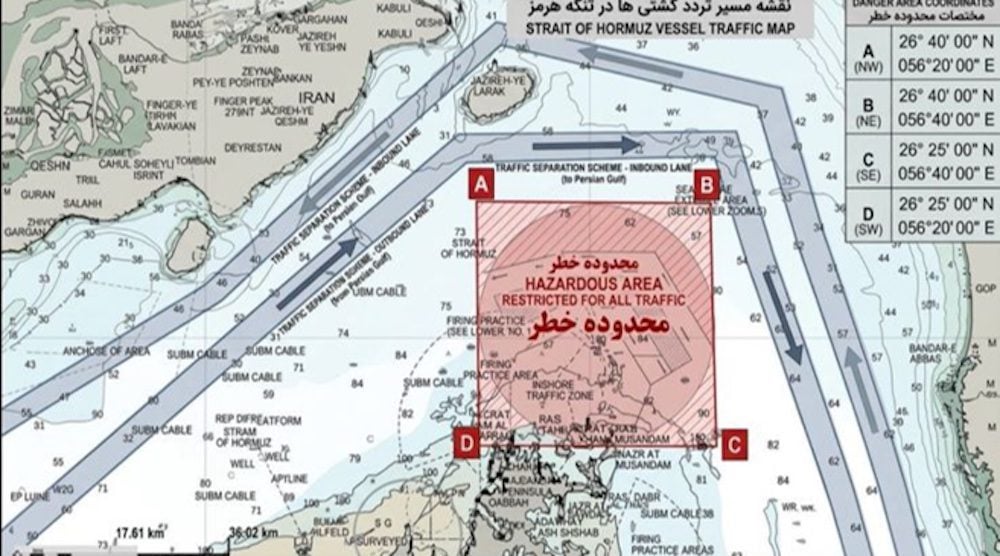
The conflict has intensified across maritime and land fronts. US and Iranian forces continue to exchange attacks, while commercial traffic through the Strait of Hormuz remains far below normal despite a US official describing the waterway as fully open. Iran is preparing a restricted zone and a proposed Iran-Oman shipping corridor, but the status of those arrangements remains unsettled. Israeli strikes in southern Lebanon have killed at least 11 people in Kfar Roummane and at least 27 people across southern Lebanon over three days, while Hezbollah has launched explosive drones at Israeli troops. Diplomatic activity continues, but the June understanding has not restored a durable cessation of hostilities.
Change from previous assessment
The core assessment is unchanged: US-Iran exchanges, severe Hormuz disruption, regional spillover and weak prospects for a durable ceasefire remain the leading judgements. This brief raises concern on the Lebanon front after Israeli strikes in Kfar Roummane killed at least 11 people and the Lebanese health ministry reported at least 27 deaths across southern Lebanon over three days. It also adds greater emphasis on Iran's proposed restricted zone and temporary shipping corridor, the IAEA verification gap and the proposed UN Security Council referral. Confidence is higher on the observed scale of Hormuz traffic reduction, but remains medium on the competing accounts of maritime control and tanker attribution.
Key judgments
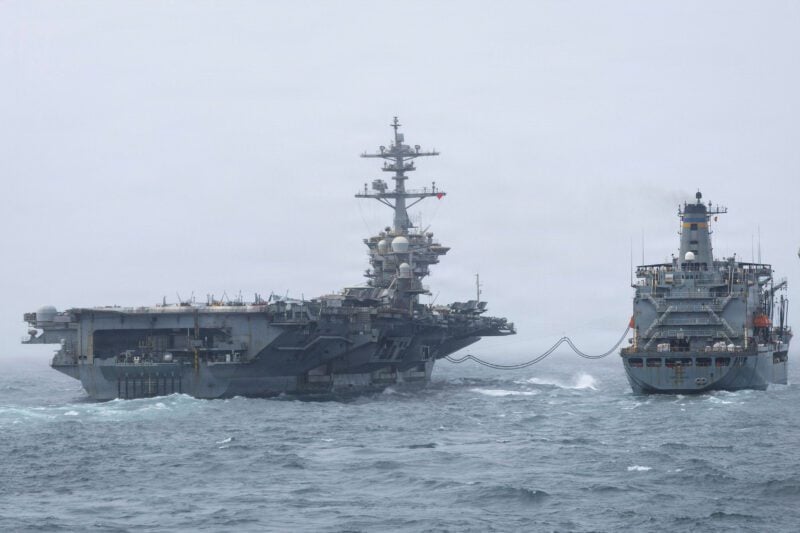
- Very likely US-Iran military exchanges will continue over the next 0-14 days. The latest escalation has ended a month-long lull, with US Central Command reporting strikes on three Iranian oil tankers after IRGC attacks on US warships, while the IRGC claims it targeted tankers and US vessels in retaliation. The sequence, attribution and damage status of the tanker attacks remain contested, lowering confidence in the detailed operational account. (Confidence: medium · ASSESSED)
- I&W: A further IRGC missile or drone attack on a US-linked vessel, or a new US strike on an Iranian military or maritime asset, would confirm continuation. (0-14 days)
- I&W: Fourteen consecutive days without a reported US-Iran strike, combined with a formal halt to maritime enforcement activity, would break this judgement. (0-14 days)
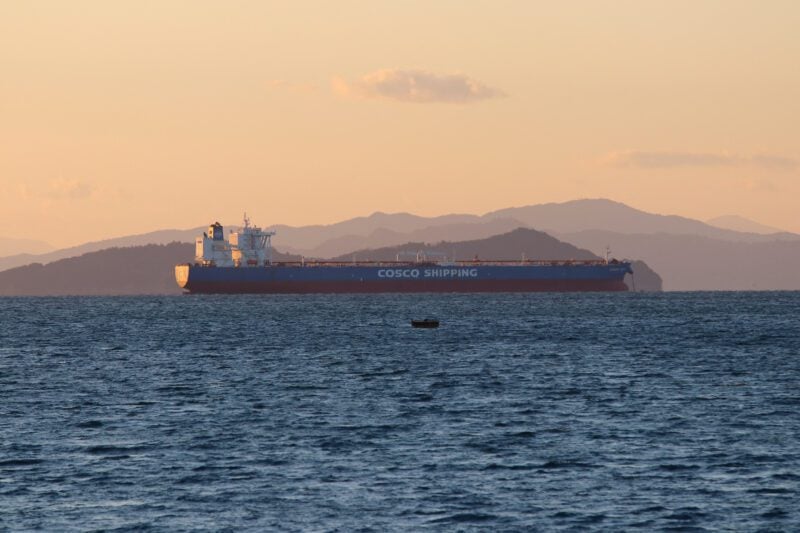
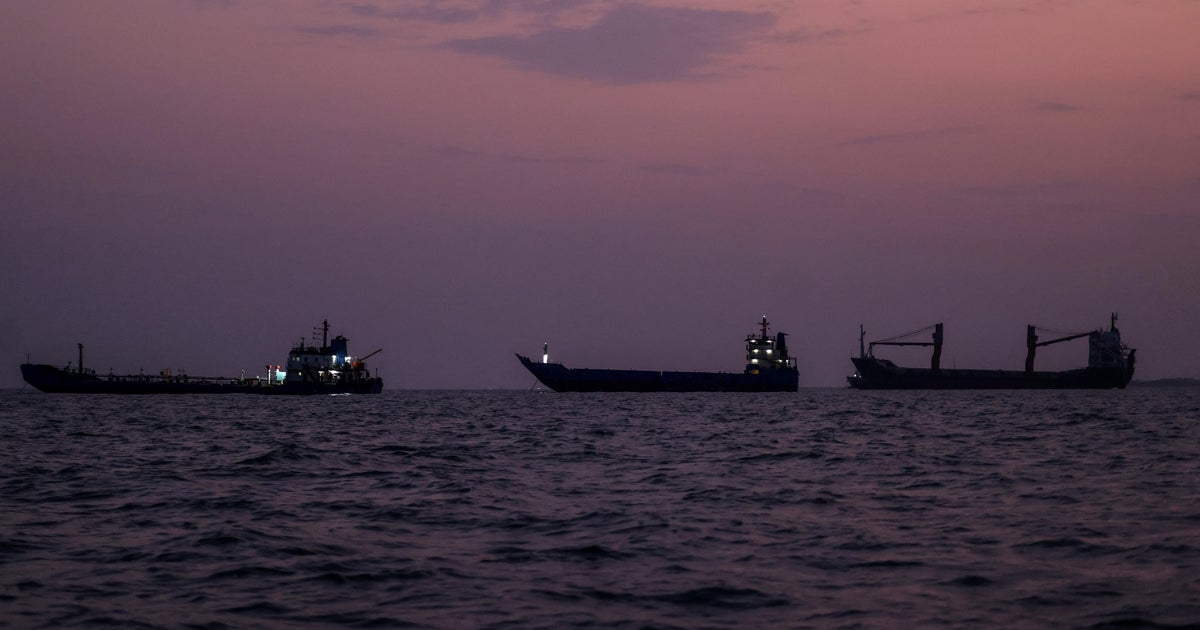
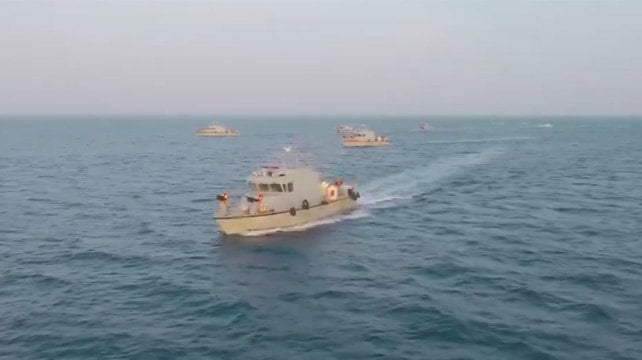
- Very likely commercial traffic through the Strait of Hormuz will remain far below pre-conflict levels over the next 0-14 days, and likely remain disrupted for 1-3 months. Kpler reports an average of 10 commodity ships per day over the past 10 days, only two transits on Saturday and six on Sunday, and no very large crude carrier exits since Wednesday. UKMTO has recorded 27 projectile incidents since 6 July, while LSEG recorded a tanker being turned back. These data conflict with a senior US official's description of the strait as fully open, but the conflict affects the assessment of control rather than the observed reduction in traffic. (Confidence: high · ASSESSED)
- I&W: Kpler records at least 50 commodity-vessel transits per day for seven consecutive days, with renewed very large crude carrier exits, would indicate sustained recovery. (0-14 days)
- I&W: A further week with no very large crude carrier exits, additional vessels turned back, or new projectile incidents would confirm persistent disruption. (0-14 days)
- Very likely Israel-Hezbollah exchanges will continue over the next 0-14 days, and the June US-brokered ceasefire will remain at risk. Israeli strikes in Kfar Roummane killed at least 11 people, including two children and four women, while the Lebanese health ministry reported 12 deaths there and at least 27 deaths across southern Lebanon over three days. The IDF says the strikes followed two Hezbollah explosive-drone attacks near the Ali al-Taher ridge. The differing Kfar Roummane casualty counts do not change the assessment that the front has intensified. (Confidence: high · ASSESSED)
- I&W: Another Hezbollah drone or rocket attack followed by Israeli strikes in southern Lebanon would confirm continued escalation. (0-14 days)
- I&W: A 14-day halt to Israeli strikes and Hezbollah attacks, accompanied by a verified return to June ceasefire arrangements, would break this judgement. (0-14 days)
- Likely Iran-backed Houthi pressure on Saudi positions, Saudi oil facilities and shipping near Bab el-Mandeb will continue over the next 0-14 days. The Houthis are reported to be conducting an offensive near the strait, have increased attacks on Saudi positions and supply convoys, and declared a blockade of Saudi shipping interests in the Bab el-Mandeb and Red Sea. Confidence is medium because several details rely on trade reporting or claims by parties to the conflict, and the reporting does not establish uniform expansion across all regional fronts. (Confidence: medium · ASSESSED)
- I&W: A confirmed Houthi strike on a Saudi oil facility, military position or commercial vessel would confirm continued regional spillover. (0-14 days)
- I&W: A publicly verified cessation of Houthi attacks and withdrawal of the declared shipping blockade would break this judgement. (0-14 days)
- Unlikely a durable US-Iran ceasefire will be implemented over the next 0-14 days, although mediation and limited maritime negotiations are likely to continue. Qatar remains involved in mediation, Iran and Oman report advanced discussions on a temporary safe route, and Iran has proposed a new restricted zone. At the same time, Donald Trump has dismissed the June agreement, Washington has proposed a UN Security Council referral, and the IAEA reports no current engagement with Iran. The competing diplomatic signals support continued contact but not a durable halt. (Confidence: medium · ASSESSED)
- I&W: A formal US-Iran announcement implementing a cessation of attacks, reopening shipping access and restarting direct talks would confirm a shift towards a durable halt. (0-14 days)
- I&W: A new US or Iranian strike, or a formal rejection of mediation by Washington or Tehran, would break this judgement. (0-14 days)
- Likely the IAEA verification gap over Iran's near-weapons-grade uranium stockpile will persist in the near term, increasing uncertainty around the nuclear dimension of the conflict. Inspectors have been unable to verify the stockpile's location, Rafael Grossi says there is currently no engagement with Iran, and Washington is proposing referral to the UN Security Council. This judgement rests on recent major-media reporting and official statements, with no independent confirmation in the available claims of the stockpile's present location. (Confidence: medium · ASSESSED)
- I&W: IAEA inspectors regain access to Iranian nuclear facilities and publish a verified accounting of the uranium stockpile would break this judgement. (1-3 months)
- I&W: A further IAEA statement confirming no access, combined with a completed UN Security Council referral, would confirm persistence of the verification gap. (0-14 days)
- Likely energy and supply-chain pressure will persist for 1-3 months. Brent crude is trading above 97 dollars a barrel, the US average price of unleaded petrol reached 4.15 dollars per gallon and diesel reached 5.88 dollars, while Strait of Hormuz traffic remains sharply reduced from the reported pre-conflict level of roughly 125 commercial vessels per day. Gulf officials report that energy supplies have been maintained without drawing on strategic reserves, but those assurances do not remove the exposure created by continued attacks and low shipping volumes. (Confidence: medium · ASSESSED)
- I&W: Brent crude remains above 97 dollars a barrel for seven days while Strait of Hormuz traffic stays below 20 commodity vessels per day would confirm persistent pressure. (0-14 days)
- I&W: A sustained return of traffic towards the reported pre-conflict level, alongside a fall in Brent crude below 90 dollars a barrel, would break this judgement. (1-3 months)
Outlook & scenarios
Continued attrition with constrained shipping (70%)
Very likely over the next 0-14 days. US-Iran strikes continue, Hormuz traffic remains far below normal, Iran advances its restricted-zone plan, and Israel-Hezbollah exchanges continue in southern Lebanon. Diplomatic contacts remain active but do not produce a durable cessation.
Managed maritime access without a political settlement (35%)
Likely if Iran and Oman complete registration of a temporary safe route and the United States continues naval escorts. Shipping traffic recovers partially, but the wider conflict continues and the route remains vulnerable to renewed attacks or competing Iranian enforcement measures.
Broader regional spillover (25%)
A lower-probability scenario in which Houthi attacks on Saudi positions, oil facilities or shipping intensify while the Lebanon front expands. Further Israeli activity in Syria and continued Iranian pressure on Gulf shipping would increase the risk of a wider confrontation.
Nuclear or internal Iranian shock (10%)
A low-probability, high-impact scenario in which the IAEA verification gap persists, pressure over Iran's uranium stockpile rises and severe economic stress produces major internal unrest. US, Israeli and Iranian leaders then adopt more escalatory positions, sharply reducing the space for mediation.
Recommendations
- For daily reporting, treat the Strait of Hormuz as navigable but operationally disrupted until Kpler, LSEG and UKMTO data show sustained recovery. Reconcile vessel categories and reporting windows before citing a single traffic figure.
- Track Iran's restricted-zone announcement, proposed corridor maps, IMO registration and enforcement actions as separate indicators. Do not treat the corridor as operational until registration and actual commercial use are independently observed.
- Maintain a 0-14 day Lebanon watchlist covering Hezbollah drone or rocket launches, Israeli strikes around Kfar Roummane and the Ali al-Taher ridge, new casualty reporting and any formal statement that the June ceasefire has ended.
- Prioritise IAEA access, verification of Iran's uranium stockpile and the timing of any US proposal to refer Iran to the UN Security Council. Report official claims separately from independently verified inspection activity.
- Monitor Houthi activity against Saudi military positions, oil facilities and commercial shipping near Bab el-Mandeb. Treat any confirmed attack on Saudi energy infrastructure as an escalation trigger requiring immediate reassessment.
- Separate physical energy availability from market and transport stress in assessments. Track Brent crude, US petrol and diesel prices, tanker movements and Gulf claims about strategic-reserve use as distinct indicators.
- Preserve competing US, Iranian, Israeli and Lebanese accounts in situation reporting where attribution or casualty figures remain disputed. Avoid presenting the tanker sequence or the precise Kfar Roummane death toll as settled.
Confidence & uncertainty
Overall confidence is high because the core developments are supported by multiple high-reliability wire-service, major-media, official and commercial-data accounts. Kpler, LSEG and UKMTO reporting independently corroborates severe Hormuz disruption, while major-media reporting and official Lebanese, Israeli and Hezbollah statements corroborate renewed violence in southern Lebanon. The main uncertainties concern the attribution and damage status of the 5 September tanker attacks, the degree of US control over Hormuz, the formal status of the proposed Iran-Oman corridor, conflicting casualty counts and the duration of the conflict.
Intelligence gaps
- [EEI 1.1 · UNCOVERED] Unusual long-range missile/rocket transporter-launcher (TEL) movements, storage activation, or assembly activity at known IRGC missile sites or forward staging areas. Recommended collection: satellite/imagery
- [EEI 1.2 · PARTIAL] Orders, threat-alert messages, or changes in posture from IRGC, Quds Force, or senior Iranian military leadership indicating attack timelines or rules of engagement changes. Recommended collection: signals/ELINT and HUMINT
- [EEI 1.3 · PARTIAL] Large-scale transfers, deliveries, or convoy movements of armed UAVs/drones, guided munitions, or spare parts from Iran into Lebanon (Hezbollah), Iraq, Syria, or Gaza. Recommended collection: air/aviation track and HUMINT
- [EEI 1.4 · UNCOVERED] Sustained changes in Israeli air-defense usage (SAM launches, radar activations), wide-area alerts, or NOTAMs indicating elevated imminent strike response. Recommended collection: air/aviation/NOTAMs and signals
- [EEI 2.1 · PARTIAL] Concentration, repositioning, or sortie patterns of Iranian naval/IRGC patrol boats and fast-attack craft near shipping chokepoints or commercial lanes. Recommended collection: maritime/AIS and satellite/imagery
- [EEI 2.3 · PARTIAL] Insurance market indicators: sudden spikes in war-risk or hull insurance premiums for routes through the Red Sea, Suez corridor, or Persian Gulf, and major carriers announcing route changes. Recommended collection: financial/market and commercial shipping notices
- [EEI 2.4 · PARTIAL] Port closures, naval escorts requested by commercial operators, or formal rerouting advisories issued by major shippers (e.g., Maersk, Hapag-Lloyd) for regional transits. Recommended collection: commercial/OSINT
- [EEI 3.1 · PARTIAL] Deployment of foreign military assets to the region (carrier strike groups, amphibious ships, combat aircraft deployments, or additional bases activated) from the US, UK, France, Russia, or GCC states. Recommended collection: maritime/AIS and air/aviation and satellite/imagery
- [EEI 3.3 · UNCOVERED] Confirmed arms transfers, expedited weapons shipments, or transfer authorizations to Israel, Iran, or their proxies (aircraft parts, munitions, air defenses). Recommended collection: customs/INTEL and HUMINT
- [EEI 3.4 · UNCOVERED] Issuance of travel warnings, embassy evacuations or reductions, and closure of diplomatic missions by major capitals indicating escalation risk or shifted threat assessments. Recommended collection: OSINT/diplomatic
TLP:CLEAR