TLP:CLEAR · Disclosure is not limited.
Iran-Israel Conflict: Hormuz Disruption and Regional Escalation
Time window: Last 1 day · Audience: General analyst · Type: Situation report · DTG: 2026-10-16 13:43Z · Overall confidence: HIGH
BLUF
The Strait of Hormuz remains open to some commercial traffic, but transits are far below the 2025 average and JMIC continues to assess the threat to vessels as severe. A US strike on Iran before 3 November is unlikely; reported contingency planning and remarks about action after the US midterm elections keep the post-election outlook less certain.
Executive summary
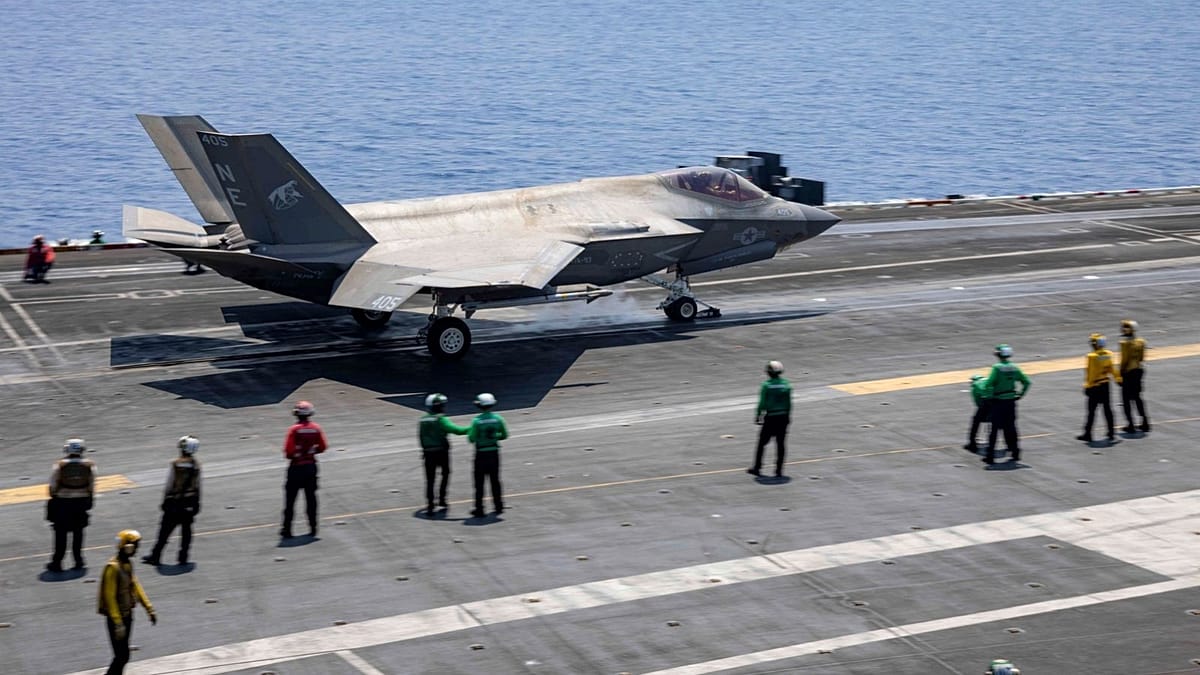
As of 16 October 2026, attacks on commercial vessels and sharply reduced shipping through the Strait of Hormuz remain central to the conflict’s regional impact. JMIC recorded eight projectile attacks on 11 and 13 October and 121 US-facilitated transits from 11 to 14 October, averaging about 30 a day against a 2025 average of roughly 138. The Singapore-flagged GFS PRIDE sank after being struck, with all 21 crew evacuated; two crew members from the PETRO DOLPHIN were reported missing after an attack near Sohar, Oman. Iranian commanders have warned of retaliation against Israeli targets and allies if Iranian infrastructure is attacked. Saudi reporting and Reuters describe continuing Houthi attacks on King Khalid International Airport and Saudi Aramco facilities, while accounts disagree on casualty totals and on whether the Houthis act at Tehran’s direction. The USS George H. W. Bush is reported patrolling the Arabian Sea, and a local-media report says the Israeli Air Force began strikes in Lebanon on 16 October; the IDF has not explained the purpose of an interceptor launch near the border.
Change from previous assessment
Since the 15 October brief, this assessment adds JMIC’s report of eight projectile attacks on 11 and 13 October and its count of 121 US-facilitated Hormuz transits from 11 to 14 October. It also adds the reported attack on the PETRO DOLPHIN near Sohar, the return of the USS George H. W. Bush to the Arabian Sea, Iranian officials’ explicit retaliation warnings, and reports of Israeli strikes and an interceptor launch near Lebanon. The pre-election US strike judgment remains unlikely and low confidence; the reported possibility of intensified strikes after 3 November supports extending the outlook beyond the election, but does not establish authorisation. No prior judgment is retired.
Key judgments
- Commercial shipping continues through the Strait of Hormuz at substantially reduced levels, rather than having stopped. JMIC reported 121 US-facilitated transits from 11 to 14 October, an average of about 30 per day compared with roughly 138 daily in 2025; CENTCOM separately claimed more than 40 commercial ships transited in a 24-hour period. These reports conflict with claims that traffic has practically stopped or that the Strait has been closed since 28 February. Confidence in the exact traffic picture is medium because the figures cover different time windows and reporting bases. (Confidence: medium · REPORTED)
- I&W: Confirm: the next JMIC advisory records fewer than 50 daily transits or continued US-facilitated transit levels near the 11 to 14 October average. (0-14 days)
- I&W: Break: JMIC records more than 100 daily transits for seven consecutive days, with no new reported attacks on commercial vessels. (0-14 days)
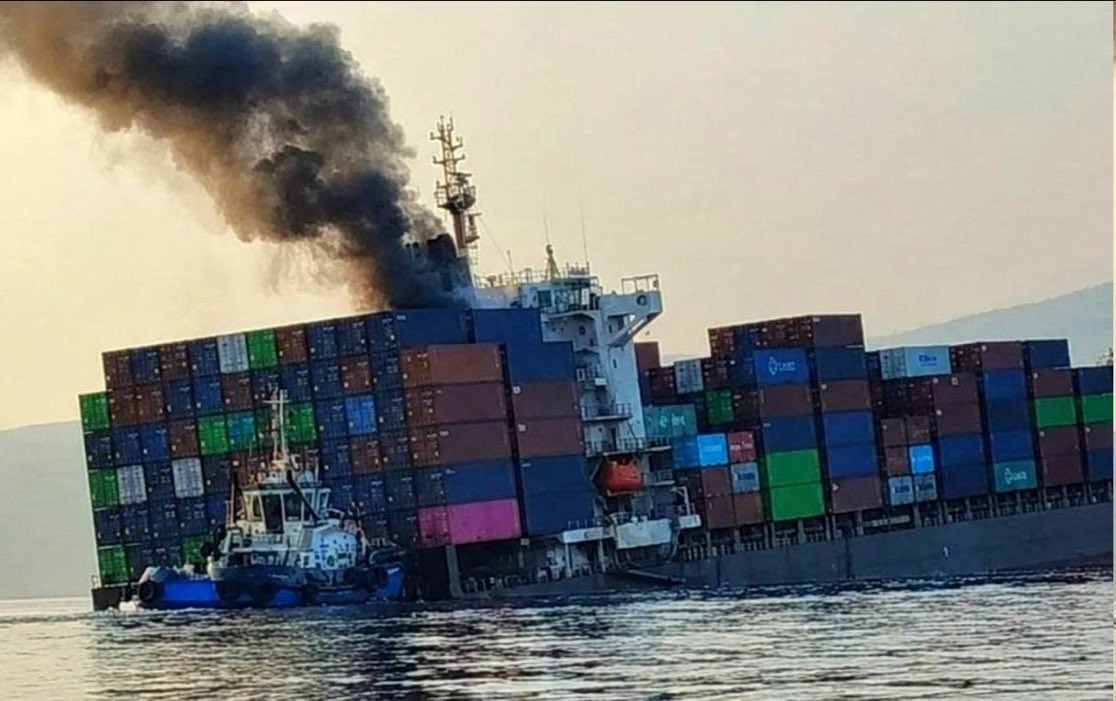
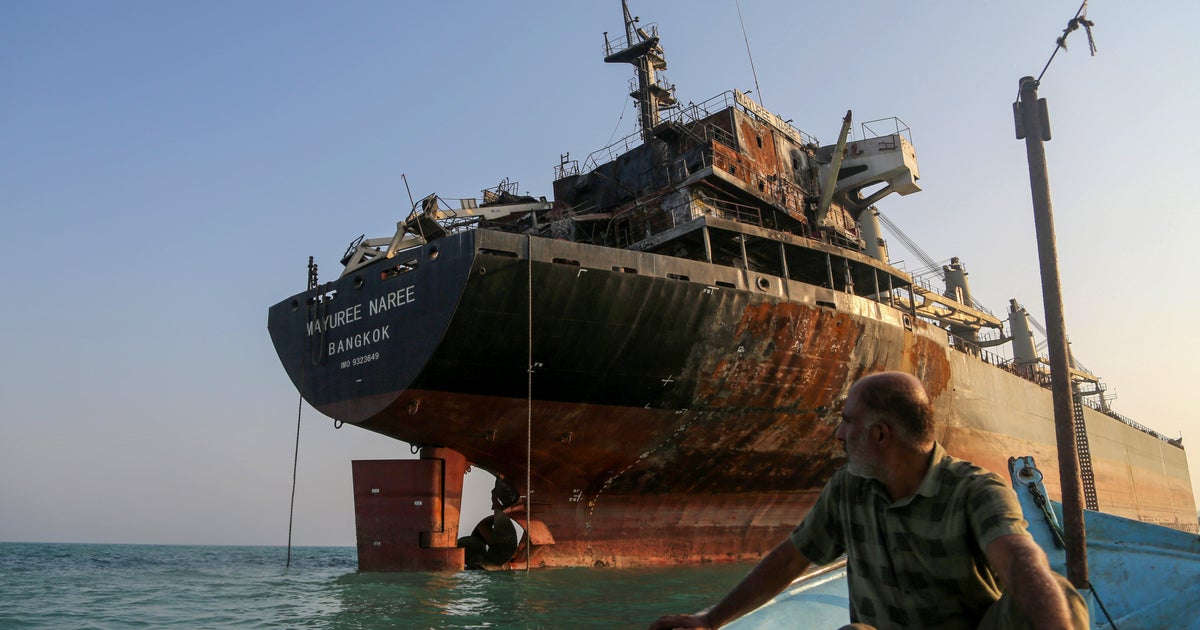
- Hostile action against commercial vessels in and around the Strait of Hormuz is likely to continue over the next 0-14 days. JMIC documented eight projectile attacks on 11 and 13 October, involving four tankers and four containerships, and rated the threat severe. The GFS PRIDE sank after being struck on 13 October, and the PETRO DOLPHIN was attacked near Sohar, Oman, with two crew members missing. Attribution remains unresolved: CENTCOM attributed the GFS PRIDE strike to an IRGC projectile, while the IRGC said the ship hit a mine. Confidence is medium because maritime reporting corroborates the incident pattern, but it does not settle responsibility for every attack. (Confidence: medium · ASSESSED)
- I&W: Confirm: JMIC or UKMTO reports another projectile strike, boarding, or other deliberate attack on a named commercial vessel in the Strait of Hormuz or near Sohar. (0-14 days)
- I&W: Break: JMIC lowers its Strait of Hormuz threat rating from severe and reports no deliberate hostile action against commercial vessels for 14 consecutive days. (0-14 days)
- A US strike on Iran before the 3 November midterm elections is unlikely; a strike in the following 1-3 months is a roughly even chance on the supplied reporting. Trump reportedly said the US would not attack before the election, but another account attributes to him remarks that intensified air strikes after the election were possible. CBS and CNN reporting describes contingency plans, including possible use of a MOAB, but does not establish presidential authorisation. The USS George H. W. Bush and USS George Washington are reported operating in the Arabian Sea; their presence does not establish a decision to strike. Confidence is low because the planning reports rely on unnamed sources and the public remarks require verification against their original context. (Confidence: low · ASSESSED)
- I&W: Confirm: the White House or Pentagon publicly confirms presidential authorisation for strikes, or announces an operation against Iranian targets after 3 November. (0-3 months)
- I&W: Break: the White House publicly rules out strikes through 31 January 2027 and confirms that the reported contingency planning has been cancelled. (18 days-3 months)
- If the United States or Israel strikes Iranian infrastructure, Iranian retaliation against Israeli targets and their allies is likely. Iranian army commander-in-chief Amir Hatami warned of proportionate strikes against Israeli targets and allies after an attack on Iran; IRGC deputy commander Mostafa Izadi and Supreme National Security Council secretary Mohsen Rezaei also issued warnings, with Rezaei naming US data centres and AI infrastructure as targets if hostilities resume. These are direct statements of intent, not confirmation of an approved operational plan. Confidence is medium because several named Iranian officials made public threats, but the reporting does not establish operational decisions. (Confidence: medium · ASSESSED)
- I&W: Confirm: Iranian authorities announce retaliatory action after a US or Israeli strike, or a named government reports an Iranian missile or drone attack on an Israeli target or US facility. (0-14 days after any strike)
- I&W: Break: Tehran publicly withdraws the stated retaliation threats and no Iranian attack is reported for 14 days after any strike. (0-14 days after any strike)
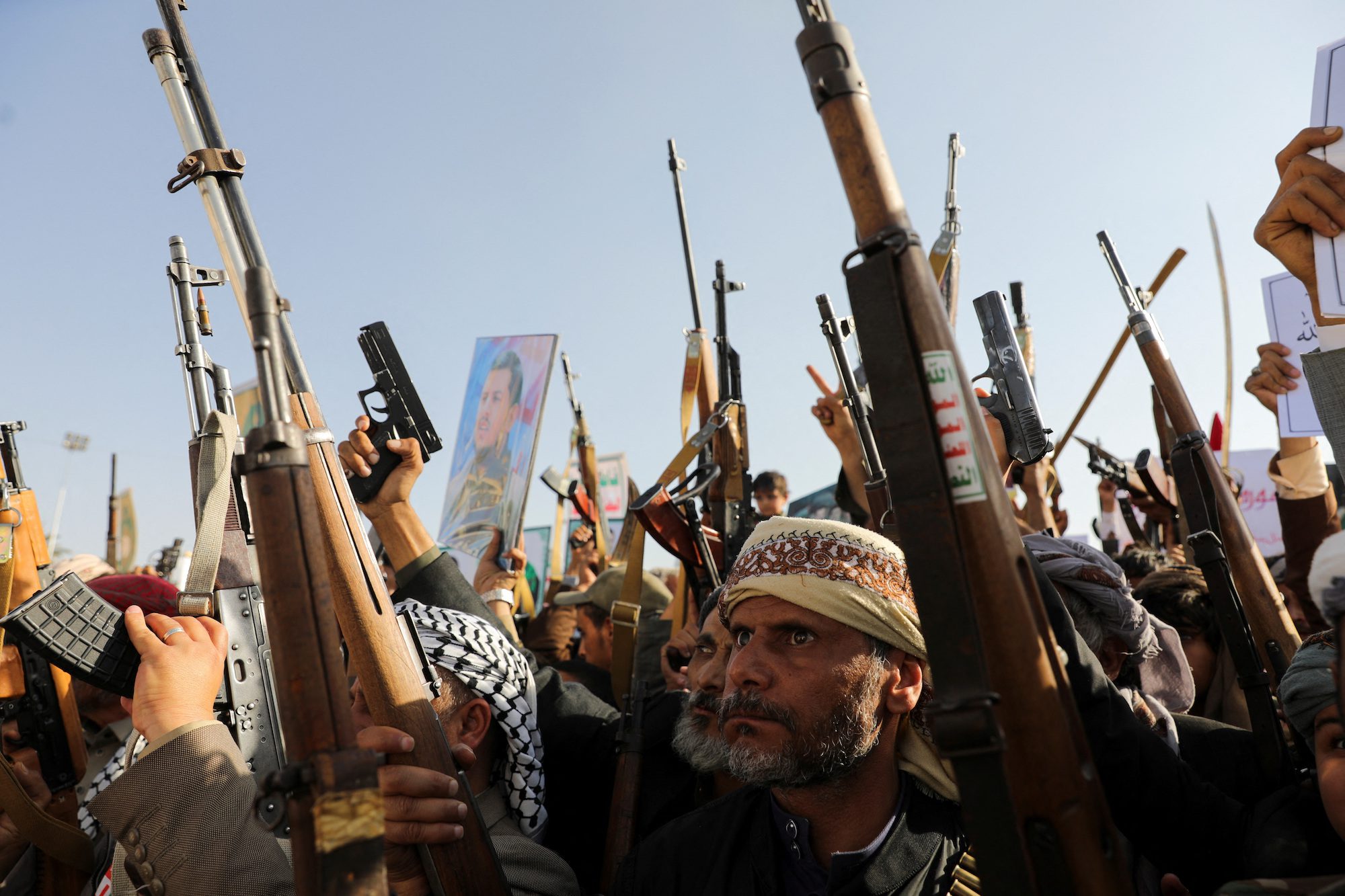
- Houthi attacks on Saudi Arabia are likely to continue over the next 0-14 days, including pressure on King Khalid International Airport and Saudi Aramco facilities. Reuters reporting describes attacks on both sites, and a Saudi coalition spokesman reported 20 attacks on King Khalid International Airport since 1 October. The coalition’s reported tolls differ by scope: one account gives 17 deaths and more than 330 injuries at the airport, while another gives about 19 deaths and 364 injuries from attacks on civilian airports across Saudi Arabia. The Houthis’ relationship to Tehran’s decisions remains contested: a senior Iranian official described a broader Iran-allied strategy, while Houthi spokesman Mohammed Abdulsalam denied acting at Iran’s behest. Confidence is medium for continued attacks, but lower for attribution of their strategic direction. (Confidence: medium · ASSESSED)
- I&W: Confirm: Saudi Civil Defense or the coalition reports another Houthi attack or interception directed at King Khalid International Airport or a named Saudi Aramco site. (0-14 days)
- I&W: Break: the Houthis publicly announce a halt to attacks on Saudi Arabia and Saudi authorities confirm that King Khalid International Airport has resumed normal operations. (0-14 days)
- Further Israeli-Hezbollah exchanges over the Israel-Lebanon border are likely over the next 0-14 days, but confidence is low. A local-media report says the Israeli Air Force began strikes on targets in Lebanon on 16 October and the IDF launched an interceptor near the border; the IDF did not identify the threat or explain the interceptor launch. Other reporting describes Hezbollah drones among recent incidents, but an account of five interceptor incidents says one object was Israeli and another remained unidentified. The supplied reporting therefore supports concern about recurring activity, not a settled account of the 16 October trigger or responsibility. (Confidence: low · ASSESSED)
- I&W: Confirm: the IDF or Lebanese authorities confirm a new Israeli strike, Hezbollah drone launch, or other cross-border attack. (0-14 days)
- I&W: Break: the IDF confirms the 16 October interceptor was unrelated to a hostile threat and no further Israeli strikes or Hezbollah launches are reported for 14 days. (0-14 days)
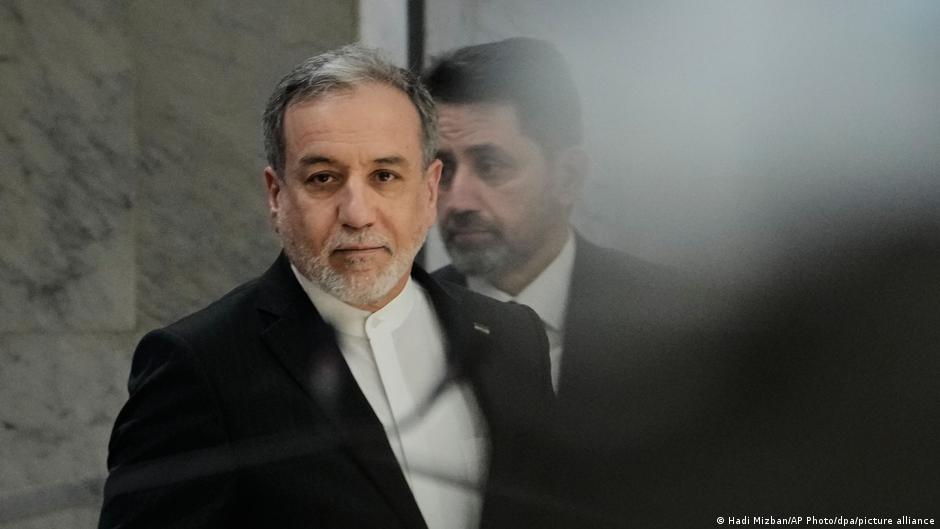
- Iran is likely to retain conditional openness to talks with the United States while refusing to yield to pressure, but hardliners’ effort to remove Foreign Minister Abbas Araghchi raises the domestic political cost of engagement. President Masoud Pezeshkian said Iran was ready to talk but would not give in to force; Iranian MPs initiated a removal procedure against Araghchi, with his meeting with US negotiators cited as a trigger. The reporting describes a removal effort, not a completed dismissal, and does not establish whether it will prevent further contacts. Confidence is medium, based on multiple reports of the statements and parliamentary action, with the outcome unresolved. (Confidence: medium · ASSESSED)
- I&W: Confirm: Iranian parliament schedules or holds a formal hearing or vote on removing Araghchi. (0-30 days)
- I&W: Break: the removal request is withdrawn or rejected and Iranian or US officials confirm a further negotiating meeting. (0-30 days)
Outlook & scenarios
Managed attrition and continued disruption (50%)
Commercial vessels continue to transit Hormuz at a reduced rate while attacks and warnings persist. Saudi Arabia faces further Houthi pressure, but neither Washington nor Tehran initiates a new direct strike before 3 November. Shipping costs remain exposed to attack risk.
Post-election US-Iran escalation (25%)
After 3 November, the US President authorises strikes on Iranian military, energy, or nuclear targets. Iran retaliates against Israeli targets or US interests, increasing pressure on Gulf infrastructure and commercial shipping.
Negotiated pause (15%)
Iran’s stated willingness to talk produces renewed US-Iran contacts. A pause in strikes and attacks allows Hormuz transits to recover, although the reported parliamentary challenge to Araghchi complicates Tehran’s negotiating position.
Wildcard: linked attacks across the Gulf (10%)
Iran and the Houthis conduct closely timed attacks on commercial shipping, Saudi infrastructure, or US interests. The attribution and degree of coordination remain contested in current reporting, but this scenario would carry high impact through simultaneous pressure on energy facilities and maritime traffic.
Recommendations
- Maintain a daily Strait of Hormuz tracker that separates vessel incidents, incident dates, report dates, and transit counts. Record the basis for each figure, and distinguish JMIC’s 11 to 14 October count from CENTCOM’s separate 24-hour claim.
- Verify the original Trump interview and seek confirmation from the White House or Pentagon before changing the US strike assessment. Keep reported contingency planning separate from evidence of presidential authorisation.
- Track Iranian statements and confirmed attacks as separate indicators. Do not treat public threats as proof of an approved target list or treat Houthi attacks as directed by Tehran without corroborating evidence.
- Reconcile Saudi coalition casualty figures by scope before using them in briefings. Track any new reports concerning King Khalid International Airport, Saudi Aramco facilities, and the postponed GCC-EU summit.
- Seek corroboration for the 16 October Lebanon reports, including the target and purpose of Israeli Air Force strikes and the IDF interceptor launch, before assessing whether Hezbollah was involved.
Confidence & uncertainty
Overall confidence is high for the broad picture of continuing conflict, reduced Hormuz traffic, attacks on commercial vessels, and regional security pressure. The assessment draws on JMIC and UKMTO maritime reporting, Reuters reporting, and statements from CENTCOM, Iranian officials, and the Saudi coalition. Confidence is lower for specific attributions, the purpose of the reported Israeli interceptor launch, US strike timing, and the Houthis’ relationship to Tehran. Transit figures cover different periods and methods, while some military planning reports rely on unnamed sources.
Alternative analysis (red cell)
The supplied evidence supports continued Iranian rhetoric favoring talks under non-coercive conditions, but it does not establish that Tehran will preserve practical openness to US engagement. The effort to remove Araghchi after his contact with US negotiators may signal that domestic political constraints are already narrowing the space for diplomacy. Further contacts remain possible, but the balance between rhetorical openness and operational willingness is unresolved.
Intelligence gaps
- [EEI 1.1 · PARTIAL] Number, type, launch times, and trajectories of ballistic missiles, cruise missiles, armed UAV strikes, and combat-air sorties launched by Iranian or Israeli forces toward the other's territory or forward bases within a 72-hour window. Recommended collection: signals/intel
- [EEI 1.2 · UNCOVERED] Observable changes in Israeli and Iranian force posture: mobilization or reserve call-up orders, unit road/rail movements, dispersal or sortie rates of air squadrons, redeployment of air-defense batteries, and activation of civil-defense alerts or sirens in major population centers. Recommended collection: open-source/media
- [EEI 1.3 · PARTIAL] Indications of strike authorization or targeting preparations in Iranian or Israeli command chains: authenticated public orders by senior commanders, detected increases in encrypted communications consistent with targeting, or visible movement of strike munitions to launch/storage sites. Recommended collection: signals/intel
- [EEI 2.1 · UNCOVERED] Counts, launch locations (coordinates), weapons types, and assessed damage from rocket/missile/drone strikes originating from Lebanon into northern Israel attributed to Hezbollah or allied groups. Recommended collection: open-source/media
- [EEI 2.2 · UNCOVERED] Reported attacks by Iranian-backed militias in Iraq and Syria: rocket/IED strikes on bases hosting US/coalition or Israeli personnel, documented militia unit movements toward borders, and captured movement or transfer of weapons systems to forward militia positions. Recommended collection: human
- [EEI 2.3 · UNCOVERED] Maritime harassment or attacks by proxies (e.g., Houthis): incidents of missile/rocket strikes against commercial vessels, small-boat swarm attacks, discovery or detonation of naval mines, and corresponding AIS anomalies in the Red Sea, Gulf of Aden, or southern Arabian Gulf. Recommended collection: maritime/AIS
- [EEI 3.2 · PARTIAL] Concrete diplomatic and political actions: emergency UN/Arab League meetings called, official embassy evacuation orders, public declarations of intent to interpose or protect shipping/airspace, and newly announced sanctions or arms-transfer approvals tied to the conflict. Recommended collection: diplomatic
Cited sources
[1] gCaptain · U.S. Claims Control of Hormuz as Ship Attacks Hit New High (C) · 15 October 2026 · sha256:6525fd62b6f6 [2] ПРАЙМ (ФГУП МИА «Россия сегодня») · Бундесрат одобрил выделение дополнительных объемов нефти и нефтепродуктов (B) · sha256:983c3318c936 [3] straits.live · When Will the Strait of Hormuz Reopen? Live Odds (D) · sha256:04811d9e2187 [4] CBS News · Ships in Strait of Hormuz still face "indiscriminate attacks," maritime monitor warns (A) · 14 October 2026 · sha256:e085fe2187c4 [5] Euronews · Iran, almeno 24 navi colpite vicino a Hormuz. Usa rafforza presenza (A) · 16 October 2026 · sha256:68a0d2fa479b [6] حزب الله الإلكتروني (Electronic Hezbollah) Telegram channel · حزب الله الإلكتروني (E) · 15 October 2026 · sha256:3cd20ae5c144 [7] TASS (Russian News Agency) · US aircraft carrier George H. W. Bush returns to Arabian Sea — CENTCOM (B) · 15 October 2026 · sha256:2dae48764776 [8] Government of the United Kingdom (gov.uk) · The United Kingdom has acted in defence of the two-state solution, and we continue to work with partners to secure lasting peace and security for Israelis and for Palestinians alike (A) · 15 October 2026 · sha256:d0fb0ed58145 [9] Reuters · How the Houthis are Helping Iran Turn Saudi Arabia Into a Pressure Point (A) · 15 October 2026 · sha256:88f88b25c223 [10] Akhbar Al Khaleej (akhbar-alkhaleej.com) · اضطرابات هرمز وباب المندب تحد من النمو العالمي (B) · sha256:2c5e457d8ca9 [11] Itón Gadol (Agencia AJN) · Las Fuerzas de Defensa de Israel lanzaron un mísil interceptor cerca de la frontera con el Líbano en medio de ataques aéreos - Itón Gadol (D) · 16 October 2026 · sha256:428b822014e1 [12] Middle East Eye · Iranian president says his country 'will not give in to force' from US (B) · sha256:2228dbc81574 [13] Deutsche Welle (DW) · Borba za vlast u iranskom vrhu (A) · 16 October 2026 · sha256:2bdc83748139
Source content hashes were computed at collection time; the cited text is preserved unmodified for the life of this product.
Red cell review: PARTIAL DISSENT
TLP:CLEAR