TLP:CLEAR · Disclosure is not limited.
Iran-Israel Conflict: Hormuz Disruption and Regional Spillover
Time window: Last 1 day · Audience: General analyst · Type: Situation report · DTG: 2026-08-23 13:56Z · Overall confidence: MEDIUM
BLUF
The immediate risk remains a prolonged confrontation centred on the Strait of Hormuz, where commercial traffic is below pre-war levels despite reported limited passage for Iraqi tankers and disputed US throughput claims. Diplomatic channels involving Iran, the US, Egypt and Pakistan remain active, but a conclusive agreement is unlikely in the next 14 days.
Executive summary
The 22 to 23 August 2026 reporting indicates that the conflict continues to pressure maritime trade, regional security and humanitarian access. JMIC rates the Strait of Hormuz threat level as SEVERE, while Kpler and commercial tracking data show reduced traffic. Iran is pursuing diplomatic contacts while rejecting the effectiveness of anticipated US sanctions, and President Masoud Pezeshkian has defended a 14-point memorandum of understanding. Israeli operations in Syria and Lebanon, alongside violence involving Israeli forces and settlers in the West Bank, sustain wider escalation risks. Gaza's humanitarian situation remains acute, with UN agencies reporting extensive shelter need and continuing restrictions on aid deliveries.
Change from previous assessment
Since the 21 August 2026 brief, the maritime assessment is more precisely defined. Continued severe disruption remains likely, but the reporting now includes limited Iranian permissions for Iraqi tankers and sharper disagreement between commercial traffic data and US claims about oil volumes. Confidence remains medium. The diplomatic assessment has been updated to reflect President Masoud Pezeshkian's defence of the 14-point memorandum and Pakistan's renewed mediation role, but the assessment that a final agreement is unlikely remains low confidence. The Gaza judgement is retained, while the current brief gives greater weight to the reported scale of Israeli activity in southern Lebanon and to named West Bank incidents. Initial assessment of the current 22 to 23 August reporting indicates no confirmed diplomatic off-ramp.
Key judgments
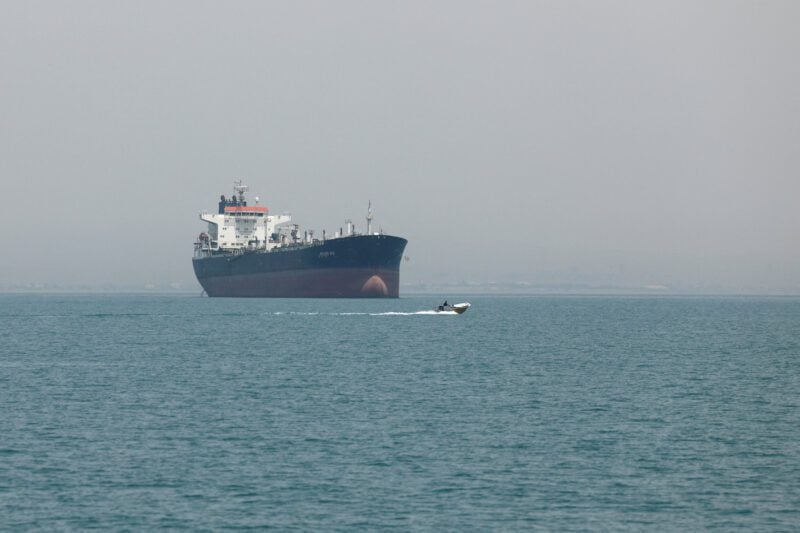
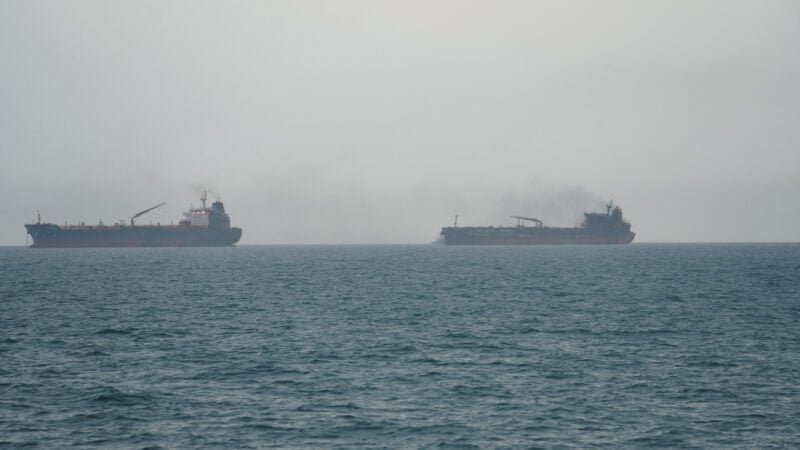
- Severe disruption to commercial traffic through the Strait of Hormuz is very likely to persist over the next 14 days. Kpler reported 95 confirmed crossings last week, a 19.5% decline, with no crossings through the Omani route or established Hormuz Traffic Separation Scheme. JMIC continues to rate the threat level as SEVERE. Iran has reportedly authorised some Iraqi oil tankers to pass, but the reported permission carries a conflicting date in the source record. The exact throughput remains unresolved because Chris Wright claimed that more than 15 million barrels of oil and petroleum products moved through the Strait with military assistance, while commercial tracking shows much lower ordinary traffic. (Confidence: medium · REPORTED)
- I&W: Confirm if Kpler reports another week-on-week decline from 95 confirmed crossings, or if JMIC retains a SEVERE rating while reporting reduced traffic through both the Iranian-controlled northern route and the southern Omani corridor. (0-14 days)
- I&W: Break if commercial vessel-tracking data records sustained traffic near pre-war levels and JMIC lowers the Strait of Hormuz threat rating. (0-14 days)
- US economic pressure on Iran is very likely to intensify within the next 14 days. The US Treasury Secretary intends to announce sanctions against Iran, while Iran's foreign minister has dismissed the measures as ineffective. The Islamic Republic of Iran is already under reported economic pressure, but the intended sanctions remain unspecified and their implementation is not confirmed. (Confidence: medium · REPORTED)
- I&W: Confirm if the US Treasury Secretary announces sanctions naming Iranian entities, financial channels or oil-related activity. (0-14 days)
- I&W: Break if no sanctions are announced within the stated period and Iran and the US publish an arrangement suspending or limiting the intended measures. (0-14 days)
- A conclusive US-Iran agreement is unlikely within the next 14 days. President Masoud Pezeshkian has defended a 14-point memorandum of understanding, while reporting says talks have stalled over implementation and navigation arrangements in the Strait of Hormuz. Pakistan is maintaining a mediation role through Field Marshal Asim Munir, and Egypt and Iran have discussed de-escalation. The assessment rests partly on medium-confidence media reporting, an expected visit rather than a confirmed one, and conflicting dates for the memorandum. (Confidence: low · ASSESSED)
- I&W: Confirm if Field Marshal Asim Munir visits Tehran and the US and Iran resume talks with published provisions on implementation, sanctions or navigation through Hormuz. (0-14 days)
- I&W: Break if Iran and the US announce a signed implementation mechanism that produces a sustained reduction in maritime restrictions and military threats. (0-14 days)
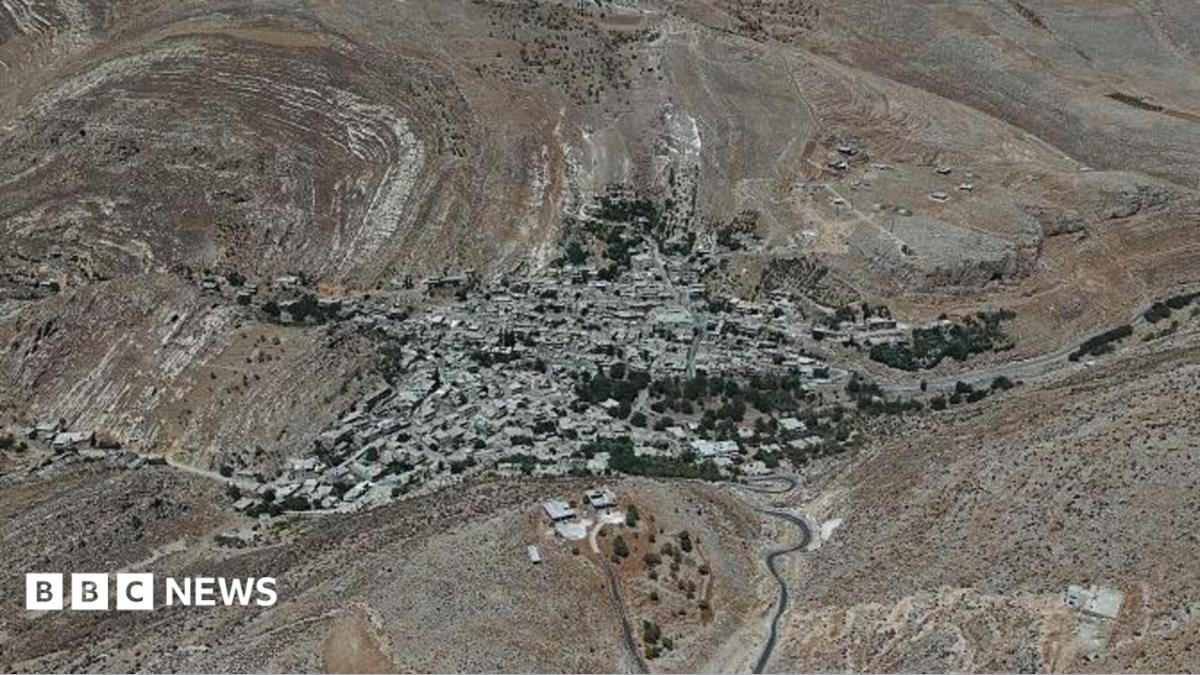
- Israel-Türkiye confrontation in Syria is likely to remain elevated over the next 1 to 3 months, while a direct clash between Israeli and Turkish forces is unlikely. Israeli fighter jets reportedly attacked Abu al-Duhur airbase in northwestern Syria, and Syria condemned Israeli action near Beit Jinn as a violation of its sovereignty. Washington has rebuked an Israeli strike as an unnecessary escalation, while US Ambassador Tom Barrack and Israeli Defence Minister Israel Katz have offered conflicting accounts of the intelligence concerning Turkish military movement. Ankara has so far refrained from escalating. The chronology and rationale of the Abu al-Duhur reporting remain contested. (Confidence: medium · ASSESSED)
- I&W: Confirm if Israeli forces conduct another strike in Syria, particularly near Abu al-Duhur or Beit Jinn, or if Türkiye announces military deployments or retaliatory measures linked to the incidents. (0-14 days)
- I&W: Break if Ankara maintains military restraint and Israel and Syria publicly reaffirm the reported security status quo without further Israeli strikes. (1-3 months)
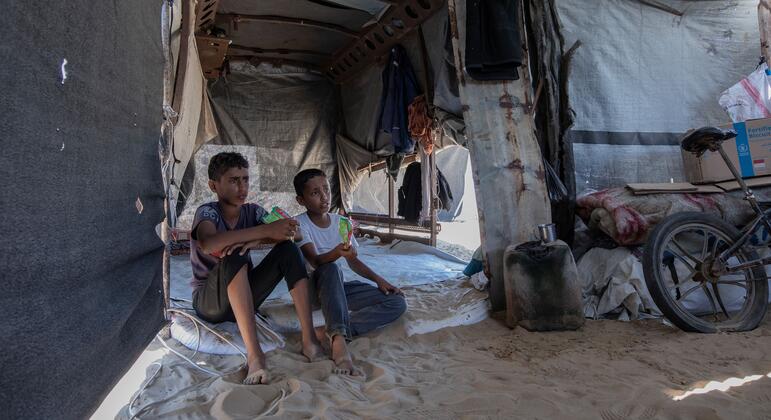
- Humanitarian pressure in Gaza is very likely to remain acute over the next 1 to 3 months. UN agencies and peacekeepers report that 94% of Gaza's 2.1 million residents need shelter, while more than four out of five families face critical or catastrophic living conditions. Israeli restrictions continue to impede essential aid deliveries, and UN partners estimate that $562 million is needed to improve living conditions. This judgement rests on high-confidence multilateral reporting. (Confidence: high · REPORTED)
- I&W: Confirm if UN agencies report that shelter needs remain at or above 94% of Gaza's population and that more than four out of five families remain in critical or catastrophic conditions. (1-3 months)
- I&W: Break if UN agencies report sustained, unimpeded aid access, a measurable fall in shelter need and delivery of assistance approaching the stated $562 million requirement. (1-3 months)
- Israeli military activity in Lebanon and violence involving Israeli forces and settlers in the West Bank are likely to sustain secondary escalation risks over the next 1 to 3 months. UNIFIL reported 86 Israeli airspace violations, nine airstrikes and 265 projectiles in southern Lebanon over a three-day period. Separately, at least 20 Palestinians were injured across the West Bank by Israeli army fire, settler assaults and tear gas, with incidents also reported in Al-Ram, Arraba, Al-Rakiz, Beit Fajjar, Al-Bireh and Al-Mughayyir. Confidence is medium because the Lebanon figures come from multilateral reporting, while several West Bank incidents rely on medium-confidence media reporting. (Confidence: medium · ASSESSED)
- I&W: Confirm if UNIFIL records another period with Israeli airstrikes or projectile launches in southern Lebanon and Palestinian medical officials report further injuries from Israeli army or settler violence in the West Bank. (0-14 days)
- I&W: Break if UNIFIL records no further Israeli airstrikes or projectile activity and reporting shows a sustained decline in injuries and raids across the named West Bank locations. (1-3 months)
Outlook & scenarios
Prolonged and managed maritime confrontation (45%)
Iran maintains restrictions around the Strait of Hormuz while granting selective passage to Iraqi oil tankers. JMIC keeps the threat level at SEVERE, commercial traffic remains below pre-war levels, and US-supported transits continue at disputed volumes. Saudi Aramco and shipowners continue moving Saudi crude through northern Red Sea routes and Sidi Kerir.
Fragile diplomatic pause (28%)
Pakistan's Field Marshal Asim Munir visits Tehran, while Egypt and Iran continue de-escalation contacts. President Masoud Pezeshkian's memorandum becomes the basis for limited arrangements on sanctions and navigation. The arrangement reduces immediate maritime pressure without producing a final US-Iran agreement.
Multi-front regional spillover (22%)
Israeli strikes continue in Syria or Lebanon, while violence involving Israeli forces and settlers increases in the West Bank. Iran sustains missile or drone pressure against Israel, US bases or Arab states. Türkiye and Saudi Arabia increase security coordination with Pakistan while maintaining caution regarding direct confrontation with Iran.
Direct confrontation wildcard (5%)
An Iranian strike on American facilities in Bulgaria, Cyprus or Italy, or direct Israeli-Turkish engagement in Syria, triggers a wider military response. The result is a rapid collapse of diplomatic contacts, intensified Hormuz disruption and broader attacks on regional infrastructure.
Recommendations
- Maintain a daily Hormuz dashboard combining Kpler confirmed crossings, commercial vessel-tracking data and JMIC threat ratings. Record Iranian permissions for Iraqi tankers separately from ordinary commercial traffic and flag any divergence between those measures and US official barrel-flow claims.
- Set an immediate watch for the US Treasury Secretary's sanctions announcement. Identify named Iranian entities, financial channels and oil-related measures, then compare them with Iran's public and military responses within 48 hours.
- Track Field Marshal Asim Munir's reported travel to Tehran, Egyptian-Iranian ministerial contacts and any published implementation provisions linked to the 14-point memorandum. Distinguish confirmed actions from statements of intent.
- Maintain a Syria-Lebanon escalation watchlist covering Abu al-Duhur, Beit Jinn and southern Lebanon. Flag any additional Israeli strikes, Turkish military movement, UNIFIL-reported airspace violations or new US public criticism of Israeli operations.
- Prioritise high-reliability humanitarian reporting from UN agencies on Gaza shelter needs, aid restrictions and the $562 million requirement. Keep those figures separate from medium-confidence casualty reporting until the conflicting totals and timeframes are reconciled.
- Track West Bank incidents by location, actor and method, with separate entries for Israeli army fire, settler assaults, raids and tear gas use. Use the resulting trend to assess whether violence is spreading beyond the reported incidents in Al-Ram, Arraba, Al-Rakiz, Beit Fajjar, Al-Bireh and Al-Mughayyir.
Confidence & uncertainty
Overall confidence is medium. High-reliability UN and official government reporting provides strong support for Gaza's humanitarian conditions and Israeli activity in southern Lebanon. Kpler, JMIC and commercial tracking data corroborate severe disruption in Hormuz, but reported throughput differs sharply between commercial data and US official claims. The diplomatic and Syria assessments rely more heavily on medium-confidence major media and think tank reporting, with unresolved date and attribution conflicts. The source set also contains low-confidence social media and historical claims that are not used to drive the principal judgements.
Intelligence gaps
- [EEI 1.1 · UNCOVERED] Detection and characterization of ballistic/cruise missile or rocket launches originating from Iranian territory or from Iran-controlled positions in Iraq/Syria (time, launch coordinates, missile type, flight trajectory/impact area). Recommended collection: satellite/imagery
- [EEI 1.2 · UNCOVERED] Movements and posture changes of Iran-backed proxy forces (Hezbollah units in Lebanon, militias in Syria/Iraq): concentrations of personnel, transport of rocket/artillery launchers, visible logistics build-up within operational range of Israel. Recommended collection: human/intel
- [EEI 1.3 · PARTIAL] Israeli defensive and offensive posture changes: reservist call-ups, mobilization orders, sorties/airstrikes attributed to Israel, and domestic activation of missile-defense systems (locations and activation times). Recommended collection: open-source/media
- [EEI 1.4 · UNCOVERED] Evidence of pre-positioning or arming of naval mines, fast attack craft, or anti-ship missile systems in the Gulf of Oman, northern Arabian Sea, or off the Lebanese/Syrian coasts that could be used to interdict Israeli or allied shipping. Recommended collection: maritime/AIS
- [EEI 2.1 · PARTIAL] Movements and tasking changes of external military assets: carrier strike groups, amphibious ready groups, expeditionary air wings, or ballistic-missile defense units into the Eastern Mediterranean, Persian Gulf, or Red Sea (vessel/aircraft IDs, routing, on-station times). Recommended collection: maritime/AIS
- [EEI 2.3 · UNCOVERED] Changes to force protection or alert levels at foreign bases in the region (e.g., US bases in Kuwait, Qatar, UAE; Russian bases in Syria): activation of additional air defenses, curfews, or reinforcement shipments (personnel/equipment manifests). Recommended collection: signals/intel
- [EEI 3.1 · UNCOVERED] Incidents against commercial vessels: attacks, seizures, mine strikes, or forced rerouting of tankers and bulk carriers in the Strait of Hormuz, Bab al-Mandeb, Red Sea, or eastern Mediterranean (vessel names/IMO, location, damage/impairment). Recommended collection: maritime/AIS
- [EEI 3.2 · UNCOVERED] Changes in crude oil and refined product flows from key terminals (reported tanker loading delays, terminal closures, throughput volumes at Kharg, Mina al-Ahmadi, Ras Tanura, and major Gulf ports compared to baseline). Recommended collection: commercial/ports
- [EEI 3.3 · UNCOVERED] Market and insurance indicators: sudden spikes in war-risk or hull insurance premiums for Middle East routes, large moves in regional FX/stock indices, and notable changes in commodity futures (oil, freight rates) tied to regional risk perceptions. Recommended collection: financial/transactional
Cited sources
[1] gcaptain.com · Trump Administration Claims Massive Oil Flows Through Hormuz But Industry Data Raises Questions (B) · sha256:8f4f24a9f59d [2] gcaptain.com · Iran Grants Permission For A Number Of Iraqi Oil Tankers To Pass Through Hormuz (A) · sha256:b05a196bce7e [3] devdiscourse.com · Iran Defiant Amid U.S. Sanctions Threat as Tensions Escalate (B) · sha256:91bb78c6453c [4] jpost.com · WATCH: Iran’s ‘golden generation’ could reshape Middle East, analyst says (B) · sha256:19e249a69a59 [5] jcfa.org · Iran’s President Promises Stability as Gold Prices Signal War (B) · sha256:a42ebc44e3d4 [6] Yenisafak · Egypt, Iran FMs discuss de-escalation, US deal (B) · sha256:028494109e56 [7] en.yenisafak.com · Pakistan army chief, Iranian FM discuss reviving stalled US talks (B) · sha256:4d6bd75e4a0d [8] Al Jazeera · Israel, Turkiye and the post-Abrahamic Middle East (A) · sha256:b38b7ab4b7be [9] bbc.co.uk · Syria says Israeli strike near Damascus violation of international law (A) · sha256:fee5ee10713f [10] Daily Sabah · Israel, Türkiye tensions: Where does U.S. stand? | Daily Sabah (B) · sha256:721b29ebd74c [11] United Nations · Middle East: 94 per cent need shelter in Gaza, Israel ramps up demolitions in Lebanon (A) · sha256:aa5d2b0f402c [12] Yenisafak · Twenty Palestinians injured by Israeli forces in West Bank (B) · sha256:75ec43739b6d
Source content hashes were computed at collection time; the cited text is preserved unmodified for the life of this product.
Red cell review: CONCUR WITH COMMENT
TLP:CLEAR