TLP:CLEAR · Disclosure is not limited.
Iran-Israel Conflict: Hormuz Disruption and Regional Spillover
Time window: Last 1 day · Audience: General analyst · Type: Situation report · DTG: 2026-09-08 19:09Z · Overall confidence: HIGH
BLUF
The Iran-US and Iran-Israel confrontation is very likely to remain active over the next 0-14 days. Strait of Hormuz shipping is very likely to remain severely disrupted, while renewed fighting in Yemen and Houthi attacks on Saudi targets and Red Sea shipping are likely to widen regional and energy risks. Mediation is expanding, but a comprehensive US-Iran settlement is very unlikely in that period.
Executive summary
As of 8 September 2026, Iran is conducting retaliatory strikes against US military installations and civilian infrastructure across the Middle East, including attacks affecting Kuwait, Jordan and Saudi Arabia. Reporting says five KC-135 aircraft were damaged at Prince Sultan Air Base, while the IRGC attempted to attack US naval forces in the Strait of Hormuz on 5 September. Hormuz traffic remains severely disrupted, although claims of a complete closure conflict with evidence that a Qatari LNG tanker recently transited the waterway. Yemen is experiencing its most serious fighting since 2022, with Houthi forces attacking Saudi targets and advancing towards the Bab al-Mandab Strait. Oman, Pakistan, Qatar and China are supporting separate diplomatic tracks, but the parties remain divided over sanctions, the US naval blockade and the terms for reopening navigation.
Change from previous assessment
This update raises confidence in the regional spillover assessment from medium to high for the core pattern, while retaining medium confidence for the Yemen battlefield trajectory because current reporting includes limited independent verification. New developments are the reported deaths and aircraft damage at US positions in Kuwait, Jordan and Saudi Arabia, the renewed Houthi offensive towards the Bab al-Mandab Strait, 73 reported wounded in Saudi Arabia, new UK sanctions on Iran and fresh evidence of European gas and power-market pressure. The assessment now distinguishes severe and persistent Hormuz disruption from an unverified claim of complete closure, given the reported Qatari LNG transit. A new judgment covers the economic effects. The prior nuclear-verification judgment is retired because the current reporting supports Iran's 60 percent enrichment and the absence of an agreed framework, but does not independently establish the current status of inspector access.
Key judgments
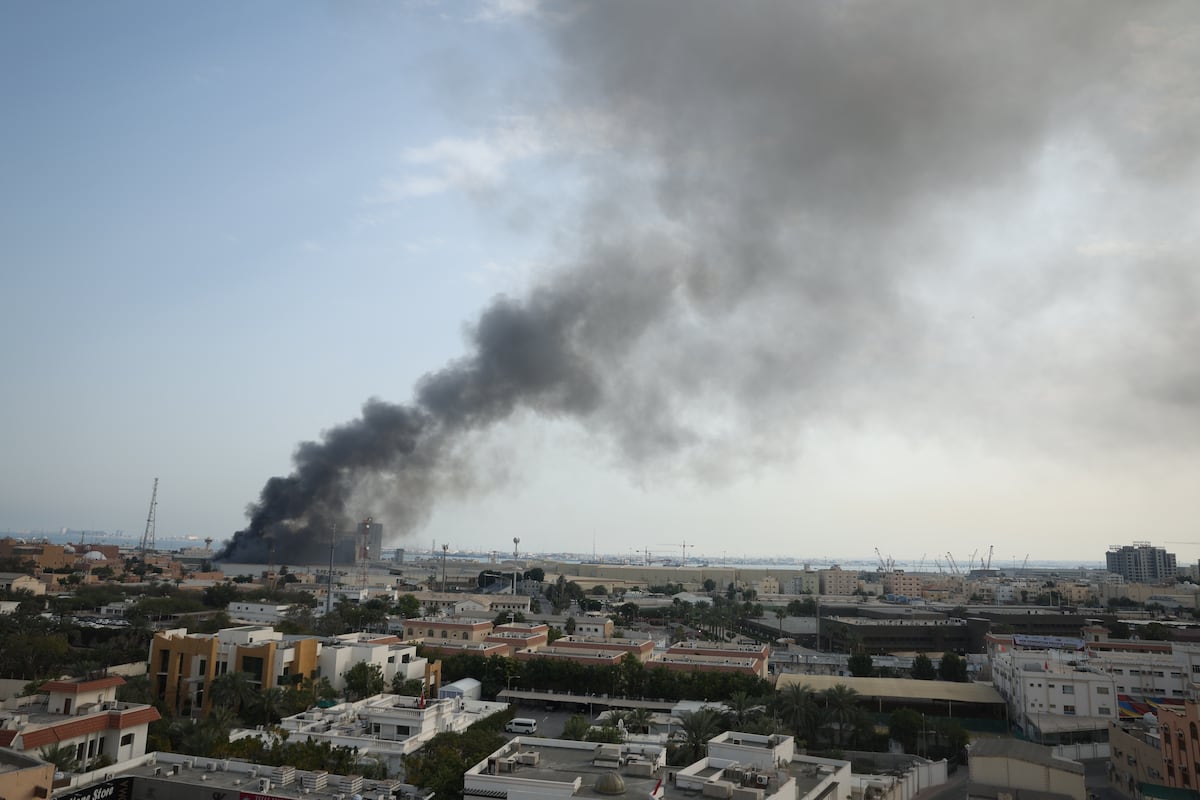
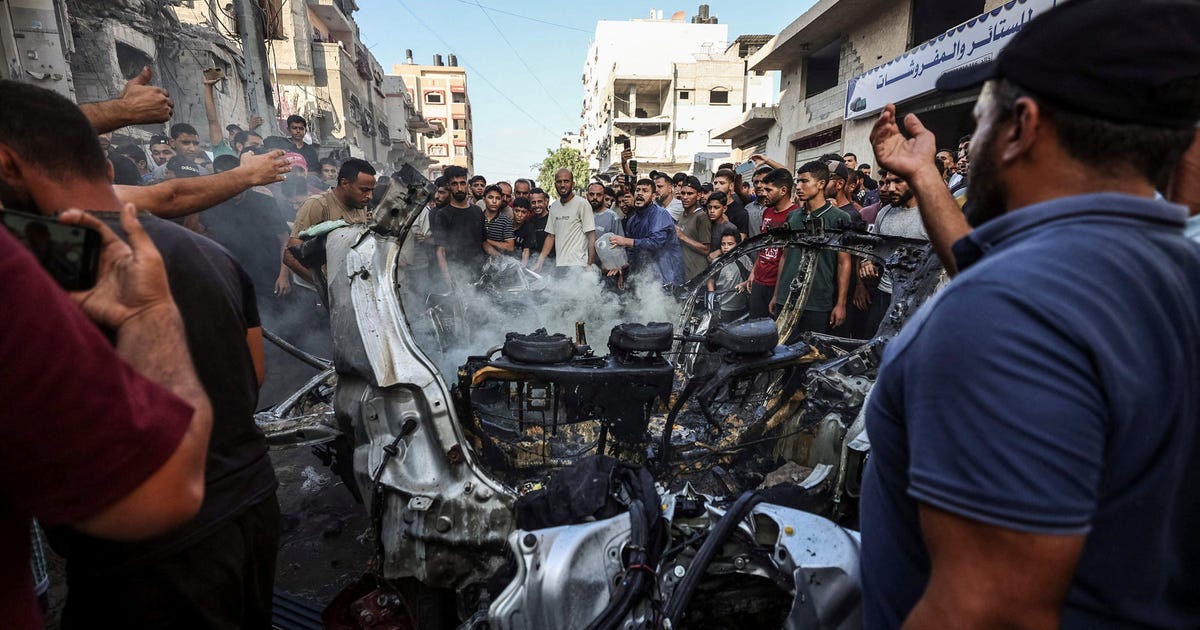
- US-Iran military confrontation and Israeli pressure on Iran are very likely to remain active over the next 0-14 days. Iran has launched retaliatory strikes against US installations and civilian infrastructure, including a one-way attack drone strike on a makeshift operations centre at a civilian port in Kuwait, attacks on Muwaffaq Salti Air Base in Jordan and Prince Sultan Air Base in Saudi Arabia, and damage to five KC-135 aircraft at Prince Sultan. The IRGC attempted to attack US naval forces in the Strait of Hormuz on 5 September, while Benjamin Netanyahu reaffirmed Israel's commitment to toppling Iran's regime and threatened a major blow if provoked. Confidence is high because multiple claims from major media, trade reporting and think-tank analysis corroborate an active confrontation, although the scale and timing of further strikes remain uncertain. (Confidence: high · ASSESSED)
- I&W: A further Iranian strike on a named US facility in Kuwait, Jordan, Saudi Arabia, Bahrain or Qatar, or another IRGC attack on US naval forces, would confirm continued military activity. (0-14 days)
- I&W: The United States, Iran and Israel announce and observe a halt in strikes for 14 consecutive days, with no reported Iranian attack on US forces or Israeli strike on Iran, would break this judgment. (0-14 days)
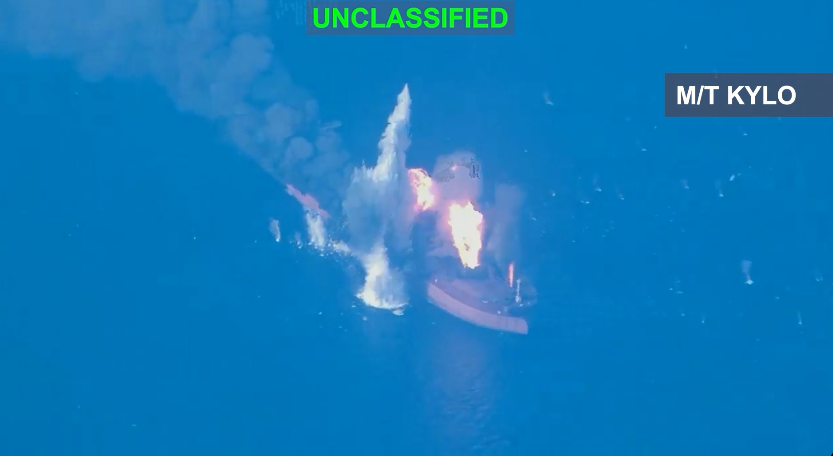
- Strait of Hormuz shipping disruption is very likely to persist over the next 0-14 days and likely to continue for 1-3 months, but a claim of complete closure is not established. Rystad assesses that oil flows have fallen from about 8 million barrels per day to 4-5 million, while a Qatari LNG tanker made the first visible exit of Qatari LNG through the waterway since July. Iran's reported closure, the US blockade announced by Donald Trump, and the geographic scope of Iran's restricted zone remain contested across the reporting. Confidence is high for continued disruption, but lower for the precise legal status and geographic extent of the restrictions. (Confidence: high · ASSESSED)
- I&W: Daily tanker and LNG tracking continues to show flows at roughly 4-5 million barrels per day or lower, with no sustained return of Qatari LNG through the strait. (0-14 days)
- I&W: Verified commercial traffic returns towards pre-crisis conditions, with regular Qatari LNG and crude tanker transits for at least seven consecutive days, would break this judgment. (1-3 months)
- Regional spillover is likely to intensify over the next 0-14 days, centred on Yemen, the Bab al-Mandab Strait and Saudi Arabia. Yemen is experiencing its most serious fighting since 2022. The internationally recognised Yemeni government is counterattacking in Taiz, al-Bayda and al-Jawf, while Houthi forces have advanced through western Taiz and southern Hodeidah towards al-Makha and the Bab al-Mandab Strait. Saudi Arabia reports that Houthi attacks on civilian and energy sites wounded 73 people. Confidence is medium because battlefield reporting includes claims from the parties to the conflict and provides limited independent verification of territorial changes. (Confidence: medium · ASSESSED)
- I&W: A verified Houthi strike on a commercial vessel in the southern Red Sea or a further Houthi attack on Saudi energy or civilian sites would confirm widening spillover. (0-14 days)
- I&W: No additional fighting is reported in Taiz, al-Bayda, al-Jawf, western Taiz or southern Hodeidah for 14 days, alongside a reversal of shipping diversions away from Bab al-Mandab, would break this judgment. (0-14 days)
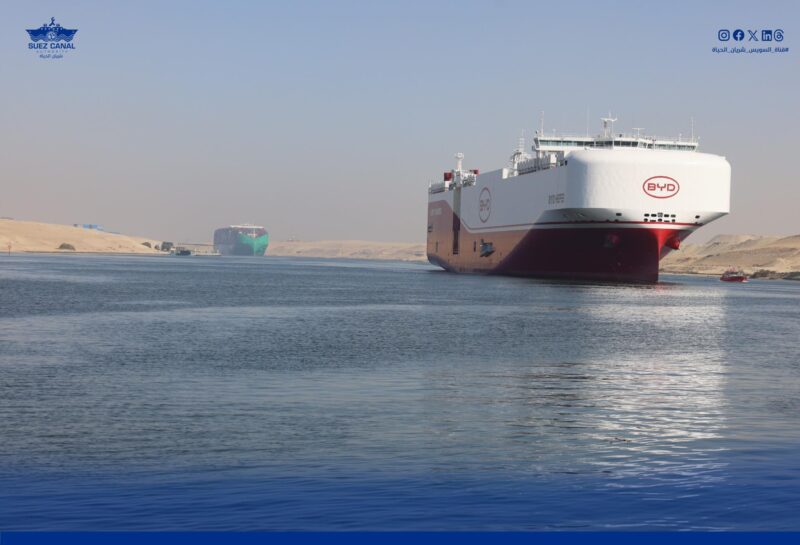
- Energy and trade disruption is likely to impose continuing pressure over the next 1-3 months. European gas storage is reported at 67 percent, below the seasonal norm of 83 percent, German storage is around half full, European gas futures have reached a three-year high, and German 2027 power futures have risen to 126.62 euros per megawatt-hour. Suez Canal traffic and revenue have also increased as ships reroute from Hormuz and the southern Red Sea. Confidence is medium because market prices and traffic levels are well reported, but the duration and scale of the conflict's economic effects remain uncertain. (Confidence: medium · ASSESSED)
- I&W: European gas storage remains below the 83 percent seasonal norm while European gas futures continue to trade above the 8 September level, confirming sustained market pressure. (0-14 days)
- I&W: European storage reaches the seasonal norm and Suez Canal traffic falls back towards pre-rerouting levels, breaking the assessment of continuing trade and energy pressure. (1-3 months)
- Regional mediation is likely to expand over the next 0-14 days, but a comprehensive US-Iran settlement is very unlikely in that period. Iran says an agreement with Oman is imminent and would create a temporary safe route through the Strait of Hormuz, but it conditions navigation on the lifting of the US naval blockade and sanctions on Iranian oil exports. Iran has also offered a deal through Pakistani mediators. China is calling for dialogue, while Qatar is condemning Iranian attacks and rejecting a prolonged state of no war and no peace. These tracks do not resolve the core dispute over military enforcement, sanctions and Iran's nuclear programme. Confidence is medium because the mediation reporting is corroborated across several sources, while the proposed Omani route remains conditional and its formal terms are unsettled. (Confidence: medium · ASSESSED)
- I&W: Oman and Iran publish a signed navigation arrangement with defined route boundaries, registration procedures and operating dates, confirming progress on the maritime track. (0-14 days)
- I&W: Iran withdraws the safe-route offer, the United States rejects further talks, or new attacks occur while the mediation channels remain inactive, breaking the assessment of expanding mediation. (0-14 days)
- An agreed nuclear framework is very unlikely to emerge over the next 1-3 months, while pressure on Iran's nuclear programme is likely to persist. Iran is reported to be enriching uranium to 60 percent and to have accumulated more than 400 kilograms at that level. The United Kingdom has introduced sectoral measures and expanded powers to sanction ships linked to Iran's nuclear programme, while the United States has imposed additional sanctions. The assessment that negotiations are stalled rests partly on a low-confidence social-media report, so confidence is medium rather than high. (Confidence: medium · ASSESSED)
- I&W: The United Kingdom or United States announces additional measures targeting Iran's nuclear programme while no agreed framework is published, confirming continued pressure without settlement. (1-3 months)
- I&W: Washington and Tehran jointly announce an agreed nuclear framework with defined implementation and verification terms, breaking this judgment. (1-3 months)
Outlook & scenarios
Sustained confrontation and severe maritime disruption (45%)
US naval enforcement and Iran's restricted-zone policy continue, while Iranian attacks and Israeli pressure remain active. Hormuz traffic stays well below normal, and Houthi attacks keep the Bab al-Mandab route exposed. Oman, Pakistan, Qatar and China produce diplomatic statements but no comprehensive settlement.
Limited maritime accommodation (30%)
An Oman-mediated safe route becomes operational and additional Qatari LNG or crude shipments transit the Strait of Hormuz. Iran and the United States avoid direct ship-to-ship escalation, but sanctions, the wider conflict and the nuclear dispute remain unresolved. This would reduce immediate shipping risk without ending the confrontation.
Widened regional conflict (20%)
Houthi forces and the internationally recognised Yemeni government intensify fighting around Taiz, Hodeidah and the Bab al-Mandab approach. Further Houthi attacks affect Saudi energy sites or commercial shipping, Iran renews attacks on US bases, and Israel responds to Iranian activity. Energy prices rise and rerouting through the Suez Canal continues.
Wildcard: major naval or energy shock (5%)
A successful attack on a US naval force, renewed mine-laying in the Strait of Hormuz or a major strike on Saudi energy infrastructure triggers direct US-Iran escalation and a near-total halt in commercial traffic. This is very unlikely but would produce a rapid regional and global energy shock.
Recommendations
- Maintain a 24-hour watch on Iranian attacks against US facilities in Kuwait, Jordan, Saudi Arabia, Bahrain and Qatar, and on further IRGC operations against US naval forces in and around the Strait of Hormuz.
- Track Hormuz traffic by both vessel count and cargo volume. Separate verified transits by Qatari LNG carriers, Saudi-China crude tankers and other commercial vessels from official claims of closure or blockade.
- Map Iran's restricted-zone and blacklist announcements against the Strait of Hormuz, the Gulf of Oman and the US blockade line. Treat the zone's precise boundaries as unconfirmed until an official navigational notice provides them.
- Monitor fighting in Taiz, al-Bayda, al-Jawf, western Taiz, southern Hodeidah, al-Makha and the Bab al-Mandab approach. Record Houthi and Yemeni government claims separately from independently verified movement or damage.
- Follow Saudi reports of attacks on civilian and energy sites, and assess whether further incidents affect oil production, export facilities or commercial shipping.
- Maintain separate diplomatic trackers for Oman, Pakistan, Qatar and China. Record the conditions attached to any navigation proposal, including the US blockade, sanctions on Iranian oil exports and route registration requirements.
- Update the regional economic dashboard daily with European gas storage, European gas futures, German 2027 power futures, Suez Canal transits and tanker freight rates.
- Do not conflate Iranian missile launches with confirmed impacts, or US boarding and seizure operations with kinetic strikes. Reconcile these distinctions before assessing escalation or legal consequences.
Confidence & uncertainty
Overall confidence is high because the core pattern of sustained US-Iran hostilities, severe Strait of Hormuz disruption, Yemen-Saudi spillover and continuing diplomatic activity is supported by multiple high-confidence claims from major media, wire services, official government statements and ISW/CTP reporting. Confidence is lower for the precise status of Hormuz closure, the location and authority of Iran's restricted zone, the identification of missile systems and the prospects for a nuclear agreement. Those uncertainties affect the severity and timing of future developments, not the assessment that the conflict remains active and regionally destabilising.
Intelligence gaps
- [EEI 1.1 · UNCOVERED] Observed repositioning, sustained increases, or new forward basing of Iranian conventional or IRGC forces (armored units, missile batteries, aircraft, naval vessels) toward borders or regional launch points. Recommended collection: IMINT/satellite
- [EEI 1.2 · PARTIAL] Hezbollah or other Iran-aligned proxy forces conducting mass mobilization, visible rocket/artillery emplacements, cross-border firing incidents, or preparations for cross-border operations from Lebanon, Syria, Iraq or Yemen. Recommended collection: HUMINT/ground ISR
- [EEI 1.4 · UNCOVERED] Interdicted or observed shipments (air, sea, land manifests, seizures, satellite imagery of transfers) of advanced weapons or missile components from Iran toward proxy groups or forward staging points. Recommended collection: maritime/AIS
- [EEI 2.1 · UNCOVERED] Satellite or on-the-ground imagery showing fires, damage, or operational shutdown at major oil export facilities, refineries, storage terminals, or key pipeline infrastructure in the Gulf and Red Sea. Recommended collection: IMINT/satellite
- [EEI 2.4 · UNCOVERED] Rapid increases in war-risk insurance premiums for Middle East routes, shipping company advisories to avoid region, or major charter cancellations tied to the conflict. Recommended collection: financial/open-source
- [EEI 3.1 · UNCOVERED] Movement/arrival of major foreign military assets into the region: US carrier strike groups, amphibious ready groups, strategic bomber flights, Russian/Chinese naval taskings, or allied expeditionary units (visible in AIS, NOTAMs, satellite imagery, official releases). Recommended collection: IMINT/satellite
- [EEI 3.2 · UNCOVERED] Official expedited arms transfers, basing/overflight agreements, or declarations of operational support (formal government announcements, defense ministry releases, logistics flight manifests). Recommended collection: open-source/diplomatic
- [EEI 3.3 · UNCOVERED] Embassy evacuations, large-scale personnel movements, issuance of government travel bans/advisories, or multinational security alerts affecting foreign nationals and diplomatic posture in the region. Recommended collection: diplomatic/open-source
- [EEI 3.4 · PARTIAL] High-level diplomatic/UN activity: scheduled or emergency Security Council meetings, published ceasefire proposals, or multilateral statements committing support/condemnation that precede changes in military posture. Recommended collection: open-source/diplomatic
TLP:CLEAR