TLP:CLEAR · Disclosure is not limited.
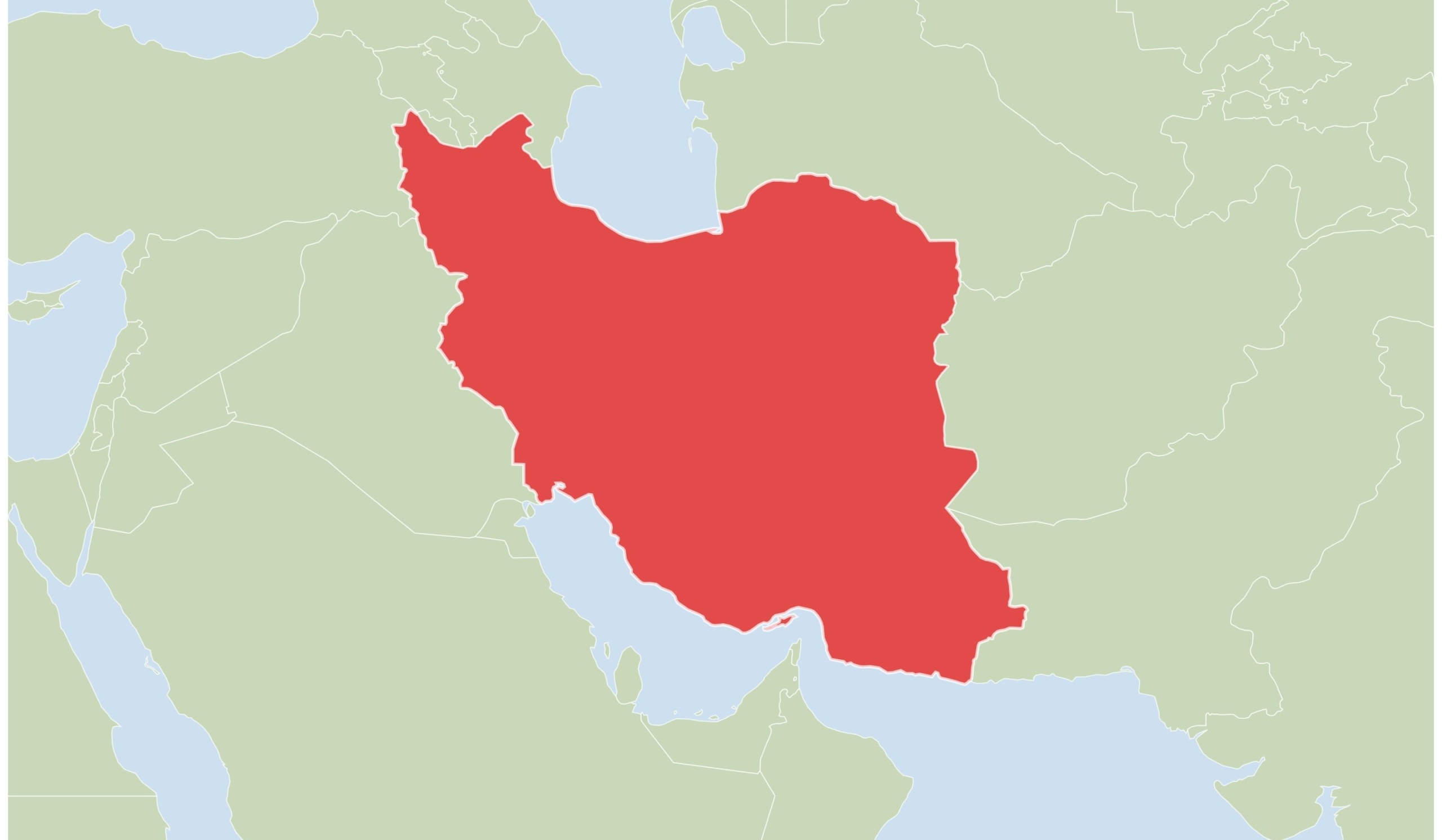
Iran-Israel Conflict: Hormuz Disruption and Regional Spillover Risks
Time window: Last 7 days · Audience: General analyst · Type: Situation report · DTG: 2026-08-26 06:11Z · Overall confidence: LOW
BLUF
The US-Israel-Iran conflict is likely to remain a regional stability risk over the next one to three months, with the Strait of Hormuz the immediate pressure point. Commercial traffic remains severely constrained, while Iran-Oman navigation talks offer only a fragile route towards partial reopening. US sanctions pressure and Iranian retaliation threats raise risks for Chinese firms, Turkey and shipping operators.
Executive summary
The reporting indicates sustained military and economic pressure after US-Israeli strikes on Iran, Iranian strikes against Israel and US military assets, and continuing Israeli operations in Lebanon, Gaza and Syria. Hormuz traffic has fallen to very low levels, although Iran and Oman have announced a temporary navigation corridor and joint mine-clearing project. The United States is expanding sanctions against Iran-linked networks and warning foreign entities, while Iran has threatened retaliation against states and companies that support the campaign. Humanitarian conditions in Gaza remain acute. The evidence base contains major contradictions, including conflicting claims over mine clearance, shipping levels, diplomatic agreements and event dates, which lowers confidence in the overall assessment.
Key judgments
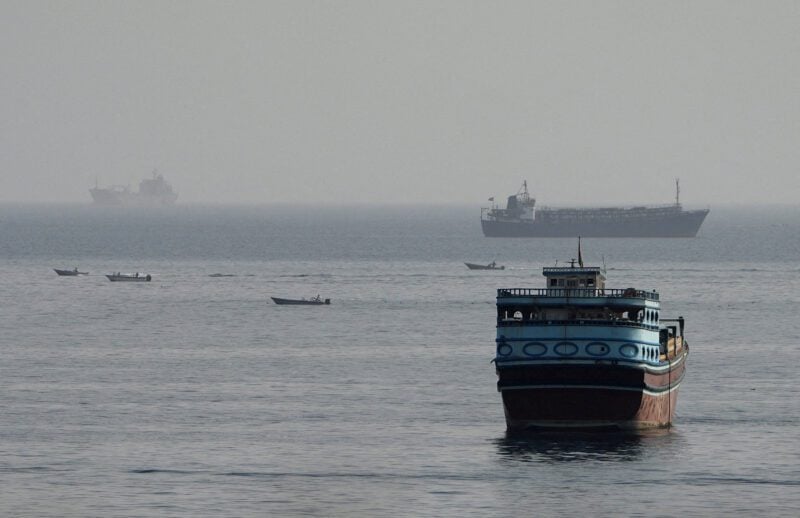
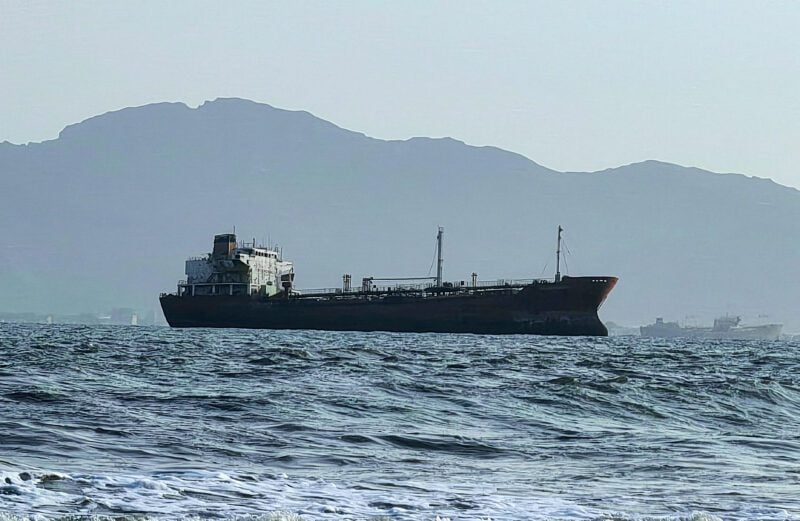
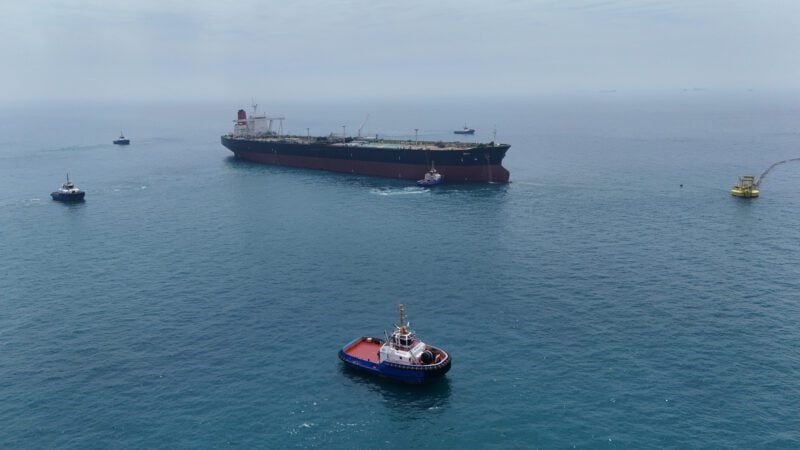
- Commercial traffic through the Strait of Hormuz is likely to remain severely constrained over the next 14 days, despite the Iran-Oman navigation framework. Reports place traffic at two tankers on 25 August, below a cited 10-day average of 14 and at a fraction of pre-war levels. Iran's 46-vessel list, threatened penalties and selective transit permissions indicate continued Iranian control claims. The assessment is low confidence because US claims that mines have been cleared conflict with Joint Maritime Information Center warnings that drifting or uncharted mines remain a risk. (Confidence: low · ASSESSED)
- I&W: Confirm: daily commodity-vessel transits remain at or below two and the Joint Maritime Information Center continues to report active mine-danger areas. (0 to 14 days)
- I&W: Break: traffic rises towards or above the cited 10-day average of 14, while Iran stops publishing new penalties or vessel restrictions. (0 to 14 days)
- US economic pressure on Iran is very likely to increase near-term compliance and retaliation risks for Chinese firms, Turkish energy interests and shipping actors. The United States has sanctioned more than 60 entities, identified shipping among Iran's vital economic sectors, threatened secondary sanctions against foreign banks and warned countries doing business with Iran. Iran has responded with threats against states joining the sanctions campaign. Confidence is low because the reporting confirms sanctions and threats but does not establish that all proposed measures will be implemented, and one account says major Chinese banks were spared. (Confidence: low · ASSESSED)
- I&W: Confirm: US Treasury designates a major financial institution or foreign bank linked to one of the five identified Iranian sectors by the end of the stated week. (0 to 14 days)
- I&W: Break: US Treasury confirms that no further designations are planned, while Chinese firms and Turkish energy companies continue Iran-linked transactions without announced penalties. (1 to 3 months)
- Regional spillover is likely to persist over the next one to three months, with Lebanon, Syria, Yemen and US or Arab military positions exposed to further pressure. UNIFIL reported 86 Israeli airspace violations, nine airstrikes and 265 projectiles in southern Lebanon, while reporting also describes Israeli strikes in Idlib province, an Iran-backed Houthi naval blockade declaration and Iranian missile and drone strikes against Israel, US bases and Arab countries. A full multi-front war remains a roughly even chance rather than the assessed baseline. Confidence is low because several military claims are single-source or medium-confidence, and the chronology is inconsistent. (Confidence: low · ASSESSED)
- I&W: Confirm: new Israeli airstrikes or projectiles are reported in Lebanon or Syria, or the Houthi blockade declaration is followed by action against Saudi-linked shipping. (0 to 14 days)
- I&W: Break: no additional Israeli strikes in Lebanon or Syria and no Houthi maritime action are reported while Pakistan and Oman maintain diplomatic channels. (1 to 3 months)
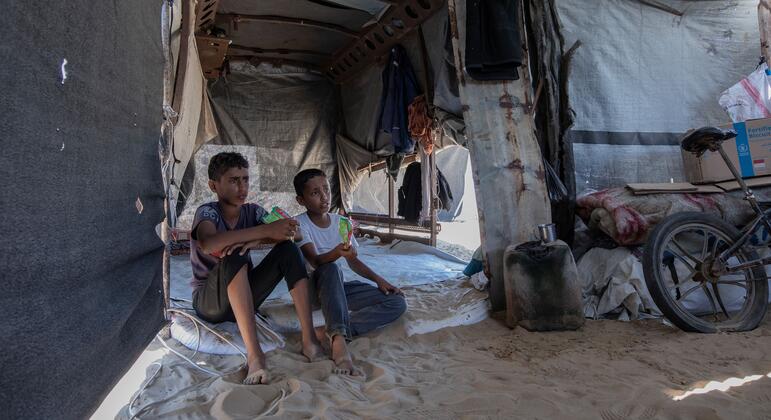
- Acute humanitarian distress in Gaza will almost certainly persist over the next 14 days. UN agencies report that 94 per cent of Gaza's 2.1 million residents need shelter and that more than four out of five families face critical or catastrophic living conditions. UNDP pest-control activity covers more than 3,250 high-risk sites, while UNICEF continues assistance and educational support. Confidence is high for the reported shelter and living-condition indicators because multiple UN sources corroborate them, although the reported death tally is less firmly sourced. (Confidence: high · REPORTED)
- I&W: Confirm: UN agencies continue to report that at least 94 per cent of Gaza's population needs shelter and more than four out of five families face critical or catastrophic conditions. (0 to 14 days)
- I&W: Break: a new UN assessment records shelter needs below 94 per cent and critical or catastrophic conditions among fewer than four out of five families. (1 to 3 months)
- Temporary de-escalatory arrangements are likely to remain fragile over the next one to three months, and a durable settlement is unlikely. Iran and Oman have discussed a phased framework for safe navigation, while Pakistan reports progress and Iranian officials have expressed general willingness to resume talks. These openings are offset by expanded US sanctions, Iranian warnings of a harsh response and reporting that wider diplomatic initiatives have struggled to gain traction. Confidence is low because the positive diplomatic claims are contested, several are single-source and the supplied record contains conflicting accounts of earlier agreements. (Confidence: low · ASSESSED)
- I&W: Confirm: Iran and Oman activate the temporary navigation corridor or begin the joint mine-clearing project, while Pakistan reports a further round of talks. (0 to 14 days)
- I&W: Break: the United States announces new strikes or sanctions against major financial institutions and Iran's Foreign Ministry repeats a threat of a harsh response. (0 to 14 days)
Outlook & scenarios
Constrained conflict with limited maritime access (45%)
Likely path. US-Israel-Iran hostilities continue without a verified settlement. Hormuz traffic remains very low, Iran permits selected movements such as Iraqi oil-tanker transits, and the Iran-Oman framework does not produce general safe passage. US sanctions expand while Iran retains threats against foreign commercial links.
Temporary maritime de-escalation (30%)
Iran and Oman operationalise a temporary navigation corridor and joint mine-clearing project. Pakistan-mediated contacts continue. Vessel movements recover towards the cited 10-day average of 14, but sanctions remain in place and the arrangement does not produce a durable political settlement.
Regional spillover across multiple fronts (20%)
Israeli operations continue in Lebanon or Syria, the Houthi blockade declaration affects Saudi-linked shipping, and Iran sustains strikes against Israel, US military assets or Arab countries. Shipping disruption and oil-price pressure intensify, with greater exposure for Turkey, Saudi Arabia and Gulf maritime operators.
Mine incident triggers direct escalation (5%)
Very unlikely but high impact. A drifting or uncharted mine, or an incident involving a vessel accused of laying mines, triggers direct US-Iran confrontation in or near the Strait of Hormuz. The navigation framework collapses and commercial traffic falls back towards near-closure levels.
Recommendations
- Maintain a daily Hormuz tracker for the next 14 days. Record commodity-vessel transits, Iran's vessel lists and transit permissions, PGSA warnings, US Navy statements and each Joint Maritime Information Center mine advisory.
- Separate verified reporting from attribution and assessment in all updates. Treat the US claim that mines were cleared and the Joint Maritime Information Center warning of active mine-danger areas as competing reporting until independently reconciled.
- Create a sanctions exposure watchlist covering Chinese firms, foreign banks, Turkish energy interests, shipping companies, the PGSA and the five sectors identified by Scott Bessent. Record each new designation, implementation date and Iranian response.
- Prioritise collection on the named spillover tripwires: Israeli air activity and projectiles in southern Lebanon, Israeli strikes in Idlib province, Houthi action against Saudi-linked shipping and Iranian strikes against US or Arab military positions.
- Use UN shelter and living-condition figures as the primary humanitarian indicators for Gaza. Track changes in the 94 per cent shelter requirement, the more than four-out-of-five critical-condition figure, pest-control coverage and the stated 562 million dollar assistance requirement.
- Do not use NASA thermal detections alone to attribute strikes or fires. NASA states that the data record heat and can corroborate several causes, but do not establish the cause.
- Reconcile the chronology before producing a long-term trend assessment. The evidence set mixes 2026 reporting with claims dated 2023, 2024 and 2025, and includes conflicting accounts of ceasefires, memoranda and the status of the war.
Confidence & uncertainty
Overall confidence is low because the evidence combines high-reliability UN and NASA reporting with major-media, think-tank and unknown-source claims of uneven quality. Several core issues remain unresolved, including the extent of Hormuz disruption, whether mines have been cleared, the implementation of threatened sanctions and the status of reported diplomatic agreements. The claim set also contains major date and attribution inconsistencies, limiting confidence in the chronology and inferences about escalation.
Intelligence gaps
- [EEI 1.2 · UNCOVERED] Changes in the operational posture of Hezbollah, Iraqi militias, Syrian-based forces, the Houthis, or other aligned armed groups, including mobilization orders and weapons movements. Recommended collection: HUMINT/social media
- [EEI 1.3 · PARTIAL] Israeli, Iranian, US, or allied force deployments indicating preparation for expanded air, missile, naval, or ground operations. Recommended collection: satellite imagery/official statements
- [EEI 1.4 · PARTIAL] Attacks on US forces, Gulf states, diplomatic facilities, commercial shipping, or critical infrastructure attributable to Iran or aligned groups. Recommended collection: incident reporting/OSINT
- [EEI 2.1 · PARTIAL] Observed movement, dispersal, or heightened alert status of ballistic missiles, cruise missiles, drones, air-defense systems, and strike aircraft. Recommended collection: satellite imagery/signals intelligence
- [EEI 2.2 · UNCOVERED] Changes in military command communications, airspace restrictions, civil-defense instructions, or reserve mobilization by Iran or Israel. Recommended collection: official releases/signals intelligence
- [EEI 2.3 · UNCOVERED] Damage assessments showing degradation or restoration of nuclear, missile, air-defense, energy, or command-and-control facilities. Recommended collection: satellite imagery/technical intelligence
- [EEI 3.1 · PARTIAL] US, Russian, Chinese, European, Gulf, Egyptian, Turkish, or Iraqi force deployments, basing changes, evacuation orders, and air-defense reinforcements. Recommended collection: official statements/satellite imagery
- [EEI 3.3 · PARTIAL] Changes in border closures, airspace restrictions, military alert levels, and public continuity-of-government measures across neighboring states. Recommended collection: government notices/aviation data
- [EEI 3.4 · PARTIAL] Foreign military or civilian evacuation activity and changes in embassy staffing or travel advisories in affected countries. Recommended collection: government notices/consular reporting
Cited sources
[1] United Nations · Global food supply has become ‘collateral damage’ in conflicts: Secretary-General (A) · sha256:2802827681c7 [2] gcaptain.com · Commodity Vessel Transits Through Strait of Hormuz Hit Three-Month Low, Data Shows (A) · sha256:916e143ac195 [3] gcaptain.com · Malacca Strait States Will Keep Waters ‘Free, Open and Safe’ (B) · sha256:f45bb829508f [4] gcaptain.com · Iran and Oman Unveil Framework for Future Management of Strait of Hormuz (B) · sha256:39e674294e6b [5] gcaptain.com · Iran Blacklists 46 Ships On Hormuz ‘Non-Compliant’ List (B) · sha256:1fefbf4718a6 [6] Al Jazeera · Iran warns of retaliation against countries joining US ‘economic war’ (A) · sha256:29d604d5d361 [7] gcaptain.com · Trump Says U.S. Navy Has Cleared All Mines From Strait of Hormuz (B) · sha256:ee981c65b240 [8] Al Jazeera · Iran | Iran | Today's latest from Al Jazeera (A) · sha256:af7ab7e6dbcf [9] gcaptain.com · U.S. Threatens Iran’s Trading Partners in New Economic Pressure Campaign (B) · sha256:359eab7e2d6a [10] maritime-executive.com · US Treasury Says Sanctions on Iran's Bankers Are Coming Soon (B) · sha256:b32cc825b8c6 [11] english.globalarabnetwork.com · Trump Threatens ‘Day of Economic Reckoning’ Against Iran (B) · sha256:20a579398890 [12] skynewsarabia.com · العقوبات على إيران. الصين والعراق في قلب الحصار (B) · sha256:f587d105b710 [13] gcaptain.com · Turkey Braces For Potential Gas Squeeze as U.S. Targets Iran Trade (B) · sha256:8642852be496 [14] Al Jazeera · US threatens toughest sanctions yet against Iran: What we know (A) · sha256:e82d27ca344c [15] United Nations · Middle East: 94 per cent need shelter in Gaza, Israel ramps up demolitions in Lebanon (A) · sha256:aa5d2b0f402c [16] Wikipedia · Reactions to the 2026 Iran war (B) · sha256:32d813375717 [17] warontherocks.com · What’s Going On In Iran? (C) · sha256:92d4579fa72e [18] politicstoday.org · Israel Faces International Criticism Over Strikes on Syria - Politics Today (B) · sha256:bb28161a3c85 [19] Wikipedia · Israeli–Palestinian conflict (B) · sha256:bc0170204e4f [20] gcaptain.com · Iran Vows to Resist Widened U.S. Sanctions, Says Washington Seeks Talks (B) · sha256:eb63e35b3d80 [21] Al Jazeera · Breaking News, World News and Video from Al Jazeera (A) · sha256:60d409a35198 [22] abc27.com · Iran warns of a harsh response as US announces new sanctions and other Middle East news (B) · sha256:0f654a58768c [23] الجزيرة نت · الجزيرة نت (A) · sha256:f197424c09e3
Source content hashes were computed at collection time; the cited text is preserved unmodified for the life of this product.
TLP:CLEAR