TLP:CLEAR · Disclosure is not limited.
Iran-Israel Conflict: Hormuz Disruption and Yemen Escalation
Time window: Last 1 day · Audience: General analyst · Type: Situation report · DTG: 2026-09-18 20:39Z · Overall confidence: HIGH
BLUF
The US-Iran confrontation is very likely to remain active through the next two weeks, while shipping through the Strait of Hormuz stays severely constrained rather than fully closed. Houthi advances along Yemen's Red Sea coast are widening the conflict's maritime and humanitarian effects, but the extent of Houthi territorial control and Iran's role remain contested.
Executive summary
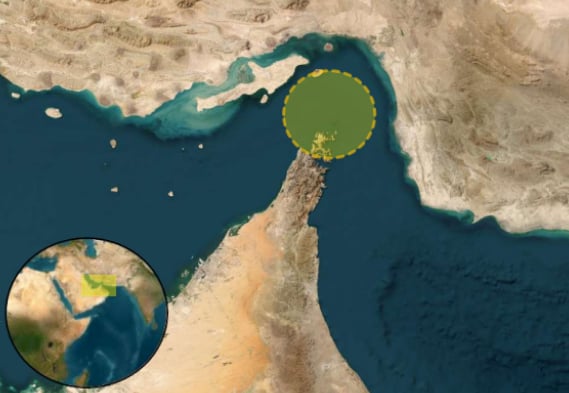
Iranian restrictions and attacks have reduced traffic through the Strait of Hormuz, although at least two LNG shipments and a Qatar-loaded tanker transited during the week of 18 September. UKMTO reported three recent maritime incidents, including two tanker strikes and an attack near Khasab, Oman. Houthi forces have taken further coastal and island positions near the Bab el-Mandeb and have targeted Saudi Arabia, while US officials have held a channel with Houthi representatives in Oman. Fighting has displaced more than 112,000 people in Yemen according to the UN, with thousands fleeing to Djibouti. Washington is sustaining pressure on Iran through sanctions and has approved a possible sale of 48 F-35 aircraft to Saudi Arabia, but congressional approval and regional partner support remain uncertain.
Change from previous assessment
Since the 17 September brief, the assessment now incorporates three reported maritime incidents around Hormuz, the IRGC Navy's claim of striking the tanker Trend, evidence of limited LNG transits and ship-to-ship transfers, the 17 September US approval of a possible $24.3 billion F-35 sale to Saudi Arabia, new BitBank sanctions, South Korea's refusal to deploy troops to Hormuz, and updated Yemen displacement reporting. Confidence in Yemen's humanitarian deterioration has increased from medium to high because UN, IOM, UNHCR and UNFPA reporting now corroborate the trend. Confidence remains medium for shipping disruption, Houthi territorial control and US policy because traffic levels, attribution and territorial scope remain disputed. The brief adds Iran's unresolved nuclear accounting and an unlikely, high-impact AI-enabled US-China maritime miscalculation as separate analytic concerns.
Key judgments
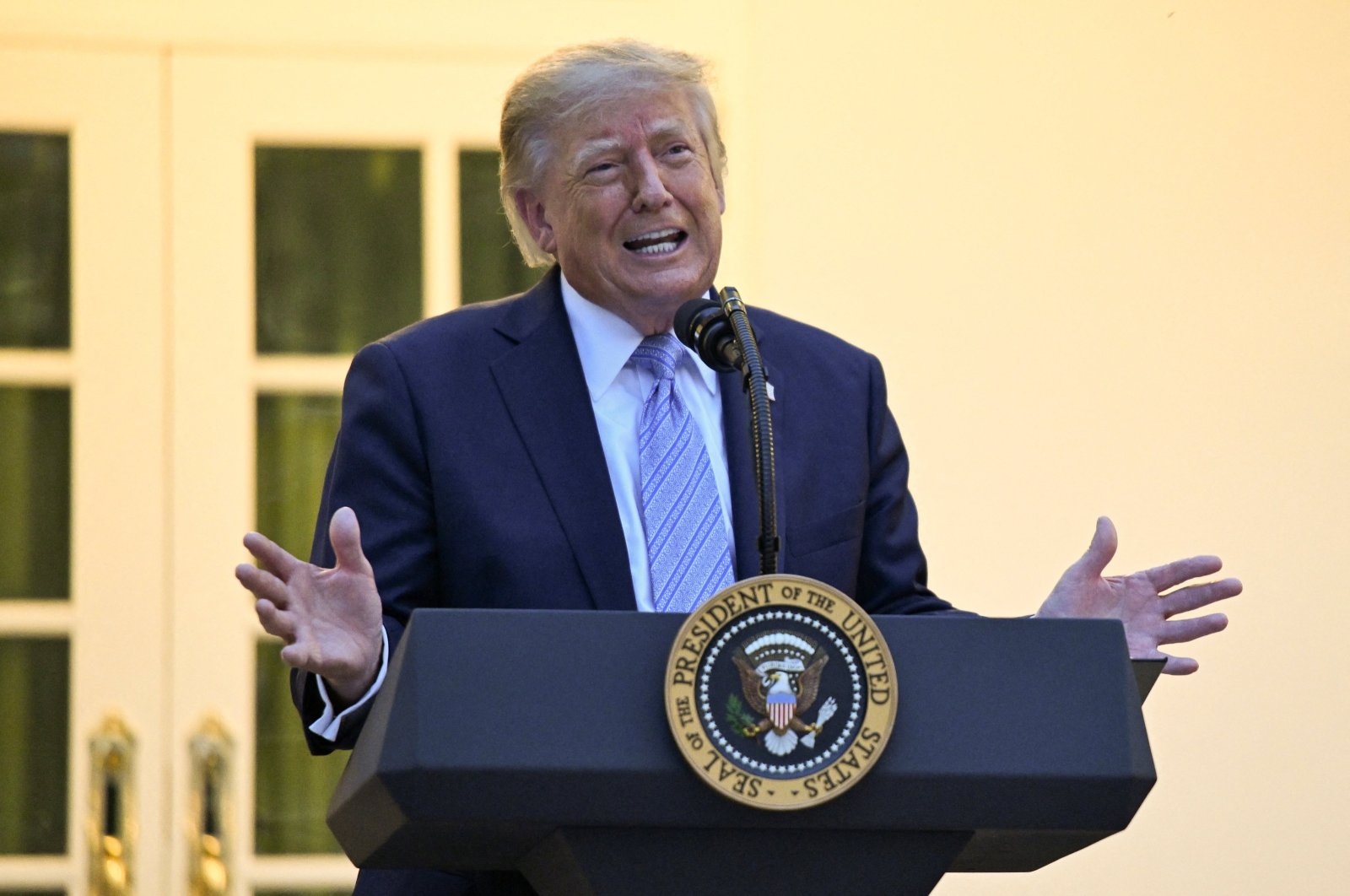
- The US-Iran confrontation is very likely to remain active but uneven through 2 October 2026, with large-scale combat slower than earlier phases and economic pressure continuing. The US and Israel began attacks on Iran on 28 February, Iran has struck Israel and Gulf countries hosting US bases, and the US Treasury sanctioned BitBank and associated entities on 17 September. President Donald Trump said on 16 September that the conflict was hopefully nearing its end, while a separate undated social-media report described possible preparations for renewed wide-scale attacks. The conflicting signals lower confidence in the precise trajectory, and the escalation report is thin and low-proximity. (Confidence: medium · ASSESSED)
- I&W: Confirm: US or Iranian authorities announce new wide-scale strikes, or CENTCOM reports another increase in redirected commercial vessels. (0-14 days)
- I&W: Break: Washington and Tehran announce and observe a formal ceasefire, with no new US, Israeli, or Iranian strikes for 14 consecutive days. (0-14 days)
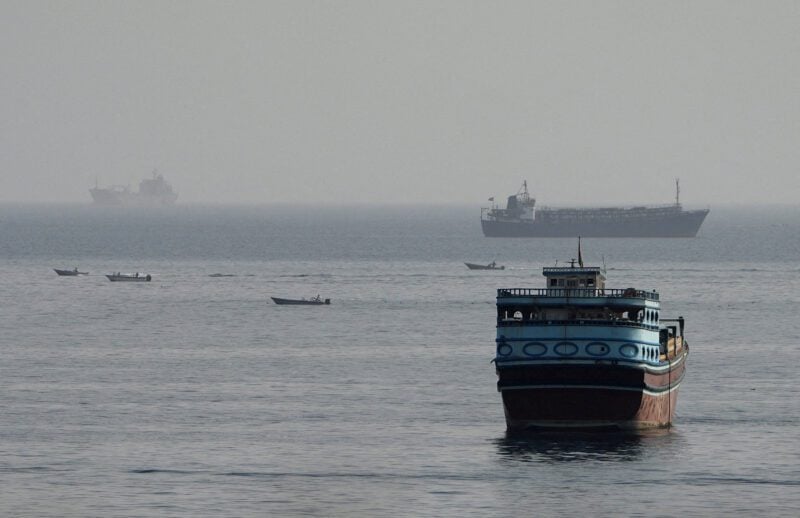
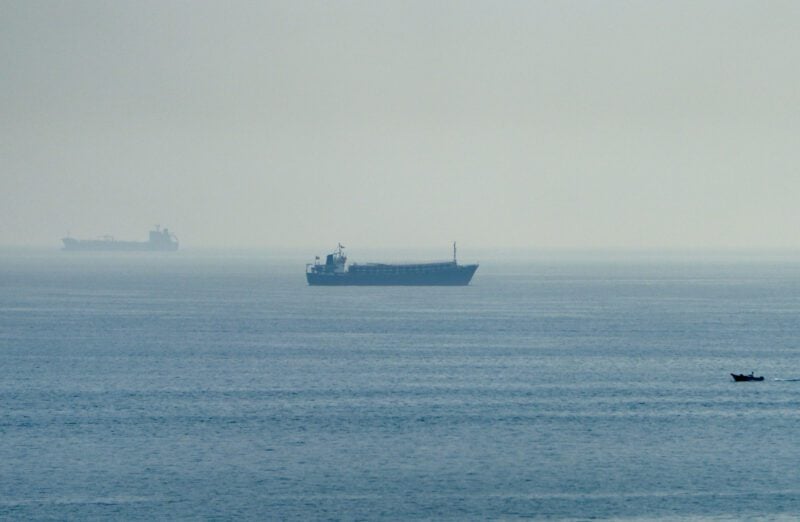
- Commercial shipping through the Strait of Hormuz is very likely to remain severely constrained through 2 October 2026, while a complete closure is unlikely. Iran has restricted and obstructed shipping, UKMTO has reported three incidents since 16 September including two tanker strikes, and the IRGC Navy claims it struck the Togo-flagged tanker Trend on 17 September. At the same time, UKMTO reports that US-facilitated movements along the southern Omani route averaged about 24 vessels per day, and at least two LNG shipments plus a Qatar-loaded tanker transited during the week of 18 September. The exact scale of remaining traffic and attribution for two attacks remain unresolved. (Confidence: medium · ASSESSED)
- I&W: Confirm: UKMTO records additional projectile strikes or no confirmed LNG transits through Hormuz for seven consecutive days. (0-14 days)
- I&W: Break: UKMTO reports sustained traffic near the latest facilitated rate, with at least three LNG cargoes completing the passage in a seven-day period. (0-14 days)
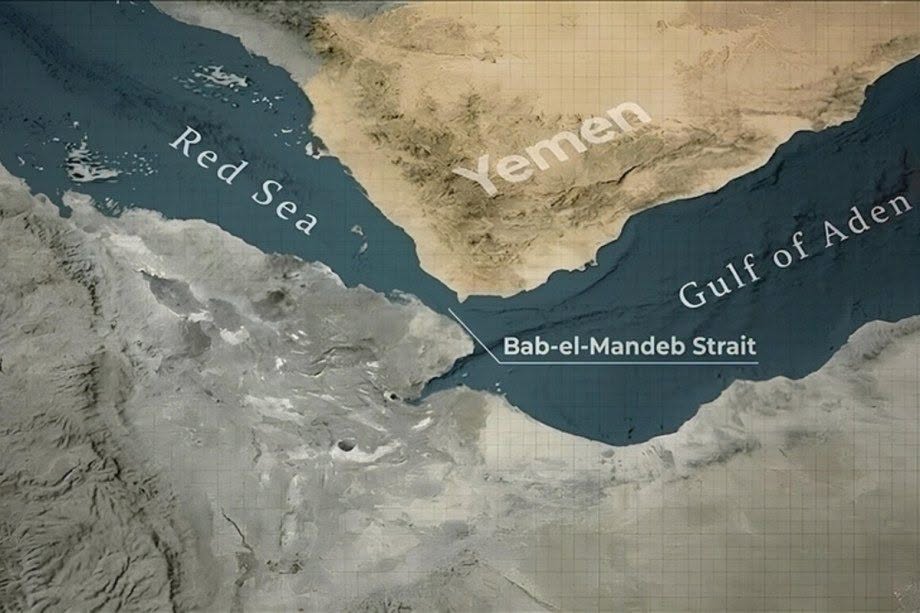
- Houthi forces are very likely to sustain pressure on Saudi shipping and the Bab el-Mandeb maritime flank through 18 October 2026. Houthi fighters have taken further control of Yemen's Red Sea coast and several islands, defeated Saudi-backed forces near the mouth of the Bab el-Mandeb, and recaptured Mokha and nearby islands according to separate reporting. The Houthis have also said in talks with US officials in Oman that they are targeting Saudi shipping but not American vessels. Confidence is medium because reporting ranges from an advance towards the strait to control of the entire Red Sea coast, and Tehran denies involvement in the latest campaign. (Confidence: medium · ASSESSED)
- I&W: Confirm: Houthi forces report or demonstrate additional attacks on Saudi shipping, or extend control from Mokha towards further Red Sea islands and Bab el-Mandeb approaches. (0-30 days)
- I&W: Break: Saudi-backed forces retake Mokha or the reported Red Sea islands, or the Oman channel produces a verifiable suspension of attacks on Saudi shipping. (0-30 days)
- Humanitarian conditions in Yemen are very likely to worsen through December 2026. The UN reports more than 112,000 people displaced, while another UN estimate puts displacement since the start of September at at least 125,000, mainly along the west coast and in Taiz and Lahj. UNHCR reports roughly 3,000 Yemenis reaching Djibouti by boat, IOM estimates that 22 million Yemenis need urgent aid, and IOM warns that stocks will be depleted very soon. UNFPA estimates that 2,000 pregnant women are among the displaced, including about 200 expected to give birth shortly. The displacement totals differ by agency and reporting scope, but the direction of deterioration is corroborated by UN, IOM, UNHCR and UNFPA reporting. (Confidence: high · ASSESSED)
- I&W: Confirm: UN or IOM reports additional displacement from Taiz, Lahj or Yemen's west coast, or UNHCR records another increase in boat arrivals to Djibouti. (0-14 days)
- I&W: Break: IOM reports replenished stocks and restored services in affected areas, alongside a sustained fall in new displacement reports. (1-3 months)
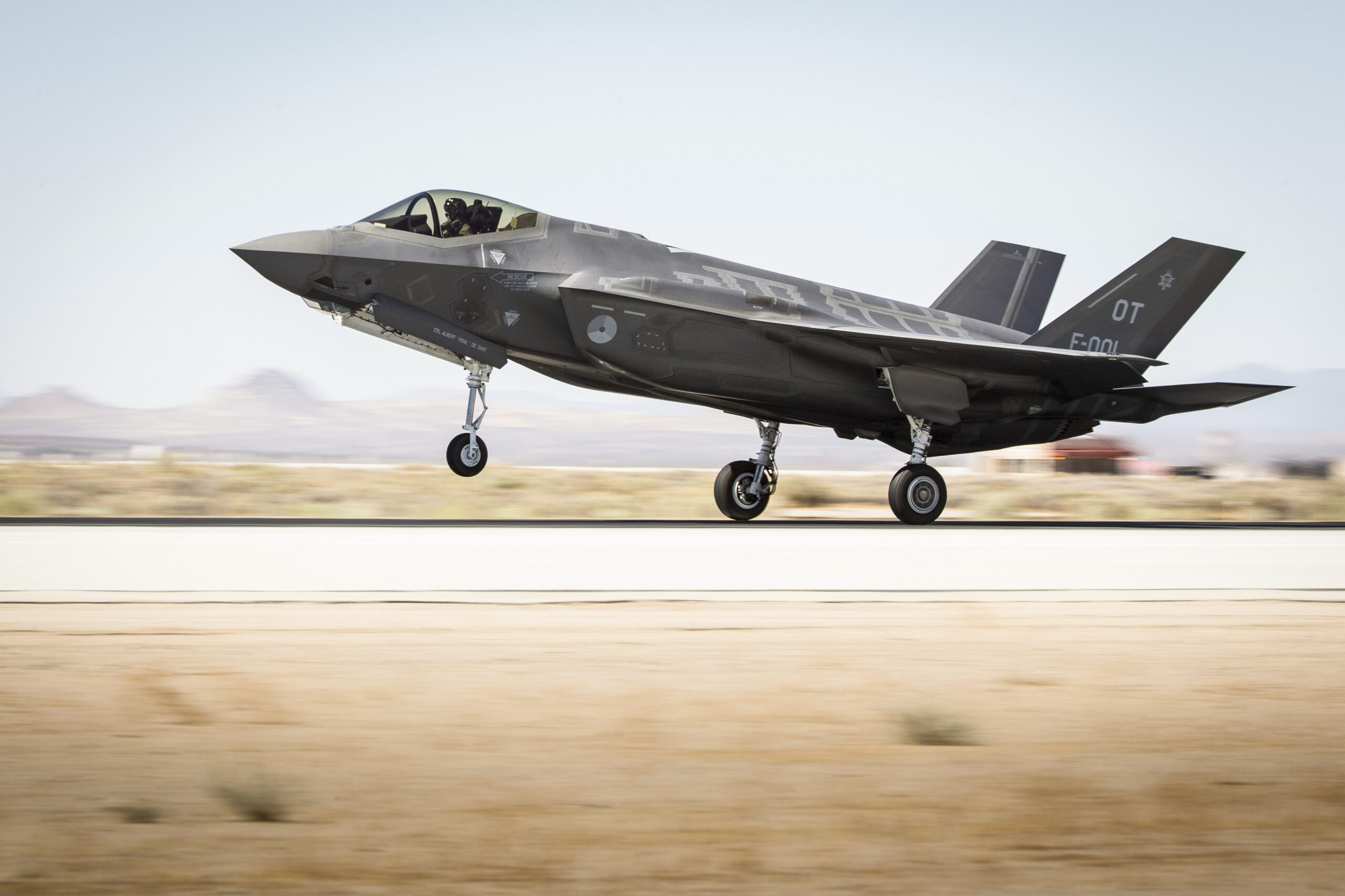
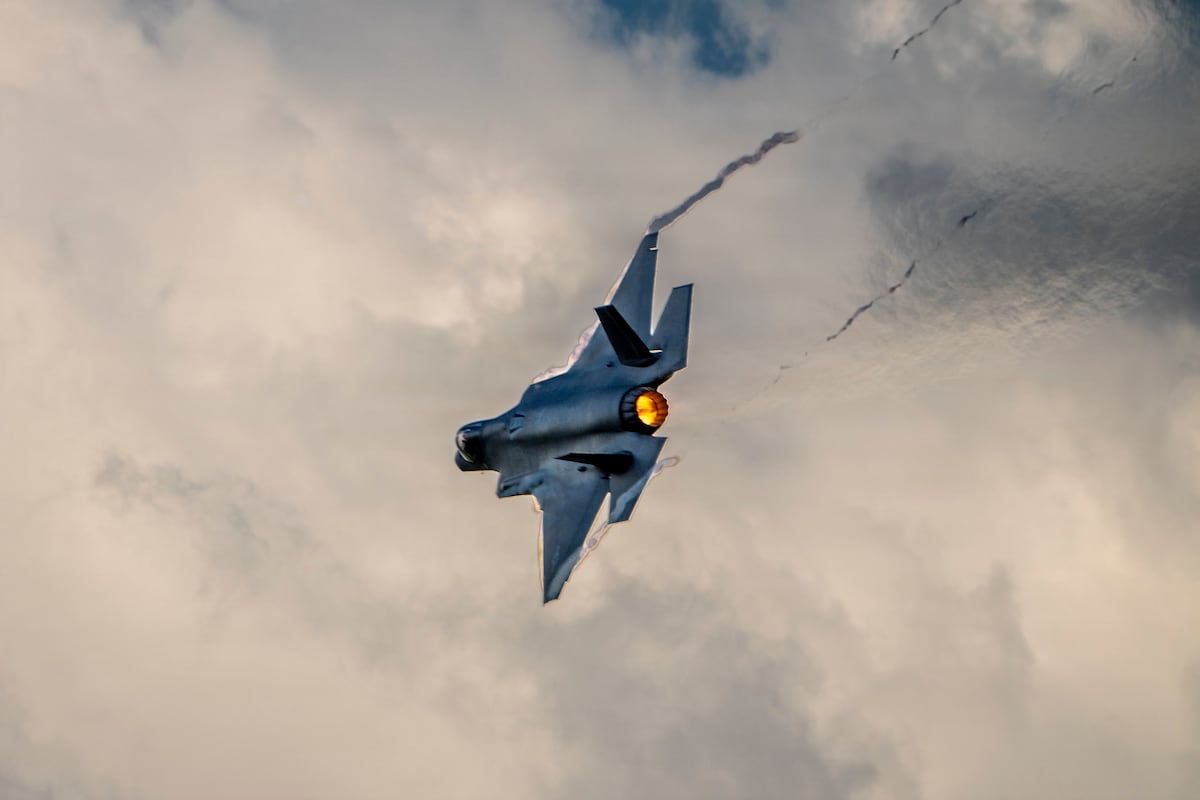
- US defence support for Saudi Arabia is very likely to continue through 18 October 2026, while Washington's engagement with the Houthis is likely to remain bounded. Saudi Arabia requested greater US military support after Houthi attacks, and the US State Department approved a possible sale of 48 F-35 aircraft worth about $24.3 billion on 17 September, following approval of a $5 billion munitions sale on 4 September. The F-35 sale still requires congressional approval, and some members of Congress remain wary of deeper military cooperation with Riyadh. US officials have also met Houthi representatives in Oman, who said they were targeting Saudi shipping but not American vessels. (Confidence: medium · ASSESSED)
- I&W: Confirm: Congress advances the 48-aircraft F-35 sale, or Washington announces additional air-defence, munitions or intelligence support for Saudi Arabia. (0-30 days)
- I&W: Break: Washington publicly ends the Oman channel or US forces conduct direct strikes against Houthi positions after a new attack on Saudi Arabia. (0-30 days)
- The location and status of Iran's enriched uranium are very likely to remain unresolved through the next month, complicating any US-Iran de-escalation. The IAEA is reported to have identified 440.9 kilograms of uranium enriched up to 60 percent, while separate reporting refers to more than 400 kilograms whose location is unknown and to a near-weapons-grade stockpile believed buried after earlier US strikes. UN inspectors have been unable to verify the stockpile's status since strikes on Iranian nuclear sites in June 2025. Confidence is medium because the figures and descriptions come from different reporting streams and have not been reconciled by verified access. (Confidence: medium · ASSESSED)
- I&W: Confirm: the IAEA reports that Iran has denied access, failed to account for the stockpile, or moved additional material outside verified facilities. (0-30 days)
- I&W: Break: the IAEA receives access and publishes a reconciled inventory with verified locations for the reported enriched uranium. (0-30 days)
- An inadvertent US-China maritime confrontation is unlikely through 18 October 2026, but the reported false AI-assisted intelligence episode presents a high-impact escalation pathway. A Special Operations Command analyst reportedly used an AI chatbot that combined open-source and classified signals intelligence, prompting preparations to board a Chinese ship after its cargo was incorrectly identified as nuclear-related. The operation was halted after officials reviewed the underlying intelligence. This judgement rests on a single low-proximity trade report and an unnamed source, so confidence is low. (Confidence: low · ASSESSED)
- I&W: Confirm: US officials announce another boarding, interception or coercive inspection of a Chinese-linked vessel based on contested cargo intelligence. (0-30 days)
- I&W: Break: the US military publishes a review that removes the disputed intelligence from operational use and confirms no further action against the vessel. (0-30 days)
Outlook & scenarios
Prolonged constrained conflict (50%)
The most likely path is a prolonged, lower-intensity US-Iran confrontation in which Washington sustains sanctions and maritime pressure, Iran maintains restrictions around Hormuz, and Houthi forces continue attacks on Saudi-linked shipping. Hormuz remains usable for selected vessels but well below normal traffic, while displacement and humanitarian needs in Yemen increase.
Managed but incomplete de-escalation (25%)
Trump's statements that the conflict is nearing its end, continued communications with Iran, and the US-Houthi meeting in Oman support a managed pause. Strikes decline, some Hormuz traffic resumes, and Saudi shipping receives additional US support. The nuclear stockpile dispute and Houthi territorial gains prevent a durable settlement.
Maritime flank widens (17%)
Houthi forces expand their positions around Mokha, the Red Sea islands and the Bab el-Mandeb approaches, while Iran-linked or unidentified actors sustain attacks on tankers near Hormuz. Saudi oil and shipping infrastructure face renewed disruption, LNG flows fall again, and additional Yemenis flee towards Djibouti.
AI-enabled strategic miscalculation (8%)
A false AI-assisted assessment triggers another US interception of a Chinese-linked vessel or prompts a coercive action based on disputed cargo intelligence. Even without an exchange of fire, the incident widens the conflict diplomatically and complicates US operations across the Middle East.
Recommendations
- Maintain a daily maritime dashboard covering UKMTO warnings, IRGC announcements, confirmed vessel movements, Project Freedom transits, LNG passages and ship-to-ship transfers near Oman. Report confirmed traffic separately from AIS-invisible or delayed satellite observations.
- Use a range of 112,000 to 125,000 displaced people for Yemen until UN agencies reconcile their totals. Track west-coast, Taiz and Lahj displacement separately from arrivals in Djibouti, and flag the reported 2,000 pregnant women and 200 imminent births as an urgent protection requirement.
- Prioritise collection on Houthi positions around Mokha, the Red Sea islands and the Bab el-Mandeb approaches. Treat claims of control over Yemen's entire Red Sea coast as unconfirmed until current imagery or independent frontline reporting verifies the full extent.
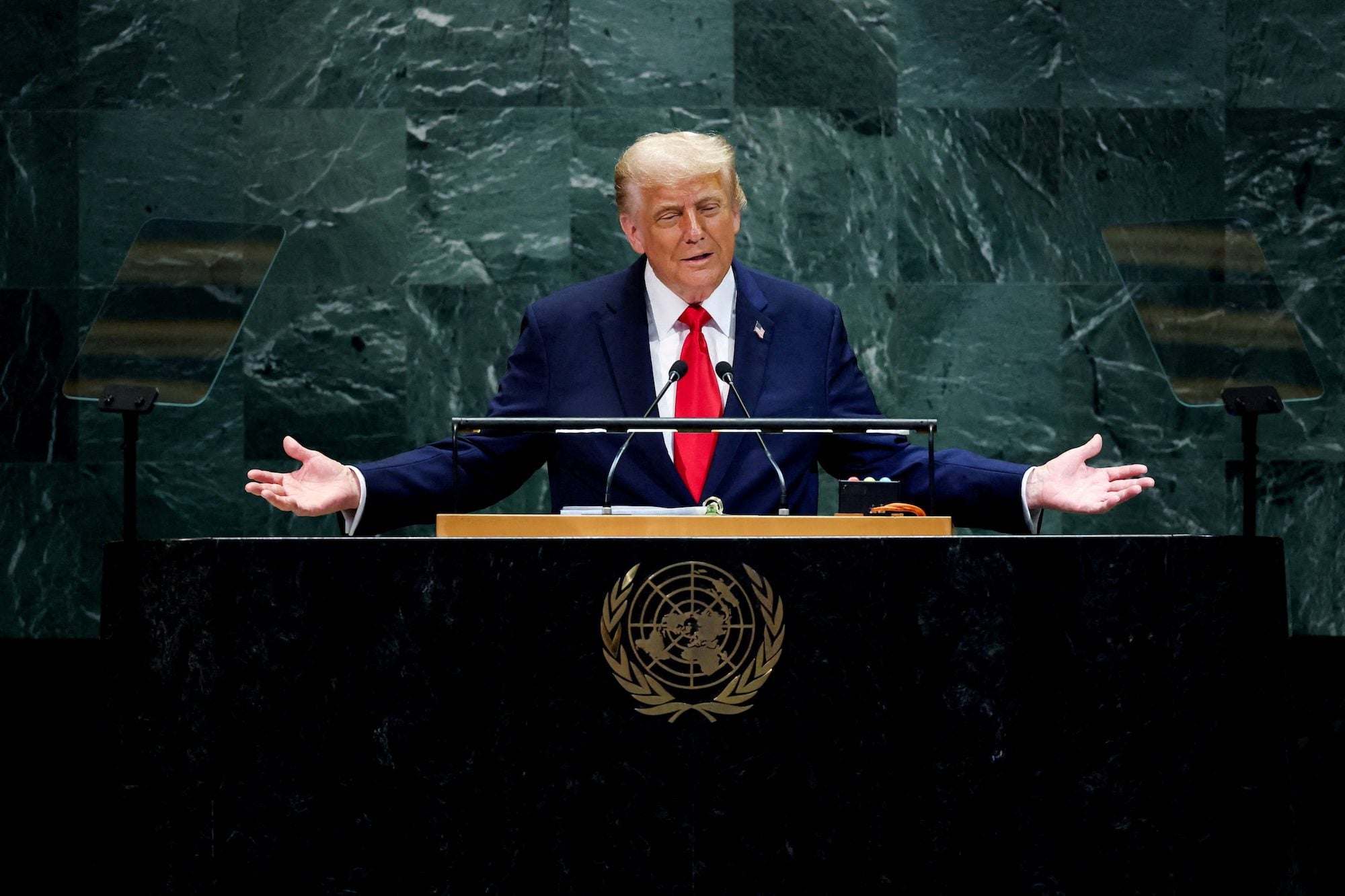
- Track the 22 September UN General Assembly address by Donald Trump for changes in US negotiating demands, military posture or sanctions policy. In parallel, monitor the IAEA General Conference in Vienna for access arrangements or a reconciled account of Iran's enriched uranium.
- Separate the Saudi F-35 process from already approved US munitions support. Monitor congressional action on the proposed 48-aircraft, $24.3 billion sale and identify whether Washington announces additional air-defence or intelligence assistance to Saudi Arabia.
- Require human review and independent source validation before operational use of AI-generated assessments involving vessel identity, cargo, nuclear material or Chinese-linked shipping. Preserve the underlying source chain so analysts can audit any model-derived conclusion before escalation decisions are taken.
Confidence & uncertainty
Overall confidence is high for the broad assessment because the main developments are corroborated by multiple independent reporting streams, including the UN, IOM, UNHCR, UNFPA, UKMTO, the IAEA, US government statements, Reuters reporting and major media. Confidence is highest for Yemen's humanitarian deterioration and the broad pattern of Hormuz disruption. The main uncertainties concern the exact scale of vessel traffic, the attribution of non-Trend attacks, the extent of Houthi territorial control, the status of Iran's enriched uranium and the reliability of the single-source AI incident report.
Intelligence gaps
- [EEI 1.1 · UNCOVERED] Movement, dispersal, or emplacement of Iranian conventional or IRGC heavy assets (ballistic missile launchers, Khoramshahr/Toofan-class missile transporters, ground-to-ground TELs, air defense batteries, amphibious units) from garrison areas toward forward bases or coastal launch sites. Recommended collection: satellite/IMINT
- [EEI 1.2 · UNCOVERED] Authenticated Iranian military orders, NSC/IRGC operations directives, or senior leadership statements explicitly directing strikes against Israel or US forces or authorizing cross-border operations. Recommended collection: human/diplomatic
- [EEI 1.3 · PARTIAL] Changes in Israeli and US force posture indicating anticipation of direct large-scale conflict, elevated readiness levels, mobilization notices, pre-positioning of munitions, or public/private orders to prepare offensive strikes. Recommended collection: open-source/diplomatic
- [EEI 2.1 · UNCOVERED] Observable pre-launch preparations for missile/rocket/cruise missile strikes (fueling, warhead mating, launcher orientation, support vehicle congregation) and abnormal munitions handling at known launch sites. Recommended collection: satellite/IMINT
- [EEI 2.2 · UNCOVERED] Indications of proxy arms shipments and weapons transfers (truck convoys, small boat transfers, container movements from Iran to proxies, new stockpiles in Lebanon, Iraq, Yemen, Syria). Recommended collection: maritime/AIS
- [EEI 2.3 · UNCOVERED] Evidence of cyber attack planning or active exploitation campaigns targeting Israeli or US military/critical infrastructure (emergence of new command-and-control servers, spear-phishing campaigns against defense personnel, successful intrusions). Recommended collection: cyber
- [EEI 3.1 · PARTIAL] Movements and posture changes of US regional platforms (carrier strike groups, amphibious ready groups, B-52/B-1/B-2 or fighter deployments, missile defense assets repositioning) and associated armament loadouts. Recommended collection: satellite/IMINT
- [EEI 3.2 · PARTIAL] Official or leaked US government/diplomatic communications indicating thresholds for strikes, authorization for offensive operations, or limits on action (NSC/DoD statements, congressional notifications, diplomatic notes). Recommended collection: diplomatic/human
- [EEI 3.3 · UNCOVERED] Changes in US base force-protection measures and rules of engagement at regional facilities (base lockdowns, evacuation notices, flight restrictions, activation of Local Defense Forces or missile intercept systems). Recommended collection: open-source/local reporting
- [EEI 4.1 · UNCOVERED] Hezbollah-specific indicators: convoys and logistics movements toward Lebanon, Israel border, artillery/rocket emplacement in southern Lebanon, documented strikes-preparation activity, public mobilization orders or recruitment drives. Recommended collection: satellite/IMINT
- [EEI 4.2 · PARTIAL] Houthi-attributed maritime attack indicators: AIS anomalies/loss of contact for commercial vessels, reports of missile/drone strikes or near-miss incidents in Bab al-Mandeb/Red Sea, Houthi claims paired with imagery of weapons launches. Recommended collection: maritime/AIS
- [EEI 4.3 · PARTIAL] Militia cross-border attack evidence from Iraq/Syria: recorded rocket/mortar launch events into Israel or strikes against US facilities, movement of armed convoys toward border areas, and intercepted communications coordinating cross-border operations. Recommended collection: signals/ELINT
Cited sources
[1] Daily Sabah · Trump faces skeptical UN audience as Iran war enters 7th month | Daily Sabah (B) · Fri Sep 18 2026 08:54:00 GMT+0000 (Coordinated Universal Time) · sha256:3a951afd26f9 [2] The Arab American News · Middle East on the Brink: Iran War Fuels Wider Regional Crisis (D) · Fri Sep 18 2026 07:56:25 GMT+0000 (Coordinated Universal Time) · sha256:d4dfaedfe6b8 [3] Reuters (republished by gCaptain) · Trump Returns to UN as Iran War Spreads Across Shipping Chokepoints (A) · Fri Sep 18 2026 16:58:46 GMT+0000 (Coordinated Universal Time) · sha256:7dcae6a7bc9a [4] gCaptain · U.S. Sanctions Crypto Exchange Tied to Iran’s Hormuz Transit Payments (C) · Fri Sep 18 2026 15:56:09 GMT+0000 (Coordinated Universal Time) · sha256:6a3c5c6367b1 [5] Ashams - الشمس (Facebook page) · الشمس بدقيقة 18.9.26 ترامب يقول إن واشنطن تقترب من قرار بشأن المواجهة مع إيران، ودراسة عدة خيارات بينها استئناف هجمات واسعة، مع استمرار الاتصالات للتوصل إلى اتفاق برنامج مكافآت من أجل العدالة الأمريكي يعرض مكافأة تصل إلى 15 مليون دولار مقابل معلومات تساعد في تعطيل الأنشطة المالية للحرس الثوري الإيراني تخوف من تضييقات على الفلسطينيين ومنعهم من الوصول إلى الأقصى خلال الأعياد اليهودية، يرافق الأنباء عن تكثيف الحضور الاستيطاني فيه الجيش الإسرائيلي يعلن عن تعزيز قواته على كل الجبهات، ورفع جاهزية سلاحَي الجو والبحر ووحدات الاحتياط تحسبًا لأي طارئ خلال يوم الغفران والأعياد مقتل فتى دهسًا في الخضيرة، وإصابة سائق الشاحنة بجراح طفيفة بعد إطلاق النار عليه. شهادات أنّ السائق حاول الهرب خوفًا من هجوم للعشرات عليه مقتل 17 شخصًا، منهم ستة من أفراد الشرطة وإصابة العشرات في تفجير استهدف مسجدًا داخل مركز شرطة في باكستان | Ashams - الشمس (E) · sha256:67b52bbab414 [6] TV7 Israel News · Could Trump Unleash Israel Against Iran? (B) · sha256:5c0f5bbcaccb [7] gCaptain · Three Tanker Attacks Hit Hormuz as Saudi Oil Is Forced Back Toward Strait (C) · Fri Sep 18 2026 16:07:36 GMT+0000 (Coordinated Universal Time) · sha256:fba4e5bcba79 [8] The Maritime Executive · Iran Exploits Attack on Small Product Tanker to Assert Hormuz Control (C) · sha256:093f709c7cc9 [9] gCaptain · More LNG Getting Through Hormuz as Producers Push for Transits (C) · Fri Sep 18 2026 09:18:10 GMT+0000 (Coordinated Universal Time) · sha256:831f2db8d752 [10] Deutsche Welle (DW) · Iran's 'new Hezbollah:' How powerful are the Houthis now? (A) · Fri Sep 18 2026 19:22:17 GMT+0000 (Coordinated Universal Time) · sha256:fcec71e65a7e [11] Forecast International (Defense Security Monitor) · U.S. Approves Possible F-35 Sale to Saudi Arabia - Defense Security Monitor (C) · Fri Sep 18 2026 13:56:54 GMT+0000 (Coordinated Universal Time) · sha256:92edc009b2ce [12] Al Jazeera · More than 112,000 displaced by Yemen fighting; thousands flee to Djibouti (A) · Fri Sep 18 2026 16:12:28 GMT+0000 (Coordinated Universal Time) · sha256:ff6e2ba54673 [13] Defense News · US clears way for $24.3 billion fighter jet sale to Saudi Arabia (B) · Fri Sep 18 2026 17:44:31 GMT+0000 (Coordinated Universal Time) · sha256:e9cd60d97969 [14] Euronews · Russia, China block US push to maintain UN oversight of Iran sanctions (A) · Fri Sep 18 2026 04:27:18 GMT+0000 (Coordinated Universal Time) · sha256:b382c5b19ecf [15] gCaptain · AI Error Nearly Triggered U.S. Intercept of Chinese Ship, CNN Reports (C) · Fri Sep 18 2026 19:30:47 GMT+0000 (Coordinated Universal Time) · sha256:886515941f81
Source content hashes were computed at collection time; the cited text is preserved unmodified for the life of this product.
TLP:CLEAR