TLP:CLEAR · Disclosure is not limited.
Iran-Israel conflict: Hormuz incident and Gaza strikes heighten regional risk
Time window: Last 1 day · Audience: General analyst · Type: Situation report · DTG: 2026-11-26 12:28Z · Overall confidence: HIGH
BLUF
An IRGC-reported mine incident involving two oil tankers near Oman’s Khasab port adds immediate pressure to shipping through the Strait of Hormuz, but independent reporting has not established responsibility for the mines. Israeli strikes in Gaza continued for a third consecutive night; the reporting supplied for 25-26 November does not establish a new direct Iran-Israel exchange.
Executive summary
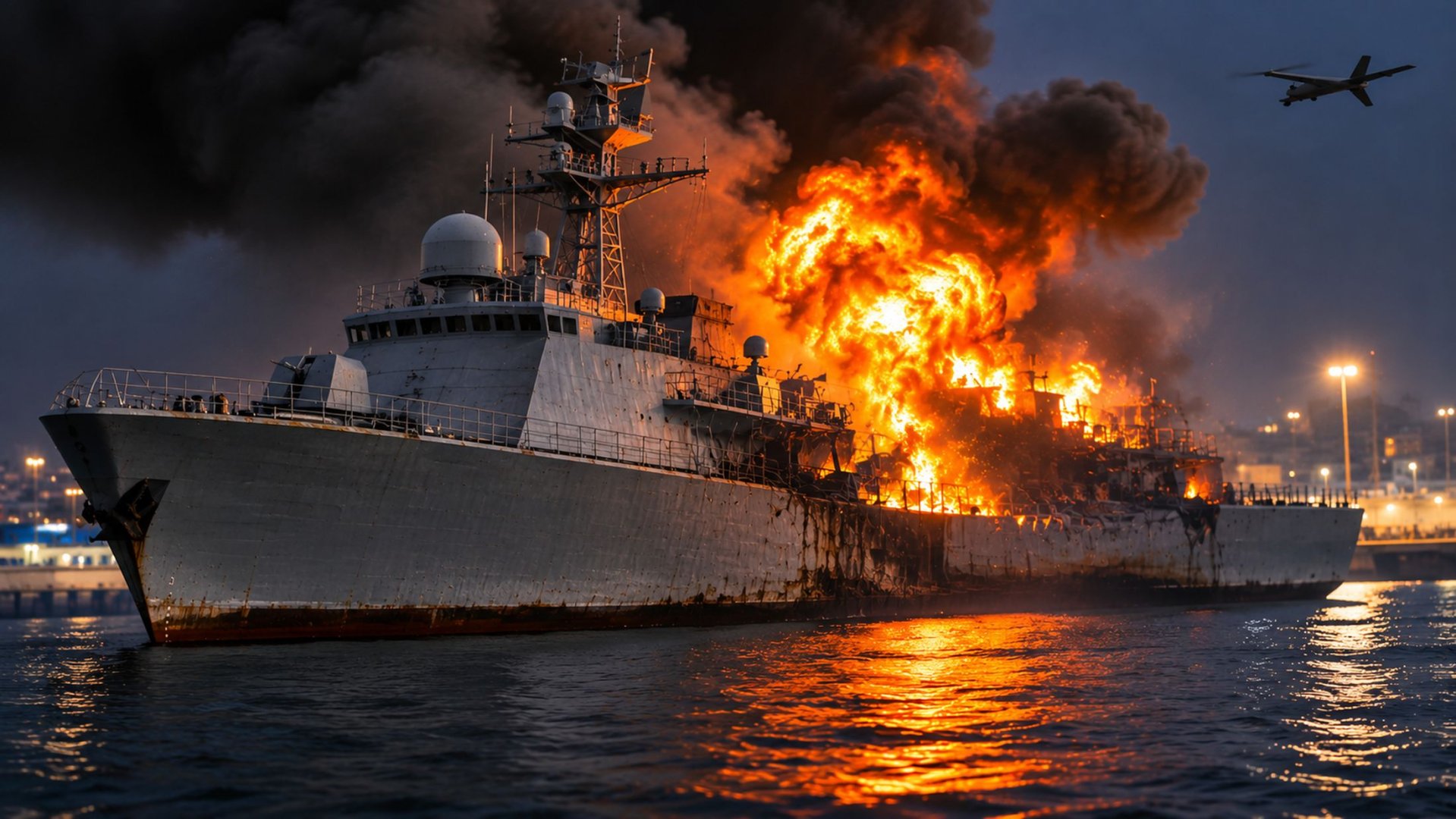
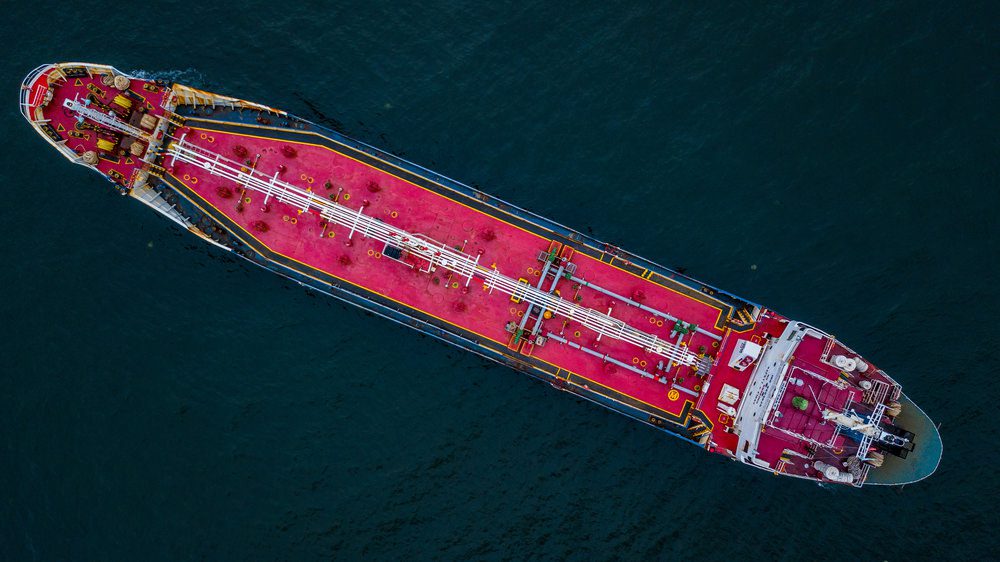
The IRGC said two oil tankers struck naval mines north of Khasab port on 26 November, exploded and caught fire. Reporting describes Hormuz traffic as near a standstill, while separate shipping coverage says crude flows have recovered, leaving the scale of disruption uncertain. In Gaza, reports describe Israeli strikes and gunfire for a third consecutive night, including the deaths of at least eight or nine Palestinians in some accounts; WAFA reported two deaths in strikes in central and northern Gaza, so the total remains unresolved. Egypt and Qatar are reported to be coordinating on mediation and de-escalation. Claims of a missile launch from Sirik and more than 25 IRGC drone attacks in Iraqi Kurdistan remain uncorroborated social-media reporting.
Change from previous assessment
Since the 25 November brief, reporting adds an IRGC account of two tankers striking mines and catching fire near Khasab, and describes Israeli strikes in Gaza for a third consecutive night. The Hormuz incident raises concern about immediate maritime disruption, but conflicting accounts of near-standstill traffic and recovered crude flows leave the scale uncertain. Egypt-Qatar coordination on mediation is now reported; it does not establish that negotiations have resumed or produced an agreement. The prior brief’s roughly even chance of renewed US or Israeli strikes by 25 December remains unresolved: no settled outcome is provided, and the new reporting does not justify a material change to that estimate.
Key judgments
- Commercial traffic through the Strait of Hormuz is likely to remain disrupted over the next 14 days, although the scale of disruption and the cause of the reported tanker damage remain uncertain. The IRGC attributed the fires on two tankers north of Khasab to naval mines, while one report described maritime trade as near a standstill and separate shipping coverage reported recovered crude flows. The incident account is carried through major-media reporting of an IRGC statement, not independent confirmation of who laid the mines. (Confidence: medium · ASSESSED)
- I&W: Additional tanker fires, mine strikes or navigation restrictions in the Strait of Hormuz are reported by sources independent of the IRGC. (0-14 days)
- I&W: Shipping data show sustained regular commercial transits through the Strait of Hormuz, with no further reported tanker incidents. (0-14 days)
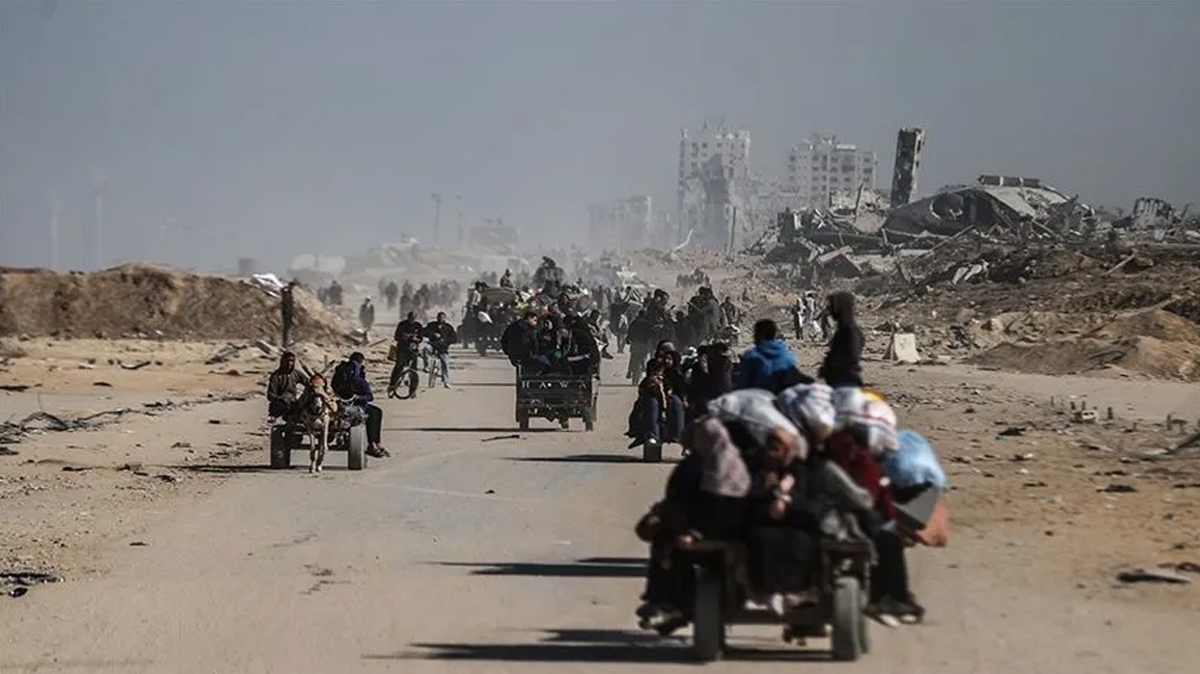
- Israeli strikes in Gaza are likely to continue over the next 14 days, keeping the ceasefire under pressure. Reports describe a third consecutive night of air strikes and gunfire, and Israeli leaders have described a campaign of targeted killings and threatened further attacks if Hamas does not disarm. Reported deaths for 26 November range from two in WAFA’s account to at least eight or nine in other reports, which may reflect different coverage or reporting cut-offs. (Confidence: medium · ASSESSED)
- I&W: Israeli air strikes or gunfire causing further reported deaths occur in Gaza, or Israeli leaders announce additional operations against Hamas. (0-14 days)
- I&W: A publicly announced halt is followed by 14 days without reported Israeli strikes or gunfire in Gaza. (0-14 days)
- There is a roughly even chance of another direct US-Iran or Israel-Iran military incident by 26 December, but the available reporting does not show that either side has made an operational decision to resume strikes. The US blockade is reported to remain in force and negotiations appear stalled; Egypt and Qatar are also reported to be coordinating on mediation. The near-term risk assessment rests partly on think-tank analysis and an IRGC account of the tanker incident, so confidence is low. (Confidence: low · ASSESSED)
- I&W: The US or Iran publicly confirms new strikes, or independent reporting verifies a direct exchange involving Iranian, US or Israeli forces. (0-30 days)
- I&W: US-Iran negotiations resume with a publicly stated agenda, alongside a reported change to the US blockade or Iran’s stated conditions. (0-30 days)
- It is unlikely that the reported Sirik missile launch and alleged IRGC drone attacks in Halabja and Sulaimani establish a new Iranian strike against Israel or a confirmed regional escalation. The Sirik report does not identify the missile type or target, and the drone claims come from social-media posts without corroboration in the supplied reporting. These remain unverified reports, not established military activity. (Confidence: low · ASSESSED)
- I&W: A government, military or established news outlet independently confirms the Sirik launch or the reported drone attacks, with target and impact details. (0-14 days)
- I&W: The reports remain unsupported by independent confirmation or are corrected by their original publishers. (0-14 days)
Outlook & scenarios
Continued pressure without a new direct exchange (45%)
The Strait of Hormuz remains dangerous or constrained, but no new direct US-Iran or Israel-Iran strike exchange is reported by 26 December. Israeli operations in Gaza continue to strain the ceasefire, while Egypt and Qatar maintain mediation contacts.
Maritime incident triggers wider military action (35%)
A further tanker incident or confrontation around a transit attempt prompts direct military action involving Iran and the US, or Iran and Israel. The reported US blockade and stalled negotiations provide a route for escalation; current reporting does not establish that such action has been decided.
Diplomatic pause reduces immediate risk (20%)
Egyptian and Qatari mediation produces renewed US-Iran talks or a change in the parties’ stated positions, reducing the immediate risk of a direct exchange. The supplied reporting confirms coordination but gives no evidence of an agreed framework or outcome.
Recommendations
- For reporting on Hormuz, separate the occurrence of the tanker fires from the IRGC’s attribution to naval mines. Seek independent confirmation of vessel identities, damage, mine evidence and any navigation restrictions before describing responsibility as established.
- Track commercial transit and crude-flow reporting separately. The near-standstill account and reports of recovered crude flows are not equivalent measures of traffic, so do not present either as a settled overall picture.
- Reconcile Gaza casualty reporting by date, location and reporting cut-off. Keep WAFA’s figure separate from the higher totals in other reports until their coverage is clarified.
- Do not treat the Sirik launch or the Halabja and Sulaimani drone claims as confirmed. Require independent reporting or official confirmation with specific target and impact details before using them to assess Iranian escalation.
- Monitor public statements and meetings involving Egypt, Qatar, the US and Iran for concrete changes to negotiation positions, blockade enforcement or maritime transit arrangements.
Confidence & uncertainty
Overall confidence is high for the main reported pattern because multiple established news organisations and official sources corroborate the continued Israeli strikes in Gaza, while major-media reporting records the tanker fires and attributes the account to the IRGC. Confidence is lower on the cause of the tanker damage, the precise Gaza casualty total and the social-media claims of Iranian missile or drone activity. These uncertainties limit confidence in attribution and forecasts, rather than in the broad pattern of reported incidents.
Alternative analysis (red cell)
The available reporting more defensibly indicates a heightened but unquantifiable risk of renewed direct US-Iran or Israel-Iran confrontation, rather than a roughly even chance by 26 December. Stalled negotiations and the reported blockade create escalation pressure, but ongoing Egypt-Qatar mediation in claim 837f4981-4181-4792-8f65-3f1c1c5f6ff8 and the absence of evidence of an operational decision weigh against assigning near-50 percent odds. The tanker reporting is too contested and indirect to materially anchor the probability estimate.
Intelligence gaps
- [EEI 1.1 · UNCOVERED] Observed repositioning, sustained increases, or new forward basing of Iranian conventional or IRGC forces (armored units, missile batteries, aircraft, naval vessels) toward borders or regional launch points. Recommended collection: IMINT/satellite
- [EEI 1.2 · UNCOVERED] Hezbollah or other Iran-aligned proxy forces conducting mass mobilization, visible rocket/artillery emplacements, cross-border firing incidents, or preparations for cross-border operations from Lebanon, Syria, Iraq or Yemen. Recommended collection: HUMINT/ground ISR
- [EEI 1.4 · UNCOVERED] Interdicted or observed shipments (air, sea, land manifests, seizures, satellite imagery of transfers) of advanced weapons or missile components from Iran toward proxy groups or forward staging points. Recommended collection: maritime/AIS
- [EEI 2.1 · UNCOVERED] Satellite or on-the-ground imagery showing fires, damage, or operational shutdown at major oil export facilities, refineries, storage terminals, or key pipeline infrastructure in the Gulf and Red Sea. Recommended collection: IMINT/satellite
- [EEI 2.4 · UNCOVERED] Rapid increases in war-risk insurance premiums for Middle East routes, shipping company advisories to avoid region, or major charter cancellations tied to the conflict. Recommended collection: financial/open-source
- [EEI 3.1 · UNCOVERED] Movement/arrival of major foreign military assets into the region: US carrier strike groups, amphibious ready groups, strategic bomber flights, Russian/Chinese naval taskings, or allied expeditionary units (visible in AIS, NOTAMs, satellite imagery, official releases). Recommended collection: IMINT/satellite
- [EEI 3.2 · UNCOVERED] Official expedited arms transfers, basing/overflight agreements, or declarations of operational support (formal government announcements, defense ministry releases, logistics flight manifests). Recommended collection: open-source/diplomatic
- [EEI 3.3 · UNCOVERED] Embassy evacuations, large-scale personnel movements, issuance of government travel bans/advisories, or multinational security alerts affecting foreign nationals and diplomatic posture in the region. Recommended collection: diplomatic/open-source
- [EEI 3.4 · PARTIAL] High-level diplomatic/UN activity: scheduled or emergency Security Council meetings, published ceasefire proposals, or multilateral statements committing support/condemnation that precede changes in military posture. Recommended collection: open-source/diplomatic
Red cell review: PARTIAL DISSENT
TLP:CLEAR