TLP:CLEAR · Disclosure is not limited.
Iran-Israel Conflict: Hormuz Pressure and Expanding Regional Risk
Time window: Last 1 day · Audience: General analyst · Type: Situation report · DTG: 2026-08-20 11:08Z · Overall confidence: MEDIUM
BLUF
Likely the conflict will remain active across Iran, Israel, Lebanon, Syria, Yemen, the UAE and the Strait of Hormuz over the next two weeks. Very likely shipping through Hormuz will remain constrained despite US forces facilitating limited vessel movements, while an immediate US-Iran de-escalation agreement remains unlikely.
Executive summary
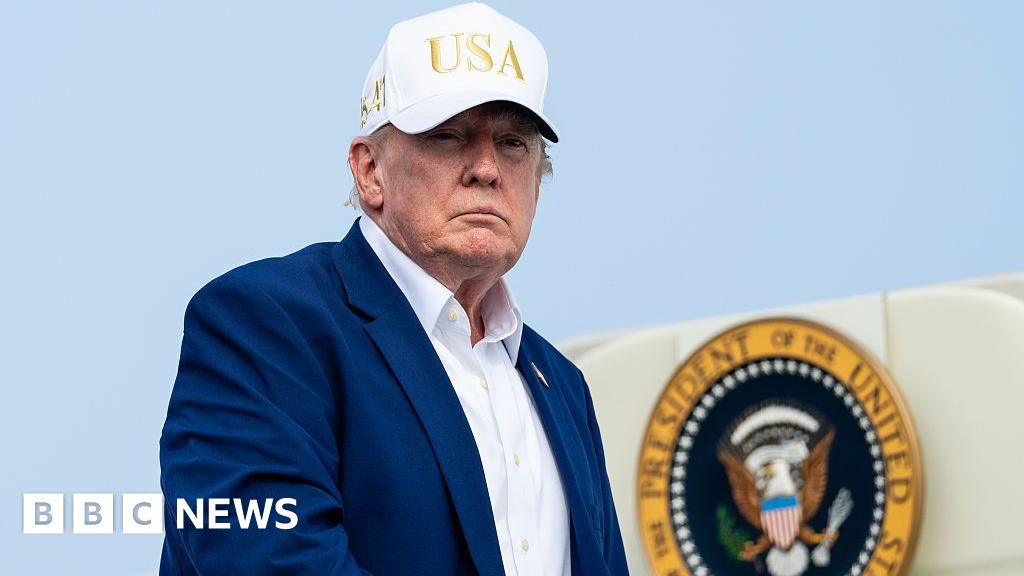
As of 20 August 2026, Iranian officials are publicly prioritising offensive operations while Iran-linked actors are active against Israel and commercial shipping. Hezbollah is firing rockets into northern Israel, Israel is operating against Hezbollah in Lebanon and conducted an airstrike in Syria on 19 August, and Iran is reported to have fired two missiles towards the UAE, an attribution Tehran denies. The Islamic Revolutionary Guard Corps has fired on vessels in the Strait of Hormuz, including an incident that killed a chief engineer, while US forces are facilitating the transit of 15 to 20 ships each night. Donald Trump has announced a new campaign to isolate Iran economically, but reporting on US-Iran contacts remains contradictory because Iran and Oman are negotiating over Hormuz while Trump says no talks are taking place.
Change from previous assessment
Since the 19 August 2026 brief, the assessment now distinguishes constrained Hormuz traffic from a complete closure because US forces are reported to be facilitating the movement of 15 to 20 ships each night. The brief adds a new judgment that Washington is moving towards a broader announced economic isolation campaign against Iran and supporting countries. The diplomatic assessment remains unlikely and low confidence because reports of Iran-Oman negotiations conflict with Donald Trump's statement that no talks with Tehran are taking place. The low-confidence warning on possible Iranian strikes in southeastern Europe is retained, while the humanitarian judgment is expanded to include Gaza, Iran and the UAE.
Key judgments
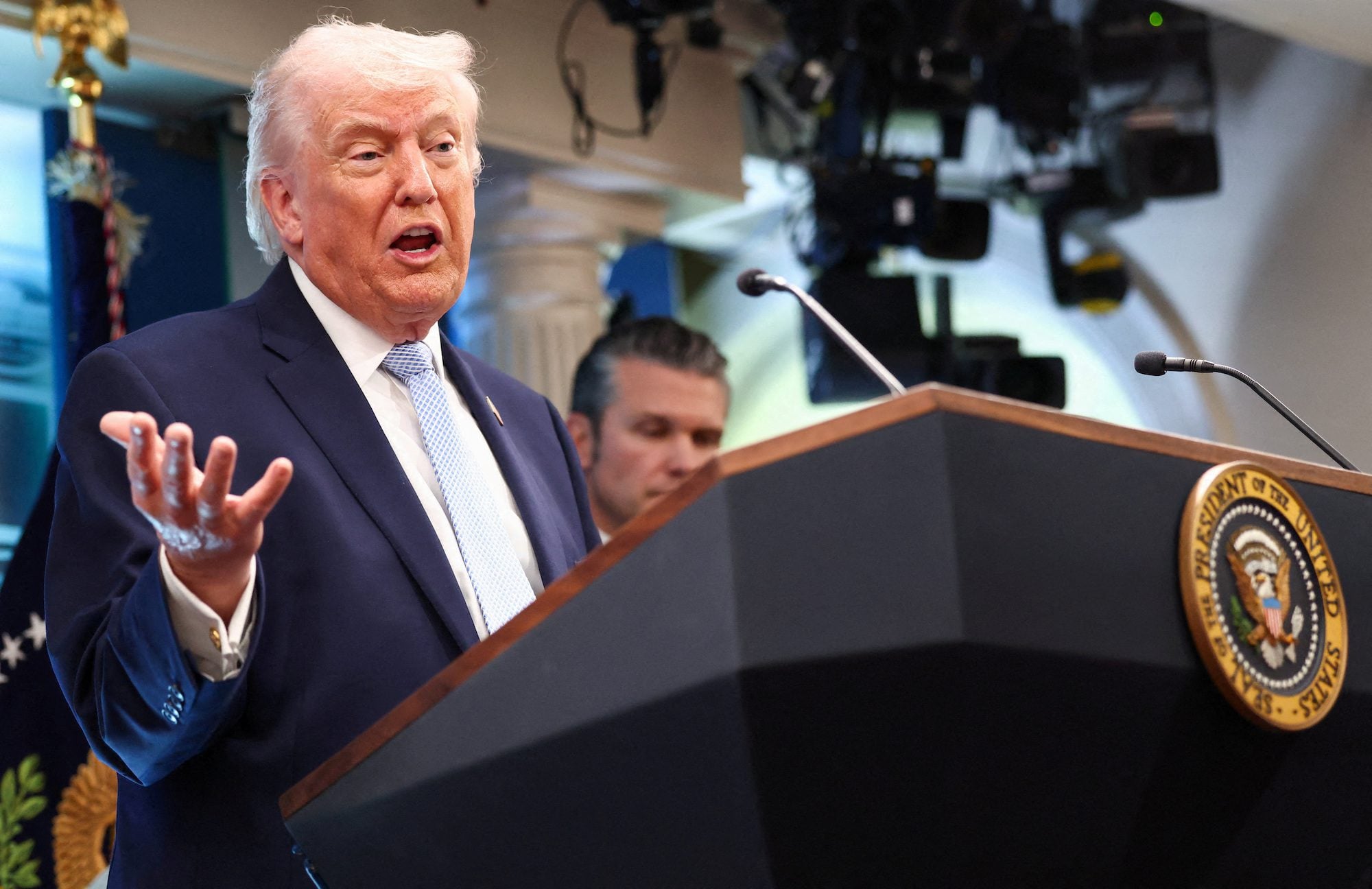
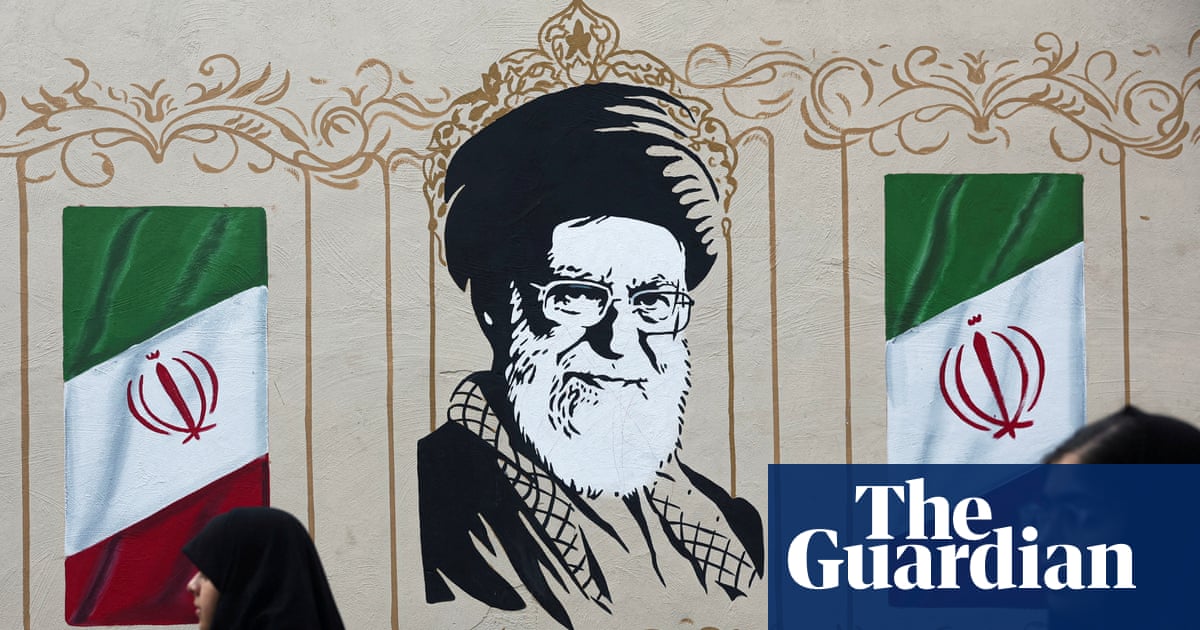
- Likely the conflict will remain militarily active across Iran, Israel, Lebanon, Syria, Yemen, the UAE and the Strait of Hormuz over the next 0 to 14 days. Iranian officials have prioritised offensive operations, Mojtaba Khamenei has called for preparations for large-scale offensive operations, Hezbollah is firing rockets into northern Israel, Iran-backed Houthi rebels are targeting Saudi-linked ships in the Red Sea, Israel is operating against Hezbollah in Lebanon, and Israel conducted an airstrike in Syria on 19 August. The reported Iranian missile attack on the UAE remains contested because Iranian Foreign Ministry spokesman Esmaeil Baqaei denied responsibility. (Confidence: medium · ASSESSED)
- I&W: Confirm: within 0 to 14 days, the Islamic Revolutionary Guard Corps fires on another commercial vessel in the Strait of Hormuz, Hezbollah fires another rocket salvo into northern Israel, or Israel conducts another strike in Lebanon or Syria. (0-14 days)
- I&W: Break: Iran, Israel and the United States publicly announce a cessation of attacks and observable military activity falls across Hormuz, northern Israel and Lebanon for at least seven consecutive days. (0-14 days)
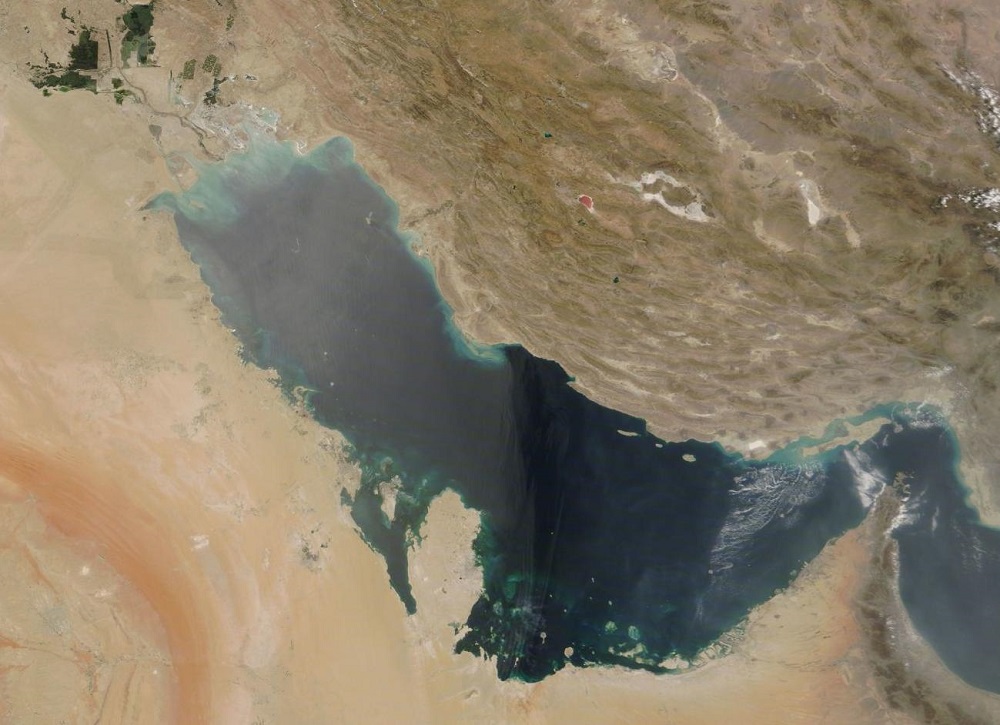
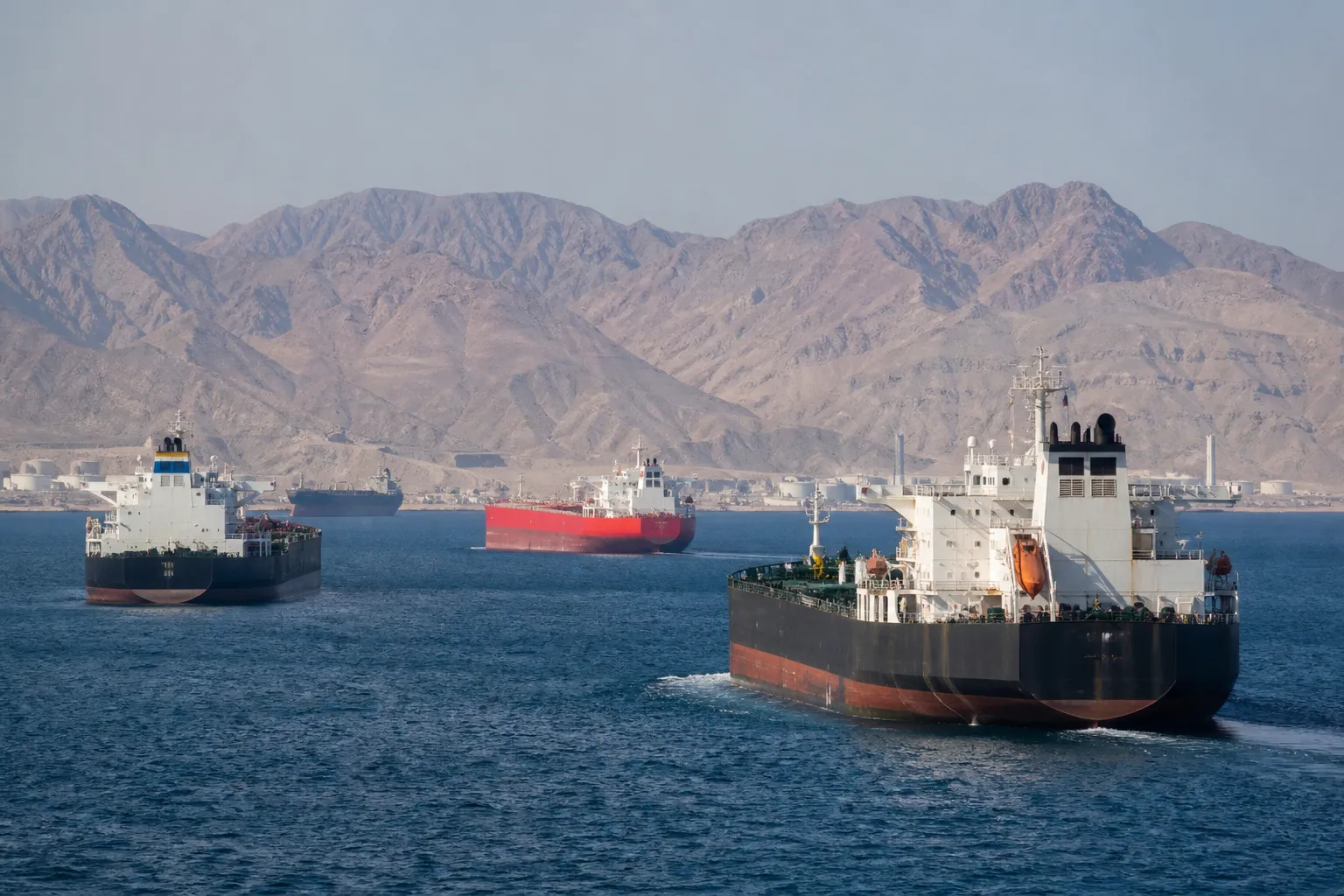
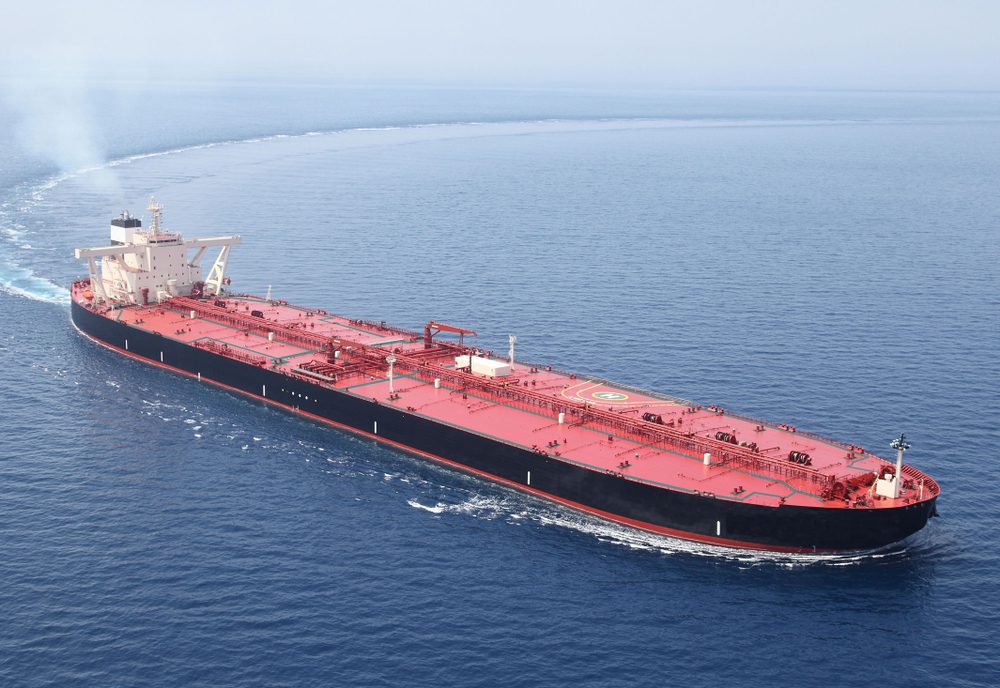
- Very likely commercial shipping through the Strait of Hormuz will remain severely constrained over the next 0 to 14 days, although the waterway is not fully closed. Traffic remains below prewar levels, Iran has resumed attacks against commercial vessels and has targeted vessels that do not comply with its traffic management scheme, while US forces are facilitating the transit of 15 to 20 ships each night. Donald Trump has also claimed that Gulf-allied vessels continue to transit the strait. These reports support limited movement under pressure rather than a return to normal shipping. (Confidence: medium · ASSESSED)
- I&W: Confirm: verified daily traffic remains below prewar levels while US forces continue facilitating 15 to 20 ships nightly, or another commercial vessel is attacked in the Strait of Hormuz. (0-14 days)
- I&W: Break: independent shipping data shows traffic returning to prewar levels for seven consecutive days with no additional reported attacks on commercial vessels. (0-14 days)
- Very likely Washington will sustain and widen economic pressure on Iran and increase pressure on states and firms that maintain commercial or financial links with Tehran over the next 0 to 30 days. Donald Trump announced a new campaign to isolate Iran's economy, tougher economic measures and penalties for countries providing Iran with a financial lifeline. The UAE has reported suspending trade and financial transactions with Iran, but reporting places the announcement on either 19 or 20 August 2026. Saudi Arabia has also placed transfers to the UAE under additional regulatory scrutiny, while China has rejected the legality of US sanctions. The direction of policy is clear, but the UAE timeline and the extent of implementation remain unresolved. (Confidence: medium · ASSESSED)
- I&W: Confirm: Donald Trump or US authorities announce new named sanctions, financial restrictions or penalties against a bank, company or country linked to Iran within the next 30 days. (0-30 days)
- I&W: Break: the UAE publicly restores trade or financial transactions with Iran, or Washington announces a formal exemption that permits normal commercial dealings with Tehran. (0-30 days)
- Unlikely a US-Iran de-escalation agreement will be reached in the next 0 to 14 days. Donald Trump stated on 18 August that no talks with Iran were taking place, reporting says peace talks have stalled and the memorandum of understanding has expired, and Iran's lead negotiator has tied the reopening of Hormuz to US acceptance of Iranian conditions. Iran and Oman are negotiating separately over management of Hormuz, which provides a possible indirect channel but does not resolve the contradiction. Confidence is low because the evidence on contacts is contested and partly single-source. (Confidence: low · ASSESSED)
- I&W: Confirm: the next 14 days pass without verified direct or indirect US-Iran talks, while Iran continues to state that Hormuz will not reopen until Washington accepts its conditions. (0-14 days)
- I&W: Break: Washington and Tehran, or representatives acting for both governments, publicly confirm renewed negotiations and sign a limited arrangement covering Hormuz or military activity. (0-14 days)
- Unlikely Iran will conduct a kinetic strike against US military assets in Bulgaria or elsewhere in southeastern Europe over the next 0 to 30 days, but the impact of such an attack would be high. Iranian forces have assessed possible strikes against US assets in southeastern Europe, including Bulgaria's Bezmer air base, and Iran possesses missiles reported to reach parts of southern and southeastern Europe. Greece has placed its armed forces on heightened alert and maintains a frigate and four fighter jets in Cyprus, while NATO says it is prepared to defend its allies. This judgment rests on medium-confidence, single-source reporting of target assessment rather than evidence of an approved operation. (Confidence: low · ASSESSED)
- I&W: Confirm: no Iranian strike occurs against Bezmer air base or another US asset in southeastern Europe during the next 30 days, while NATO and Greece maintain their stated defensive posture. (0-30 days)
- I&W: Break: Iran launches a missile or other kinetic attack against Bezmer air base, a US asset in southeastern Europe or another named European military target. (0-30 days)
- Very likely humanitarian pressure will remain acute in Gaza, Iran and the UAE over the next 1 to 3 months. Stephen Doughty MP renewed UK calls for increased aid to Gaza and visited humanitarian facilities at Al Arish, while the UK government reports more than £127 million in support for Palestine and has restarted support to UNWRA. Separate reporting says thousands of people have been killed in Iran and at least a dozen people have been killed in the UAE. Confidence is medium because UK government reporting corroborates the aid activity, but the casualty figures rely on major-media reporting and are not fully corroborated. (Confidence: medium · ASSESSED)
- I&W: Confirm: within 1 to 3 months, UK officials issue further calls for increased aid to Gaza, or official reporting records additional casualties in Iran or the UAE. (1-3 months)
- I&W: Break: official reporting records sustained aid access to Gaza and no additional reported casualties in Iran or the UAE for a continuous 30-day period. (1-3 months)
Outlook & scenarios
Protracted regional pressure and constrained Hormuz (50%)
Iran sustains pressure on commercial shipping and Gulf states while Hezbollah and Iran-backed Houthi rebels continue attacks. Israel maintains operations in Lebanon and Syria. US forces continue facilitating limited vessel transit, and Donald Trump expands economic measures against Iran and its commercial partners. US-Iran diplomacy remains stalled.
Oman-mediated pause and partial maritime reopening (25%)
Iran and Oman reach an arrangement on managing the Strait of Hormuz, creating an indirect channel for Washington and Tehran to reopen contact. Iran reduces attacks on commercial vessels, US-facilitated transit expands and some UAE-Iran commercial activity resumes. The underlying conflict between Iran and Israel remains unresolved.
Wider strike cycle beyond the immediate theatre (15%)
Iran acts on reported assessments of US targets in southeastern Europe or on its examination of attacks against subsea fibre-optic cables in the Strait of Hormuz. A strike against Bezmer air base or another US-linked asset would trigger a wider US and allied response and sharply reduce the prospect of diplomacy. This is the low-probability, high-impact wildcard.
Economic and humanitarian deterioration without a new front (10%)
The current military tempo persists without a major new attack, but US economic isolation measures, the UAE's suspension of transactions with Iran and continued disruption in Hormuz deepen pressure on households, commercial operators and humanitarian agencies. Aid demands in Gaza and casualty reporting from Iran and the UAE continue to rise.
Recommendations
- Maintain a separate verified and disputed timeline for the UAE missile incident and the UAE's suspension of transactions with Iran. Do not treat the reported 19 August and 20 August dates as interchangeable.
- Track Strait of Hormuz traffic every 12 hours using vessel counts, reported attacks, US-facilitated transits and seafarer accounts. Distinguish limited escorted movement from a restoration of normal commercial access.
- Monitor announcements by Donald Trump and US authorities for named sanctions, financial restrictions and penalties against states or companies linked to Iran. Track corresponding actions by UAE banks, Saudi financial institutions and Chinese authorities.
- Keep two diplomatic tracks under review: Trump's public assertion that no talks are taking place and the reported Iran-Oman negotiations over Hormuz. Treat any report of indirect US-Iran contact as unconfirmed until both sides or their designated representatives acknowledge it.
- Prioritise warning collection on Bezmer air base and other US assets in southeastern Europe. Record Iranian public threats, changes to access arrangements, NATO statements and Greek military activity in Cyprus as separate indicators.
- Update the humanitarian picture for Gaza, Iran and the UAE at least weekly. Separate official aid commitments from evidence of aid delivery, and report casualty figures with their source quality and unresolved discrepancies.
Confidence & uncertainty
Overall confidence is medium. Official UK government reporting and multiple major-media reports corroborate the broad pattern of Iranian military pressure, Israeli operations, shipping disruption and announced US economic measures. Confidence is lower on the attribution of the UAE missile launches, the exact date and implementation status of the UAE trade suspension, the existence of ongoing US-Iran contacts and reported Iranian planning against European targets. Casualty reporting is also uneven, which limits confidence in the humanitarian assessment.
Intelligence gaps
- [EEI 1.1 · UNCOVERED] Movement, dispersal, or emplacement of Iranian conventional or IRGC heavy assets (ballistic missile launchers, Khoramshahr/Toofan-class missile transporters, ground-to-ground TELs, air defense batteries, amphibious units) from garrison areas toward forward bases or coastal launch sites. Recommended collection: satellite/IMINT
- [EEI 1.2 · PARTIAL] Authenticated Iranian military orders, NSC/IRGC operations directives, or senior leadership statements explicitly directing strikes against Israel or US forces or authorizing cross-border operations. Recommended collection: human/diplomatic
- [EEI 1.3 · UNCOVERED] Changes in Israeli and US force posture indicating anticipation of direct large-scale conflict, elevated readiness levels, mobilization notices, pre-positioning of munitions, or public/private orders to prepare offensive strikes. Recommended collection: open-source/diplomatic
- [EEI 2.1 · UNCOVERED] Observable pre-launch preparations for missile/rocket/cruise missile strikes (fueling, warhead mating, launcher orientation, support vehicle congregation) and abnormal munitions handling at known launch sites. Recommended collection: satellite/IMINT
- [EEI 2.2 · UNCOVERED] Indications of proxy arms shipments and weapons transfers (truck convoys, small boat transfers, container movements from Iran to proxies, new stockpiles in Lebanon, Iraq, Yemen, Syria). Recommended collection: maritime/AIS
- [EEI 2.3 · UNCOVERED] Evidence of cyber attack planning or active exploitation campaigns targeting Israeli or US military/critical infrastructure (emergence of new command-and-control servers, spear-phishing campaigns against defense personnel, successful intrusions). Recommended collection: cyber
- [EEI 3.1 · PARTIAL] Movements and posture changes of US regional platforms (carrier strike groups, amphibious ready groups, B-52/B-1/B-2 or fighter deployments, missile defense assets repositioning) and associated armament loadouts. Recommended collection: satellite/IMINT
- [EEI 3.2 · PARTIAL] Official or leaked US government/diplomatic communications indicating thresholds for strikes, authorization for offensive operations, or limits on action (NSC/DoD statements, congressional notifications, diplomatic notes). Recommended collection: diplomatic/human
- [EEI 3.3 · UNCOVERED] Changes in US base force-protection measures and rules of engagement at regional facilities (base lockdowns, evacuation notices, flight restrictions, activation of Local Defense Forces or missile intercept systems). Recommended collection: open-source/local reporting
- [EEI 4.1 · PARTIAL] Hezbollah-specific indicators: convoys and logistics movements toward Lebanon, Israel border, artillery/rocket emplacement in southern Lebanon, documented strikes-preparation activity, public mobilization orders or recruitment drives. Recommended collection: satellite/IMINT
- [EEI 4.2 · PARTIAL] Houthi-attributed maritime attack indicators: AIS anomalies/loss of contact for commercial vessels, reports of missile/drone strikes or near-miss incidents in Bab al-Mandeb/Red Sea, Houthi claims paired with imagery of weapons launches. Recommended collection: maritime/AIS
- [EEI 4.3 · UNCOVERED] Militia cross-border attack evidence from Iraq/Syria: recorded rocket/mortar launch events into Israel or strikes against US facilities, movement of armed convoys toward border areas, and intercepted communications coordinating cross-border operations. Recommended collection: signals/ELINT
- [EEI 4.4 · PARTIAL] Attacks or credible threats against energy infrastructure and shipping (damage to terminals, pipeline sabotage, oil tanker seizures, war-risk insurance premium spikes for regional routes). Recommended collection: financial/open-source
Cited sources
[1] ua.news · Iran has declared that offensive operations are a priority amid a diplomatic stalemate with the U.S. (B) · sha256:fa12dbb34c8e [2] english.ratopati.com · US-Iran Conflict Escalates Amidst Historical Interventions (B) · sha256:026645c8eed7 [3] jpost.com · Are Israel, Turkey gearing up to fight in Syrian territory? - analysis (B) · sha256:293e8a2825dc [4] The Jerusalem Post · UAE suspends trade, financial transactions with Iran after attacks (A) · sha256:978b85995a85 [5] gcaptain.com · Trump Takes Iran Hard Line as Hormuz Tensions Set New Normal (B) · sha256:5da975932873 [6] The Christian Science Monitor · Why promised US breakthroughs in the Middle East failed to materialize (B) · sha256:15a6b37e3b2a [7] maritime-executive.com · Indian Seafarers Complain of Pressure to Transit Strait of Hormuz (B) · sha256:70e720c8686f [8] theguardian.com · Trump threatens Iran’s trade partners, as military strikes make way for economic pressure (A) · sha256:0afadb572409 [9] bbc.com · Trump vows tougher economic measures on Iran and supporting countries (A) · sha256:443972d5c055 [10] globalbankingandfinance.com · Trump Warns of Economic Consequences for Countries Aiding Iran (B) · sha256:3b7fc95d0fba [11] tbsnews.net · Iran mocks Trump with map claiming California as Iranian territory (B) · sha256:f0b7c4651add [12] gcaptain.com · Three Chinese Tankers U-Turn in Hormuz as Risks Remain High (B) · sha256:aa6adb23fd93 [13] Financial Times · FT: Iran eyes striking U.S. assets in Bulgaria and Cyprus if Trump escalates war (A) · sha256:135e12565505 [14] Saudi Gazette · Iran weighs strikes on US military targets in Europe if Trump escalates war: FT (B) · sha256:4383b1d2412d [15] gov.uk · Minister renews calls for Israel to allow more aid into Gaza on first visit to the region (A) · sha256:ba76e538e65a
Source content hashes were computed at collection time; the cited text is preserved unmodified for the life of this product.
Red cell review: CONCUR WITH COMMENT
TLP:CLEAR