TLP:CLEAR · Disclosure is not limited.
Iran-Israel Conflict: Hormuz Pressure and Regional Spillover, 25 August 2026
Time window: Last 7 days · Audience: General analyst · Type: Situation report · DTG: 2026-08-25 18:11Z · Overall confidence: LOW
BLUF
As of 25 August 2026, Iran is very likely to sustain pressure on commercial traffic through the Strait of Hormuz while the United States continues sanctions and military signalling. Pakistan and Oman provide active diplomatic channels, but the contested mine picture and the two recorded commodity transits on 24 August leave shipping exposed to severe uncertainty.
Executive summary
The conflict remains active across Iran, Israel, Lebanon, Gaza and Gulf waters. Iran has threatened states supporting US economic measures, maintained transit restrictions in the Strait of Hormuz and faced worsening domestic economic pressure. The United States has expanded sanctions targeting Iranian oil networks and related shipping activity. Iran and Oman have announced a framework for a temporary navigation corridor, while Pakistan reported progress in talks with Tehran on preventing further escalation and reopening Hormuz. These diplomatic openings coexist with continuing military activity, active mine warnings and substantial humanitarian pressure in Gaza and Lebanon.
Key judgments
- Iran, Israel, Hezbollah and the United States are likely to sustain a multi-front conflict over the next 1-3 months. The main reported lines of action are Israeli military operations in Lebanon, Hezbollah rocket fire into northern Israel, US-Israeli strikes against Iran and Iranian attacks on US military installations and civilian locations. The chronology and attribution of the initial 2026 fighting remain contested, which lowers confidence. (Confidence: medium · ASSESSED)
- I&W: Confirm: Within 0-14 days, reporting records a new Israeli strike in Lebanon, Hezbollah rocket fire into northern Israel, or a new US or Iranian attack. (0-14 days)
- I&W: Break: No new attack is reported for 14 days and the parties announce a verifiable cessation of military operations. (0-14 days)
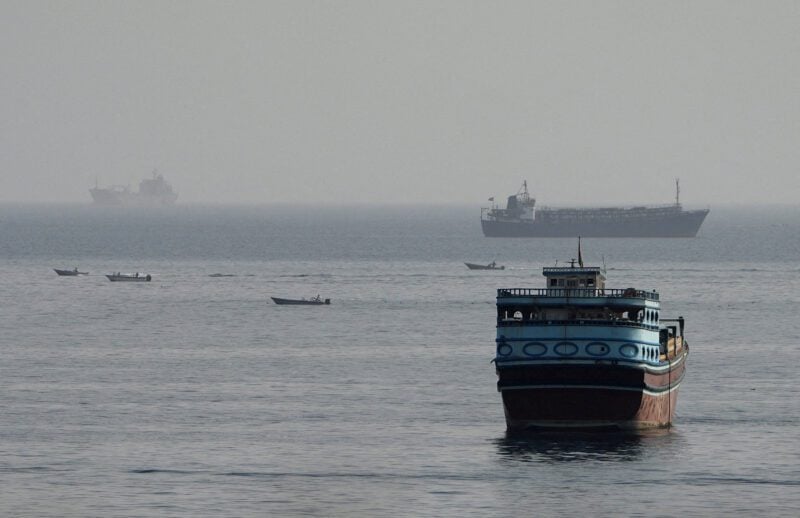
- Iran is very likely to maintain coercive control over commercial movement through the Strait of Hormuz in the next 0-14 days. Iran has published a 46-vessel list, blacklisted 45 tankers, threatened penalties including detention or confiscation, and continued demanding compliance with its transit arrangements. Only two commodity vessels crossed on 24 August, the lowest daily figure reported since early May. (Confidence: medium · ASSESSED)
- I&W: Confirm: Iran adds vessels to its non-compliant list, detains a vessel, or continues to demand compliance with its transit arrangements. (0-14 days)
- I&W: Break: Iran suspends the penalties and transit arrangements, and commercial traffic rises above the 24 August low for seven consecutive days. (0-14 days)
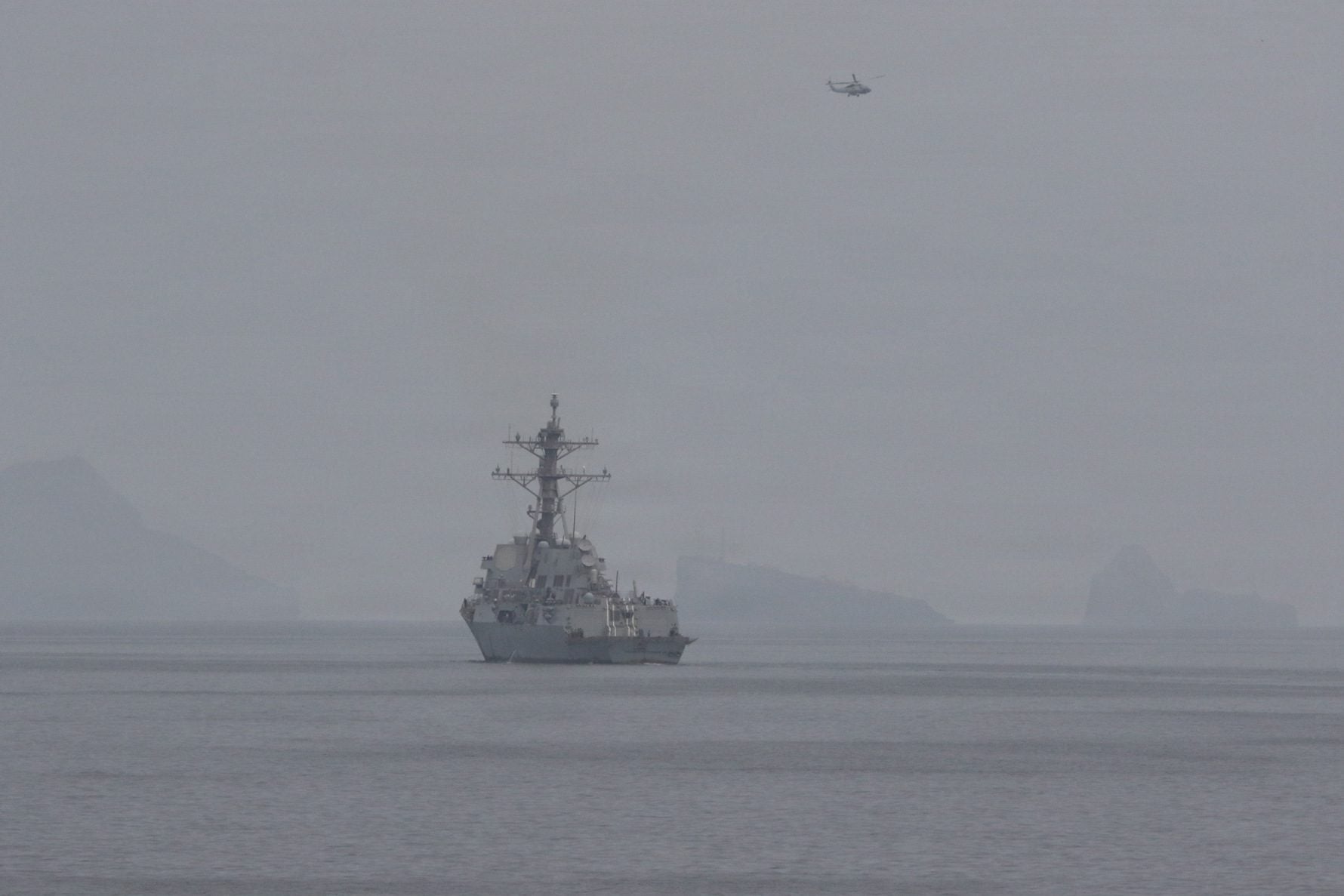
- Commercial passage through Hormuz is likely to remain under severe mine-related uncertainty over the next 0-14 days, despite President Donald Trump's declarations that all mines in international waters have been cleared. The Joint Maritime Information Center reported active mine danger areas and continuing clearance and mine-surveying operations. This is a contested, partly single-source picture, so confidence is low. (Confidence: low · ASSESSED)
- I&W: Confirm: JMIC retains a severe threat assessment or reports that mine danger areas remain active. (0-14 days)
- I&W: Break: JMIC reports completion of clearance and the removal of mine danger areas, followed by sustained growth in commercial transits. (0-14 days)
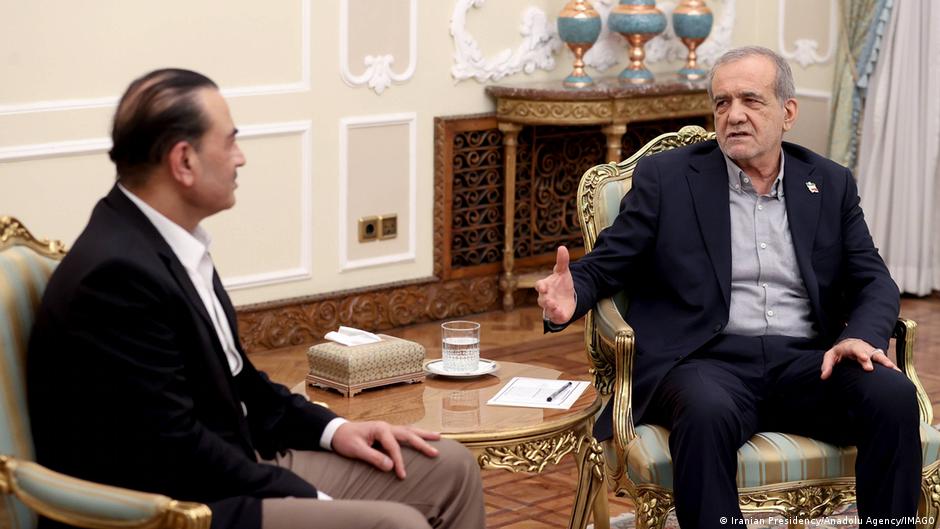
- Pakistan and Oman are likely to keep diplomatic channels with Tehran open, but a durable US-Iran de-escalation is unlikely in the next 1-3 months. Iran and Oman have outlined a temporary navigation corridor and further technical talks, while Pakistan reported progress on preventing escalation and reopening Hormuz. Continuing US sanctions and Iranian warnings against countries supporting the US economic campaign work against a durable settlement. The diplomatic claims are partly single-source and are not matched by a clear halt in military or economic pressure, so confidence is low. (Confidence: low · ASSESSED)
- I&W: Confirm: Iran and Oman begin implementing the temporary corridor and Pakistan announces follow-on talks with Tehran on reopening Hormuz. (1-3 months)
- I&W: Break: Washington and Tehran announce an agreed pause covering sanctions and military operations, with commercial traffic recovering from the 24 August low. (1-3 months)
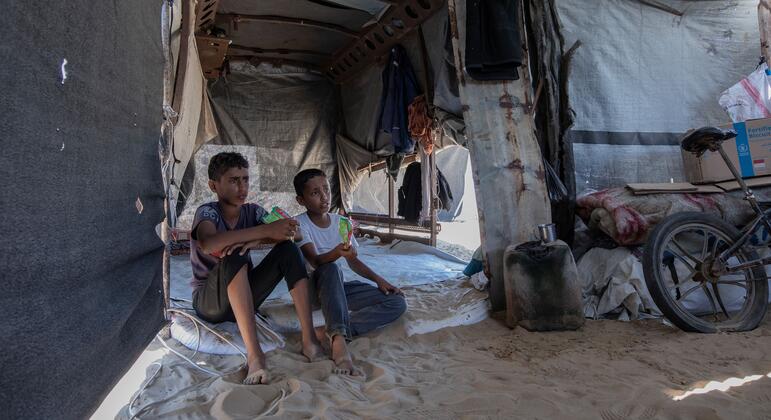
- Humanitarian strain in Gaza and Lebanon is very likely to remain acute over the next 1-3 months. UN agencies reported that 94 per cent of Gaza's 2.1 million residents need shelter, that more than four out of five families face critical or catastrophic conditions, and that Israeli restrictions impede aid deliveries and services. Israeli airstrikes and demolitions continue in Lebanon, where reporting also described displacement of more than one million people. The Lebanese displacement figure is less well corroborated than the Gaza reporting, which supports medium confidence. (Confidence: medium · ASSESSED)
- I&W: Confirm: Aid restrictions continue in Gaza, shelter needs remain above 90 per cent, or Israeli strikes and demolitions generate new displacement reports in Lebanon. (1-3 months)
- I&W: Break: Access restrictions are lifted, aid deliveries and services expand, and reported shelter needs in Gaza begin to fall. (1-3 months)
- Iran's economic stress is very likely to persist, while the announced US sanctions campaign is unlikely to deliver a decisive short-term revenue shock. The rial has fallen below 2 million to the dollar on unofficial markets, Tehran is experiencing fuel queues and rationing, and Washington is targeting Iranian oil exports, shipping and related entities. Oxford Economics assessed that the direct revenue effect of the sanctions would be limited, but this view is expert reporting rather than independently corroborated financial data. (Confidence: medium · ASSESSED)
- I&W: Confirm: Iranian fuel stations retain or tighten the reported 10-litre limit, while the rial remains above 2 million to the dollar on unofficial markets. (0-14 days)
- I&W: Break: Treasury sanctions the unnamed major financial institution and reporting records a sustained fall in Iranian oil movements or revenue. (0-14 days)
Outlook & scenarios
Managed maritime opening (45%)
Iran and Oman implement the temporary navigation corridor, with Pakistan supporting follow-on talks. Commercial traffic rises from the 24 August low, but mine-surveying activity and US sanctions continue. Military operations remain active without a new direct US-Iran exchange.
Prolonged coercive stalemate (60%)
Iran retains its vessel restrictions and blacklists, Hormuz traffic remains depressed, and the United States expands sanctions. Israeli operations in Lebanon, Hezbollah rocket fire and Iranian threats to US-linked states continue. This is the most likely path if diplomatic contacts produce no verified implementation.
Regional strike expansion (15%)
Iran conducts a new attack against US military assets or bases linked to the United States in southeastern Europe, Cyprus or the Gulf. Greece reinforces Crete and other regional states raise alerts. The result is a sharp increase in military and shipping risk, with diplomatic channels under immediate pressure.
Recommendations
- Establish a daily Strait of Hormuz watch covering commodity-vessel transits, Iran's 46-vessel and 45-tanker lists, reported vessel stops, PGSA penalties, JMIC mine advisories and implementation of the Iran-Oman corridor.
- Build a reconciled chronology that separates 2026 reporting from older 2023-2025 claims and labels disputed initiation, attribution, casualty and ceasefire accounts before using them in further assessments.
- Prioritise collection on military alert changes at Souda and other Greek facilities, Cyprus, Bahrain, UAE locations and UK bases used by US forces. Record new air-defence deployments, personnel movements, alerts and confirmed attacks within 0-14 days.
- Track implementation of the US sanctions campaign by recording new Treasury designations, the threatened major financial institution, shipping-sector effects, Iranian oil movements and the status of UAE financial and trade restrictions.
- Maintain a separate humanitarian watch for Gaza shelter access, aid restrictions, burials and service delivery, alongside Israeli strikes, demolitions and displacement reporting in Lebanon.
- Treat diplomatic announcements from Pakistan, Oman, Iran and the United States as unverified until accompanied by observable changes in vessel traffic, mine-clearance status, sanctions enforcement or military activity.
Confidence & uncertainty
Overall confidence is low because the evidence combines strong UN and official reporting with medium-confidence major-media accounts, think-tank assessments and several single-source claims. The principal uncertainties concern the chronology and attribution of the 2026 conflict, the status of the reported ceasefire and political agreements, the scale of casualties and displacement, and the conflict between President Trump's mine-clearance declarations and JMIC warnings that mine danger areas remain active. Several records also carry 2023-2025 dates that complicate assessment of the current situation.
Cited sources
[1] Deutsche Welle · باكستان وإيران تقتربان من تفاهمات لإنهاء الحرب وفتح هرمز؟ (A) · sha256:56e6bfed71a9 [2] english.ratopati.com · US-Iran Conflict Escalates Amidst Historical Interventions (B) · sha256:026645c8eed7 [3] United Nations · Middle East: 94 per cent need shelter in Gaza, Israel ramps up demolitions in Lebanon (A) · sha256:aa5d2b0f402c [4] Al Jazeera · Seven decades of US regime change efforts: What have they achieved? (A) · sha256:9a5068edd312 [5] Al Jazeera · Can Iran retaliate against countries that join US ‘economic war’? (A) · sha256:00906e24ceff [6] Wikipedia · Timeline of the 2026 Iran war (B) · sha256:337fc764f635 [7] gcaptain.com · Iran Blacklists 46 Ships On Hormuz ‘Non-Compliant’ List (B) · sha256:1fefbf4718a6 [8] gcaptain.com · Commodity Vessel Transits Through Strait of Hormuz Hit Three-Month Low, Data Shows (A) · sha256:916e143ac195 [9] gcaptain.com · Trump Says U.S. Navy Has Cleared All Mines From Strait of Hormuz (B) · sha256:ee981c65b240 [10] gcaptain.com · Malacca Strait States Will Keep Waters ‘Free, Open and Safe’ (B) · sha256:f45bb829508f [11] gcaptain.com · Iran and Oman Unveil Framework for Future Management of Strait of Hormuz (B) · sha256:39e674294e6b [12] trtworld.com · Live blog - US-Israeli war on Iran (B) · sha256:b88e7f19a011 [13] BBC · What are the US sanctions on Iran and who else will be affected? (A) · sha256:6506c0ffe4a8 [14] tradingview.com · Crude Prices Fall as Oil Supplies Move Through the Strait of Hormuz (B) · sha256:1eb6c605dbca [15] bbc.com · BBC Audio | Newshour | Iran’s currency hits an all-time low against the US dollar (A) · sha256:f685db3ba915 [16] Sky News Arabia · التصعيد بين أميركا وإيران. آخر الأخبار (B) · sha256:312f522db3b2 [17] gcaptain.com · Trump Administration Launches Sweeping New Iran Sanctions Campaign Targeting Shipping and Oil Trade (B) · sha256:cb8bf6057b25 [18] gcaptain.com · U.S. Threatens Iran’s Trading Partners in New Economic Pressure Campaign (B) · sha256:359eab7e2d6a [19] bbc.com · Who does Iran trade with and what could Trump's 'economic D-Day' mean? (A) · sha256:4336ce75d263
Source content hashes were computed at collection time; the cited text is preserved unmodified for the life of this product.
TLP:CLEAR