TLP:CLEAR · Disclosure is not limited.
Iran-Israel Conflict: Hormuz Pressure and Regional Spillover
Time window: Last 1 day · Audience: General analyst · Type: Situation report · DTG: 2026-08-19 11:04Z · Overall confidence: LOW
BLUF
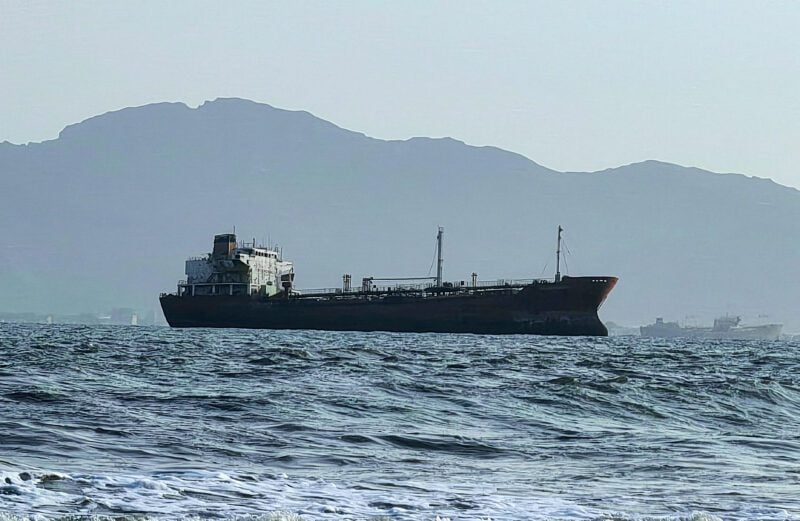
Regional escalation is very likely to persist over the next two weeks, with Iran, Israel and Iran-aligned Houthi forces active across the Gulf, Yemen, Iraq and Syria. The immediate risk is to commercial shipping through the Strait of Hormuz, where attacks are increasing, traffic has fallen and official accounts conflict over whether the waterway is open.
Executive summary
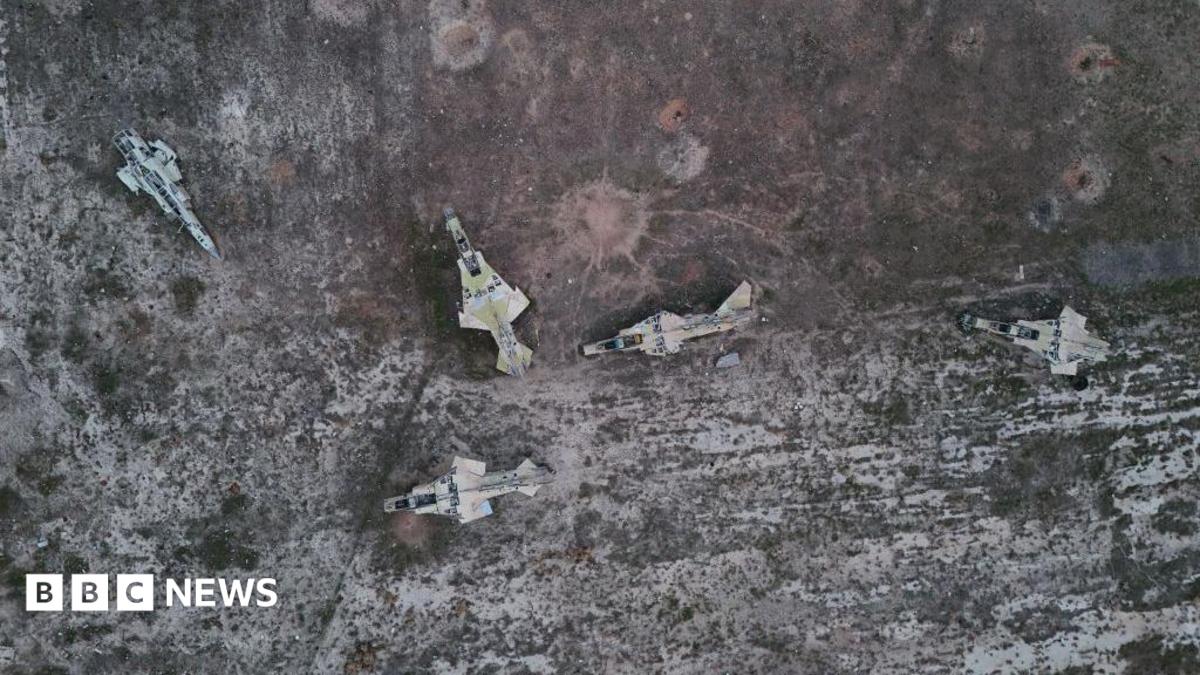
Reporting indicates that the conflict has expanded beyond direct Iran-Israel exchanges. Iran has been linked to attacks on vessels, Houthi forces struck a commercial ship in the Bab al-Mandab Strait, and Israel conducted eight airstrikes on Syria's Abu al-Duhur air base. The UAE has suspended trade, commercial exchanges and financial transactions with Iran after a disputed missile incident. US-Iran diplomacy remains stalled, while Lebanon and Yemen face continuing humanitarian pressure. The reporting base contains material contradictions and several claims carry dates inconsistent with the current 2026 reporting window.
Change from previous assessment
Since the 18 July brief, the assessment adds a reported UAE suspension of trade, commercial exchanges and financial transactions with Iran, a reported Israeli strike on Syria's Abu al-Duhur air base, further attacks on commercial shipping and new US-UAE diplomatic contact. The humanitarian picture has changed in composition: 860,000 people in Lebanon are reported to have returned, but 360,000 remain displaced, including at least 22,000 in collective shelters. Confidence in specific attribution and chronology is lower than in the prior brief because the current reporting contains more direct contradictions and several claims with dates inconsistent with the 2026 time window.
Key judgments
- Regional escalation is very likely to persist over the next 14 days, with Iran, Israel and Iran-aligned Houthi forces active across the Strait of Hormuz, the Persian Gulf, Iraq, Yemen and Syria. Iran is reported to have struck at least 19 vessels affiliated with Abu Dhabi National Oil Company, Houthi forces struck a commercial ship in the Bab al-Mandab Strait on 11 August, and Israel launched eight airstrikes against Syria's Abu al-Duhur air base. The evidence is stronger for concurrent incidents than for a single centrally directed campaign, and attribution of some attacks remains disputed. (Confidence: medium · ASSESSED)
- I&W: Confirm: within 0-14 days, UKMTO or a multilateral source records another Houthi strike on commercial shipping, an Iranian strike on a vessel or an Israeli strike on Syrian government assets. (0-14 days)
- I&W: Break: by 2 September, reporting attributes the recent incidents to unrelated causes and records no further Iranian, Houthi or Israeli operations in the named theatres. (0-14 days)
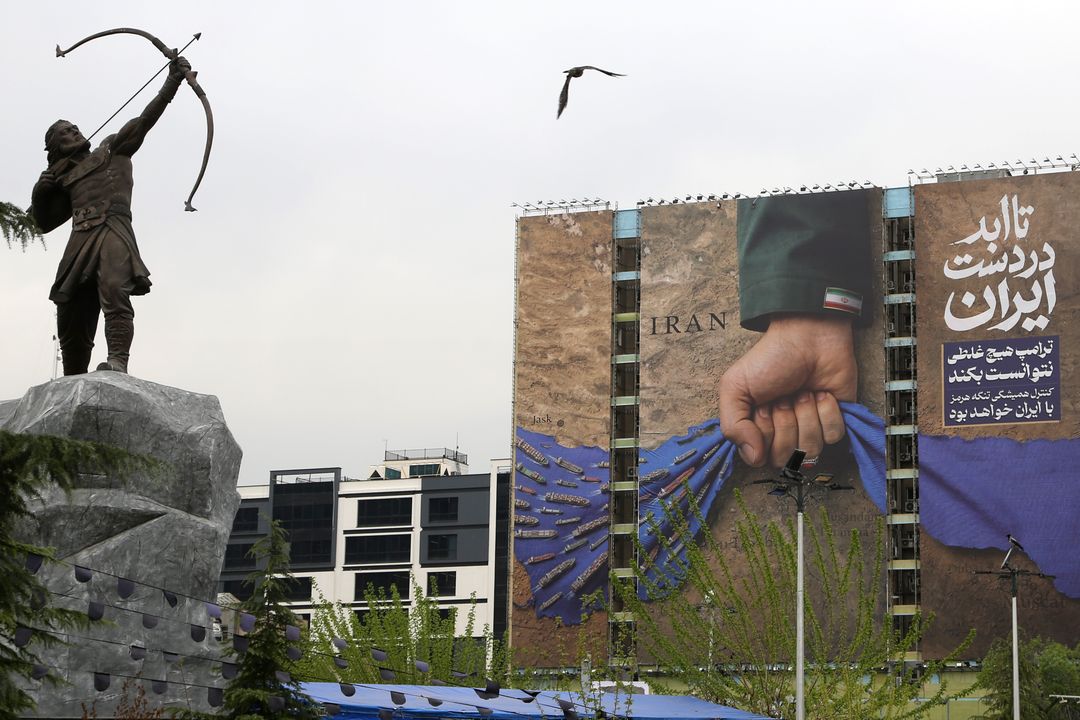
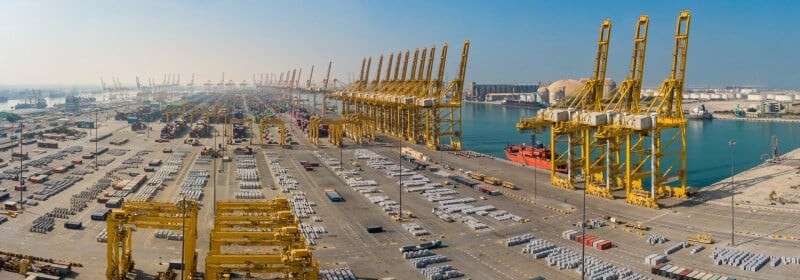
- Commercial shipping risk in the Strait of Hormuz is very likely to remain severe through 2 September, despite conflicting claims about whether the waterway is open. JMIC reports an increased frequency of attacks, including projectile strikes against inbound and outbound vessels. A projectile reportedly struck the Liberia-flagged Minoan Dignity and killed a seafarer, while Kpler recorded 95 confirmed crossings, a 19.5% fall in one week. Saudi Aramco is offering cargoes from Sohar in the Gulf of Oman, indicating continued adaptation to the risk. (Confidence: medium · ASSESSED)
- I&W: Confirm: UKMTO retains a severe threat assessment or reports another projectile strike on a commercial vessel in or near Hormuz. (0-14 days)
- I&W: Break: confirmed crossings rise above the reported 95-transit weekly level and UKMTO lowers its threat assessment without a new vessel attack. (0-14 days)
- The UAE has very likely shifted from diplomatic condemnation to direct economic pressure on Iran. Abu Dhabi has suspended trade, commercial exchanges and financial transactions with Tehran until further notice. The policy is more firmly reported than the claim that Iran launched the missiles, which Tehran rejects. (Confidence: medium · REPORTED)
- I&W: Confirm: the UAE renews the suspension, expands financial enforcement or announces additional restrictions on Iranian-linked commercial activity. (0-30 days)
- I&W: Break: the UAE announces that trade, financial transactions and commercial exchanges with Iran have resumed. (0-30 days)
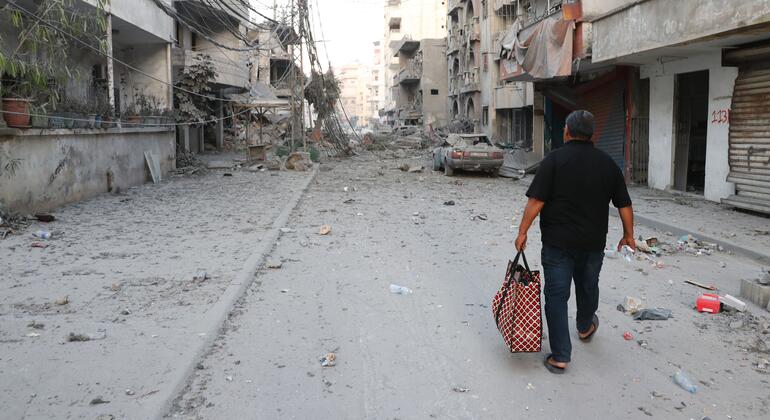
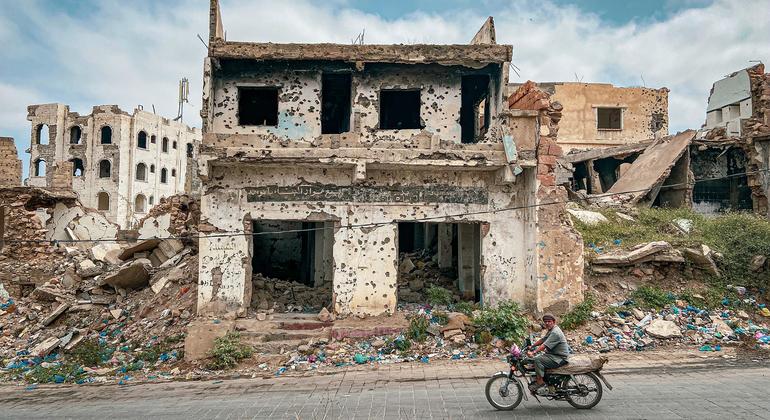
- Humanitarian pressure in Lebanon and Yemen is very likely to remain acute over the next 1-3 months. The UN reports that 360,000 people remain displaced in Lebanon, including at least 22,000 in collective shelters, after 860,000 people returned home. The UN also reports that escalating deadly clashes are worsening Yemen's fragile humanitarian situation. The scale of the funding shortfall is uncertain because separate reporting puts the Lebanon appeal at 48% funded and the UNHCR operation at 24% funded. (Confidence: medium · ASSESSED)
- I&W: Confirm: UN reporting records displacement in Lebanon remaining above 360,000 or collective shelter occupancy remaining above 22,000, alongside a further warning on Yemen. (1-3 months)
- I&W: Break: the UN reports displacement in Lebanon below 360,000 and no further deterioration in Yemen's humanitarian situation. (1-3 months)
- Formal US-Iran de-escalation in the next 14 days is unlikely. Reporting says the 60-day ceasefire expired without extension, US-Iran diplomacy remains stalled, Iranian officials have signalled a fully offensive posture, and Iran ties reopening the Strait of Hormuz to US concessions. Contact involving Marco Rubio and the UAE, along with Egyptian support for an Iranian-Omani channel, leaves a diplomatic route open but unproven. (Confidence: medium · ASSESSED)
- I&W: Confirm: Washington maintains its position that no US-Iran talks are scheduled, while Tehran issues further offensive posture statements or repeats conditions for reopening Hormuz. (0-14 days)
- I&W: Break: Oman or Egypt announces a scheduled US-Iran meeting, or Washington and Tehran announce a ceasefire extension or a reciprocal change to the Hormuz arrangements. (0-14 days)
Outlook & scenarios
Contained but persistent multi-front conflict (50%)
Iran maintains pressure on shipping in the Strait of Hormuz, Houthi forces continue operations near Yemen and Israel conducts further limited strikes in Syria. The UAE keeps its economic suspension against Iran. US-Iran diplomacy remains stalled, but the conflict does not produce a direct attack on US personnel or a sustained closure of all commercial traffic.
Limited maritime and diplomatic deconfliction (25%)
Oman and Egypt facilitate indirect contacts between Washington and Tehran. Iran reduces attacks on commercial shipping without fully reopening Hormuz, while Saudi Aramco and other operators continue using alternative loading arrangements. The UAE maintains its suspension, but direct military exchanges decline for several weeks.
Broader regional spillover (20%)
An additional Iranian or Houthi strike damages a Gulf energy or maritime target, prompting retaliatory action by the UAE, Saudi Arabia, Israel or the US. Israel conducts further strikes in Syria, producing a sharper confrontation with Turkey and the Syrian authorities. Shipping through Hormuz and the Red Sea falls further, increasing pressure on energy markets and humanitarian operations.
Low-probability, high-impact maritime shock (5%)
A mass-casualty attack on a commercial vessel or a successful strike on a major Gulf energy facility triggers direct US or Gulf military action against Iranian targets. Iran responds against shipping and regional military positions, moving the conflict from sustained pressure to an open regional campaign.
Recommendations
- For the next 24 hours, prioritise UKMTO and JMIC reporting on vessel incidents, threat assessments and confirmed transits through the Strait of Hormuz. Maintain a separate watch for the Bab al-Mandab Strait and Al-Mokha Port.
- Build one dated incident timeline that separates events reported in 2026 from claims carrying 2023 dates. Reconcile the conflicting accounts of the Hormuz status, the UAE missile launch, the location and casualty count of maritime attacks, and the Lebanon displacement and funding figures before using them in formal analysis.
- Treat attribution of the UAE missile incident and unidentified projectile attacks in Hormuz as unresolved until corroborated by official tracking data, maritime authorities or independent imagery.
- Track four diplomatic tripwires: a scheduled US-Iran meeting, an Oman or Egypt announcement on mediation, a change in Iran's stated conditions for reopening Hormuz, and any US decision affecting the Iranian ports blockade or sanctions.
- Use the UN figures of 360,000 people still displaced in Lebanon and at least 22,000 in collective shelters as the current humanitarian baseline. Report the 48% Lebanon appeal figure and the 24% UNHCR figure as separate funding measures rather than combining them.
- Monitor for a second Houthi strike on commercial shipping, an additional Iranian attack on a Gulf vessel or facility, or another Israeli strike on Syrian government assets. Each would warrant raising the regional spillover assessment.
Confidence & uncertainty
Overall confidence is low. High-reliability multilateral reporting supports the humanitarian and maritime safety picture, but several central military and diplomatic claims rely on major-media reporting, single-source statements or lower-reliability material. The reporting contains unresolved contradictions over missile attribution, whether Hormuz is open or closed, the dates and casualty counts of vessel attacks, and the measures used for Lebanon's displacement and funding. Several claims also carry 2023 dates despite the current 2026 reporting window, limiting confidence in the chronology.
Intelligence gaps
- [EEI 1.1 · PARTIAL] Number, type, launch times, and trajectories of ballistic missiles, cruise missiles, armed UAV strikes, and combat-air sorties launched by Iranian or Israeli forces toward the other's territory or forward bases within a 72-hour window. Recommended collection: signals/intel
- [EEI 1.2 · PARTIAL] Observable changes in Israeli and Iranian force posture: mobilization or reserve call-up orders, unit road/rail movements, dispersal or sortie rates of air squadrons, redeployment of air-defense batteries, and activation of civil-defense alerts or sirens in major population centers. Recommended collection: open-source/media
- [EEI 1.3 · UNCOVERED] Indications of strike authorization or targeting preparations in Iranian or Israeli command chains: authenticated public orders by senior commanders, detected increases in encrypted communications consistent with targeting, or visible movement of strike munitions to launch/storage sites. Recommended collection: signals/intel
- [EEI 2.1 · UNCOVERED] Counts, launch locations (coordinates), weapons types, and assessed damage from rocket/missile/drone strikes originating from Lebanon into northern Israel attributed to Hezbollah or allied groups. Recommended collection: open-source/media
- [EEI 2.2 · UNCOVERED] Reported attacks by Iranian-backed militias in Iraq and Syria: rocket/IED strikes on bases hosting US/coalition or Israeli personnel, documented militia unit movements toward borders, and captured movement or transfer of weapons systems to forward militia positions. Recommended collection: human
- [EEI 3.1 · UNCOVERED] Movements and arrival dates of foreign military assets into the region: carrier strike groups, amphibious ships, surface combatants, strategic airlift/tanker deployments, and air/sea patrol patterns by US, European, Russian, or regional militaries. Recommended collection: imagery/satellite
Cited sources
[1] maritime-executive.com · UAE Suspends Trade With Iran Following Antiship Missile Strike (B) · sha256:c0e96787eb97 [2] United Nations · Security Council LIVE: Escalating attacks threaten peace in Yemen (A) · sha256:a8d0ad28a7a0 [3] Muslim Network TV · Israel strikes Syria air base, escalating regional tensions - Muslim Network TV (B) · sha256:d0aeaa1ffd45 [4] trtworld.com · Can Iran's offensive strategy force a US rethink? (B) · sha256:c9ff0949c4ff [5] Wikipedia · 2026 Iran war (B) · sha256:a44aa15cc0db [6] gcaptain.com · Cargo Ship Destroyed in New Attack Off Yemen (B) · sha256:8670d669aa64 [7] gcaptain.com · Seafarer Killed in Latest Strait of Hormuz Attack on Commercial Shipping (B) · sha256:ea2568892460 [8] whec.com · Trump says US has no talks planned with Iran and other news from the Middle East (B) · sha256:4c7625dbdd8e [9] gcaptain.com · Saudis Offer to Sell Oil Near Oman, a Possible Sign They’re Sailing Dark Through Hormuz (B) · sha256:746c9c852881 [10] Al Jazeera · Trump says no talks planned with Iran amid anger over Iran-Oman Hormuz deal (A) · sha256:26999d67896b [11] globalbankingandfinance.com · Trump Confirms No US-Iran Talks as Strait of Hormuz Tensions Remain (B) · sha256:e8f6be1fc788 [12] middle-east-online.com · UAE halts trade, financial ties with Iran after threat to maritime traffic | MEO (B) · sha256:1bc5c2a18c10 [13] WSVN 7News · Trump threatened to bomb Oman because he’s unhappy with country’s deal with Iran, officials say - WSVN 7News | Miami News, Weather, Sports | Fort Lauderdale (B) · sha256:eb60ce4f7218 [14] Times of India · ‘All trade, commercial exchanges halted’: How UAE responded to Iran’s latest ballistic missile attack (A) · sha256:a48b3cb64ecd [15] United Nations · Lebanon: 860,000 displaced people have returned home, but humanitarian crisis remains ‘immense’ (A) · sha256:b4baf947a1c0 [16] arabnews.com · UAE President discusses regional developments with Trump (B) · sha256:6e415b2a40d4 [17] Al Jazeera · Iran war live: Rubio discusses Hormuz security with UAE official (A) · sha256:b732c70ac205 [18] BBC · US condemns 'unnecessary escalation' after Israeli airstrikes on Syrian airbase (A) · sha256:484cb3aadb53
Source content hashes were computed at collection time; the cited text is preserved unmodified for the life of this product.
Red cell review: CONCUR WITH COMMENT
TLP:CLEAR