TLP:CLEAR · Disclosure is not limited.
Iran-Israel Conflict: Hormuz Pressure and Regional Spillover Risks
Time window: Last 1 day · Audience: General analyst · Type: Situation report · DTG: 2026-08-24 15:38Z · Overall confidence: MEDIUM
BLUF
The conflict is likely to remain active across several fronts over the next 14 days. Strait of Hormuz traffic is very likely to remain severely constrained as Iran formalises fees and penalties for selected vessels, while US sanctions pressure and Iranian retaliation warnings are increasing the risk of further regional disruption.
Executive summary
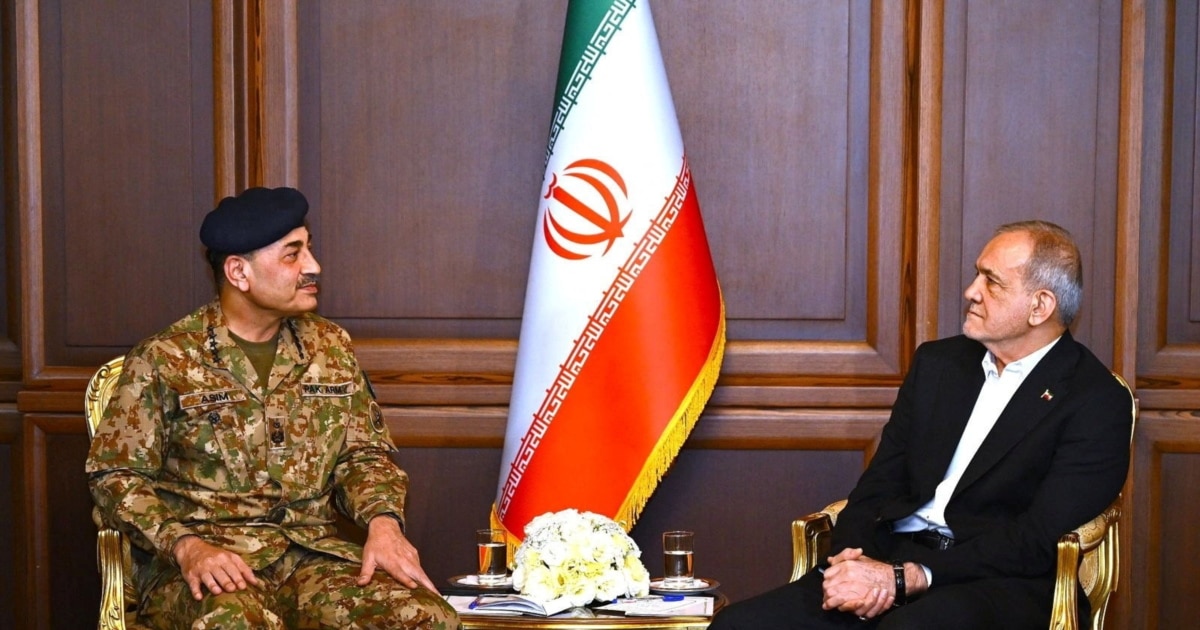
Iranian missile and drone strikes against Israel, US bases and Arab countries remain the principal military escalation risk. Commercial traffic through the Strait of Hormuz has fallen far below its normal level, and Iran is establishing tighter conditions for passage. Washington is preparing new economic measures against Tehran, which Iran has condemned and threatened to answer. Pakistan is pursuing a mediation role through Field Marshal Asim Munir's visit to Tehran, while Syrian and Israeli officials have opened a channel in Jordan after Israel's strike on Abu Duhur. These diplomatic contacts provide limited risk-management options but do not yet indicate a comprehensive settlement.
Change from previous assessment
Since the 23 August brief, the assessment has gained new evidence of immediate economic and maritime pressure. Scott Bessent is due to announce new measures on 24 August, Iran has issued fresh retaliation warnings and the rial has reached 2,016,400 to the dollar. Hormuz reporting now gives a weekend total of fewer than 20 crossings, including 13 on Saturday and four on Sunday, alongside Iranian plans for fees and penalties. Pakistan's mediation track has become more visible through Field Marshal Asim Munir's Tehran visit, and Syrian and Israeli officials have met in Jordan, adding a limited deconfliction channel. The prior judgements on continued Iranian retaliation, severe Hormuz disruption and Syria-based Israel-Türkiye tension remain. The prior low-confidence unrest assessment is not upgraded because the current reporting provides no corroborated evidence of renewed nationwide protests.
Key judgments
- Iranian missile and drone strikes against Israel, US bases and Arab countries are likely to continue during the next 14 days, sustaining direct regional military pressure. Iran's Foreign Ministry has vowed a response as Iranian forces struck US bases across the Persian Gulf, and reporting describes Iranian strikes against Israel, US bases and Arab countries. The assessment is less certain on timing because several strike reports are undated and the supplied accounts contain conflicting timelines for the conflict's opening phase. (Confidence: medium · ASSESSED)
- I&W: Confirm if official or independently corroborated reporting identifies a new Iranian missile or drone strike against Israel, a US base or an Arab country. (0-14 days)
- I&W: Break if Iran announces a suspension of retaliatory operations and no further Iranian strike is reported for 14 consecutive days. (0-14 days)
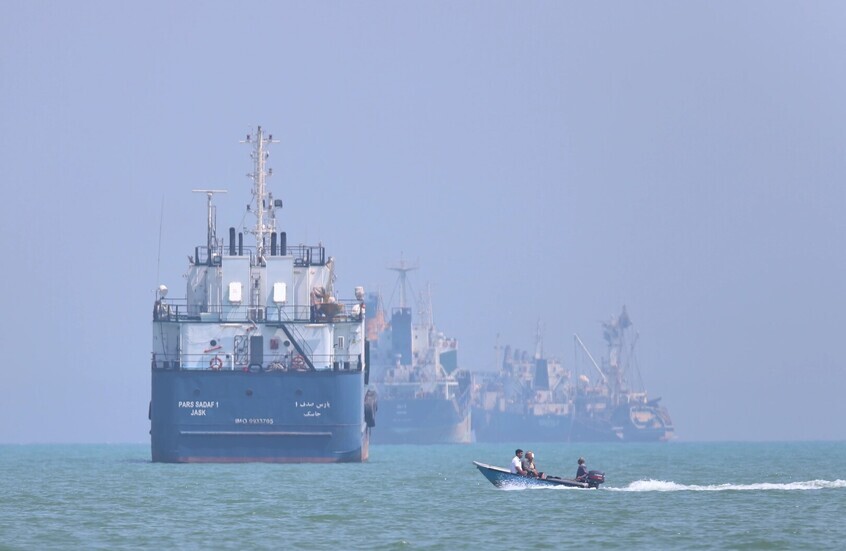
- Commercial shipping through the Strait of Hormuz is very likely to remain severely constrained over the next 14 days. Fewer than 20 commercial ships reportedly crossed during the weekend, including 13 on Saturday and four on Sunday, compared with a normal level of more than 130 ships per day. Iran is also imposing or preparing fees, fines, detention and confiscation for vessels that do not comply with its crossing arrangements. Confidence is medium because the traffic figures cover different observation periods and the reporting does not establish a single independently verified throughput measure. (Confidence: medium · ASSESSED)
- I&W: Confirm if Iranian maritime authorities publish and enforce a current violating-vessel list while weekly commercial crossings remain below 20. (0-14 days)
- I&W: Break if commercial crossings recover to at least 100 vessels per day for seven consecutive days and Iran withdraws the announced penalties. (0-14 days)
- US economic pressure on Iran is very likely to intensify on 24 August, and Iran is likely to answer with official threats against states that support the measures. Treasury Secretary Scott Bessent is due to announce new economic measures, Washington is seeking unprecedented pressure on Tehran, and Iran has criticised the measures while Esmail Baghaei and Mohsen Rezaei have threatened a strong or seismic response. The rial has reached 2,016,400 to the dollar on the open market, indicating that economic stress is already acute. Confidence is medium because the announcement was still pending during the reporting window and the supplied accounts vary over which Iranian official issued the retaliation warning. (Confidence: medium · ASSESSED)
- I&W: Confirm if Scott Bessent announces the measures on 24 August and Iran issues a new threat or takes a documented action against a state or entity supporting them. (0-14 days)
- I&W: Break if no new measures are announced by the end of 24 August and Iran withdraws or suspends its retaliation warnings. (0-14 days)
- Pakistan's mediation effort is likely to remain active over the next 1-3 months, but a comprehensive Iran-US settlement is very unlikely in that period. Field Marshal Asim Munir is visiting Tehran for talks described as supporting a peaceful and comprehensive resolution, and Pakistan has previously helped mediate between Tehran and Washington. The evidence is mainly statement-based, and the supplied reporting contains inconsistent dates for Munir's travel and earlier meetings, so confidence is low. (Confidence: low · ASSESSED)
- I&W: Confirm if Pakistan announces a formal follow-up mechanism involving Iranian and US officials, with agreed terms on strikes, sanctions or navigation. (0-14 days)
- I&W: Break if Munir's visit produces no documented follow-up and Iran, Pakistan or the US publicly rejects further mediation. (0-30 days)
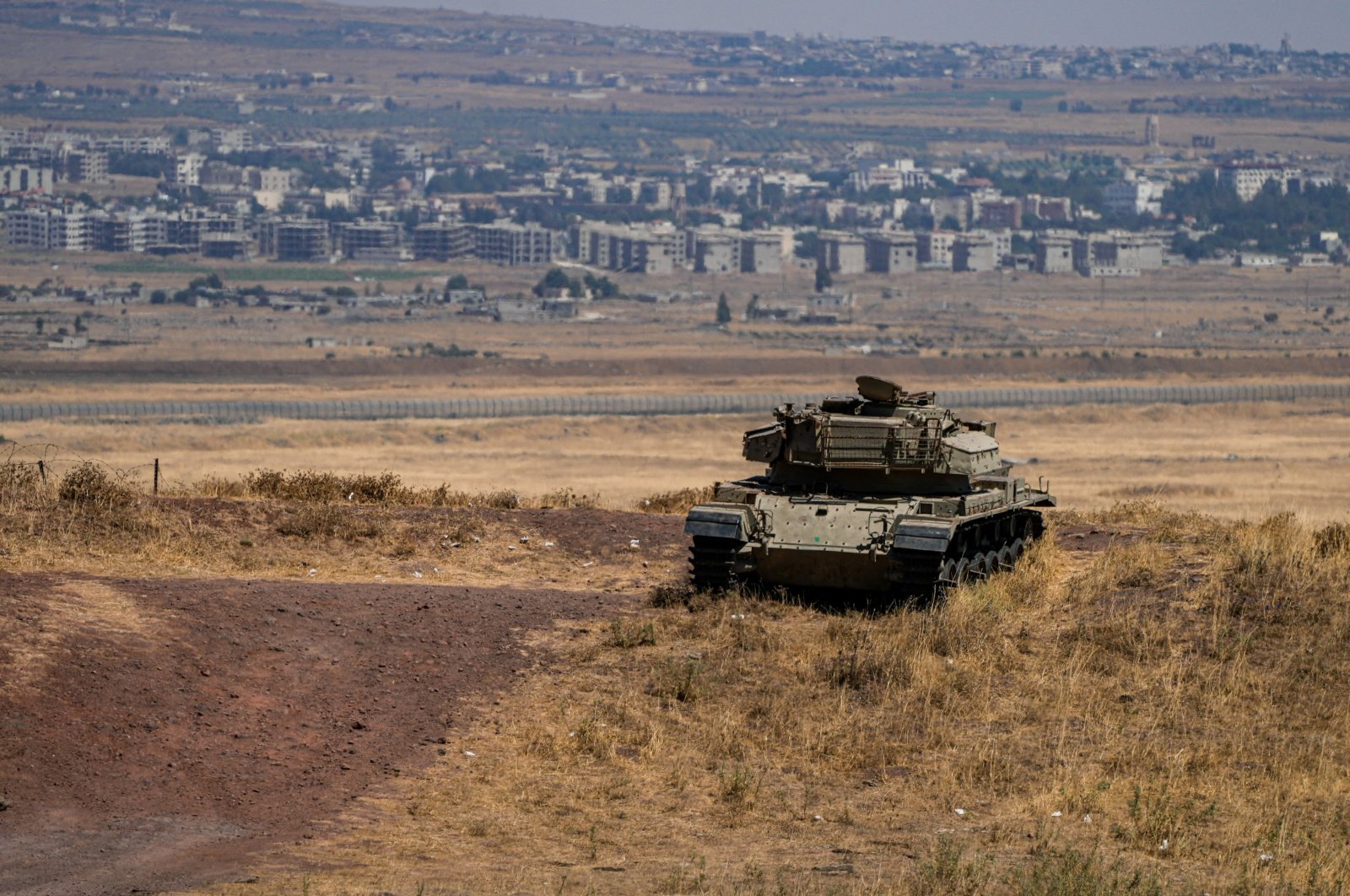
- A direct Israel-Türkiye military clash in Syria is unlikely over the next 14 days, while the Syria-centred diplomatic crisis is likely to deepen. Israeli forces struck Abu Duhur air base in Idlib, Israel presented the operation as a message to Türkiye and Türkiye activated diplomatic networks against Israeli actions. Syrian and Israeli officials nevertheless met in Jordan to ease tensions. The Turkish-presence allegation behind the strike remains contested, which keeps confidence at medium. (Confidence: medium · ASSESSED)
- I&W: Confirm if Israel conducts another strike on a Syrian site linked in reporting to Turkish activity, or if Türkiye announces a military response in Syria. (0-14 days)
- I&W: Break if Israel, Türkiye and Syria announce a public deconfliction arrangement and no further Israeli strike in Syria is reported for 14 days. (0-14 days)
- Israeli military activity in Gaza is likely to sustain regional political and humanitarian pressure over the next 1-3 months. Israeli drone attacks reportedly targeted southern Khan Younis and a tent sheltering displaced people at Al-Aqsa Martyrs Hospital in Deir el-Balah, while Israel has threatened Palestinian groups over kites, drones and balloons. The evidence is thin on the scale and timing of the activity, and claims about drones launched from Gaza are disputed, so confidence is low. (Confidence: low · ASSESSED)
- I&W: Confirm if further Israeli strikes hit shelters or medical facilities in Khan Younis or Deir el-Balah, accompanied by renewed UK calls for expanded aid access. (0-30 days)
- I&W: Break if Israel ends the stated threat over kites, drones and balloons and no further strike against a reported displacement or medical site occurs for 30 days. (0-30 days)
Outlook & scenarios
Sustained multi-front conflict and constrained Hormuz (55%)
Iran continues missile and drone operations against Israel, US bases and Arab countries. The United States maintains economic pressure, Iran enforces controlled passage through the Strait of Hormuz, and commercial traffic remains far below the reported normal level. Pakistan and Russia continue diplomatic messaging without producing a settlement.
Managed pressure with limited de-escalation (30%)
Pakistan's talks in Tehran and ongoing Iran-Oman negotiations produce limited arrangements for communication or navigation. Syrian and Israeli contacts in Jordan continue. Iran permits selective shipping under its own conditions, while Washington and Tehran avoid a comprehensive settlement and retain sanctions pressure.
Wildcard: regional spillover through shipping and partner states (15%)
Iran or Iran-linked forces conduct a new strike against a US base, an Arab country or commercial shipping after the sanctions announcement. The United Arab Emirates expands its embargo, Iran-linked militias in Iraq enter the conflict more directly, and US or Israeli retaliation widens the crisis beyond the current strike pattern.
Recommendations
- Maintain a 24-hour watch on Scott Bessent's 24 August announcement, Iran's official response and any documented action against states, companies or vessels supporting the new measures.
- Produce a daily Strait of Hormuz tracker that separates observed crossings from reported permissions, Iranian fees, penalties, detention threats and the updated list of violating ships.
- Prioritise confirmation of new Iranian strikes against Israel, US bases and Arab countries through official statements, commercial reporting and geolocated imagery. Treat NASA FIRMS thermal detections as corroboration of heat signatures only, not proof of cause.
- Track Field Marshal Asim Munir's Tehran visit for concrete outputs, including follow-up meetings, written arrangements or direct Iran-US contact. Do not treat statements about a comprehensive resolution as evidence of a negotiating process.
- Monitor Abu Duhur and other Syrian military sites for another Israeli strike, Turkish military movement or a formal Turkish response. Compare Israeli claims with Syrian, Turkish and independent reporting before assessing escalation.
- Keep casualty and shipping figures in separate confidence bands. Do not merge the reported Pentagon figures of 18 deaths and 756 injuries with the separate report of 774 wounded personnel, or treat differing Hormuz observation windows as a single daily total.
Confidence & uncertainty
Overall confidence is medium. The assessment draws on multiple official, multilateral and major-media reports, with stronger corroboration for the existence of Iranian strikes, the decline in Hormuz traffic, the record-low rial and the current diplomatic activity. Confidence is lower for exact casualty and shipping totals, the timing of some military events, the scope of pending US measures and the alleged Turkish military presence at Abu Duhur. Several claims are statement-based, and some supplied dates conflict.
Intelligence gaps
- [EEI 1.1 · UNCOVERED] Observed repositioning, sustained increases, or new forward basing of Iranian conventional or IRGC forces (armored units, missile batteries, aircraft, naval vessels) toward borders or regional launch points. Recommended collection: IMINT/satellite
- [EEI 1.2 · PARTIAL] Hezbollah or other Iran-aligned proxy forces conducting mass mobilization, visible rocket/artillery emplacements, cross-border firing incidents, or preparations for cross-border operations from Lebanon, Syria, Iraq or Yemen. Recommended collection: HUMINT/ground ISR
- [EEI 1.4 · UNCOVERED] Interdicted or observed shipments (air, sea, land manifests, seizures, satellite imagery of transfers) of advanced weapons or missile components from Iran toward proxy groups or forward staging points. Recommended collection: maritime/AIS
- [EEI 2.1 · UNCOVERED] Satellite or on-the-ground imagery showing fires, damage, or operational shutdown at major oil export facilities, refineries, storage terminals, or key pipeline infrastructure in the Gulf and Red Sea. Recommended collection: IMINT/satellite
- [EEI 2.2 · UNCOVERED] Commercial vessel incidents: AIS transponder shutdowns, distress signals, reported hull/engine damage, boardings, or confirmed attacks on tankers/merchant ships transiting the Strait of Hormuz, Bab al-Mandeb, or eastern Mediterranean. Recommended collection: maritime/AIS
- [EEI 2.3 · PARTIAL] Significant and sustained reductions or rerouting of tanker transits through the Strait of Hormuz (ship traffic counts, pilot reports, port call cancellations) and announcements of closure or restricted navigation zones (NOTAMs, maritime advisories). Recommended collection: maritime/NOTAMs
- [EEI 2.4 · UNCOVERED] Rapid increases in war-risk insurance premiums for Middle East routes, shipping company advisories to avoid region, or major charter cancellations tied to the conflict. Recommended collection: financial/open-source
- [EEI 3.1 · UNCOVERED] Movement/arrival of major foreign military assets into the region: US carrier strike groups, amphibious ready groups, strategic bomber flights, Russian/Chinese naval taskings, or allied expeditionary units (visible in AIS, NOTAMs, satellite imagery, official releases). Recommended collection: IMINT/satellite
- [EEI 3.2 · UNCOVERED] Official expedited arms transfers, basing/overflight agreements, or declarations of operational support (formal government announcements, defense ministry releases, logistics flight manifests). Recommended collection: open-source/diplomatic
- [EEI 3.3 · UNCOVERED] Embassy evacuations, large-scale personnel movements, issuance of government travel bans/advisories, or multinational security alerts affecting foreign nationals and diplomatic posture in the region. Recommended collection: diplomatic/open-source
Cited sources
[1] Wikipedia · Reactions to the 2026 Iran war (B) · sha256:32d813375717 [2] aljazeera.com · US threatens toughest sanctions yet against Iran: What we know (A) · sha256:e82d27ca344c [3] RT Arabic · تراجع عبور السفن عبر مضيق هرمز إلى أقل من 20 سفينة خلال عطلة نهاية الأسبوع (B) · sha256:6ca5fd5f6333 [4] jpost.com · Iran's Strait of Hormuz strategy exposes the limits of destruction - opinion (B) · sha256:ed8e6a9172b0 [5] youm7.com · قيود جديدة على السفن في مضيق هرمز. إيران تكشف (B) · sha256:f5da73ef8b95 [6] RFE/RL · Pakistan Army Chief Visiting Tehran Amid Mediation Efforts (A) · sha256:c864b49dd915 [7] India Today · Iran warns US sanctions will deepen tensions as Syria-Israel talks restart (B) · sha256:30ee50f39a75 [8] anews.com.tr · Munir’s Iran talks to ‘focus on comprehensive resolution’ to Mideast conflict: Pakistan (B) · sha256:f5a09e246fdc [9] jpost.com · Pakistan’s rise as a regional mediator could reshape Middle East diplomacy - analysis (B) · sha256:11ef16252b8a [10] Daily Sabah · Why are Türkiye-Israel tensions becoming structural? | Daily Sabah (B) · sha256:de00aae51e6b [11] The Syrian Observer · Beyond Abu al-Duhur: The Regional Power Struggle Over Syria and Paths to Survival - The Syrian Observer (B) · sha256:9508128d7817 [12] Al Jazeera · Israel accused of using kites as pretext to justify escalating Gaza attacks (A) · sha256:e2c22a9398de [13] UK Government · Minister renews calls for Israel to allow more aid into Gaza on first visit to the region (A) · sha256:ba76e538e65a
Source content hashes were computed at collection time; the cited text is preserved unmodified for the life of this product.
Red cell review: CONCUR WITH COMMENT
TLP:CLEAR