TLP:CLEAR · Disclosure is not limited.
Iran-Israel Conflict: Hormuz Pressure and Regional Widening Risks
Time window: Last 1 day · Audience: General analyst · Type: Situation report · DTG: 2026-08-28 16:40Z · Overall confidence: HIGH
BLUF
The conflict is likely to remain active over the next 0-14 days, with Israeli military activity in Syria and the US-Iran contest over the Strait of Hormuz the clearest routes to wider instability. Normal commercial traffic through Hormuz is unlikely to return quickly, even as US mine clearance and Iran-Oman-Qatar talks create a roughly even chance of limited, controlled passage.
Executive summary
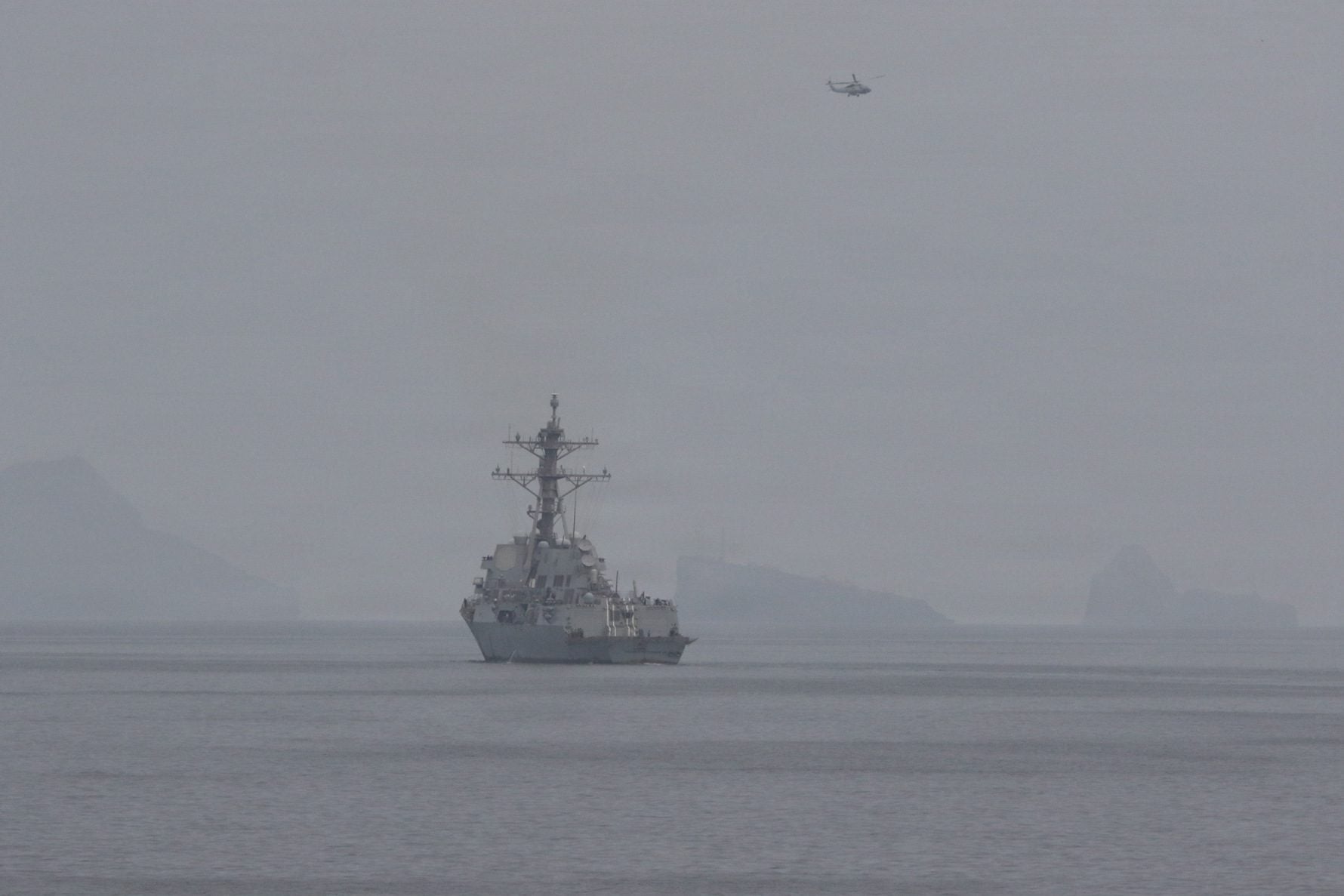
The reported situation combines continuing Israeli strikes and incursions in Syria, Iranian restrictions and threats affecting Hormuz, and a sustained US naval and air-defence posture. Admiral Brad Cooper said on 28 August that US forces had cleared Iranian mines from the Strait, but the Joint Maritime Information Center still reported mine risks and traffic remained below normal. Iran is discussing a temporary shipping corridor with Qatar and a wider navigation framework with Oman, while reports conflict over the status of Iranian oil exports. The record also shows domestic pressure in Iran, humanitarian strain in Syria, and growing demands on US naval deployments.
Change from previous assessment
Since the 27 August prior brief, the assessment adds reported US clearance of Iranian mines from the Strait of Hormuz, continued US support for 1,500 vessel transits carrying about 750 million barrels of crude, and a new Iran-Qatar discussion of a temporary shipping corridor. Confidence in continued Hormuz disruption rises from low to medium because mine-clearance, shipping disruption and diplomatic activity are now reported across several source types, although the status of Iranian exports remains unresolved. The US force-management judgement is strengthened by new reporting on the USS Theodore Roosevelt, USS George Washington and alternative carrier port calls. The prior Lebanon-front judgement is not carried forward because this run supplies no new approved claim on southern Lebanon. Initial assessment of domestic pressure in Iran as a regional instability amplifier.
Key judgments
- Israeli military activity in Syria is likely to remain the most immediate regional widening vector over the next 0-14 days. Syria accused Israel of eight airstrikes on Abu al-Duhur air base and of repeated ground incursions in southern Syria, while Ibrahim Olabi warned of a regional war and said Israel's actions challenge efforts to stabilise Syria. Confidence is medium because Syrian and major-media reporting corroborate the strike attribution, but the supplied record lacks an independent operational account and contains no consistent event date. (Confidence: medium · ASSESSED)
- I&W: CONFIRM: Israeli strikes or ground incursions are reported again at Abu al-Duhur air base or in southern Syria, or Ibrahim Olabi submits another formal complaint linked to Israeli operations. (0-14 days)
- I&W: BREAK: Fourteen consecutive days pass without a reported Israeli strike or ground incursion in the named Syrian locations and Syria continues its stated US-sponsored diplomatic engagement. (0-14 days)
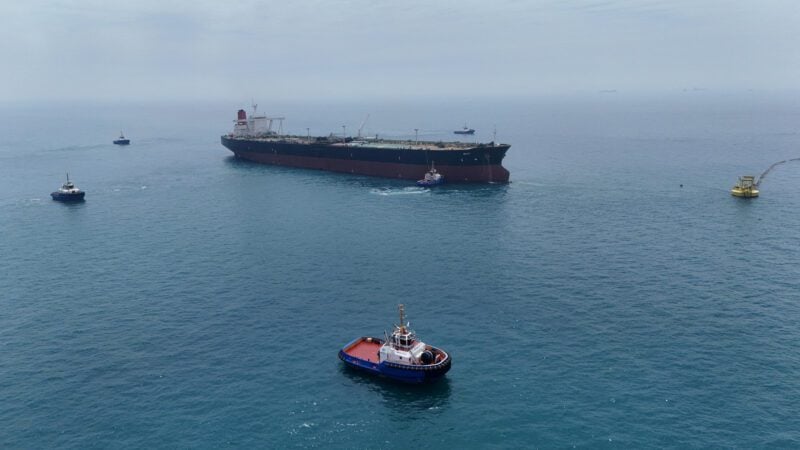
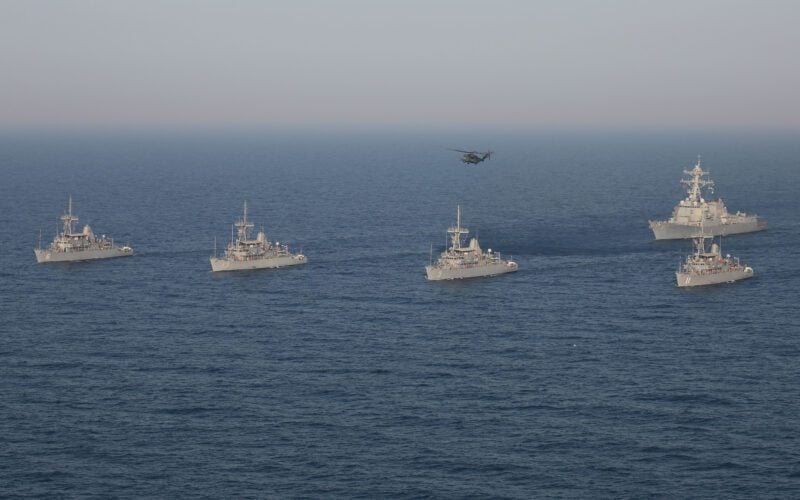
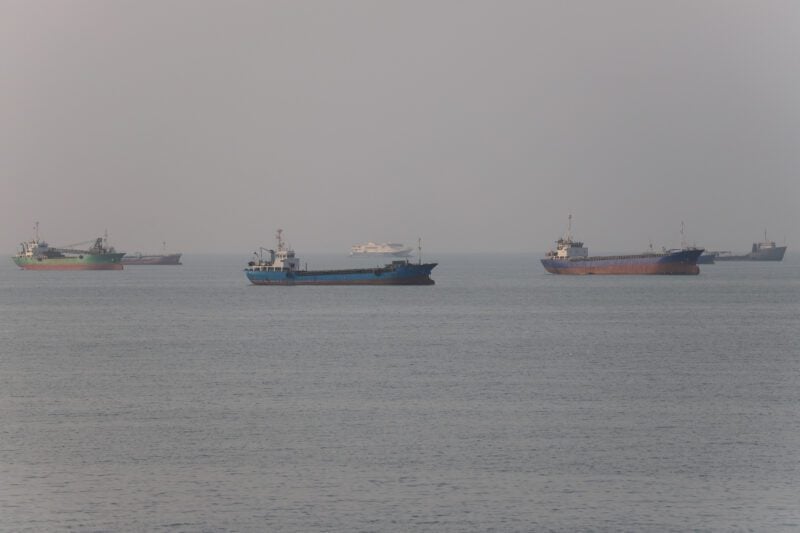
- Normal commercial traffic through the Strait of Hormuz is unlikely to return over the next 0-14 days, while limited, controlled passage is likely to continue. US military commanders report that American forces cleared Iranian mines from the Traffic Separation Scheme, but the Joint Maritime Information Center and US allies still report risks from drifting or uncharted mines. Traffic remains below normal, around 6,000 seafarers aboard 400 ships are reported stranded, and Iran continues to require permission for transit. Confidence is medium because military, official and major-media reporting corroborate both mine clearance and disruption, while the scale of traffic and the chronology of several reports conflict. (Confidence: medium · ASSESSED)
- I&W: CONFIRM: The Joint Maritime Information Center reports another mine hazard, a projectile strike, or a further vessel return in or near the Traffic Separation Scheme, while stranded ships remain in the waterway. (0-14 days)
- I&W: BREAK: Reported traffic is no longer well below normal, stranded vessels depart without further mine warnings, and no new vessel is struck in the Strait for 14 days. (0-14 days)
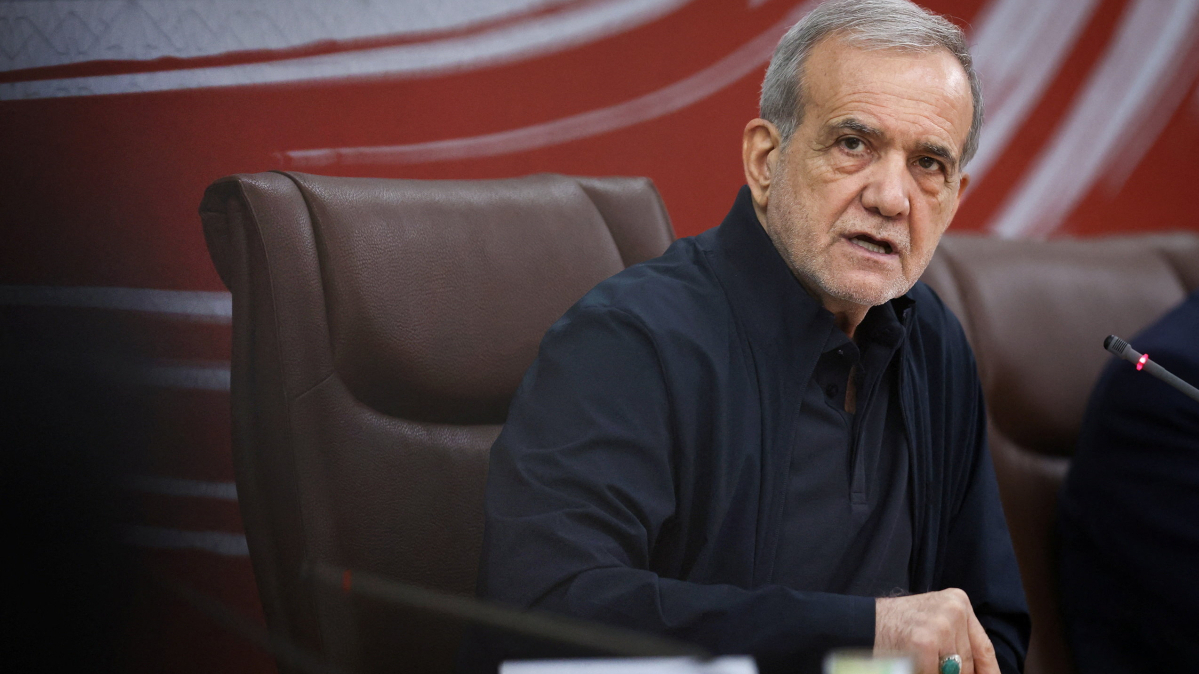
- Iran is likely to use access through Hormuz as bargaining leverage while sustaining talks with Oman and Qatar, making a full reopening unlikely over the next 0-14 days. Iran is preparing reopening conditions, has required transit permission, and has threatened unauthorised vessels, while Abbas Araghchi and Sheikh Mohammed bin Abdulrahman Al Thani discussed a temporary shipping corridor on 27 August. Confidence is low because the record contains conflicting reports that Iran exported zero oil, restored exports through alternative routes, and faced rising crude flows through Hormuz. Much of the leverage assessment rests on official Iranian statements and single-source reporting. (Confidence: low · ASSESSED)
- I&W: CONFIRM: Iranian officials issue additional conditions, deny unrestricted passage, or repeat threats against unauthorised vessels while Oman and Qatar continue corridor talks without an implemented navigation regime. (0-14 days)
- I&W: BREAK: Iran and Oman implement a temporary corridor with published procedures, and commercial vessels enter and leave Iranian ports without case-by-case US or Iranian permission. (0-14 days)
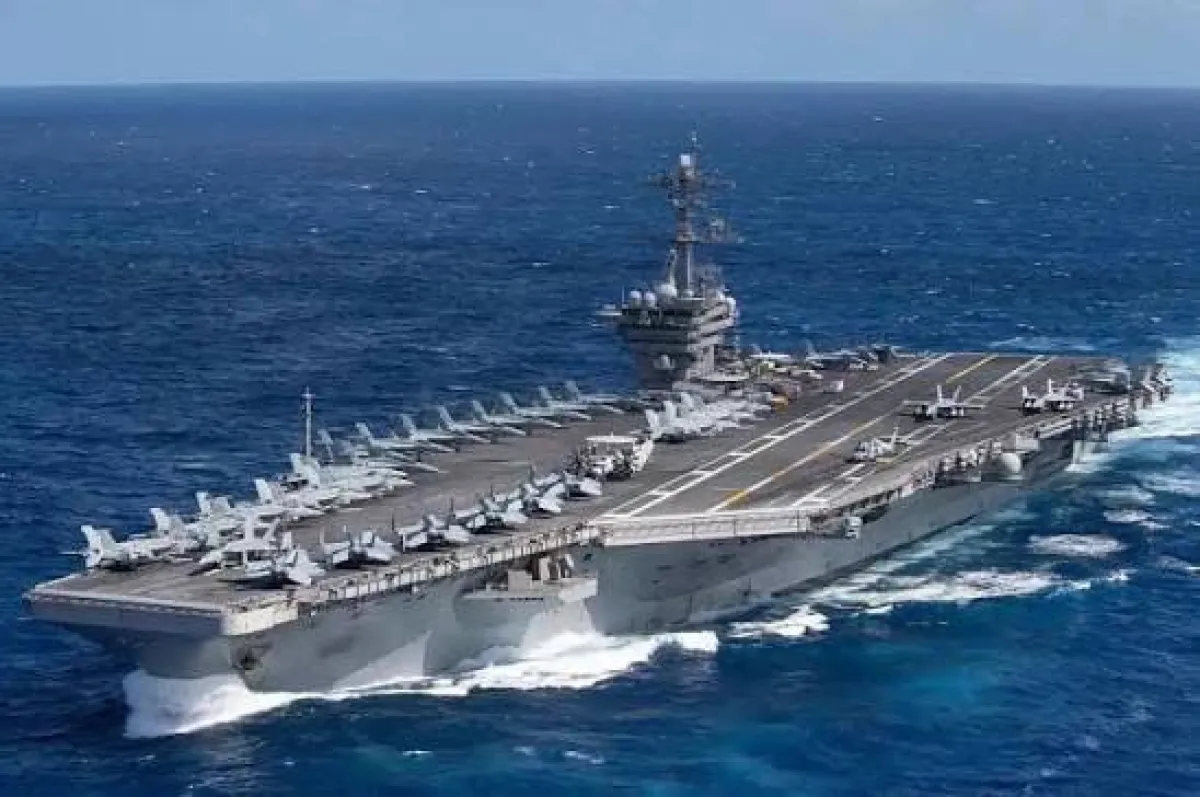
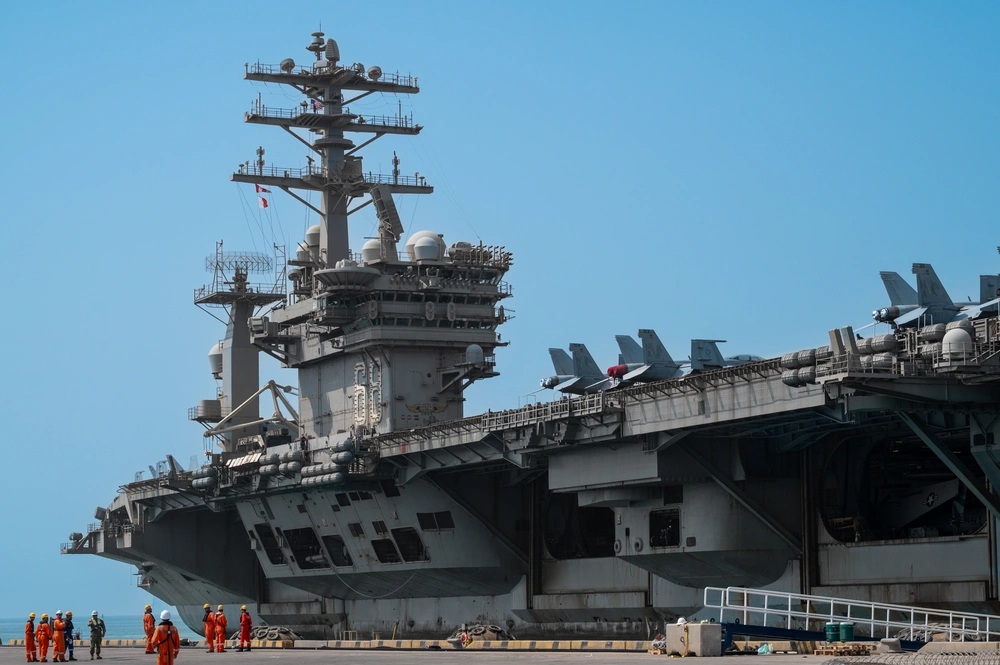
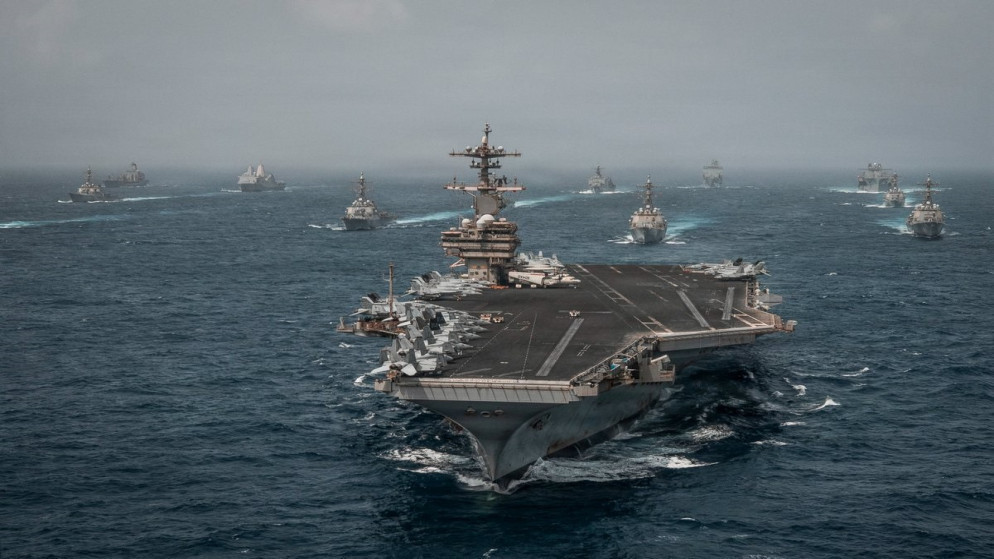
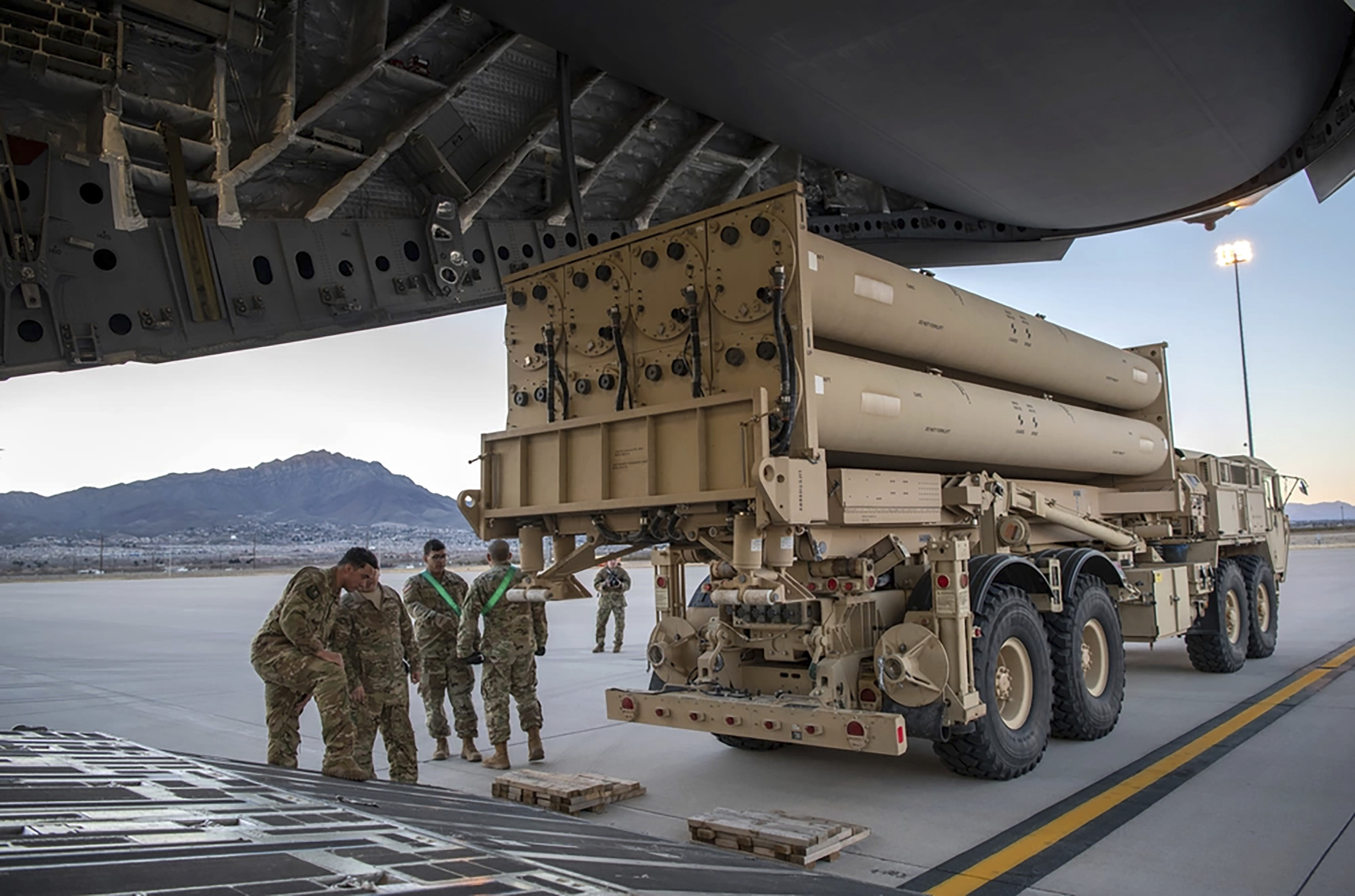
- The US Navy is likely to sustain a high operational presence in the Middle East over the next 1-3 months, while prolonged deployments and reported interceptor depletion are likely to constrain flexibility. The USS George Washington has arrived in the Middle East, the USS Theodore Roosevelt is preparing to leave San Diego for a mission of more than seven months, and the USS Abraham Lincoln has been deployed in the region for months. Washington has also redeployed THAAD and Patriot batteries and is seeking alternative carrier port calls. Confidence is medium because the carrier movements and deployment strain draw on several reports, but the estimate of nearly 80 percent THAAD missile depletion and the timing of some deployments rely on thin think-tank or single-source reporting. (Confidence: medium · ASSESSED)
- I&W: CONFIRM: The USS Theodore Roosevelt departs San Diego, the US Navy announces an integrated strike group deployment, or Washington establishes additional carrier port calls in the Indian Ocean or Thailand. (0-3 months)
- I&W: BREAK: The USS Theodore Roosevelt deployment is delayed beyond three months and the US Navy reduces its carrier presence or ends its search for alternatives to Bahrain. (0-3 months)
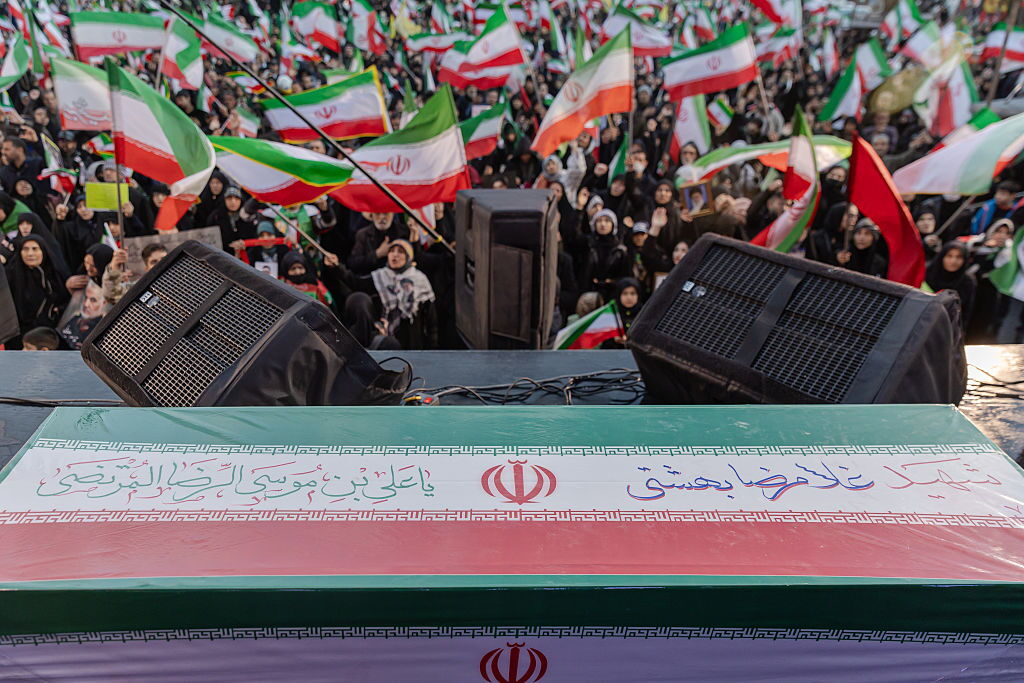
- Domestic pressure in Iran and humanitarian strain in Syria are likely to amplify regional instability over the next 1-3 months, although Syrian diplomatic engagement provides a limited counterweight. Iran's government is facing its most unstable domestic environment since the 2019 fuel-price protests, with sporadic protests reported in Tehran, Isfahan and Ahvaz. Syria has nearly 2 million internally displaced people, while its government is working to close inherited nuclear and chemical weapons files and engaging in US-sponsored efforts to reduce escalation. Confidence is medium because the reported pressures are supported by major-media and official accounts, but the direction of their effect on state behaviour remains an analytic inference. (Confidence: medium · ASSESSED)
- I&W: CONFIRM: Reports of protests expand beyond Tehran, Isfahan and Ahvaz, or Syria reports new displacement alongside continued Israeli strikes or incursions. (1-3 months)
- I&W: BREAK: Iranian protest reporting subsides for 30 days and Syria sustains US-sponsored de-escalation efforts while reporting no new displacement linked to the conflict. (1-3 months)
Outlook & scenarios
Continued coercive standoff (55%)
Iran maintains permission requirements and threats affecting Hormuz, while US forces continue mine clearance, selected interdictions and escorted commercial movement. Traffic remains below normal. Israeli strikes and incursions in Syria continue without a sustained ground operation.
Managed maritime pause (35%)
Iran, Oman and Qatar implement a temporary navigation corridor. US forces continue to monitor and support passage, and the number of stranded ships falls. Commercial traffic improves but remains below pre-conflict levels because Iran's reopening conditions and US sanctions remain unresolved.
Regional widening through Syria or shipping (20%)
A further Israeli strike or ground incursion in Syria, or another projectile or mine incident involving a commercial vessel, triggers wider political and military responses. The UAE sustains active defence, and the US increases protection for naval and commercial traffic.
Wildcard: force-management failure and asymmetric escalation (8%)
Extended carrier deployments, port-call constraints and depleted air-defence interceptors reduce US response flexibility. Iran increases asymmetric tools, including cyber activity and attacks on US economic interests, producing a high-impact escalation that outpaces diplomatic efforts.
Recommendations
- Maintain a daily Hormuz dashboard covering Traffic Separation Scheme warnings, mine-clearance updates, vessel strikes, US-directed vessel returns, stranded ships, crude flows and reported Iranian port access. Record the source and date for each change.
- Separate three analytic measures: Iranian oil exports, total crude flow through Hormuz, and non-Iranian commercial traffic. Do not treat rising Gulf crude flows as proof that Iranian exports have resumed.
- Prioritise named military movements. Track the USS Theodore Roosevelt's departure from San Diego, the USS George Washington's regional employment, the USS Abraham Lincoln's planned Thai port call, and US searches for Indian Ocean port alternatives.
- Create a 24-hour Syria warning review for any new Israeli strike on Abu al-Duhur air base, any ground incursion in southern Syria, or any formal Syrian appeal linking the incident to regional escalation.
- Treat the reported 50,000 US personnel figure and the estimate of nearly 80 percent THAAD missile depletion as provisional until corroborated by an independent official or operational source.
- Use the managed maritime pause and continued standoff as the baseline planning cases, while retaining a separate high-impact watch item for a Syria-linked escalation or a commercial shipping incident in Hormuz.
- Reassess Iranian domestic pressure weekly using reporting from Tehran, Isfahan and Ahvaz, and track whether Syria's US-sponsored diplomatic engagement continues alongside displacement and Israeli military activity.
Confidence & uncertainty
Overall confidence is high because the core event set is supported by multiple official, military, major-media and think-tank accounts, with several claims receiving high corroboration scores. The main uncertainties concern conflicting reports on Iranian oil exports, the exact level of Hormuz traffic, the operational meaning of US mine clearance, and inconsistent dates in parts of the supplied record. These uncertainties lower confidence in specific judgements about reopening timelines and Iranian export capacity, but they do not alter the high-confidence assessment that maritime disruption, military pressure and regional escalation risks remain active.
Intelligence gaps
- [EEI 1.1 · UNCOVERED] Observed repositioning, sustained increases, or new forward basing of Iranian conventional or IRGC forces (armored units, missile batteries, aircraft, naval vessels) toward borders or regional launch points. Recommended collection: IMINT/satellite
- [EEI 1.2 · PARTIAL] Hezbollah or other Iran-aligned proxy forces conducting mass mobilization, visible rocket/artillery emplacements, cross-border firing incidents, or preparations for cross-border operations from Lebanon, Syria, Iraq or Yemen. Recommended collection: HUMINT/ground ISR
- [EEI 1.4 · UNCOVERED] Interdicted or observed shipments (air, sea, land manifests, seizures, satellite imagery of transfers) of advanced weapons or missile components from Iran toward proxy groups or forward staging points. Recommended collection: maritime/AIS
- [EEI 2.1 · UNCOVERED] Satellite or on-the-ground imagery showing fires, damage, or operational shutdown at major oil export facilities, refineries, storage terminals, or key pipeline infrastructure in the Gulf and Red Sea. Recommended collection: IMINT/satellite
- [EEI 2.4 · PARTIAL] Rapid increases in war-risk insurance premiums for Middle East routes, shipping company advisories to avoid region, or major charter cancellations tied to the conflict. Recommended collection: financial/open-source
- [EEI 3.1 · PARTIAL] Movement/arrival of major foreign military assets into the region: US carrier strike groups, amphibious ready groups, strategic bomber flights, Russian/Chinese naval taskings, or allied expeditionary units (visible in AIS, NOTAMs, satellite imagery, official releases). Recommended collection: IMINT/satellite
- [EEI 3.3 · UNCOVERED] Embassy evacuations, large-scale personnel movements, issuance of government travel bans/advisories, or multinational security alerts affecting foreign nationals and diplomatic posture in the region. Recommended collection: diplomatic/open-source
- [EEI 3.4 · PARTIAL] High-level diplomatic/UN activity: scheduled or emergency Security Council meetings, published ceasefire proposals, or multilateral statements committing support/condemnation that precede changes in military posture. Recommended collection: open-source/diplomatic
Cited sources
[1] en.yenisafak.com · Syria accuses Israel of destabilizing region at UN (A) · sha256:f6020c1194b7 [2] arabnews.com · Netanyahu’s narrow political calculus may ignite ‘regional war that spares no one,’ Syrian envoy warns (B) · sha256:7bd916af0b9c [3] gcaptain.com · U.S. Military Says It Has Cleared Iran’s Mines From Strait of Hormuz Shipping Lanes (A) · sha256:dce3299a6e04 [4] gcaptain.com · Iran War Diplomacy Turns Toward Reopening Hormuz (B) · sha256:88fd0104dadf [5] alqaheranews.net · القيادة المركزية الأمريكية: أجبرنا 75 سفينة على العودة لمحاولتها خرق الحصار (A) · sha256:824996d4bd7d [6] gcaptain.com · US Commander Declares Hormuz Shipping Lanes Are Mine-Free (A) · sha256:207180f7dc2e [7] gcaptain.com · Tanker Hit in Strait of Hormuz as Trump Declares ‘Mission Accomplished’ in Iran (B) · sha256:b19947dba5b6 [8] gulfnews.com · What UAE residents need to know about the US-Iran standoff this evening, August 28 (B) · sha256:a0cc2369966d [9] Al Jazeera · Iran, Qatar hold Hormuz talks amid int’l hopes dialogue with US will resume (A) · sha256:8a6caa64b92d [10] anewz.tv · Pezeshkian urges stronger economic ties among Muslim states (B) · sha256:34a114c8a66b [11] gcaptain.com · Hormuz Oil Flows Rising as Gulf Giants’ Ramp Up Accelerates (B) · sha256:8af12d4eb729 [12] khabaragency.net · حاملة طائرات أمريكية جديدة تتجه إلى الشرق الأوسط مع استمرار الحرب مع إيران | وكالة خبر للأنباء (B) · sha256:212534b501bc [13] nabd.com · تحركات عسكرية امريكية جديدة في الشرق الاوسط لتعزيز التواجد البحري (B) · sha256:5f97e2014d9c [14] maritime-executive.com · U.S. Navy is Looking for an Alternative to Bahrain for Mideast Port Calls (B) · sha256:04828c6e3b63 [15] The Soufan Center · Depleted U.S. Stockpiles Raise Strategic Risks (C) · sha256:a6b17b4f778d [16] vietnam.vn · The US-Iran war after 6 months: From lightning airstrikes to a costly stalemate. (B) · sha256:0b1856d72dfc [17] ucapital.com · Iran War at Six Months: A Costly Stalemate (B) · sha256:bb5f8f51822a
Source content hashes were computed at collection time; the cited text is preserved unmodified for the life of this product.
Red cell review: CONCUR WITH COMMENT
TLP:CLEAR