TLP:CLEAR · Disclosure is not limited.
Iran-Israel Conflict: Hormuz Pressure and Yemen Escalation
Time window: Last 1 day · Audience: General analyst · Type: Situation report · DTG: 2026-09-14 19:38Z · Overall confidence: HIGH
BLUF
The conflict is very likely to remain active across US-Iran maritime operations and the Yemen-Saudi front over the next 14 days. The immediate risk is the combination of constrained Strait of Hormuz access, a Saudi East-West pipeline outage and continued Houthi attacks, while the postponed Oman meeting offers only a roughly even chance of producing a limited shipping arrangement.
Executive summary
On 14 September 2026, Iran continued to restrict shipping through the Strait of Hormuz, while US Central Command reported that the US Navy had redirected 101 commercial vessels. The Houthis claimed attacks on Saudi military targets and reported gains around the Red Sea, although their sustained control of Perim Island remains disputed. Saudi Arabia's East-West pipeline remained offline after a drone attack, with conflicting estimates for repairs and competing claims over responsibility. UN agencies reported at least 125,000 people displaced in Yemen since the start of September, alongside civilian casualties and severely constrained humanitarian access. Gulf states postponed the Oman meeting with Iran, reducing the immediate prospect of diplomatic de-escalation.
Change from previous assessment
Since the 13 September brief, confidence in the persistence of multi-front escalation has increased because reporting now provides additional detail on Houthi attacks against Khamis Mushait and other Saudi targets, the 77-vessel Hormuz blacklist, the Saudi pipeline's limited export buffer and Yemen's higher displacement estimates. The Hormuz assessment has shifted from severe constraint with full closure unlikely to severe constraint with an unrestricted reopening unlikely, reflecting stronger reporting that Iran is enforcing restrictions while the status of the Iran-Oman arrangement remains contested. The diplomatic outlook has worsened because the Oman meeting was postponed. The prior uncertainty over Houthi control of Perim Island remains and is now more explicitly treated as unresolved. A new high-confidence judgment has been added on Yemen's humanitarian deterioration.
Key judgments
- US military involvement in the Iran conflict is very likely to continue through the next 14 days, and Iran is very likely to maintain retaliatory measures while Washington's maritime blockade remains in place. US Central Command reported that the US Navy had redirected 101 commercial vessels, while separate reporting described a US strike on an island in the Strait of Hormuz and the reinstatement of a US blockade on Iranian ports in July. Iran's Foreign Ministry said Tehran would continue retaliatory measures for as long as Washington maintained what it described as a maritime blockade. The reported US strike on the island rests on a single local-media account, so confidence in that specific incident is lower than confidence in continued US maritime involvement. (Confidence: high · ASSESSED)
- I&W: Confirm: US Central Command reports additional US Navy vessel redirections or a further US strike in or near the Strait of Hormuz. (0-14 days)
- I&W: Break: Washington announces an end to the blockade or a sustained reduction in US maritime operations, and Iran stops publicly linking retaliation to the blockade. (0-14 days)
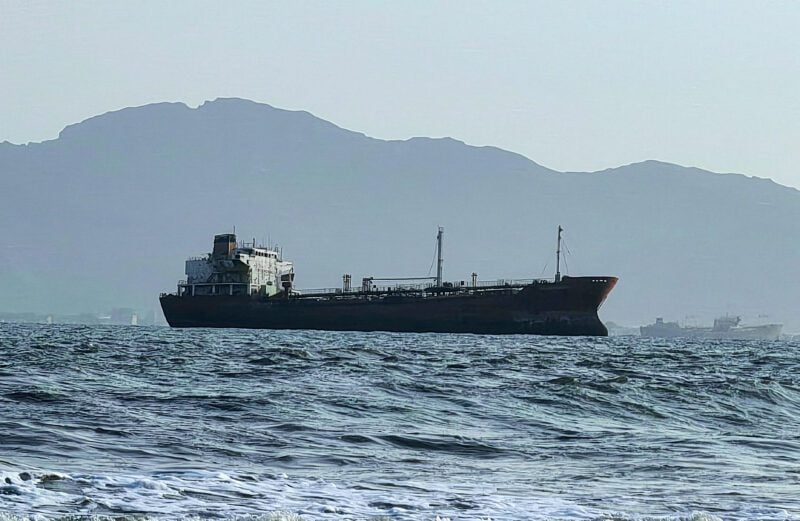
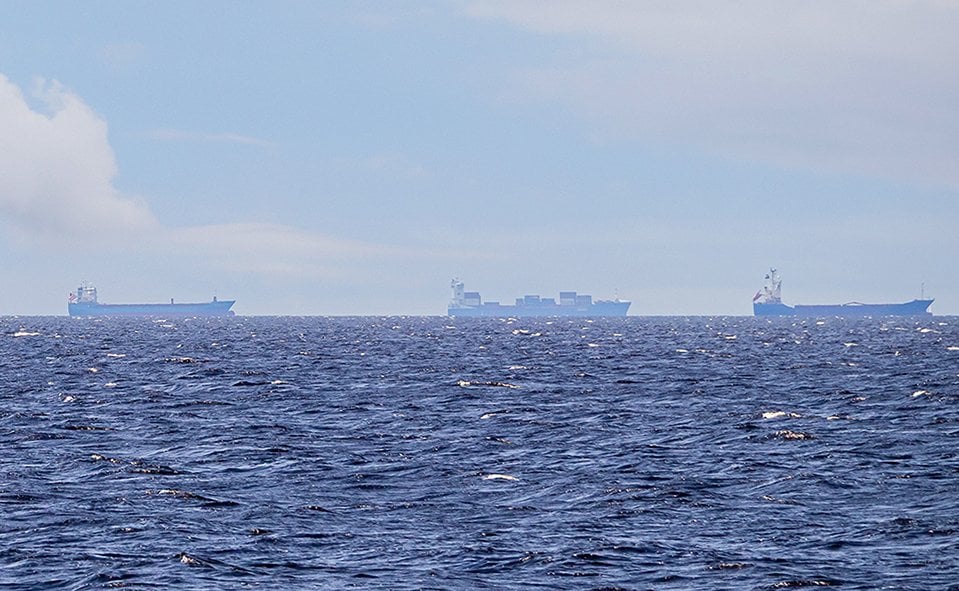
- Commercial shipping through the Strait of Hormuz is very likely to remain severely constrained over the next 14 days, while an unrestricted reopening is unlikely. Iran's Persian Gulf Strait Authority has identified 77 vessels and threatened fines, detention or confiscation, while also warning insurers, P&I clubs and classification societies against servicing them. Tracking reports show transits at single-digit levels, and UKMTO reported that a vessel was struck by a projectile, caught fire and required crew evacuation. Reports that Iran and Oman agreed secure shipping routes conflict with an Iranian warning that the agreement did not provide for immediate reopening, Abbas Araqchi's statement that Iran would keep the strait closed until US demands were met, and Donald Trump's assertion that oil was flowing. The operational status of the waterway is therefore contested. (Confidence: medium · ASSESSED)
- I&W: Confirm: independent AIS and maritime-security reporting continues to show single-digit daily transits, vessel diversions or additional crew evacuations in the Strait of Hormuz. (0-14 days)
- I&W: Break: multiple independent tracking sources show sustained traffic recovery and Iran removes or suspends the 77-vessel blacklist and associated threats. (0-14 days)
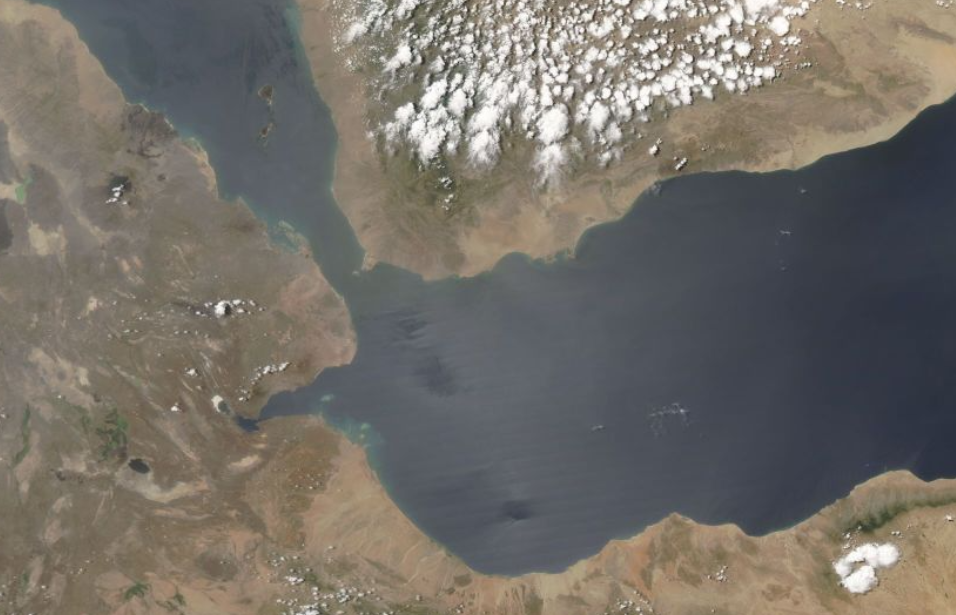
- The Houthis are very likely to continue missile and drone attacks against Saudi military and energy targets over the next 30 days, while their ability to pressure shipping around the Bab el-Mandab is likely to persist. Reporting describes attacks on Khamis Mushait, Sharurah, Jazan and other Saudi targets, as well as Houthi advances along Yemen's Red Sea coast and the occupation or reported capture of the Greater and Lesser Hanish Islands, Mokha and Perim Island. Current reporting does not establish sustained Houthi control of Perim Island or Ras Menhali: one account reports a Houthi capture, while another found no continuing Houthi presence on 14 September. Confidence is therefore lower on the territorial-control component than on the expectation of further attacks. (Confidence: medium · ASSESSED)
- I&W: Confirm: the Houthis claim or are independently reported to have conducted another missile or drone attack against a named Saudi military base, city or energy facility. (0-30 days)
- I&W: Break: independent imagery or reporting shows no Houthi presence on Perim Island and the Red Sea coast, alongside a sustained halt in attacks on Saudi targets. (0-30 days)
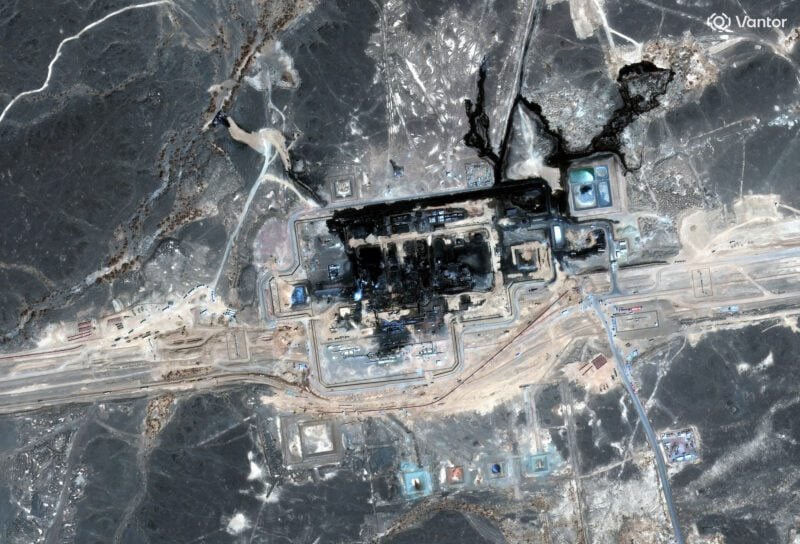
- Saudi Arabia's East-West crude oil pipeline is likely to remain non-operational for 3-5 weeks, and a prolonged outage is likely to constrain exports through Yanbu after its reported 5-7 days of available stocks. The pipeline normally reroutes around 4 million barrels per day, or about 4 per cent of global supply, to Yanbu. Repair estimates range from 3-5 weeks to 5-6 weeks, while Saudi Arabia also holds stocks at Egyptian ports for several days. The attacker's identity remains unverified: Riyadh blamed Iran-backed fighters operating from Iraq, while the Islamic Resistance in Iraq denied responsibility. (Confidence: medium · REPORTED)
- I&W: Confirm: Saudi Arabia reports that the East-West pipeline remains shut or is operating only at partial capacity by 28 September, while Yanbu export stocks approach the reported 5-7 day limit. (0-14 days)
- I&W: Break: Saudi Arabia reports a full restart of the pipeline or sustained partial pumping that prevents an interruption to Yanbu exports. (0-14 days)
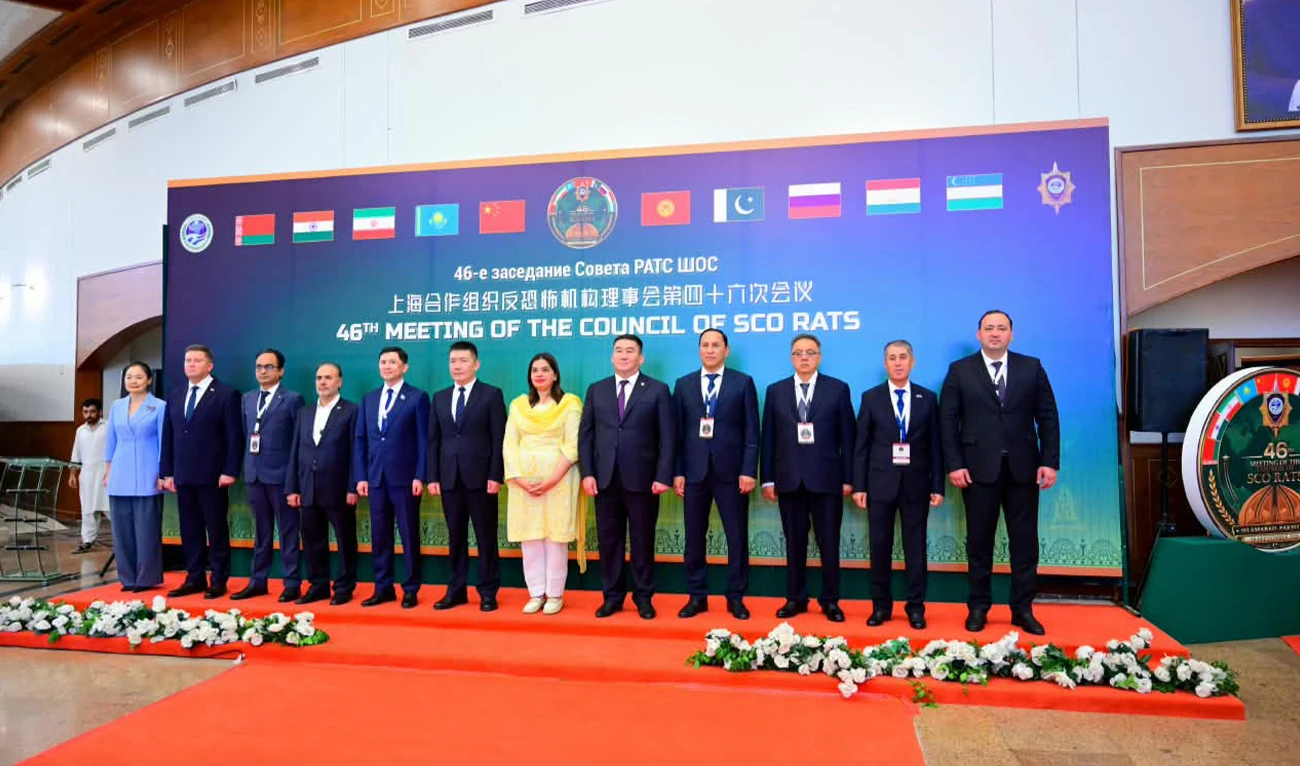
- An agreement ending US-Iran hostilities is unlikely within the next 14 days, while a limited shipping arrangement has a roughly even chance if the postponed Oman meeting reconvenes. Saudi Arabia requested postponement of the meeting, and Oman's Foreign Minister Sayyid Badr Albusaidi confirmed the postponement in the interests of consensus. Iran and Oman separately claimed to have reached an agreement establishing secure shipping routes, but an Iranian source said the arrangement did not provide for immediate reopening, and Abbas Araqchi said Iran would not reopen the strait until the United States met Tehran's demands. Iran's stated openness to Chinese mediation and support from SCO RATS provide diplomatic channels, but they do not yet offset the unresolved maritime and military conditions. (Confidence: medium · ASSESSED)
- I&W: Confirm: Oman announces a reconvened meeting and publishes specific passage terms covering named vessel categories, routes and enforcement arrangements. (0-14 days)
- I&W: Break: Iran repeats that the strait will remain closed until US demands are met, or new US-Iran or Houthi attacks occur while talks remain postponed. (0-14 days)
- Yemen's humanitarian crisis is very likely to worsen over the next 1-3 months. OCHA and OHCHR reported 125,000 displaced people and 40 verified civilian casualties since the start of September, while the World Health Organization reported 504 people killed, 2,379 wounded and 77,789 displaced between 6 and 12 September. OCHA also reported critically low supplies, funding shortfalls and severely constrained humanitarian access. The displacement total is not fully settled because other reporting gives figures of more than 80,000, 82,000 and 93,000, but the direction and scale of deterioration are corroborated by UNHCR, OCHA, OHCHR, WHO and IOM. (Confidence: high · ASSESSED)
- I&W: Confirm: OCHA, IOM or UNHCR reports displacement above 125,000 in Yemen or additional large-scale arrivals in Djibouti, while humanitarian access remains severely constrained. (1-3 months)
- I&W: Break: UN agencies report a sustained reduction in new displacement and restored humanitarian movement to areas affected by the fighting. (1-3 months)
Outlook & scenarios
Sustained multi-front escalation (55%)
This scenario is likely. US-Iran maritime operations continue, Iran maintains restrictions on the Strait of Hormuz, and the Houthis continue attacks on Saudi military and energy targets. The Saudi pipeline remains offline, keeping pressure on Yanbu exports and oil markets. Diplomatic contacts remain active but do not produce a ceasefire.
Limited maritime deconfliction without a ceasefire (35%)
This scenario has a roughly even chance. Oman, Iran and Gulf states revive talks and establish limited passage procedures for selected commercial vessels. Iran retains leverage over the strait, while US-Iran hostilities and Houthi-Saudi fighting continue outside the shipping arrangement.
Saudi-Houthi escalation and wider energy disruption (25%)
This scenario is unlikely. Further Houthi missile and drone attacks on Saudi targets prompt a broader Saudi air campaign in Yemen. The East-West pipeline outage extends towards the longer repair estimate, and pressure on Red Sea shipping increases as Houthi forces contest areas near the Bab el-Mandab.
Direct US-Iran strike cycle in the Gulf (10%)
This is a very unlikely but high-impact wildcard. A further US strike on an Iranian maritime or coastal target is followed by Iranian attacks on US bases or shipping. The result is a sharp reduction in commercial traffic through the Strait of Hormuz and a collapse of near-term mediation efforts.
Recommendations
- Maintain a separate operational picture for the Strait of Hormuz and Bab el-Mandab. Reconcile AIS data, UKMTO reports, US Central Command statements and Iranian shipping notices before assessing whether either waterway is open, restricted or closed.
- Treat Houthi control of Perim Island and Ras Menhali as unconfirmed until independent imagery or reporting establishes a continuing presence. Track named positions at Perim, the Greater and Lesser Hanish Islands, Mokha and the N2 coastal highway.
- Model Saudi export exposure against both the 3-5 week and 5-6 week pipeline repair estimates. Monitor the five-to-seven-day Yanbu stock estimate, reported stocks at Ain Sukhna and Sidi Kerir, and evidence of partial pumping.
- Separate verified attacks from attribution claims in reporting on the East-West pipeline. Track Saudi statements, the Iraqi investigation and any further denial or claim by the Islamic Resistance in Iraq.
- Prepare two diplomatic readouts for the Oman track: one for a limited shipping arrangement and one for continued postponement. Do not treat the reported Iran-Oman agreement as an operational reopening until vessel movements and written terms confirm it.
- Prioritise humanitarian indicators from OCHA, OHCHR, WHO, IOM and UNHCR. Report displacement totals with their time windows, retain the 125,000-person OCHA figure as the principal current estimate, and flag the competing 80,000 to 93,000 figures as earlier or less comprehensive snapshots.
- Monitor the US-Saudi relationship for changes in the level of support beyond intelligence sharing and targeting assistance, particularly after Crown Prince Mohammed bin Salman's meeting with Admiral Brad Cooper.
Confidence & uncertainty
Overall confidence is high because the core developments are corroborated by multiple independent source types, including UN agencies, US Central Command, UKMTO, Reuters reporting, major media and trade publications. The strongest evidence covers Yemen's displacement and casualties, Houthi attacks on Saudi targets, the Saudi pipeline outage and severe disruption to Hormuz shipping. The main uncertainties concern the current operational status of the Strait of Hormuz, sustained Houthi control of Perim Island, attribution and repair timing for the Saudi pipeline, and whether the Iran-Oman arrangement has produced usable shipping access.
Intelligence gaps
- [EEI 1.1 · UNCOVERED] Movement, dispersal, or emplacement of Iranian conventional or IRGC heavy assets (ballistic missile launchers, Khoramshahr/Toofan-class missile transporters, ground-to-ground TELs, air defense batteries, amphibious units) from garrison areas toward forward bases or coastal launch sites. Recommended collection: satellite/IMINT
- [EEI 1.2 · UNCOVERED] Authenticated Iranian military orders, NSC/IRGC operations directives, or senior leadership statements explicitly directing strikes against Israel or US forces or authorizing cross-border operations. Recommended collection: human/diplomatic
- [EEI 1.3 · PARTIAL] Changes in Israeli and US force posture indicating anticipation of direct large-scale conflict, elevated readiness levels, mobilization notices, pre-positioning of munitions, or public/private orders to prepare offensive strikes. Recommended collection: open-source/diplomatic
- [EEI 2.1 · PARTIAL] Observable pre-launch preparations for missile/rocket/cruise missile strikes (fueling, warhead mating, launcher orientation, support vehicle congregation) and abnormal munitions handling at known launch sites. Recommended collection: satellite/IMINT
- [EEI 2.2 · UNCOVERED] Indications of proxy arms shipments and weapons transfers (truck convoys, small boat transfers, container movements from Iran to proxies, new stockpiles in Lebanon, Iraq, Yemen, Syria). Recommended collection: maritime/AIS
- [EEI 2.3 · UNCOVERED] Evidence of cyber attack planning or active exploitation campaigns targeting Israeli or US military/critical infrastructure (emergence of new command-and-control servers, spear-phishing campaigns against defense personnel, successful intrusions). Recommended collection: cyber
- [EEI 3.1 · PARTIAL] Movements and posture changes of US regional platforms (carrier strike groups, amphibious ready groups, B-52/B-1/B-2 or fighter deployments, missile defense assets repositioning) and associated armament loadouts. Recommended collection: satellite/IMINT
- [EEI 3.2 · PARTIAL] Official or leaked US government/diplomatic communications indicating thresholds for strikes, authorization for offensive operations, or limits on action (NSC/DoD statements, congressional notifications, diplomatic notes). Recommended collection: diplomatic/human
- [EEI 3.3 · UNCOVERED] Changes in US base force-protection measures and rules of engagement at regional facilities (base lockdowns, evacuation notices, flight restrictions, activation of Local Defense Forces or missile intercept systems). Recommended collection: open-source/local reporting
- [EEI 4.1 · UNCOVERED] Hezbollah-specific indicators: convoys and logistics movements toward Lebanon, Israel border, artillery/rocket emplacement in southern Lebanon, documented strikes-preparation activity, public mobilization orders or recruitment drives. Recommended collection: satellite/IMINT
- [EEI 4.3 · PARTIAL] Militia cross-border attack evidence from Iraq/Syria: recorded rocket/mortar launch events into Israel or strikes against US facilities, movement of armed convoys toward border areas, and intercepted communications coordinating cross-border operations. Recommended collection: signals/ELINT
Cited sources
[1] Rediff.com (ANI) · Gulf war simmers again: Houthi advance puts Saudi on edge (B) · Mon Sep 14 2026 05:51:46 GMT+0000 (Coordinated Universal Time) · sha256:6a594cf0d836 [2] Manara Magazine · The Iran War and the UK’s “Reset” towards the Middle East (D) · Mon Sep 14 2026 17:22:00 GMT+0000 (Coordinated Universal Time) · sha256:3a53d97ec8c4 [3] i24NEWS · Iran accuses Israel of taking advantage of tensions with Gulf countries (B) · Mon Sep 14 2026 00:00:00 GMT+0000 (Coordinated Universal Time) · sha256:163eab836389 [4] Arab News Pakistan (arabnews.pk) · SCO alliance meets in Islamabad, backs US-Iran de-escalation efforts (B) · Mon Sep 14 2026 12:27:23 GMT+0000 (Coordinated Universal Time) · sha256:6917b2d174be [5] Reuters (republished by gCaptain) · Gulf States Postpone Iran Talks as Houthis Strike Saudi Arabia (A) · Mon Sep 14 2026 16:25:34 GMT+0000 (Coordinated Universal Time) · sha256:d52bcd7f7927 [6] The Maritime Executive · Iran Expands Threats Against Shipping to P&I and Class Societies (C) · sha256:d5abc385e82e [7] Reuters (republished by gCaptain) · New Attacks in Hormuz and Saudi Test Nerves as War's Spread Worsens Oil Disruption (A) · Mon Sep 14 2026 17:16:46 GMT+0000 (Coordinated Universal Time) · sha256:4d8e33104dc4 [8] Tempo (English edition, Tempo.co) · Yemen's Houthis Attack Saudis, Seize Crucial Red Sea Islands (B) · Mon Sep 14 2026 17:17:39 GMT+0000 (Coordinated Universal Time) · sha256:f7fc4b07a7ea [9] Drop Site News · Trump tells Zelenskyy to stop hitting Russian diesel; Nearly 80,000 displaced in Yemen; Trump rejects calls for AI guardrails (B) · Mon Sep 14 2026 15:40:26 GMT+0000 (Coordinated Universal Time) · sha256:15bf1763c5f4 [10] The Express Tribune · Pakistan backs Saudi Arabia amid Houthi escalation (B) · Mon Sep 14 2026 09:08:44 GMT+0000 (Coordinated Universal Time) · sha256:ea33f4459b7b [11] gCaptain · Maersk, Hapag-Lloyd Accelerate Return to Suez Despite Red Sea Risks (C) · Mon Sep 14 2026 15:53:32 GMT+0000 (Coordinated Universal Time) · sha256:cd96ffd3e9be [12] United Nations (UN News) · Civilians bear the brunt, with deadly US strikes in Iran and thousands displaced in Yemen (A) · Mon Sep 14 2026 17:49:42 GMT+0000 (Coordinated Universal Time) · sha256:09a759600f1a [13] The Maritime Executive · Houthis Being Pushed Back from Bab el-Mandeb (C) · sha256:7b5662429cfd [14] gCaptain (republishing a Reuters wire report) · Saudi Pipeline Outage Threatens Loss Of 4% Of Global Oil Supply (B) · Mon Sep 14 2026 01:48:18 GMT+0000 (Coordinated Universal Time) · sha256:867bf6bfb067 [15] Sunday Guardian Live · US-Israel-Iran War Latest Live News: Iran Condemns Austria Over Nuclear Chief Ban Ahead of IAEA Conference, Yemen Displacement Surges Past 93,000 as Houthis Threaten Key Red Sea Route (B) · Mon Sep 14 2026 16:38:21 GMT+0000 (Coordinated Universal Time) · sha256:f3c087e57028 [16] The Jerusalem Post · Israel only beneficiary of Iran-Gulf rift, says Iran's FM, while denying US Pickaxe Mountain claims (A) · Mon Sep 14 2026 11:14:35 GMT+0000 (Coordinated Universal Time) · sha256:ef6fc2993ad8
Source content hashes were computed at collection time; the cited text is preserved unmodified for the life of this product.
Red cell review: CONCUR WITH COMMENT
TLP:CLEAR