TLP:CLEAR · Disclosure is not limited.
Iran-Israel Conflict: Hormuz Restricted, Regional Spillover Continues
Time window: Last 1 day · Audience: General analyst · Type: Situation report · DTG: 2026-08-28 16:39Z · Overall confidence: MEDIUM
BLUF
The conflict is likely to remain active and geographically distributed over the next 14 days. The Strait of Hormuz is partially navigable, but very likely to remain functionally restricted rather than fully open, while Qatar and Oman pursue limited arrangements that are unlikely to produce a full settlement soon.
Executive summary
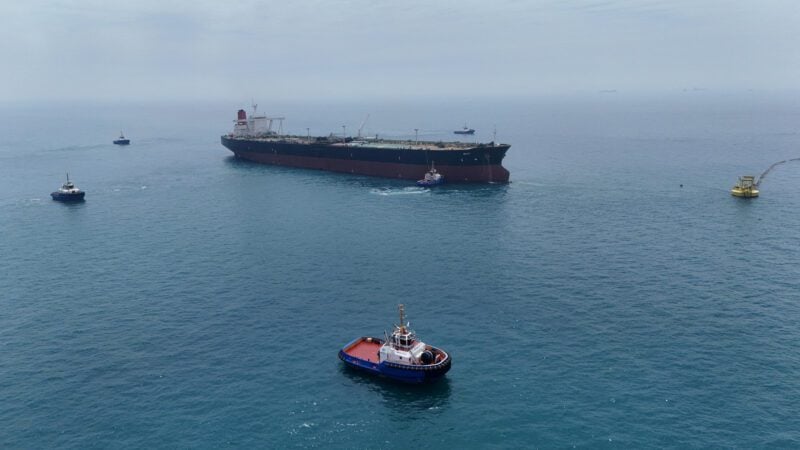
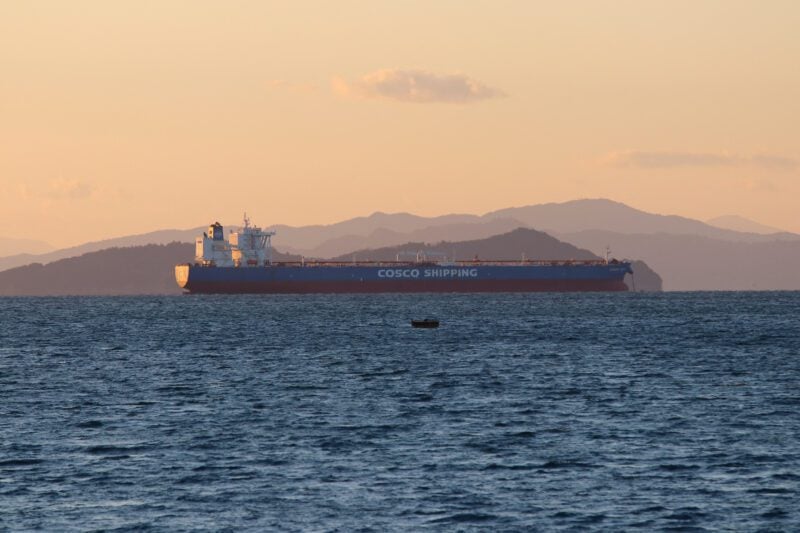
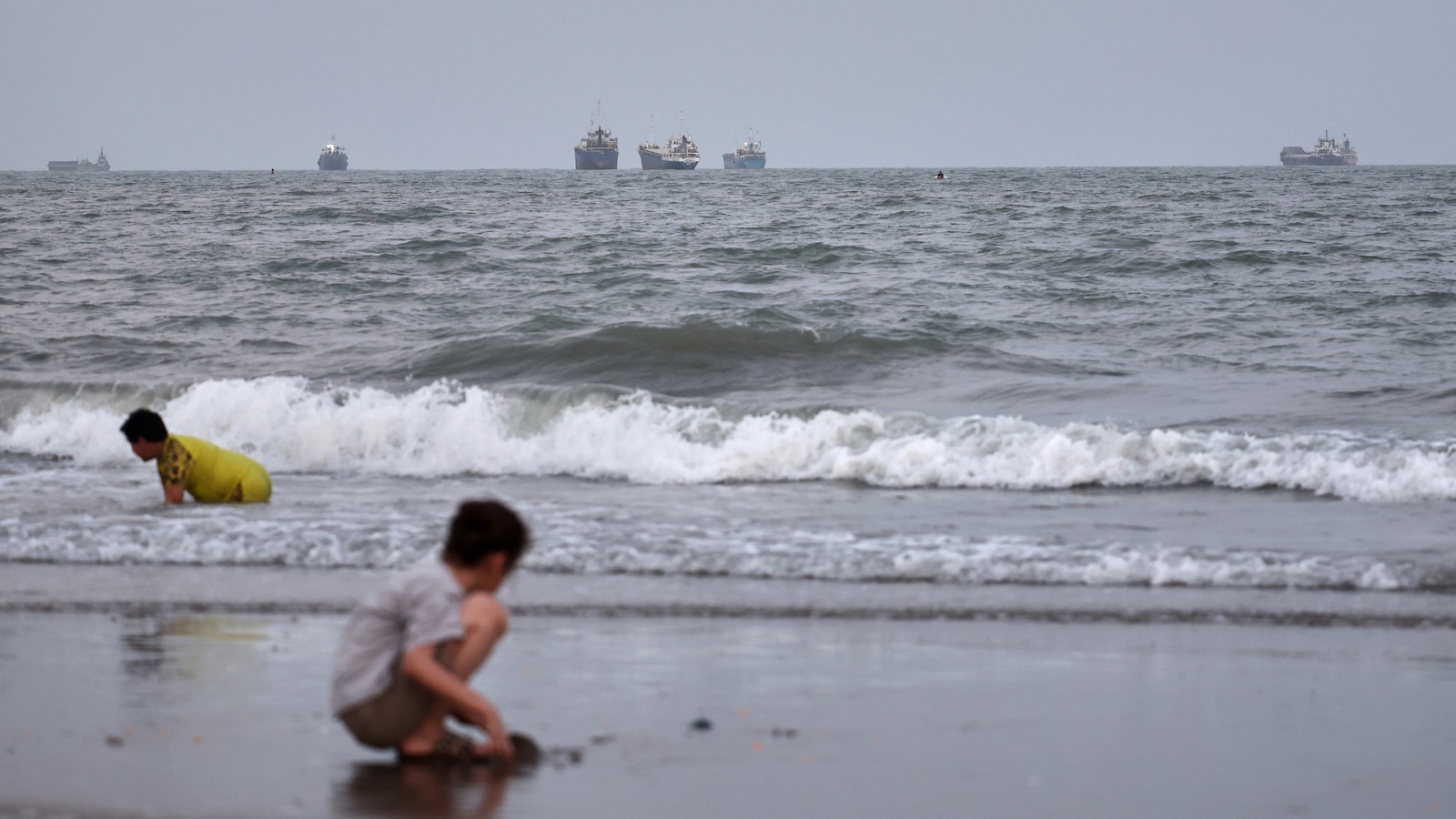
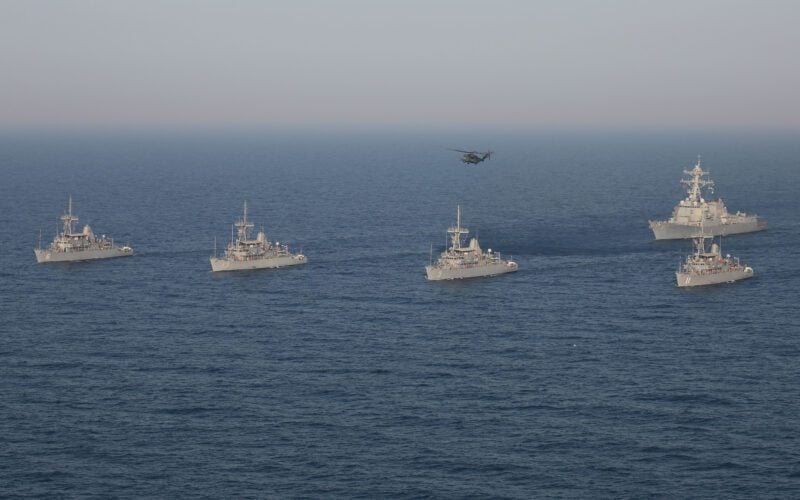
Reported evidence shows substantial but below-normal oil and commercial traffic through the Strait of Hormuz, alongside continuing mine warnings, an unidentified projectile strike on the tanker AL SALAM II and Iranian threats against unauthorised vessels. US forces report clearing mines and facilitating the transit of 1,500 vessels carrying about 750 million barrels of crude, but unnamed US allies and the Joint Maritime Information Center continue to question the safety of the shipping lanes. Qatar, Oman and Iran are pursuing temporary navigation arrangements, while the White House says no negotiations with Iran are under way. Israeli activity in Syria and reported Iranian, US and Gulf-state attacks indicate that the conflict remains a regional stability risk.
Change from previous assessment
Since the 27 August brief, the assessment has shifted from very likely functional restriction at Hormuz to likely functional restriction with clearer evidence of partial throughput. US forces now report facilitating 1,500 vessels and about 750 million barrels of crude, while the Joint Maritime Information Center and unnamed US allies continue to report mine risk and traffic below normal. Diplomatic activity is more clearly structured around Qatar, Oman and Iran, but the White House says there are no negotiations with Iran. The regional-spillover judgment now explicitly includes Syria and the United Arab Emirates, Saudi Arabia and Kuwait. Confidence remains medium because mine status, traffic scale and the Syrian strike target remain contested.
Key judgments
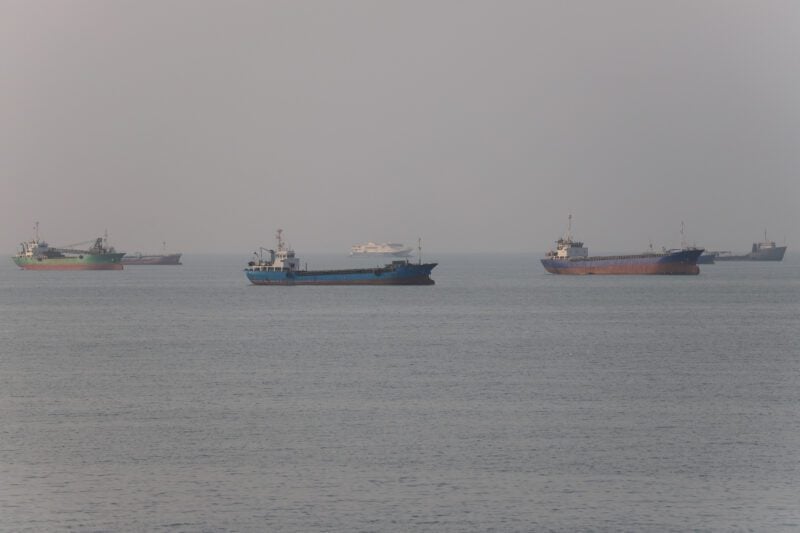
- Very likely the Strait of Hormuz will remain functionally restricted rather than fully open over the next 14 days, despite partial transit. US forces report facilitating 1,500 vessels carrying about 750 million barrels of crude and oil traders estimate that 6 million to 8 million barrels a day are moving through the strait. Traffic remains below normal, Iran has threatened unauthorised vessels, and the Joint Maritime Information Center and unnamed US allies continue to report mine risks. The assessment is medium confidence because military statements on mine clearance conflict with maritime warnings and the reported traffic volumes do not establish normal navigation. (Confidence: medium · ASSESSED)
- I&W: Confirm: the Joint Maritime Information Center or the United Kingdom Maritime Trade Organization reports another mine warning or projectile strike involving a commercial vessel, or verified traffic remains below normal. (0-14 days)
- I&W: Break: shipping data show traffic returning to normal levels and Iran withdraws its threat against vessels transiting without its authorisation. (0-14 days)
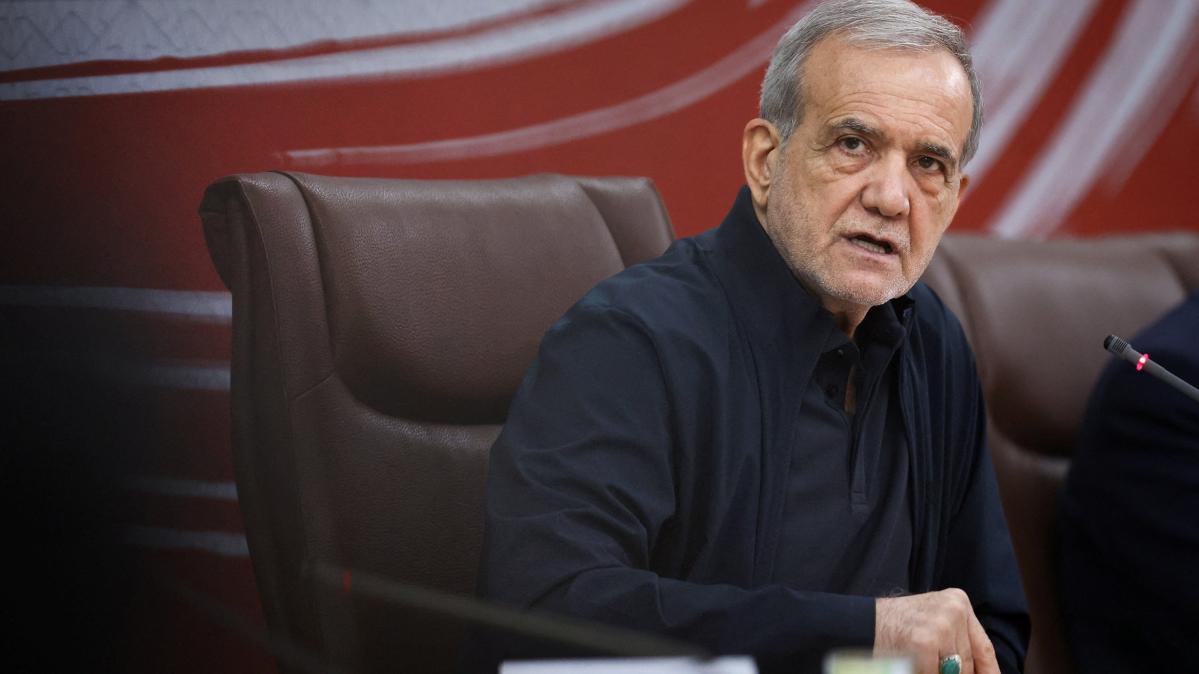
- Likely Qatar, Oman and Iran will sustain talks on a temporary shipping corridor over the next 14 days, but a full reopening agreement is unlikely in that period. Qatar's Prime Minister Sheikh Mohammed bin Abdulrahman Al Thani discussed a corridor with Iranian Foreign Minister Abbas Araghchi and other senior Iranian leaders, while Iran and Oman have discussed traffic administration, revenue sharing and conditions for restored navigation. Iran's security chief has tied reopening to US action, whereas the White House says there are currently no negotiations with Iran. Confidence is medium because the diplomatic activity is reported by several major-media sources, but the status of the proposed corridor and the parties' willingness to implement it remain unresolved. (Confidence: medium · ASSESSED)
- I&W: Confirm: Iran, Oman and Qatar publish operating procedures, vessel eligibility rules or a schedule for corridor transits through Hormuz. (0-14 days)
- I&W: Break: Iran withdraws its reopening conditions or the White House confirms formal US-Iran negotiations tied to a signed navigation arrangement. (0-14 days)
- Likely military activity involving Iran, Israel, the United States, the United Arab Emirates, Saudi Arabia and Kuwait will remain geographically distributed over the next 14 days. Reported Iranian missile and drone attacks have targeted Israel, US military bases and US-aligned Arab countries, while the United Arab Emirates, Saudi Arabia and Kuwait reportedly attacked Iran after strikes on their territory. Israel also reportedly conducted eight airstrikes in Syria on 18 August 2026, although the reporting conflicts over whether the target was Abu al-Duhur military airport or a deeper site near the Turkish border. Syria's warnings of a regional war and the reported Israeli ground incursions in southern Syria indicate persistent escalation pressure. Confidence is medium because the regional attack pattern is reported by multiple sources, but the Syrian target and some conflict chronology are contested. (Confidence: medium · ASSESSED)
- I&W: Confirm: another Israeli strike occurs at Abu al-Duhur or elsewhere in southern Syria, or Iran conducts another missile or drone attack against Israel, US bases or Gulf-state territory. (0-14 days)
- I&W: Break: Syria, Israel and the US announce an operating dispute-resolution mechanism and no further Israeli strikes or ground incursions are reported in Syria. (0-14 days)
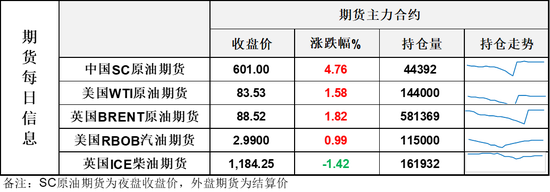
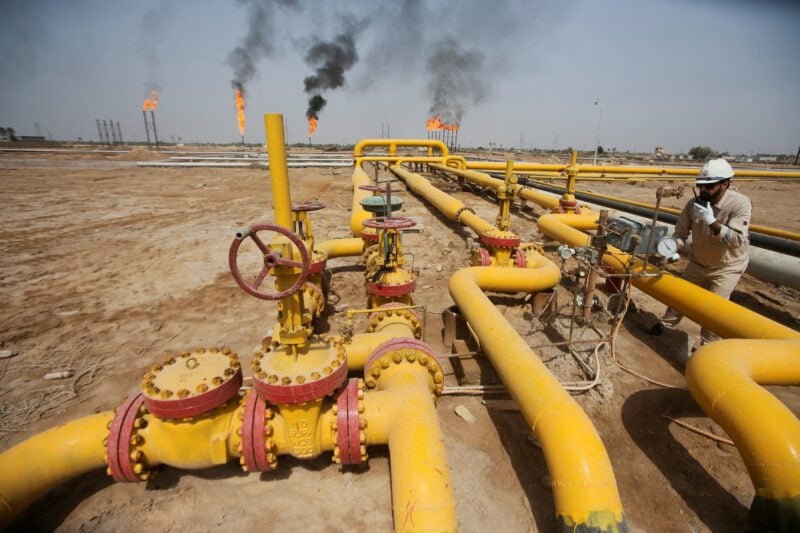
- Likely maritime and economic disruption will persist across Gulf trade over the next 1-3 months. Ship earnings have approached $650,000 a day, ships travelling from Oman to China cost about $220,000 a day to hire, and about 1.6 million barrels a day of regional refining capacity remain offline. These pressures coexist with partial crude flows through Hormuz, reported oil-price volatility, below-normal air traffic and a forecast contraction of just over 8 per cent for Qatar's economy. Confidence is medium because several major-media reports corroborate elevated transport and energy costs, but the reported oil-flow estimates and tanker-earnings dates are inconsistent. (Confidence: medium · ASSESSED)
- I&W: Confirm: tanker earnings continue approaching $650,000 a day, ship-hire costs remain near $220,000 a day on the Oman-China route, or additional regional refining capacity is reported offline. (1-3 months)
- I&W: Break: tanker earnings and Oman-China ship-hire costs fall materially from current reported levels while refining capacity returns and Gulf air traffic approaches pre-war levels. (1-3 months)
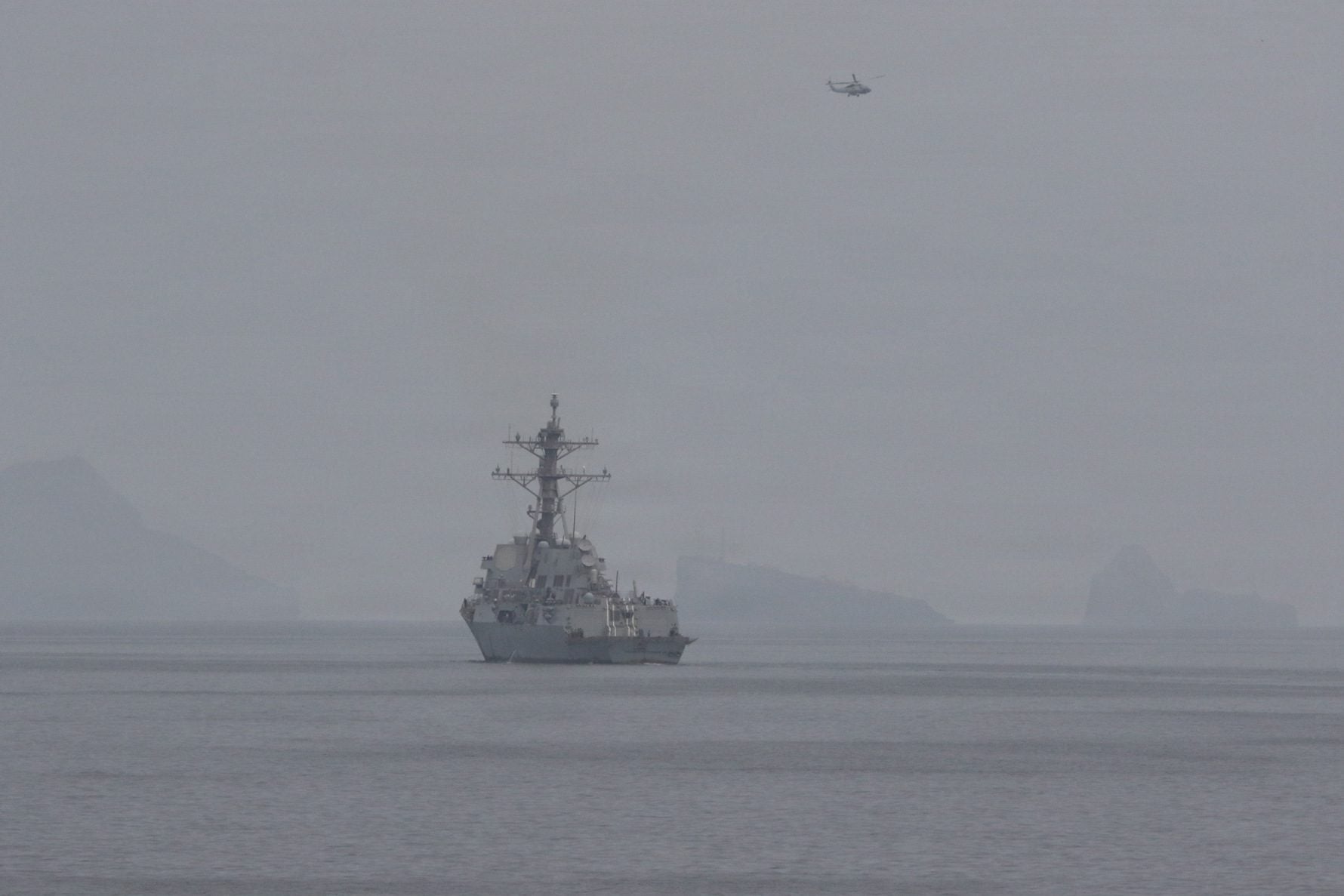
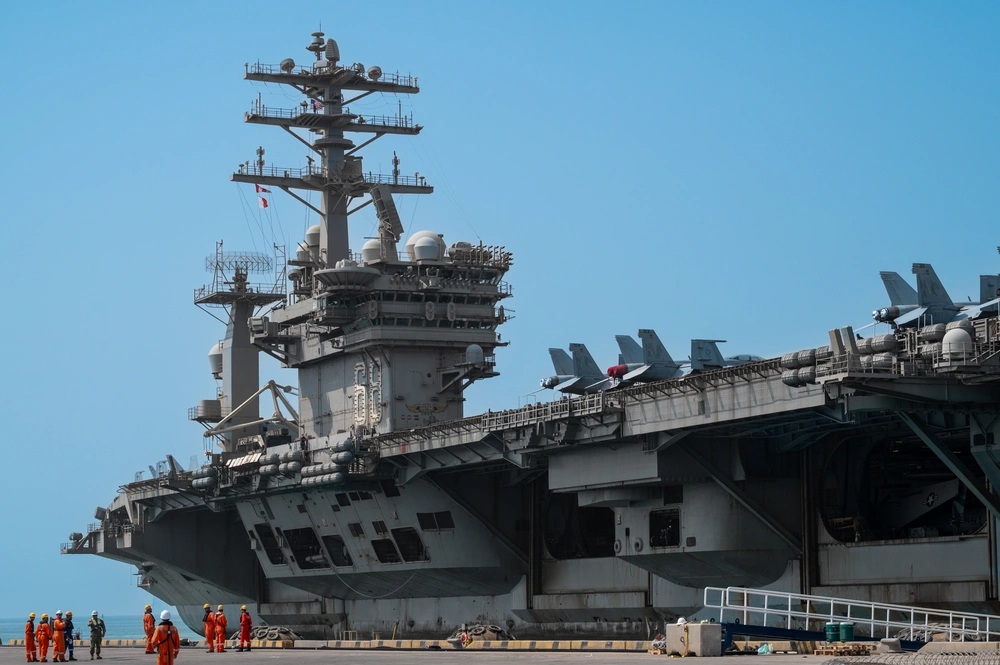
- Likely US naval operations will face sustained pressure from mine clearance, commercial-vessel protection and carrier sustainment over the next 1-3 months. Admiral Brad Cooper reports that US forces spent months clearing mines and helped 1,500 vessels transit Hormuz, while the Joint Maritime Information Center and unnamed US allies continue to question mine safety. The US Navy is also reported to be seeking alternative Indian Ocean port calls, and Admiral Daryl Caudle is seeking periodic carrier port calls during lulls in fighting. Confidence is low because the assessment rests chiefly on single-source reporting about port access and carrier sustainment, while the mine-clearance claim is not independently corroborated in the supplied reporting. (Confidence: low · ASSESSED)
- I&W: Confirm: the US Navy identifies additional Indian Ocean port calls, extends carrier deployments or reports another mine-clearance or vessel-protection operation in Hormuz. (0-30 days)
- I&W: Break: the US Navy announces regular carrier port calls and resupply arrangements without alternative-port planning, and maritime authorities remove mine warnings. (0-30 days)
Outlook & scenarios
Managed partial navigation (45%)
Qatar and Oman broker a limited corridor with Iran, allowing selected commercial vessels to transit while traffic remains below normal. US forces continue vessel assistance, and tanker incidents remain isolated. Diplomatic bargaining continues without a full US-Iran settlement.
Prolonged restricted shipping (35%)
Iran maintains its authorisation threat and reopening conditions. Partial oil flows continue, but mine warnings, insurance pressure, elevated tanker earnings and below-normal traffic persist. Qatar and Oman keep diplomatic channels active without securing an operating agreement.
Wider regional escalation (15%)
A further strike on a commercial vessel, US base or Gulf-state target expands the exchange. Israel increases activity in Syria, Iran sustains missile and drone attacks, and the United Arab Emirates, Saudi Arabia or Kuwait conduct additional strikes against Iran. Hormuz traffic falls further.
High-impact maritime closure wildcard (5%)
A casualty-producing maritime incident, confirmed minefield or deliberate Iranian attack causes commercial vessels to halt transit. US forces respond under the declared zero-tolerance policy on new mine placement, and the diplomatic corridor collapses.
Recommendations
- Treat Hormuz as partially navigable, not open. Maintain a daily comparison of verified vessel movements, crude volumes, mine warnings and projectile incidents, and separate total oil flow from normal commercial traffic.
- Prioritise confirmation of the AL SALAM II incident. Establish the vessel's precise location, damage, cause and any attribution before using the event as evidence of a wider maritime campaign.
- Track implementation rather than statements on the Iran-Oman-Qatar corridor. Look for published transit procedures, vessel eligibility rules, enforcement arrangements and evidence of actual sailings.
- Maintain a separate Syria escalation watch covering Abu al-Duhur, southern Syria, Mount Hermon and any reported Israeli ground incursions. Flag any repeat strike or Turkish-Israeli dispute mechanism as an immediate change in the regional-risk picture.
- Monitor US naval endurance indicators, including alternative port calls in the Indian Ocean, carrier resupply arrangements, mine-clearance activity and reports of crew welfare problems during extended deployments.
- Integrate tanker earnings, Oman-China ship-hire costs, refining capacity offline, oil-price movements and Gulf air-traffic levels into the economic watch. Use trends over several reporting cycles rather than a single estimate to judge whether disruption is easing.
Confidence & uncertainty
Overall confidence is medium. Multiple major-media reports, military statements, official government remarks and maritime reporting corroborate continued conflict, partial Hormuz traffic, diplomatic activity and economic disruption. The main uncertainties concern whether the shipping lanes are genuinely mine-free, the scale of traffic relative to normal levels, the implementation status of the proposed corridor and the exact target of the 18 August Israeli airstrikes in Syria. Several claims also carry medium or low source scores and contain inconsistent dates.
Intelligence gaps
- [EEI 1.1 · UNCOVERED] Unusual long-range missile/rocket transporter-launcher (TEL) movements, storage activation, or assembly activity at known IRGC missile sites or forward staging areas. Recommended collection: satellite/imagery
- [EEI 1.2 · PARTIAL] Orders, threat-alert messages, or changes in posture from IRGC, Quds Force, or senior Iranian military leadership indicating attack timelines or rules of engagement changes. Recommended collection: signals/ELINT and HUMINT
- [EEI 1.3 · UNCOVERED] Large-scale transfers, deliveries, or convoy movements of armed UAVs/drones, guided munitions, or spare parts from Iran into Lebanon (Hezbollah), Iraq, Syria, or Gaza. Recommended collection: air/aviation track and HUMINT
- [EEI 1.4 · UNCOVERED] Sustained changes in Israeli air-defense usage (SAM launches, radar activations), wide-area alerts, or NOTAMs indicating elevated imminent strike response. Recommended collection: air/aviation/NOTAMs and signals
- [EEI 2.1 · UNCOVERED] Concentration, repositioning, or sortie patterns of Iranian naval/IRGC patrol boats and fast-attack craft near shipping chokepoints or commercial lanes. Recommended collection: maritime/AIS and satellite/imagery
- [EEI 2.3 · PARTIAL] Insurance market indicators: sudden spikes in war-risk or hull insurance premiums for routes through the Red Sea, Suez corridor, or Persian Gulf, and major carriers announcing route changes. Recommended collection: financial/market and commercial shipping notices
- [EEI 2.4 · PARTIAL] Port closures, naval escorts requested by commercial operators, or formal rerouting advisories issued by major shippers (e.g., Maersk, Hapag-Lloyd) for regional transits. Recommended collection: commercial/OSINT
- [EEI 3.1 · PARTIAL] Deployment of foreign military assets to the region (carrier strike groups, amphibious ships, combat aircraft deployments, or additional bases activated) from the US, UK, France, Russia, or GCC states. Recommended collection: maritime/AIS and air/aviation and satellite/imagery
- [EEI 3.3 · UNCOVERED] Confirmed arms transfers, expedited weapons shipments, or transfer authorizations to Israel, Iran, or their proxies (aircraft parts, munitions, air defenses). Recommended collection: customs/INTEL and HUMINT
- [EEI 3.4 · UNCOVERED] Issuance of travel warnings, embassy evacuations or reductions, and closure of diplomatic missions by major capitals indicating escalation risk or shifted threat assessments. Recommended collection: OSINT/diplomatic
Cited sources
[1] gcaptain.com · Iran War Diplomacy Turns Toward Reopening Hormuz (A) · sha256:88fd0104dadf [2] gcaptain.com · U.S. Military Says It Has Cleared Iran’s Mines From Strait of Hormuz Shipping Lanes (A) · sha256:dce3299a6e04 [3] gcaptain.com · Hormuz Oil Flows Rising as Gulf Giants’ Ramp Up Accelerates (B) · sha256:8af12d4eb729 [4] gcaptain.com · US Commander Declares Hormuz Shipping Lanes Are Mine-Free (A) · sha256:207180f7dc2e [5] Al Jazeera · Iran, Qatar hold Hormuz talks amid int’l hopes dialogue with US will resume (A) · sha256:8a6caa64b92d [6] anewz.tv · Pezeshkian urges stronger economic ties among Muslim states (B) · sha256:34a114c8a66b [7] abcnews.com · Regional powers seek off-ramp from Iran war, and other Middle East developments (A) · sha256:e903631d99f7 [8] finance.sina.com.cn · 油价连续第二天先跌后涨,美伊博弈没有积极进展,市场维持观望 (B) · sha256:35633973c53d [9] Wikipedia · 2026 Iran war (B) · sha256:6d2e98e32a97 [10] en.yenisafak.com · Syria accuses Israel of destabilizing region at UN (A) · sha256:f6020c1194b7 [11] aljazeera.net · هل أرادت إسرائيل استدراج تركيا للمواجهة؟ (A) · sha256:fa7d15b55e18 [12] arabnews.com · Netanyahu’s narrow political calculus may ignite ‘regional war that spares no one,’ Syrian envoy warns (B) · sha256:7bd916af0b9c [13] gcaptain.com · Gulf Oil Tankers Near $650,000 a Day as Iran War Disrupts Flows (A) · sha256:2e3baae6c664 [14] gcaptain.com · Pipelines and Ports: Iran War Spurs Gulf Infrastructure Investment (A) · sha256:baebc21308d2 [15] maritime-executive.com · U.S. Navy is Looking for an Alternative to Bahrain for Mideast Port Calls (B) · sha256:04828c6e3b63 [16] vietnam.vn · The US-Iran war after 6 months: From lightning airstrikes to a costly stalemate. (B) · sha256:0b1856d72dfc
Source content hashes were computed at collection time; the cited text is preserved unmodified for the life of this product.
TLP:CLEAR