TLP:CLEAR · Disclosure is not limited.
Iran-Israel Conflict: Hormuz Shipping Risk and Diplomatic Uncertainty
Time window: Last 1 day · Audience: General analyst · Type: Situation report · DTG: 2026-11-11 09:46Z · Overall confidence: HIGH
BLUF
Further attacks on commercial shipping in and near the Strait of Hormuz are likely over the next 14 days, but incident totals and reported causes conflict. A renewed US strike on Iran is unlikely in that period; Washington signals openness to diplomacy while Tehran denies talks and conditions reopening Hormuz on its demands.
Executive summary
Reporting on 10 and 11 November describes new tanker incidents near the Strait of Hormuz and damage to an ADNOC Logistics & Services vessel. The reported mechanism and location of some incidents are disputed, as are monthly attack totals. US officials have signalled openness to diplomacy and said new attacks are unnecessary, while Mohsen Rezaei denies that negotiations with Washington are under way and says Hormuz will remain closed until Iran's conditions are met. In Israel, Gadi Eisenkot has the mandate to form a government, but reported resistance within his camp to relying on Arab-party support complicates coalition formation.
Change from previous assessment
Since the 10 November brief, maritime risk has moved to the foreground with new reporting of a tanker strike near Lima, damage to an ADNOC vessel and a separate IRGC account attributing tanker fires to mines. Reporting now contains sharply inconsistent monthly attack totals and competing incident explanations, lowering confidence in the scale and attribution. The assessment that a renewed US strike is unlikely remains unchanged, with current Trump and Rubio statements reinforcing restraint but not resolving the risk. The diplomatic picture is more contested: Washington signals openness while Rezaei denies negotiations. Israel's new Knesset has been sworn in, and reporting highlights resistance within Eisenkot's camp to relying on Arab-party support.
Key judgments
- Further attacks on commercial shipping in and near the Strait of Hormuz are likely over the next 14 days. UKMTO reported an unidentified-projectile strike on a tanker northeast of Lima, Oman, and ADNOC confirmed damage to one of its vessels on 10 November; reports place the ADNOC incident in different locations. The IRGC claimed three tankers caught fire after hitting mines on an unauthorised route, while UKMTO reported a tanker struck by an unknown projectile. The scale is also unsettled: reports give 37 attacks for November, 10 since November began, and 37 for October. (Confidence: medium · ASSESSED)
- I&W: UKMTO or JMIC reports another attack on a commercial vessel near Lima, Musandam or the Strait of Hormuz, with a date and location that can be checked against vessel-operator reporting. (0-14 days)
- I&W: JMIC downgrades the Strait of Hormuz threat level from SEVERE, or publishes verified data showing a sustained fall in vessel incidents and anchorages near Fujairah and Khor Fakkan. (0-14 days)
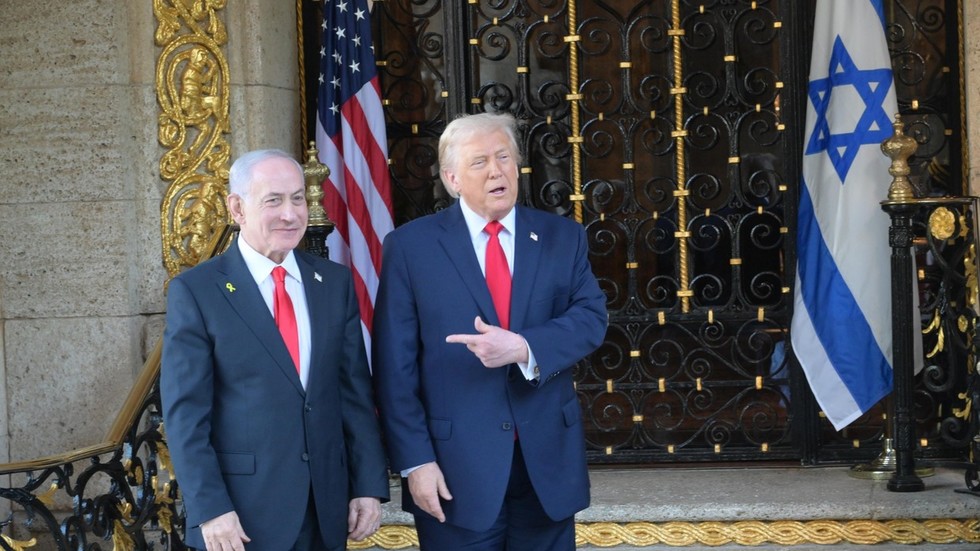
- A publicly confirmed substantive US-Iran negotiating track is unlikely to emerge over the next 14 days. Marco Rubio said Washington was open to diplomacy, and Donald Trump cited positive momentum after meeting Qatar's prime minister; Mohsen Rezaei denies that negotiations are under way. Iranian officials say Hormuz will remain closed until Iran's conditions, including sanctions and blockade relief and an end to fighting, are met. The supplied reporting does not provide joint confirmation of a negotiating process. (Confidence: low · ASSESSED)
- I&W: The White House and Iran's Foreign Ministry both confirm a dated meeting or an exchange of proposals through Qatar. (0-14 days)
- I&W: Mohsen Rezaei or Abbas Araghchi repeats that talks are not under way and that Hormuz will remain closed pending Iran's conditions, without a jointly confirmed meeting. (0-14 days)
- A renewed US strike on Iran is unlikely over the next 14 days. Trump said new attacks were unnecessary, and Rubio said Washington was open to diplomacy and saw no need for major combat operations. Trump has also vowed to maintain the naval blockade of Iranian ports, while reporting says Iran has attacked tankers using US-designated shipping routes. The public signals favour restraint, but do not remove the risk of escalation. (Confidence: medium · ASSESSED)
- I&W: Trump or the White House publicly reiterates that new attacks are unnecessary, and no US strike on Iran is reported by 25 November. (0-14 days)
- I&W: The White House announces renewed strike authorisation against Iran, or reporting confirms a US attack on an Iranian target. (0-14 days)
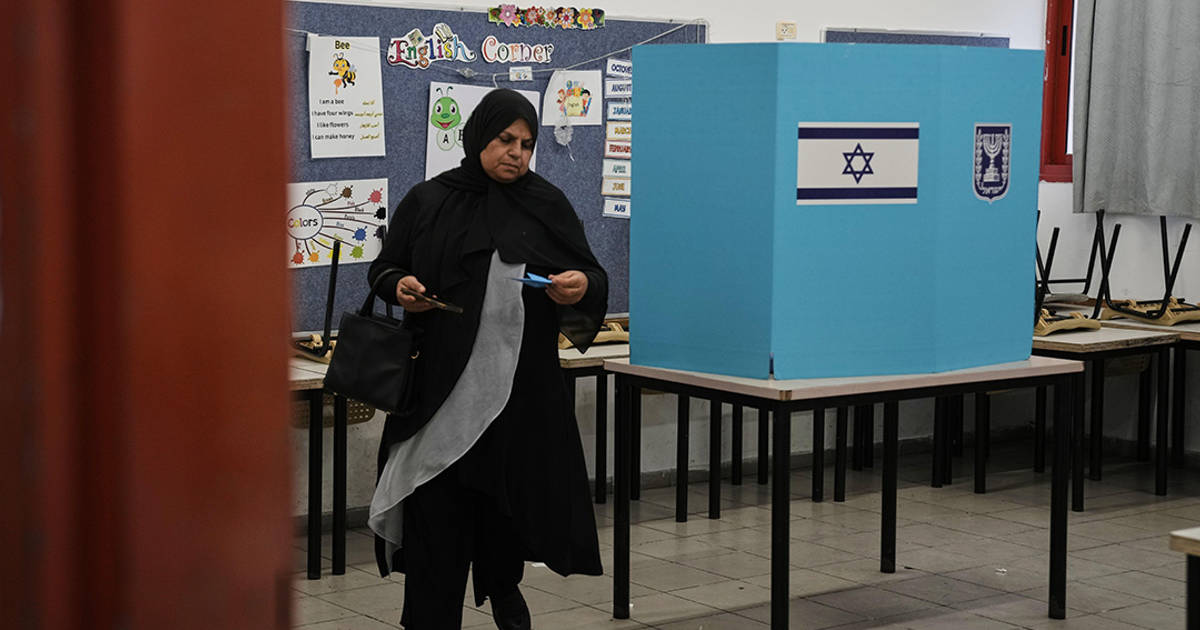
- Eisenkot is likely to face difficulty converting the 67 recommendations he received into a coalition because some in his own camp reject dependence on Arab-party support. The reports establish his mandate and the internal objection, but do not establish whether that opposition will prevent a governing agreement. (Confidence: medium · ASSESSED)
- I&W: Eisenkot announces a coalition agreement that relies on support from the Joint List or Ra'am, or reports identify a public agreement by his camp to accept that support. (0-14 days)
- I&W: Eisenkot announces that he cannot form a government, or Isaac Herzog reassigns the mandate to another candidate. (0-1 month)
Outlook & scenarios
Continued maritime confrontation without a new US strike (55%)
Iran maintains its stated conditions for reopening Hormuz, the US maintains pressure on Iranian ports, and commercial shipping faces further incidents. Washington continues to signal restraint, but the cause and scale of reported attacks remain contested.
Conditional diplomatic opening (25%)
Washington and Tehran confirm a Qatar-mediated exchange or meeting. Iran links any reopening of Hormuz to its stated conditions, so a diplomatic opening does not by itself establish that shipping disruption will end.
Wider military escalation after a new maritime incident (15%)
A new attack with independently verified attribution prompts a US or Israeli military response. Iran retaliates, raising the risk of further attacks on shipping and a broader regional confrontation.
Wildcard: mine incident prompts intervention (5%)
Independent evidence confirms that naval mines damaged tankers in the Strait of Hormuz. Pressure for a military response rises sharply, increasing the risk that the maritime confrontation expands beyond the immediate incident.
Recommendations
- Maintain a daily incident ledger for commercial vessels in and near the Strait of Hormuz. Record event date, coordinates, vessel and operator, reported mechanism, crew impact and source; keep October and November totals separate until the 37-versus-10 discrepancy is reconciled.
- Treat US-Iran talks as unconfirmed unless both sides acknowledge a specific meeting or exchange. Track statements by the White House, Rubio, Rezaei and Araghchi, and distinguish Qatar-mediated contact from an agreed negotiating process.
- Review the 14-day strike assessment against public US statements and confirmed reports of an attack or strike authorisation. Do not treat diplomatic language alone as evidence that the blockade or military pressure has ended.
- Track Eisenkot's coalition negotiations for a formal agreement, public acceptance or rejection of Arab-party support, and any transfer of the government-formation mandate. Do not equate parliamentary recommendations with a completed coalition.
Confidence & uncertainty
Overall confidence is high for the broad picture of sustained maritime disruption and active diplomatic and political signalling. UKMTO, JMIC, ADNOC and major-media reporting provide mutually reinforcing accounts of shipping incidents and disruption. Confidence is lower on exact attack totals, the cause and location of particular incidents, and whether substantive US-Iran talks are under way; these uncertainties are reflected in the relevant judgments.
Intelligence gaps
- [EEI 1.1 · UNCOVERED] Observed repositioning, sustained increases, or new forward basing of Iranian conventional or IRGC forces (armored units, missile batteries, aircraft, naval vessels) toward borders or regional launch points. Recommended collection: IMINT/satellite
- [EEI 1.2 · UNCOVERED] Hezbollah or other Iran-aligned proxy forces conducting mass mobilization, visible rocket/artillery emplacements, cross-border firing incidents, or preparations for cross-border operations from Lebanon, Syria, Iraq or Yemen. Recommended collection: HUMINT/ground ISR
- [EEI 1.3 · UNCOVERED] Detection of increased missile/rocket/torpedo launch events attributable to Iran, Israel, or proxies (launch signatures, trajectories, impact points) indicating a sustained campaign rather than isolated strikes. Recommended collection: SIGINT/IMINT/air-defense radar
- [EEI 1.4 · UNCOVERED] Interdicted or observed shipments (air, sea, land manifests, seizures, satellite imagery of transfers) of advanced weapons or missile components from Iran toward proxy groups or forward staging points. Recommended collection: maritime/AIS
- [EEI 2.1 · UNCOVERED] Satellite or on-the-ground imagery showing fires, damage, or operational shutdown at major oil export facilities, refineries, storage terminals, or key pipeline infrastructure in the Gulf and Red Sea. Recommended collection: IMINT/satellite
- [EEI 2.4 · UNCOVERED] Rapid increases in war-risk insurance premiums for Middle East routes, shipping company advisories to avoid region, or major charter cancellations tied to the conflict. Recommended collection: financial/open-source
- [EEI 3.1 · UNCOVERED] Movement/arrival of major foreign military assets into the region: US carrier strike groups, amphibious ready groups, strategic bomber flights, Russian/Chinese naval taskings, or allied expeditionary units (visible in AIS, NOTAMs, satellite imagery, official releases). Recommended collection: IMINT/satellite
- [EEI 3.2 · UNCOVERED] Official expedited arms transfers, basing/overflight agreements, or declarations of operational support (formal government announcements, defense ministry releases, logistics flight manifests). Recommended collection: open-source/diplomatic
- [EEI 3.3 · UNCOVERED] Embassy evacuations, large-scale personnel movements, issuance of government travel bans/advisories, or multinational security alerts affecting foreign nationals and diplomatic posture in the region. Recommended collection: diplomatic/open-source
- [EEI 3.4 · PARTIAL] High-level diplomatic/UN activity: scheduled or emergency Security Council meetings, published ceasefire proposals, or multilateral statements committing support/condemnation that precede changes in military posture. Recommended collection: open-source/diplomatic
Red cell review: CONCUR
TLP:CLEAR